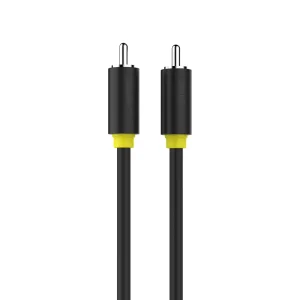
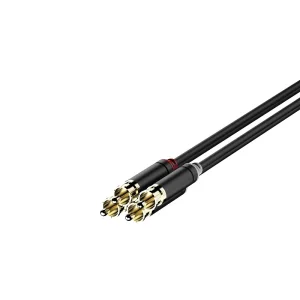
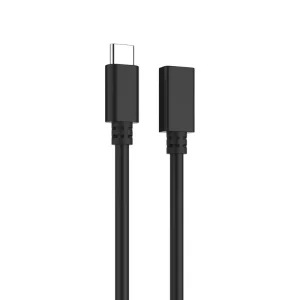
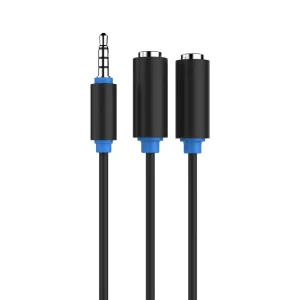
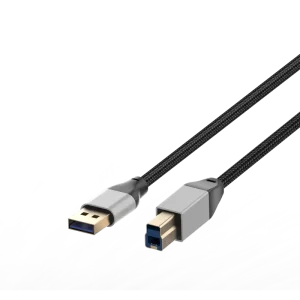
Explore our primary segment of premium interconnects, conversion systems, and signal adapters custom engineered for commercial audio-visual infrastructures and hardware manufacturing setups.
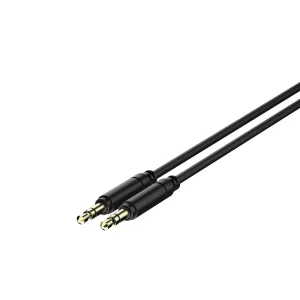
The mini-jack, globally standard as the 3.5mm connector, remains an indispensable hardware interface in consumer electronics, automotive design, aviation communications, and specialized medical apparatus. Despite the digital shift led by USB-C, lightning ports, and wireless technologies, the dedicated 3.5mm analog interface retains a significant and distinct footprint. Its zero-latency performance, immunity to software handshake delays, and isolation from electromagnetic interferences make it highly suitable for missions where reliable signal transmission is non-negotiable.
Global procurement vectors show a shifting focus toward specialized design requirements. Commercial audio-visual suppliers and industrial equipment builders no longer view the 3.5mm connector as a commoditized low-tech part. Dynamic demands call for high-density, multi-channel layouts (TRRS and TRRRS), integrated shielding topologies to isolate high-frequency digital noise, and extreme climate tolerance. The demand for ruggedized configurations with advanced physical vapor deposition (PVD) gold-plated surfaces and robust strain-relief architecture has experienced substantial growth in both Eastern and Western markets.
High-end 3.5mm component manufacturers now implement dual-shielding techniques—combining aluminum-mylar foils with high-density tinned oxygen-free copper (OFC) braids. This setup addresses signal cross-talk issues common in environments that host multi-spectral wireless emissions. The integration of precision-balanced mechanical housings ensures that the connector exhibits optimal spring retention and structural durability, preventing contact wear over thousands of connection cycles.
In B2B applications, material properties directly impact electrical performance and service life. The mechanical tolerances of 3.5mm audio jacks and plugs are governed by rigorous industrial criteria. Manufacturers targeting automotive or medical markets use physical vapor deposition (PVD) to coat the mating surfaces. A layer of high-conductivity gold over a nickel barrier protects against corrosion while maintaining reliable, low-impedance electrical contact.
| Specification Metric | Standard Commercial Grade | Premium Industrial/Automotive Grade | Military & Medical Instrumentation Grade |
|---|---|---|---|
| Mating Surface Finish | Standard Flash Gold Plating | ≥ 3μ" Gold Plating over Nickel | ≥ 30μ" Hard Gold Plating (ASTM B488) |
| Conductor Core Metallurgy | CCA (Copper Clad Aluminum) | OFC (99.99% Oxygen-Free Copper) | LCOFC (Linear Crystal Oxygen-Free Copper) |
| Insulation Resistance | ≥ 100MΩ @ 500V DC | ≥ 500MΩ @ 500V DC | ≥ 1000MΩ @ 1000V DC |
| Contact Resistance | ≤ 50mΩ initial | ≤ 20mΩ initial | ≤ 10mΩ dynamic contact threshold |
| Mechanical Insertion Durability | Up to 3,000 cycles | Up to 10,000 cycles | ≥ 25,000 high-reliability cycles |
| Shielding Coverage | Single layer foil, < 70% braid | Double shield (Al-Mylar + 85% braid) | Triple shield (Dual Al-Mylar + 95% tinned braid) |
To prevent signal degradation across the audio spectrum, the characteristic capacitance of the cable assembly must be controlled. High-grade dielectric spacers, made from cross-linked polyethylene (XLPE) or polytetrafluoroethylene (PTFE), help minimize signal loss at higher frequencies. Additionally, custom overmolding options featuring thermoplastic elastomers (TPE) or braided nylon sleeves protect the vulnerable plug-to-cable transition, reducing mechanical strain from repeated bending.
While the consumer market often relies on wireless alternatives, specialized industries continue to use physical 3.5mm connectors due to their simplicity and reliability. Here is how modern sectors utilize these interfaces:
Car manufacturers require auxiliary ports to operate reliably under extreme temperature swings (-40°C to +85°C) and constant vibration. High-retention force contacts prevent accidental unplugging on bumpy roads.
In medical equipment like ECG systems, signal integrity is critical. Medical-grade 3.5mm interfaces feature proprietary medical-grade shielding to block electromagnetic interference from nearby hospital systems.
Flight crew headsets and tactical radio arrays rely on TRRS/TRRRS interfaces. These setups carry high-fidelity microphone feedback alongside stereo monitoring over a single ruggedized cable run.
Procuring reliable components at scale requires selecting suppliers with robust quality management systems. Evaluating 3.5mm manufacturers involves reviewing key standards such as ISO 9001:2015 for quality management, and IATF 16949 for automotive-grade validation. Compliance with RoHS and REACH is also critical to ensure materials are free of restricted hazardous substances.
Production consistency is maintained through advanced automated testing. Advanced facilities employ automated optical inspection (AOI) to verify structural symmetry and solder joint integrity. Plating thickness is checked via X-ray fluorescence (XRF) analyzers to ensure the gold layer meets specifications, protecting against premature wear and corrosion.
In 1984, Dongguan Taitron Electronics Limited., formerly known as Tonetron, was founded in Keelung, Taiwan. In 1993, it moved to the self-built independent production industrial park in Dalingshan Town, Dongguan City, China, and changed its name to Dongguan Taitron Electronics Limited.
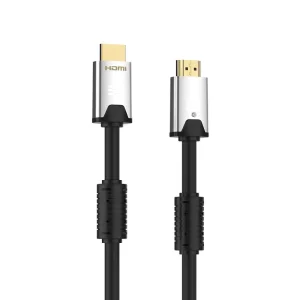
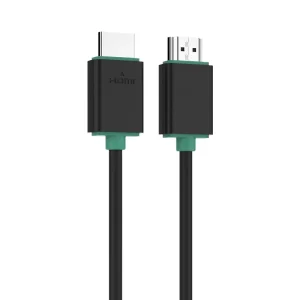
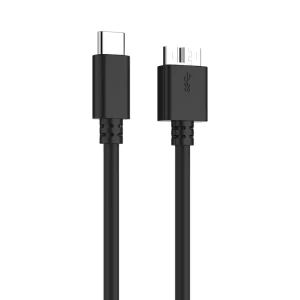
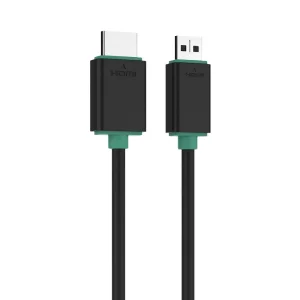
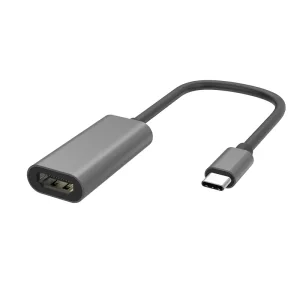
Over the past 38 years, our foundation has been built on manufacturing professional video and audio peripheral equipment connection lines. We have gradually expanded our development and manufacturing capabilities to high-end audio and video cables, data cables, and connectivity solutions. Our product range includes HDMI2.1 cables, DP2.0 cables, USB4 data cables, USB-C 3.1 Gen2 data cables, high-power USB charging cables, 8K HD conversion cables, and multi-functional Type-C expansion docks.

Looking ahead, the development of analog connectivity focuses on integration, miniaturization, and sustainability. As smart devices shrink, components must deliver high performance within smaller footprints. Manufacturers are developing hybrid layouts that combine optical fibers and copper conductors inside a single 3.5mm form factor to carry both analog audio and high-speed optical control data.
Developing ultra-thin conductive shielding layers to block high-frequency electromagnetic interference (EMI) in dense smart home systems and medical devices.
Transitioning to halogen-free, bio-based thermoplastic elastomers (TPE) to meet strict environmental regulations and support sustainable manufacturing initiatives.
Integrating optical fibers within standard connector shapes to support long-distance, high-bandwidth signal transmission without electromagnetic interference.
Common technical questions regarding 3.5mm component selection, material performance, and industrial integration.
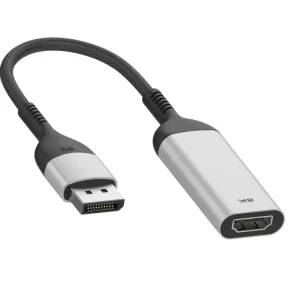
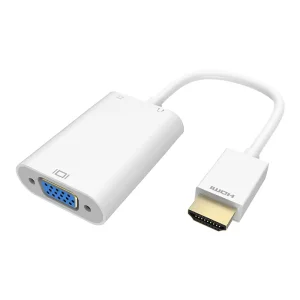
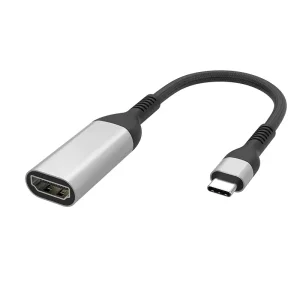
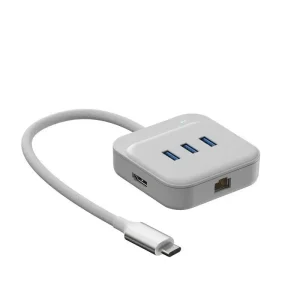
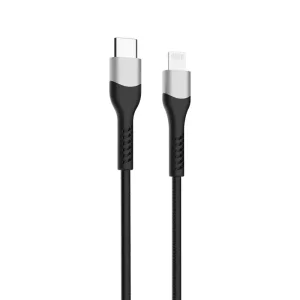
Discover our range of complementary connectivity systems, including high-speed adapters, multi-functional hubs, and professional-grade conversion interfaces.
 Taichang Electronic