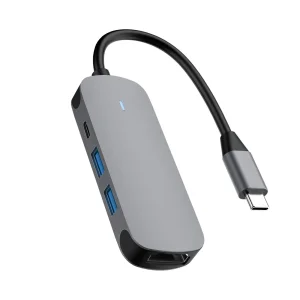
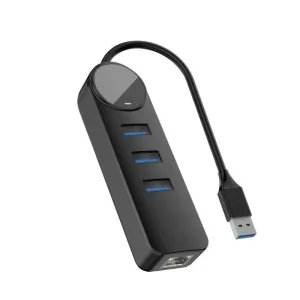
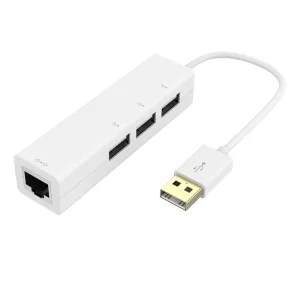
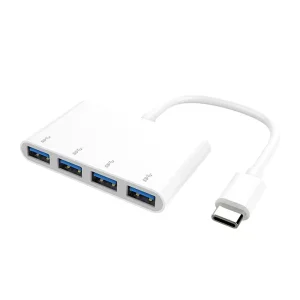
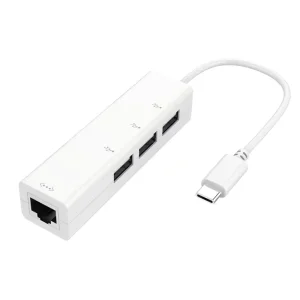
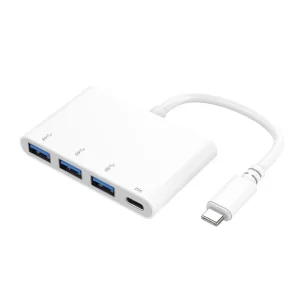
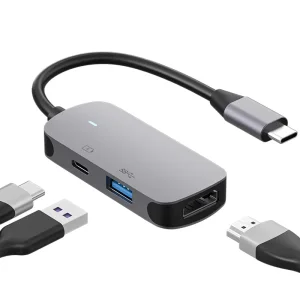
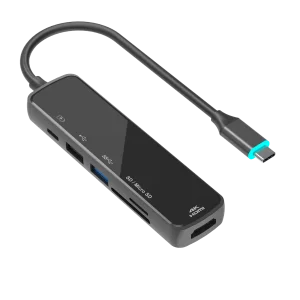
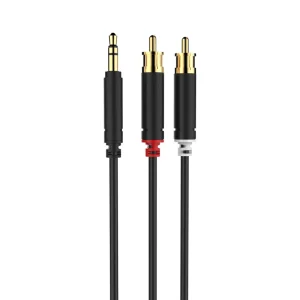
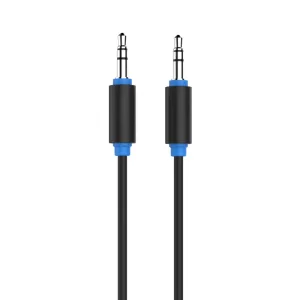
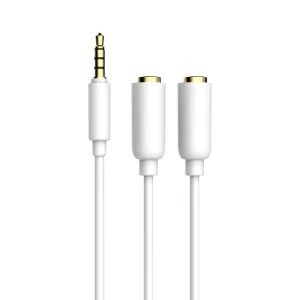
Engineered for absolute signal integrity, high-wattage power delivery, and robust thermal management.
How high-density 4-in-1 peripherals solve modern physical layer limitations.
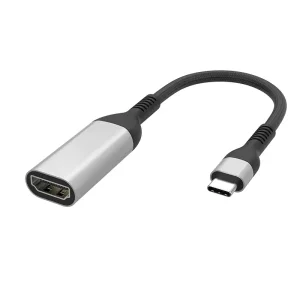
Modern endpoint devices have aggressively eliminated dedicated legacy interfaces. The reliance on a singular USB Type-C physical port demands highly sophisticated hardware that multiplexes Ultra-High-Speed (UHS) display signals, multi-gigabit Ethernet, and high-frequency USB data links simultaneously.
When operating at modern transfer rates like USB 3.2 Gen 2 (10 Gbps) or HDMI 2.0 (18 Gbps), signal attenuation increases exponentially. Premium 4-in-1 architectures utilize active redrivers and specialized PCB routing topologies to maintain low-jitter, high-integrity physical links.
Packing multiple functional chipsets (Ethernet controllers, display converters, and USB bridges) into ultra-slim form factors generates localized heat zones. Structural aluminum alloy shielding and specialized thermal pads prevent performance throttling and extend device MTBF.
Analyzing procurement strategies, hardware validation, and supply chain security.
In the enterprise procurement cycle, 4-in-1 connectivity peripherals are no longer treated as simple accessory elements; they are mission-critical components in workspace deployments and unified communications (UC) packages. System integrators, international distributors, and corporate IT managers face complex sourcing decisions dictated by international tariffs, manufacturing certifications, and component authenticity.
Choosing the right manufacturing partner demands rigorous evaluation of their physical infrastructure, engineering capability, and capability for custom firmware integration. The differentiation between basic generic export products and enterprise-grade peripherals lies in the selection of integrated circuits (ICs) from tier-1 silicon providers (e.g., Realtek, Cypress, Parade Technologies) and compliance with international electromagnetic compatibility (EMC) regulations.
Tracing our evolution from foundational connectivity adapters to advanced USB4 and HDMI 2.1 systems.
Founded in 1984 as Tonetron in Keelung, Taiwan, our organization established itself as a pioneer in specialized video and audio connection line manufacturing. Anticipating the global transition in electronics assembly and production scale, we relocated in 1993 to a self-built independent production industrial park in Dalingshan Town, Dongguan City, China, officially changing our corporate identity to Dongguan Taitron Electronics Limited.
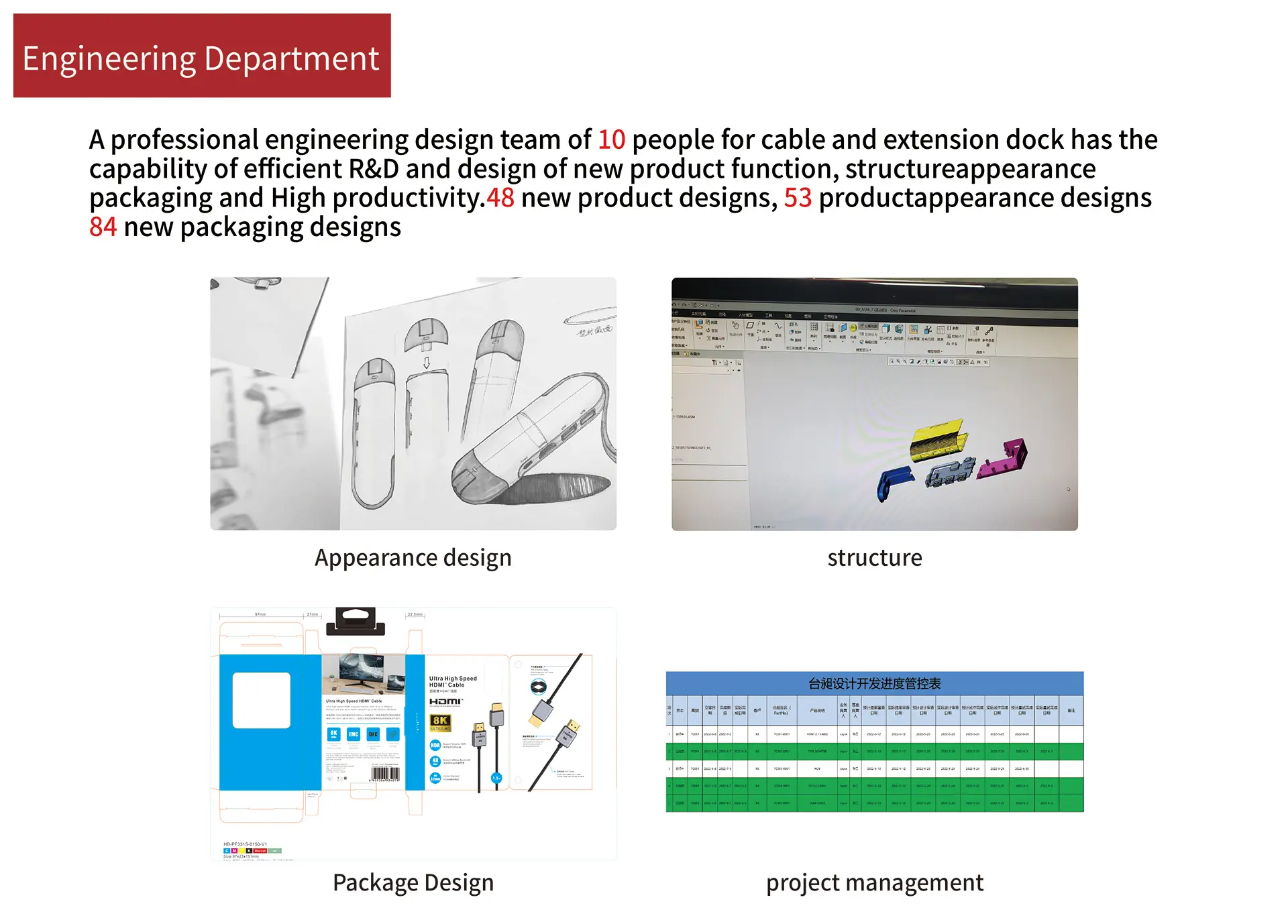
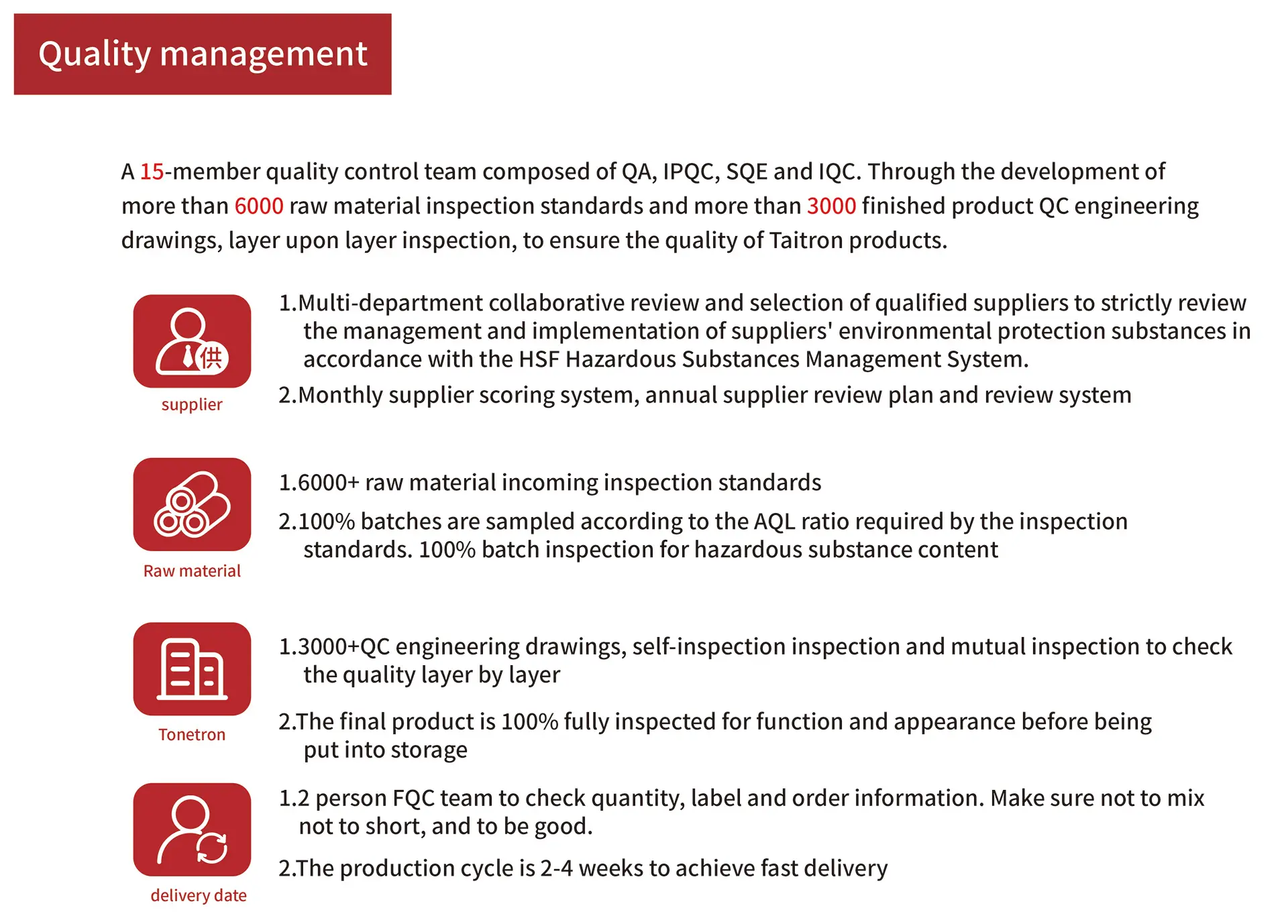
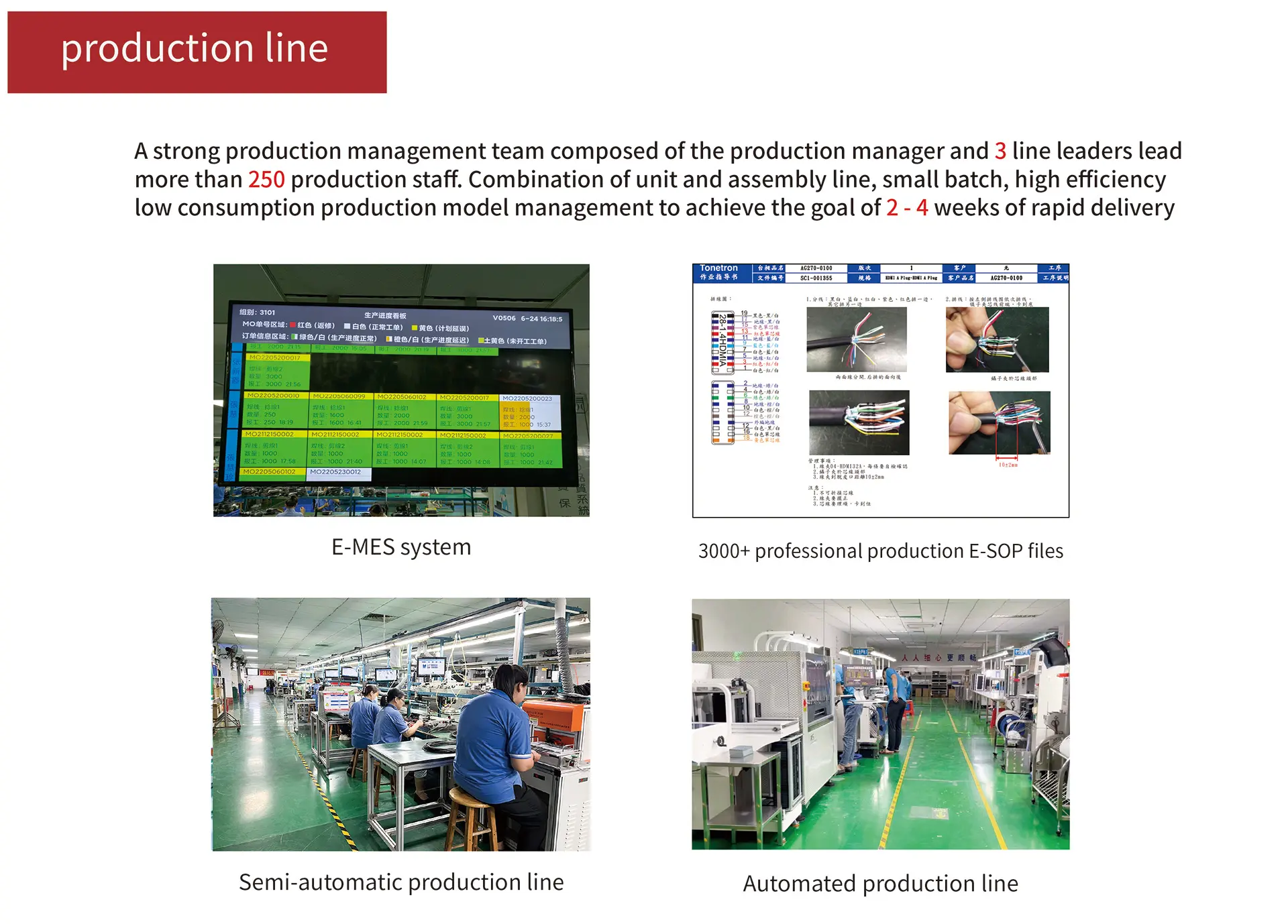
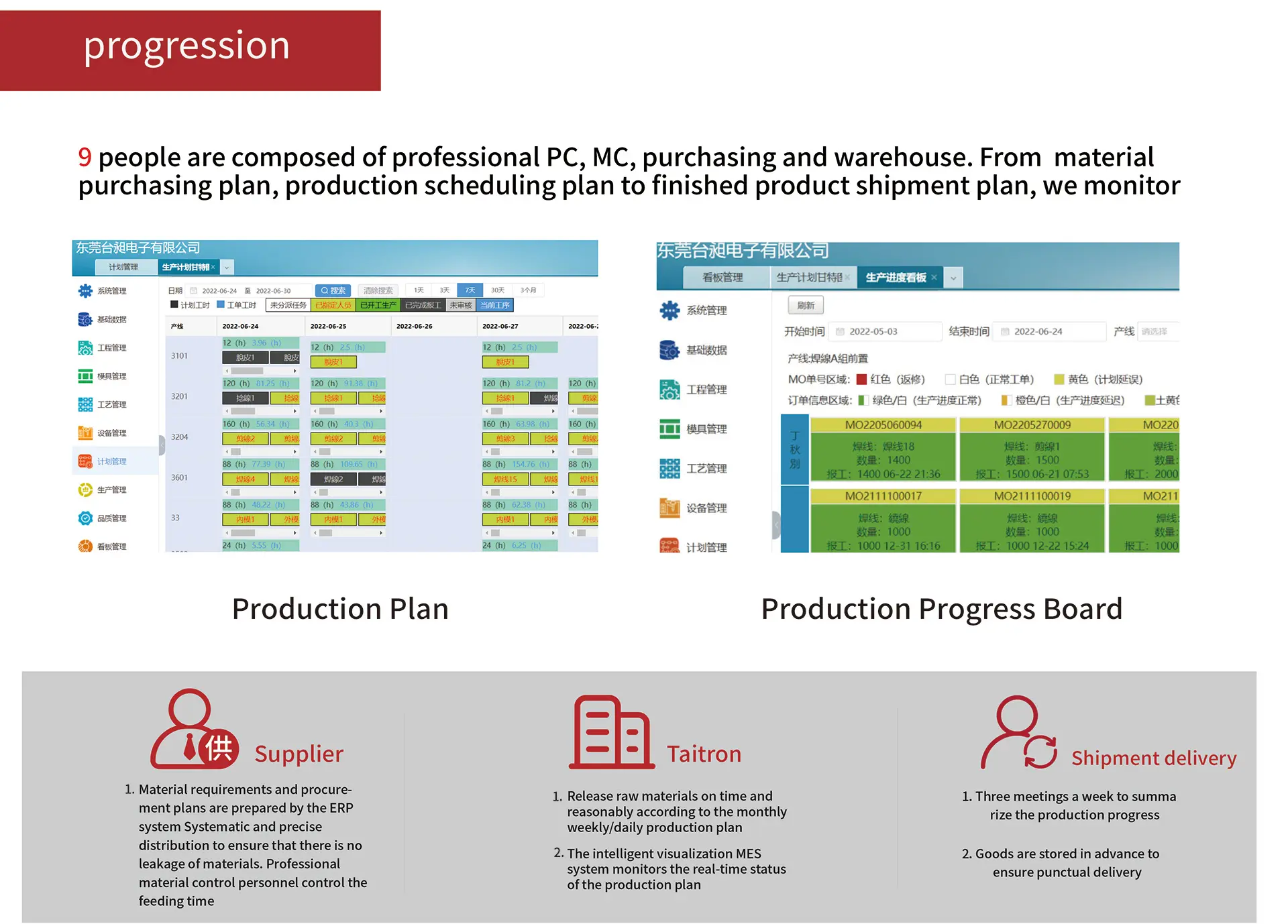
Over the span of 38 years, our development roadmap has systematically expanded. Leveraging our foundation in precision copper extrusion, high-frequency signal shielding, and molding technologies, we have scaled our production to meet high-end demands. Our core research, development, and manufacturing capacity includes:

Comparative engineering parameters for premium 4-in-1 hardware configurations.
| Functional Interface | Supported Standards | Physical Chipset Solution | Signal Integrity Control |
|---|---|---|---|
| USB-C Downstream | USB 3.2 Gen 2 (up to 10 Gbps) | GL3590 / VL822 Hub Controller | Dual ESD protection diodes, low impedance tracks |
| Video Interface (HDMI) | HDMI 2.0b (4K @ 60Hz), HDCP 2.2/1.4 | PS176 / RTD2171 Conversions | Level shifting, impedance match to 100Ω ±10% |
| Network Interface (RJ45) | IEEE 802.3ab 1000BASE-T (Gigabit Ethernet) | RTL8153B / AX88179A Controller | Integrated isolation transformer, status LED indicators |
| Power Input (PD Pass-thru) | USB PD 3.0 (up to 100W Input, 85W Output) | FUSB302 / FL7102 PD Controller | Over-voltage (OVP), Over-current (OCP) sensing |
To ensure compatibility with major operating environments (Windows, macOS, ChromeOS, iPadOS, and Linux kernels), Dongguan Taitron implements firmware optimizations directly within the flash storage of the microcontrollers. This strategy prevents issues related to system updates, device reconnect loops, and mismatched power profiles that frequently impact lower-quality consumer docks.
Meeting stringent global criteria for safety, environmental footprint, and RF emissions.
4-in-1 adapters run multiple high-frequency lines in close proximity, posing a risk of interference with adjacent 2.4GHz wireless devices (such as Bluetooth and Wi-Fi transceivers). Our design utilizes custom metal internal shields and multi-layer ground planes on the PCB to suppress unwanted EMI emissions and pass FCC Part 15 and CE certification standards.
We ensure compliance with RoHS (Restriction of Hazardous Substances) and REACH criteria. All materials, including solder wire, plastic shells, cables, and packaging material are certified lead-free, cadmium-free, and phthalate-free, ensuring clean end-of-life disposal and circular economy compliance.
From initial design evaluation (FAE services) to regional supply logistics, Dongguan Taitron maintains dedicated technical support teams for North American, European, and Asia-Pacific regions, providing reliable product design support and customized firmware versions.
How our R&D is preparing for USB4 V2.0, DisplayPort 2.1, and 240W Extended Power Range (EPR).
As standard interfaces continue to evolve, the requirements for multi-port docks will shift. Over the next 24 months, Dongguan Taitron is directing engineering efforts toward implementing dynamic bandwidth allocation (DBA) technology. With the introduction of USB4 Version 2.0, offering speeds up to 80Gbps, docking stations will dynamically allocate bandwidth across multiple data and display streams, maximizing overall port utility.
Additionally, the transition from EPR (Extended Power Range) to standard docking topologies allows for simultaneous pass-through power up to 240W, facilitating the charging of high-draw mobile workstations and gaming laptops without requiring dedicated proprietary brick chargers. Our engineering team is currently testing specialized high-wattage power management circuits to maintain safe operating temperatures while handling these higher voltages.
Answering critical engineering and distribution questions for procurement managers.
Industrial-grade converters and cabling systems designed for persistent connectivity.
 Taichang Electronic