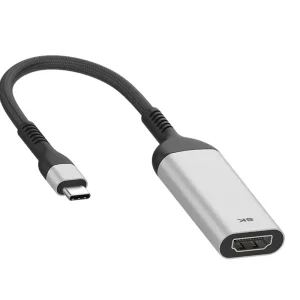
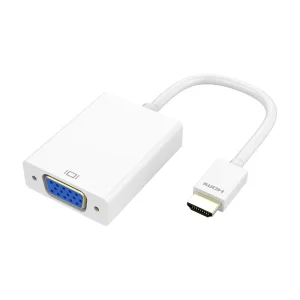
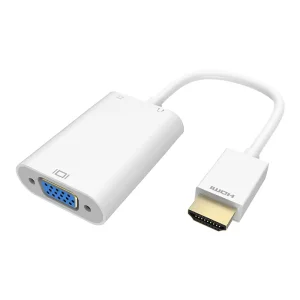
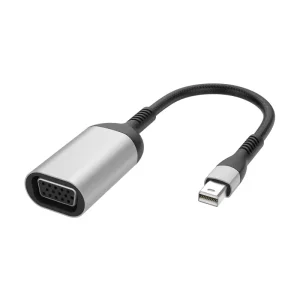
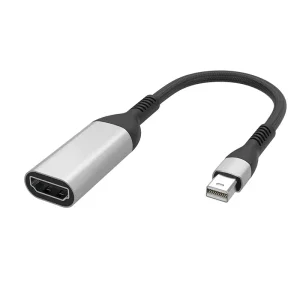
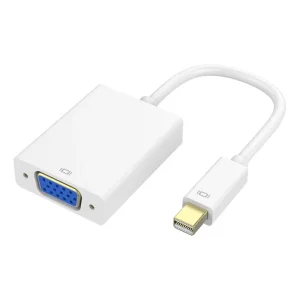
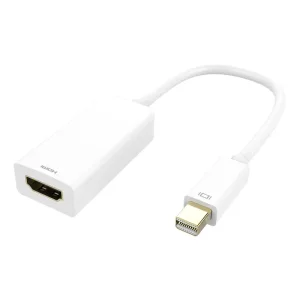
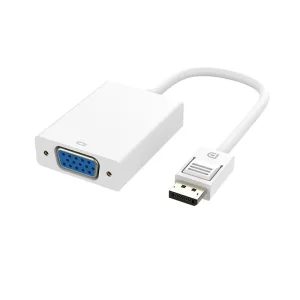
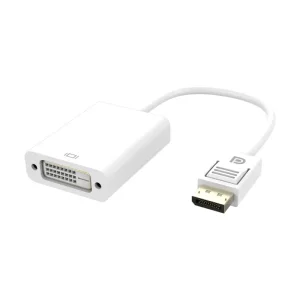
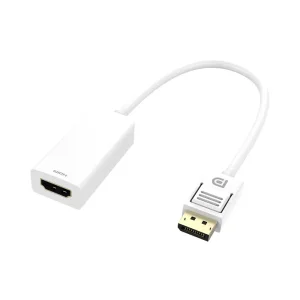
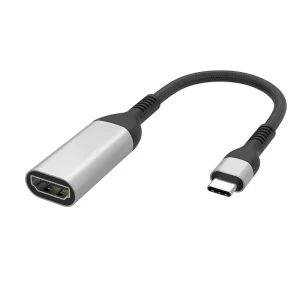
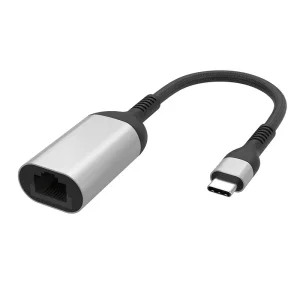
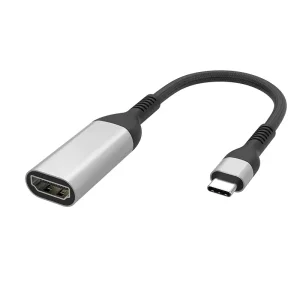
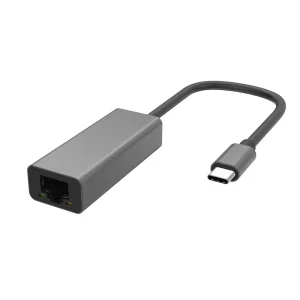
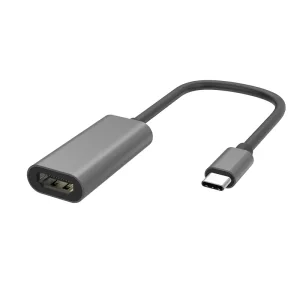
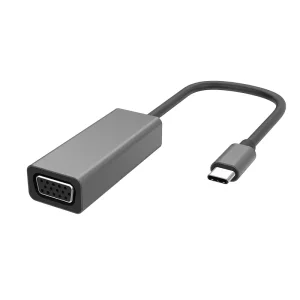
Premium OEM/ODM single-port active converters designed for critical data transmission and displays.
In B2B enterprise procurement, connectivity reliability is the cornerstone of IT and AV architecture. Single interface adapters serve as dedicated physical and protocol conversion bridgeheads. Unlike multi-port hubs, which divide system bus bandwidth and introduce electromagnetic interference (EMI) loops, a high-quality single adapter is designed to isolate the physical transmission media and handle high-throughput signals without compromising latency, bandwidth, or protocol handshakes.
Whether converting USB Type-C to HDMI 2.1 or adapting legacy DisplayPort to VGA terminals, single adapters contain complex Active IC chipsets. These ICs translate signal structures, manage impedance matches, and ensure that differential signaling lines (such as TMDS or FRL in HDMI and Main Link lanes in DP) meet physical layer compliance constraints. By isolating the conversion pipeline to a single target standard, exporters and manufacturers can guarantee lower thermal footprints, optimized power delivery, and higher mean time between failures (MTBF).
Understanding the distinction between active and passive translation is key to enterprise hardware lifecycle planning. Passive adapters rely on the host system to support dual-mode outputs (such as DP++). They merely remap the pin configurations. However, passive conversion suffers from high signal attenuation over extended paths and fails to scale beyond basic 1080p outputs.
Active conversion incorporates dedicated internal micro-processing units (from silicon vendors like Synopsys, Parade, or Realtek) that regenerate the signal. This active boosting mechanism is essential for converting protocols like DisplayPort Alt Mode over USB Type-C to HDMI, enabling features like Display Stream Compression (DSC 1.2a), High Dynamic Range (HDR) metadata relay, and HDCP 2.2/2.3 handshakes.
As corporate display structures migrate to ultra-high-definition and high-refresh-rate applications, the baseline technical requirements for signal converters have risen dramatically. Below is an engineering overview of the protocol transformations executed by our cutting-edge adapter family:
How single adapters solve systemic infrastructure failure points across global sectors.
Standardizing hot-desking setups with robust USB-C to HDMI/VGA adapters eliminates workstation connectivity failures, ensuring rapid plug-and-play operation for BYOD (Bring Your Own Device) employees.
Utilizing high-grade MiniDP/DP to VGA/DVI converters at server consoles ensures low-latency, crash-free interface translation for engineers operating legacy KVM infrastructure.
Our adapters feature reinforced shielding mechanisms that survive high electro-magnetic noise environments, keeping display units online on factory automation lines.
38+ Years of Audio & Video Connectivity Engineering Excellence
In 1984, Dongguan Taitron Electronics Limited., formerly known as Tonetron, was founded in Keelung, Taiwan. In 1993, it moved to the self-built independent production industrial park in Dalingshan Town, Dongguan City, China, and changed its name to Dongguan Taitron Electronics Limited.
38 years to pass professional video and audio peripheral equipment connection line manufacturing as the foundation, Gradually develop to the high-end audio and video cable data cable such as HDMI2.1 cable, DP2.0 cable, USB4 data cable, USB-C 3.1Gen2 data cable, high-power USB charging cable, 8K HD conversion cable, multi-functional Type-C expansion dock and other products research and development and manufacturing.
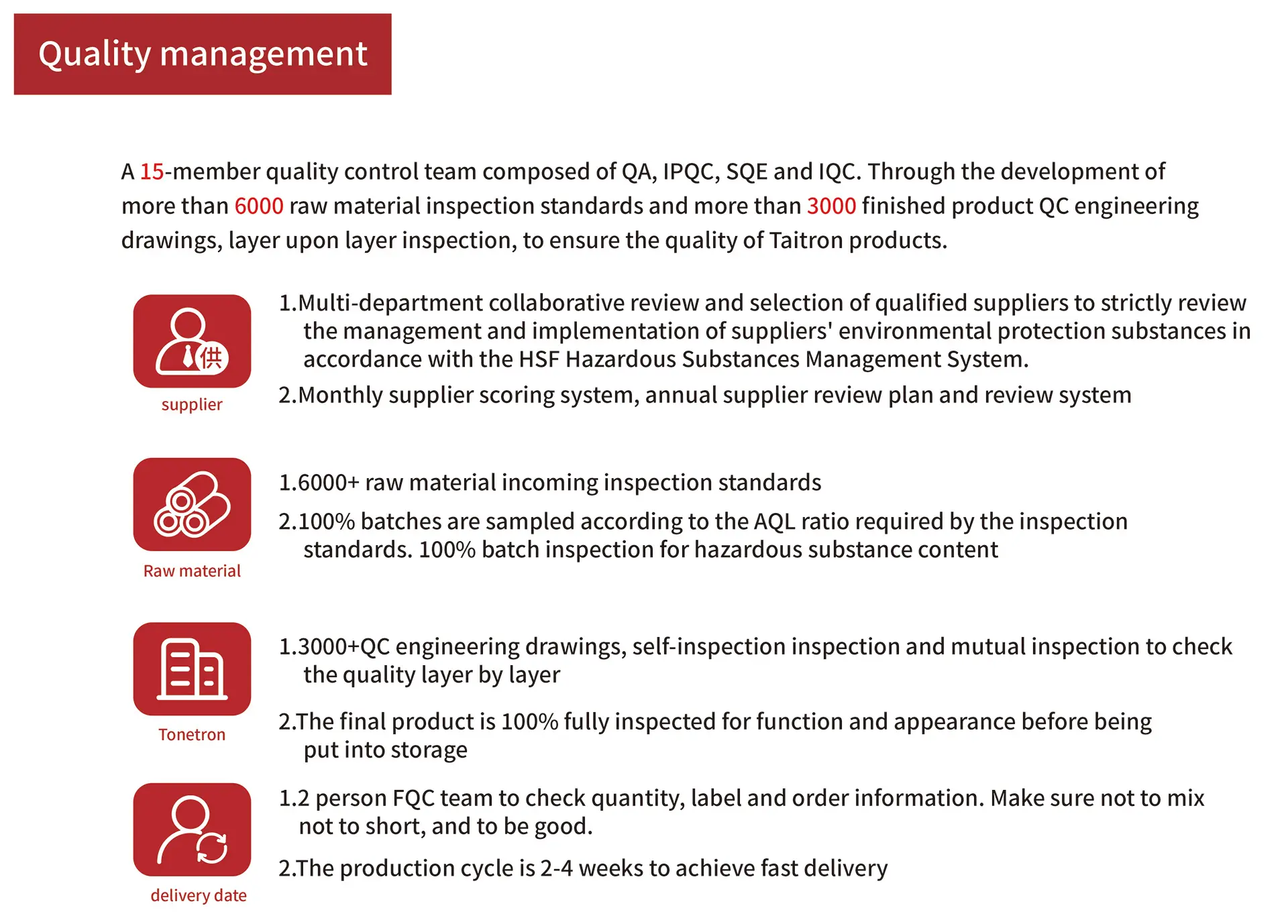
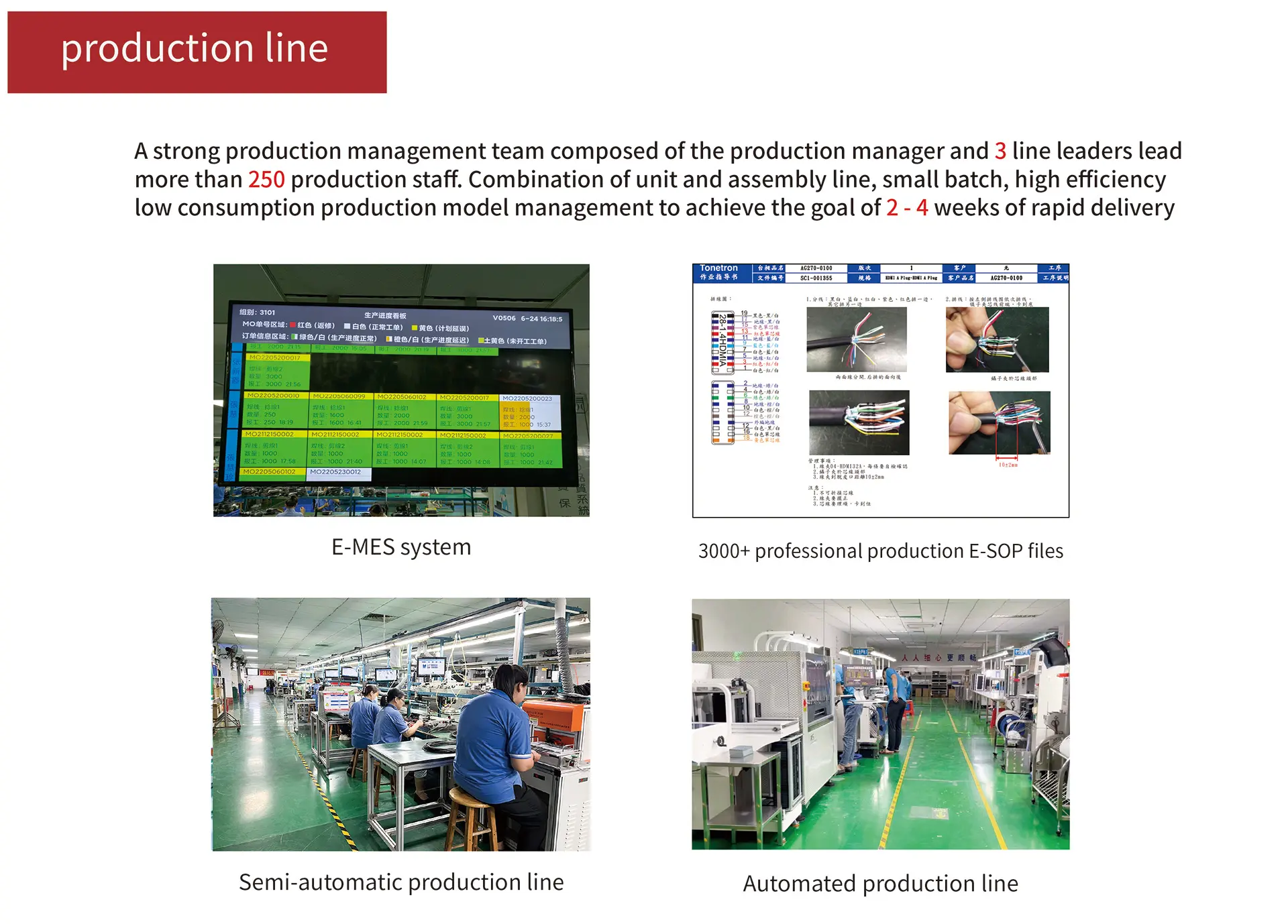
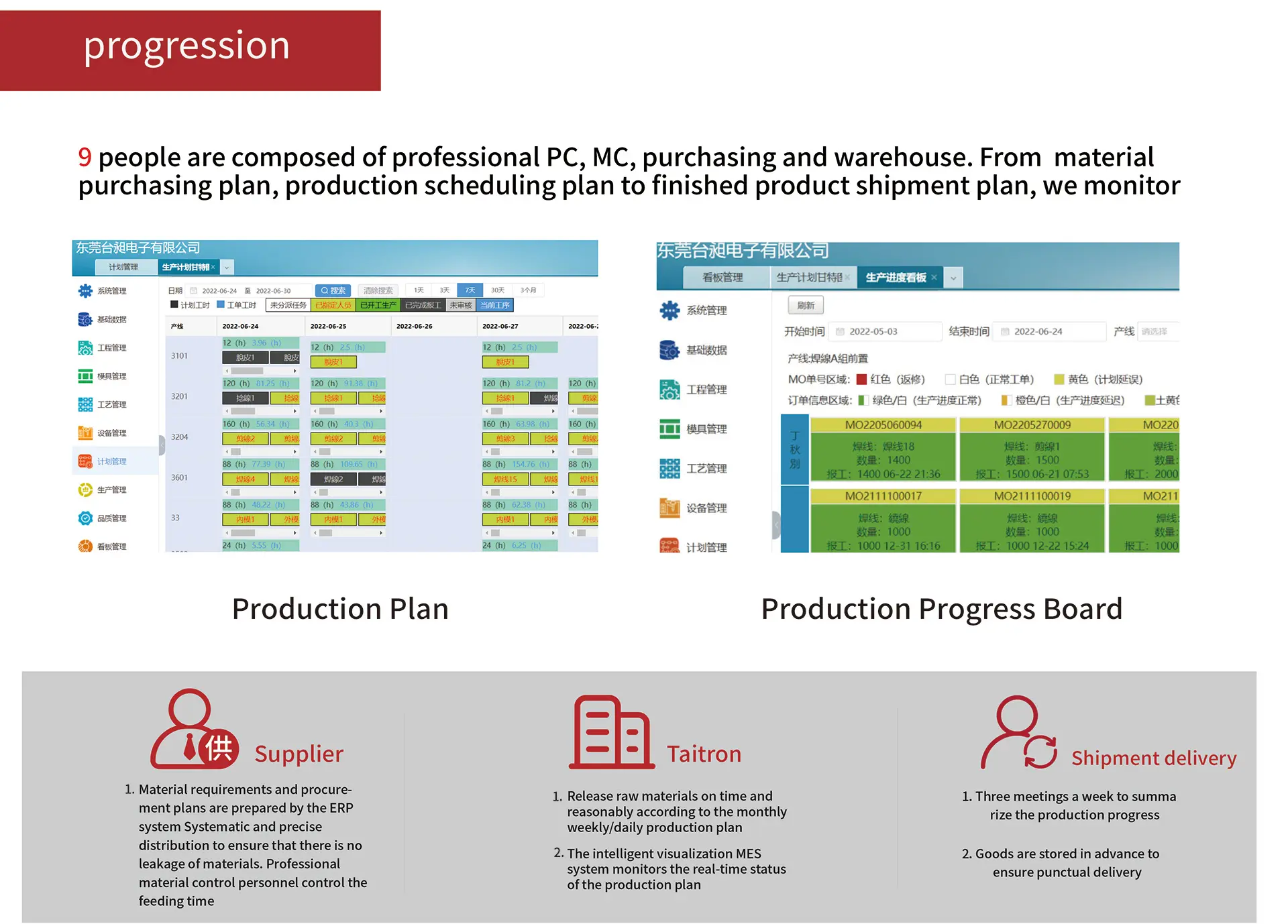
Our self-owned manufacturing campus in Dalingshan Town operates under ISO 9001 and ISO 14001 certification frameworks. By executing vertical production integration—including internal copper wire drawing, automated high-speed SMT PCB placement, automated injection molding, and computerized visual signal integrity testing—we mitigate external supply chain disruptions. This vertically consolidated model ensures competitive pricing, consistent structural quality, and rapid volume scaling capabilities for global importers.
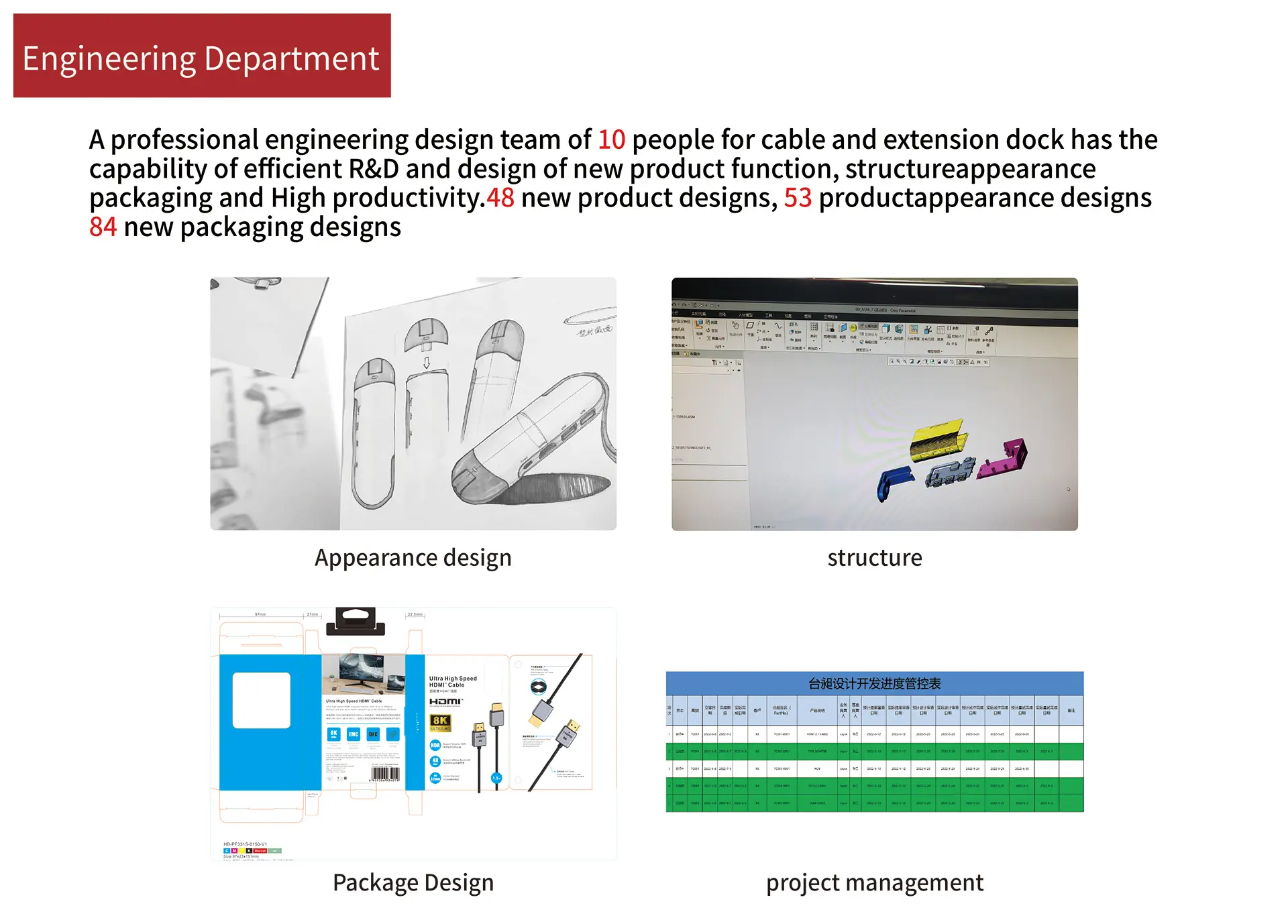
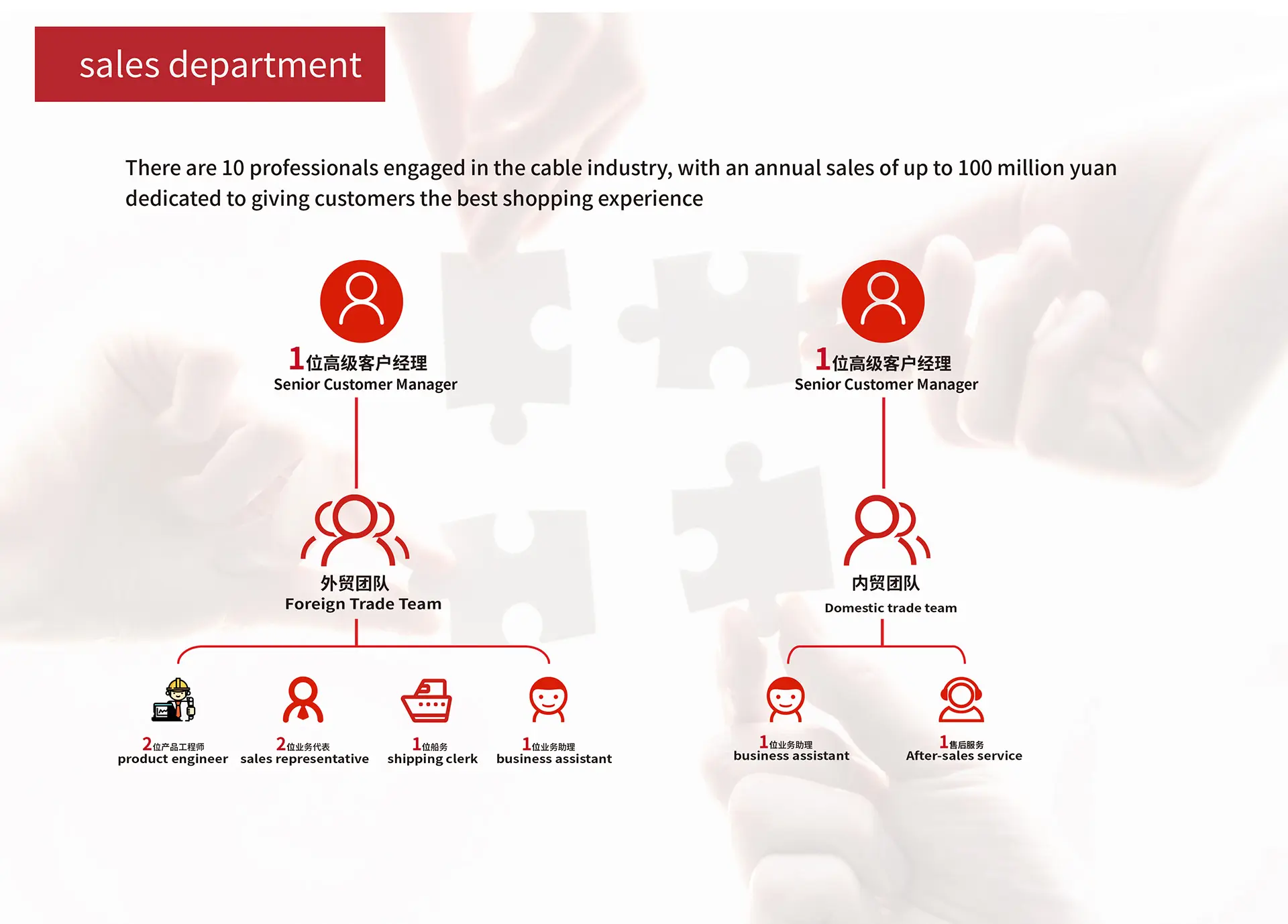
The signal transmission industry is rapidly moving toward higher bandwidth, intelligent power conservation, and structural environmental compliance. Our R&D division has established a solid technical roadmap focused on the following pillars:
With display standards expanding to 16K outputs, we are actively developing adapters capable of handling transmission bandwidths up to 80Gbps and 120Gbps. This involves utilizing advanced PAM3 signal modulation protocols, which require extreme precision in circuit trace path isolation and connector termination to prevent impedance variance and signal jitter.
Active conversion ICs generate heat, which can lead to thermal throttling and signal dropouts in compact dongles. Our future-generation adapters feature intelligent power routing algorithms. These systems monitor operational temperatures in real-time, reducing power consumption during screen-saving states or low-frame-rate conditions, keeping the adapter cool to the touch and prolonging unit longevity.
In response to global sustainability directives, Taitron is transitioning to Post-Consumer Recycled (PCR) plastics for adapter housings, alongside halogen-free TPE outer jackets. Compliance with EU RoHS and REACH regulations is verified at every level of our supply chain, ensuring that products are both environmentally safe and easily recyclable.
Engineered to bypass barriers, reduce customs friction, and exceed local standards.
Every batch of signal converters is tested for CE, FCC, VCCI, and BSMI compliance. We ensure EMI shielding levels stay within strict limits, preventing interference with adjacent Wi-Fi or Bluetooth radios.
From 10,000+ insertion cycles for USB-C receptacles to salt-fog corrosion testing for alloy terminals, our reliability labs ensure each product survives demanding professional use.
We provide full customs compliance documentation, precise HS Code classification (e.g., 8544.42), and certified packaging layouts to prevent warehouse holdups and logistics delays.
Technical guidance for wholesale buyers and system integrators.
Complete legacy and modern signal translation interfaces for wholesale distribution.
 Taichang Electronic