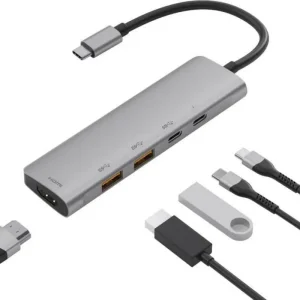
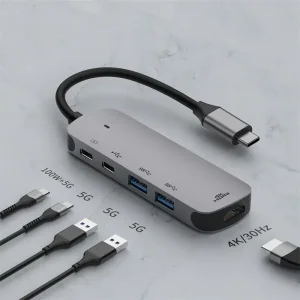
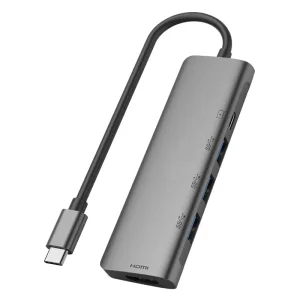
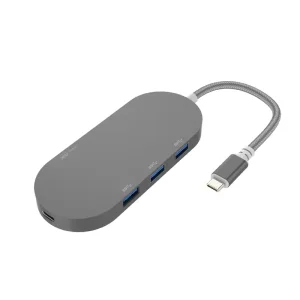
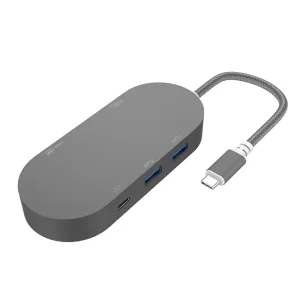
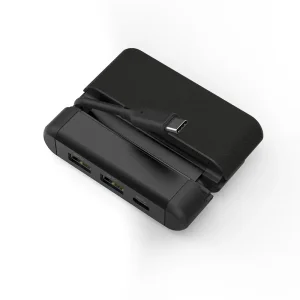
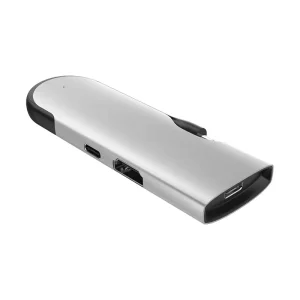
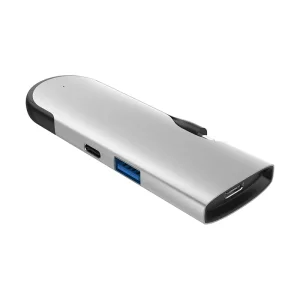
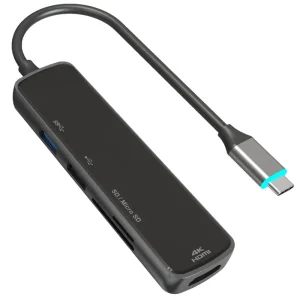
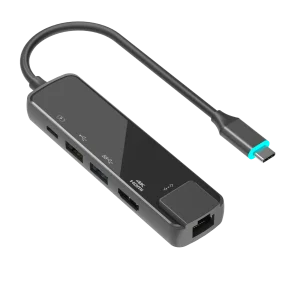
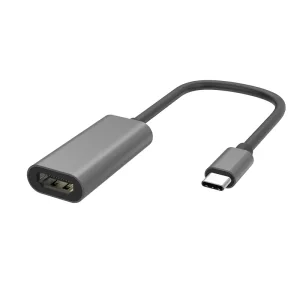
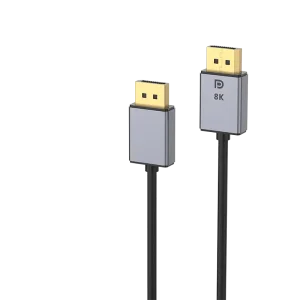
Engineered for seamless data transmission, high-definition display outputs, and power negotiation safety standards.
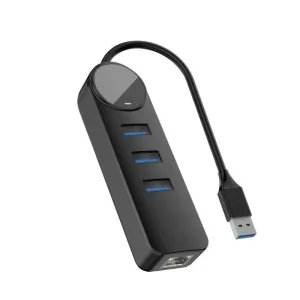
As enterprise computing environments shift toward mobile workstation setups, the demand for versatile docking systems has surged. Legacy hardware configurations are rapidly being replaced by USB-C and USB4 architectures, consolidating multiple connectivity standards into single, hyper-compact devices. Within the hardware supply chain, the "5 in 1" supplier configuration has emerged as the global industry benchmark for balancing functional density with strict thermal and cost thresholds.
For global procurement managers, purchasing agents, and electronic system designers, choosing a strategic supplier involves analyzing parameters beyond simple input/output counts. Deep integration capabilities, structural shielding integrity (to prevent electromagnetic interference in the 2.4GHz spectrum), and power management safety configurations (USB-PD 3.0 negotiation protocols) determine the success of an enterprise rollout.
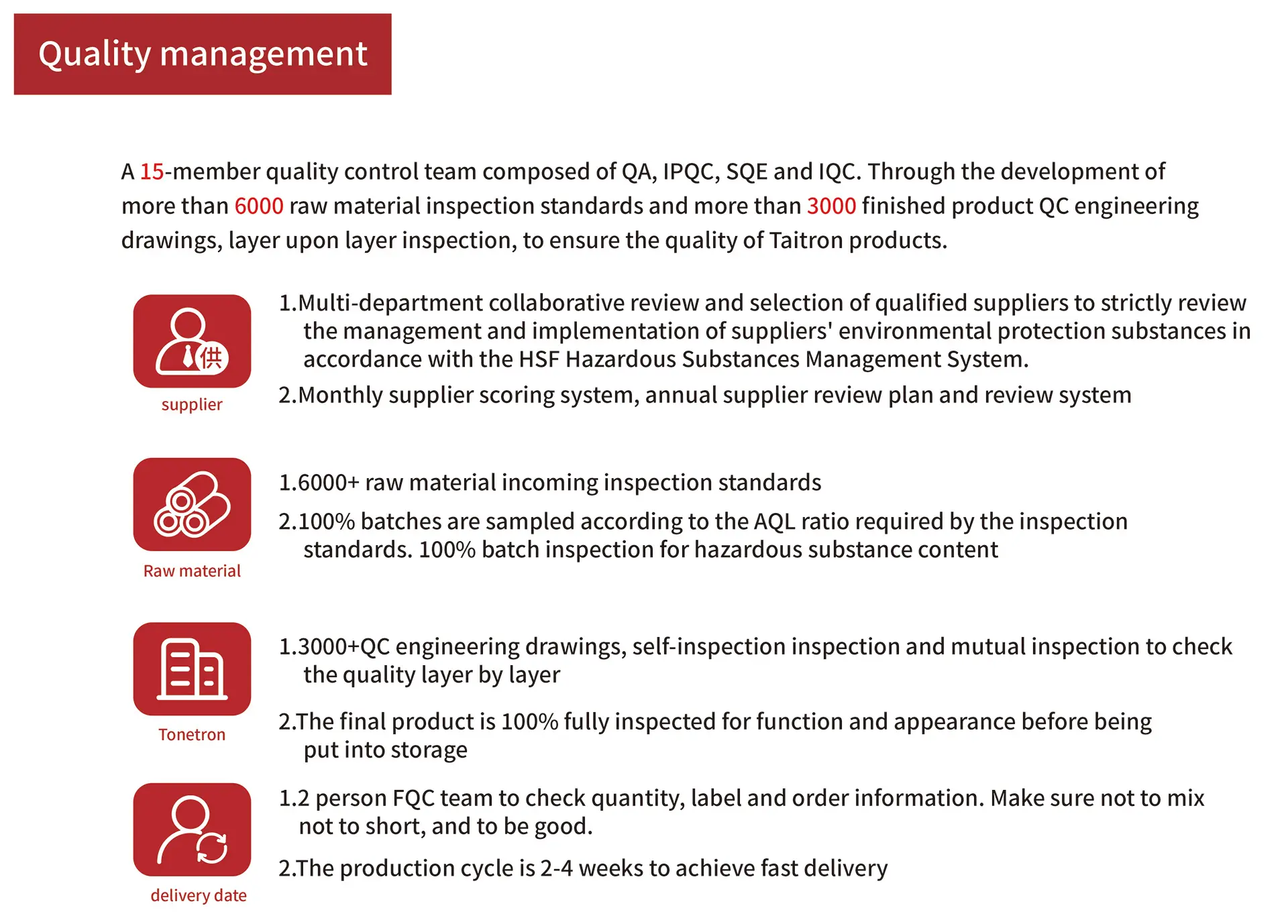
Large-scale corporate procurement teams prioritize hardware consistency and strict conformity tests over entry-level unit pricing. A high-performing 5-in-1 USB-C docking configuration must resolve several key engineering and commercial requirements to deliver a reliable user experience:
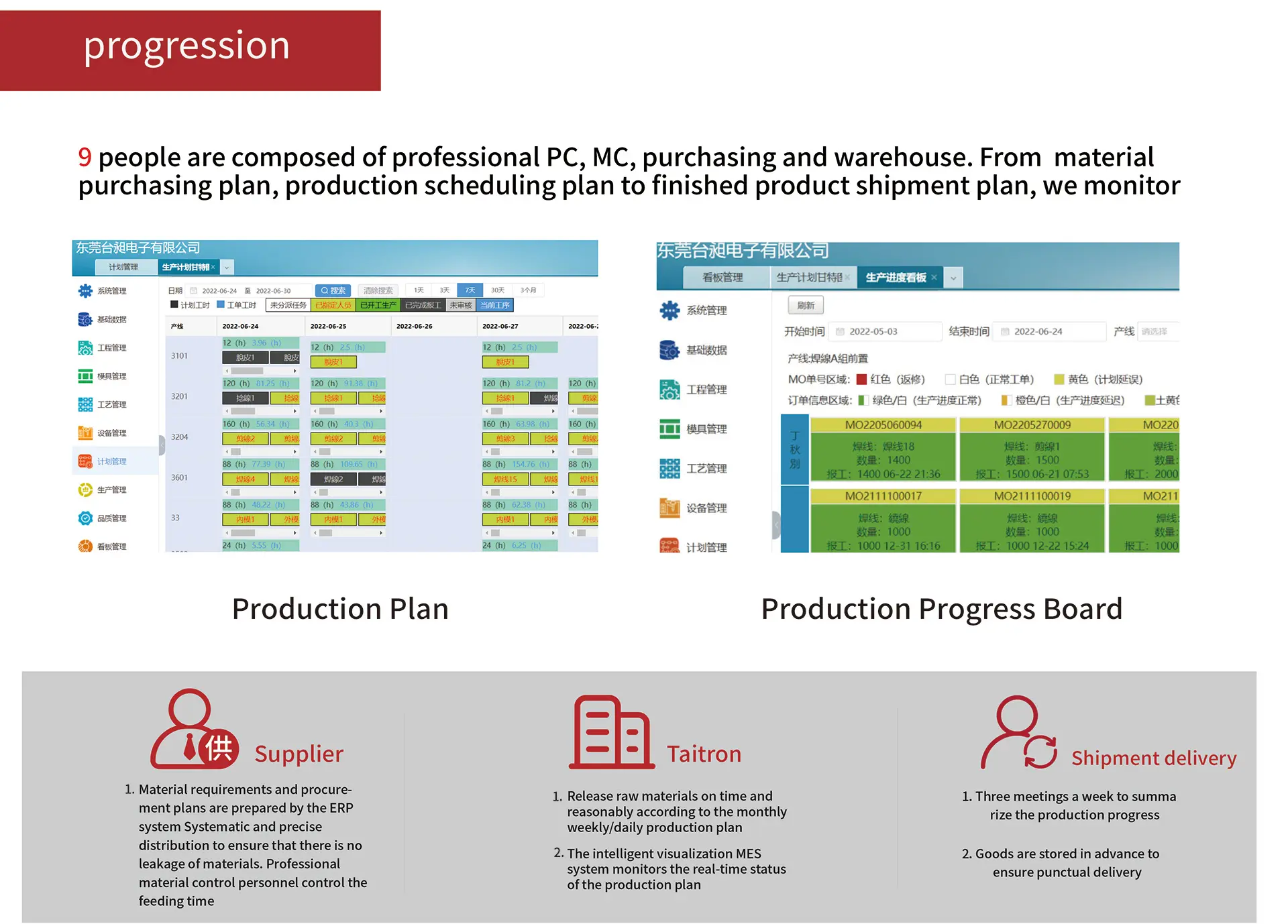
The manufacturing center of Dongguan, specifically Dalingshan Town, represents the heart of global electronic connectivity production. By leveraging advanced automation and integrated manufacturing clusters, factories can quickly adapt to changing market requirements. For buyers sourcing USB-C hubs, this ecosystem ensures speed, consistent quality, and a highly resilient supply chain.
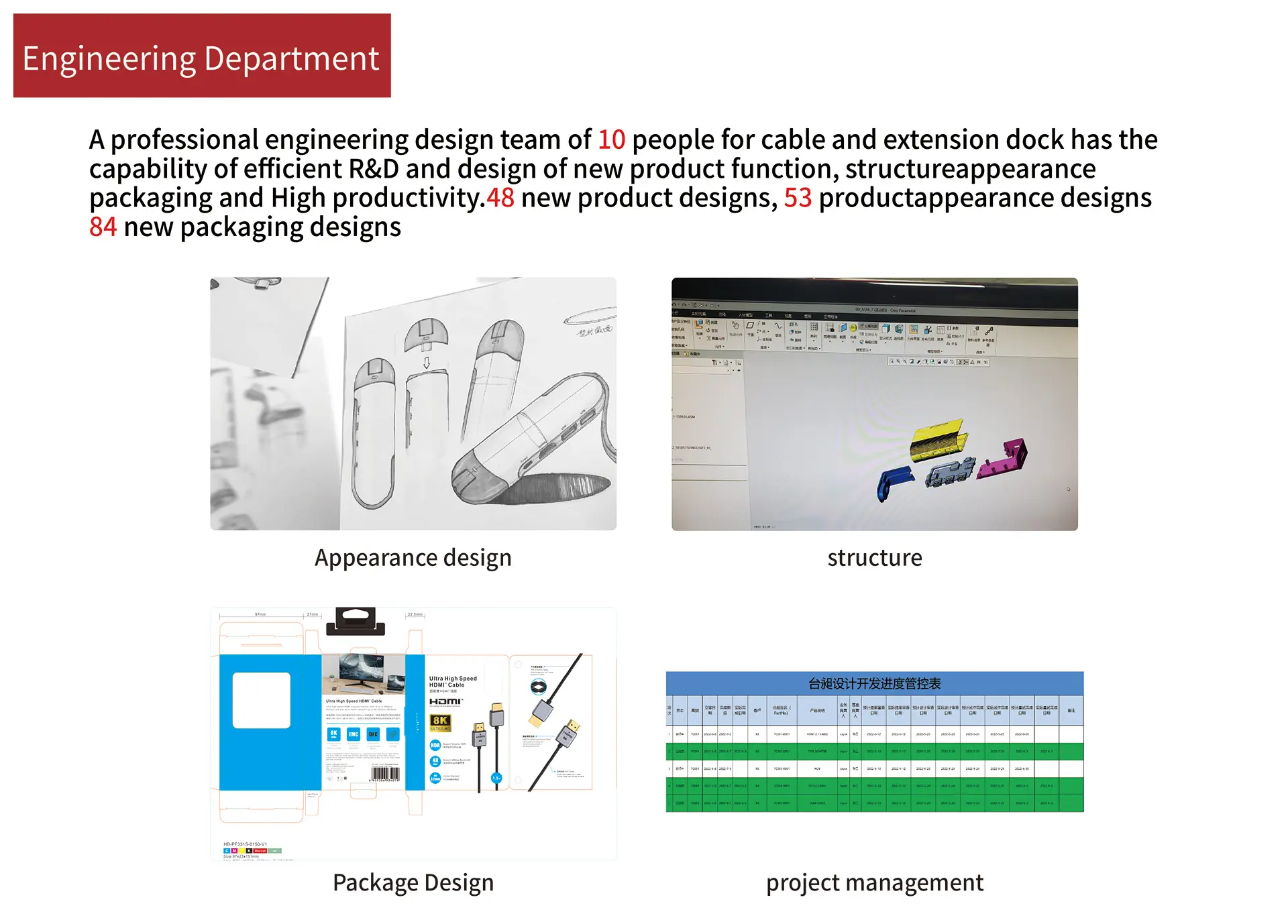
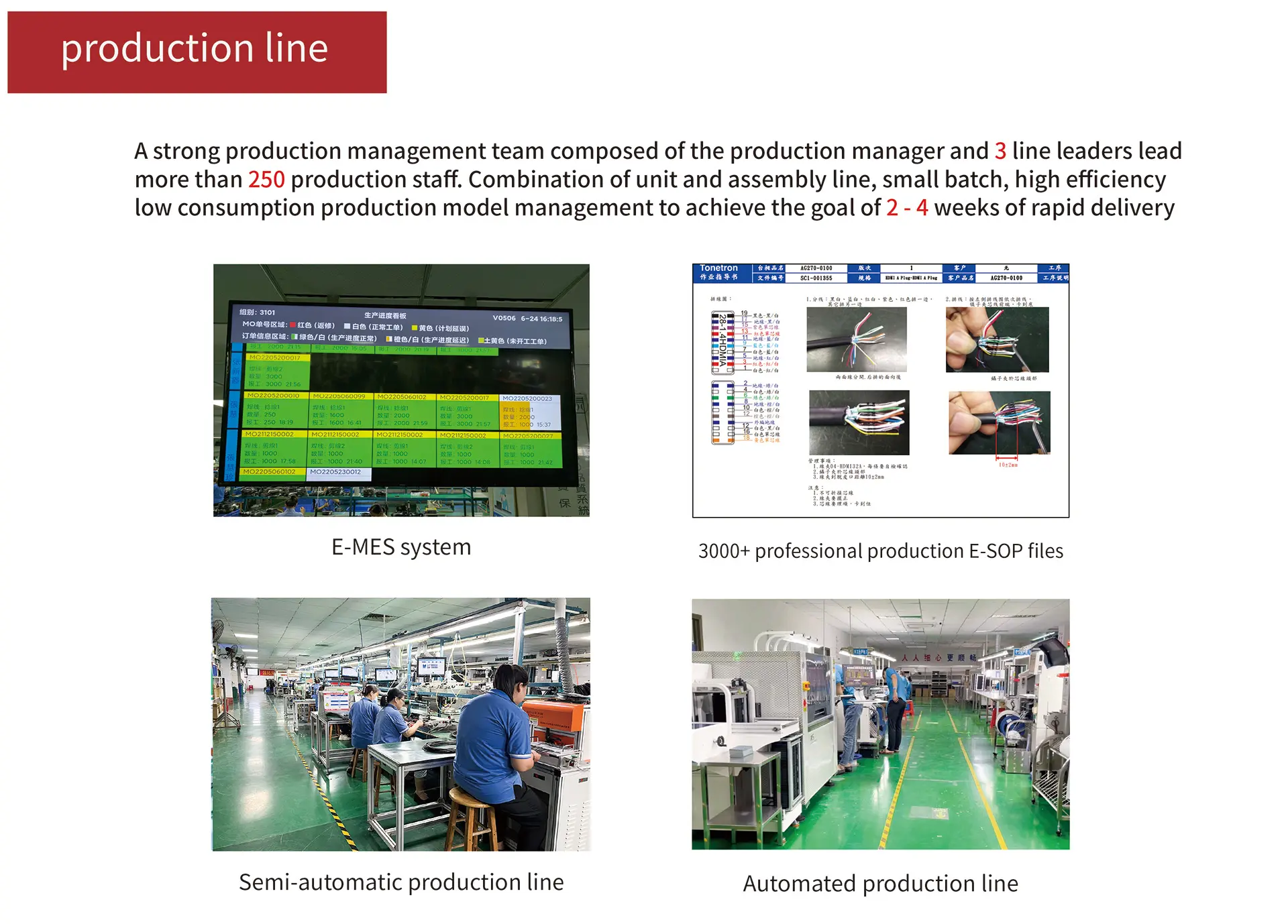
High-end automated assembly lines, precision laser solder verification systems, and real-time electronic test benches replace manual wiring procedures. This shift minimizes manufacturing variance, keeping the RMA rate of critical components below 0.05%. By maintaining in-house design, tooling development, plastic injection molding, and final product packaging under one roof, modern factories provide strategic cost efficiencies and rapid OEM/ODM design iteration cycles.
The applicability of 5-in-1 docking stations spans diverse industries, adapting to specific connectivity challenges across commercial and industrial landscapes:
With corporate office designs embracing hot-desking, deploying a standardized 5-in-1 docking hub simplifies connectivity. Employees plug in a single USB-C cable to immediately connect to an external 4K monitor, charge their laptop via Power Delivery, and access local network hardware or secondary keyboards and mice. This setup reduces system configuration calls to corporate IT departments.
Smart classrooms require reliable interfaces that bridge modern ultra-portable laptops with legacy audio/video equipment, such as ceiling-mounted projectors or HDMI-equipped flat screens. 5-in-1 adapters enable instructors to present curriculum materials without dealing with incompatible input cables or experiencing signal drops during live lectures.
In automation, diagnostic computers need to interface directly with PLC equipment, telemetry sensors, and serial networks. 5-in-1 adapters act as a robust link between control systems and field technicians' laptops. Aluminum housings and internally shielded PCB structures prevent signal corruption from high-voltage manufacturing environments.
Expert insights on product specifications, procurement standards, and customized hardware configurations.
Premium cables, ultra-fast converters, and high-frequency digital connection hardware for demanding commercial setups.
 Taichang Electronic