Explore our elite selection of high-bandwidth multi-display hubs, active optical cables, and high-spec upstream pathways designed for modern enterprise networks.
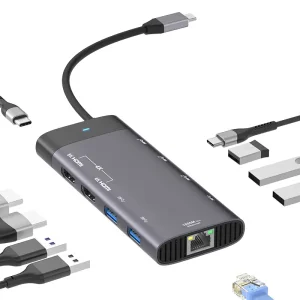
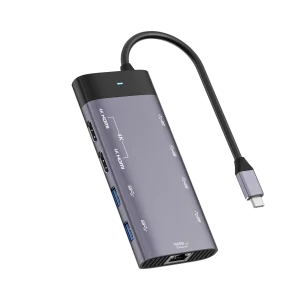
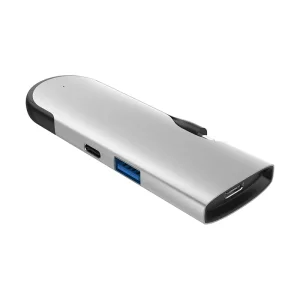
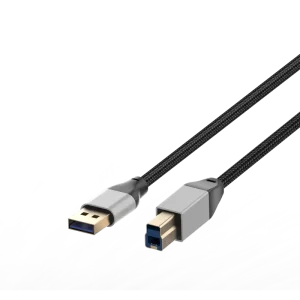
Multi-Stream Transport (MST), first introduced under the DisplayPort 1.2 standard, is a foundational routing technology that allows multiple independent video signals to be transmitted over a single physical DisplayPort interface or USB-C Alt-Mode connection. Unlike older Single-Stream Transport (SST) protocols—which duplicate the exact screen data across downstream monitors—MST splits the source signal's multiplexed stream into separate logical streams. This division occurs within the MST Hub controller IC (such as chipsets manufactured by Synopsys, Realtek, or Parade Technologies) located inside the docking station.
As display requirements transition from standard 1080p to 4K and native 8K resolutions, understanding bandwidth constraints is paramount. A single USB-C port operating over DisplayPort 1.4 alternate mode provides up to 32.4 Gbps of aggregate bandwidth (HBR3 link rate). With the integration of Display Stream Compression (DSC 1.2), a visually lossless compression protocol, a single output path can dynamically allocate bandwidth to power up to three 4K@60Hz displays or a single 8K@60Hz setup alongside dual 4K monitors. This bandwidth allocation is managed via link negotiation during the initial hardware handshake, matching Extended Display Identification Data (EDID) tables to prevent video flickering, dropouts, or down-scaling.
Allocates DisplayPort lanes dynamically based on connection speeds, routing distinct visual pipelines through custom silicon without latency.
Utilizes visually lossless compression to expand output capacity, facilitating triple-head configurations over standard USB-C interfaces.
Directly processes display data to resolve resolution conflicts and eliminate sync lag when switching active desktop displays.
Procurement officers and IT directors managing enterprise rollouts require more than basic multi-display outputs. Docking solutions must serve as centralized workstation anchors, offering continuous performance in high-stress operational environments. The integration of USB Power Delivery (PD 3.0 / EPR 140W) ensures that a single docking station can power power-hungry notebooks and mobile workstations while handling heavy display, Ethernet, and peripheral data loads.
Thermal dissipation is a key challenge for compact docking station designs. Internal components, particularly MST hub controllers and PD management ICs, generate significant heat when processing multiple 4K displays and charging host laptops. Aluminum alloy shells are utilized for passive heat dissipation, preventing throttling and protecting internal silicon from degradation. Furthermore, robust electrostatic discharge (ESD) protection and electro-magnetic interference (EMI) shielding are engineered into our PCB designs to shield external signals and avoid dropouts on nearby wireless peripherals.
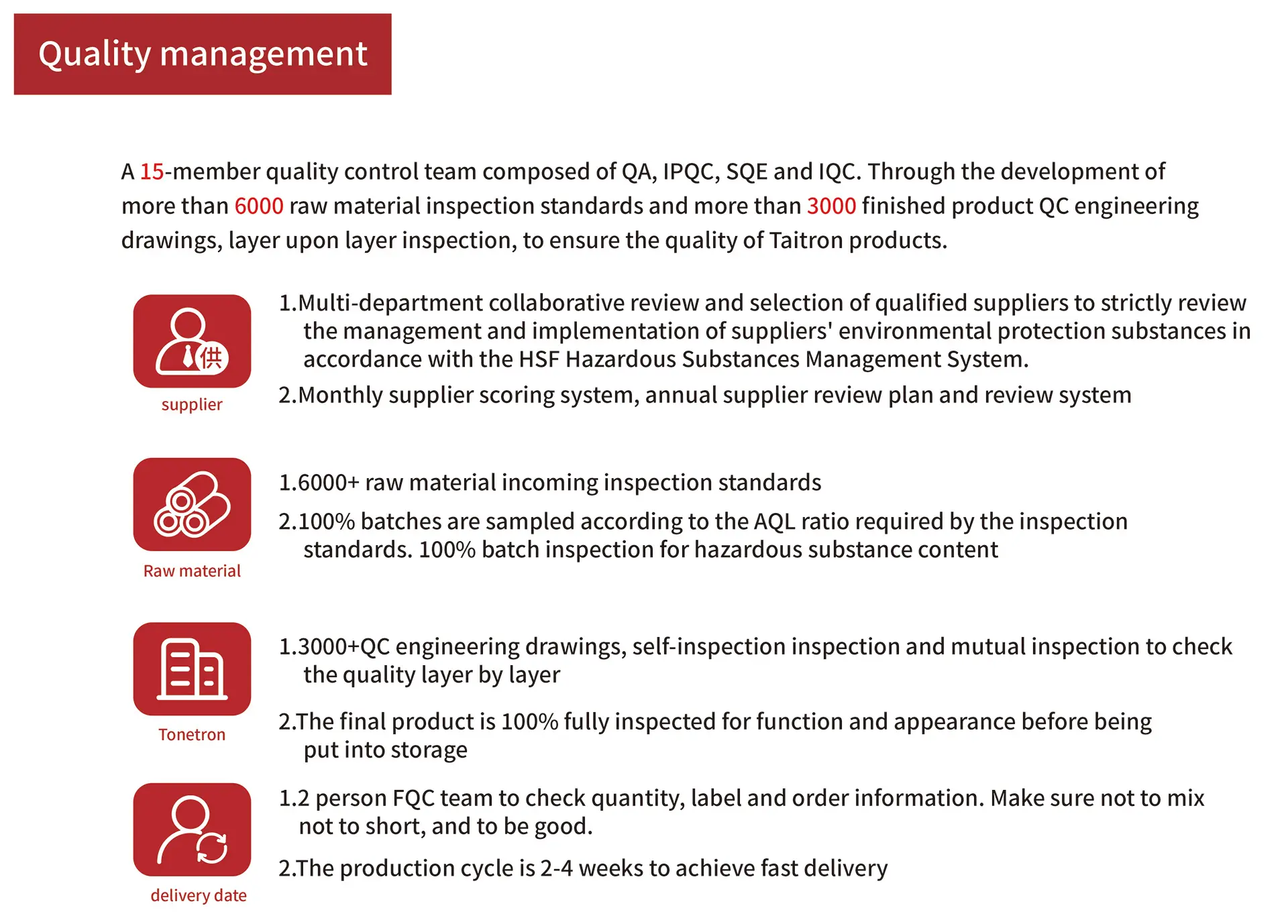
Our MST docking solutions are built with high-quality components designed for 24/7 commercial operation. Every design undergoes thermal simulation profiling and signal integrity testing under load to meet corporate quality standards.
From aluminum thermal dissipation fins to high-quality polymer-shielded connector assemblies, our units are engineered to prevent signal loss and withstand thousands of insertion cycles, minimizing total cost of ownership (TCO) for IT departments.
Navigating international markets requires adherence to specific regional testing frameworks and safety mandates. As a leading developer and exporter of docking technologies, Dongguan Taitron Electronics guarantees regulatory compliance across key international regions. Every product variant is certified by accredited labs to ensure smooth customs clearance and retail distribution.
Fully compliant with CE directives, including electromagnetic compatibility (EMC), low voltage safety (LVD), and RoHS/REACH environmental standards.
Certified to FCC Part 15 Class B guidelines for commercial and residential environments. Housing and materials comply with California Proposition 65.
Strict implementation of WEEE protocols for electronic waste recovery and hazard reduction, meeting international environmental mandates.
Furthermore, our direct industry relationships with major standard groups like the HDMI Adopters Association and USB-IF ensure our products implement licensed technologies. This compliance protects our partners from potential patent infringement claims and guarantees interoperability with the latest consumer tech releases.
Dongguan Taitron Electronics Limited represents a legacy of precision design and manufacturing, combining Taiwanese engineering standards with Mainland China's supply chain advantages. Founded in 1984 in Keelung, Taiwan, and relocated to Dalingshan Town, Dongguan City in 1993, the company operates an independent industrial park optimized for high-frequency signal product manufacturing.
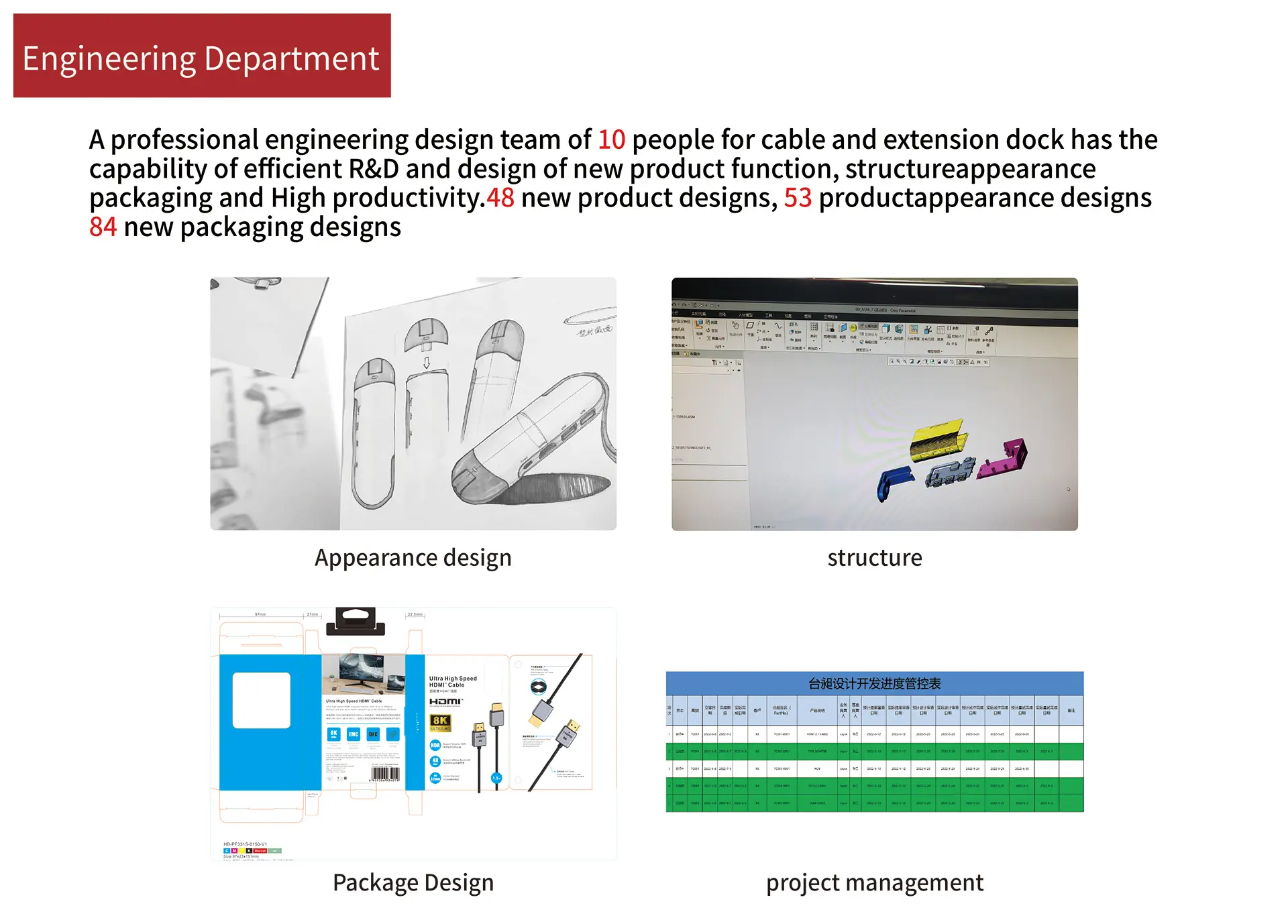
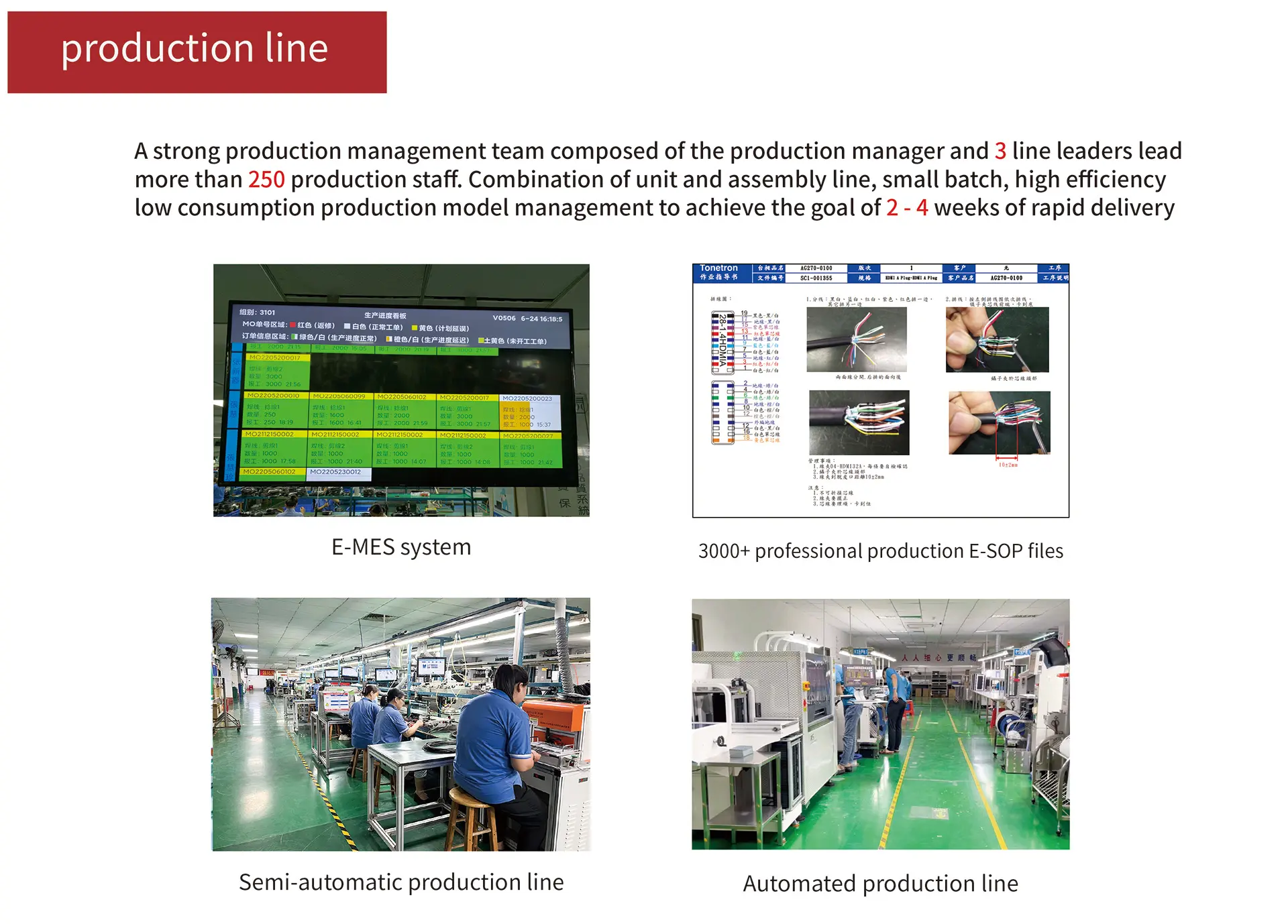
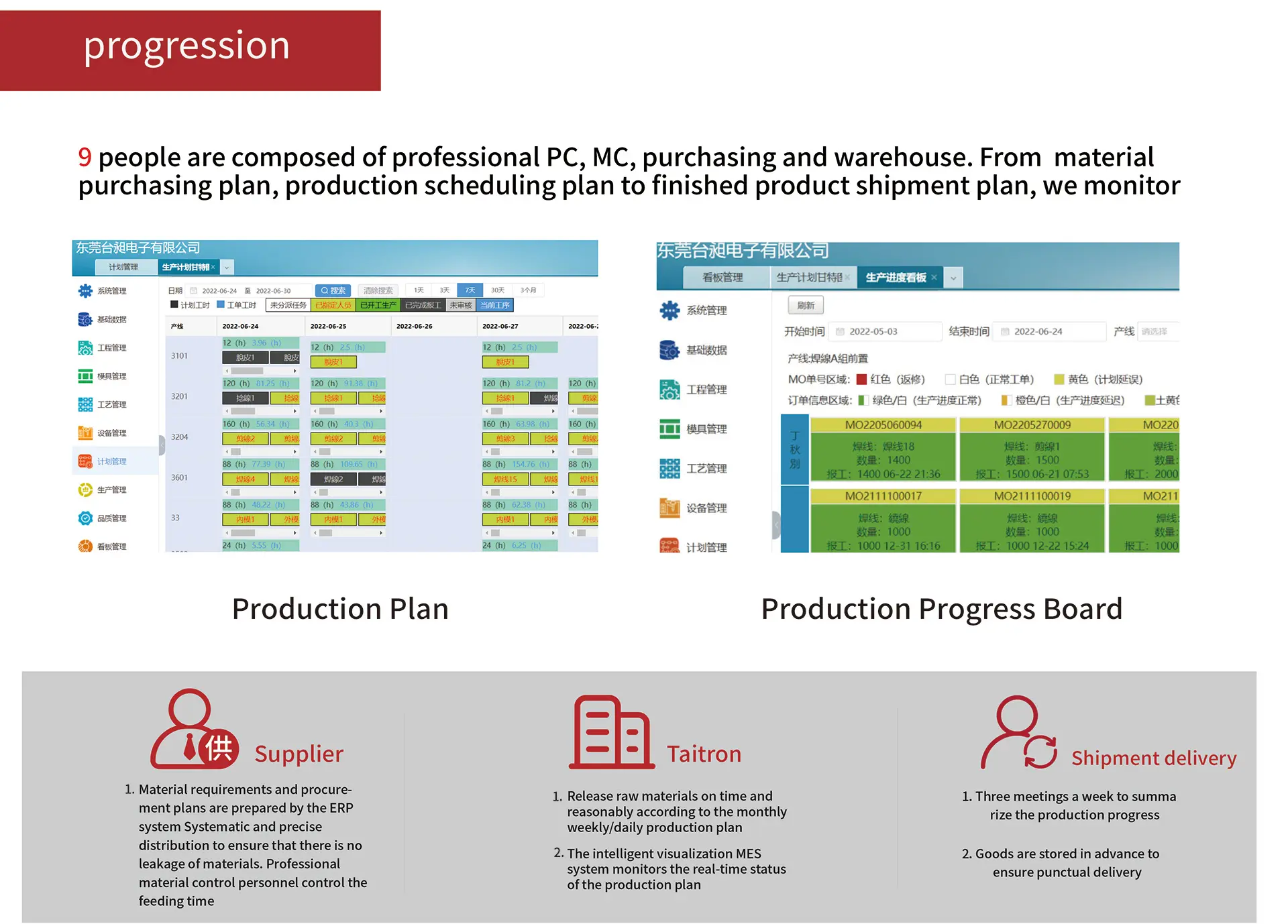
Our manufacturing facility maintains control over the entire production cycle, including raw materials, extrusion, injection molding, SMT assembly, automated laser soldering, and multi-stage signal validation. This vertical integration allows us to respond quickly to market changes and implement rigorous quality controls. We use advanced high-frequency network analyzers and TDR testing suites to verify signal attenuation, return loss, and impedance across all high-speed connection lines and MST PCB layouts before packaging.
Formed in 1984 as Tonetron, our manufacturing legacy spans 38 years. We began as a specialist manufacturer of audio and video cables and have evolved into a developer of high-frequency interconnects, including HDMI 2.1, DP 2.0, USB4, USB-C 3.1 Gen 2 cables, and multi-functional Type-C expansion docks.
Operating from our dedicated industrial park in Dalingshan, Dongguan, we combine R&D with advanced manufacturing to serve as a reliable OEM/ODM partner for leading global brands.

High-performance connectivity is increasingly critical across various professional industries. For financial trading floors and software engineering centers, dual and triple monitor arrays allow professionals to visualize massive amounts of data without switching windows, improving daily output and operational efficiency. In medical imaging and CAD design centers, MST technology delivers precise, uncompressed pixel streams to target monitors, which is critical for accurate diagnostics and detailed product rendering.
Looking forward, the integration of USB4 and Thunderbolt 5 protocols represents the next step in workspace connectivity. Providing up to 80 Gbps of bi-directional bandwidth, these technologies enable dual 8K@60Hz displays without visual compression. Additionally, developers are integrating Gallium Nitride (GaN) power components directly into MST hubs. This allows for smaller dock profiles and charges devices with higher energy efficiency and lower heat generation.
Maintains multi-monitor setups with zero display lag, allowing traders to monitor real-time stock trends and charts simultaneously.
Delivers clean, high-bandwidth color pipelines to UHD monitors for color calibration and post-production work.
Utilizes next-generation protocols to support up to 80 Gbps, enabling high-performance multi-monitor configurations.
Technical answers regarding compatibility, signal distribution, and custom OEM manufacturing.
macOS restricts display output over USB-C alternate mode to Single-Stream Transport (SST). Consequently, connecting an MST hub results in mirrored displays rather than extended desktops. Mac users require dual upstream interfaces or Thunderbolt docks with independent controllers to enable extended monitors.
Standard tooling and sample creation takes 15–21 working days. Upon sample approval and design verification, volume assembly ranges from 30 to 45 days, depending on chip sourcing and testing protocols.
Display Stream Compression (DSC 1.2) compresses the video payload before it is transmitted over the USB-C link. This reduces the bandwidth required for each screen, allowing multiple high-resolution displays to operate on a single connection without downscaling.
Yes, all our custom components are verified and labeled for CE compliance. We provide complete testing reports, RoHS declaration documentation, and WEEE numbers to facilitate importation into EU countries.
We use Time-Domain Reflectometry (TDR) and eye-diagram testing to verify high-speed line pathways. This ensures optimal impedance matching and minimizes electromagnetic crosstalk across all connectors.
We support brand development with flexible low-volume trial runs (MOQ varies by model) to verify local market demand before moving to full-scale production runs.
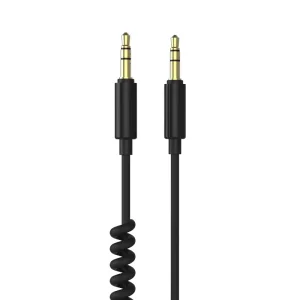
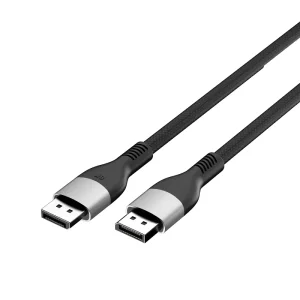
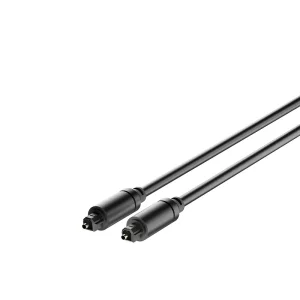
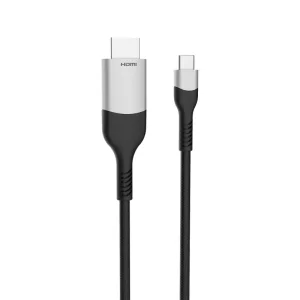
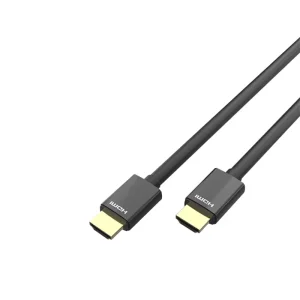
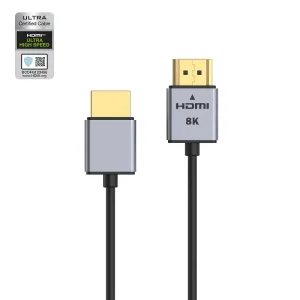
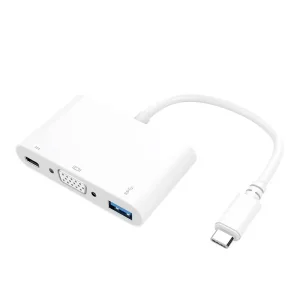
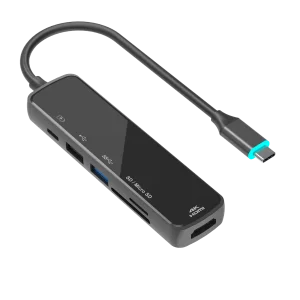
Premium high-frequency interface adapters, custom digital optical lines, and certified display links.
 Taichang Electronic