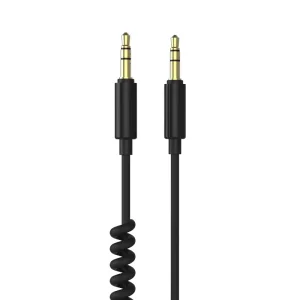
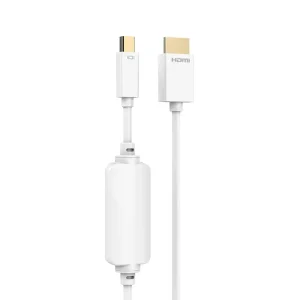
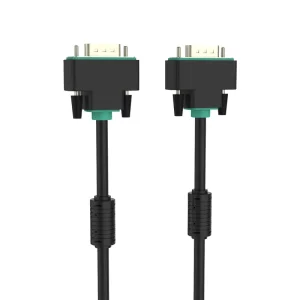
Precision-manufactured interface converters, docking stations, and ultra-high-speed cables matching rigorous industrial tolerances.
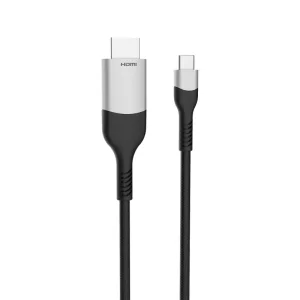
The global high-speed interface and connectivity market has experienced a significant paradigm shift driven by enterprise hardware consolidation, hybrid workplace protocols, and the dominance of the USB-C interface standard. For modern corporations, system integrators, and procurement directors, managing multi-device visual outputs, localized hardware legacy systems, and clean workspace desks presents a complex engineering challenge. High-performance 3-in-1 adapters and multifunctional docking stations address this complexity. By offering consolidated pathways for power delivery (PD), high-speed data transmission (USB 3.0/USB4), and legacy/modern visual streaming (HDMI, VGA, DisplayPort), these devices optimize system architectures across various setups.
The current global digital infrastructure demands reliable physical connection interfaces. Enterprises are shifting away from multiple singular-purpose dongles to unified multi-port components. From an environmental, social, and governance (ESG) perspective, deploying consolidated 3-in-1 architectures reduces electronic waste by up to 60% compared to purchasing single-line adapters. By integrating components like independent controller chips and electrostatic discharge (ESD) protection circuits, manufacturers ensure enterprise-level durability, leading to longer device lifecycles.
Historically, manufacturing clusters in Taiwan and Southern China have produced most of the world's high-frequency cables and converters. Advanced companies like Dongguan Taitron Electronics Limited (formerly Tonetron) have evolved from regional producers in Keelung, Taiwan, into sophisticated manufacturing centers in Dalingshan Town, Dongguan City. This migration reflects the industry's evolution: moving from basic assembly to precision R&D. These facilities feature automated SMT lines, high-frequency signal analysis chambers, and strict environmental testing capabilities to meet strict global specifications.
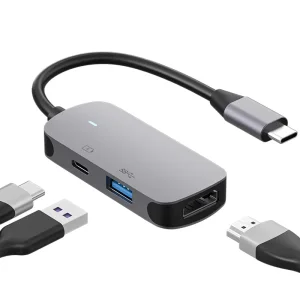
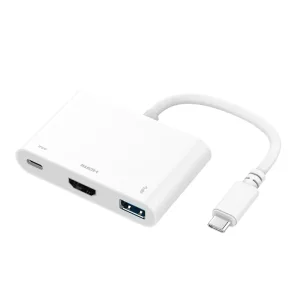
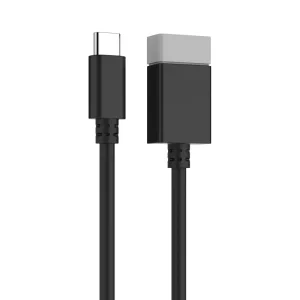
An effective 3-in-1 adapter is not just a passive physical cable splitter. It functions as an active micro-computing hub that manages high-speed serial protocols. A typical high-performance USB-C 3-in-1 adapter (e.g., HDMI + USB-A + USB-C PD) includes several specialized chipsets:
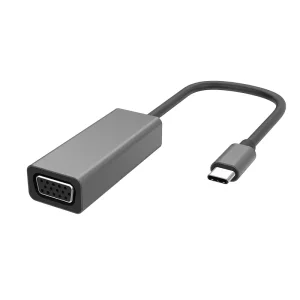
When connected to a host system (such as an ultra-thin notebook or tablet), the adapter uses the host's DisplayPort Alternate Mode (DP Alt Mode) configuration. The controller splits the high-speed differential pairs of the Type-C interface. Two lanes are typically dedicated to video output (such as HDMI 4K @ 60Hz or VGA 1080P), while the other two lanes handle high-speed USB data transfer (USB 3.0 Gen 1, operating at 5 Gbps).
Concurrently, the Power Delivery controller manages a bidirectional power contract. Using advanced policy managers, the adapter allows up to 100W of power (20V/5A) to flow to the host device while protecting internal circuits from overcurrent, overvoltage, and thermal runaway. Proper electromagnetic shielding is essential here; without premium metal shells and PCB grounding designs, the high-frequency clocks of USB 3.0 interfaces can interfere with 2.4GHz wireless devices (such as wireless mice and Wi-Fi networks).
A pioneering legacy in audio, video, and digital high-speed interconnect manufacturing since 1984.
In 1984, Dongguan Taitron Electronics Limited., formerly known as Tonetron, was founded in Keelung, Taiwan. In 1993, it moved to the self-built independent production industrial park in Dalingshan Town, Dongguan City, China, and changed its name to Dongguan Taitron Electronics Limited.
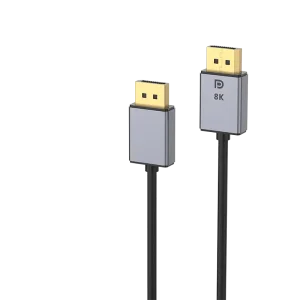
With 38 years of experience, the company built its foundation on manufacturing connection lines for professional video and audio peripheral equipment. Over time, it has expanded into research, development, and manufacturing of high-end audio and video cables, data cables (including HDMI 2.1, DP 2.0, USB4, USB-C 3.1 Gen2, high-power USB charging cables, 8K HD conversion cables), and multi-functional Type-C expansion docks.
By combining Taiwanese engineering standards with Southern China's efficient supply chain infrastructure, Taitron delivers high-volume production with consistent quality. The company's facility manages the entire production cycle, from raw wire drawing and copper braiding to automated SMT assembly, over-molding, and final testing.
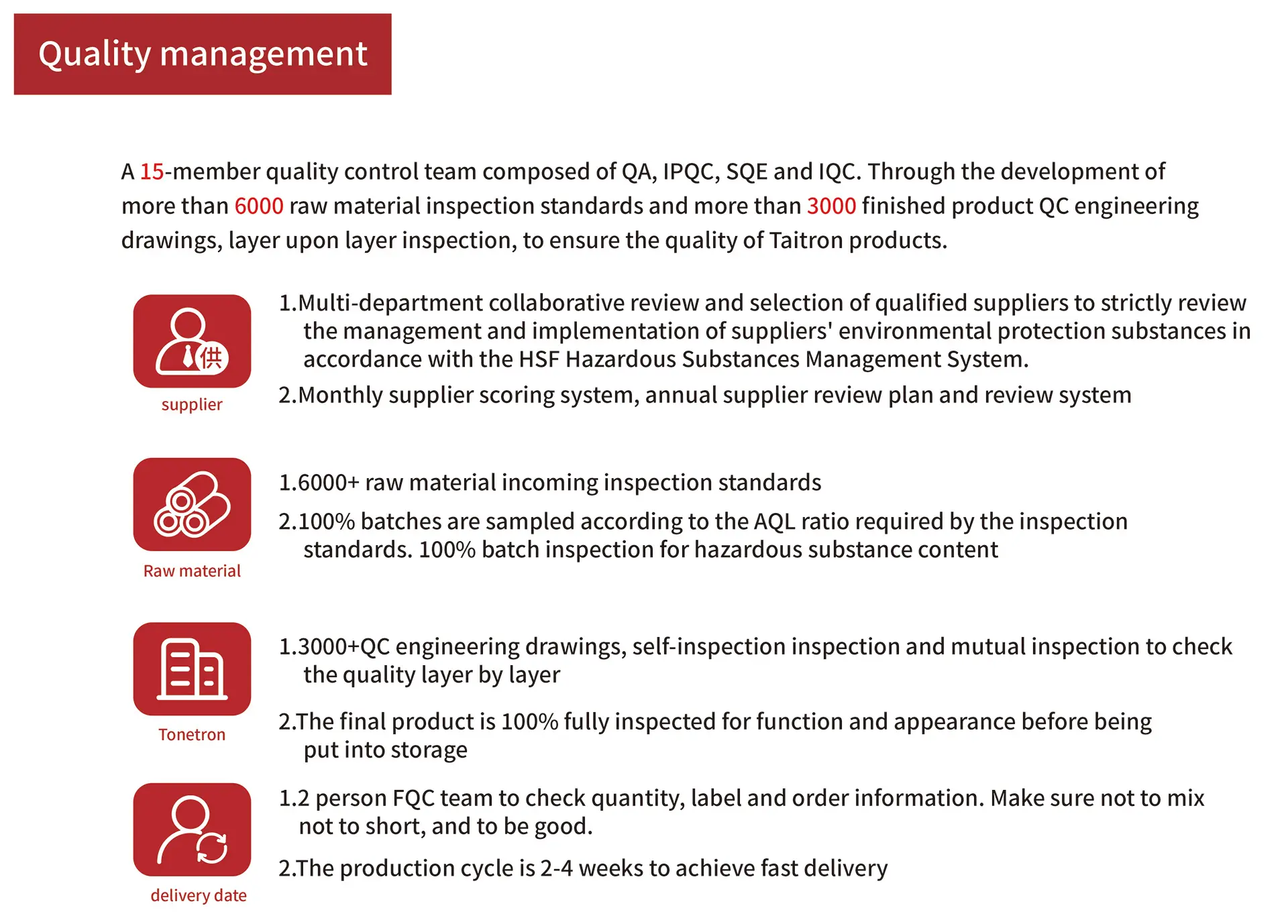
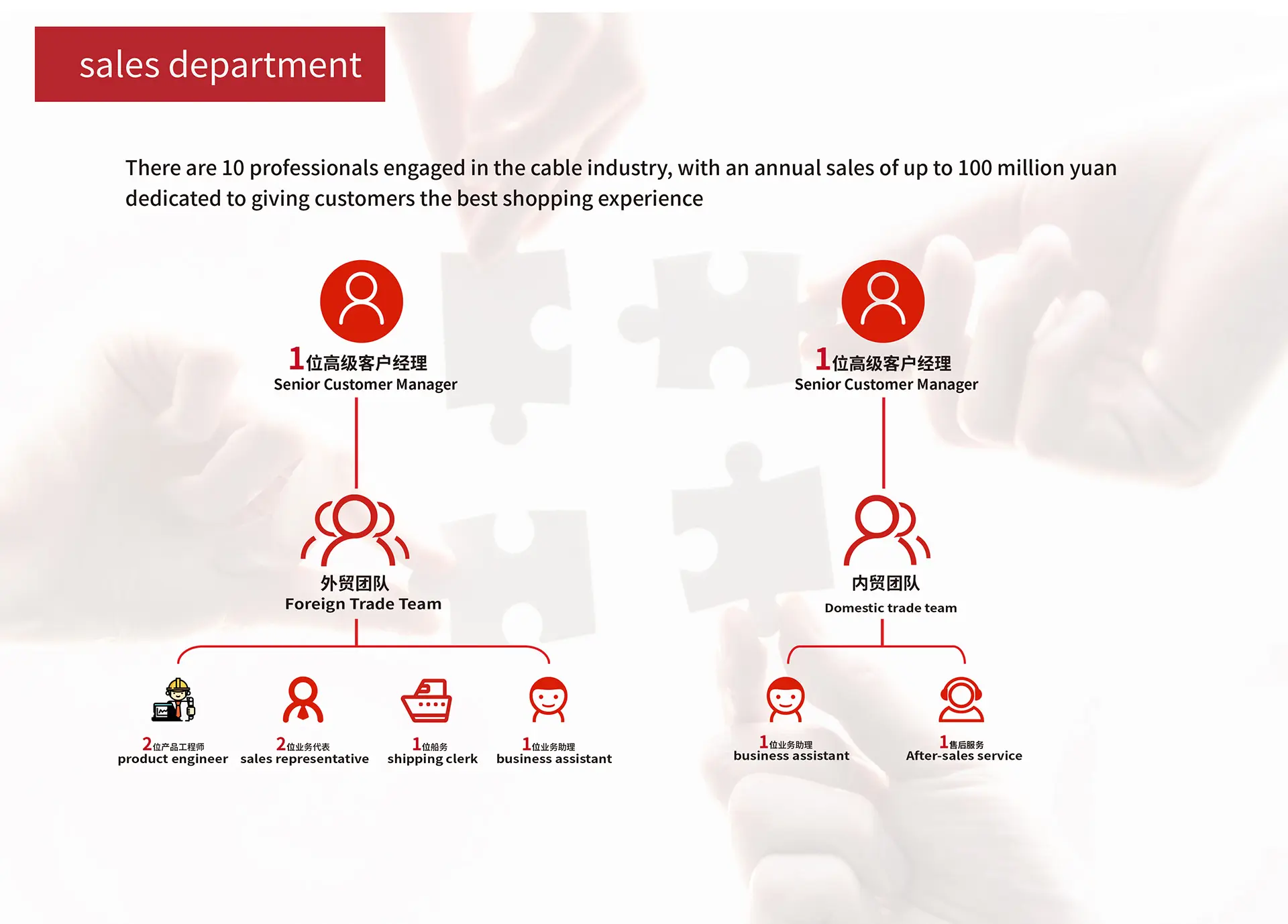
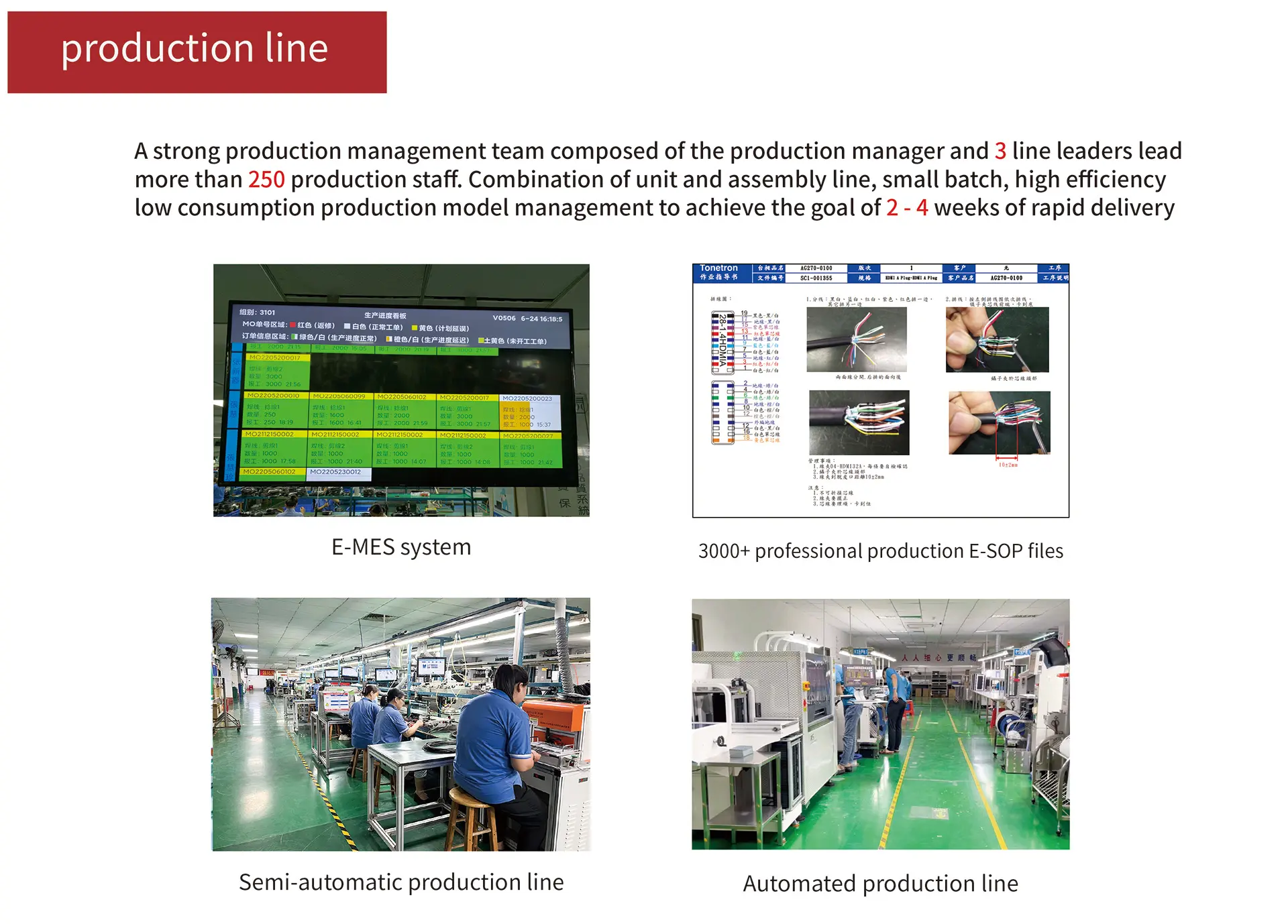
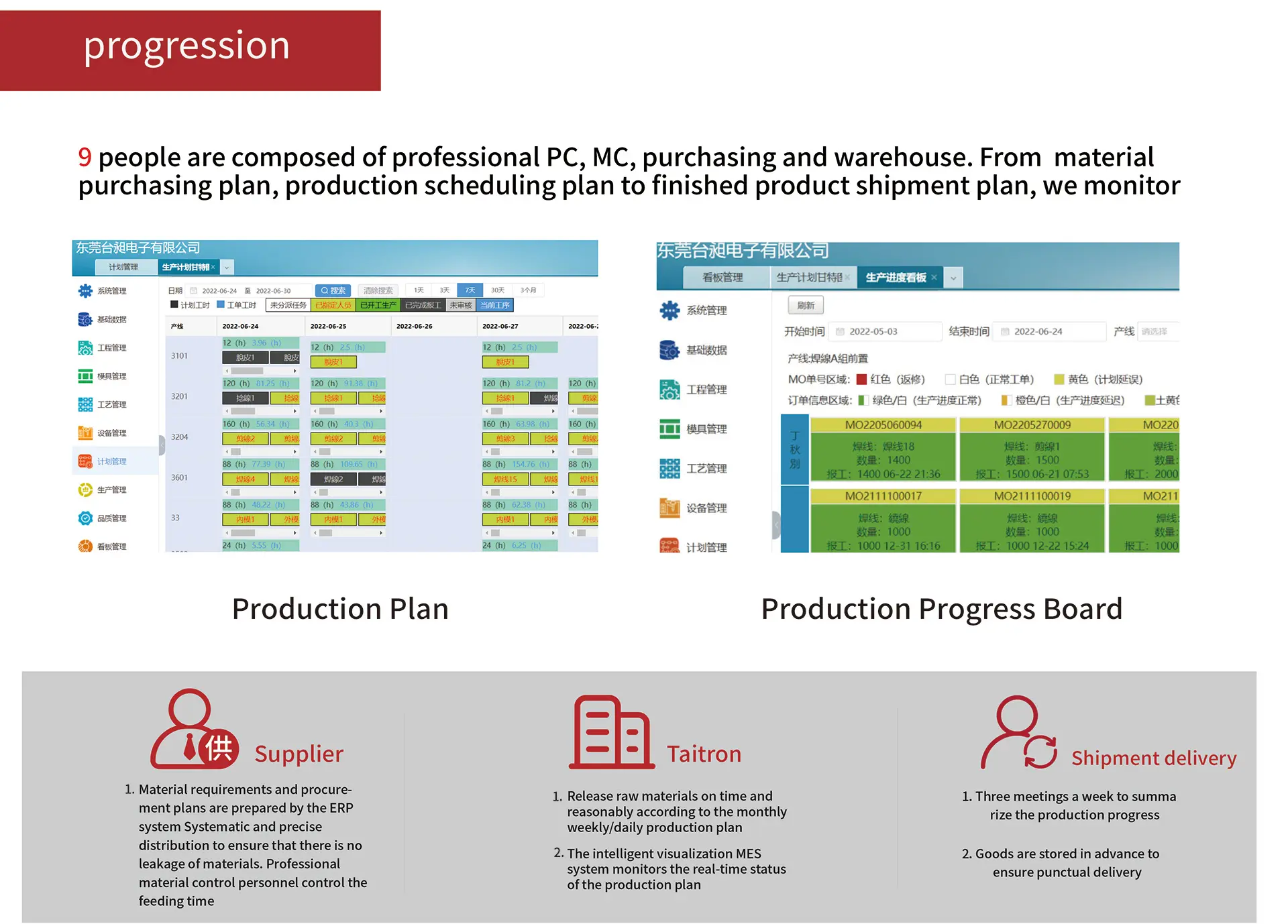
International trade in consumer electronics and industrial connection components requires strict adherence to regulatory standards. As a global exporter, Taitron designs products that meet regional safety and environmental requirements.
Our USB-C 3-in-1 adapters and converter dongles meet European Union CE Directive guidelines, ensuring electromagnetic compatibility and preventing network interference.
All materials—including raw PVC, TPE, aluminum alloys, and halogen-free solders—undergo testing to ensure they are free from restricted toxic substances.
Our facilities utilize network analyzers and time-domain reflectometer (TDR) systems to test transmission rates and maintain signal integrity across cable runs.
Meeting these global standards helps international importers, B2B buyers, and distributors streamline customs clearance. It also reduces product liability risks and avoids common compliance issues associated with uncertified hardware.
Modern connectivity components must operate reliably across diverse enterprise environments. Rather than relying on generic consumer-grade solutions, we optimize our adapters for specific commercial use cases.
Modern corporate offices often feature hot-desking setups. A single USB-C 3-in-1 adapter allows visiting employees to connect their ultrabooks to an external display (via HDMI or VGA), link to local corporate networks, and charge their devices using one connection. This consolidation reduces desktop clutter and lowers device failure rates.
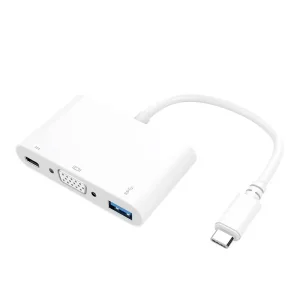
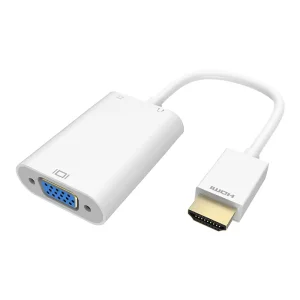
Smart classrooms combine legacy systems with modern digital tools. Educators often need to connect newer laptops to legacy classroom projectors (using VGA interfaces) while simultaneously running digital writing boards or audio devices. Our dual-output adapters bridge this gap, ensuring reliable performance in demanding classroom settings.
Industrial control setups demand consistent performance. In marine or manufacturing applications, our active conversion cables maintain signal clarity over long distances. They prevent issues like signal dropouts caused by high electromagnetic interference (EMI) or power fluctuations.
As display resolutions rise and data transmission speeds increase, legacy copper cables face physical limitations. Our engineering roadmap focuses on integrating advanced silicon components and optical-electrical conversion technologies to meet these challenges.
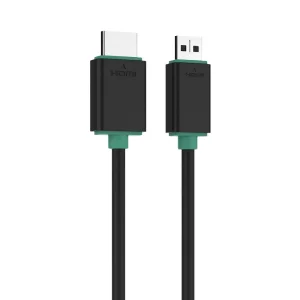
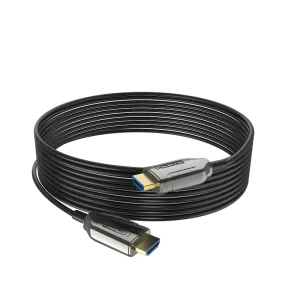
For runs exceeding 10 meters, traditional copper cables suffer from high insertion loss and signal degradation. Our Active Optical Fiber (AOC) HDMI and DisplayPort cables convert digital audio/video signals into light pulses. This allows high-bandwidth data (up to 48Gbps for HDMI 2.1) to travel over long distances without signal degradation or electromagnetic interference.
The next generation of multi-port hub components will utilize USB4 architectures. These systems will offer bandwidth speeds up to 80Gbps and dynamic bandwidth allocation. This means video and data channels share bandwidth dynamically based on real-time demands, improving overall system efficiency.
Technical information and specifications for engineering teams, procurement managers, and global distributors.
High-speed active optical fibers, legacy VGA converters, and professional-grade audio cables for digital systems integration.
 Taichang Electronic