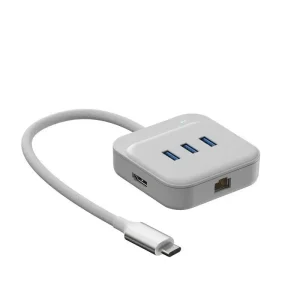
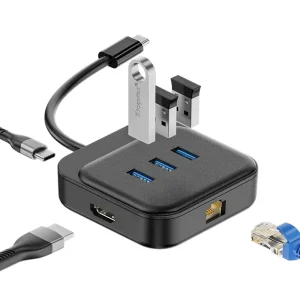
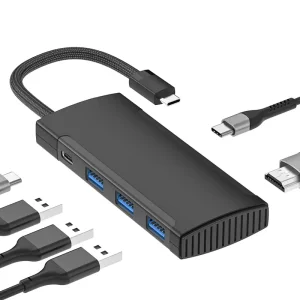
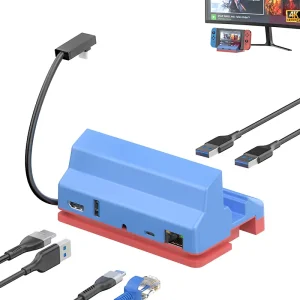
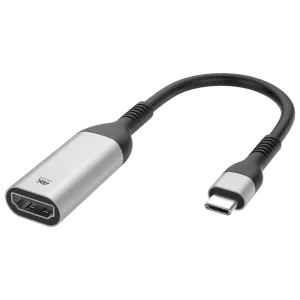
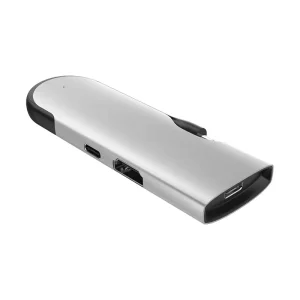
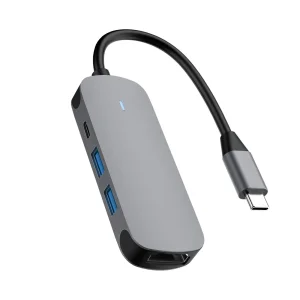
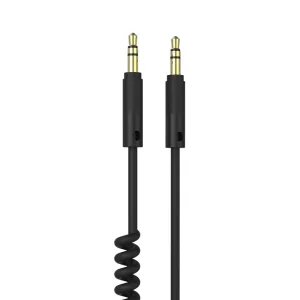
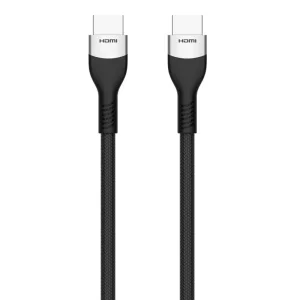
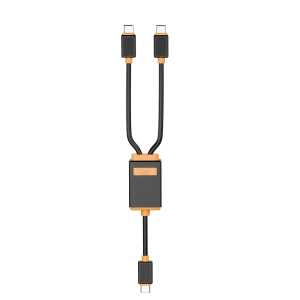
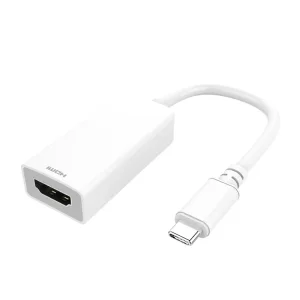
Explore our high-performance product range, engineered to meet international safety and compatibility standards. Direct factory sourcing with dynamic quality control.
As modern ultrabooks, tablets, and handheld consoles continue to shrink their physical footprint, the reliance on high-bandwidth, compact expansion solutions has transitioned from a niche requirement to a macro enterprise demand. The industry standard 6-in-1 USB-C configuration has emerged as the definitive golden ratio for professional connectivity. This layout optimally balances port density, thermal management constraints, and physical lane limitations inherent to the DisplayPort Alt Mode standard.
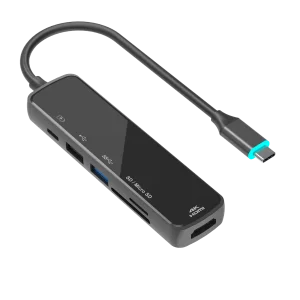
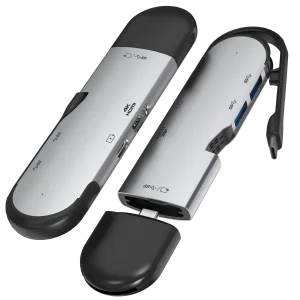
Typically grouping 1x HDMI port (up to 4K@60Hz), 1x USB-C Power Delivery charging port (PD 3.0 up to 100W), 2x USB-A Gen 1 data links (5Gbps), and integrated micro-SD/TF memory card reader slots.
Engineered to route 10Gbps signal pipelines dynamically, preventing transmission bottleneck issues when external video, flash storage, and wireless components operate concurrently.
Our structures utilize dual-stage hardware isolation to address the notorious 2.4GHz interference. This prevents peripheral lag and unstable Wi-Fi drops under heavy operational loads.
B2B buyers, distributors, and consumer brand owners evaluate manufacturers on far more than unit costs. Global enterprise deployment demands robust materials science, reliable controller chips (like Parade, VLI, and Realtek), and strict compliance with safety architectures. A failure in a single enterprise-deployed docking station can result in downstream hardware damage to laptop motherboards via unregulated voltage spikes.
When evaluating a 6-in-1 supplier, structural chassis materials dictate long-term durability. While ABS Shell configurations provide cost-optimized solutions for desktop docking adapters, Alunimum alloy enclosures offer superior structural rigidity and direct heat dissipation. Taitron's advanced manufacturing techniques guarantee that internal thermal pads bridge the gap between hot IC controllers and the external chassis, maintaining shell surface temperatures below 45°C under continuous PD load.
A crucial differentiator of high-end 6-in-1 docking stations is the capability of dynamic Power Delivery (PD) negotiation. Cheap alternative hubs often experience drops in connected external drives when the primary power source is plugged in or unplugged. Our designs utilize Fast Role Swap (FRS) technology matching the USB PD 3.0 specification, ensuring that storage connections remain active even as the power source changes.
Dongguan Taitron Electronics Limited (formerly Tonetron) brings decades of high-frequency engineering experience. We convert raw copper and silica into specialized data pipelines.
In 1984, Dongguan Taitron Electronics Limited., formerly known as Tonetron, was founded in Keelung, Taiwan. In 1993, it moved to the self-built independent production industrial park in Dalingshan Town, Dongguan City, China, and changed its name to Dongguan Taitron Electronics Limited.
38 years to pass professional video and audio peripheral equipment connection line manufacturing as the foundation, Gradually develop to the high-end audio and video cable data cable such as HDMI2.1 cable, DP2.0 cable, USB4 data cable, USB-C 3.1Gen2 data cable, high-power USB charging cable, 8K HD conversion cable, multi-functional Type-C expansion dock and other products research and development and manufacturing.
By keeping fabrication steps, injection molding, SMT, and testing in-house, we control quality standards directly and bypass third-party trade premiums.
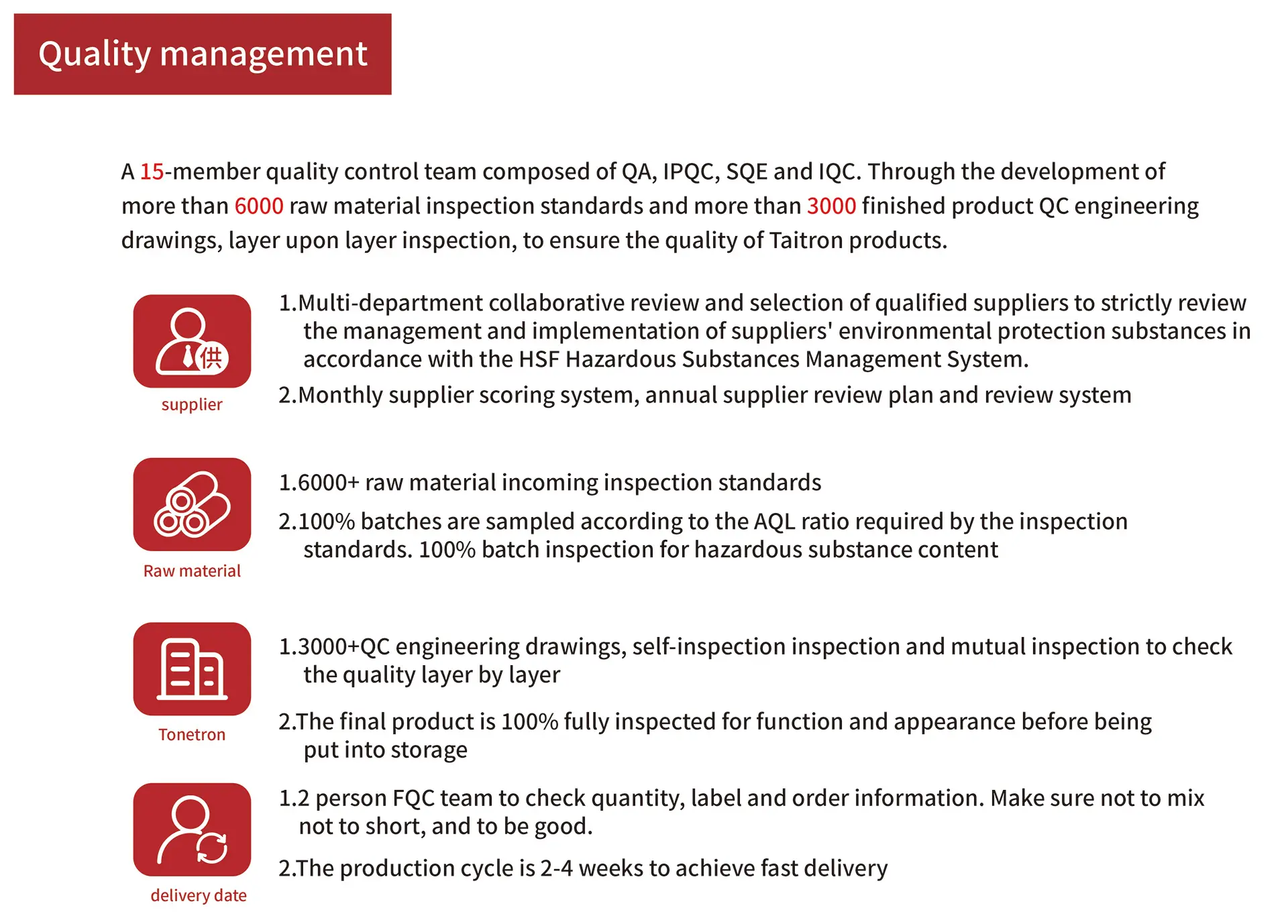

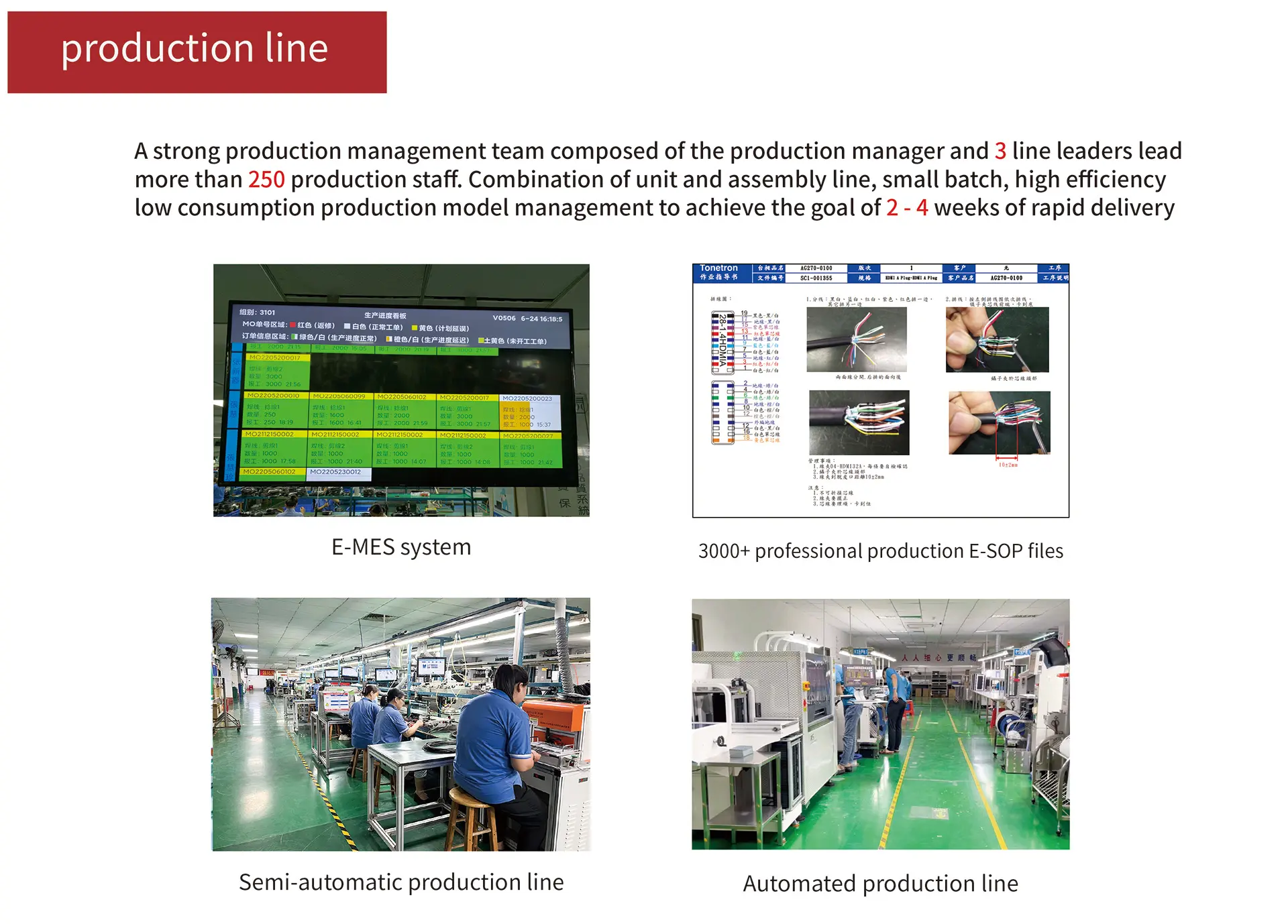
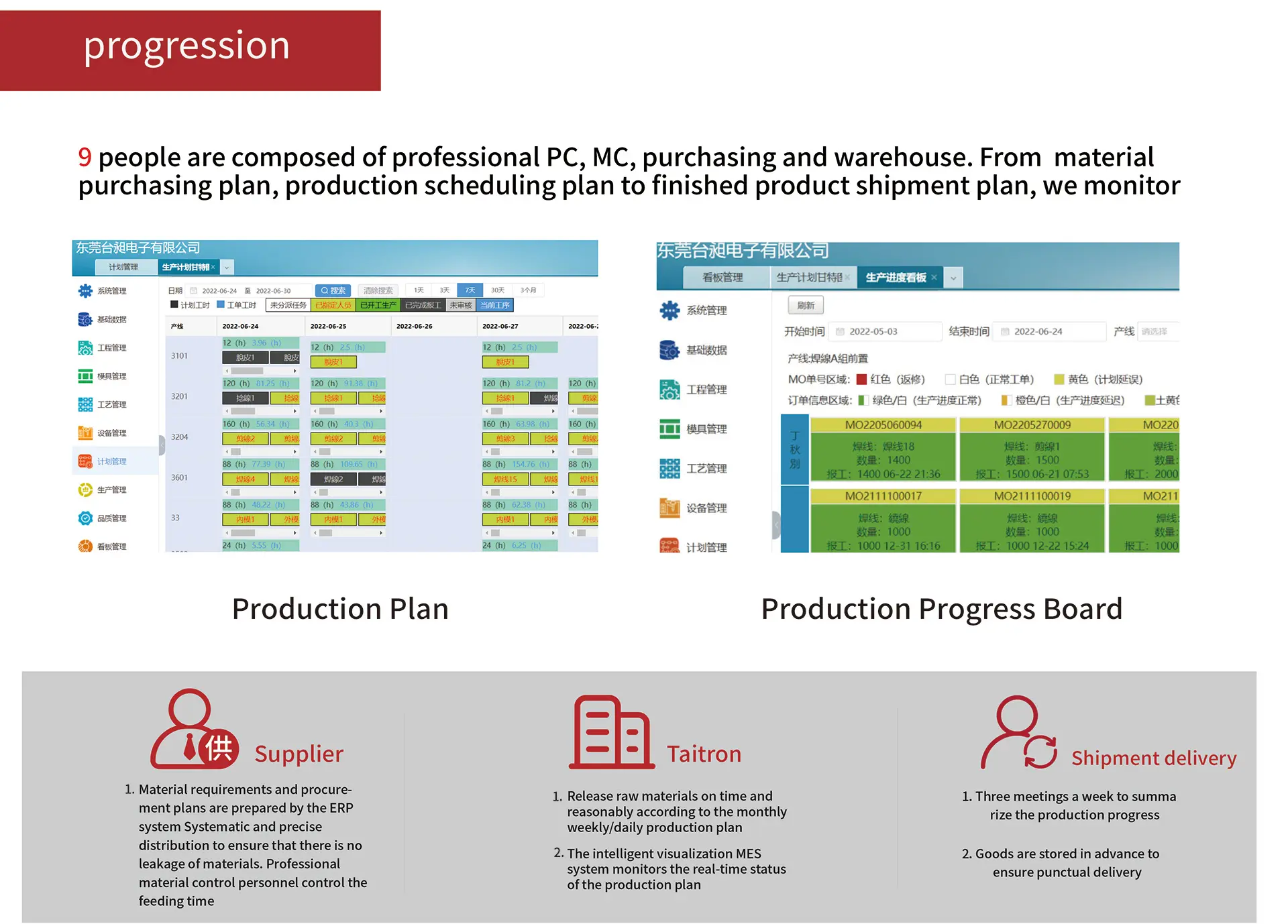
Connectivity issues impact productivity. Our tailored 6-in-1 and multi-functional USB-C expansion solutions are optimized for various professional environments:
Standardizing corporate desks with hubs containing stable USB interfaces, HDMI ports, and PD power. This cuts down on IT service tickets and boosts daily output.
Robust docking platforms designed for schools, universities, and training centers. Designed for fast connection changes between digital screens, projectors, and tablets.
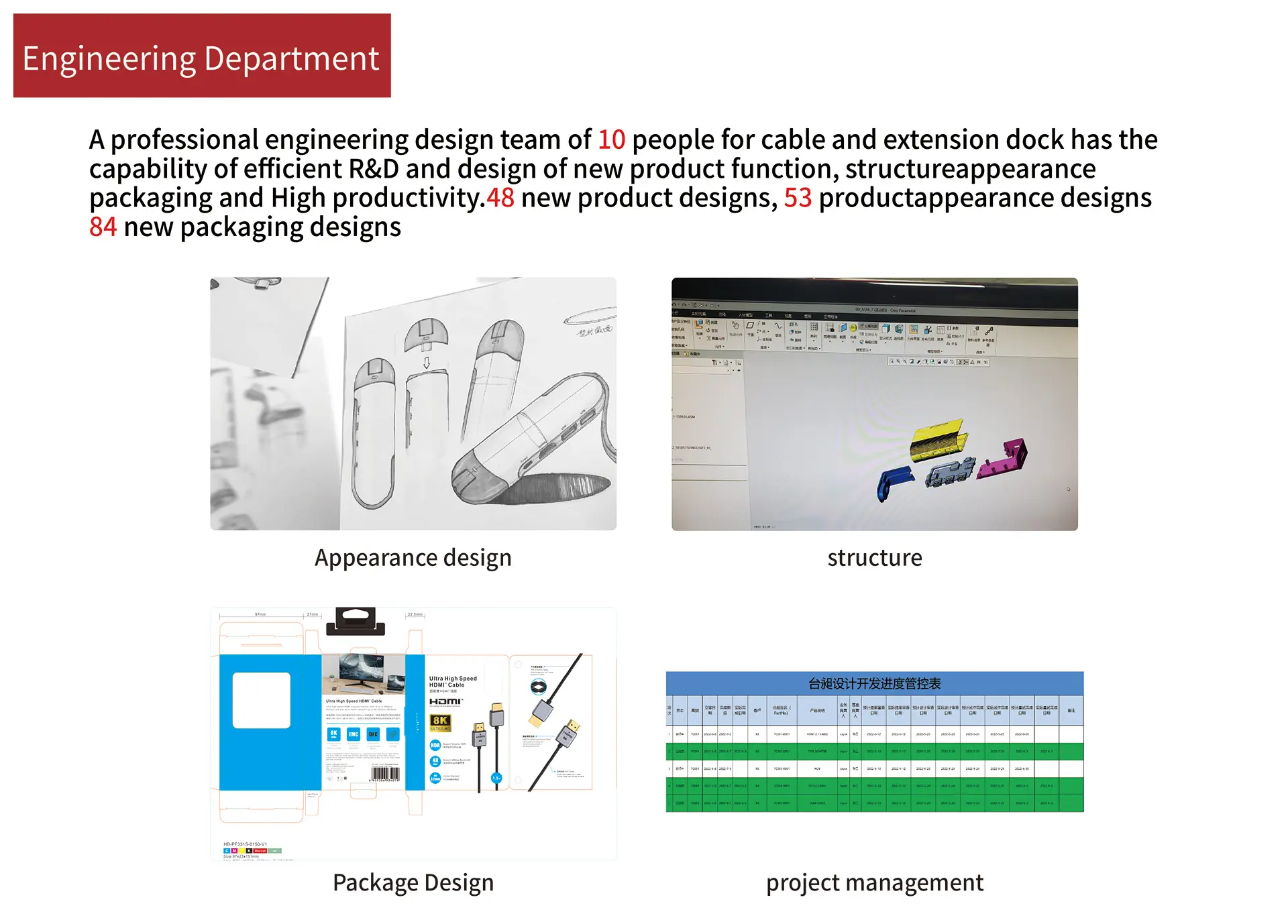
Our OEM/ODM services provide bespoke branding, color-matching, retail-ready packaging design, and certification documentation to help brands launch quickly.
Importing electronics requires strict adherence to international legal, environmental, and chemical safety structures. Sourcing from Taitron safeguards your brand from costly port seizures, custom delays, and regulatory penalties.
Our products carry CE, FCC, and RoHS certifications. We supply test documentation directly to ease global customs clearance and satisfy national compliance audits.
Our internal laboratories perform physical verification testing, including: insertion life cycles (10,000+ insertion runs), cable flexing tests, thermal cycling, and high-potential electrical integrity tests.
We work in compliance with the REACH directive and offer lead-free assembly options, minimizing hazardous chemicals to match modern environmental, social, and corporate governance (ESG) targets.
As display standards shift toward 8K resolution and data protocols like USB4 and Thunderbolt 4 become standard, our engineering division is developing the next generation of multi-port adaptors.
By leveraging next-generation controller chipsets, our upcoming product line supports bandwidths up to 40Gbps. This lets users run high-resolution dual-screen displays and fast PCIe NVMe storage arrays simultaneously off a single port.
Combining gallium nitride (GaN) power components directly into docking systems enables smaller desk footprints. These next-gen designs supply direct PD charging to the laptop without bulky power bricks.
We address common technical inquiries from procurement teams and electrical engineers looking to partner with a reliable supplier.
Discover our broader ecosystem of digital connecting lines, active adapters, and high-power delivery charge cables.
 Taichang Electronic