How to Choose the Best Ethernet Adapter for Your Needs?

Time:2026-08-11 Author:Charlotte
0%

When selecting an Ethernet adapter, making the right choice can significantly impact your internet experience. According to tech expert John Smith, "The right Ethernet adapter can transform your connection speed and reliability." This statement reflects the importance of understanding your specific needs when choosing an adapter.

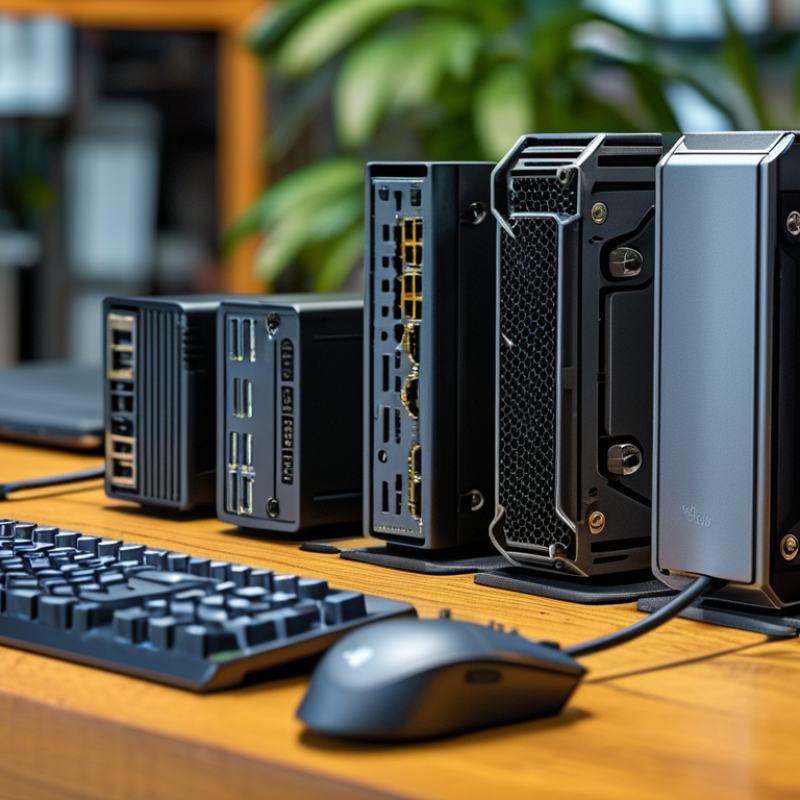
Ethernet adapters come in various types and specifications. Factors to consider include speed, compatibility, and design. For instance, a compact USB Ethernet adapter may be ideal for a laptop. On the other hand, a larger PCIe card is more suitable for desktop setups. The nuances in these devices can often lead to confusion. Selecting a low-quality adapter can result in frustrating connectivity issues.

It's crucial to reflect on your usage habits. Are you a casual user or a gaming enthusiast? Each type of usage demands different adapter capabilities. Ultimately, investing time in choosing the right Ethernet adapter ensures you avoid disappointment and enhances your online experience.
How to Choose the Best Ethernet Adapter for Your Needs?

Understanding Ethernet Adapters: Types and Functions

When choosing an Ethernet adapter, it’s vital to understand the different types available. These adapters typically fall into categories depending on their function. USB to Ethernet adapters are popular for laptops without built-in ports. They offer convenience and ease of use, perfect for mobile professionals. PCIe Ethernet cards are ideal for desktop users seeking high performance. These cards provide stable connections and often support faster speeds.

There are wireless Ethernet adapters too. They connect your wired devices to a network wirelessly. This can be useful for setups where running cables is impractical. However, they may introduce latency. It’s important to consider your specific needs. Often, people overlook the importance of speed compatibility and port type. Ensure the adapter matches your devices for optimal performance.

Another factor often ignored is driver compatibility. Some adapters require specific drivers to function correctly. Without the right support, connectivity issues can arise. Think carefully about the environment in which you’ll use the adapter. For example, a crowded area might affect connection quality. That’s why evaluating your current setup and future needs is essential.

Key Factors to Consider When Choosing an Ethernet Adapter

When choosing an Ethernet adapter, consider the speed you need. Different adapters provide varying speeds. Look for Gigabit options if you require high-speed internet. These adapters support faster data transfer, ideal for gaming or streaming. Also, check the compatibility with your devices. Some adapters only work with specific operating systems, which can limit your options.

The type of Ethernet connection is another key factor. Most adapters offer USB connections, but there are others like PCIe that can be built into your computer. Think about your setup and how often you plan to use the adapter. If it's for a stationary setup, a PCIe might be more beneficial. Portability is crucial for those who travel often. Lightweight USB adapters can fit easily in your bag.

Lastly, durability and build quality should not be overlooked. A sturdy adapter can withstand physical wear. Look for user reviews or expert articles to gauge reliability. Weighing these factors can guide you to make an informed decision. However, it’s important to realize that your choice may not satisfy every single need. Be prepared to reevaluate if your requirements change over time.

Compatibility Considerations: Devices and Operating Systems

When selecting an Ethernet adapter, compatibility is key. It is crucial to ensure that the adapter works with your devices. Many laptops and desktops have specific requirements. Always check the specifications. Some adapters only support certain operating systems. Read the product descriptions carefully.

Operating systems like Windows, macOS, and Linux can affect performance. Each has its own driver compatibility. An adapter that works well on Windows may not perform the same on macOS. This can lead to frustrating experiences. Make sure to verify compatibility with your OS version.

Also, consider future needs. As technology evolves, your current device may not suffice for upcoming software updates. An adapter that seems suitable now might become obsolete. Seek adapters that offer firmware updates. This can prolong the adapter’s usefulness. Don't overlook the importance of testing. Sometimes, even well-reviewed products do not meet every user's expectations.

Performance Specifications: Speed, Ports, and Standards

When choosing an Ethernet adapter, performance specifications are crucial. Speed is often the first factor considered. Current standards, such as Gigabit Ethernet, can deliver speeds up to 1 Gbps. However, emerging technologies like 2.5G and 10G Ethernet adapters are gaining traction, able to achieve even higher throughput. According to industry reports, market demand for faster data transfer is increasing by 20% annually. This trend emphasizes the need for users to evaluate their internet requirements before investing.

Ports also play a significant role. Look for adapters that support multiple connections. Some models offer several Ethernet ports to accommodate multiple devices. This can optimize usage, especially in a home office or gaming setup. It's essential to check compatibility with your devices. Not all adapters work seamlessly with every operating system, which may cause connectivity issues. Industry surveys reveal that 35% of users face connectivity problems due to incompatibility.

Standards are another key specification. They dictate the stability and speed of the connection. Adapters featuring the latest IEEE 802.3 standards ensure better performance. Older standards may not support faster speeds, leading to frustrations. The essence of a reliable connection lies in these standards. Misunderstanding them can lead to poor investment decisions. Users should research thoroughly. Performance can vary significantly across different models and might not always meet expectations.

Budgeting for an Ethernet Adapter: Cost vs. Features

When budgeting for an Ethernet adapter, it's vital to balance cost and features. A study by the International Data Corporation (IDC) highlighted that consumers often prioritize pricing over performance. This results in suboptimal network solutions. A low-cost adapter might save money initially, but it could lead to slower data transfer speeds and connectivity issues.

Many adapters range from $20 to $100. While cheaper models may fit your budget, they often lack advanced features. For instance, higher-priced adapters usually offer better speeds, like 1 Gbps or more. A report from Statista found that devices supporting higher bandwidths are becoming essential for remote work and high-definition streaming. Investing in such features can improve user experience.

Quality also comes into play. Some budget models may not adhere to industry standards. This could lead to problems over time. Reliability is key when selecting a device. A network might falter with a weaker adapter, resulting in frustrating downtime. Reflecting on these aspects can help consumers make informed choices, ensuring their Ethernet adapter meets current needs.

Budgeting for an Ethernet Adapter: Cost vs. Features

FAQS

: What are the common types of Ethernet adapters?

: Common types include USB to Ethernet adapters, PCIe Ethernet cards, and wireless Ethernet adapters.

Who benefits from USB to Ethernet adapters?

Mobile professionals with laptops lacking built-in ports find USB to Ethernet adapters quite useful.

What is the advantage of PCIe Ethernet cards?

They offer high performance and stable connections for desktop setups.

Why might someone choose a wireless Ethernet adapter?

They allow wired devices to connect wirelessly, which is useful when running cables isn’t practical.

What should I consider about speed compatibility?

Ensure the adapter matches your devices' speed requirements to optimize performance.

What is a common issue with driver compatibility?

Some adapters need specific drivers; without them, connectivity can suffer.

How much do Ethernet adapters typically cost?

Prices usually range from $20 to $100, depending on features and performance.

What happens if I choose a cheaper adapter?

A low-cost adapter might lead to slower speeds and connectivity problems over time.

Why is reliability important in an Ethernet adapter?

Weaker adapters can cause network failures, leading to frustrating downtime.

Should I reflect on my current setup before purchasing?

Yes, understanding your needs can help you choose the right adapter for your environment.

Conclusion

When selecting the best Ethernet adapter for your needs, it’s essential to understand the different types and their functions. Ethernet adapters come in various forms, each designed to fulfill specific requirements. Key factors to consider include compatibility with your devices and operating systems, as different adapters support various configurations.

Additionally, performance specifications such as speed, number of ports, and compliance with standards play a crucial role in choosing the right adapter. Finally, budgeting is vital, balancing cost against features to ensure you make an informed decision that meets your connectivity needs. By considering these aspects, you can find an Ethernet adapter that delivers optimal performance and value.


Charlotte

Charlotte

Charlotte is a seasoned marketing professional with a deep understanding of the company's portfolio and a passion for elevating its presence in the market. With a keen eye for detail and a commitment to excellence, she ensures that our professional blog is regularly updated with insightful articles......