Top 5 Tips for Choosing the Best USB to Network Adapter?

Time:2026-08-16 Author:Liam
0%

In today's digital landscape, choosing the right USB to Network Adapter can significantly impact your connectivity experience. As leading industry expert Dr. James Riley points out, "A reliable USB to Network Adapter can bridge the gap between devices and networks seamlessly." With an overwhelming variety of options available, it’s crucial to make an informed decision.

Connectivity issues often stem from subpar adapters. A high-quality USB to Network Adapter ensures stable network performance and reduces latency. Selecting the best product requires careful consideration of several factors, including speed, compatibility, and design. Relying solely on price can lead to regrettable purchases that compromise network quality.

Many users underestimate the importance of user reviews and brand reputation. Trustworthy brands often provide superior support and backing for their products. Real-world user experiences offer invaluable insights. Choosing the right USB to Network Adapter is not merely about meeting immediate needs; it's about anticipating future requirements and potential upgrades.
Top 5 Tips for Choosing the Best USB to Network Adapter?

Understanding USB to Network Adapter Basics

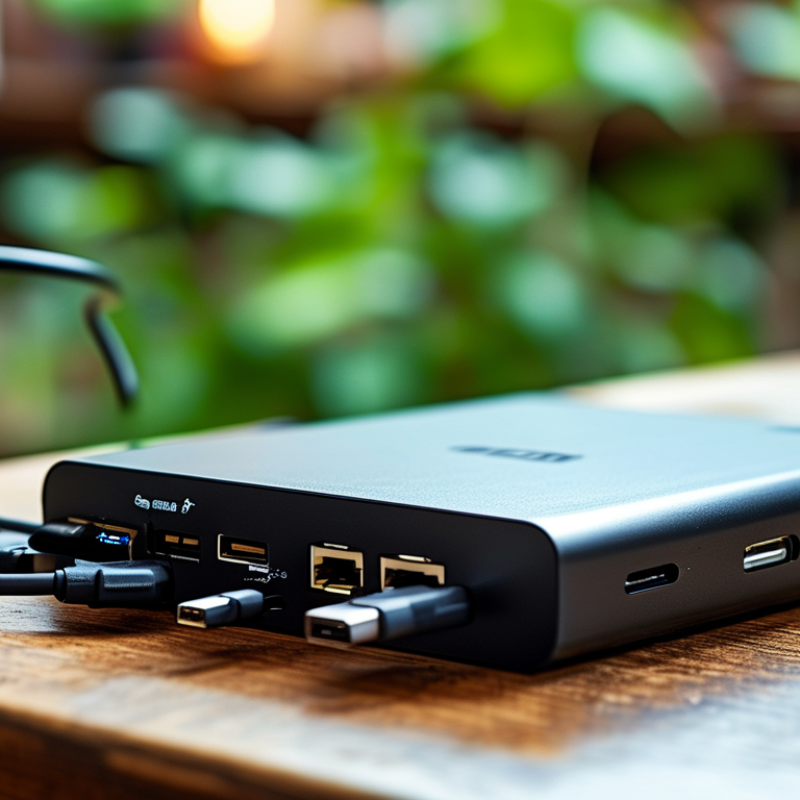
When selecting a USB to network adapter, understanding the basics is crucial. These devices enable your computer to connect to a network via a USB port. They are especially useful for laptops that lack an Ethernet port or for upgrading older machines. A good adapter can enhance your internet connection speed and stability.

When evaluating options, consider compatibility. Not all adapters work with every operating system and device type. Check if the driver support is adequate. An adapter that requires complex installation may not be user-friendly. Look for one that offers plug-and-play functionality. This simplifies the setup process.

Another important factor is speed. Adapters can offer various data transfer rates. Faster speeds are preferable for activities like streaming or online gaming. However, budget constraints often lead to compromises. Cheaper models may not provide quality performance, leading to frustration. Balancing cost and performance is vital. Knowing your specific needs can guide you toward the best choice.

Key Features to Consider When Choosing an Adapter

When choosing a USB to network adapter, there are key features to consider. Speed is crucial. Look for adapters that support fast data transfer rates. A device with Gigabit Ethernet offers better performance for gaming or streaming. Ensure it meets your speed needs before making a decision.

Compatibility matters too. Verify if the adapter works with your operating system. Some devices are designed for specific systems, which can cause issues. Look for universal adapters to enhance usability. A good adapter should also have a compact design for portability. This is essential for users who need to connect on the go.

Don’t overlook additional features. Some adapters come with security protocols for better data protection. This can be a game-changer for users who prioritize privacy. Be mindful of potential issues like overheating during heavy use. Regularly check for software updates to keep the device functioning optimally. Balancing features with your needs is key to making a wise choice.

Compatibility with Devices and Operating Systems

When selecting a USB to network adapter, compatibility is critical. A device must work seamlessly with various operating systems like Windows, macOS, and Linux. According to a recent industry report, nearly 30% of users experience connection issues due to incompatibility. This can lead to frustrating delays and decreased productivity. Ensuring that an adapter supports multiple OS versions can save users a lot of headaches.

Consider checking whether the adapter has driver support for older systems. Many professionals still use these systems in workplaces. A reliable adapter should provide access to resources regardless of the device’s age. Interestingly, around 40% of tech users forget this aspect while making their choice. Compatibility with both 32-bit and 64-bit systems adds another layer of flexibility.

Testing the adapter on different devices before purchase can be beneficial. While many adapters claim universal compatibility, that’s not always true. User reviews often highlight discrepancies between promised specifications and real-world performance. By being diligent, users can avoid unnecessary returns and ensure their setup is efficient.

Evaluating Speed and Performance Specifications

When considering a USB to network adapter, evaluating speed and performance specifications is crucial. The adapter's speed directly impacts your internet experience. Look for devices supporting at least USB 3.0; they facilitate faster data transfer rates. Many adapters claim high speeds, but real-world tests can differ. Thus, read independent reviews to assess actual performance.

For consistent performance, examine the network standards supported. Adapters supporting the latest Wi-Fi technologies, like 802.11ac or 802.11ax, deliver improved speed and stability. Older standards may limit your connection, especially in crowded areas. Additionally, look into the adapter’s compatibility with different operating systems. Some may work only with specific systems, leading to frustrating experiences.

Do not overlook the importance of the adapter’s design and build quality. A robust housing ensures durability, especially if frequently transported. In contrast, a flimsy adapter may fail under regular use. Pay attention to heat management too; overheating can throttle performance. Be wary of overly cheap options without reliable performance data.

Budget Considerations and Brand Reliability

When selecting a USB to network adapter, budget is a key factor. Many affordable options are available, but the price doesn't always reflect quality. A low-cost adapter might seem like a bargain at first. However, it may lack durability and performance, leading to constant issues. Evaluating long-term costs is essential. Poor connectors or subpar materials might have you replacing the device frequently.

Brand reliability is another important consideration. Established brands often have proven track records. They usually offer better customer support and warranty services. Researching user reviews can provide insight into the real user experience. Look for comments on performance consistency and any recurring problems. It's wise to avoid brands with frequent complaints about reliability.

Balancing cost and quality can be challenging. Sometimes a high price tag does not guarantee superior quality. It’s important to read up on specifications and understand what you truly need. Not every feature is necessary, and sometimes simpler solutions work just as well. Keep in mind that just because a brand is popular doesn’t mean it’s always the best choice for you.

FAQS

: What factors should I consider when choosing a USB to network adapter?

: Focus on speed, compatibility, additional features, and design. Speed is essential for tasks like gaming.

Why is compatibility important for adapters?

Compatibility ensures that the adapter works with your operating system. Incompatible devices can slow down your work.

How can I check if an adapter is compatible?

Verify if it supports your system’s OS version. Testing it on different devices can also help confirm its compatibility.

Should I worry about the price of the adapter?

Yes, budget matters, but lower prices might mean lower quality. Evaluate long-term performance before finalizing.

What should I be cautious about when selecting an adapter?

Be aware of possible overheating during heavy use. Regular software updates can help maintain performance.

How important is brand reliability in choosing an adapter?

Brand reliability matters. Established brands often provide better support and consistent performance. Research user experiences.

What should I be mindful of regarding features?

Not every feature is necessary. Balance what you need with your budget. Simplicity often meets basic requirements well.

Can I trust all adapters to be universally compatible?

Not all adapters are truly universal. User reviews can reveal discrepancies between expected and actual performance.

Is it wise to choose the cheapest option available?

Cheaper options may lack durability. They can lead to more issues and replacements in the long run.

How can I ensure a good purchase?

Research specifications and user feedback. Diligence can save you from frustrating returns and an inefficient setup.

Conclusion

When selecting a USB to Network Adapter, it's essential to grasp the basics of how these devices function and their applications. Key features include the adapter's speed, type of connection, and additional functionalities like compatibility with various devices and operating systems. Evaluating speed and performance specs ensures the adapter meets your specific networking needs, whether for casual browsing or intensive data transfer.

Furthermore, budget considerations play a crucial role in the decision-making process. It's advisable to balance cost with brand reliability, as a well-rated product often provides better long-term performance and support. By understanding these factors, you can confidently choose the best USB to Network Adapter that suits your requirements without compromising on quality or efficiency.


Liam

Liam

Liam is a dedicated marketing professional with a profound expertise in the industry, where he excels at highlighting the unique advantages of our core products. With a keen understanding of market trends and consumer needs, Liam frequently updates our company’s professional blog, providing......