In today's digital age, the demand for reliable internet connectivity is higher than ever. A pivotal component in achieving this is the USB to Ethernet connector. According to industry expert Dr. Emily Zhao, a prominent figure in networking technology, "The USB to Ethernet connector bridges the gap between portable devices and stable internet connections."
With a variety of options available, selecting the right USB to Ethernet connector can be daunting. Factors such as compatibility, speed, and build quality must be considered. Some products excel in performance but may lack durability. Others may offer great features but have compatibility issues with certain devices. These trade-offs can complicate the decision-making process for global buyers.
Finding the right balance is crucial. Some connectors may be more expensive yet offer long-term reliability. On the contrary, cheaper options can lead to frustration due to frequent disconnections. Therefore, understanding the nuances of USB to Ethernet connectors is essential for making a wise investment in technology that supports your connectivity needs.
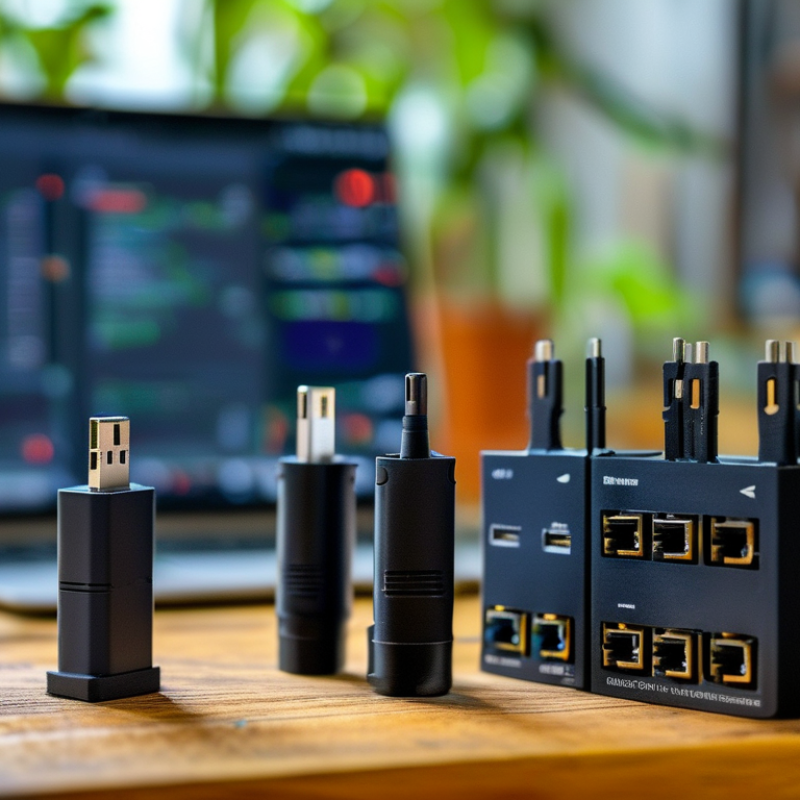
USB to Ethernet connectors play a crucial role in enhancing network connectivity. They enable devices without built-in Ethernet ports to access high-speed internet. According to industry studies, the demand for these connectors grows as remote work and online gaming gain popularity. A recent report noted a significant increase in product sales, reflecting a shift in consumer preferences.
Choosing the right USB to Ethernet connector requires careful consideration. Not all connectors support the same speeds or standards. Some devices, for instance, may only support USB 2.0, while others can handle USB 3.0 or even USB-C connections. An average user might overlook these details, potentially leading to poor internet performance.
It's also important to evaluate build quality and compatibility. In some cases, connectors may not work effectively with certain operating systems or hardware configurations. Users should look for connectors that have good reviews and reliable manufacturer support. On the other hand, low-cost options may present lasting issues or compatibility glitches. Users should weigh initial savings against potential long-term drawbacks.
When selecting a USB to Ethernet connector, several key features are critical to ensure optimal performance. Speed is paramount. A connector supporting at least 1 Gbps caters to most users' needs. According to a 2022 report from the International Data Corporation (IDC), over 80% of businesses require high-speed internet for seamless operations. This makes speed a non-negotiable criterion.
Another important aspect is compatibility. Ensure that the connector works with various operating systems. A survey from the Network Equipment Technologies Group revealed that 65% of users faced connectivity issues when their devices were incompatible. A reliable device should work effortlessly with both Windows and macOS. Furthermore, look for connectors supporting USB 3.0 or higher. This enhances data transfer speeds and reduces latency, as depicted by industry insights indicating a 20% increase in performance with USB 3.0.
Durability and build quality cannot be overlooked. Connectors often face wear and tear. Materials used in production should withstand frequent plugging and unplugging. A study by the Consumer Technology Association (CTA) highlighted that 40% of device failures stem from poor build quality. Choosing a robust model can significantly improve long-term usage. Remember, price is also a factor, but investing in a well-reviewed connector can save time and resources in the long run.
When choosing a USB to Ethernet connector, there are several factors to consider. These devices play a vital role in connecting laptops and desktops to networks. Some connectors offer faster speeds, while others provide better compatibility with various operating systems. It’s crucial to evaluate the specifications before making a purchase.
Many users overlook the importance of build quality. A robust, well-constructed connector will endure frequent use. Some designs may feel cheaper, raising concerns about longevity. Ensure the product supports your expected data transfer rates. Devices that promise high speeds may not always deliver.
Testing various options can lead to mixed results. Inconsistent performance might frustrate users. Some connectors may work flawlessly with a specific device but falter with others. It’s important to check compatibility lists when considering a purchase. Always remember to look for detailed user reviews. These insights often reveal performance inconsistencies that specifications may not indicate.
| Connector Model | Speed | Compatibility | Weight | Price Range |
|---|---|---|---|---|
| Model A | Up to 1000 Mbps | Windows, Mac, Linux | 50g | $15 - $25 |
| Model B | Up to 100 Mbps | Windows, Mac | 70g | $10 - $20 |
| Model C | Up to 1200 Mbps | Windows, Linux | 60g | $20 - $30 |
| Model D | Up to 1000 Mbps | Windows, Mac, Chrome OS | 80g | $18 - $28 |
| Model E | Up to 200 Mbps | Mac, Linux | 55g | $12 - $22 |
| Model F | Up to 1000 Mbps | Windows, Linux, iOS | 65g | $16 - $26 |
| Model G | Up to 100 Mbps | Windows, Mac | 75g | $8 - $15 |
| Model H | Up to 1000 Mbps | Windows, Mac, Android | 72g | $20 - $30 |
| Model I | Up to 900 Mbps | Linux, Mac | 85g | $14 - $24 |
| Model J | Up to 1000 Mbps | Windows, iOS | 90g | $19 - $29 |
When selecting a USB to Ethernet connector, performance and compatibility are crucial factors. Many devices utilize USB connections for enhanced speed and stability. Ethernet connectivity remains vital for reliable internet access. A good connector reduces latency and maximizes throughput.
Different USB standards, like USB 2.0 and USB 3.0, impact transmission speed. For example, USB 3.0 connectors support higher data rates, essential for downloading large files. However, not all devices support USB 3.0. This can create frustration when users expect fast performance, only to find their device is incompatible.
Compatibility extends beyond USB versions. It includes various operating systems and device types. For example, some connectors may work seamlessly with Windows but falter on Mac. Always check if the connector meets your specific needs. Even the best connectors can have quirks. Users might experience driver issues or configuration challenges. Reflecting on these aspects can help buyers avoid common pitfalls and enhance their overall experience.
When looking for USB to Ethernet connectors, several factors stand out for global consumers. Research indicates that up to 70% of users prioritize compatibility with varying devices. It’s crucial to ensure that your chosen connector works seamlessly with your laptop, desktop, or gaming console. Product specifications often highlight compatible operating systems, which should guide your purchasing decision.
Price variability is another consideration. A recent market analysis shows that budget connectors can range from $10 to $30. However, higher-priced options may offer better durability and speed. Look for connectors that support at least 1000 Mbps for optimal performance. Testing and reviews often reveal that cheaper versions may experience connectivity issues over time. User feedback plays an essential role here, providing insights on longevity and effectiveness.
Lastly, check the build quality and warranty options. A connector that feels sturdy is often more reliable in daily use. Consumers frequently overlook this aspect, only to find that fragile connectors can lead to repeated replacements. A warranty or customer service option adds a layer of security. Gathering experiences from various sources can assist in making a more informed choice.
: They enhance network connectivity, allowing devices without Ethernet ports to access high-speed internet.
Not all connectors support the same speeds. Selecting the wrong one may result in poor internet performance.
A well-constructed connector will endure frequent use. Cheaper designs may raise concerns about longevity.
USB standards like 2.0 and 3.0 impact transmission speeds, influencing data transfer rates significantly.
No, some devices only support USB 2.0, leading to unexpected performance issues for users expecting higher speeds.
User reviews can provide insights into performance inconsistencies that specifications may not indicate.
Yes, some connectors may work with Windows but not with Mac. Checking compatibility is essential.
Some connectors may work well with certain devices but fail with others, indicating the need for thorough testing.
Buyers should consider potential driver issues and configuration challenges that can affect usability.
They can present lasting issues or compatibility glitches, potentially leading to poor performance over time.
The article "Top 10 USB to Ethernet Connectors for Global Buyers" provides a comprehensive overview of USB to Ethernet connectors, highlighting their importance in enhancing internet connectivity for various devices. It discusses key features to consider when selecting a connector, such as compatibility, data transfer rates, and ease of use. The top 10 USB to Ethernet connectors are reviewed, comparing their performance and compatibility across different platforms, allowing users to make informed decisions.
For global consumers, the article offers valuable buying tips that emphasize the significance of researching connectors that best suit their needs. With the growing demand for reliable internet connections, understanding the nuances of USB to Ethernet connectors is essential for achieving optimal performance and connectivity in today's digital landscape.

Taichang Electronic