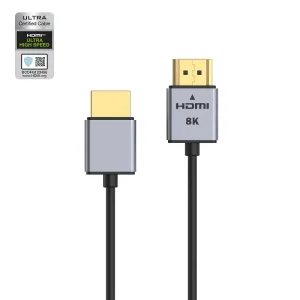
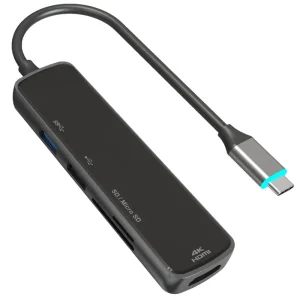
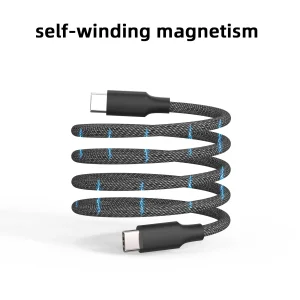
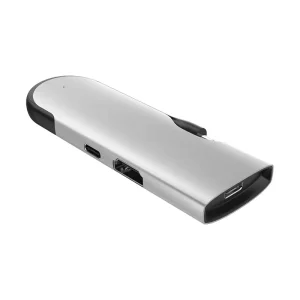
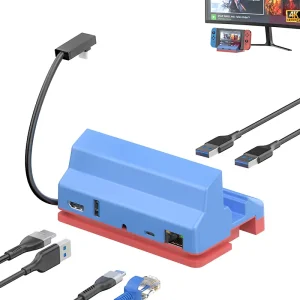
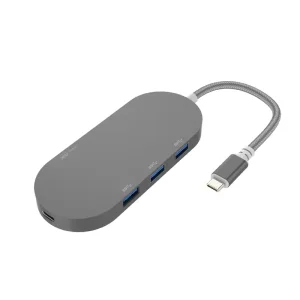
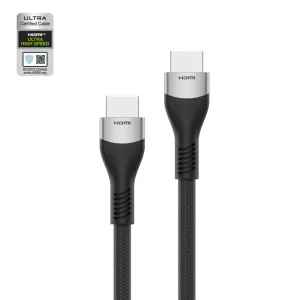
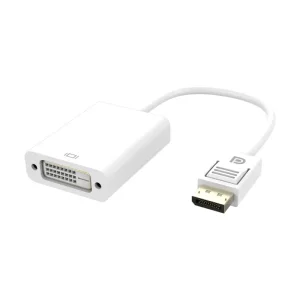
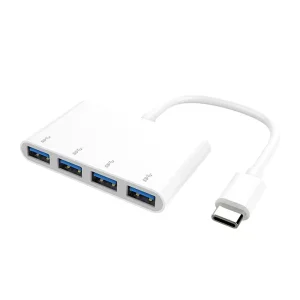
Explore our highly-certified range of adapters, cables, and smart conversion hubs, built for commercial environments requiring stable data streams and robust shielding.
In high-end video integration, the DisplayPort 1.2 spec remains a foundational milestone. Introducing High Bit Rate 2 (HBR2), it effectively doubled the available data bandwidth from 10.8 Gbps in the older DP 1.1 iteration to 21.6 Gbps total bandwidth, with a maximum active payload of 17.28 Gbps after 8b/10b line coding.
This allows the standard to confidently output resolutions up to 3840x2160 (4K UHD) at 60Hz or 2560x1600 (WQHD) at refresh rates up to 144Hz. For industrial systems, this bandwidth is critical to avoid frame dropouts and latency.
| Parameters | DisplayPort 1.2 Spec Value |
|---|---|
| Total Bandwidth | 21.6 Gbps HBR2 Mode |
| Max Active Payload | 17.28 Gbps (8b/10b Link overhead accounted) |
| Resolution Capabilities | 4K @ 60Hz | 1440p @ 144Hz | 1080p @ 240Hz |
| Color Spaces Supported | sRGB, Adobe RGB, YCbCr, xvYCC |
| Maximum Audio Bandwidth | 6.144 Mbps (8-ch LPCM, 192 kHz/24-bit) |
| Auxiliary Channel Speed | 1.0 Mbps (Up from 720 Kbps in DP 1.1) |
A statistical breakdown of our manufacturing bandwidth, production capability, and global industrial export volume.
DisplayPort 1.2 spec products continue to lead as the interface of choice for reliable, hardware-based visual architectures globally.
Enables ultra-sharp PACS radiology imaging systems where uncompressed 10-bit grayscale values are critical. The high reliability and locking connector design prevent accidental disconnections.
Supports low-latency frame rates for high-speed industrial inspection cameras. Our double-shielded, active components provide immunity to industrial electromagnetic noise (EMI).
By leveraging MST daisy-chain technology, multiple monitors can run off a single DP 1.2 port, simplifying hardware layouts in large transit networks, security centers, and energy grids.
A systematic perspective on signal integrity development across standard upgrades from DP 1.2 to DP 2.1 and HDMI alternatives.
While legacy systems rely strongly on the stability and cost-effectiveness of the DisplayPort 1.2 specification, our design and engineering departments continuously develop next-generation solutions, including HDMI 2.1 and USB4 / Thunderbolt 4 configurations. This transition matrix highlights how modern physical transport layer specifications provide structural scalability:
| Standard Mode | Maximum Bandwidth | Primary Use Case | Standard Shielding Tech |
|---|---|---|---|
| DisplayPort 1.2 (HBR2) | 21.6 Gbps | Industrial Control Displays, 4K Workplace Monitors | Double Mylar + 85% Copper Braid Shielding |
| DisplayPort 1.4 (HBR3) | 32.4 Gbps | HDR 4K Medical Monitors, 8K Digital Signage | Triple Foil Shielding + Tinned Copper Braiding |
| HDMI 2.1 (Ultra High Speed) | 48 Gbps | 8K Smart Display Interfaces, Consumer Gaming Panels | Zinc Alloy Backshells + Low-EMI Outer Jackets |
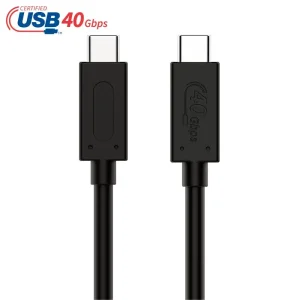
| USB4 (Thunderbolt 4 Sync) | 40 Gbps | Multi-Protocol Docking Systems, Host-to-Device | Active Equalized Circuitry, E-Marker Protected |
Our commitment to keeping signal integrity clean means we run extensive validation routines, focusing on parameters like near-end crosstalk (NEXT), attenuation, insertion loss, and return loss. These values are monitored inside our automated labs to guarantee that every DisplayPort 1.2 interface operates exactly within specification guidelines.
Rooted in decades of precision engineering, Dongguan Taitron Electronics Limited stands as an industry benchmark in cable and connection component manufacturing.
In 1984, Dongguan Taitron Electronics Limited., formerly known as Tonetron, was founded in Keelung, Taiwan. In 1993, it moved to the self-built independent production industrial park in Dalingshan Town, Dongguan City, China, and changed its name to Dongguan Taitron Electronics Limited.
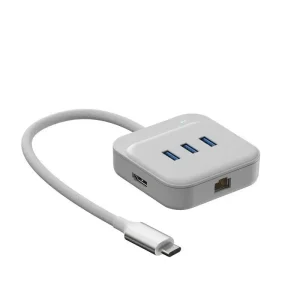
38 years to pass professional video and audio peripheral equipment connection line manufacturing as the foundation, Gradually develop to the high-end audio and video cable data cable such as HDMI2.1 cable, DP2.0 cable, USB4 data cable, USB-C 3.1Gen2 data cable, high-power USB charging cable, 8K HD conversion cable, multi-functional Type-C expansion dock and other products research and development and manufacturing.
Today, our industrial facility is fully integrated with automated production machinery, state-of-the-art testing systems, and a dedicated team of engineers focused on high-frequency transmission line validation, and compliance verification.
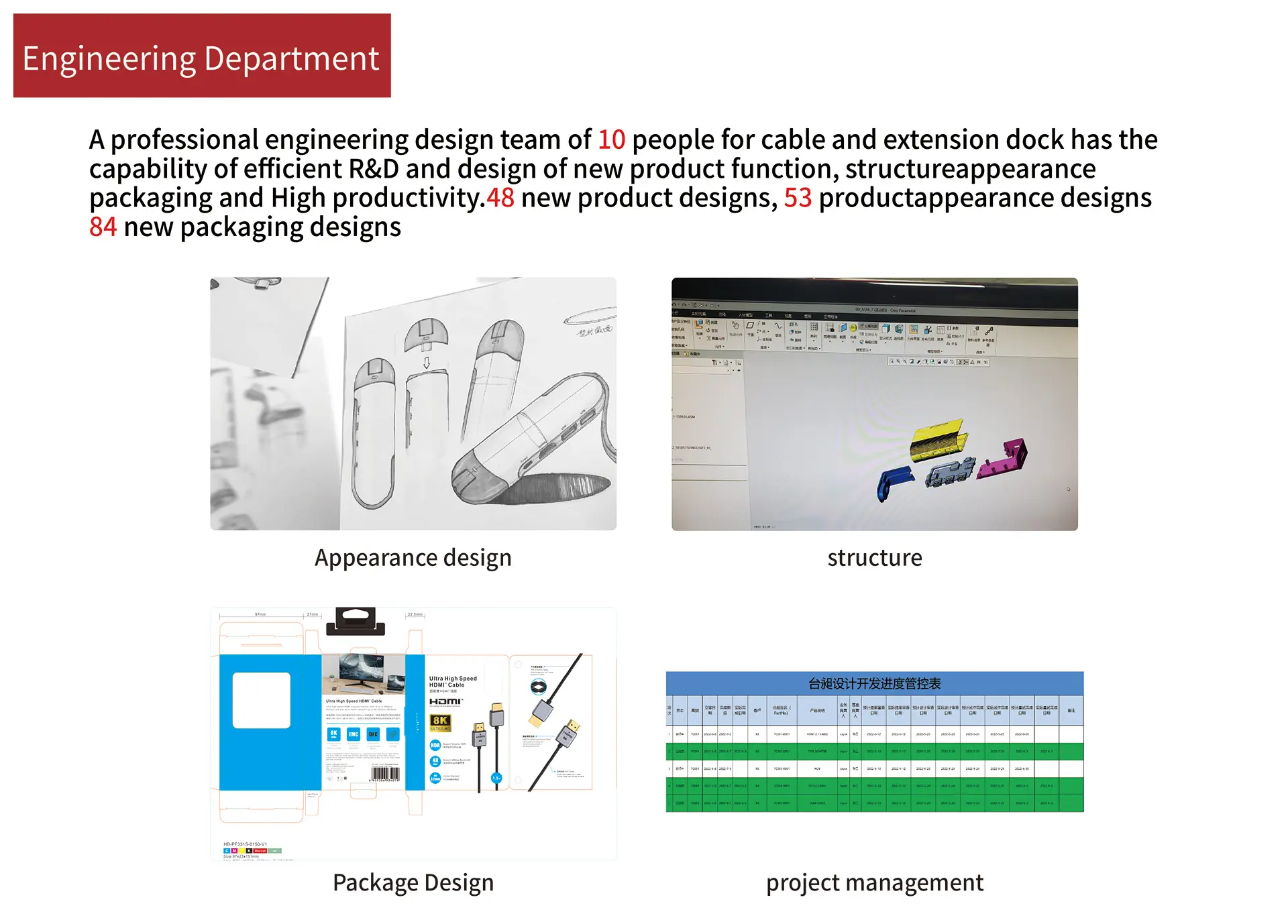
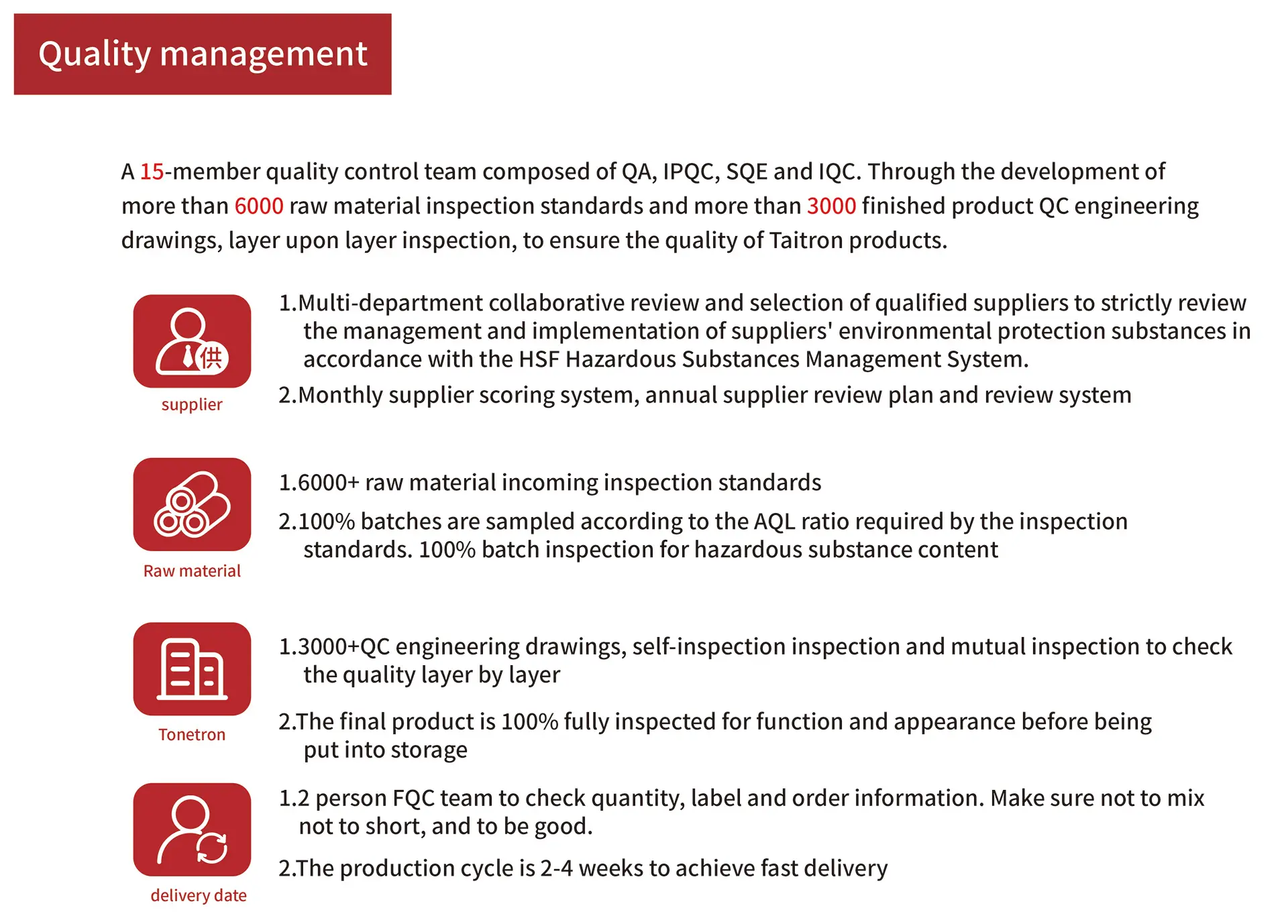

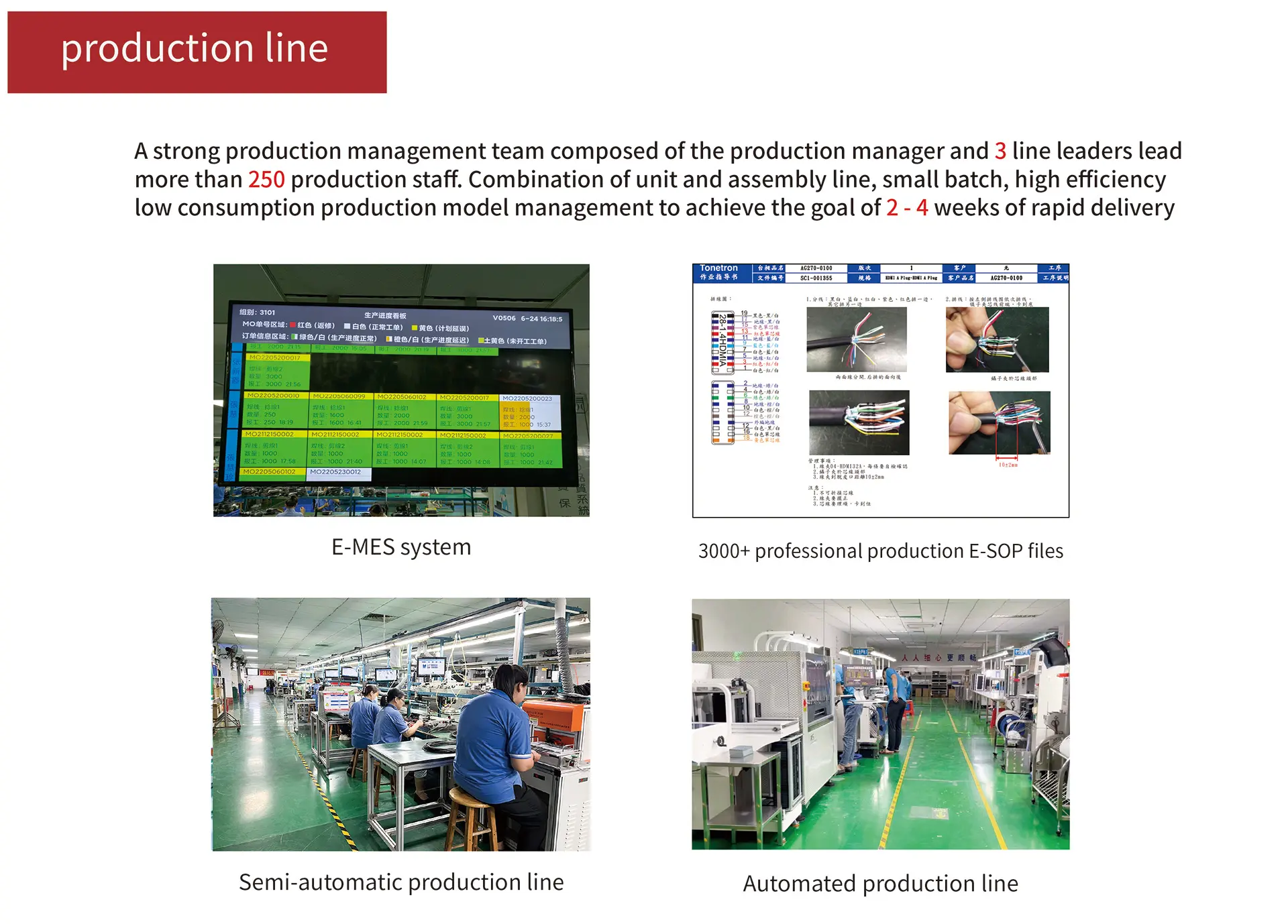
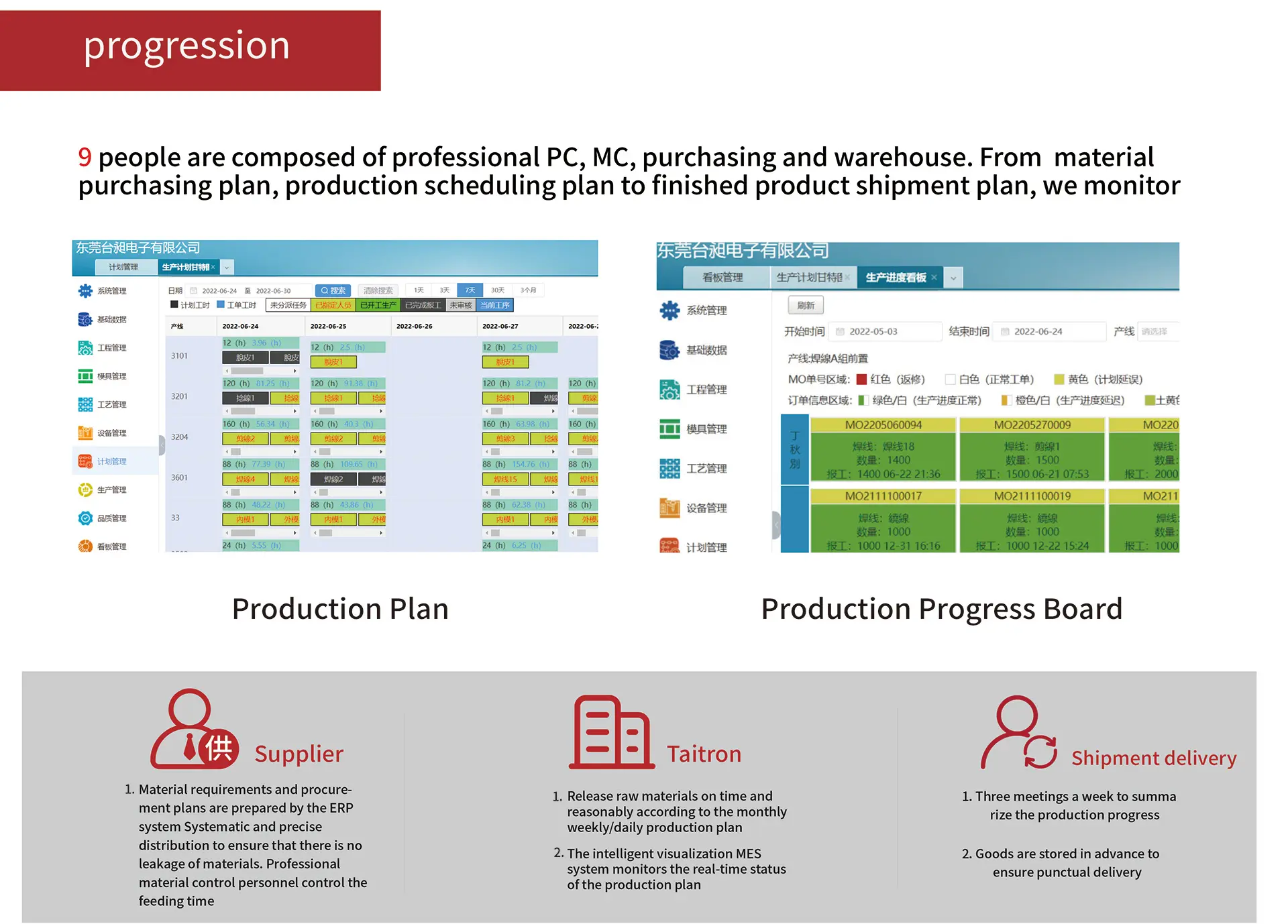
Our commitment to rigorous regulatory standards prevents costly failures in high-availability enterprise environments.
Full conformity testing ensures that electromagnetic interference (EMI) stays well within safe levels, preventing issues in medical and industrial control environments.
Environmental responsibility is built into our supply chains. All materials, including solder and plastic jackets, are completely lead-free and non-hazardous.
Designed strictly around VESA physical layer guidelines. Pin 20 (DP_PWR) is physically isolated in all passive cable lines to prevent system short circuits.
B2B pricing relies heavily on raw copper costs, shielding specifications, cable length configurations, and ordering volumes.
To support procurement managers and hardware distributors in budgeting, we outline a standard wholesale reference price tier list. Final quotes depend on custom branding options, customized packaging choices, and logistical variables:
| Cable Length | Wire Gauge (AWG) | MoQ (Minimum Order Qty) | FOB Price Estimate Range (USD) | Primary Connection Features |
|---|---|---|---|---|
| 1.0 Meter (3.3 ft) | 30 AWG Copper | 1,000 Pcs | $1.85 – $2.40 | Gold-Plated Pins, Locking Latches, Molded Boots |
| 1.8 Meters (6.0 ft) | 30/28 AWG Copper | 1,000 Pcs | $2.20 – $2.95 | Standard workstation length, optimal EMI attenuation |
| 3.0 Meters (10.0 ft) | 28 AWG Copper | 500 Pcs | $3.10 – $3.90 | Thicker insulation, dual-foil shielding matrix |
| 5.0 Meters (16.4 ft) | 26 AWG Copper | 500 Pcs | $4.80 – $6.10 | Premium thick-gauge copper cores to minimize signal loss |
| 10.0+ Meters (Active) | Fiber Optic hybrid | 100 Pcs | $18.50 – $24.00 | Active optical conversion chipsets for lossless long runs |
For high-volume retail buyers or custom branding (OEM/ODM), pricing models can be optimized to balance material requirements, production cycles, and shipping costs. Contact our export sales desk directly for itemized, project-specific quotes.
Addressing the technical, operational, and procurement queries submitted by display integration and purchasing professionals.
Multi-Stream Transport (MST) allows a single source video output to drive multiple displays by grouping several video streams into one. This single connection can then be daisy-chained from monitor to monitor or split via a dedicated MST hub. The primary restriction is the maximum bandwidth of the DisplayPort 1.2 spec (17.28 Gbps active payload). This pool can comfortably distribute signals to two 1080p monitors at 60Hz or dual WQHD (1440p) screens, but will reach bandwidth limits with multiple 4K displays.
The VESA specification designates Pin 20 of a DisplayPort cable to carry power (3.3V, up to 500mA) specifically for powering external adapters and converter boxes. When a passive cable connects a source directly to a display, linking Pin 20 can cause power loops, leading to display initialization issues, GPU driver crashes, or hardware damage. Dongguan Taitron ensures that Pin 20 is completely disconnected in all passive B2B cable assemblies, preventing these power loop hazards.
Higher gauge wires like 30 AWG use thinner copper conductors, which are highly flexible and cost-effective but suffer from signal attenuation over longer runs. For cables longer than 3 meters, 28 AWG or 26 AWG conductors are necessary to maintain clear high-frequency signals, but this increases the copper weight and price. For runs over 7.5 meters, active signal repeaters or Active Optical Cables (AOC) are recommended to maintain stable DisplayPort 1.2 performance.
Yes, via DisplayPort Dual-Mode (indicated by the DP++ symbol). This allows the source device to output single-link HDMI or DVI signals through passive level shifters. However, for legacy displays lacking DP++ support or for converting to dual-link DVI, an active converter chip is required to actively translate the signals.
Complete your layout with our certified premium hubs, high-capacity power lines, and specialty conversion adapters.
 Taichang Electronic