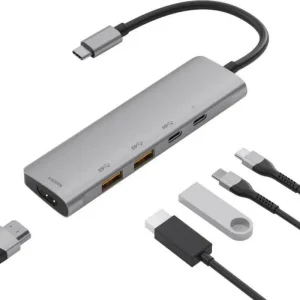
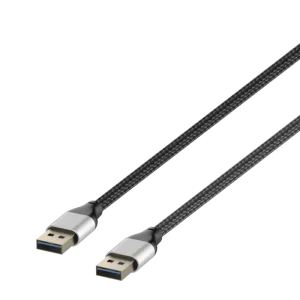
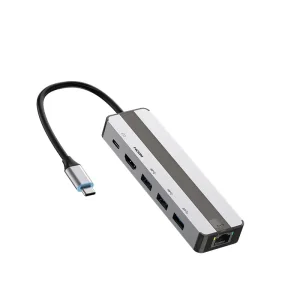
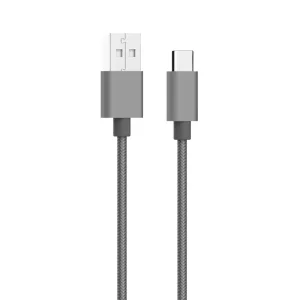
As enterprise environments shift toward ultra-high-density network topologies, the demand for reliable USB to Network Cable infrastructure has experienced exponential growth. Modern digital transformation requires more than simple connectivity; it mandates high-throughput, low-latency, and fail-safe hardware interfaces. Sourcing from elite manufacturing facilities ensures that enterprise networks, IoT deployments, and localized computing environments operate at optimal performance levels.
The convergence of USB Type-C architectures and Gigabit/2.5G/10G Ethernet protocols has redefined hardware engineering parameters. Leading factories are currently integrating advanced integrated circuits (ICs) such as Realtek and ASIX controllers directly into compact dongle housings. This innovation minimizes signal attenuation and electromagnetic interference (EMI). Looking toward the future, the integration of Power over Ethernet (PoE) passthrough and USB4 multi-function expansion docks will further streamline enterprise cabling, merging power delivery, data sync, and wired network backbones into a single, cohesive channel.
China's manufacturing hubs—specifically within Guangdong Province—have built an unassailable ecosystem for peripheral electronics production. The integration of localized raw material sourcing, precision injection molding, automated surface-mount technology (SMT) lines, and rigorous electro-acoustic and electrical testing laboratories creates an unmatched economic and efficiency advantage. This robust supply chain resilience allows top-tier factories to scale production rapidly, maintain stringent quality control, and adapt to shifting global compliance standards without compromising lead times.
Across global markets, the deployment of USB to Ethernet and network conversion adapters spans diverse verticals. In enterprise remote workspaces, ultra-slim laptops lacking native RJ45 ports depend on robust Type-C Ethernet adapters for stable, low-latency video conferencing and secure server access. In industrial automation, edge computing units utilize ruggedized USB-to-network interfaces to connect legacy machinery to cloud dashboards. Furthermore, digital signage, retail POS systems, and medical diagnostic equipment increasingly rely on these specialized adapters for uninterrupted, high-bandwidth data transmission.
Navigating international trade requires absolute adherence to regulatory compliance. Elite factories ensure that all USB and network cable assemblies comply with CE, FCC, RoHS, and REACH directives. Rigorous testing protocols—including network throughput verification, bending lifespan tests, salt spray corrosion tests, and thermal stress analyses—guarantee that every batch shipped meets the rigorous expectations of global enterprise clients and tier-one brand distributors.
In 1984, Dongguan Taitron Electronics Limited., formerly known as Tonetron, was founded in Keelung, Taiwan. In 1993, it moved to the self-built independent production industrial park in Dalingshan Town, Dongguan City, China, and changed its name to Dongguan Taitron Electronics Limited.
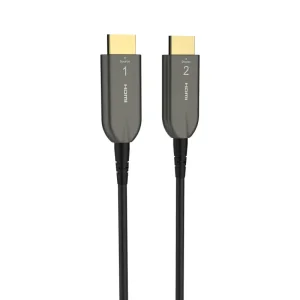
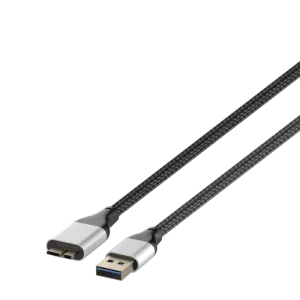
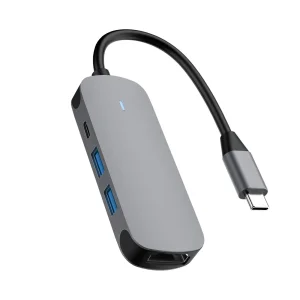
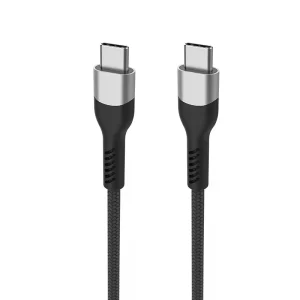
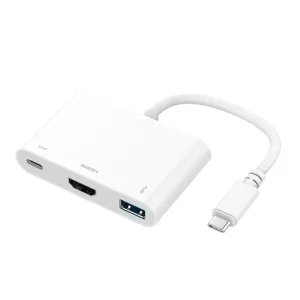
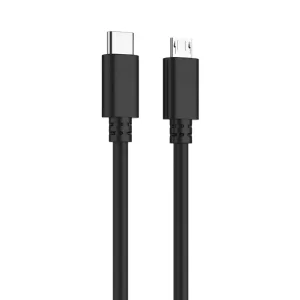
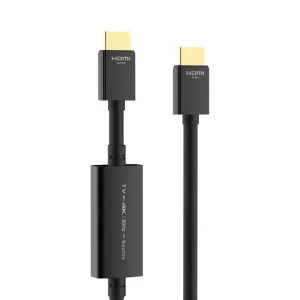
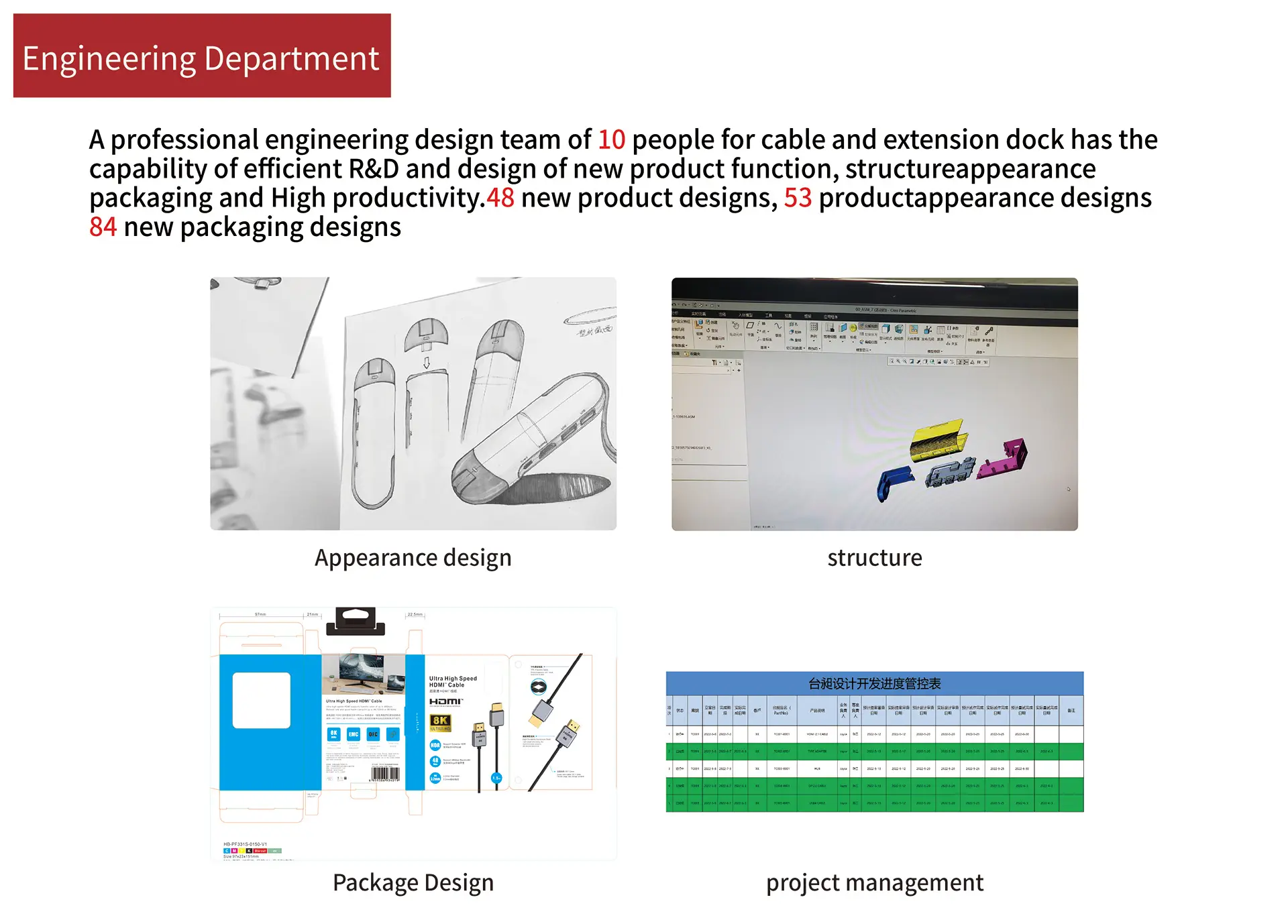
38 years to pass professional video and audio peripheral equipment connection line manufacturing as the foundation, Gradually develop to the high-end audio and video cable data cable such as HDMI2.1 cable, DP2.0 cable, USB4 data cable, USB-C 3.1Gen2 data cable, high-power USB charging cable, 8K HD conversion cable, multi-functional Type-C expansion dock and other products research and development and manufacturing.
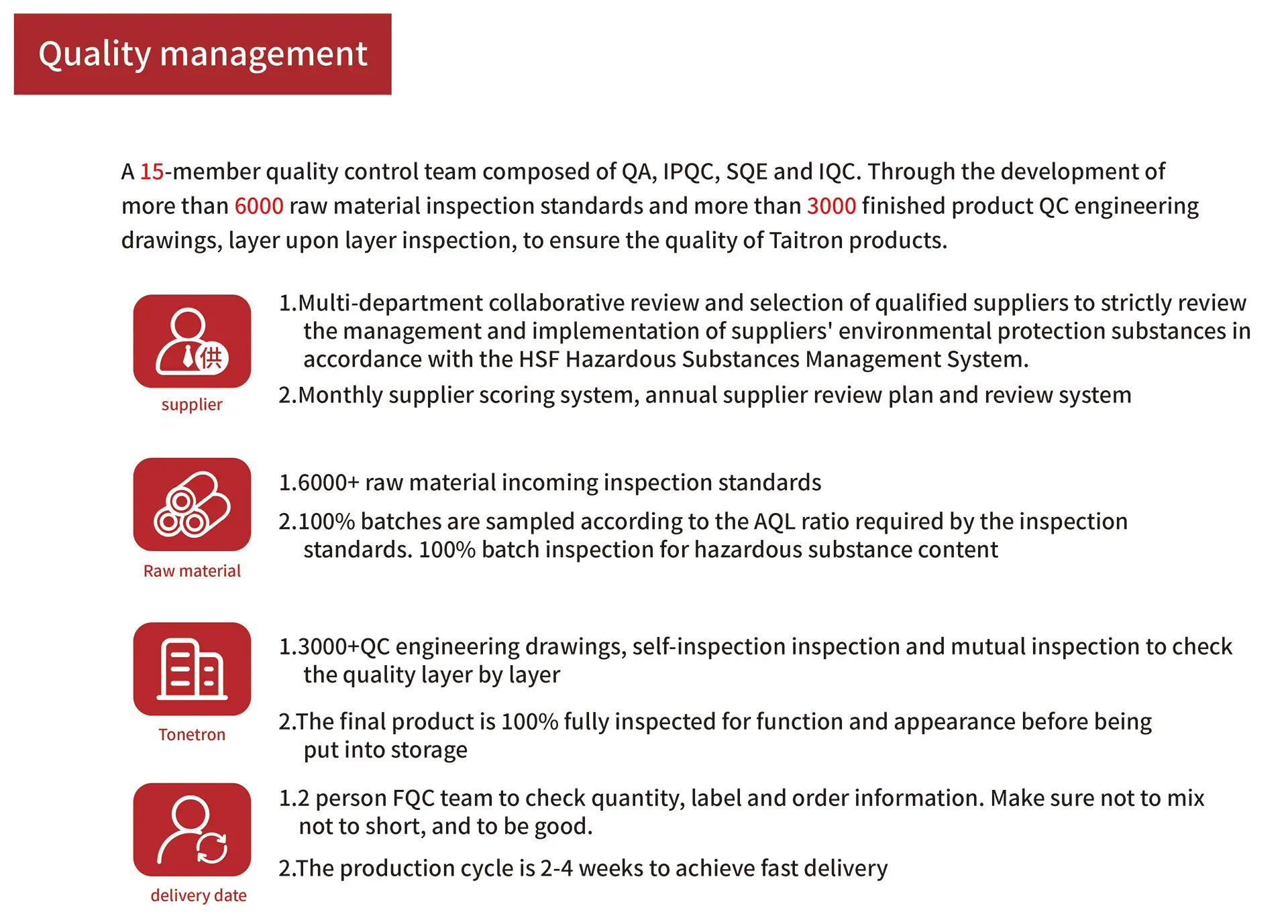

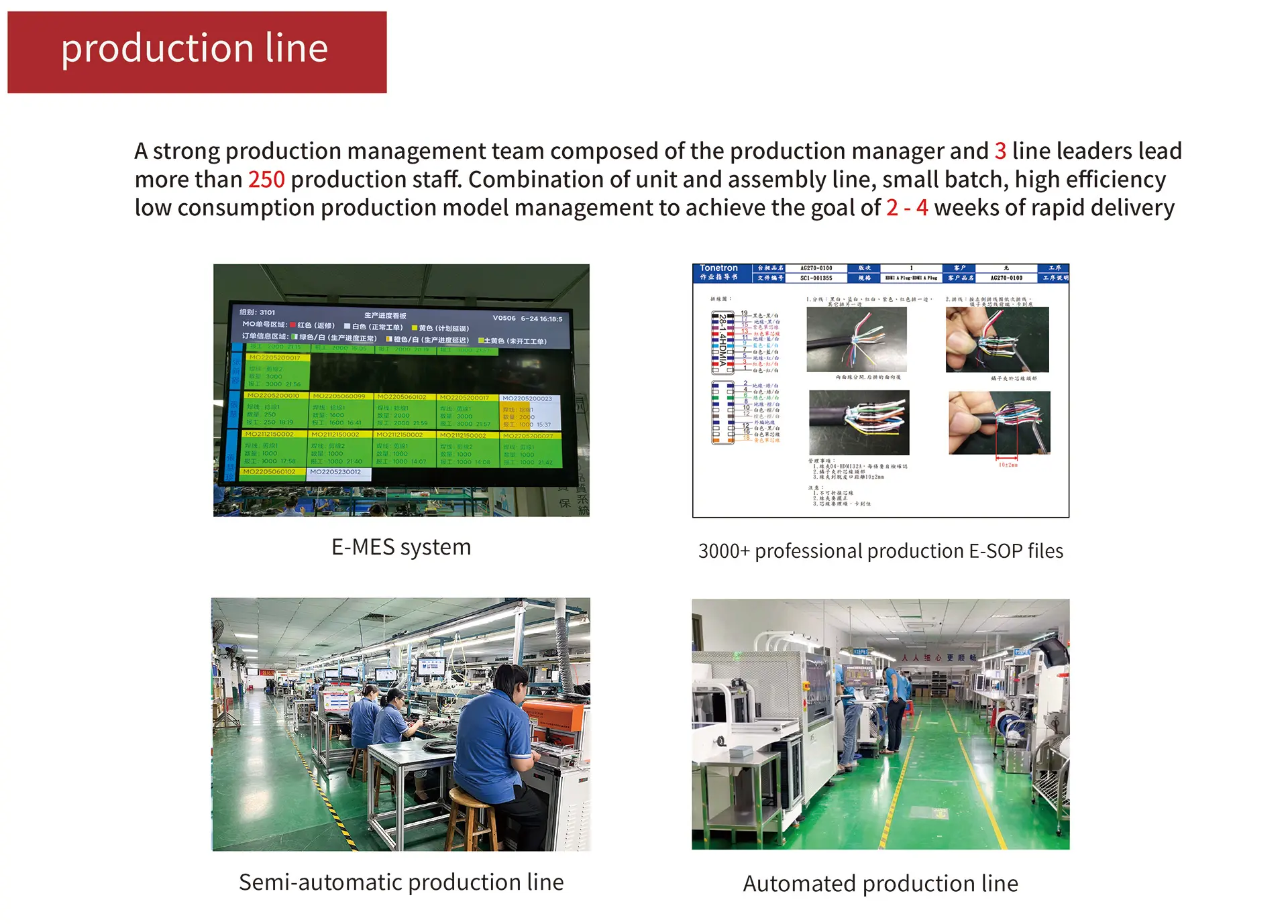
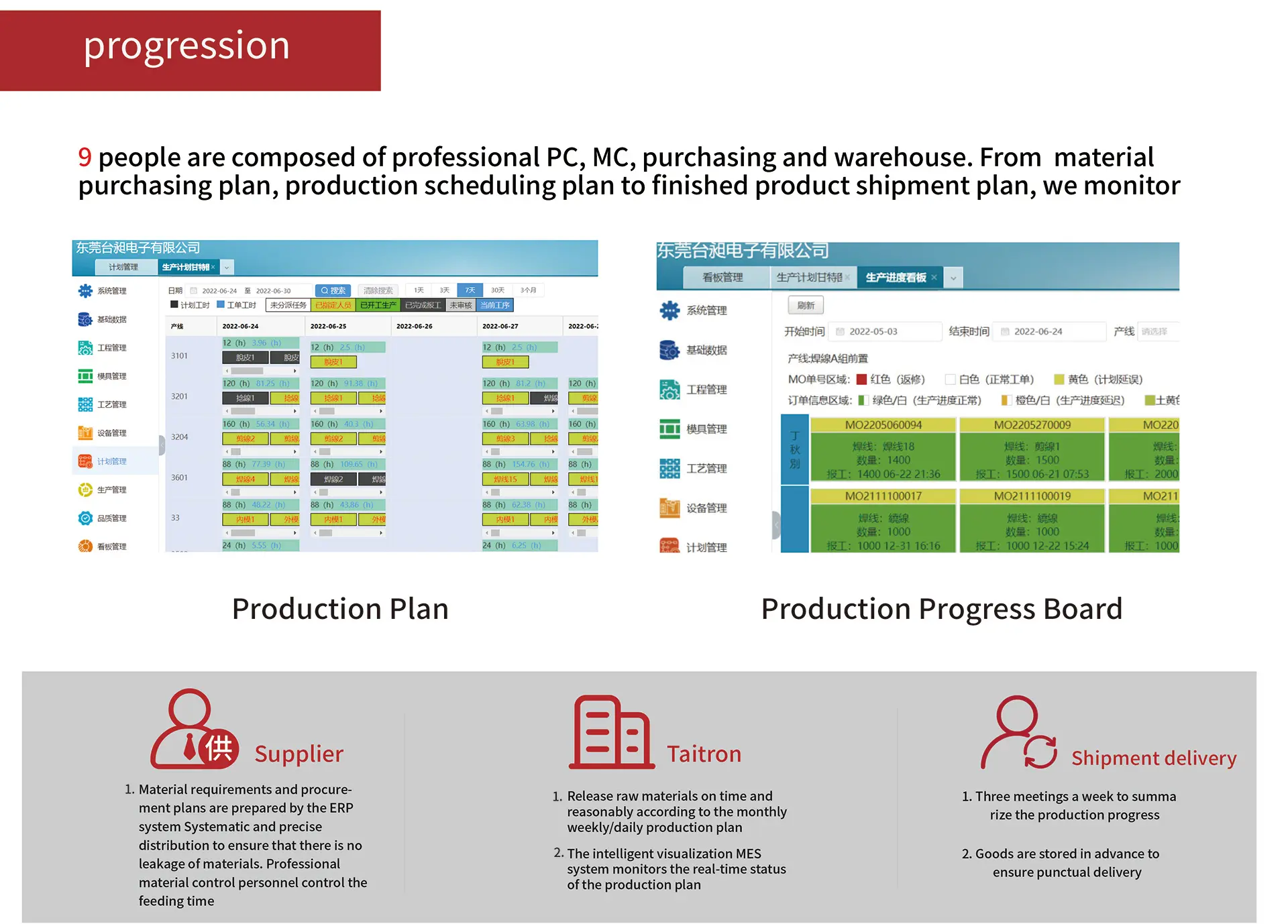
A reliable factory integrates strict automated testing, high-grade chipset integration (such as Realtek/ASIX), comprehensive EMI shielding, and international certifications like CE, FCC, and RoHS, ensuring zero-defect rates across high-volume production batches.
Yes, established manufacturers with decades of production experience like Dongguan Taitron Electronics offer full OEM/ODM services, including custom housing molds, laser-engraved logos, specialized cable lengths, and tailored retail packaging.
Our advanced USB-to-network adapters and multi-functional Type-C hubs support Gigabit Ethernet (10/100/1000Mbps) as well as emerging multi-gigabit standards, paired with USB 3.1/3.2 Gen2 and USB4 protocols offering up to 10Gbps+ data throughput.
 Taichang Electronic