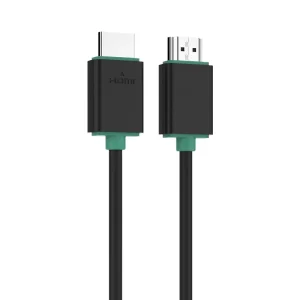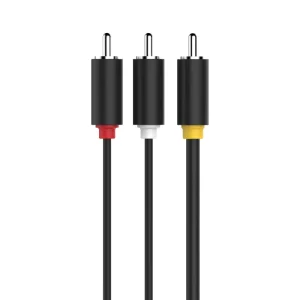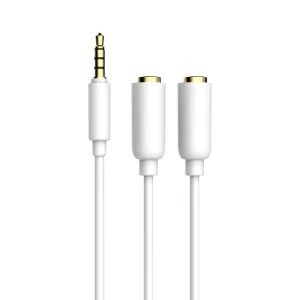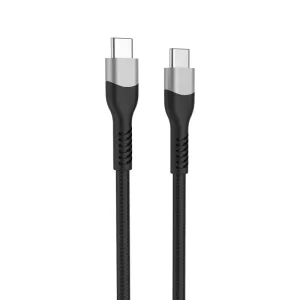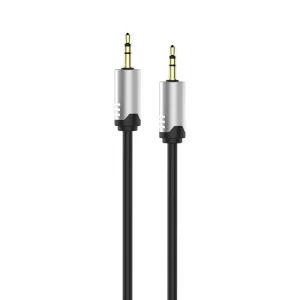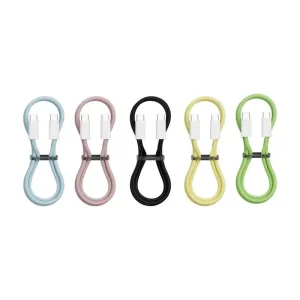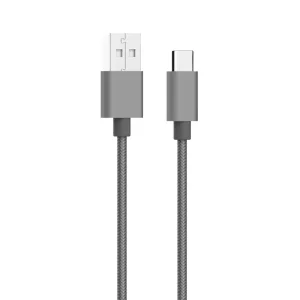
Established in 1984, originally trading under the name Tonetron in Keelung, Taiwan, our firm has spent decades at the absolute forefront of high-precision audio and video peripheral connection lines. Driven by an ambition to satisfy the surging global appetite for ultra-high-definition data distribution, the corporate operations migrated to a self-built independent production industrial park in Dalingshan Town, Dongguan City, China, in 1993, transitioning corporate operations into the formalized entity known today as Dongguan Taitron Electronics Limited.
Over a span exceeding 38 years, our operational ethos has remained anchored to technical superiority and stringent reliability. We have consistently migrated our core capabilities from analog connectivity to high-bandwidth digital infrastructure, including high-end HDMI 2.1 cables, DP 2.0 cables, USB4 data channels, USB-C 3.1 Gen2 technology, high-output power charging connections, 8K ultra-HD conversion modules, and multi-functional Type-C expansion docking units.
"For over three decades, we have partnered with major global consumer electronics brands, enterprise system integrators, and international distributors, delivering robust connectivity infrastructure that is certified, standardized, and engineered for high-performance workloads."
- Board of Engineering Directors
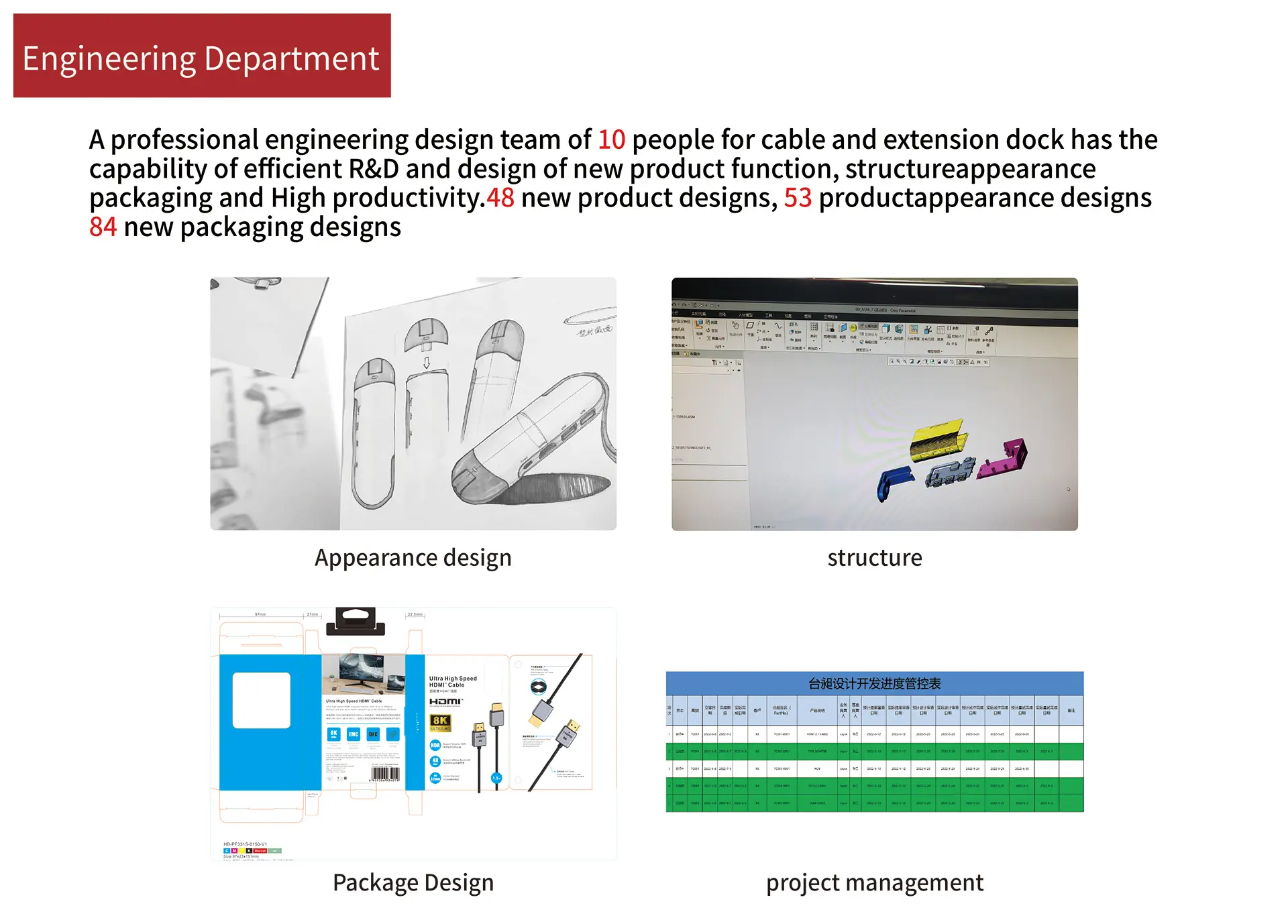
In the context of contemporary visual displays, data throughput demands have grown exponentially. The transition from HDMI 2.0 to HDMI 2.1 represents a fundamental architectural paradigm shift. Rather than offering a simple incremental bandwidth bump, HDMI 2.1 scales total throughput capabilities from 18 Gbps to a massive 48 Gbps. This allows uncompressed transmission of ultra-high-definition signals, supporting resolutions up to 8K at 60 Hz and 4K at 120 Hz, with high dynamic range (HDR) color profiles.
To achieve this leap, the underlying transport protocol transitioned from Transition Minimized Differential Signaling (TMDS) to Fixed Rate Link (FRL). FRL reorganizes the traditional three-lane data architecture (with a dedicated clock line) into a four-lane system where the clock signal is embedded within the data packet structure itself. This optimization enhances bandwidth efficiency, minimizes packet header overhead, and reduces electromagnetic susceptibility, laying a solid foundation for reliable high-speed data transmission.
Supports raw uncompressed signal bandwidth necessary for 8K resolution at high frame rates, eliminating latency and packet drops.
Replaces the aging TMDS protocol, leveraging active clock-embedded data lines to ensure signal structural integrity.
Features ALLM, VRR, and QFT, which are critical for immersive interactive environments, virtual simulations, and real-time gaming.
For B2B buyers, product engineers, and technical procurement specialists, understanding the precise differences between standards is critical for choosing the right interconnect solutions. The comparison table below highlights key parameters, helping you make informed sourcing decisions.
| Specification Parameter | HDMI 2.0 Specification | HDMI 2.1 Specification (Ultra High Speed) | Direct Procurement Advantage |
|---|---|---|---|
| Max Bandwidth | 18 Gbps | 48 Gbps | Guarantees stutter-free transmissions for multi-stream high-bitrate AV feeds. |
| Data Transmission Protocol | TMDS (3 Channels) | FRL (3 or 4 Channels) | Higher data efficiency, minimizing signal dropouts at longer cable lengths. |
| Max Supported Resolution | 4K @ 60Hz | 8K @ 60Hz / 4K @ 120Hz (up to 10K) | Future-proofs hardware installations against rapid display upgrades. |
| Compression Technology | Not Standardized | DSC 1.2a (Display Stream Compression) | Enables ultra-high resolutions over extended lengths with zero visual loss. |
| Dynamic HDR support | Static HDR only | Supported (Dynamic Metadata per-frame) | Delivers lifelike color rendering for medical, broadcast, and simulation screens. |
| Audio Capabilities | ARC (Audio Return Channel) | eARC (Enhanced Audio Return Channel) | Enables Dolby Atmos, DTS:X, and high-fidelity multi-channel uncompressed sound. |
High-quality high-speed transmission relies on robust cable architecture. At Dongguan Taitron Electronics, our manufacturing process focuses on protecting signal purity from external interference.
Our cables feature high-grade, oxygen-free copper (OFC) conductors, paired with multiple layers of shielding to prevent electromagnetic interference (EMI). For longer distances, we also manufacture Active Optical Cables (AOC). These utilize high-precision optoelectronic convertors at both connector ends, allowing data to travel over glass fiber paths. This approach virtually eliminates signal decay and makes the cables highly resistant to electrical noise.
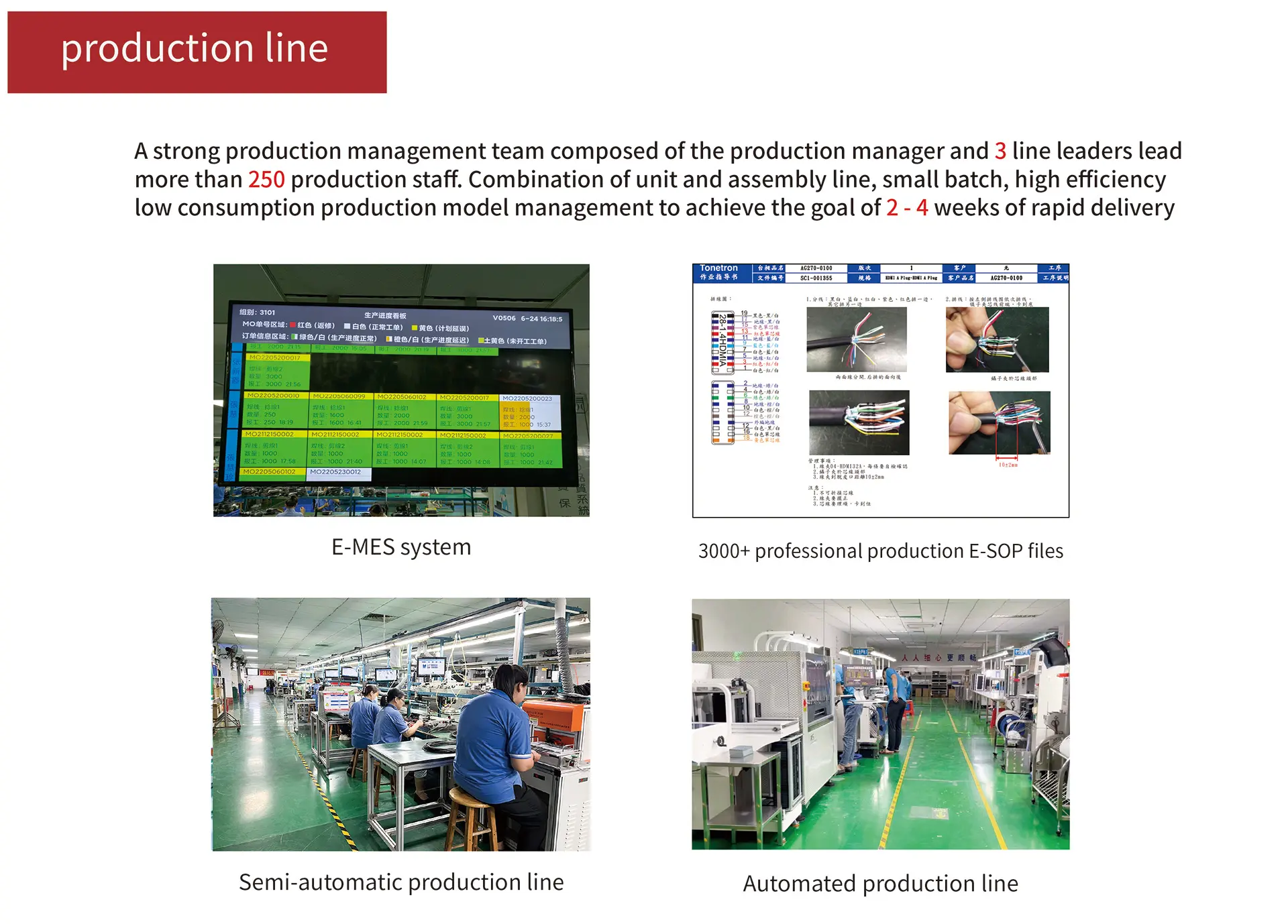
Every batch undergoes strict testing protocols using high-speed network analyzers, eye diagram generators, and time-domain reflectometry (TDR) systems. This ensures the physical assemblies meet the strict requirements of HDMI Licensing Administrator (HDMI LA) compliance.
Modern AV cabling must support diverse and demanding commercial and industrial environments. Taitron designs high-performance interconnects built to handle challenging use cases.
Supports uncompressed video feeds, zero-latency feedback, and reliable signal integrity for TV stations, OB vans, and dynamic live venues.
Ensures pixel-perfect image rendering for high-resolution medical screens and robotic surgery systems, where clarity and accuracy are critical.
Delivers the high refresh rates (4K@120Hz/144Hz) needed to reduce motion sickness and ensure fluid movement in flight simulators and industrial VR setups.
Importing interconnects globally requires meeting strict environmental and safety regulations. As an experienced B2B partner, we ensure our products hold the necessary global certifications. From CE Certification to RoHS, REACH, FCC, and HDMI LA licensing, our cables are fully compliant and ready for immediate deployment in Europe, the Americas, and APAC.
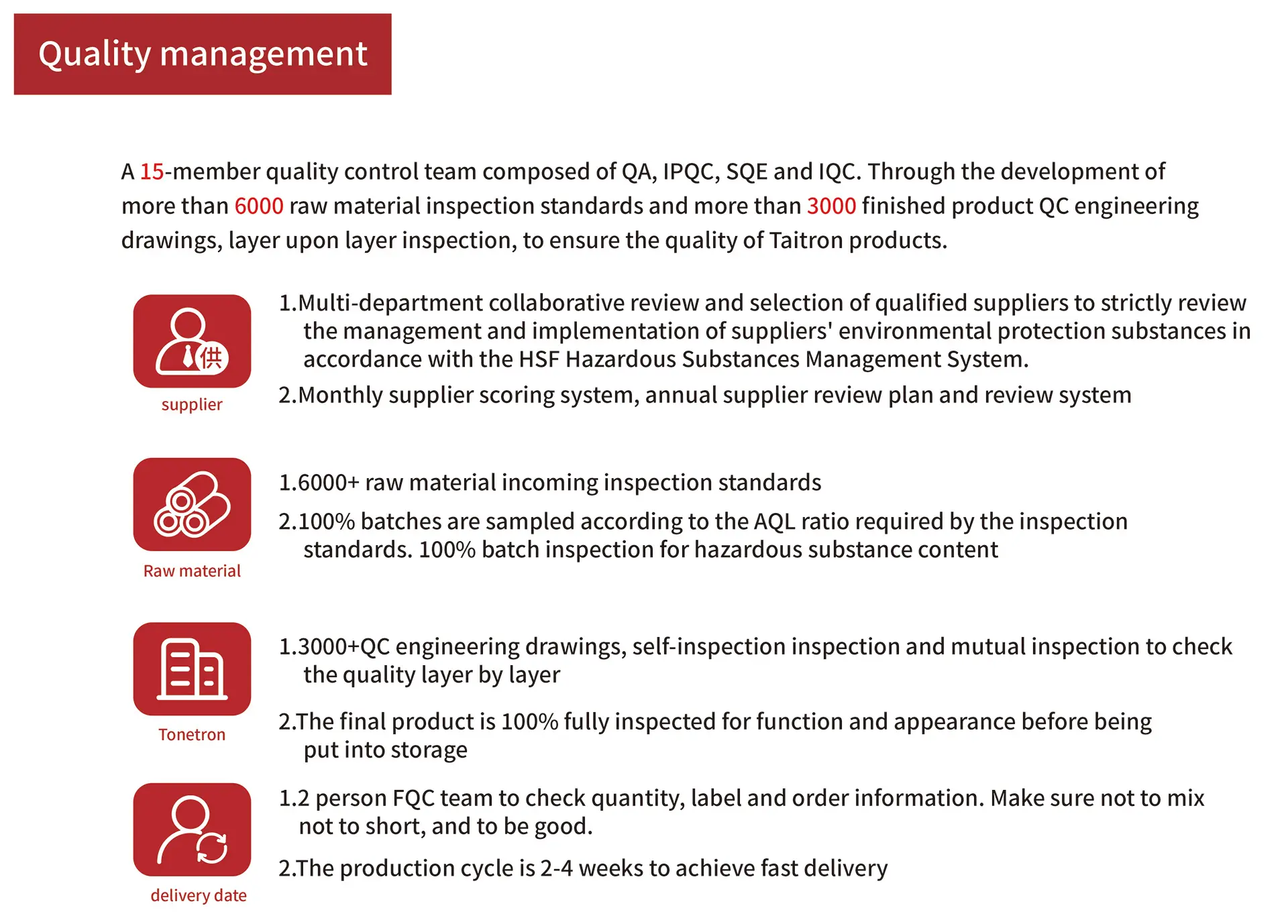
Additionally, our production facility in Dongguan, China operates under the ISO 9001:2015 quality management standard. This means every batch, from incoming raw materials to final packaging, follows structured, repeatable processes to ensure consistent performance.
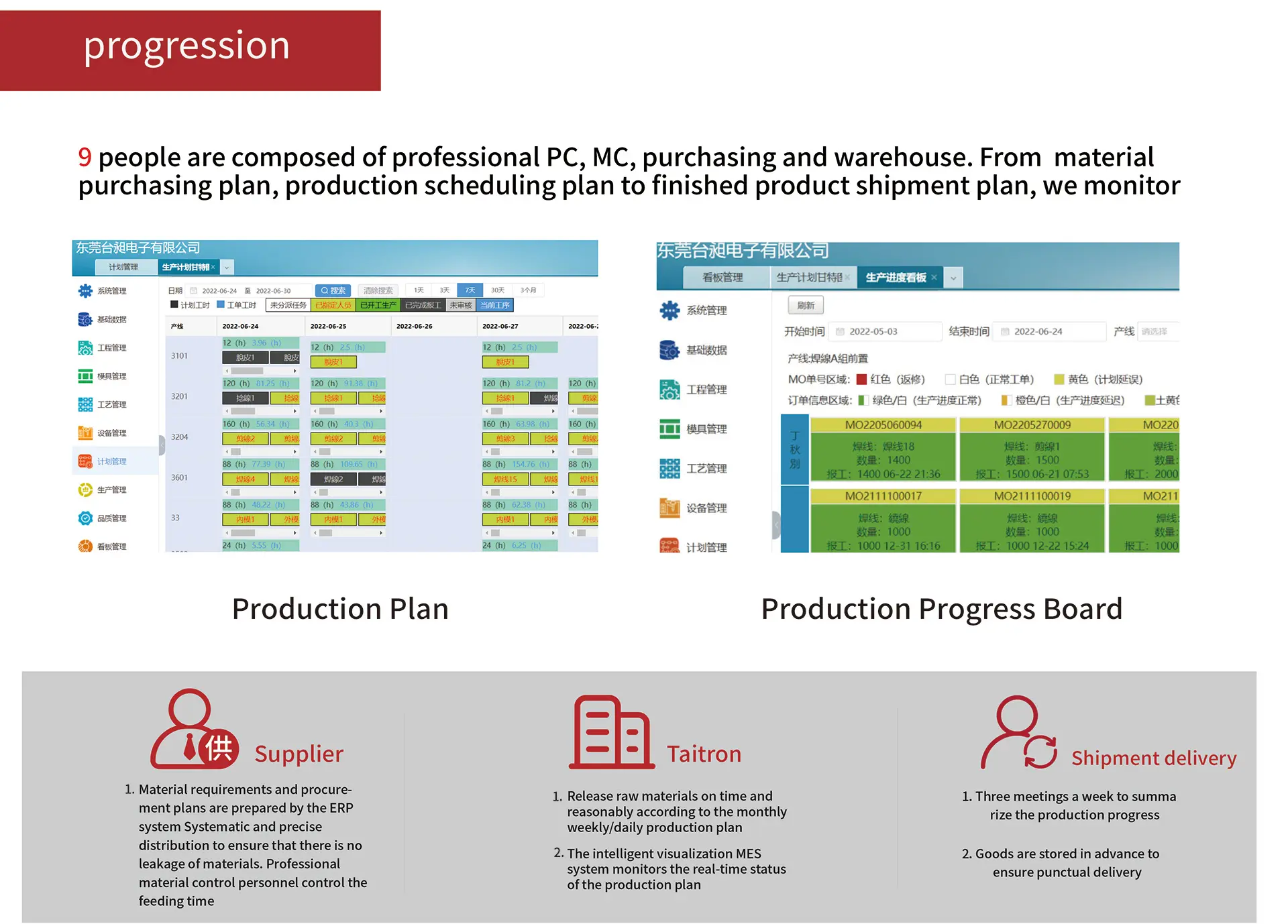
Managing international supply chains is complex. We offer customizable shipping terms (FOB, CIF, EXW, DDP), flexible OEM/ODM product options, custom packaging configurations, and raw material sourcing security. This comprehensive support helps keep your development timelines and inventory levels running smoothly.
The digital interface market continues to change rapidly. As display panels transition to 8K and 10K resolutions, data interfaces must evolve accordingly. Beyond HDMI 2.1, new standards like DisplayPort 2.1 and USB4 are reshaping multi-signal pipelines.
Taitron's R&D division is focused on addressing these future challenges. We are actively developing hybrid active optical designs, next-gen copper wire structures, and miniaturized connector housings that handle higher bandwidth while minimizing electromagnetic emissions. This research helps keep our products compatible with upcoming generations of source devices, professional graphic units, and commercial display systems.
Exploring advanced modulation techniques to ensure stable signals at longer physical distances without sacrificing color space or frame rates.
Developing hybrid cables that support HDMI, DisplayPort, and PCIe protocols over unified physical connections, giving system integrators more flexibility.
Switching to bio-based plastics, halogens-free insulation (LSZH), and circular metals to support green supply chains without compromising performance.
 Taichang Electronic