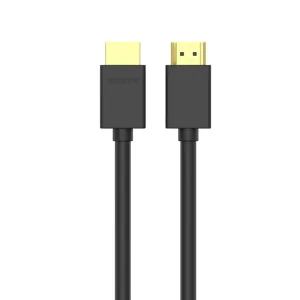
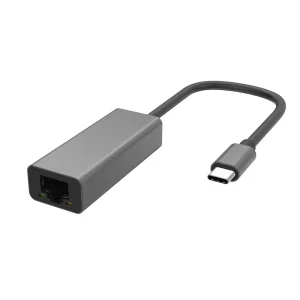
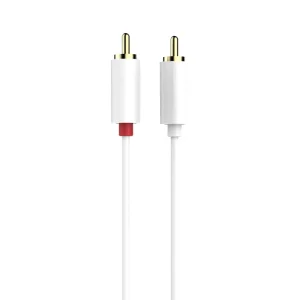
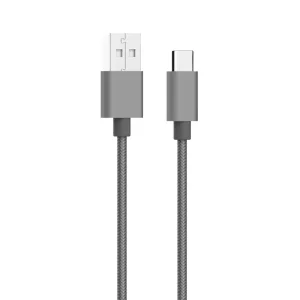
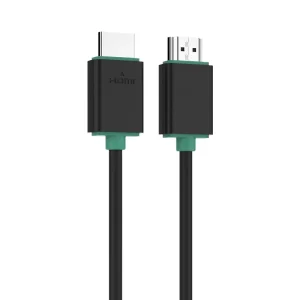
Explore our premium range of precision-engineered data, video, and audio connection interfaces. Rigorously tested for modern enterprise deployments.
An in-depth analysis of high-bandwidth connectivity trends across modern enterprise markets.
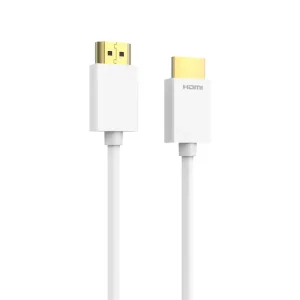
The global digital interface ecosystem has entered a new epoch of ultra-high-definition rendering and high-frequency real-time telemetry. In this landscape, the transition to HDMI 2.1 specification architecture is no longer a luxury—it is an absolute technical imperative. Supporting an unprecedented bandwidth threshold of 48Gbps, HDMI 2.1 serves as the foundational pipeline for modern mission-critical AV systems.
Modern medical visualization platforms, automated manufacturing inspection lines, and remote surgical operations rely heavily on zero-latency, high-resolution outputs. HDMI 2.1 ensures the complete mitigation of frame drop and signal corruption, maintaining real-time video consistency.
With the commercialization of next-generation consoles, 8K Smart TVs, and high-performance gaming desktop rigs, consumer expectations have surged. High-speed displays demand robust copper and active optical fiber (AOC) solutions to avoid screen tearing and dynamic compression artifacts.
For large-scale commercial installations, including command control centers, airport flight indicators, and outdoor DOOH networks, HDMI 2.1 allows multi-stream routing and Daisy-chaining through advanced DSC 1.2a compression methodologies.
A granular look at the data throughput, refresh rates, and protocol standards shaping connection technology.
| Feature Parameter | HDMI 1.4 (Legacy) | HDMI 2.0 (Standard HD) | HDMI 2.1 (Ultra-High Speed) |
|---|---|---|---|
| Maximum Bandwidth | 10.2 Gbps | 18.0 Gbps | 48.0 Gbps (Fixed Rate Link) |
| Maximum Resolution | 4K @ 30Hz | 4K @ 60Hz | 8K @ 60Hz / 4K @ 120Hz (Up to 10K @ 120Hz) |
| Color Depth & Space | 8-bit Color (RGB/YCbCr) | 8/10-bit Color | Up to 12-bit / BT.2020 Wide Color Gamut |
| HDR Implementation | Not Supported | Static HDR (HDR10) | Dynamic HDR (Dolby Vision / HDR10+) |
| Audio Return Channel | Standard ARC (1 Mbps) | Standard ARC (1 Mbps) | eARC (Enhanced ARC - Up to 37 Mbps) |
| Gaming Protocols | None | Limited VRR Support | VRR, ALLM, QFT, QMS (Zero Lag Technologies) |
Unlike previous iterations which utilized TMDS (Transition Minimized Differential Signaling) encoding, the modern HDMI 2.1 protocol transitions to FRL (Fixed Rate Link) technology. This structural paradigm shift permits highly efficient packet-based data structures, allowing multiple video, audio, and meta-data channels to share bandwidth allocation in real-time.
How 38+ years of dedicated engineering excellence translates into unmatched production quality, scalability, and cost optimization.
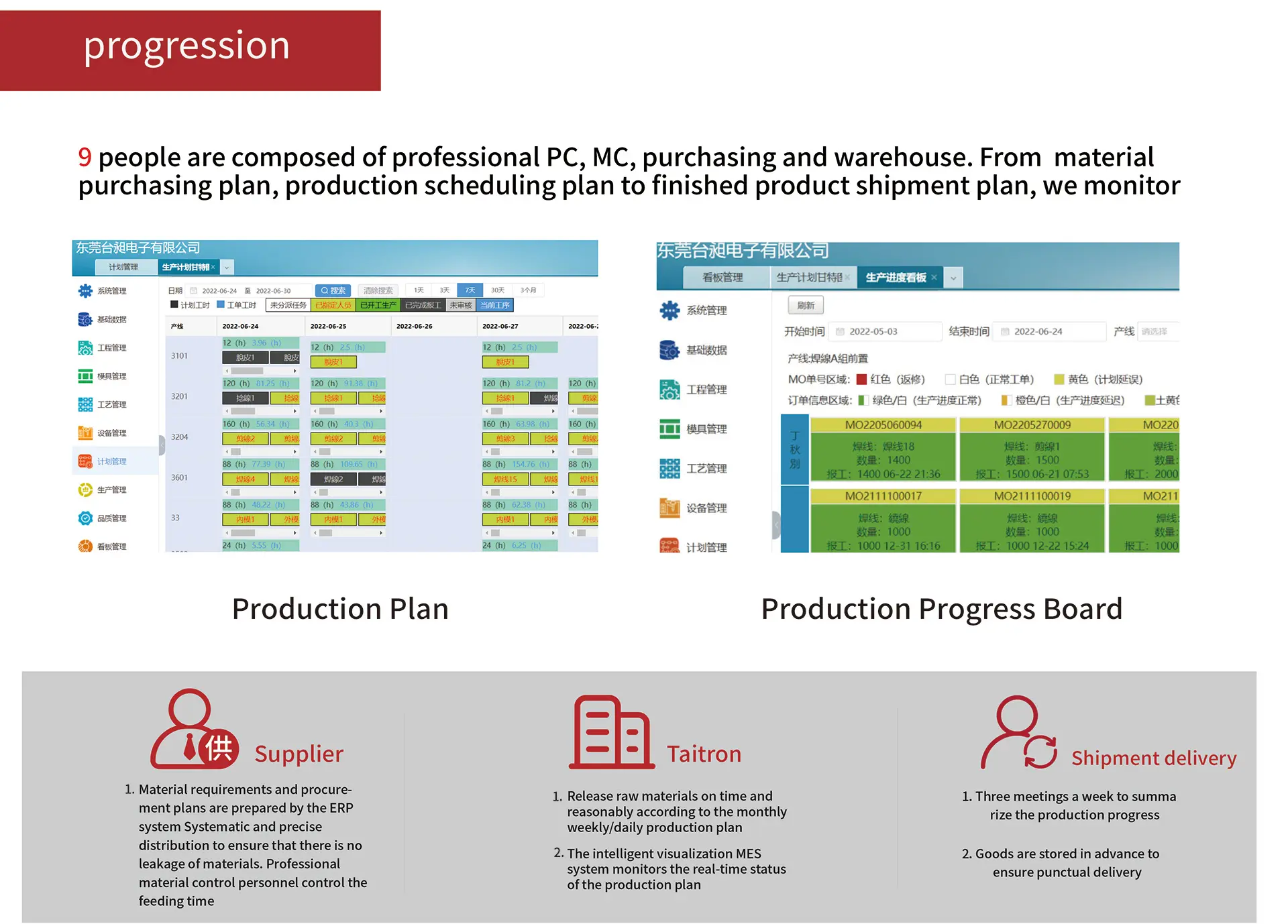
Established in 1984, Dongguan Taitron Electronics Limited (formerly known as Tonetron) initially laid its foundation in Keelung, Taiwan. Driven by a vision of scaling international high-end manufacturing, we relocated in 1993 to a self-built independent production industrial park in Dalingshan Town, Dongguan City, Guangdong Province, China.
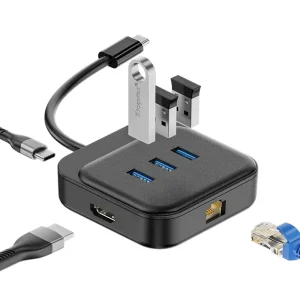
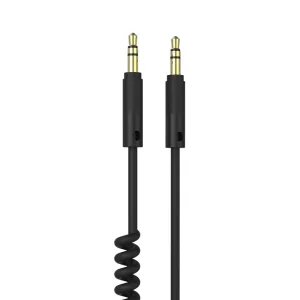
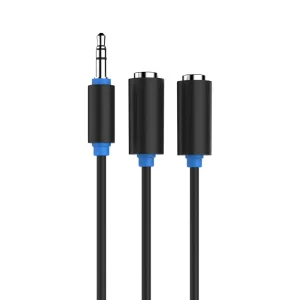
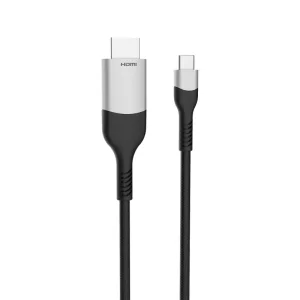
With nearly four decades of persistent engineering optimization, our infrastructure has transitioned from standard video and audio peripheral cables to high-end digital transmission technologies. Today, we specialize in the custom development, OEM/ODM production, and strict QA validation of cutting-edge solutions, including HDMI 2.1 cables, DP 2.0 components, USB4 data linkages, 8K conversion systems, and multi-functional Type-C expansion docks.
Operating in the heart of China’s premier electronic manufacturing hub, our facilities enjoy direct access to an expansive component supply chain. This physical proximity yields massive efficiency advantages: localized raw copper sourcing, advanced automated wire-extrusion systems, high-speed computerized soldering nodes, and rigorous environmental testing laboratories (equipped with Agilent/HP network analyzers for signal integrity validation).
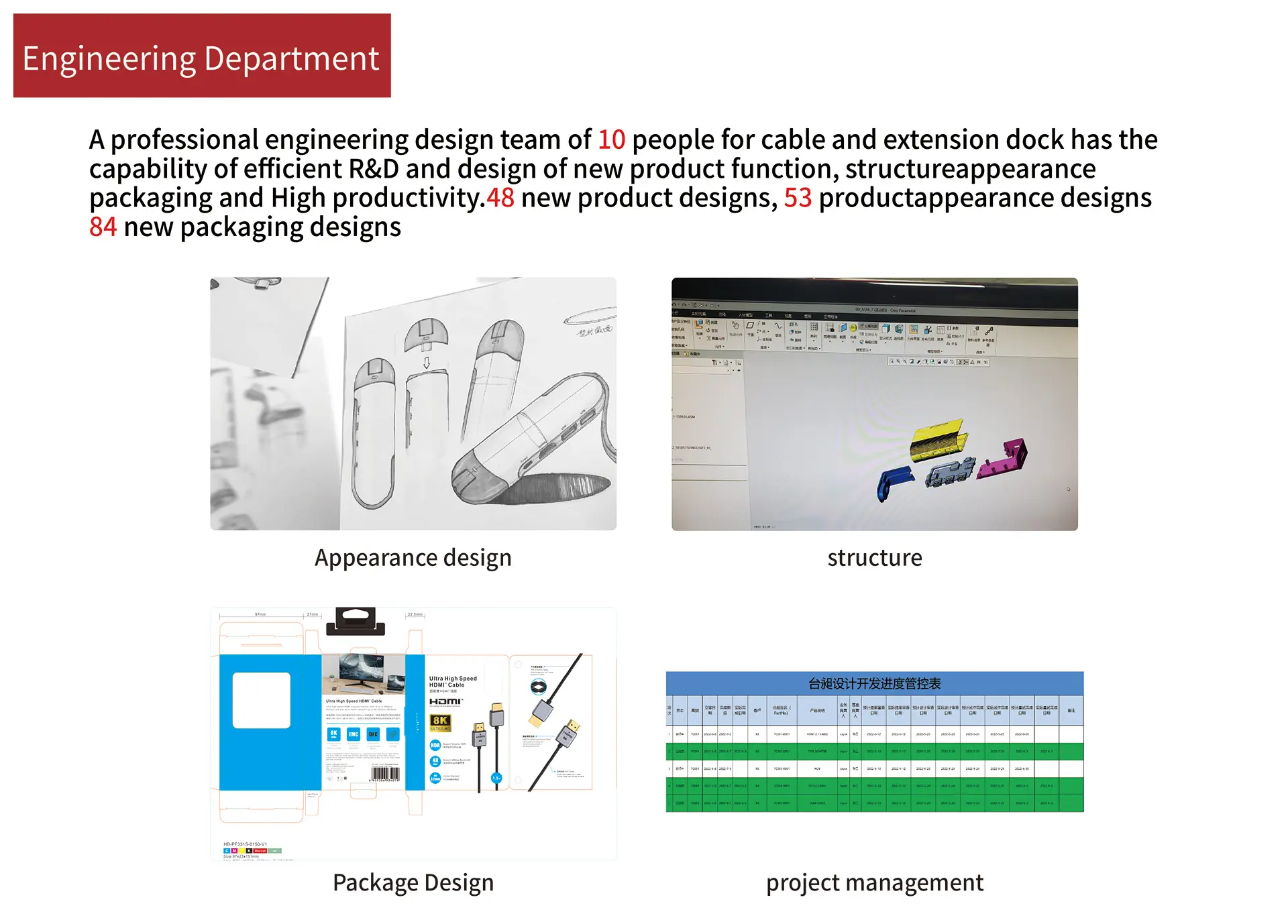
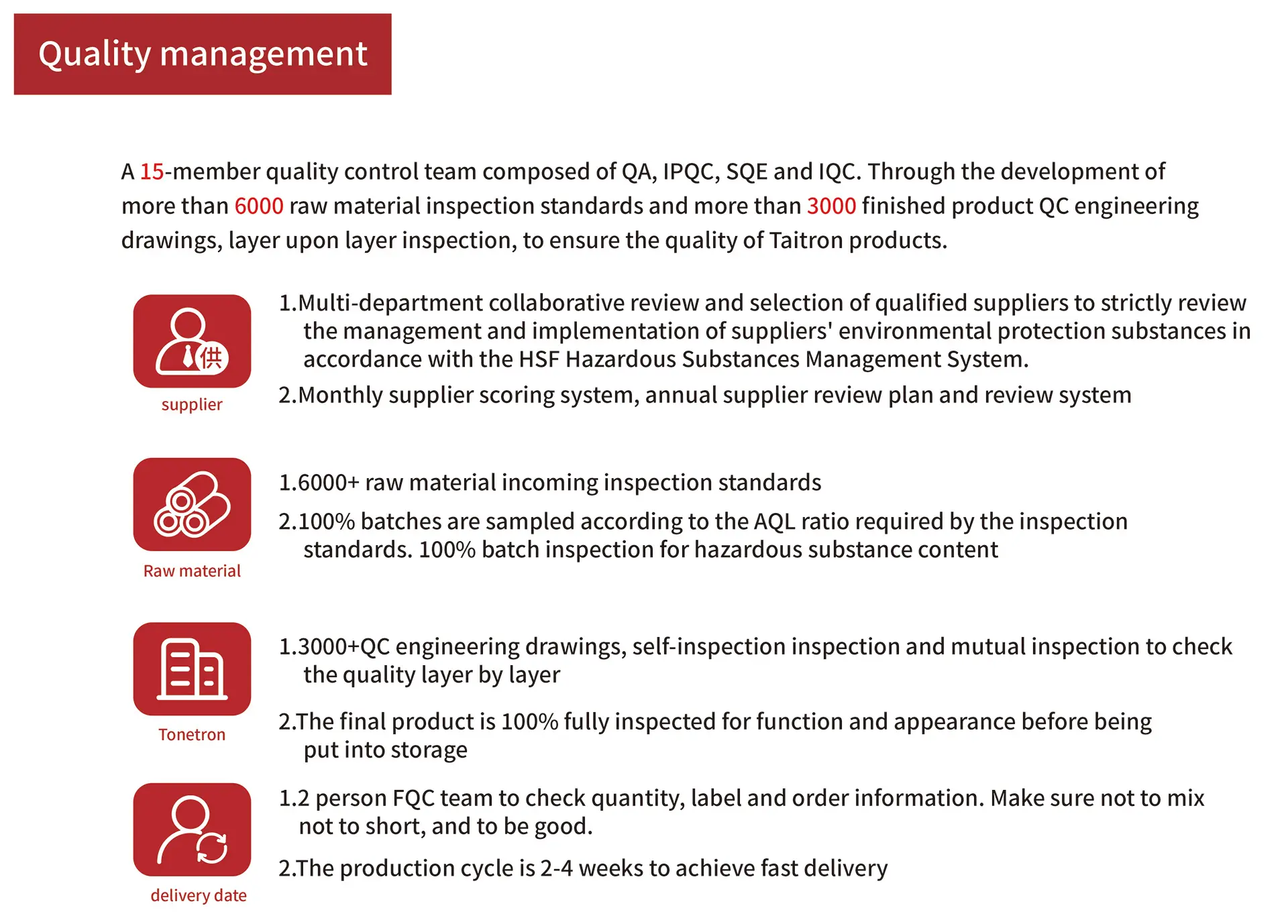

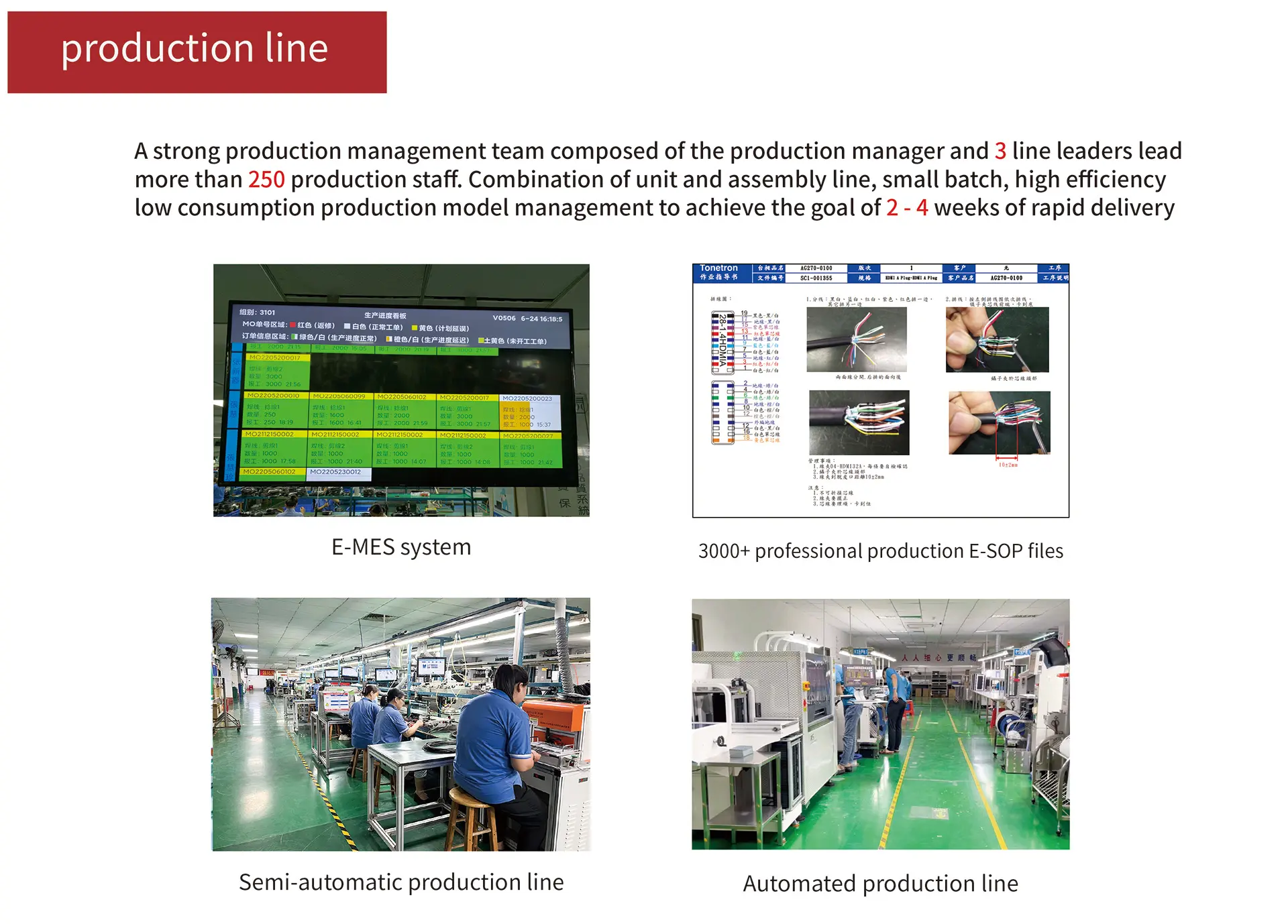
Different industries require unique shielding, flexibility, and insulation profiles. We design for every use case.
High-end corporate boardrooms require stable multi-screen distribution. With local deployments extending beyond 10 meters, our hybrid Active Optical Cables (AOC) offer electromagnetically isolated transmission, preventing EMI interference from office network arrays.
In high-stakes professional gaming, a single millisecond of lag decides victory. By deploying cables supporting VRR (Variable Refresh Rate) and ALLM (Auto Low Latency Mode), tournament hosts eliminate system-level video lag and hardware input latency.
Surgical theaters demand extremely accurate diagnostic images. Our HDMI 2.1 configurations carry 4:4:4 uncompressed chroma subsampling alongside 12-bit depth, rendering high-contrast imagery essential for precise minimally invasive surgery.
Key indicators, material choices, and dynamic trends changing high-frequency signal pipelines.
As spatial computing (AR/VR headsets), 10K resolution standards, and high-framerate broadcast cameras advance, raw copper faces its physical limits. Our R&D focuses heavily on two emerging categories:
When purchasing bulk cabling solutions for massive server farms, corporate grids, or distribution networks, sourcing teams must look past nominal prices and verify five key indicators:
Addressing the technical, logistics, and quality questions asked by global hardware buyers.
Completing your signal routing infrastructure with commercial adapters, audio lines, and display port components.
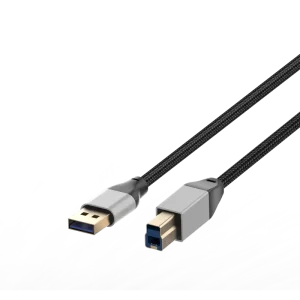
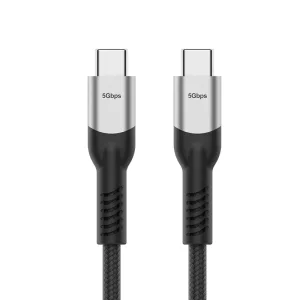
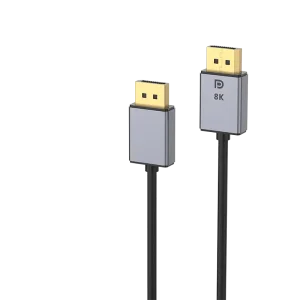
 Taichang Electronic