OEM-ready structural designs, high bandwidth data performance, and international safety certifications.
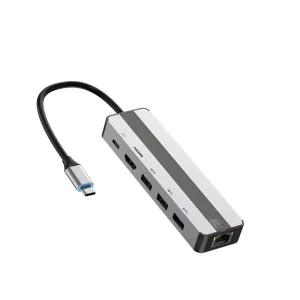
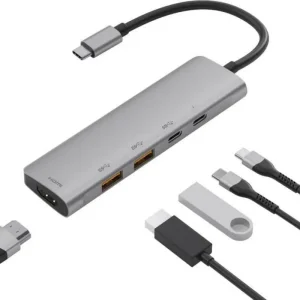
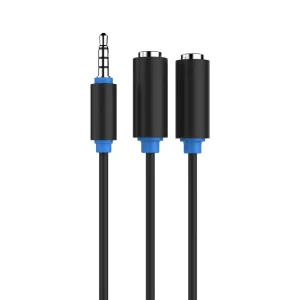
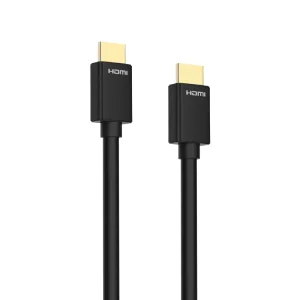
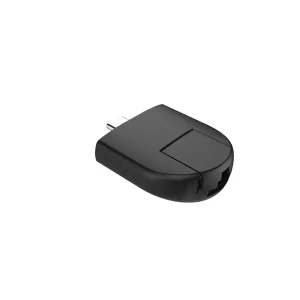
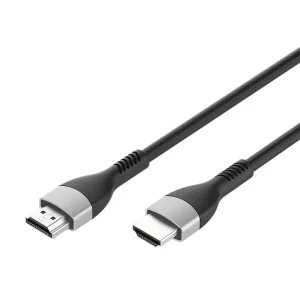
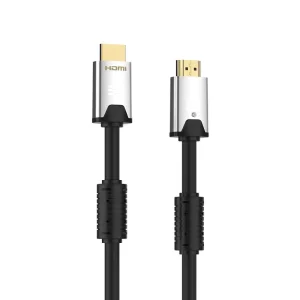
Analyzing the engineering parameters, multi-display topologies, and market dynamics driving next-generation video transmission.
In high-throughput technological ecosystems, display infrastructure is no longer a simple visual accessory; it is a critical variable in operational precision and efficiency. Industrial operations, command centers, healthcare facilities, and financial systems increasingly rely on high-fidelity, low-latency video transmission. Central to this visual architecture is the DisplayPort (DP) Splitter, an essential component for splitting high-bandwidth, high-frequency signals across multiple monitors without degradation.
Historically, analog signal distribution suffered from attenuation, signal drift, and external electromagnetic interference (EMI). Modern digital protocols like DisplayPort 1.4 and DisplayPort 2.1 resolve these issues, using packetized data architecture to route massive video streams. However, routing a 32.4 Gbps (DP 1.4 HBR3) or 80 Gbps (DP 2.1 UHBR20) feed requires high-quality engineering. Standard passive Y-splitters are insufficient; high-end industrial systems require active signal regeneration and distribution hubs built with premium redriver/retimer chipsets to preserve signal integrity and avoid packet loss.
Enables independent display routing over a single DP port. Individual displays are addressed uniquely, enabling custom configurations for workspaces.
Integrated active redrivers prevent signal attenuation, allowing high-resolution data streams to reach longer distances without screen flickering.
Maintains dynamic handshake authentication protocols across mixed display models, ensuring continuous, DRM-compliant content delivery.
Founded in 1984 in Keelung, Taiwan as Tonetron, our manufacturing legacy spans nearly four decades. In 1993, we established our self-built, independent production industrial park in Dalingshan Town, Dongguan City, China, scaling operations as Dongguan Taitron Electronics Limited.
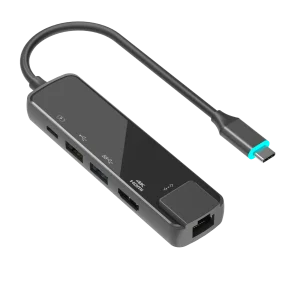
Our focus is built on high-speed video, audio, and data connection systems. We have expanded our product lines to include next-generation HDMI 2.1 cables, high-speed DP 2.0/2.1 cables, USB4 data networks, active USB-C 3.1 Gen2 systems, high-power smart charging systems, 8K high-definition conversion interfaces, and multi-functional Type-C expansion docking stations.
Operating a highly vertically integrated manufacturing process in Dongguan, we manage everything from copper drawing and insulation extrusion to precise assembly, custom shell molding, and multi-tier quality testing. This approach ensures consistent quality, short lead times, and competitive pricing for global enterprise clients.
| Performance Metric | Industrial-Grade DP Splitter | Consumer-Grade Alternative |
|---|---|---|
| Bandwidth Support | Up to 80Gbps (DP 2.1 UHBR20) | Max 21.6Gbps (DP 1.2) |
| Enclosure Design | CNC Machined Aluminum Shielding | Basic Plastic Shells |
| Internal PCB Layer | 4 to 6 Layer Impedance-Controlled | 2-Layer Low-Cost PCB |
| MTBF Rating | > 50,000 Continuous Hours | < 10,000 Hours |
| Testing Protocols | Agilent Network Analyzer Validation | Basic Continuity Testing |
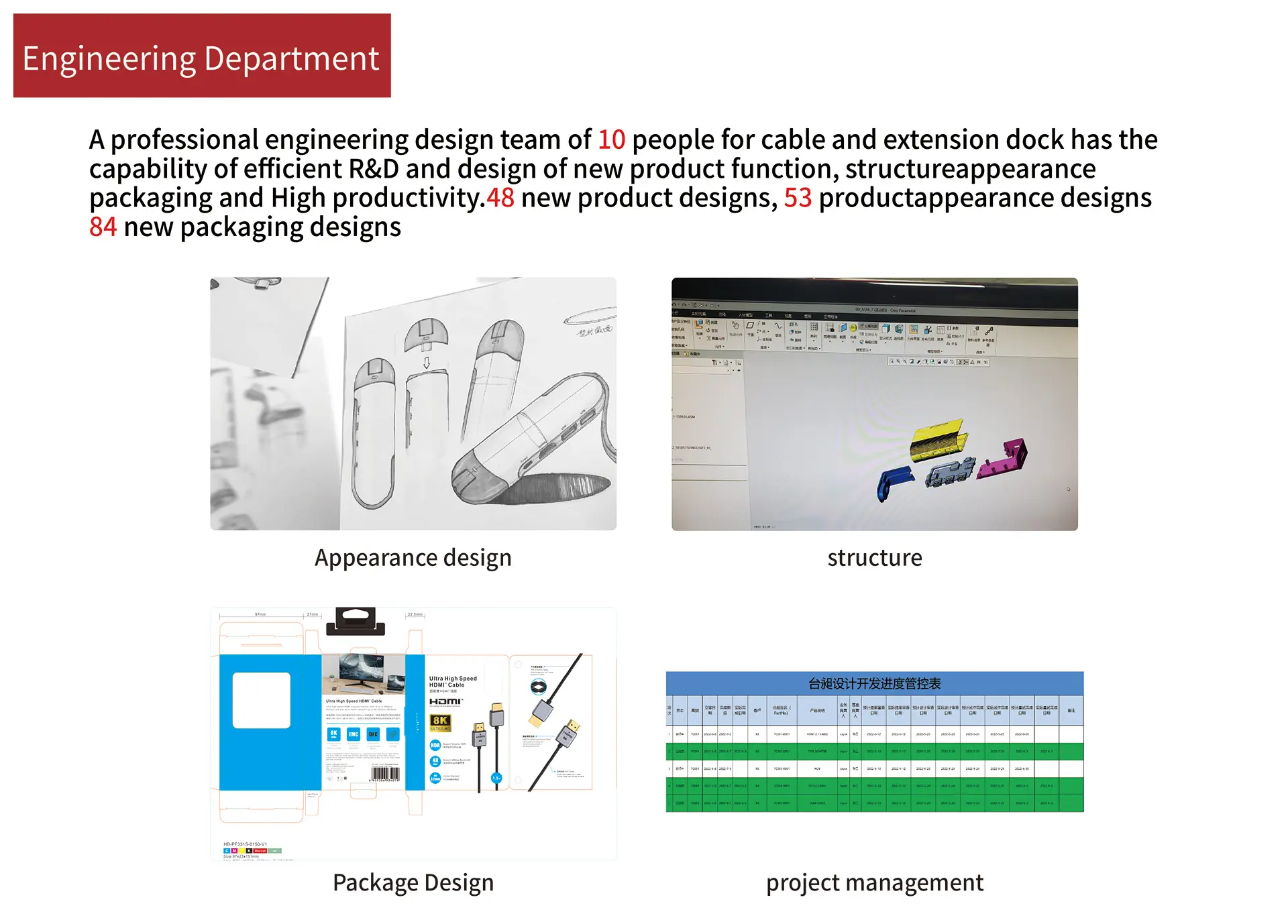
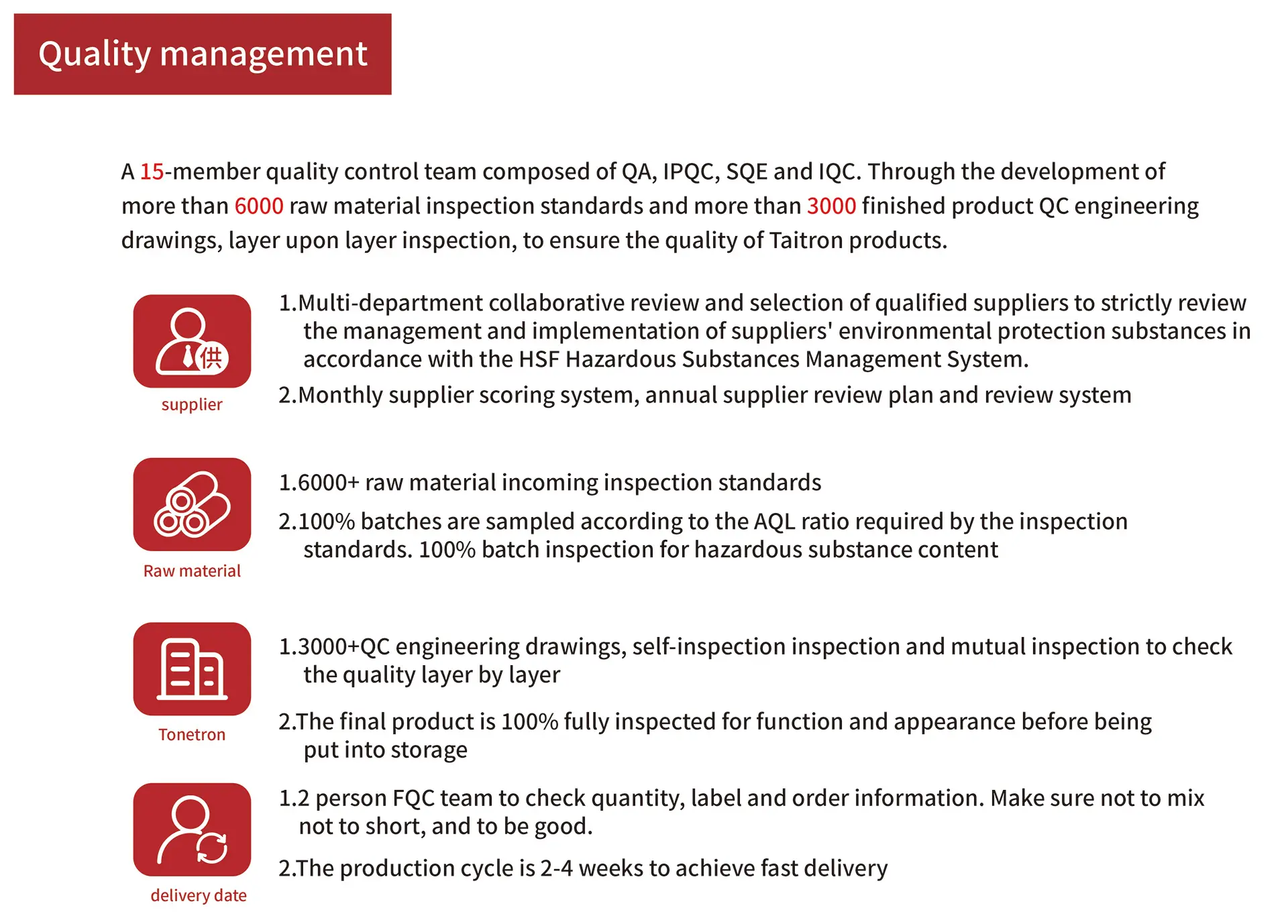

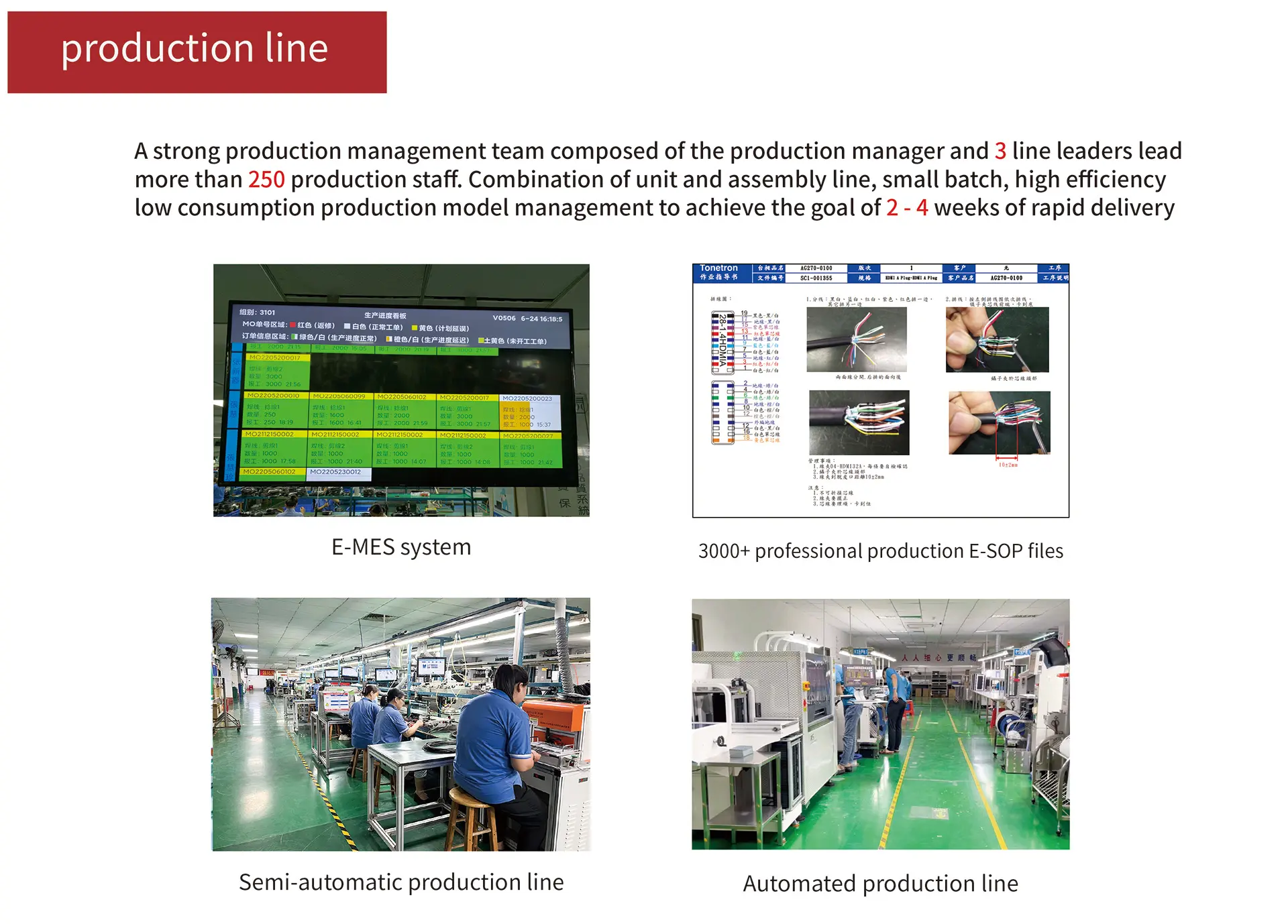
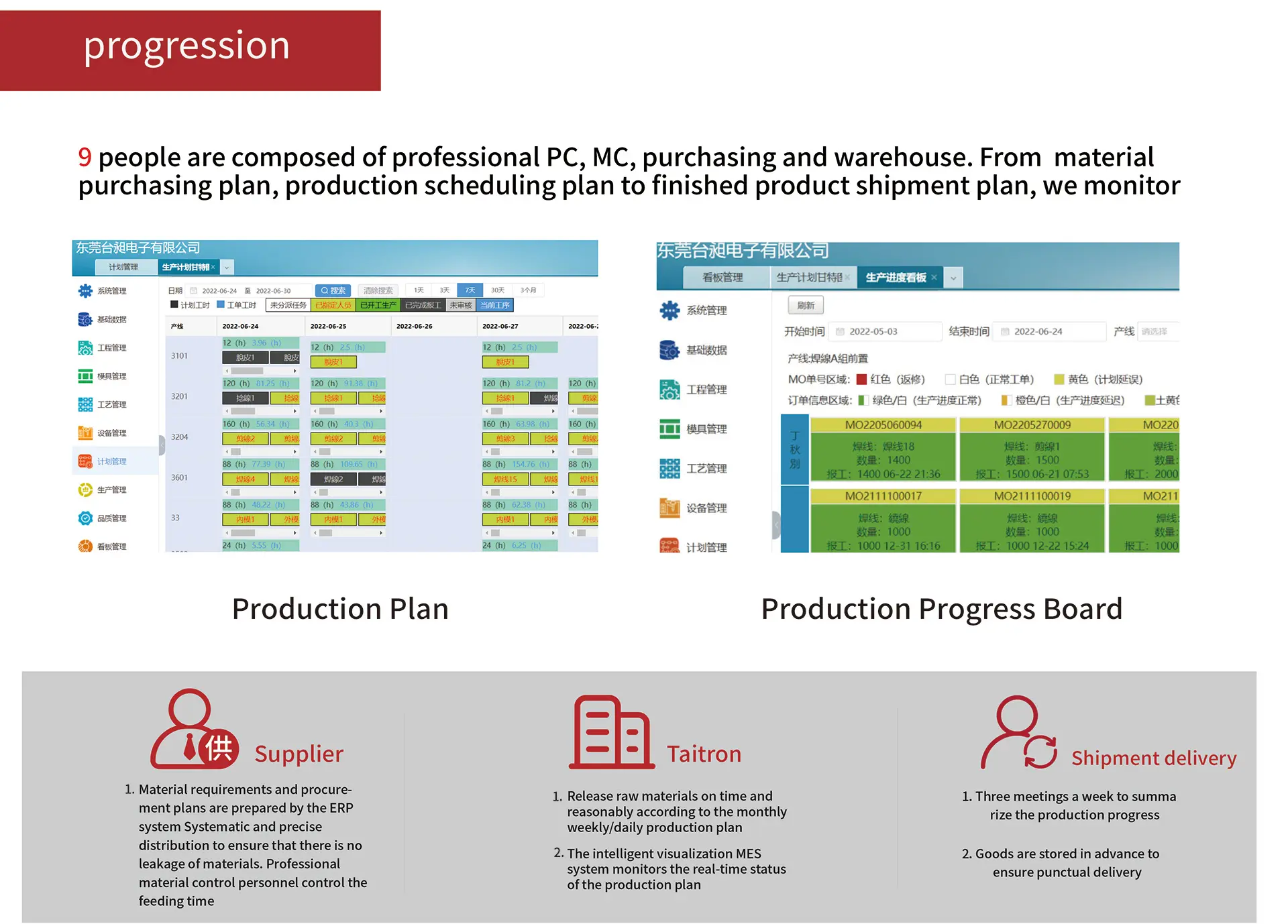
Continuous validation under stringent testing guidelines secures our position as a reliable supplier.
Delivering stable signal distribution across specialized B2B vertical environments.
Financial analysts rely on multiple displays to track live market data. Our MST splitters process multi-screen signals with zero latency, ensuring quick access to real-time information.
Radiological diagnostics require high resolution and strict grayscale rendering. Our splitters preserve color accuracy and bit-depth across multiple medical imaging displays.
Control rooms require reliable, 24/7 video feeds. Our splitters feature dynamic heat dissipation and EMI shielding to maintain signal performance in demanding environments.
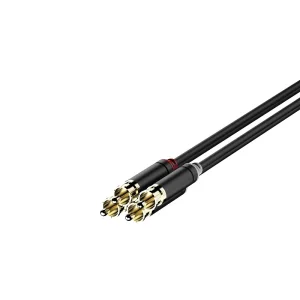
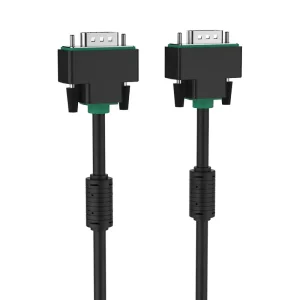
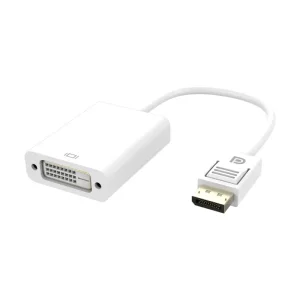
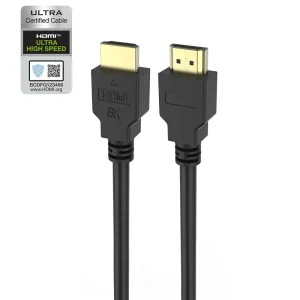
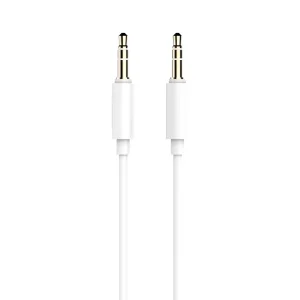
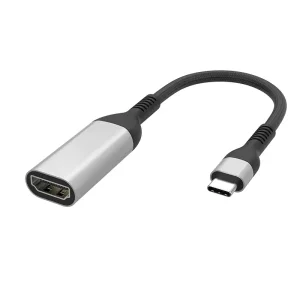
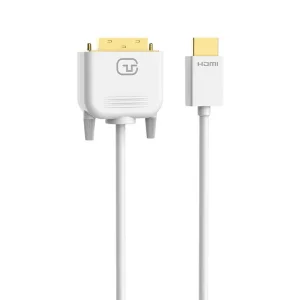
Precision-engineered audio-video connections designed for commercial systems integration.
How emerging standardizations are redefining hardware designs and procurement requirements.
The display landscape is moving toward higher resolutions and refresh rates. With the release of DisplayPort 2.1, transmission bandwidth has reached 80 Gbps using Ultra-High Bandwidth Rate (UHBR) protocols. This shift requires next-generation splitters capable of handling fast rise times and high signal frequencies without loss.
Additionally, Display Stream Compression (DSC 1.2a) is now standard in multi-stream configurations. This visually lossless, low-latency compression algorithm allows splitters to run multiple 4K at 144Hz or even 8K at 60Hz displays through a single interface. Future-ready splitters must include intelligent microcontrollers capable of real-time DSC pass-through and EDID allocation to prevent monitor detection issues.
We are also seeing increased convergence with the USB-C and USB4 standards. Modern business workspaces use USB-C Alt Mode to transmit DP signals alongside USB data and Power Delivery. Manufacturers must adapt to build hybrid splitters and docking stations that route these complex, multi-protocol pipelines smoothly.
Critical technical considerations for purchasing managers when selecting display distribution hardware.
For B2B procurement managers and system integrators, selecting a DisplayPort splitter goes beyond checking resolution compatibility. The operational environment dictates the required hardware grade. Premium systems use CNC-machined aluminum housings to assist with heat dissipation and provide shielding against electromagnetic interference (EMI) in industrial facilities.
Additionally, Signal Integrity (SI) testing is crucial for long cable runs. Selecting splitters with active, adjustable equalization allows engineers to fine-tune the signal boost to compensate for cable losses. Meeting global environmental and safety standards—including CE, FCC, RoHS, and REACH—is also a standard requirement for integration into corporate and public sector networks.
At Dongguan Taitron Electronics, we use advanced testing equipment like TDR (Time Domain Reflectometry) and network analyzers to verify impedance tolerances. By managing the production process from raw conductor processing to the final PCBA assembly in our own factory, we ensure our signal distribution products meet strict electrical performance standards.
Answers to common technical and configuration questions for enterprise systems integrators.
MST (Multi-Stream Transport) allows a single DisplayPort output to drive multiple independent displays with unique content. SST (Single-Stream Transport) mode duplicates or mirrors the same video source across all connected displays. Choosing the right mode depends on whether you need a split desktop workspace or simple video mirroring.
Active DisplayPort splitters communicate with the source device to manage HDCP handshakes. If one connected display supports HDCP 2.2 and another only supports HDCP 1.4, the splitter will typically downgrade the entire connection to the lower common denominator (HDCP 1.4) or block protected content on the non-compliant screen to protect signal integrity.
For DisplayPort 1.4 running at 8K@30Hz or 4K@120Hz, passive connections are typically limited to 2-3 meters. Active splitters with integrated signal amplification can extend this range up to 10-15 meters on high-quality copper cables, or even further when paired with active optical cables (AOC).
Passive splitters divide the source signal power, which can lead to signal degradation, flickering, or display dropouts. Active splitters feature independent power supplies and internal processing chips to rebuild and clean the signal, ensuring reliable, continuous performance.
DSC allows splitters to transmit high-resolution video streams through a compressed data pipeline. For example, a single DisplayPort 1.4 port using DSC 1.2a can drive up to three 4K displays at 60Hz. Without DSC, the same port would be limited to one 4K monitor at 60Hz and one 1080p monitor due to bandwidth limits.
Our facilities support a range of OEM/ODM options, including custom PCB layout design, customized aluminum alloy tooling, bespoke brand packaging, and targeted electrical tuning (e.g., custom EDID profiling or adjusted active gain settings) to meet specific project deployment needs.
 Taichang Electronic