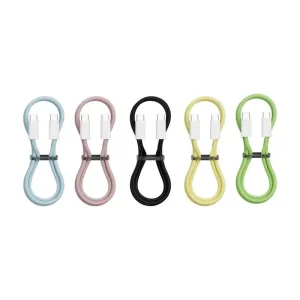
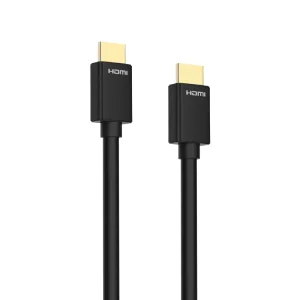
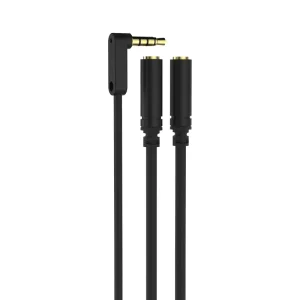
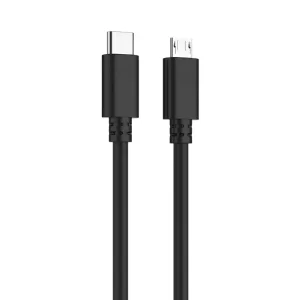
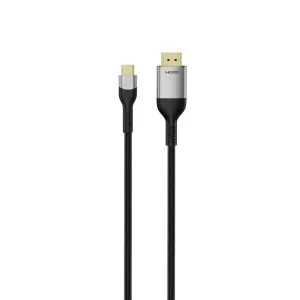
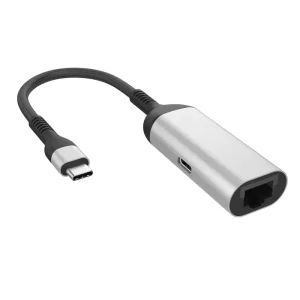
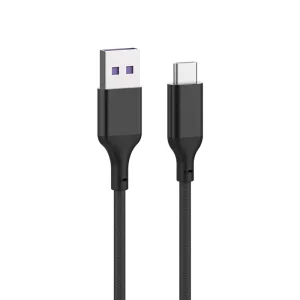
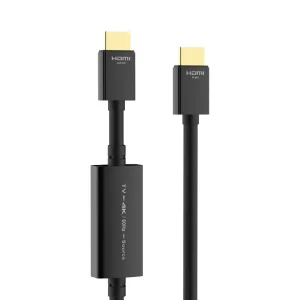
Explore our certified digital signal transmission components engineered for ultra-high-definition environments, industrial display control systems, and high-frequency communication pathways.
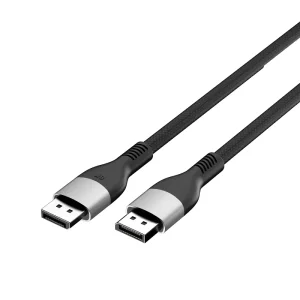
Strategic guidelines for sourcing industrial-grade DisplayPort connectors and processing systems in high-reliability applications.
In modern enterprise procurement, securing reliable DisplayPort (DP) and type-C components is not merely a purchase transaction—it is a critical integration decision. The rise of advanced automation, automated optical inspection (AOI) lines, and ultra-high-definition medical imaging demands interconnect solutions that offer zero-latency transmission and total signal integrity. Sourcing teams prioritize vendors that demonstrate compliance with international manufacturing certifications, rigorous environmental standards, and robust quality control protocols.
For tier-one OEMs and distributors, the key to scaling digital infrastructures lies in minimizing Differential Insertion Loss and ensuring robust Electromagnetic Interference (EMI) Shielding. DisplayPort connectors deployed in manufacturing zones or command-and-control centers must withstand high mechanical stresses, thermal cycling, and high-frequency noise. Standard consumer-grade connectors fail under these conditions; hence, procurement engineers specify connectors fabricated with gold-plated contacts, liquid crystal polymer (LCP) high-temperature insulators, and heavy metal grounding shells.
The display interface landscape has transitioned rapidly. While DisplayPort 1.4a utilizing High Bit Rate 3 (HBR3) provides up to 32.4 Gbps of total bandwidth (supporting 8K displays at 60Hz with Display Stream Compression 1.2a), it is insufficient for next-generation virtual reality arrays, high-speed gaming grids, and multi-display broadcast units. The newer DisplayPort 2.0 and 2.1 standards introducing Ultra High Bit Rate (UHBR) transmission modes push bandwidth up to 80 Gbps.
This massive leap in throughput requires ultra-precise layout design. The physical layer (PHY) is engineered to mitigate signal degradation across long copper routes. Standard DP 2.1 designs incorporate 128b/132b channel coding—improving bandwidth efficiency to over 96.7% compared to the legacy 8b/10b scheme. For system architects, understanding these technical differences is essential when specifying components for projects requiring high frame rates (e.g., 2K at 240Hz or 4K at 144Hz) without losing visual details or suffering from screen-tearing.
Tailored high-speed data transmission systems designed for high-stress, high-precision industrial sectors.
Supporting reliable sensor feedback loops, high-definition machine vision control centers, and PLC visual terminals. Equipped with customized locking mechanisms to resist continuous vibratory forces.
Delivering high-resolution, uncompressed video signals from endoscope systems and MRI diagnostic machines to monitors, ensuring color fidelity and high-contrast rendering.
Providing reliable video links for media editing consoles, multi-screen matrix switches, and high-performance GPU editing clusters requiring 8K UHD resolutions and wide color gamuts.
The display technology landscape is heading toward unified high-speed interfaces. As physical connectors shrink, the integration of DisplayPort over USB Type-C Alt Mode has become a key design choice. DisplayPort 2.1 coordinates directly with USB4 and Thunderbolt 4/5 architectures, allowing high-speed PCI Express data, USB power delivery (up to 240W via EPR), and video output to travel down a single, slim cable assembly.
Future technical implementations will focus on Optical DisplayPort solutions. As data rates climb beyond 80 Gbps, copper paths encounter severe physical limitations regarding signal attenuation over distances exceeding two meters. Active Optical Cables (AOC) incorporating electro-optical conversion engines within the connector housing are set to replace traditional heavy copper cabling for installations requiring distances up to 100 meters, ensuring zero signal degradation in environments sensitive to electromagnetic disruption.
The current worldwide trade landscape highlights a growing demand for high-reliability digital interconnect products. Manufacturers are expanding from simple assembly operations to comprehensive vertical systems integrating structural design, circuit simulation, and precision tooling. Global procurement teams are moving away from multiple component brokers to establish direct partnerships with verified factories capable of providing complete custom designs (ODM) alongside high-capacity manufacturing runs (OEM).
This shift is driven by the complexity of modern hardware setups. High-frequency network hubs, advanced medical units, and automotive consoles cannot tolerate sub-standard connectors. By sourcing directly from integrated manufacturing centers, enterprises secure reliable access to specialized tooling, strict batch consistency, and direct engineer-to-engineer technical assistance.
In 1984, Dongguan Taitron Electronics Limited., formerly known as Tonetron, was founded in Keelung, Taiwan. In 1993, it moved to the self-built independent production industrial park in Dalingshan Town, Dongguan City, China, and changed its name to Dongguan Taitron Electronics Limited.
For over 38 years, our foundation has been built on manufacturing high-reliability professional video and audio peripheral equipment connection lines. We have gradually developed into a leading high-end developer and manufacturer of high-speed digital cables, including HDMI 2.1, DP 2.0, USB4, USB-C 3.1 Gen2, high-power USB charging cables, 8K HD conversion systems, and multi-functional Type-C expansion docks.
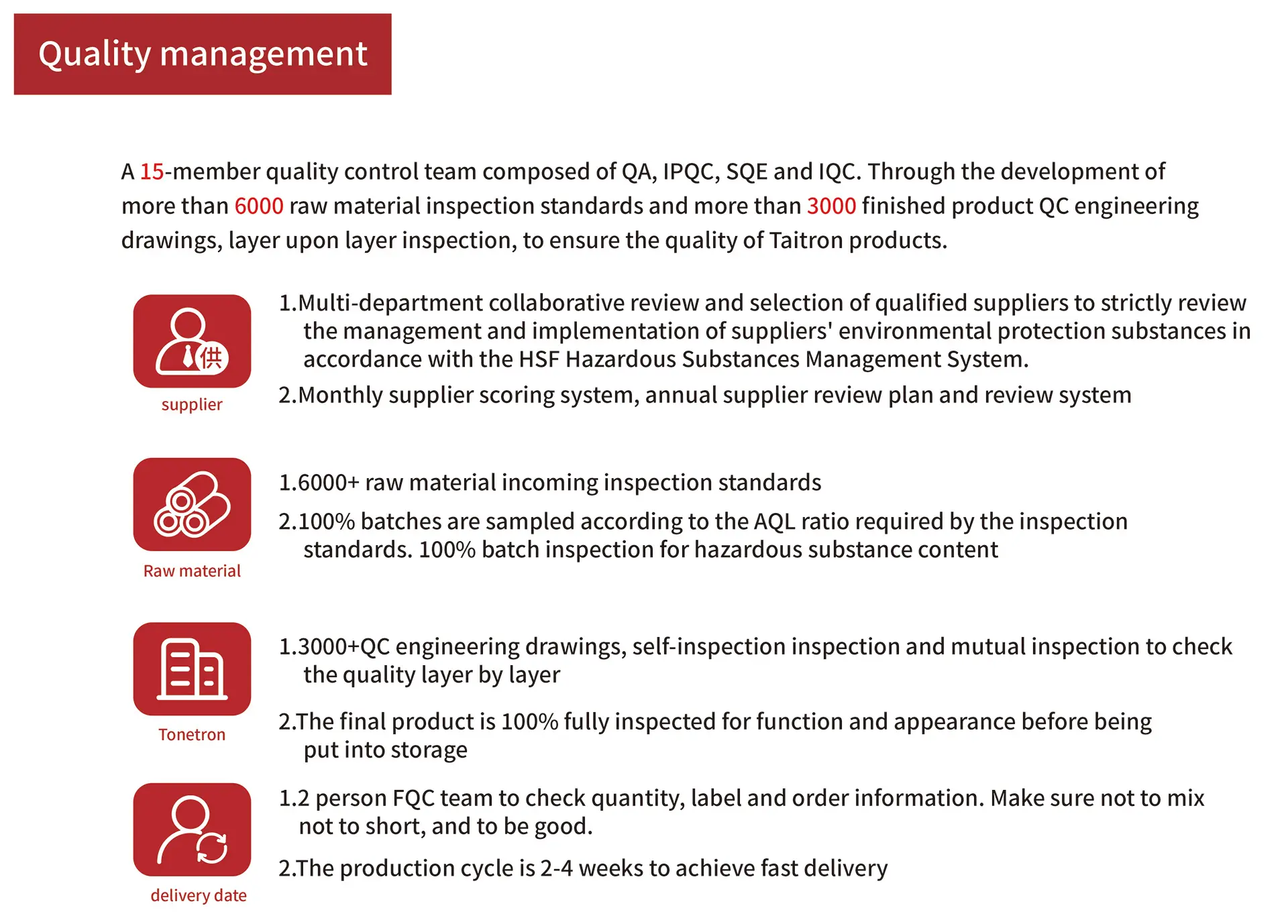

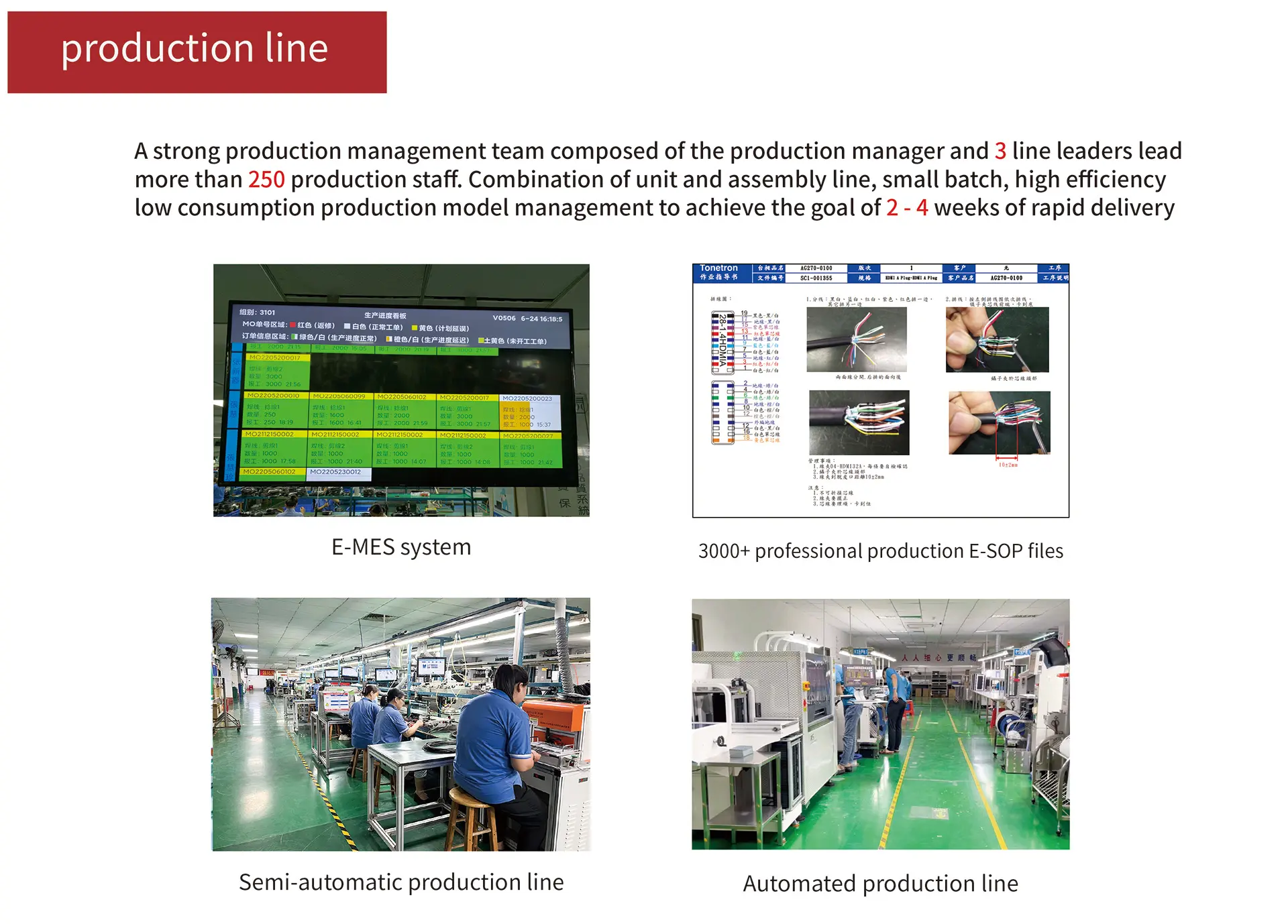
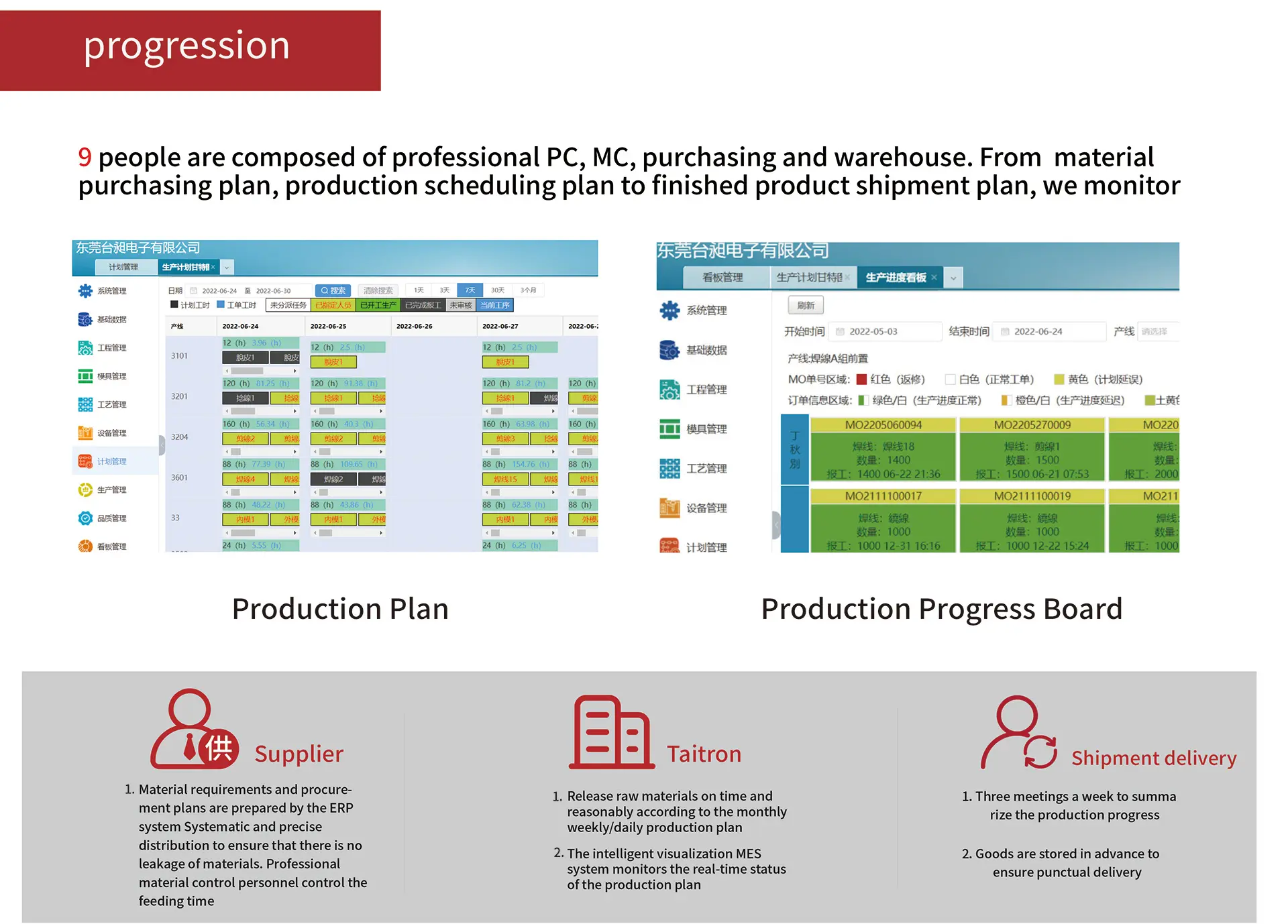
Operating in international markets requires adherence to diverse regulatory guidelines. Export-oriented display components must meet environmental standards including RoHS (Restriction of Hazardous Substances), REACH, and carry necessary regulatory compliance marks such as CE, FCC, and UL safety listings. Implementing eco-friendly manufacturing methods and utilizing halogen-free cables are key steps to maintaining smooth international distribution channels.
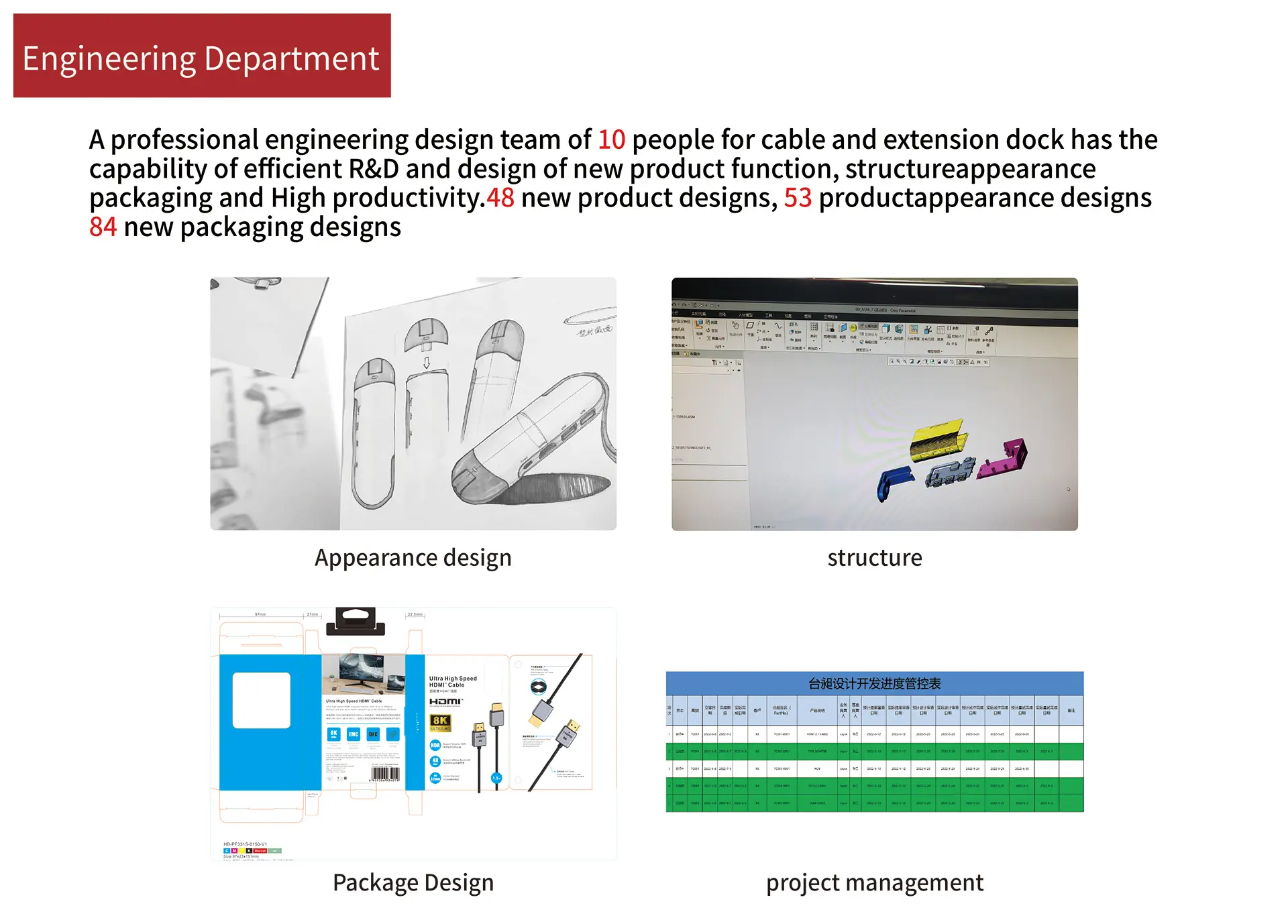
Furthermore, B2B purchasing processes depend on meticulous quality verification. Direct factory partners utilize advanced testing equipment, including Network Analyzers to inspect signal integrity, Time-Domain Reflectometers (TDR) to measure impedance variation along the line, and automated bending test machinery to confirm long-term mechanical durability. With integrated engineering teams on-site, designs can be customized dynamically—from specific pin configurations to custom outer jackets like braided nylon—matching the exact operational needs of client applications.
Key technical answers regarding standards, manufacturing details, and sourcing guidelines for high-bandwidth interfaces.
DisplayPort 1.4 supports a maximum total bandwidth of 32.4 Gbps (using HBR3 transmission mode) which allows resolutions up to 8K at 60Hz using Display Stream Compression (DSC 1.2a). DisplayPort 2.1 introduces the Ultra High Bit Rate (UHBR) transmission scheme, raising total bandwidth to 80 Gbps. Additionally, DP 2.1 features improved channel coding efficiency (128b/132b) and provides better compatibility when routing DisplayPort protocols over USB4/Type-C connections.
High-frequency data lines require a target differential impedance of 100 ohms (+/- 5 ohms). Manufacturers control this parameter by maintaining precise conductor spacing, using high-purity oxygen-free copper, and applying uniform insulation layers. Each production run is verified using Time-Domain Reflectometry (TDR) to identify and rectify any impedance variations along the cable path.
Standard native DisplayPort connectors include a dedicated power pin (pin 20, providing DP_PWR at 3.3V/500mA) intended to power active adapters. However, when utilizing DisplayPort over a USB Type-C Alt Mode interface, the cable can support full USB Power Delivery (USB PD) specifications, enabling transmission of high-wattage power (up to 240W via Extended Power Range) alongside high-bandwidth video data.
To prevent electromagnetic interference from disrupting signal quality, cables employ multi-layer shielding including individual pair aluminum foil wrapping, an overall tinned copper braid shield, and a metallic connector housing. Sourcing partners verify shielding performance using specialized testing chambers that measure shielding effectiveness against standard high-frequency interference profiles.
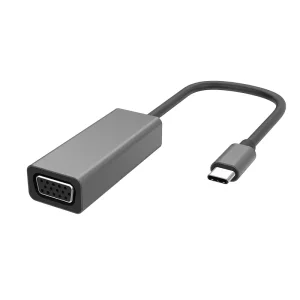
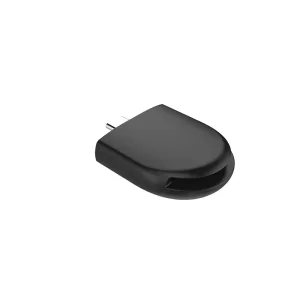
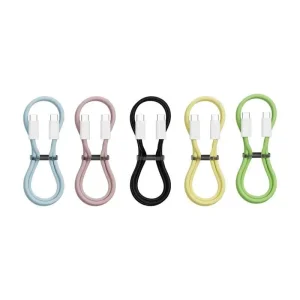
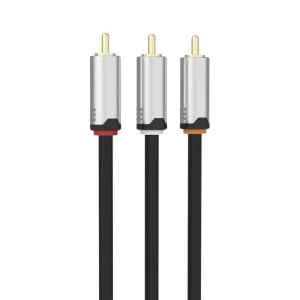
Browse our selection of specialized USB-C, audio-visual cables, and interface conversion adapters built for high-performance enterprise setups.
 Taichang Electronic