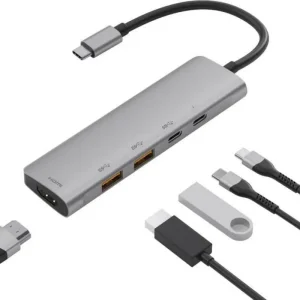
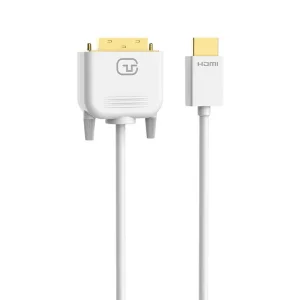
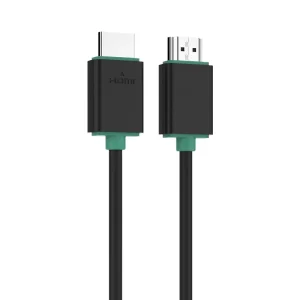
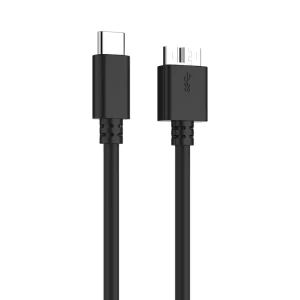
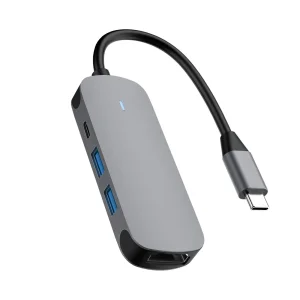
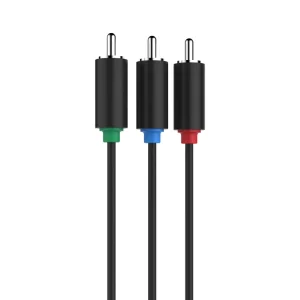
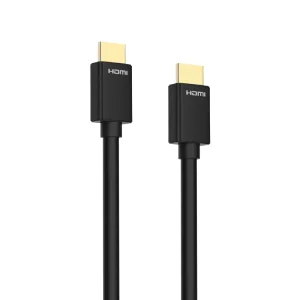
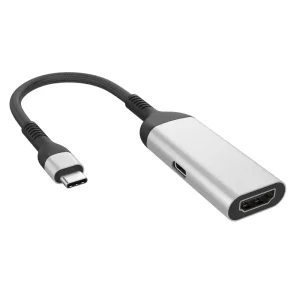
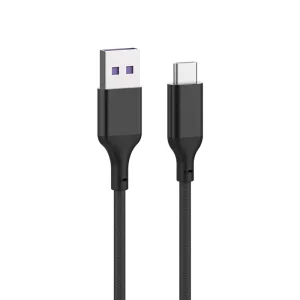
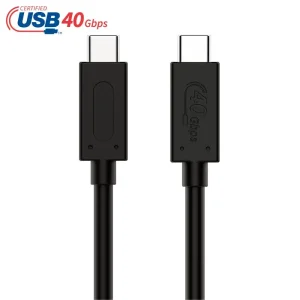
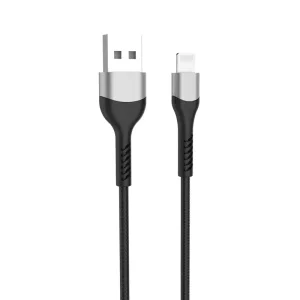
Discover our primary selection of enterprise-grade cables, docking stations, and active converters designed for low latency and zero signal loss.
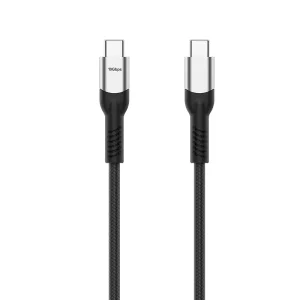
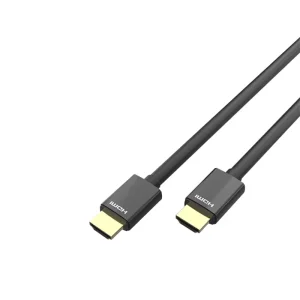
Understanding the current significance, bandwidth thresholds, and comparative advantages of Mini DP in specialized computing topologies.
Leveraging VESA specifications, Mini DP cables achieve up to 32.4 Gbps (HBR3) of bandwidth, ensuring uncompressed 8K video output at 60Hz and HDR support with no dynamic compression latency.
Designed with triple-shielding layers (Al-Mylar foil, high-density metal braiding, and insulated inner cores) to combat EMI and RFI in harsh industrial and server environments.
Unlike transient USB-C interfaces, physical locking structures and standardized mechanical tolerances prevent disconnection in high-vibration aerospace and medical applications.
Initially introduced as a high-density alternative to standard DisplayPort, the Mini DisplayPort (Mini DP) remains a foundational interconnect standard. Governed by the Video Electronics Standards Association (VESA), Mini DP interfaces deliver direct, protocol-native routing for high-resolution displays. Unlike modern alternative interfaces that require complex multiplexing or packetized data routing (such as standard USB-C ALT-Mode), Mini DP guarantees raw pixel transmission without performance overhead or thermal throttling.
From an engineering perspective, purchasing from a certified Mini DP cable manufacturer ensures compliance with key signal characteristics, including proper differential pair impedance (100 ohms ± 5%), low attenuation levels across frequencies, and minimized intra-pair skew. High-grade OEM manufacturers implement advanced automatic solder machinery to prevent structural micro-fractures in high-frequency pins, ensuring durability that stands up to prolonged testing cycles.
How industrial systems engineers integrate Mini DP and conversion topologies into mission-critical hardware ecosystems.
Enterprise and industrial solutions require physical connection reliability that exceeds retail standards. Our OEM Mini DP cables and components are designed specifically for:
On a macro scale, the industrial and commercial demand for high-reliability cables remains exceptionally strong. While mainstream consumer devices continue their transition toward USB-C and Thunderbolt 4, industrial PC manufacturers (IPCs) and embedded-system designers rely heavily on the mechanical stability of Mini DP. Standardizing on Mini DP interfaces eliminates the software-layer overhead associated with USB handshake protocols, guaranteeing continuous video stream integrity in automated factories, transportation networks, and broadcast environments.
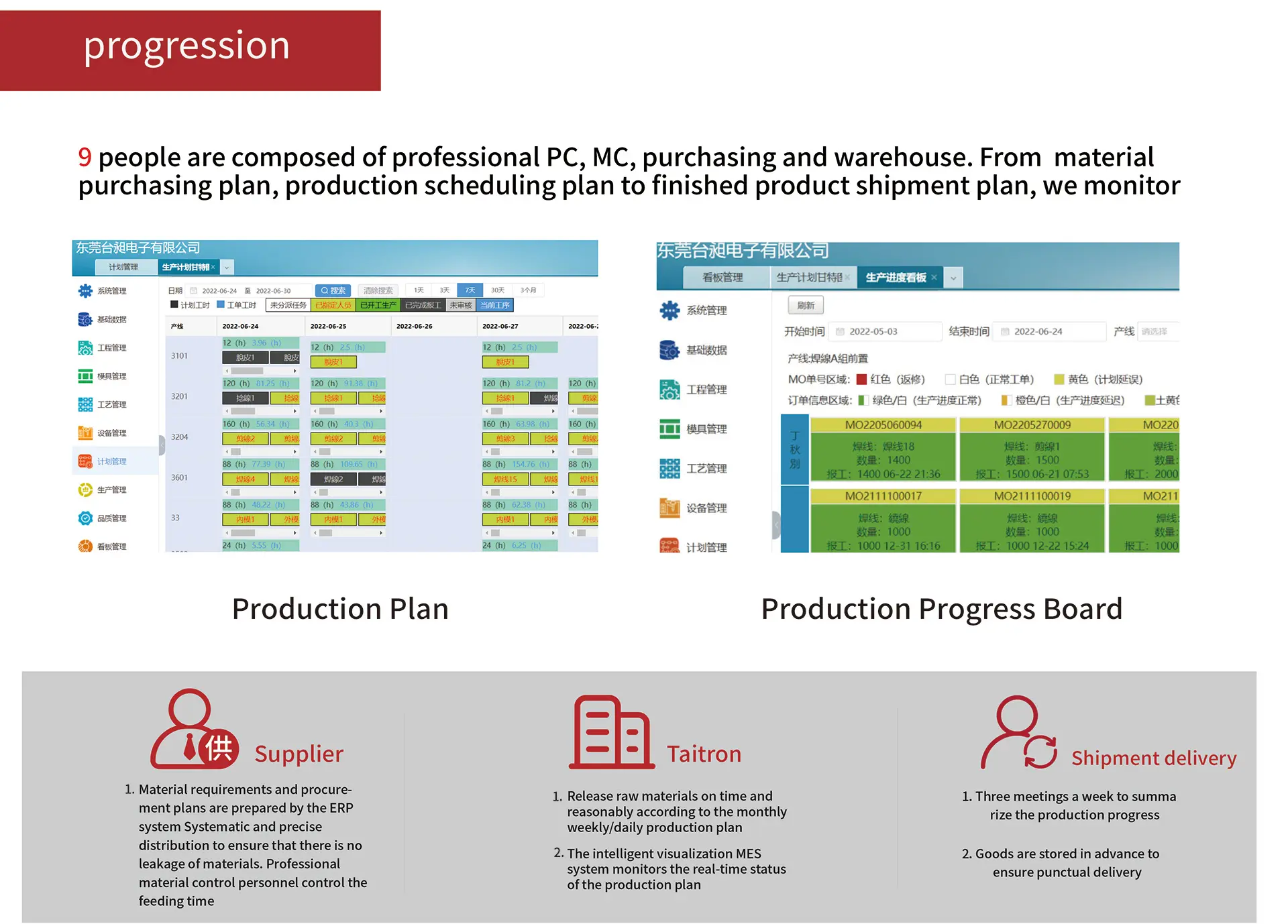
Over 38 Years of Professional Manufacturing Excellence in High-End Video, Audio, and Data Connectivity Solutions.
In 1984, Dongguan Taitron Electronics Limited., formerly known as Tonetron, was founded in Keelung, Taiwan. In 1993, it moved to the self-built independent production industrial park in Dalingshan Town, Dongguan City, China, and changed its name to Dongguan Taitron Electronics Limited.
38 years to pass professional video and audio peripheral eguipment connection line manufacturing as the foungation, Gradually develop to the high-end audio and video cable data cable such as HDMI2.1 cable, DP2.0 cable, USB4 data cable, USB-C 3.1Gen2 data cable, high-power USB charging cable, 8K HD conversion cable, multi-functional Type-C expansion dock and other products research and development and manufacturing.
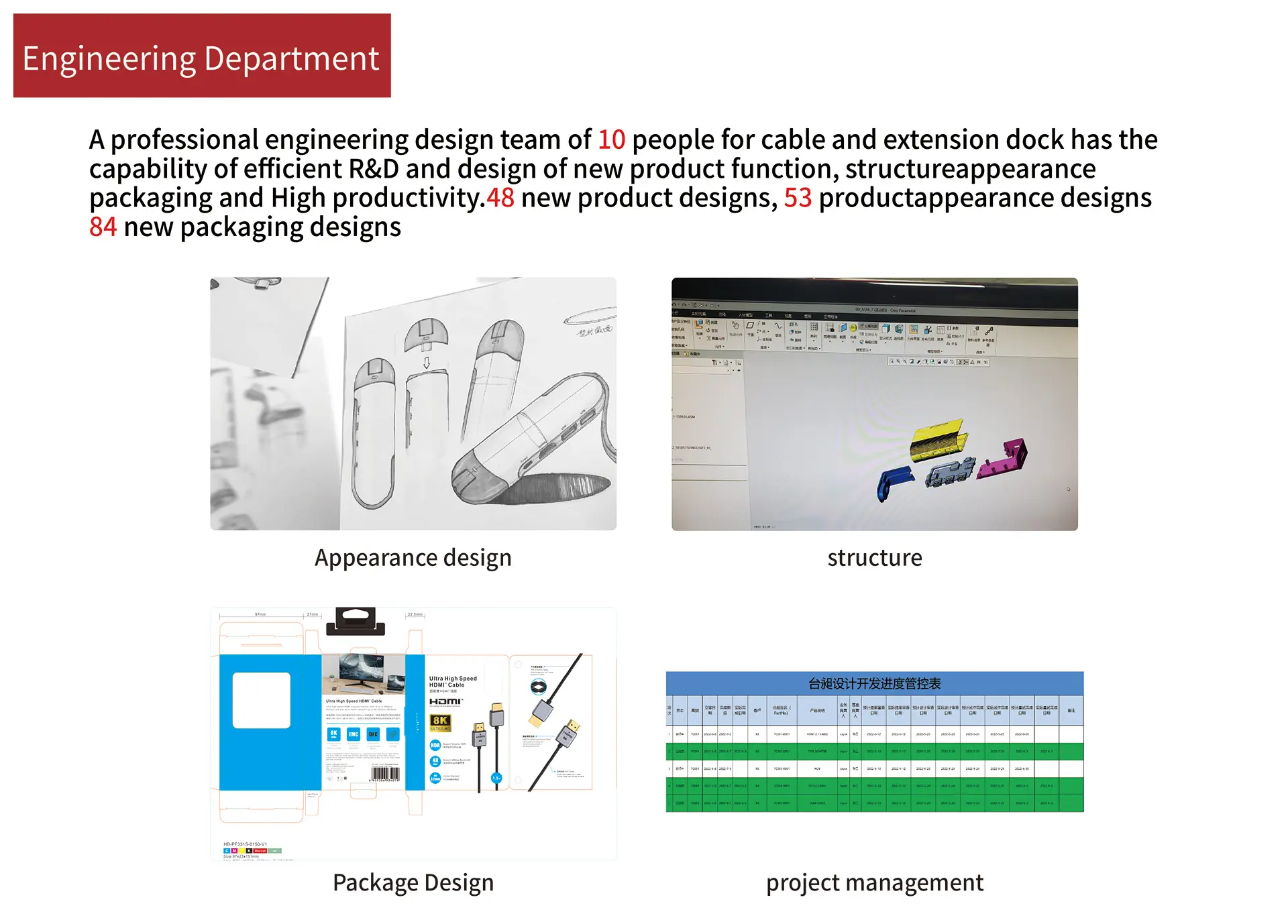
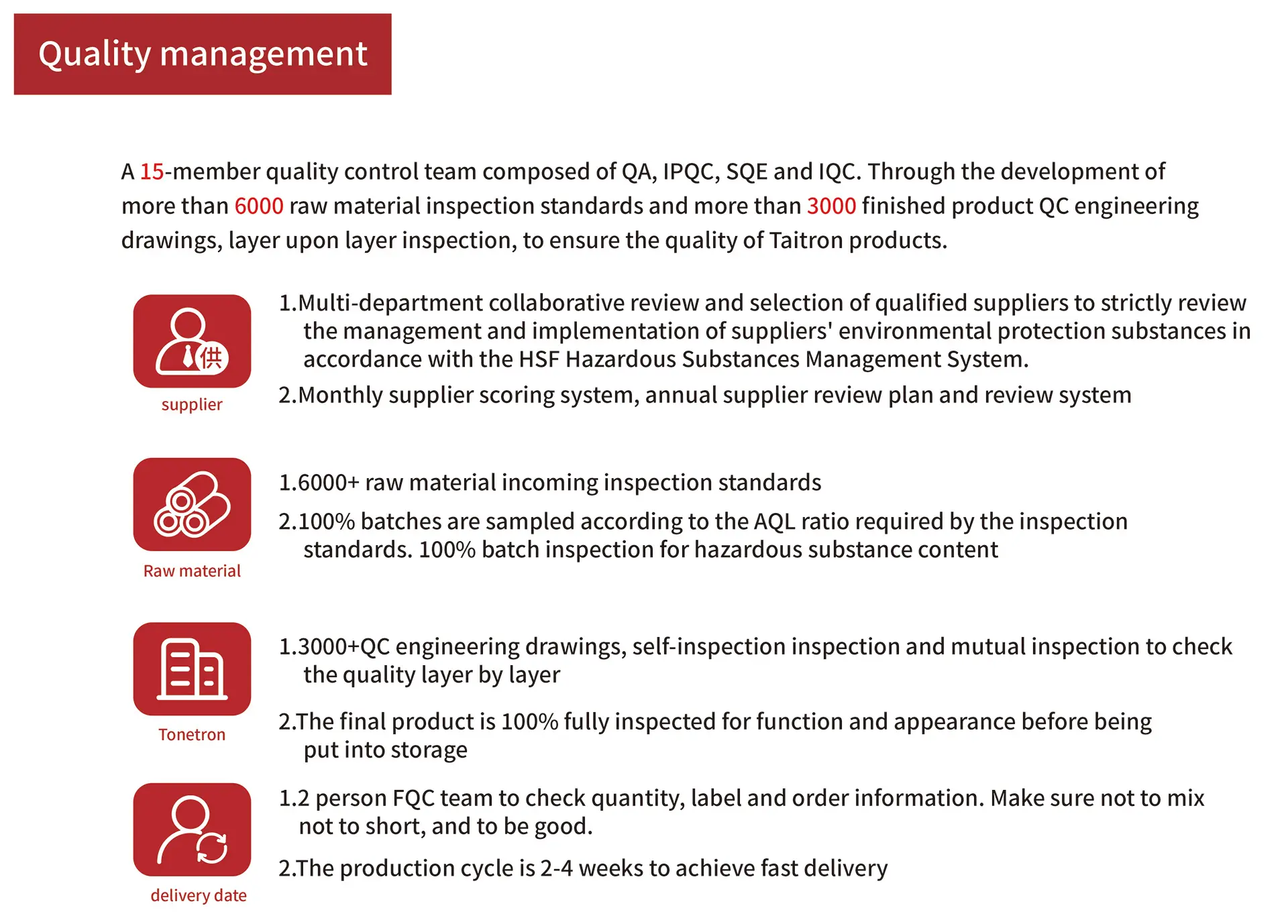

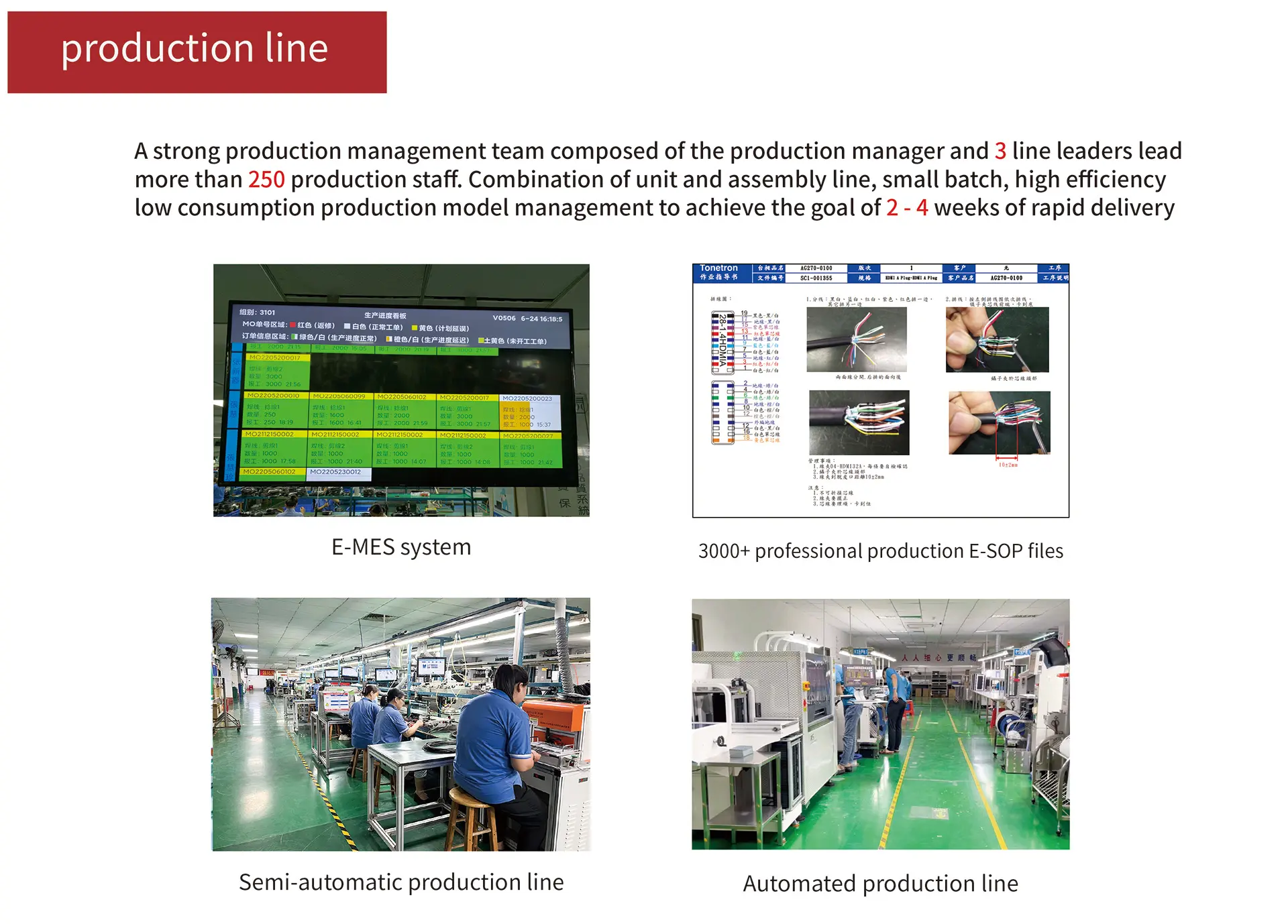
Ensuring cross-border performance integrity, environmental compliance, and regional engineering support.
For global OEMs and buyers, regulatory compliance is a non-negotiable requirement. Taitron cables are manufactured under strict environmental and structural guidelines, meeting regional mandates across Europe, North America, and APAC:
To guarantee seamless operation within complex localized hardware, we provide extensive engineering customizations and thorough quality checks prior to shipment:
Our centralized manufacturing in Dongguan, coupled with localized distribution points across key economic zones, ensures swift supply chain logistics. We provide engineering support to major tech clusters globally, ensuring that custom design revisions, prototype validation, and volume scaling are delivered with minimal turnaround times.
Anticipating the next steps in physical signal layers, hybrid fiber solutions, and structural convergence.
As high-resolution displays push bandwidth demands beyond standard copper cabling limitations (typically 3 to 5 meters for passive copper), the industry is shifting toward Active Optical Cable (AOC) technology. By embedding optical transceivers inside the Mini DP shell, electrical signals are converted into optical pulses. This enables lossless, lag-free signal transmission up to 50 meters, completely isolated from electromagnetic interference.
Our engineering division is leading this transition, developing hybrid designs that pair premium copper wire (for ground and hot-plug detection signals) with optical fiber cores. This approach provides both high flexibility and structural integrity for advanced medical and defense environments.
2024-2025: Mainstream adoption of hybrid copper/fiber AOC solutions for long-distance 8K transmission.
2026: Introduction of ultra-high-rate connectors with integrated latching mechanisms for severe vibration applications.
2027: Next-generation bio-compatible and high-recyclability PVC outer jackets to support global green energy standards.
Addressing common technical inquiries regarding bandwidth limitations, custom configurations, and deployment strategies.
Explore our extended portfolio of converters, certified high-speed cables, and multi-functional adapters.
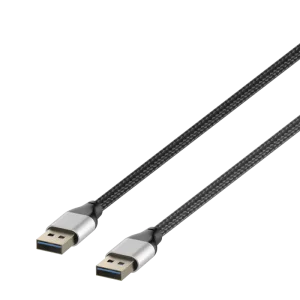
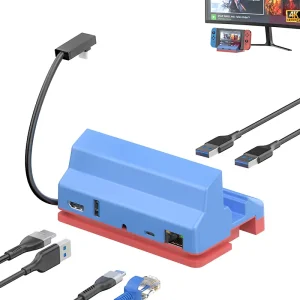
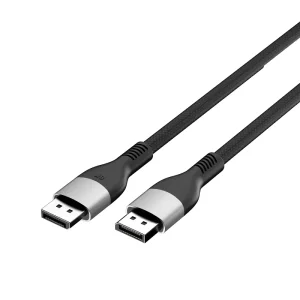
 Taichang Electronic