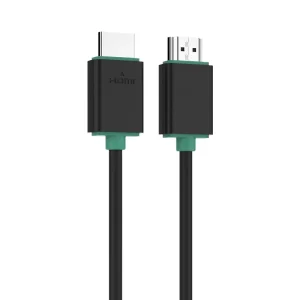
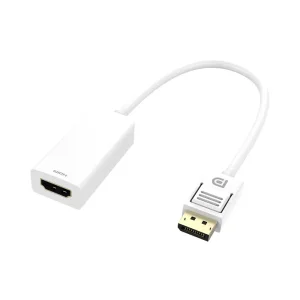
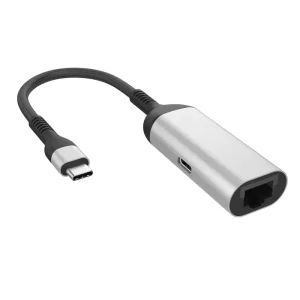
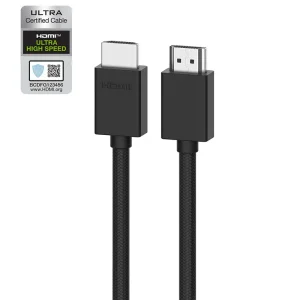
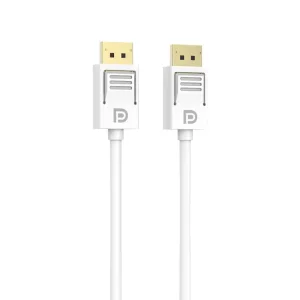
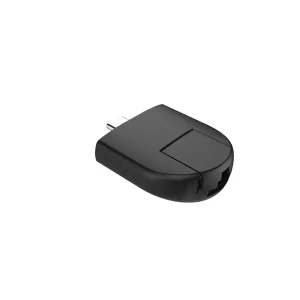
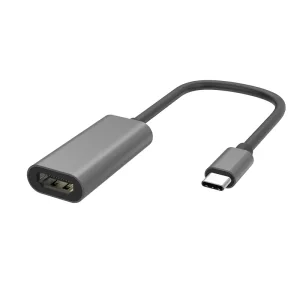
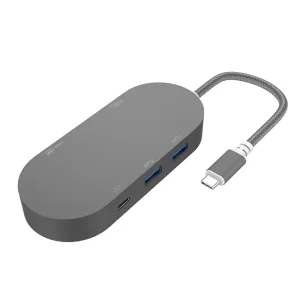
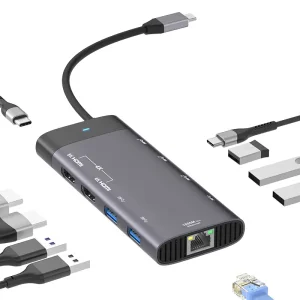
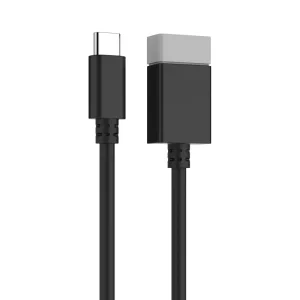
Explore our high-performance ODM/OEM production lines, featuring structural reliability, strict EMI shielding, and certified durability.
In our increasingly digitized global economy, the demand for reliable Network to USB converters (commonly referred to as USB-to-Ethernet adapters) has transitioned from simple consumer convenience to a mission-critical industrial necessity. With hardware engineers prioritizing structural slimness in next-generation laptops, tablet workstations, and edge-computing nodes, physical RJ45 ethernet ports have been systematically phased out. Consequently, enterprise operations require high-performance external bridges to preserve wired network stability, secure data transfers, and minimize latency.
Modern factories utilize Network to USB converters to bridge legacy PLC controllers and sensory apparatus with host computers running analytical frameworks. High-reliability manufacturing lines require galvanic isolation and electromagnetic compliance to prevent current surges from damaging host mainboards.
For financial institutions and government entities, wireless networks present vulnerability risks. Secure physical architecture mandates a wired connection. When deploying thousands of workstations, IT procurement heads seek out stable converter manufacturers that support advanced features like PXE Boot, Wake-on-LAN (WoL), and MAC address pass-through.
Field engineers rely heavily on ruggedized USB-to-RJ45 adapters to rapidly hook up debugging laptops directly to switch registers, servers, and hypervisors, demanding instant driver compatibility across various operating systems, including Linux distributions and macOS kernel layers.
Choosing the correct supplier involves assessing the integrated circuit (IC) platform driving the converter. The silicon chip dictates packet conversion efficiency, power dissipation, and firmware robustness under sustained full-duplex traffic. The standard protocol conversions occur between USB logical layers (specified by USB-IF) and Ethernet MAC/PHY layers (governed by IEEE 802.3 standards).
The industry is primarily dominated by chipsets from Realtek (e.g., RTL8153, RTL8156) and ASIX (e.g., AX88179, AX88179A). Realtek chips typically exhibit lower idle power draw and seamless native integration inside modern operating systems, whereas ASIX controllers are widely preferred in embedded systems, gaming consoles, and specialized industrial kernels.
A critical consideration during the design phase is whether the device leverages CDC-ECM (Ethernet Control Model) or CDC-NCM (Network Control Model). CDC-NCM is a newer, highly optimized specification that groups multiple IP packets into a single USB transfer, drastically reducing CPU interrupt overhead on the host device. By selecting a manufacturer that engineers NCM-compliant firmware, organizations ensure superior energy savings and higher sustained data rates for target deployments.
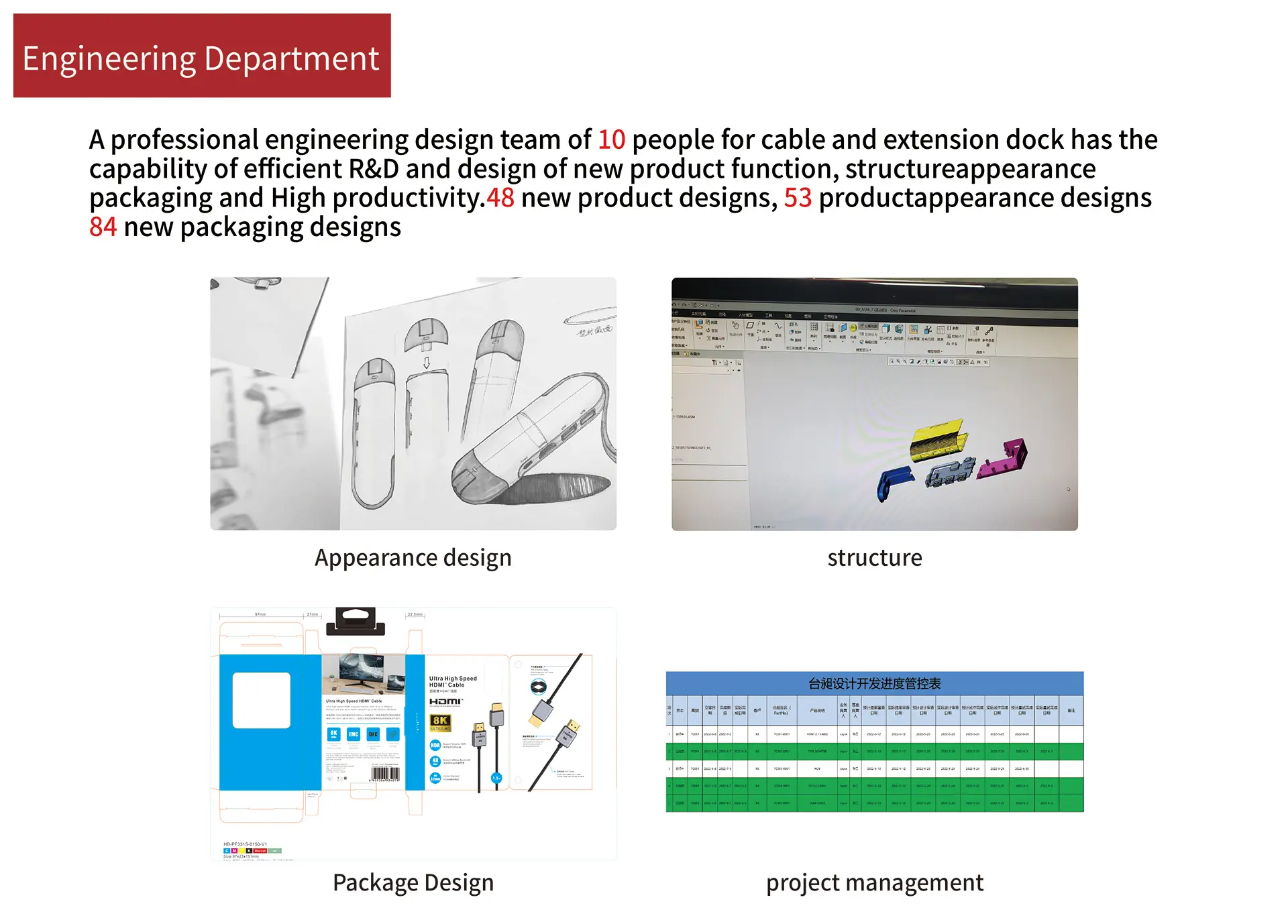
"Our engineering departments operate on strict failure-mode analyses, guaranteeing long-term durability and continuous performance across global distribution frameworks."
In 1984, Dongguan Taitron Electronics Limited., formerly known as Tonetron, was founded in Keelung, Taiwan. Driven by a commitment to high-precision engineering, the company relocated in 1993 to a self-built independent production industrial park in Dalingshan Town, Dongguan City, China, scaling up its manufacturing capabilities under the name Dongguan Taitron Electronics Limited.
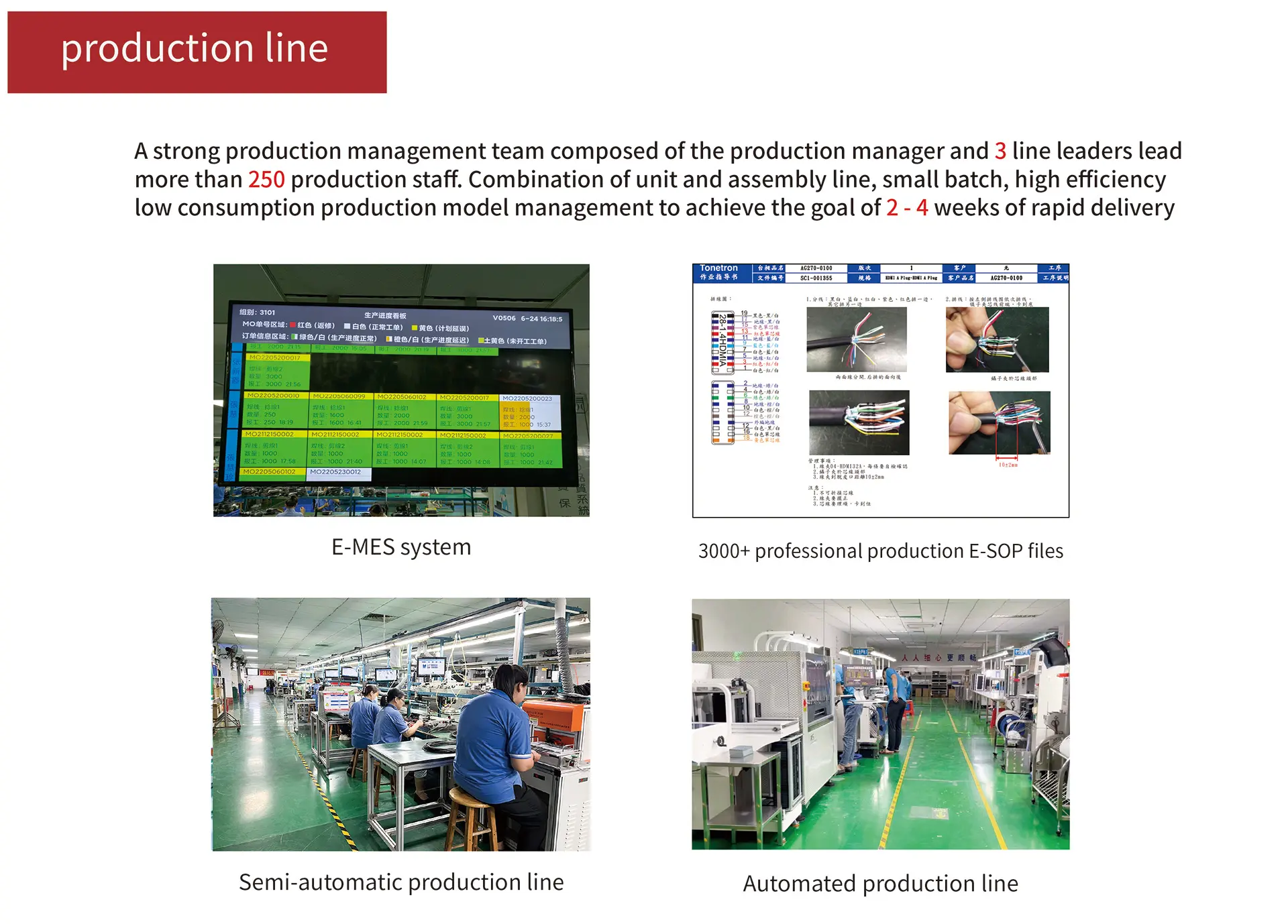
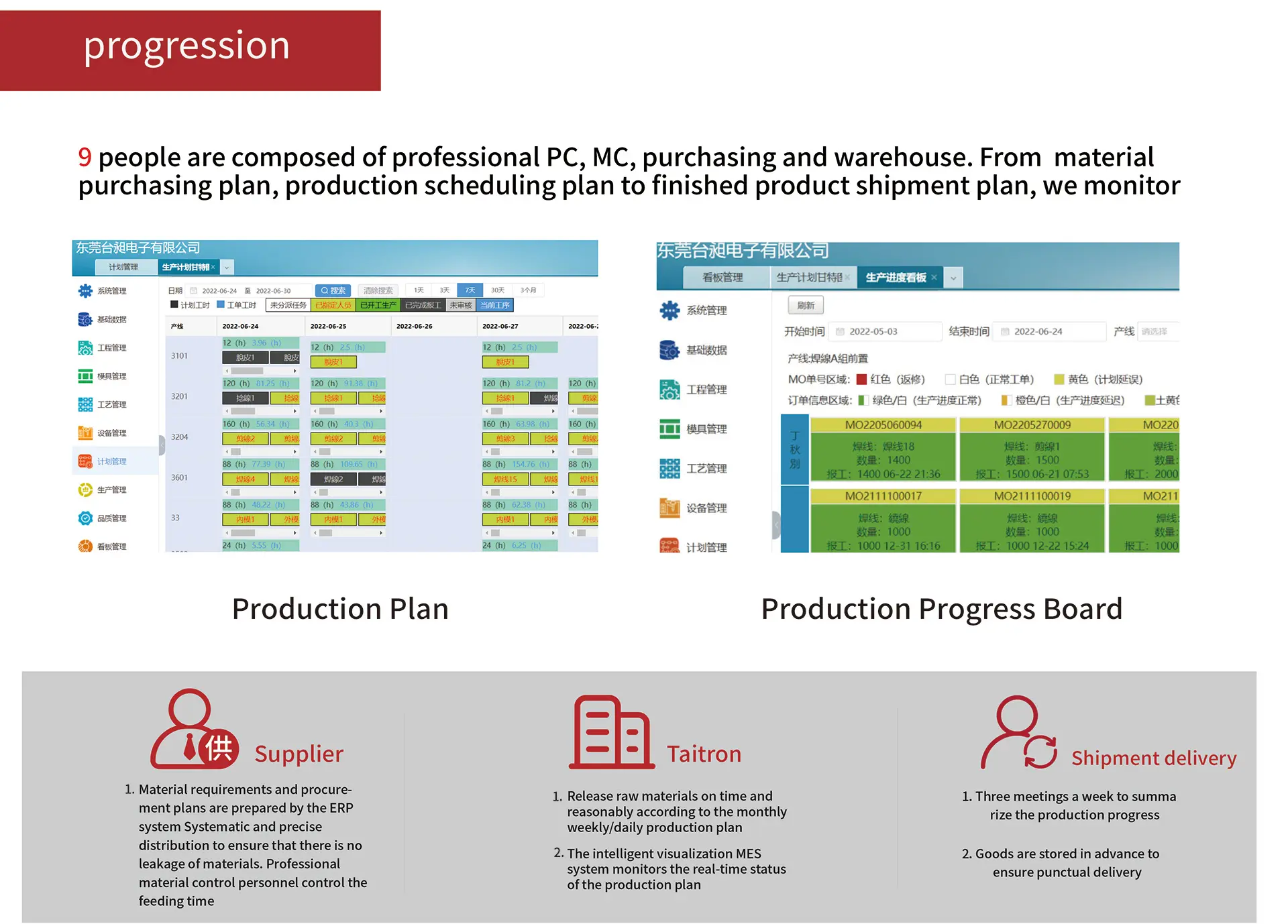
For over 38 years, our operational foundation has been the high-precision manufacturing of professional video and audio peripheral equipment connection lines. We have systematically expanded our core competencies into advanced audio-video configurations and ultra-high-speed data communication products, including HDMI 2.1, DisplayPort 2.0, USB4, USB-C 3.1 Gen 2, high-power USB charging interfaces, 8K HD signal converters, and multi-functional Type-C expansion docks.

A reliable supplier doesn't just build components; they provide tailor-made solutions. Below are localized architectures where custom network-to-USB conversions solve complex modern infrastructure bottlenecks:
Scenario: Mobile diagnostics carts inside German municipal hospitals require real-time transmission of medical imaging files to on-site PACS servers. Because the tablets lack RJ45 interfaces, adapters are required.
Solution: Custom-designed USB-C to Gigabit adapters featuring medical-grade isolation to safeguard against electric shock while delivering high throughput without packet dropping.
Scenario: Traffic camera hubs in Singapore collect local data and transfer it to primary optic hubs. Adapters bridge the fiber converters with the central CPU boards inside weather-sealed boxes.
Solution: Industrial-grade USB adapters rated for temperatures from -40°C to +85°C, designed with anti-vibration solder techniques to counter seismic and automotive vibrations.
Scenario: Global investment firms in New York require latency-critical stock-ticker data lines on thin client terminals. WiFi is prohibited due to encryption protocols and high packet jitter.
Solution: Custom-programmed ASIX-based converters with embedded MAC addresses registered to corporate internal routers, denying access to unauthorized devices.
Frequently asked technical questions by network architects and procurement specialists.
What is the structural difference between active and passive network converters?
A network to USB converter is always an active device. It contains a physical layer chip (PHY) and a media access controller (MAC) that translates Ethernet frames into USB packets. A passive wire cannot route these protocols; it requires dedicated logic circuits inside the housing.
Does the converter support PXE Boot and MAC Address Pass-Through?
Yes. High-quality corporate models are engineered with system BIOS compatibility. This allows the host machine to boot directly from a server image (PXE) and display the computer's internal MAC address rather than the adapter's MAC address, which is vital for security auditing.
How does Taitron handle EMI shielding on high-frequency converters?
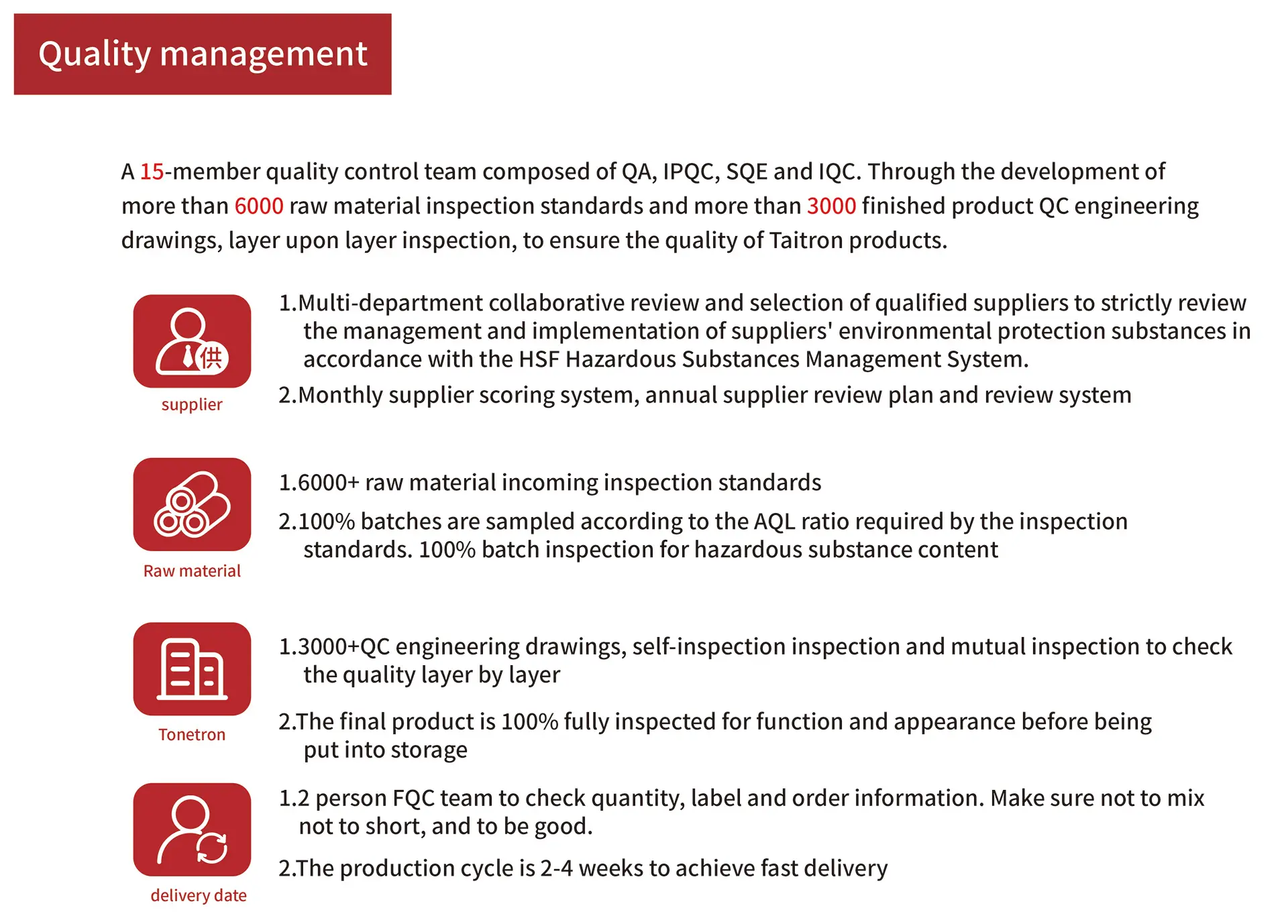
We use multi-layer PCB designs coupled with dedicated metal shields that wrap around the internal IC chips. This is soldered to the cable shield mesh, containing electromagnetic interference (EMI) and preventing it from disrupting nearby wireless receivers or high-speed data lines.
Why choose 2.5Gbps USB-C interfaces over standard 1Gbps interfaces?
2.5G Ethernet adapters (IEEE 802.3bz) provide over double the throughput of standard Gigabit lines over existing Cat5e or Cat6 copper cables. This is perfect for high-speed local network storage (NAS), server clustering, and working with bandwidth-heavy media files.
Review our full range of auxiliary signal distribution components, certified optical transceivers, and heavy-duty active cables.
 Taichang Electronic