Explore our leading catalog of certified USB-C adapters, HDMI optical solutions, and high-performance network interfaces.
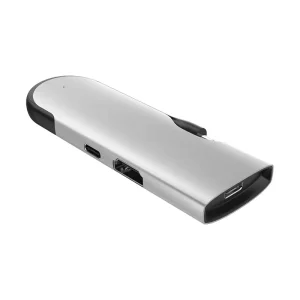
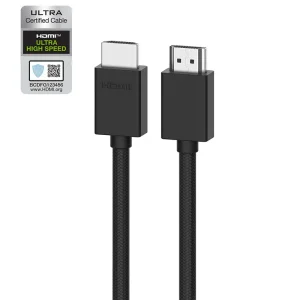
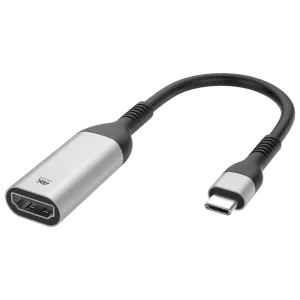
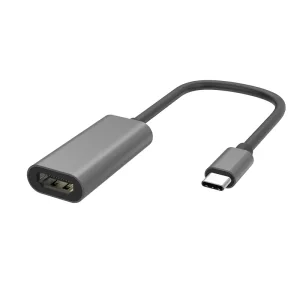
Founded in 1984 in Keelung, Taiwan, as Tonetron, we relocated to our self-built, independent production industrial park in Dalingshan Town, Dongguan City, mainland China, in 1993. This strategic migration laid the groundwork for decades of manufacturing superiority under the registered name Dongguan Taitron Electronics Limited.
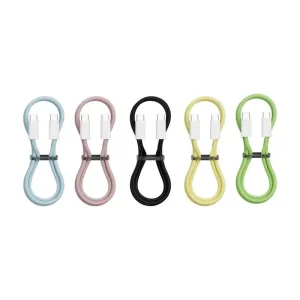
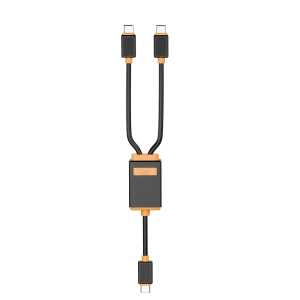
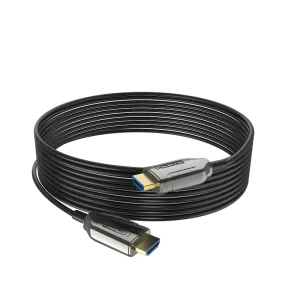
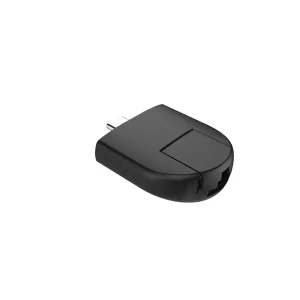
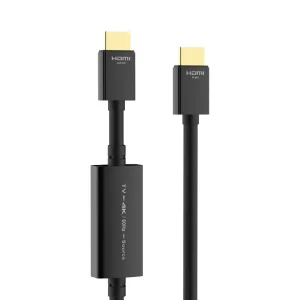
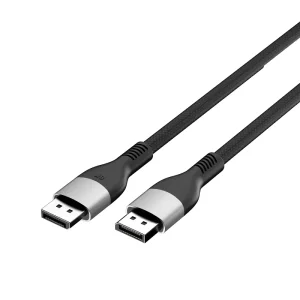
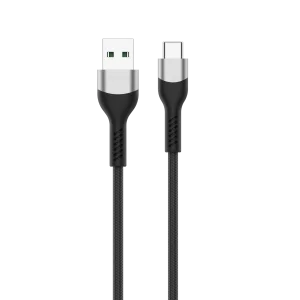
With a 38-year legacy built on engineering premium video, audio, and network data transmission accessories, our production capability has scaled globally. Today, we specialize in high-end data pipeline solutions, including USB-C 100W multi-charger cords, HDMI 2.1 8K active optical fiber cables (AOC), DP 2.0 cables, USB4 technologies, and customized Gigabit USB to RJ45 network adapters and drivers.
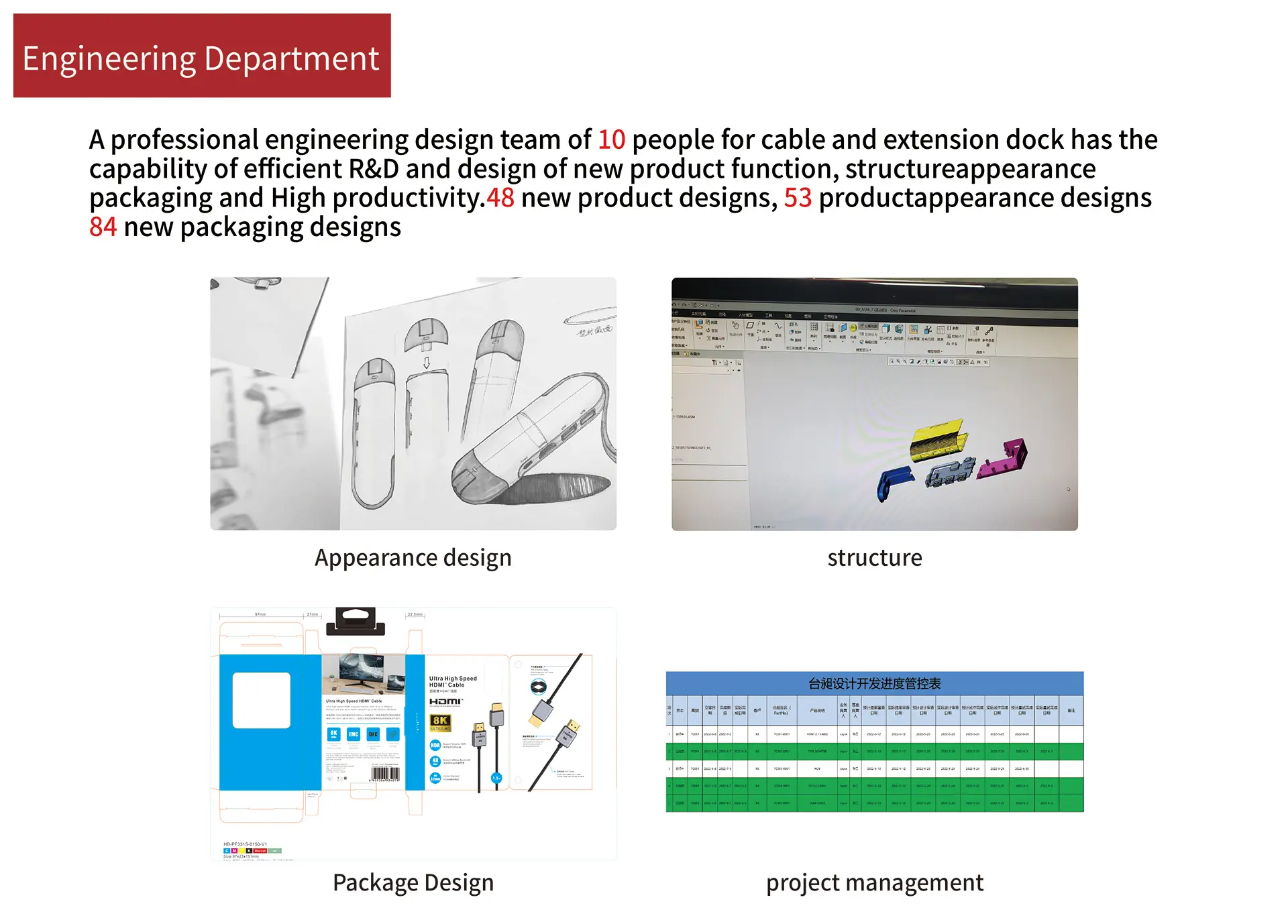
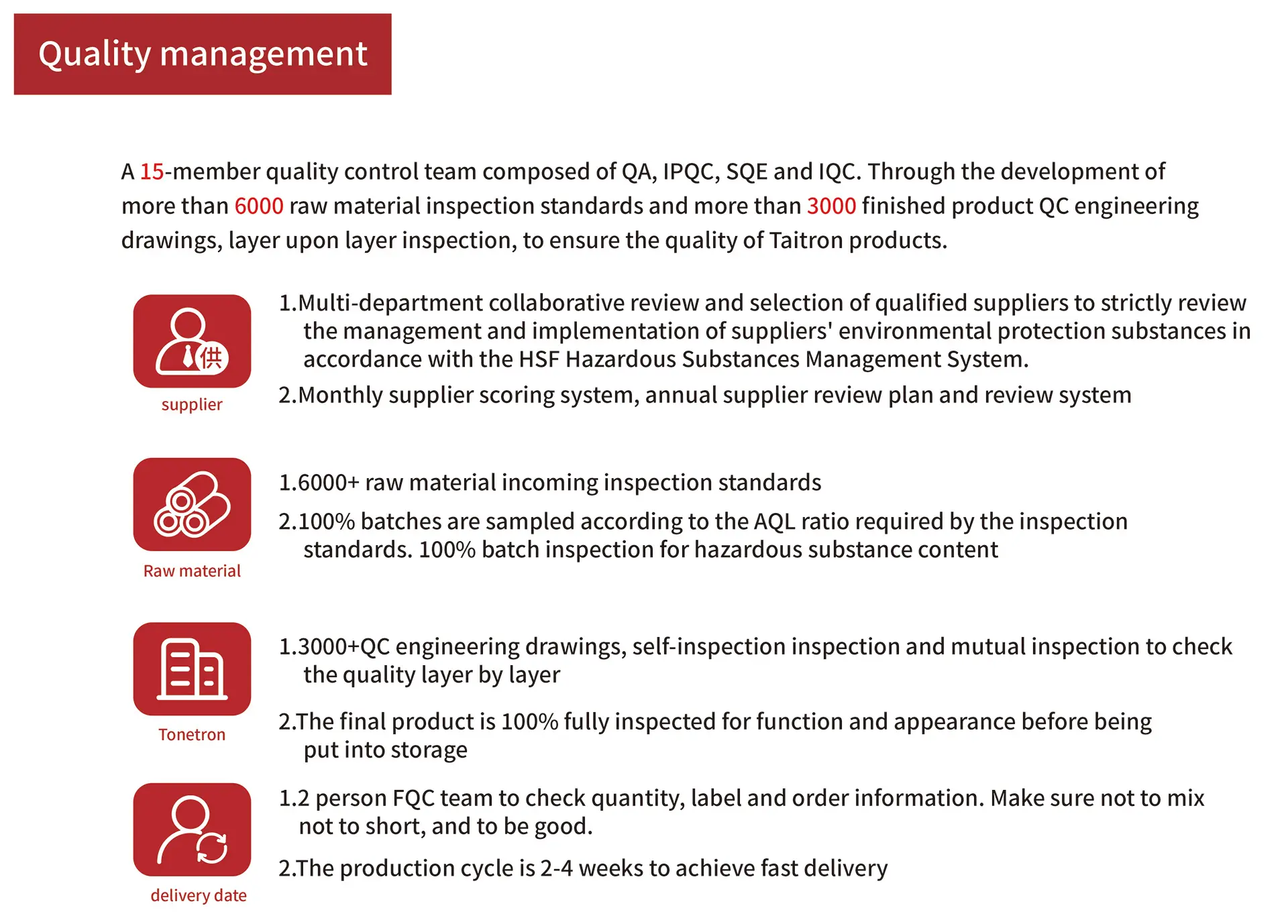

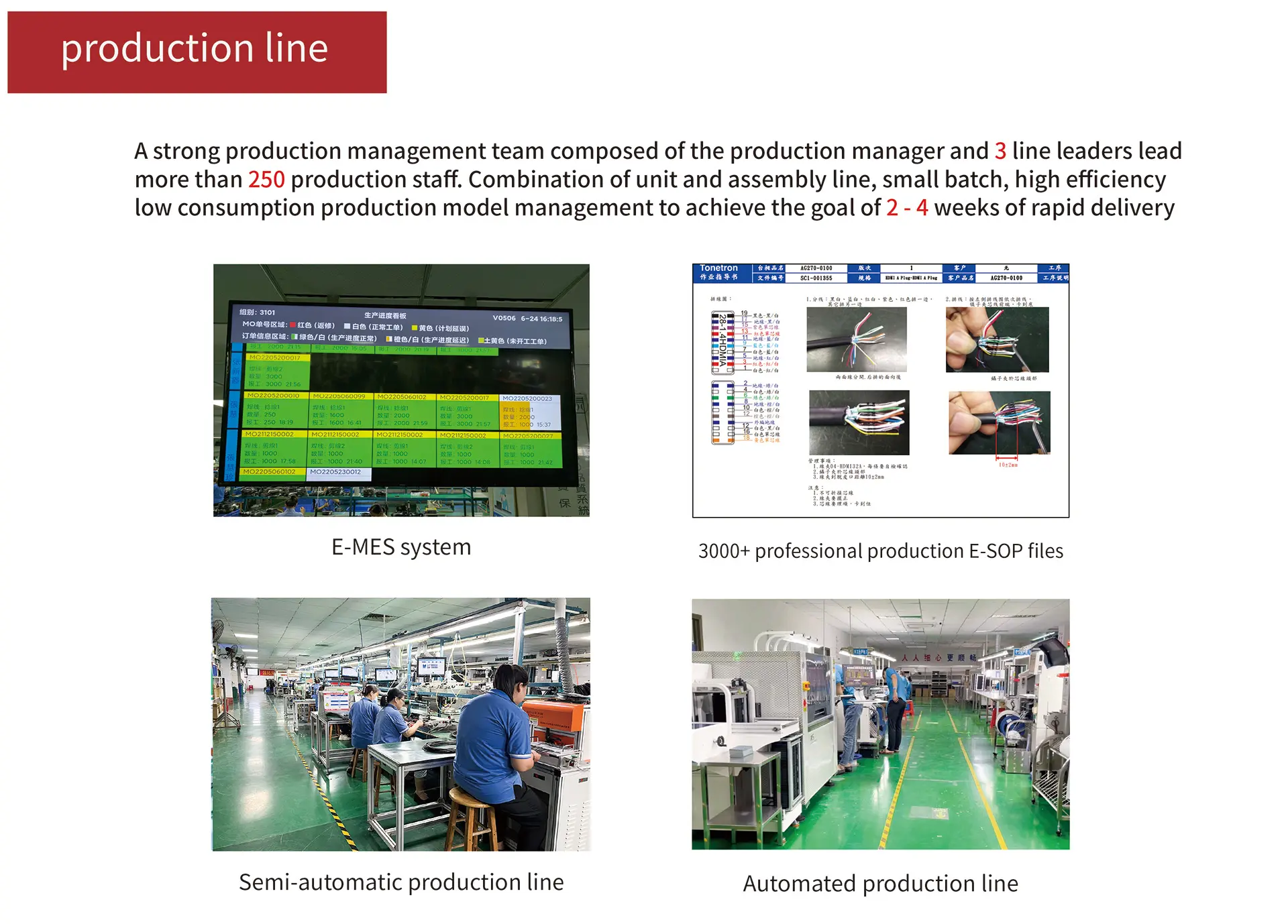
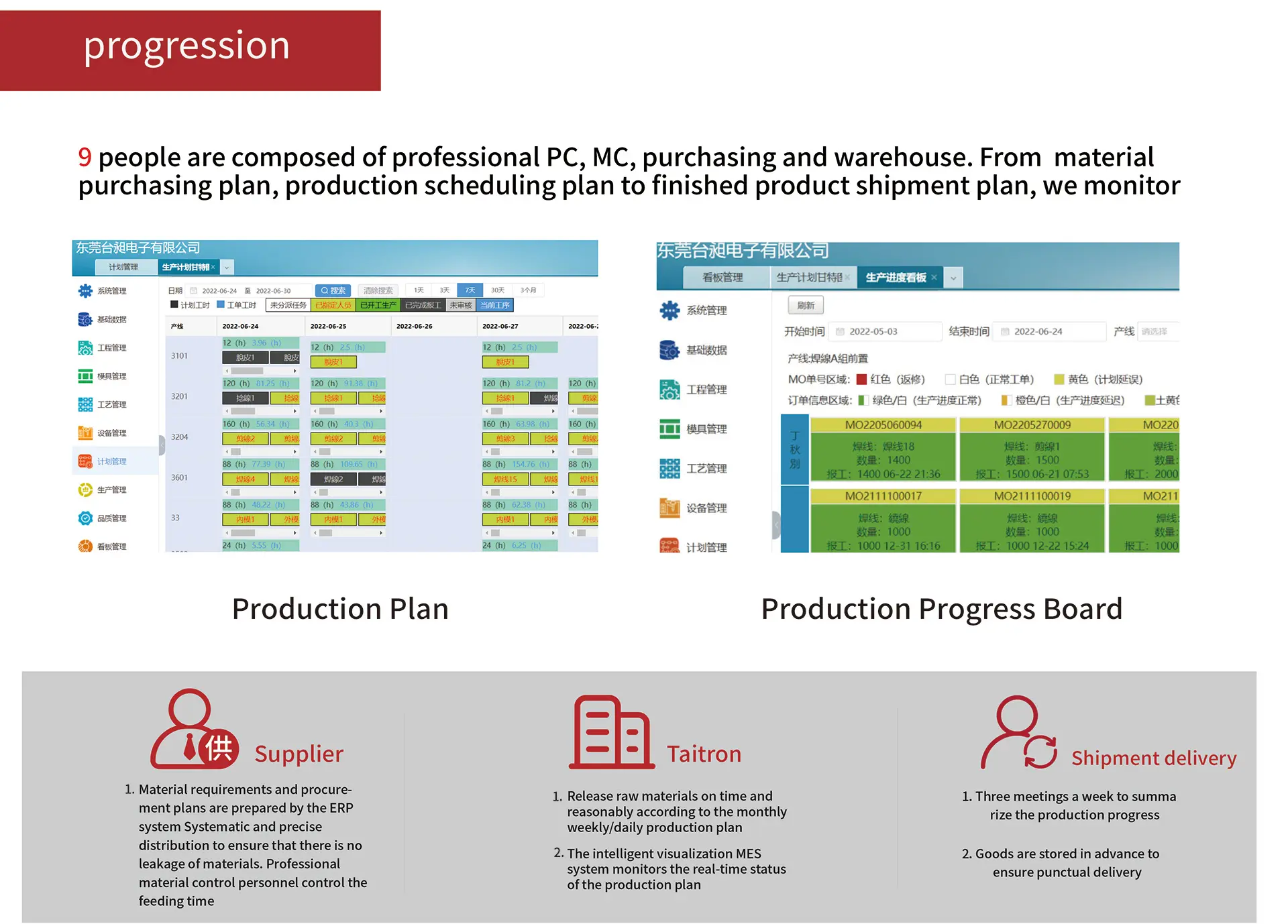
How Dongguan's manufacturing environment combined with Taiwanese quality standards powers your network adapter supply chain.
Unlike third-party traders, Taitron holds raw design rights. This means we customize the Ethernet controllers (ASIX/Realtek) and pre-configure the vendor IDs (VID) and product IDs (PID) inside the firmware EEPROM, guaranteeing your enterprise networks have zero driver deployment lag across operating systems.
Based in Dalingshan, Dongguan—the global electronics hub—we draw from a pool of top-tier microchip vendors, precision injection molders, and automated assembly suppliers. This keeps lead times short and allows for quick sourcing of specialized copper shielding and PCB assemblies.
Rooted in Taiwanese engineering since 1984, our facility operates on tight QC standards. We run systematic signal sweep testing, automated optical inspection (AOI) on SMT components, and drop/bend fatigue simulation to ensure every batch exceeds 99.9% uptime.
We provide full customization, covering physical attributes like braided nylon sleeves, aluminum shells, and custom tooling shapes. We also manage deeper configurations, such as custom MAC address pre-loading and custom OS driver configurations.
A key challenge for global system integrators and IT buyers is matching USB network adapter hardware with operating systems. Dongguan Taitron manages this by sourcing controllers from top chip manufacturers (Realtek & ASIX) and configuring their firmware to allow for plug-and-play setup across enterprise platforms.
High-quality network adapters rely on solid hardware-software coordination. If a controller's firmware has bugs or is out of date, host systems can experience dropped connections, high packet loss, or driver compatibility errors during OS upgrades. By focusing on driver stability, we make sure our adapters work seamlessly across Windows, macOS, Linux, ChromeOS, and virtualized setups.
| Adapter Controller Chipset | Interface Type | Maximum Bandwidth | Driver Integration Method | Target Systems |
|---|---|---|---|---|
| Realtek RTL8153 | USB 3.0 / USB-C | 10/100/1000 Mbps | Native Plug & Play (In-box Driver) | Windows 10/11, macOS, Linux Kernel 3.x+ |
| ASIX AX88179A | USB 3.0 / Type-C | 10/100/1000 Mbps | Auto-Install / Embedded ROM | Enterprise Desktops, Nintendo Switch, IoT |
| Realtek RTL8156B | USB 3.1 Gen2 / Type-C | 10/100/1000/2500 Mbps | Native Plug & Play / Auto-Load | High-Bandwidth NAS, Workstations |
| ASIX AX88772C | USB 2.0 / Micro-USB | 10/100 Mbps | Broad Legacy Driver Compatibility | Embedded Systems, POS, Legacy Terminals |
Our engineering team can load custom settings into the EEPROM of our network interfaces. This helps global corporate partners manage large hardware deployments more effectively:
How high-speed USB-to-LAN adapters solve modern networking challenges across industries.
As remote work and high-definition video streaming increase, standard Gigabit ports are giving way to 2.5Gbps connections. The RTL8156B chipset handles this higher throughput, allowing users to transfer files across networks without upgrading their cabling infrastructure.
Modern ultra-thin notebooks skip standard Ethernet ports to keep profiles slim. However, wireless connections can struggle with signal dropouts and interference in high-density office buildings. USB-C to RJ45 network adapters restore a stable, wired connection for business meetings and data backups.
Embedded systems, self-service kiosks, and Point of Sale (POS) terminals need reliable network connections. Our legacy micro-USB and USB 2.0 Ethernet adapters keep these machines online, reducing downtime and transaction failures.
Purchasing network adapters from Chinese factories involves evaluating more than just unit costs. Quality, hardware longevity, and compliance certifications are critical factors for bulk importers and distributors.
When sourcing bulk network adapters, look for these three key technical indicators to ensure long-term performance and brand reputation:
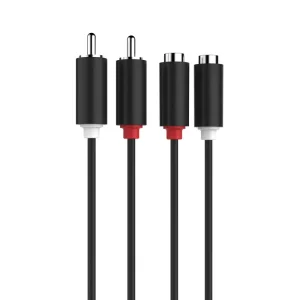
Explore our full range of audio interfaces, adapters, and gaming display cables designed to meet international standards.
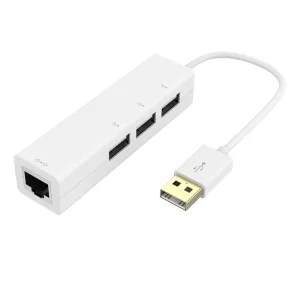
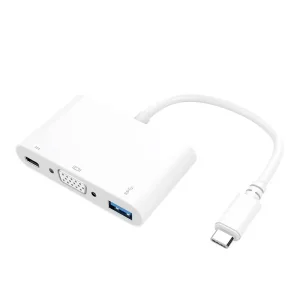
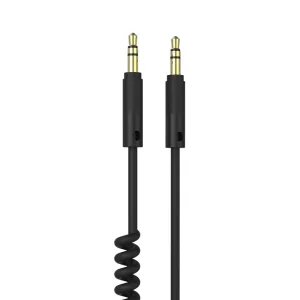
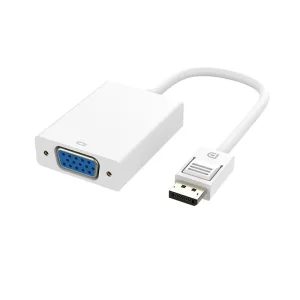
Technical guidance and sourcing support for enterprise network buyers.
For current operating systems like Windows 10/11, macOS 10.12+, Linux 3.x+, and ChromeOS, our adapters are driver-free. The controllers we use (such as the Realtek RTL8153 and ASIX AX88179A) are natively supported by modern OS kernels. For older operating systems like Windows 7, we can pre-load a driver installer onto an integrated flash partition within the adapter.
We can program custom MAC address ranges into the EEPROM during production. For companies that require specific security configurations, we also support MAC Address Pass-Through, allowing the connected computer's system MAC to pass through the adapter to the network switch.
Standard OEM production runs average 30 to 45 days, depending on custom tooling and packaging needs. Initial sample validation typically takes 7 to 10 working days, covering mechanical fit, electrical safety, and signal performance.
Yes, both PXE Boot and WoL are fully supported on our ASIX and Realtek-based adapters. The support is configured directly in the adapter's firmware and functions when used with a compatible system motherboard BIOS/UEFI.
Our quality control system operates at every stage of production. We use automated optical inspection (AOI) on PCBs, verify performance with network signal generators, and conduct batch temperature cycling testing to ensure our adapters perform reliably under long-term network loads.
 Taichang Electronic