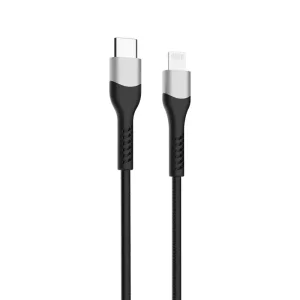
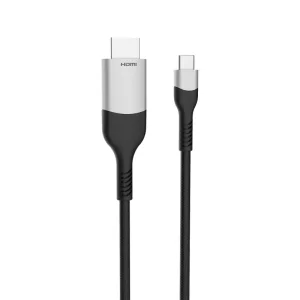
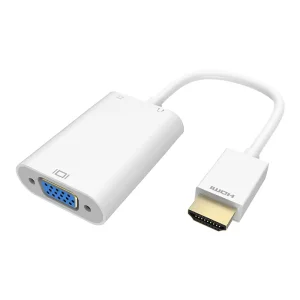
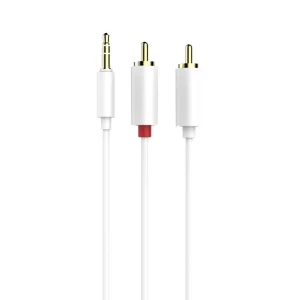
Certified connectivity hardware engineered for industrial resilience, enterprise interoperability, and critical high-speed data transmission.
In an era dominated by high-speed digital interfaces such as HDMI 2.1, DisplayPort 2.0, and USB4, the Video Graphics Array (VGA) interface remains a critical cornerstone of legacy systems engineering. Originally introduced by IBM in 1987, the DE-15 connector has proven to be one of the most resilient analog video standards in technological history. For global sourcing directors, hardware engineers, and enterprise purchasers, maintaining a seamless bridge between modern high-bandwidth computing nodes and legacy display infrastructure is not merely a matter of convenience—it is a significant operational imperative.
The survival of VGA is driven by long product lifecycles in industrial, military, and public sector environments. Millions of legacy systems—ranging from server rack KVM consoles, SCADA interfaces, and marine navigation arrays to medical diagnostic monitors and ceiling-mounted educational projectors—continue to perform their core functions flawlessly. Replacing these systems entirely is financially prohibitive and introduces unnecessary deployment risks. The strategic procurement of high-quality VGA active conversion hardware allows enterprises to extend the ROI of legacy physical assets while transitioning to modern compute architectures.
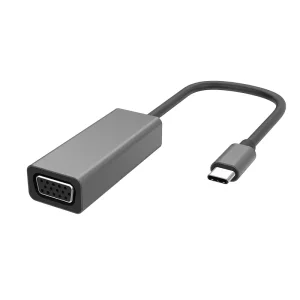
Active conversion is critical. Converting digital protocols (HDMI, DP, USB-C) to VGA requires high-performance Digital-to-Analog Converters (DAC) to preserve color space, horizontal/vertical synchronization, and Extended Display Identification Data (EDID).
Transitioning between digital signaling (TMDS, packetized data) and analog signaling (RGBHV) presents unique signal integrity challenges. Dongguan Taitron Electronics utilizes advanced active chipsets (such as Lontium or Realtek architectures) integrated directly within the connector housing to perform latency-free conversion. This ensures that the digital input is accurately rendered without ghosting, dropouts, or spatial distortion.
Below are the key engineering considerations implemented within our design:
Enterprise architectures require tailored connectivity strategies that address specific environment stressors, security mandates, and interface constraints.
Dongguan Taitron Electronics Limited (formerly Tonetron) brings over 38 years of experience in connectivity design and manufacturing. Founded in Keelung, Taiwan in 1984, our company expanded its footprint in 1993 by building an independent manufacturing facility in Dalingshan Town, Dongguan, Guangdong Province.
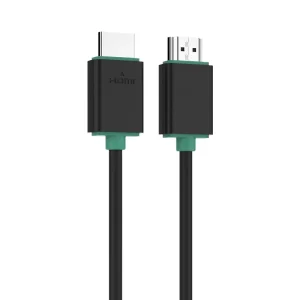
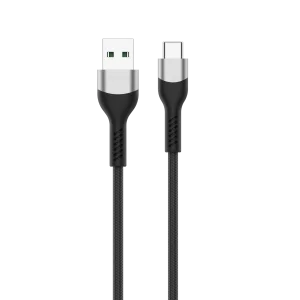
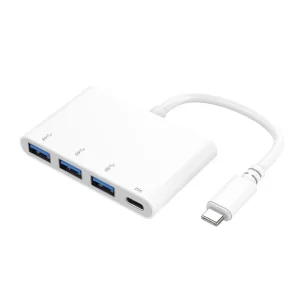
This long history represents our evolution from traditional audio and video connection lines to cutting-edge digital interconnects, including HDMI 2.1, DP 2.0, USB4, high-power USB-C PD, and multi-functional expansion hubs.
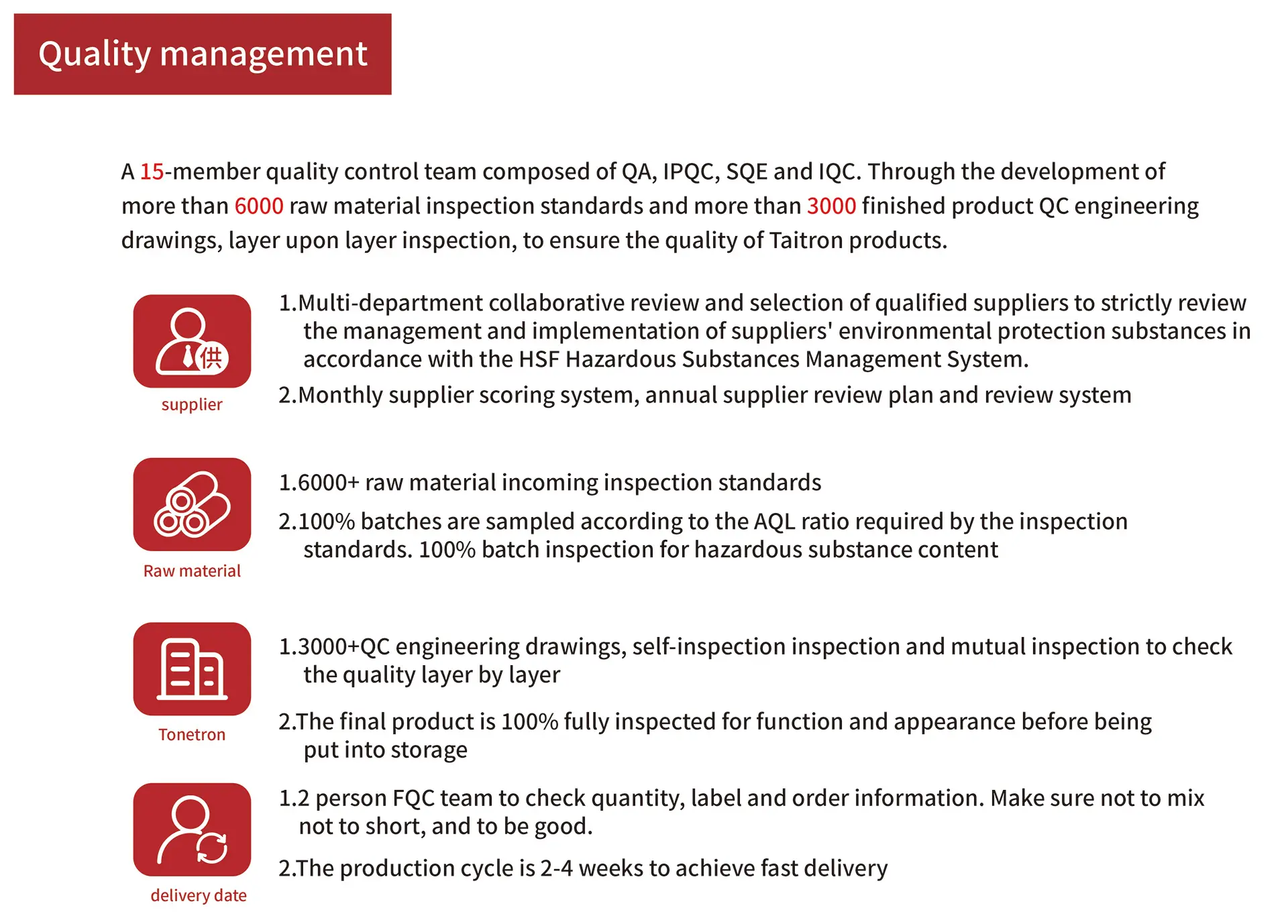

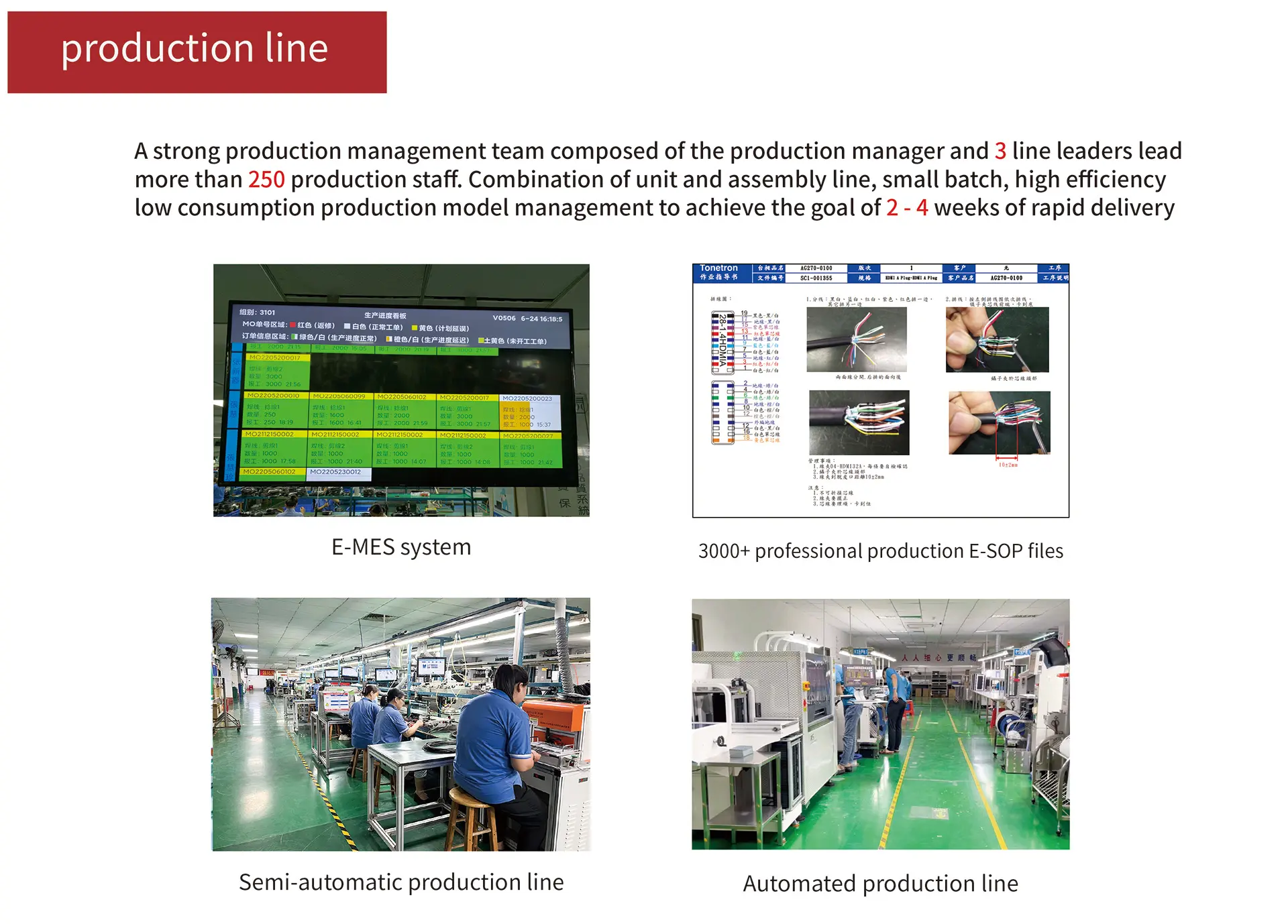
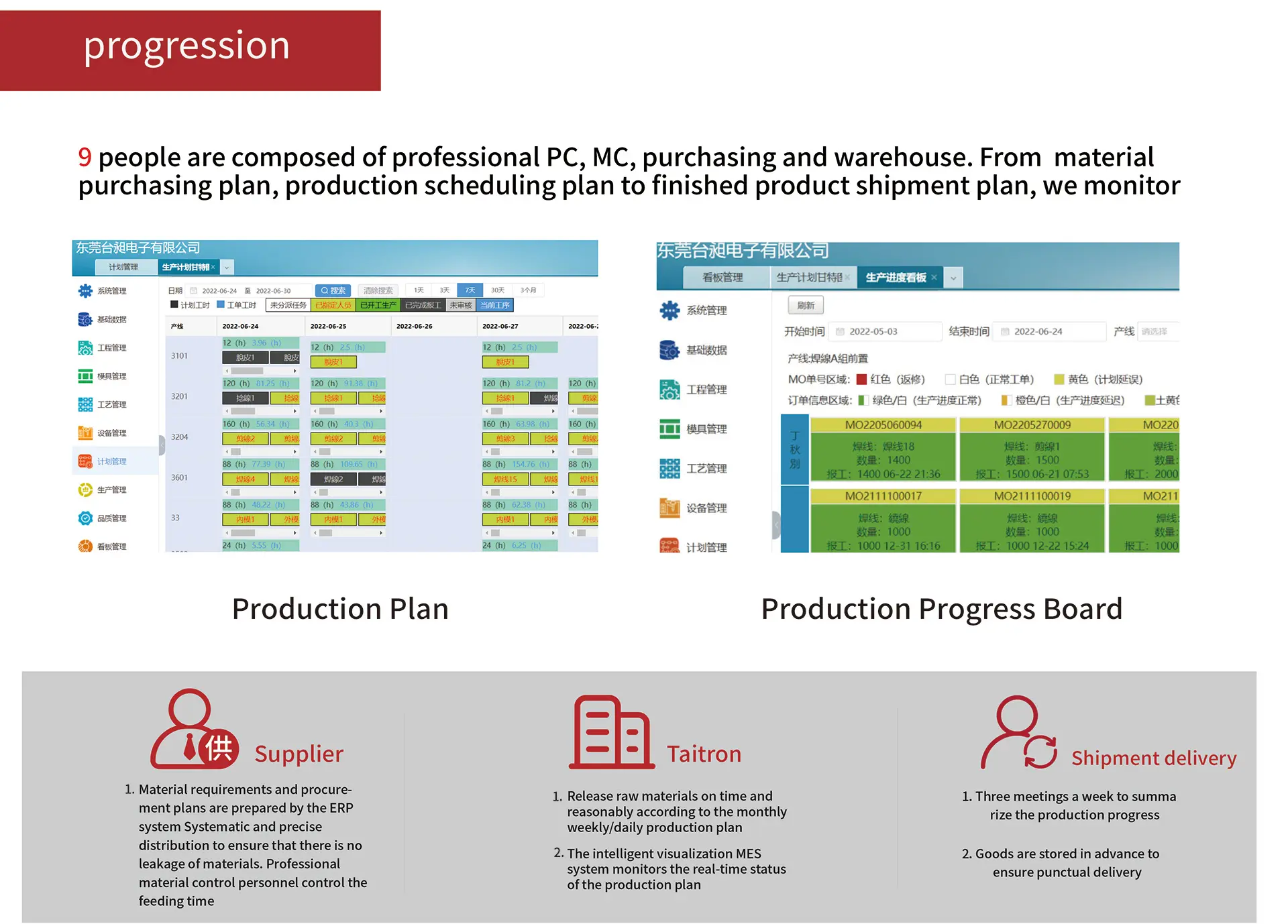
By deploying advanced Industry 4.0 automation alongside human quality inspectors, we achieve a baseline failure rate below 100ppm (parts per million). Our factories employ inline automated optical inspection (AOI), automated soldering, and automated high-frequency network analysis to verify every unit before it is packed.
Buying VGA adapters and modern data cables at scale requires a supply partner with robust logistics and flexible customization capabilities. Dongguan Taitron supports complex OEM/ODM requirements:
Importing electronic infrastructure requires strict adherence to international safety and environmental regulations. Without these certifications, importers risk customs seizures, liability, and retail penalties. Our entire product line is certified compliant to secure friction-free importation:
VGA remains in use due to the long operational lifecycles of legacy hardware. Many server rack KVM switches, industrial displays, and institutional projectors continue to function perfectly. Using high-quality adapters is a cost-effective alternative to complete hardware overhauls.
Passive conversion simply reroutes analog pins to an alternative connector shape (which works only if the port natively supports dual-mode analog output). Active conversion uses a built-in DAC chipset to translate digital data packets (HDMI, DisplayPort, or USB-C Alt Mode) into analog RGBHV signals.
Yes, our active adapter lineup features built-in EDID handshake emulation. This ensures the host system and the target monitor automatically align resolutions, preventing display detection issues on boot.
The VGA standard itself only transmits video signals. To address this, our specific adapters (such as USB-C/HDMI to VGA combos) feature integrated 3.5mm TRS stereo auxiliary ports or USB audio routing to decode and transmit stereo sound alongside the video signal.
Certified connectivity hardware engineered for industrial resilience, enterprise interoperability, and critical high-speed data transmission.
 Taichang Electronic