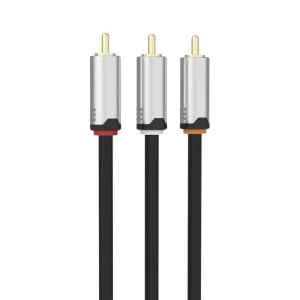
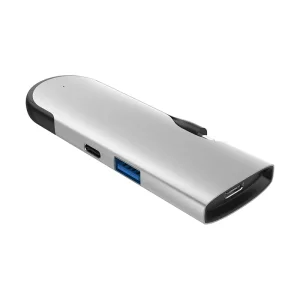
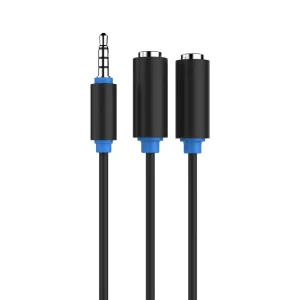
Direct wholesale pricing and standard specifications for enterprise systems, visual routing networks, and interface adapters.
An in-depth review of technological evolution, hardware architecture, mechanical tolerances, and international procurement standards.
In the rapidly consolidating realm of modern display technology, the Video USB C Cable has evolved from a convenient computing accessory into a critical cornerstone of industrial, medical, and corporate IT ecosystems. Modern workflows demand more than raw bandwidth; they require concurrent transmission of high-refresh 8K video, bidirectional high-speed data packets, and heavy-duty Power Delivery (PD) over a single structural link.
For international sourcing directors and system integration engineers, securing reliable high-performance cables requires more than comparing unit costs. It demands a holistic evaluation of a manufacturer's technological depth, regulatory compliance history, and raw-material QA measures. Underperforming cables lead to signal dropouts, electromagnetic interference (EMI) with wireless arrays, and safety hazards from substandard power negotiation. This whitepaper explains the design elements and sourcing practices that separate consumer-grade accessories from enterprise-class connectivity solutions.
The USB Type-C interface owes its versatility to "Alternate Modes," which allow dedicated internal differential pairs to carry non-USB data. For display integration, DisplayPort Alternate Mode is key. While legacy connections required isolated conversions (such as external passive HDMI adapters), modern Type-C physical layers (PHY) link directly with host GPU controllers.
| Protocol Standard | Maximum Data Bandwidth | Video Resolution Capacity | Typical Raw Material Application |
|---|---|---|---|
| USB 3.2 Gen 2x2 | 20 Gbps | 4K @ 60Hz / Dual 1080p | Tinned Copper + 85% Al-Mg Braiding |
| USB4 Gen 3x2 | 40 Gbps | 8K @ 60Hz (DSC) / Dual 4K @ 120Hz | Coaxial Shielded / Silver-Plated Copper |
| HDMI 2.1 (AOC Option) | 48 Gbps (Dynamic HDR) | 8K @ 120Hz / 10K Support | Multi-mode Optical Fiber (OM3/OM4) |
| DisplayPort 2.0 / 2.1 UHBR | Up to 80 Gbps | Dual 8K @ 120Hz / 16K Virtual Reality | High-Frequency Low-Loss Dielectric PTFE |
To handle these massive frequencies, modern cables require integrated, active components. Passively designed cables degrade signals over distances greater than 1 meter. To counteract this signal attenuation, Active Optical Cables (AOC) and active copper cables use built-in redrivers and retimers. These microcontrollers amplify and clean up the signal right inside the connector housings, allowing stable transmissions at distances of 5 to 50 meters.
B2B buyers face several challenges when sourcing cabling infrastructure: balancing price, ensuring reliability, and preparing for future technology shifts. Choosing lower-tier cables to save on upfront costs often leads to higher failure rates, maintenance expenses, and down-time.
Electronically Marked Cable Assemblies (EMCA) feature an internal IC that reports the cable's current-carrying capacity, protocol generation, and vendor ID to prevent hardware damage during power negotiations up to 240W.
Advanced shielding with aluminum Mylar foil and High-Density tinned copper braiding (over 85% coverage) blocks electromagnetic interference (EMI) and radio frequency interference (RFI) for clear, uninterrupted video feeds.
Reinforced strain reliefs (SR), custom zinc-alloy or aluminum shells, and 24K gold-plated contacts withstand over 10,000 mating cycles and tight bending radii in confined installations.
Sourcing directly from certified manufacturers ensures access to comprehensive testing data (such as Eye Diagrams, Insertion Loss metrics, and TDR Impedance reports). These metrics confirm that the cables meet strict high-frequency standards, helping prevent display flickering, blackouts, or communication errors in critical setups.
Founded in 1984 as Tonetron in Keelung, Taiwan, our company has evolved alongside the global electronics industry. In 1993, we established our own independent manufacturing facility in Dalingshan Town, Dongguan City, China, transitioning our corporate identity to Dongguan Taitron Electronics Limited.
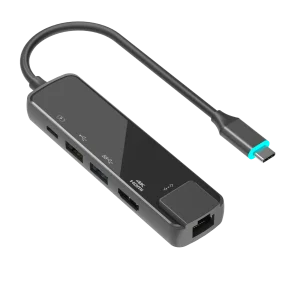
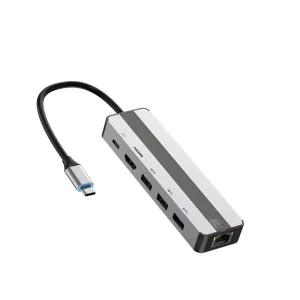
With over 38 years of experience in high-end audio and video peripheral connectivity, we have transitioned from traditional analog assemblies to next-generation digital interfaces. Today, our R&D and manufacturing divisions produce high-speed HDMI 2.1, DP 2.0, USB4, USB-C 3.1 Gen2 cables, high-power PD cables, 8K converter adapters, and multi-functional Type-C docking stations.
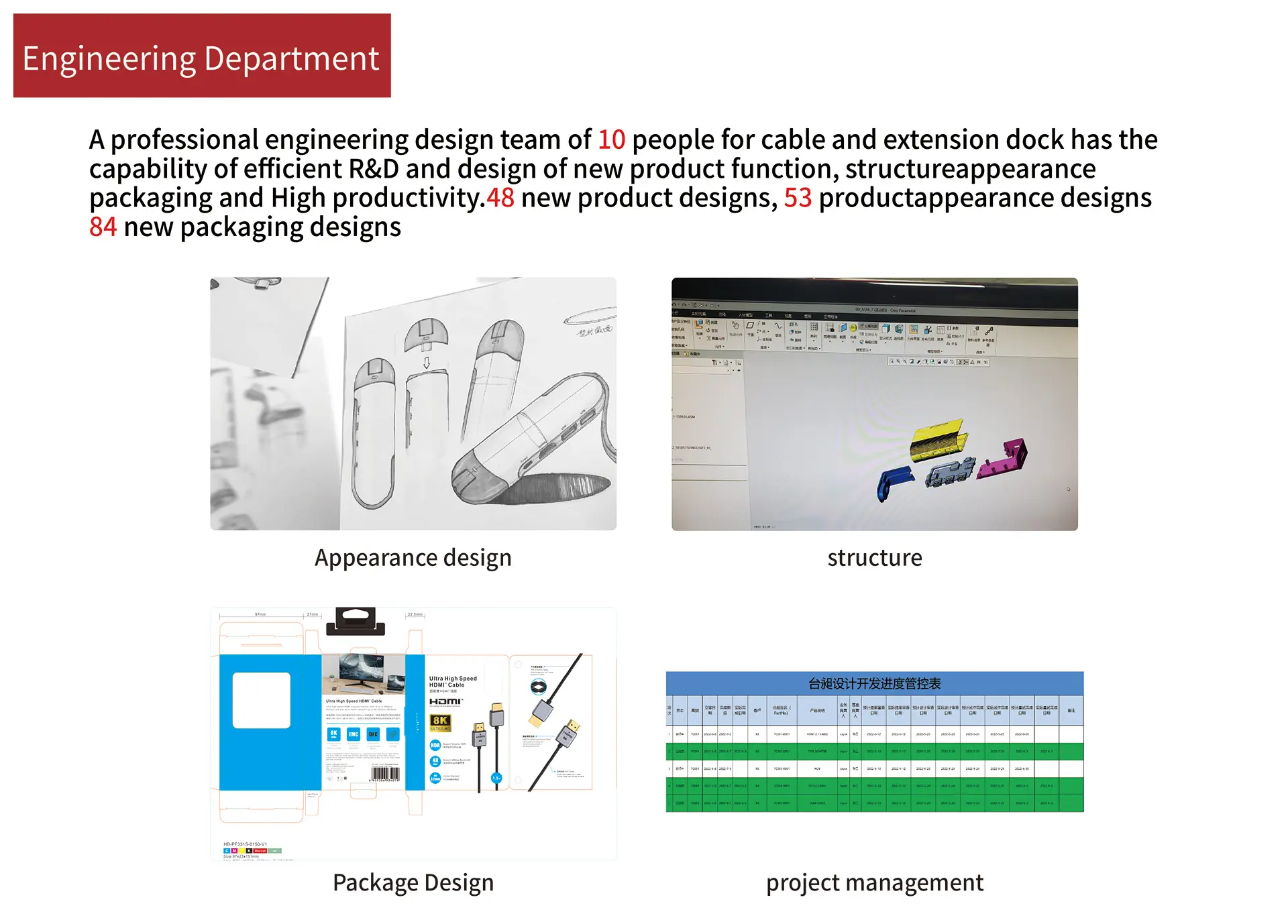

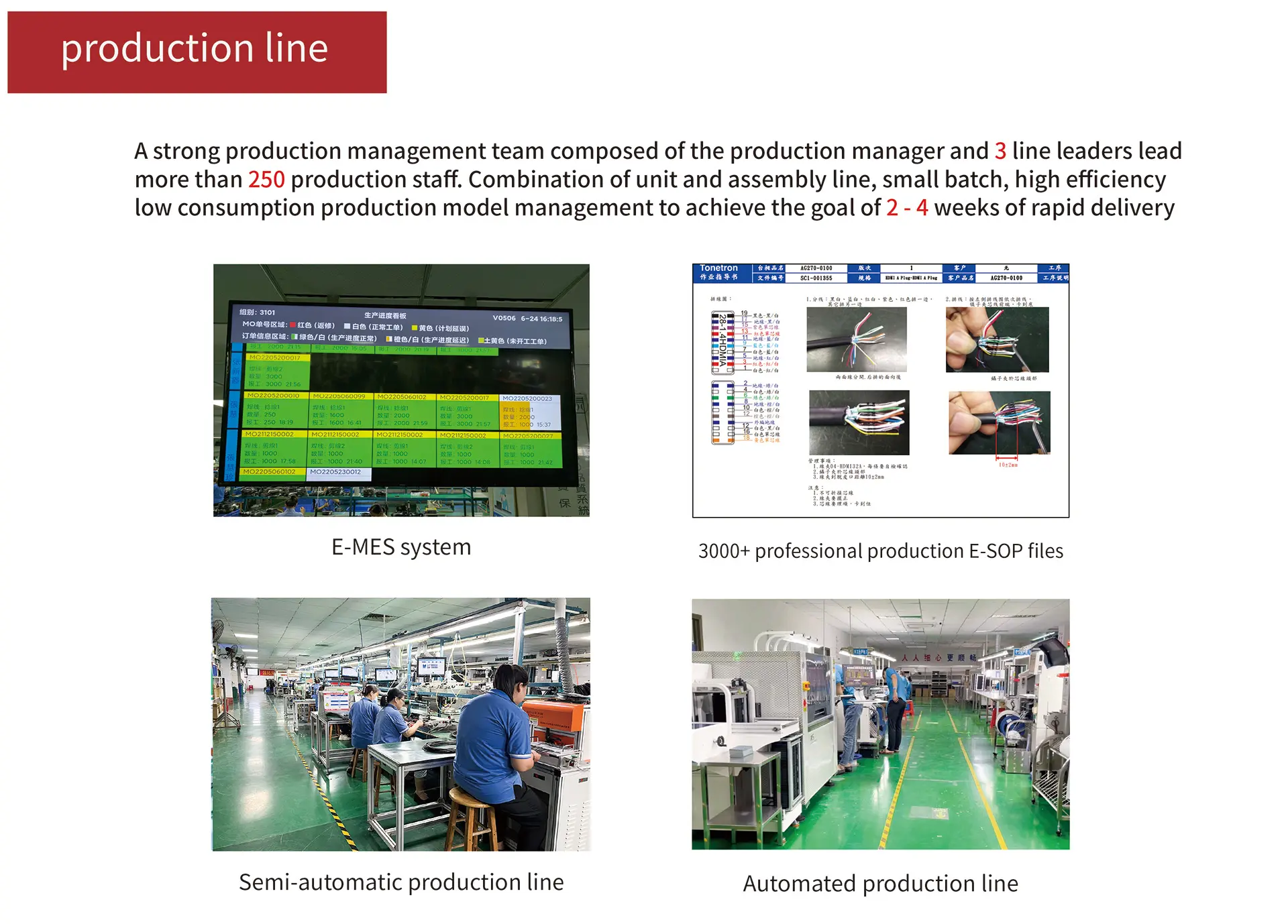
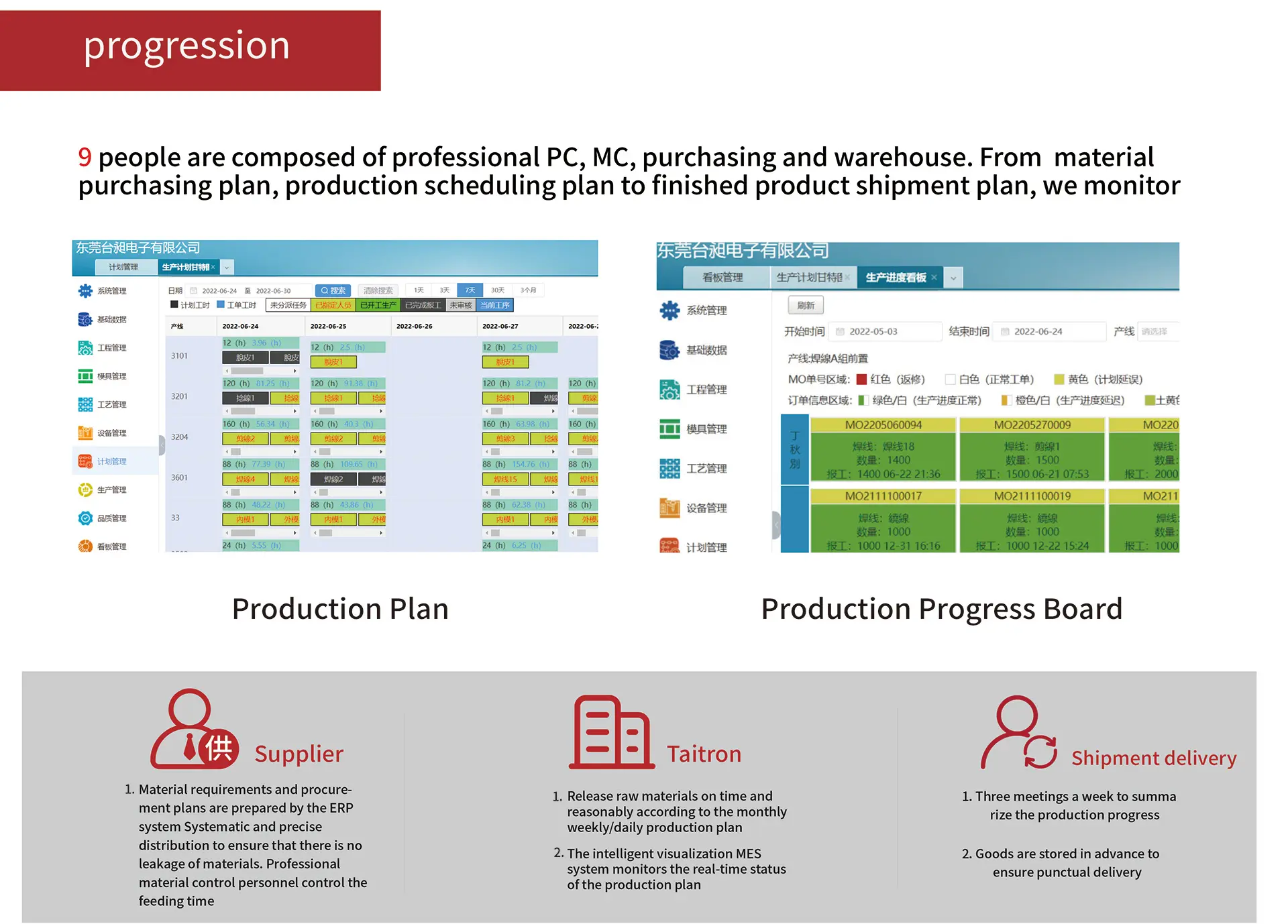
Different industries require tailored connectivity configurations. Standard retail cables are rarely designed to withstand the physical and environmental demands of professional, 24/7 commercial installations.
To import and deploy equipment in major markets, strict compliance with international regulatory standards is essential. Non-compliant cabling risks customs delays, structural fines, or insurance issues.
Full CE, FCC, and UL listings ensure electrical safety and shielding that meets international standards, preventing interference with surrounding equipment.
Compliance with RoHS and REACH regulations guarantees that all products are free from hazardous materials, supporting sustainable procurement initiatives.
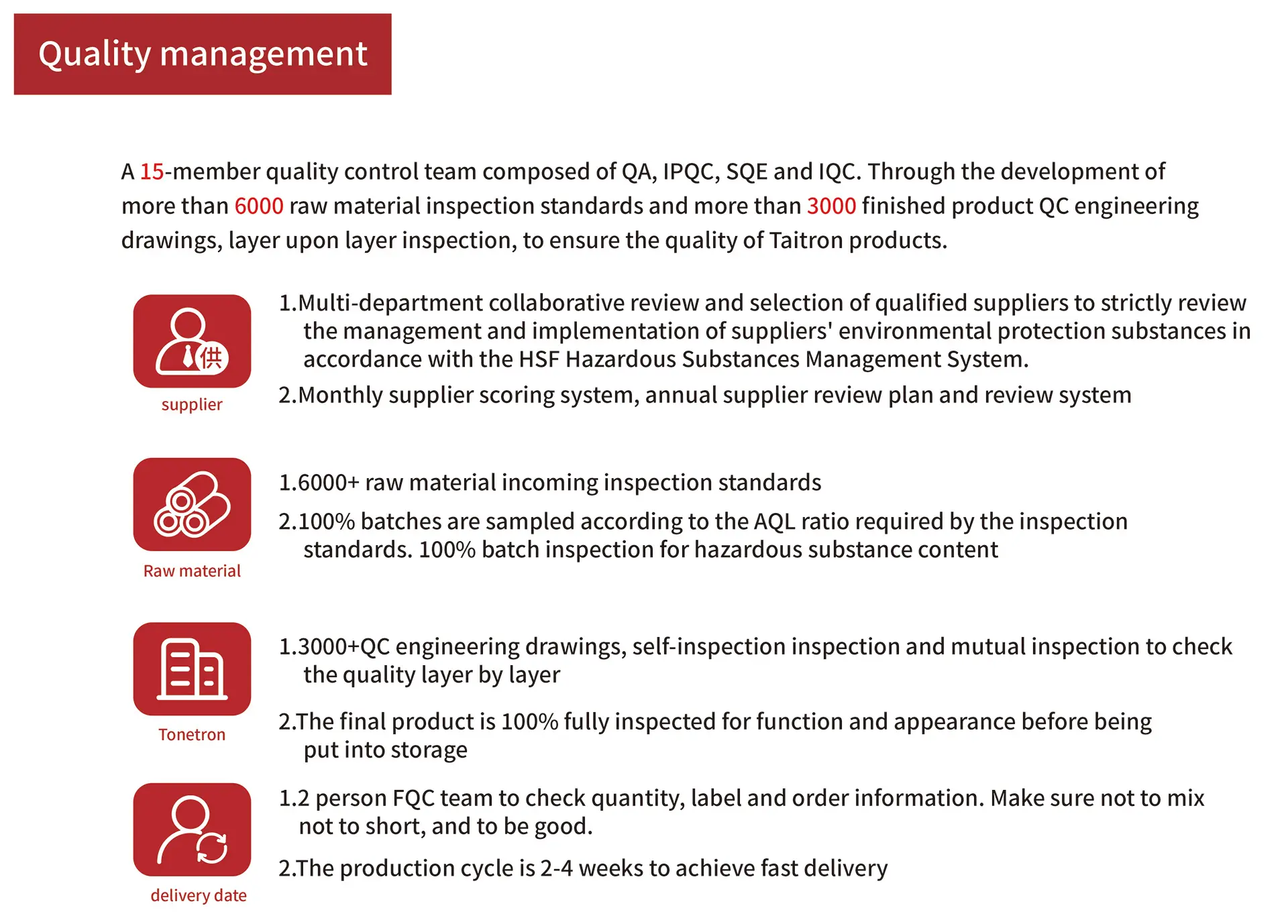
Operating under ISO 9001 and ISO 14001, our manufacturing facilities employ rigorous physical testing and continuous quality monitoring to ensure reliable performance.
The connectivity market continues to evolve rapidly. The release of the USB4 v2.0 specification enables speeds up to 80Gbps and 120Gbps (using PAM3 physical layer signaling). These developments will allow ultra-high-definition displays to run at high refresh rates without compression, while concurrently supporting high-speed PCIe data drives.
We are also seeing growing demand for optoelectronic hybrids. By integrating optical fiber cores alongside copper power conductors, cables can deliver high-bandwidth video over longer distances, without susceptibility to electromagnetic interference. Investing in a future-ready product catalog helps procurement managers avoid early obsolescence and extends the lifespan of their infrastructure.
Expert answers to the most common questions raised by procurement managers, IT directors, and systems engineers.
Passive cables rely entirely on the host system's transmitter signal strength, limiting high-bandwidth runs (like 4K60 or 8K) to under 1-1.5 meters. Active cables incorporate internal redrivers/retimers or optical engines to boost and clean up signal transmission, allowing reliable high-resolution video over distances up to 100 meters.
DP Alt Mode reassigns the four high-speed differential lanes within the USB Type-C connector. Instead of carrying standard USB 3.2 data, these lanes are directly mapped to DisplayPort transmission channels. This allows for native video transmission without latency or conversion overhead.
The USB Power Delivery specification requires an E-Marker chip for cables handling currents above 3A (60W) and up to 5A (240W). This chip acts as a safety device, identifying the cable's current limits to the charger and device to prevent overheating or electrical damage.
Our cables feature multi-layered shielding: individually shielded high-speed pairs, an overall aluminum foil wrap, and high-coverage tinned copper braiding. This design effectively blocks electromagnetic and radio frequency interference, keeping surrounding wireless devices operating smoothly.
Yes. By utilizing DisplayPort Alt Mode, the source device can transmit DP signals, which can be adapted to HDMI format using active chipsets within adapters, hubs, or dedicated converter cables.
For the EU, CE marking and RoHS/REACH compliance are required to verify safety and environmental standards. For the US, FCC compliance is necessary for electromagnetic emission levels, and UL listing is recommended for electrical safety.
Standard custom runs range from 4 to 6 weeks, depending on materials, tooling, and order volume. We handle production, quality assurance, and packaging directly from our Dongguan facility.
Copper wiring is cost-effective and carries power easily, but is limited by signal loss and weight over distance. Optical fiber supports much higher bandwidth over long runs with zero EMI, but requires internal transceivers and cannot transmit power natively.
Each production batch undergoes continuous flex testing, salt-spray testing, insertion/withdrawal force evaluation, and high-frequency testing using digital oscilloscopes to verify signal integrity.
Yes, we offer custom colors, materials (such as TPE, PVC, or braided nylon), custom strain reliefs, and laser-engraved metal shells to fit your branding and installation requirements.
Additional interface adapters, specialized charging solutions, and active high-definition cables for commercial setups.
 Taichang Electronic