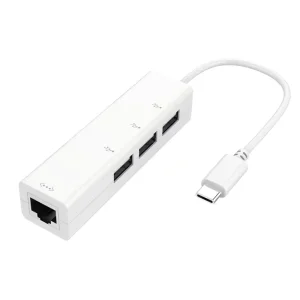
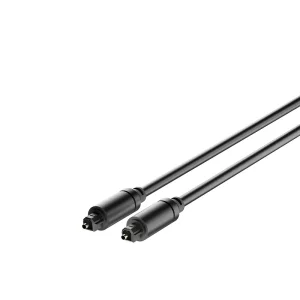
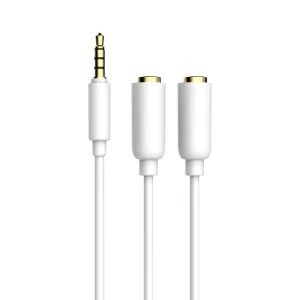
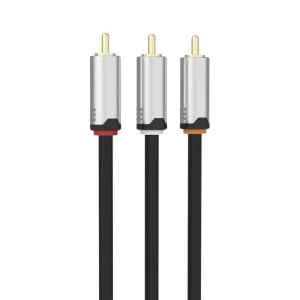
Explore our CE-certified adaptors, hubs, and connection assemblies engineered for latency-free data pipelines.
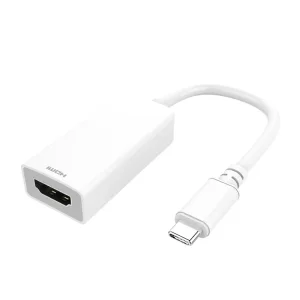
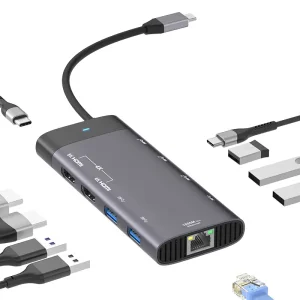
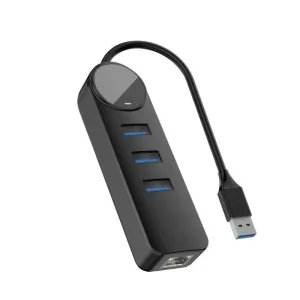
In the modern digital landscape, the transmission of high-definition audio and video requires robust interfaces that minimize signal attenuation and ensure physical durability. The HDMI 2.0 standard represents a major milestone, optimizing high-speed connectivity for resolutions up to 4K at a 60Hz refresh rate.
The integration of HDMI 2.0 interfaces across consumer electronics, medical diagnostics, automotive infotainment, and smart commercial setups has placed complex demands on OEM/ODM manufacturers. Under the CE Certification framework, products destined for the European Economic Area (EEA) must adhere strictly to established safety, health, and environmental protection standards. For high-speed data transmission equipment, this means minimizing electromagnetic interference (EMI) and maximizing shielding effectiveness to ensure compliance with the EMC Directive 2014/30/EU and the Low Voltage Directive (LVD) 2014/35/EU.
By analyzing the core parameters of HDMI 2.0—such as its 18 Gbps aggregate bandwidth, TMDS (Transition-Minimized Differential Signaling) architecture, and support for the 21:9 cinematic aspect ratio—this whitepaper details how premium manufacturers design and produce compliance-ready, highly reliable cables that satisfy strict global procurement criteria.
"CE Certification is not merely a legal label; it is a proof of rigorous engineering design, ensuring that high-frequency electromagnetic waves are effectively contained, avoiding crosstalk, and maintaining signal integrity across extended distances."
| Parameters | HDMI 1.4 Specification | HDMI 2.0 Specification (CE Target) | Operational Advantages |
|---|---|---|---|
| Maximum Bandwidth | 10.2 Gbps | 18.0 Gbps | Enables uncompressed transmission of high-frame-rate video signals. |
| Maximum Resolution | 4K @ 30Hz | 4K @ 60Hz (3840 x 2160) | Smooth visual rendering, essential for dynamic motion and professional displays. |
| Color Depth / Subsampling | 8-bit, YCbCr 4:2:2 | Up to 12-bit, YCbCr 4:4:4 | Eliminates color bleeding and ensures precise color accuracy. |
| Audio Channels | 8 Channels | 32 Channels | Enables multi-dimensional spatial audio and Dolby Atmos configurations. |
| Audio Sample Rate | 192 kHz | 1536 kHz | Uncompromised professional-grade sound fidelity. |
| HDCP Compliance | HDCP 1.4 | HDCP 2.2 | Meets global copy protection criteria for premium 4K streaming services. |
The core structural performance of an HDMI to HDMI 2.0 cable relies heavily on material selection and physical design. To sustain 18 Gbps speeds without packet loss or signal decay, top-tier manufacturers focus on precision conductor composition, structural geometry, and shielding layers.
Southern China, particularly the industrial hub of Dongguan, represents a highly integrated supply chain network for cable assembly and digital electronics manufacturing. This geographic concentration offers global procurement teams unmatched strategic benefits.
Dongguan-based factories leverage highly specialized manufacturing ecosystems. Within a short distance, raw copper refineries, high-speed automated extrusion line suppliers, precision mold-makers, and testing lab facilities work closely together. This integration reduces transportation delays and optimizes raw material handling, yielding cost-effective, high-quality production.
In 1984, Dongguan Taitron Electronics Limited., formerly known as Tonetron, was founded in Keelung, Taiwan. In 1993, the company relocated to a self-built production industrial park in Dalingshan Town, Dongguan City, China, changing its name to Dongguan Taitron Electronics Limited.
With a 38-year legacy in professional video and audio peripheral equipment connection line manufacturing, the company has evolved to develop and produce high-end audio and video cables. Its modern catalog features HDMI 2.1, DP 2.0, USB4, USB-C 3.1 Gen2 cables, high-power USB charging cables, 8K HD conversion cables, and multi-functional Type-C expansion docks.
Taitron's dedication to engineering and quality control forms the backbone of its global export operations, ensuring every production batch matches strict international standards.
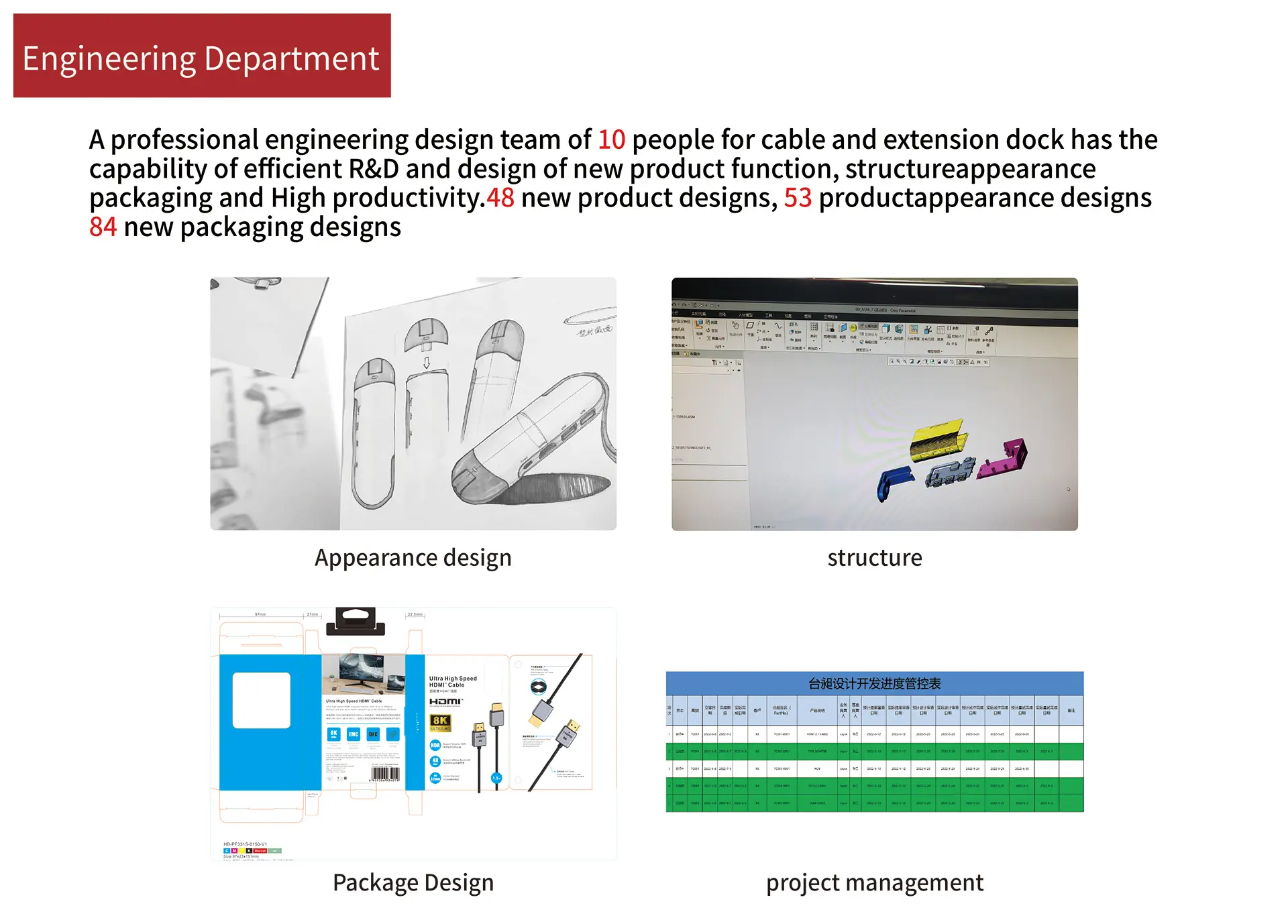
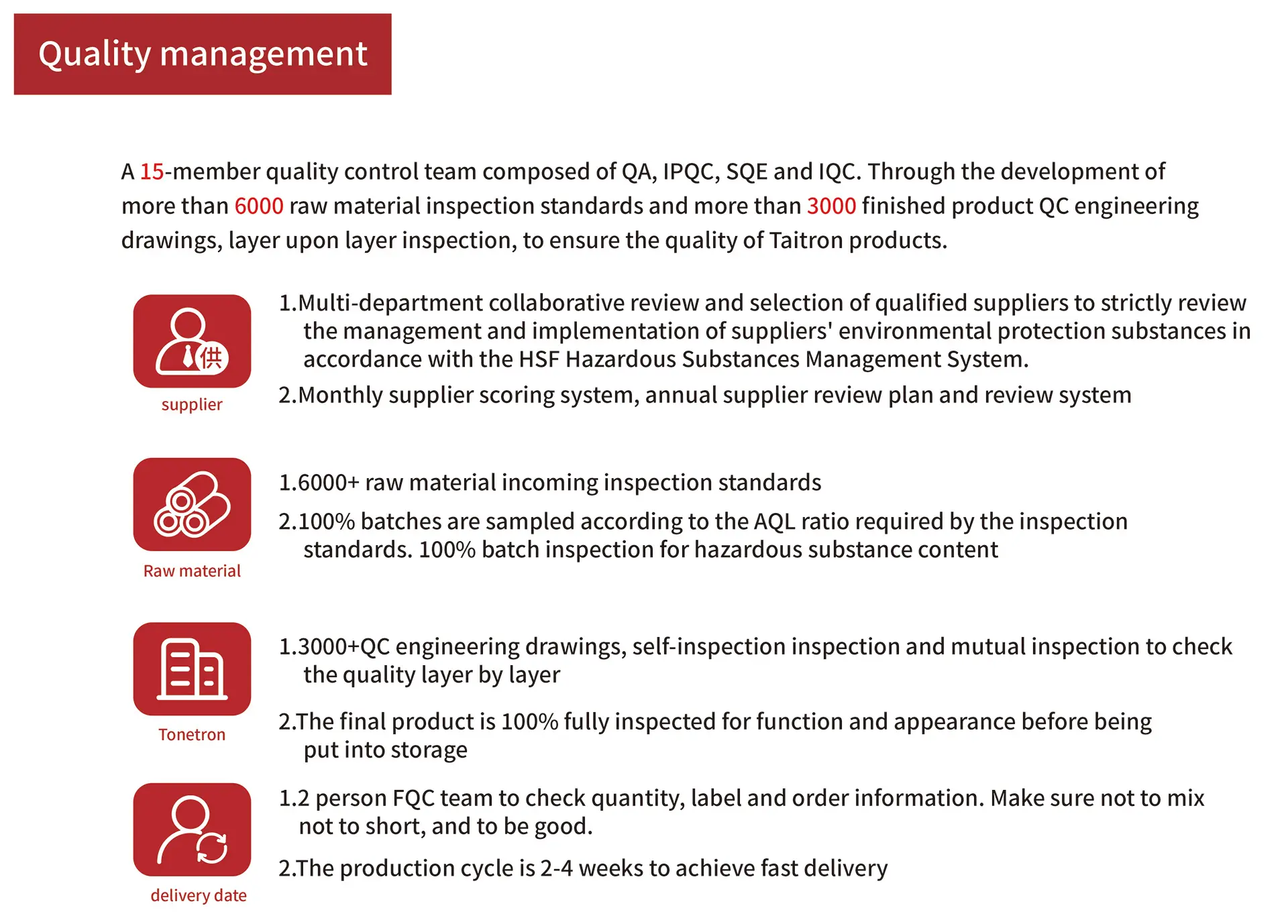

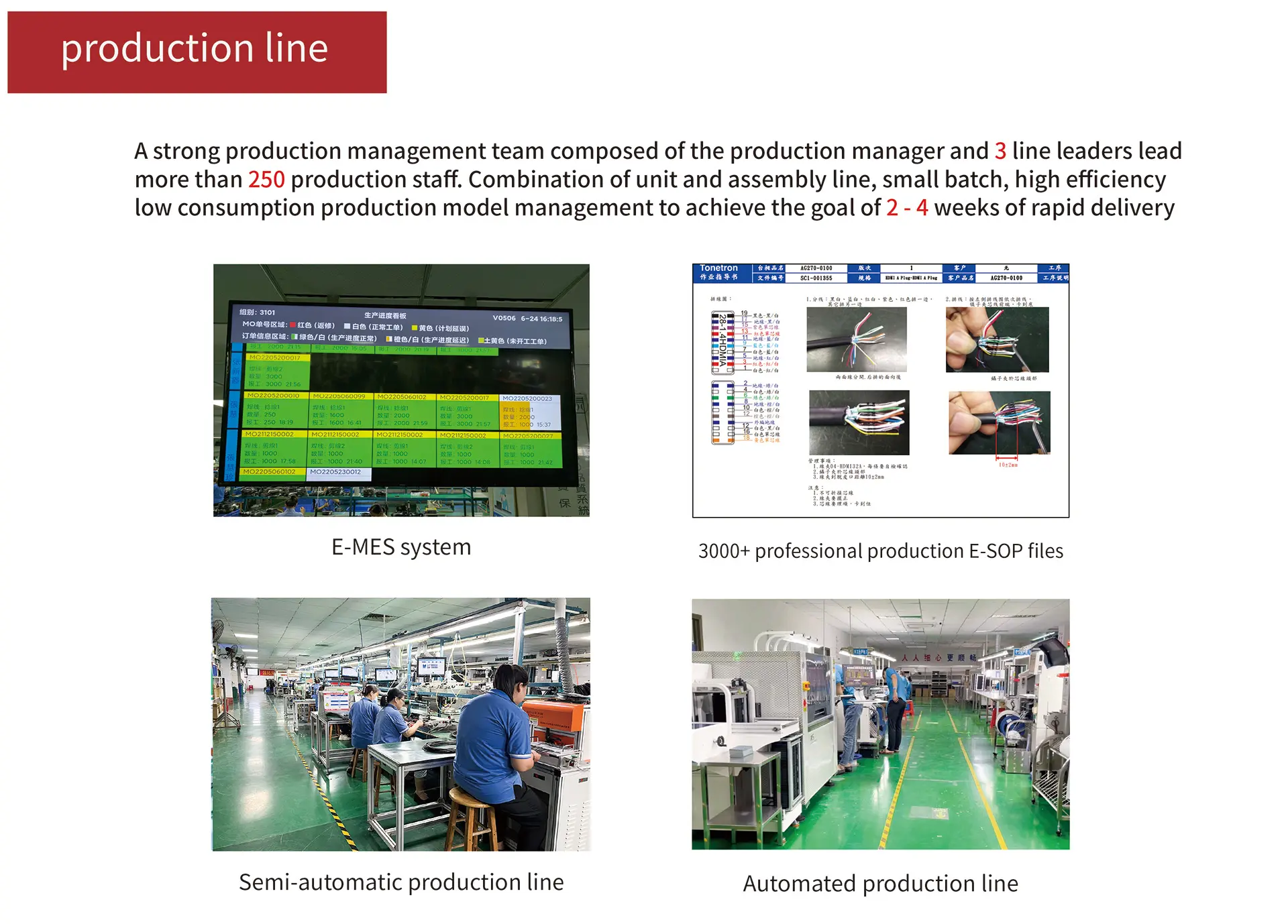
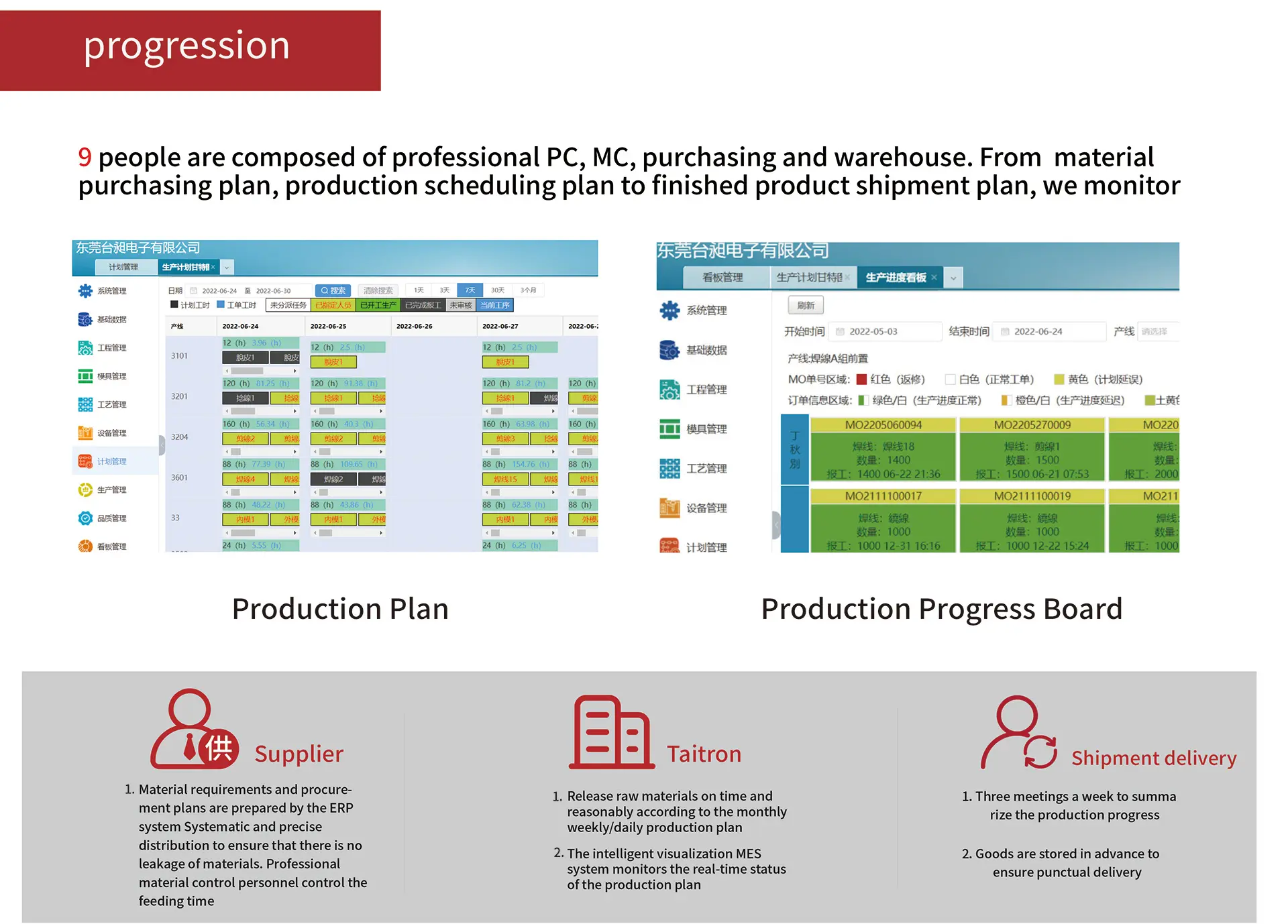
For global enterprise buyers, purchasing HDMI 2.0 cables involves more than checking price points. It requires verifying strict QA processes, mechanical testing regimes, and comprehensive third-party validation to ensure long-term performance.
To guarantee compatibility with complex professional audio-visual setups, high-volume production batches must undergo rigorous testing:
Time-Domain Reflectometry (TDR) maps the characteristic impedance along the entire cable length, identifying internal structural changes, wire kinks, or poor solder joints that cause signal reflections.
Using digital oscilloscopes, technicians evaluate the "eye opening" parameter. A wide, clean eye opening confirms the cable transmits high-speed TMDS signals without jitter or attenuation at 4K @ 60Hz.
Flex testing machines bend cable samples over 10,000 times under load to evaluate structural durability. This test guarantees that jackets and copper cores resist fraying and fatigue in tight installations.
Furthermore, CE Certification acts as an entry ticket to European markets. It verifies compliance with low-emission directives, ensuring HDMI cables do not radiate high-frequency electromagnetic noise that might disrupt nearby wireless networks, industrial control machinery, or medical monitors.
HDMI 2.0 connectivity is critical in modern system integrations. High-reliability cables are used across diverse commercial settings:
In large conference rooms, control matrix switchers connect local computers, PTZ cameras, and projectors. Certified HDMI 2.0 cables ensure sharp 4K presentations with low latency and full HDCP 2.2 support.
High-definition monitors in surgical theaters require precise, pixel-accurate rendering. CE-certified cables prevent electromagnetic noise from interfering with delicate diagnostic equipment.
Commercial public displays run 24/7. Durability and consistent performance at longer cable lengths are essential to avoid display dropouts and protect retail communications.
The high-definition interconnect industry is evolving towards higher resolutions (8K and 10K) and dynamic HDR formats. While HDMI 2.0 remains a cost-effective, widely adopted workhorse standard for enterprise AV systems, forward-looking manufacturers are shifting their tooling to support HDMI 2.1 and DisplayPort (DP) 2.0 protocols.
Transitioning to 48 Gbps bandwidths requires stricter control over manufacturing tolerances, high-precision laser soldering, and advanced active optical fibers (AOC) to span longer distances without signal boost issues.
To pass CE tests, cables must meet electromagnetic compatibility standards under the EMC Directive. They cannot generate significant electromagnetic noise or be easily disrupted by external EMI. Additionally, materials must comply with the RoHS and REACH directives, ensuring they are free from restricted substances like lead, cadmium, and mercury.
Standard passive copper cables begin to experience signal attenuation at lengths over 7.5 meters. For installations spanning 10 to 15 meters, thick 24 AWG copper conductors with superior shielding are necessary to maintain 18 Gbps bandwidth. For runs exceeding 15 meters, Active Optical Cables (AOC) are recommended to prevent packet loss.
OFC copper significantly reduces signal resistance and heat generation. Cheap Copper-Clad Steel (CCS) or Copper-Clad Aluminum (CCA) cables suffer from higher resistance, signal degradation, and mechanical vulnerability. Using OFC ensures stable, long-term transmission and reliable physical connections in professional environments.
Factories in manufacturing hubs like Dongguan benefit from a highly dense local supply chain. Direct access to raw material suppliers, integrated wire extrusion lines, automated soldering tech, and in-house testing labs reduces transportation costs and increases production efficiency, offering premium products at competitive price points.
OEM/ODM services cover custom cable lengths, specific AWG configurations, personalized jacket materials (like CL3-rated PVC for in-wall installation), custom connector shells (zinc alloy, aluminum, molded plastic), custom logo printing, and specialized packaging options tailored for global distribution.
Discover our comprehensive range of high-fidelity toslink, RCA, and high-speed data cables for diverse system integrations.
 Taichang Electronic