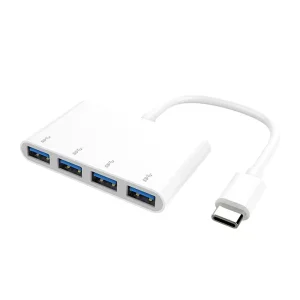
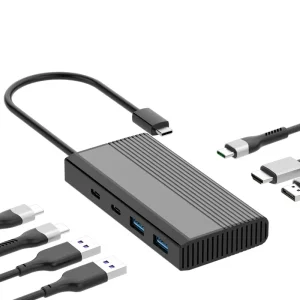
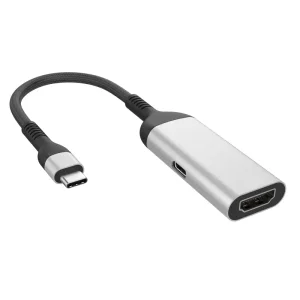
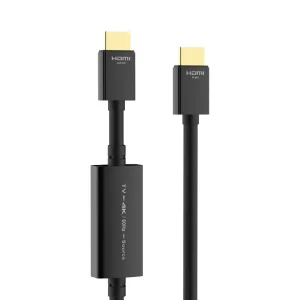
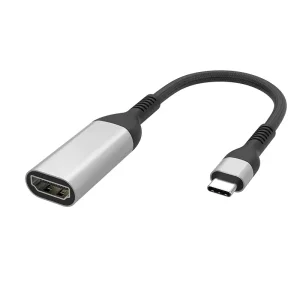
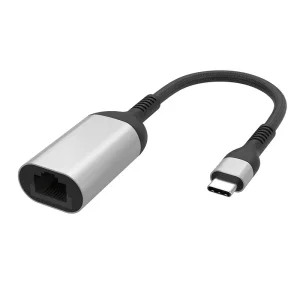
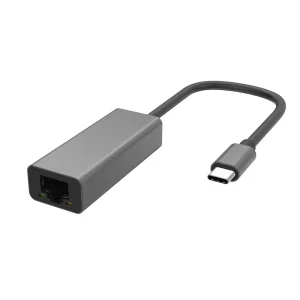
Integration of reliable controllers like the Realtek RTL8153 or RTL8156 is critical. These chipsets provide native, driverless support across macOS, ensuring plug-and-play stability, IPv4/IPv6 checksum offloading, and IEEE 802.3az Energy Efficient Ethernet compliance.
High-speed USB-C data transfer can radiate noise that interferes with 2.4GHz wireless devices. Elite designs implement structural multi-shielding—combining tinned copper braiding and aluminum foil wraps—to contain signal leakage.
Processing gigabit-level packets generates continuous heat. Aluminum alloy casings leverage anodized finishes to expand dissipation surface areas, preventing packet drop-offs and thermal throttling during sustained transfers.
1. EMC Directive (2014/30/EU): Electromagnetic Compatibility ensures the adapter does not emit excessive electromagnetic interference (EMI) that degrades other nearby telecommunication and radio equipment, and operates with a robust level of intrinsic immunity to external interference.
2. RoHS Directive (2011/65/EU & Amendment 2015/863/EU): Restriction of Hazardous Substances is mandatory. This restricts the use of six primary hazardous materials (including Lead, Mercury, and Cadmium) plus specific phthalates in electrical component soldering and casings.
3. LVD Directive (2014/35/EU): Though low voltage (typically 5V-20V on USB-C), devices featuring high-wattage Power Delivery (PD pass-through up to 100W) must undergo strict evaluation to eliminate potential electric shock and fire hazards under extreme loads.
Many low-tier factories apply CE logos via self-declaration without proper testing records. Dongguan Taitron collaborates with certified international testing bodies (such as SGS, TUV, and Intertek) to produce valid certificates and Technical Construction Files (TCF).
Founded as Tonetron in Keelung, Taiwan. Our focus was on high-fidelity video and audio transmission cables, building a foundation of precision signal routing and design integrity.
Relocated to a self-built, independent production industrial park in Dalingshan Town, Dongguan City, mainland China, expanding production capacity to support global corporate buyers.
With over 38 years of experience, we have transitioned our core capabilities into next-generation high-speed data transmission interfaces, specializing in HDMI 2.1, DP 2.0, USB4, USB-C 3.1 Gen2, high-power USB charging cables, and multi-functional Type-C expansion docks.
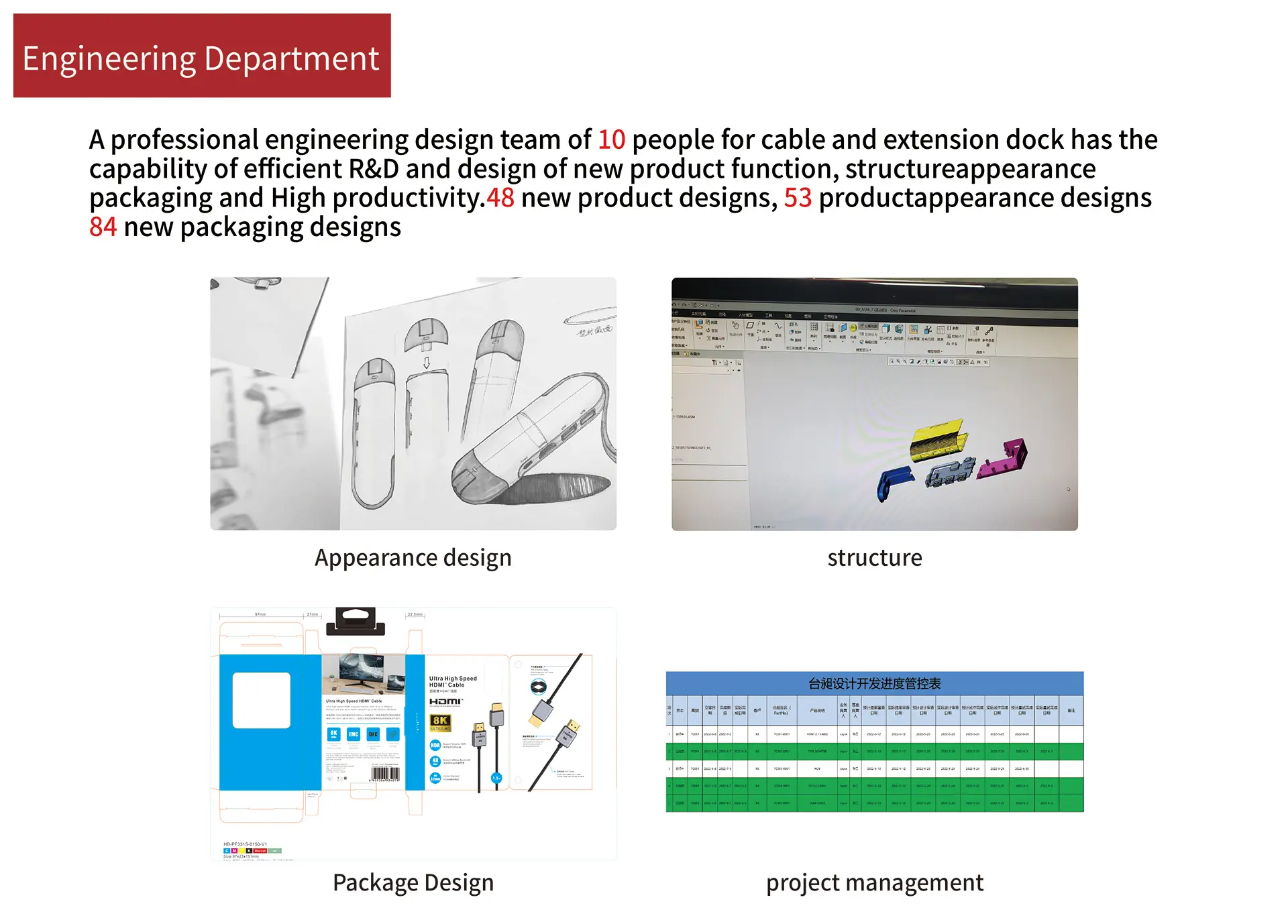
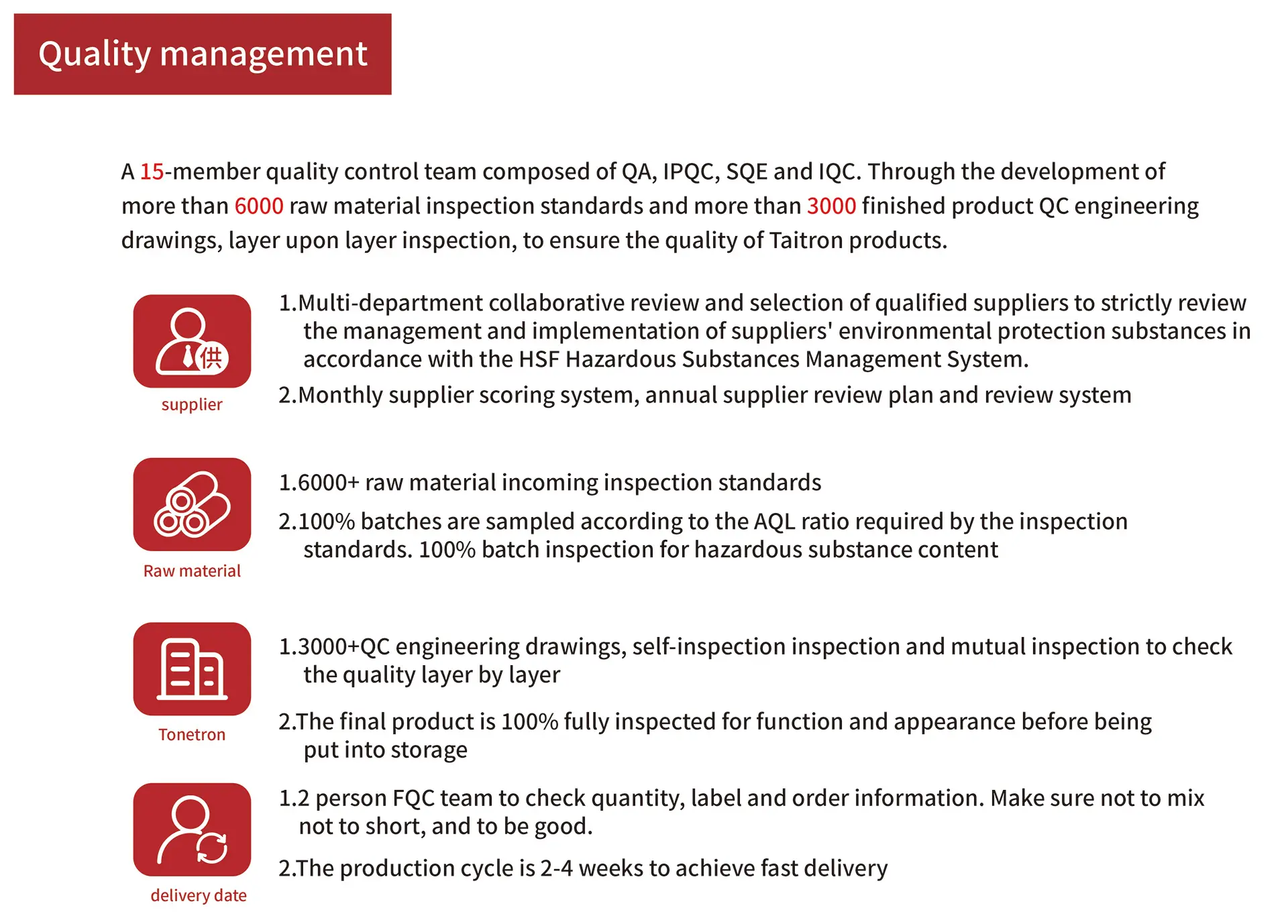

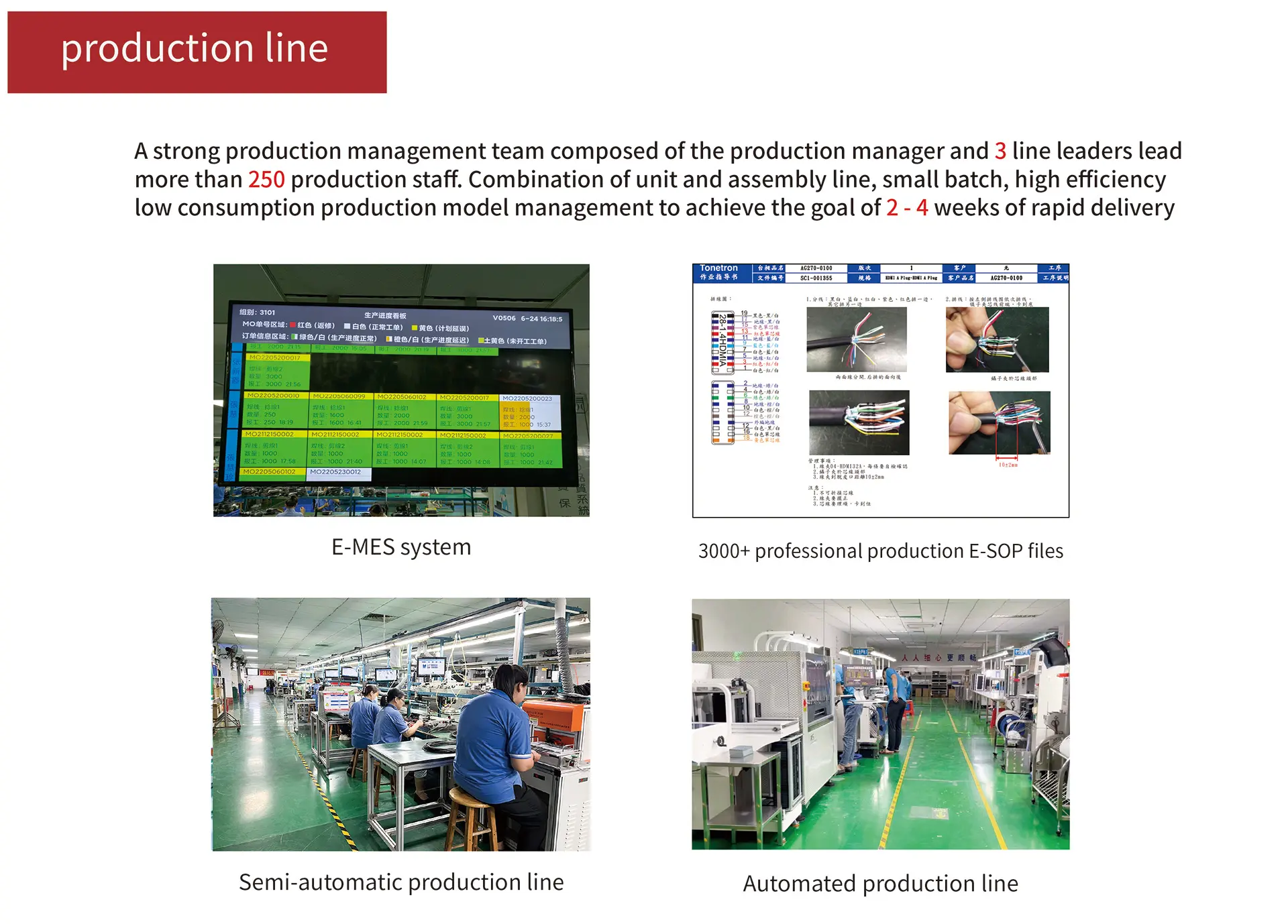
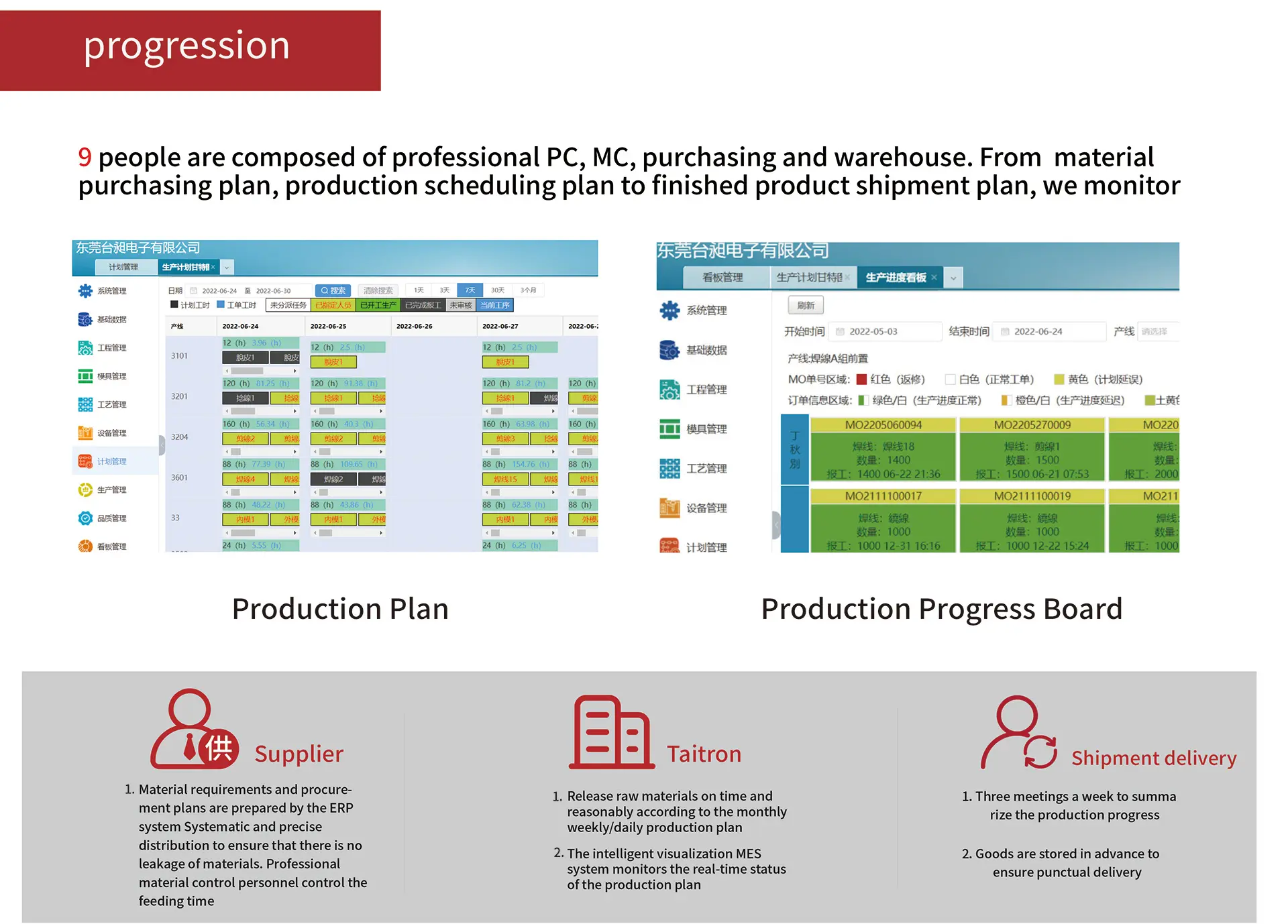
Corporate environments require secure physical networking endpoints. Our adapters support MAC Address Cloning and PXE Boot, allowing IT administrators to manage, image, and secure MacBook devices across standard corporate subnetworks.
Universities and digital media labs require robust, driverless adapters that operate reliably despite frequent connection cycles. Built-in ESD protection safeguards internal circuitry from static damage in dry, climate-controlled environments.
On smart factory floors, MacBook adapters must withstand electromagnetic noise, vibration, and temperature fluctuations. Our reinforced structural design ensures stable physical links under demanding conditions.
With the release of USB4 and Thunderbolt 5, the physical bandwidth capacity has increased. Taitron's upcoming product lines integrate 2.5G and 5G Ethernet controllers, which operate over existing Cat5e and Cat6 cabling infrastructures while doubling network throughput without requiring full enterprise cable upgrades.
We are also exploring the co-integration of gallium nitride (GaN) power components directly into USB-C multi-docks, combining power supply capabilities with high-speed network connections in a single, compact enclosure.
Increasing the throughput to 10Gbps results in higher power consumption. Our engineering team is developing advanced heat dissipation architectures, including micro-channel cooling structures inside aluminum-silicon alloy enclosures, ensuring the adapter maintains operational temperatures below 40°C during continuous heavy loads.
| Evaluation Parameter | Standard Standard Specification | Taitron Professional Grade Spec | Procurement Purpose |
|---|---|---|---|
| Chipset Integration | Generic Generic USB Bridge | Realtek RTL8153B / RTL8156B | Native MacOS compliance & driverless deployment |
| EMC Compliance | Unshielded Housing | Mylar foil + 96-spindle copper braiding + metal shell | Reduces interference with nearby 2.4G WiFi and Bluetooth |
| Pass-through Power | No power pass-through | USB-C Power Delivery 3.0 up to 100W | Enables single-port charging and network connectivity |
| Casing Material | Low-grade Plastic (ABS) | Anodized Aluminum Alloy (6000 series) | Improves durability and heat dissipation under high loads |
| Ethernet Protocol | 10/100 Mbps | 10/100/1000/2500 Mbps Base-T auto-negotiation | Supports high-bandwidth data transfers |
Compliance with FCC Part 15 Subpart B is required to regulate unintentional radio-frequency emissions. For Canadian shipments, our adapters conform to the ICES-003 standard, verifying structural shielding integrity.
Beyond the standard CE mark, we ensure WEEE (Waste Electrical and Electronic Equipment) directive compliance, providing sustainable disposal pathways for large-scale enterprise equipment replacements.
We support compliance processes for regional frameworks, including Japan’s VCCI, South Korea's KC certification, and Australia's RCM, facilitating smoother customs clearance and regional distribution.
 Taichang Electronic