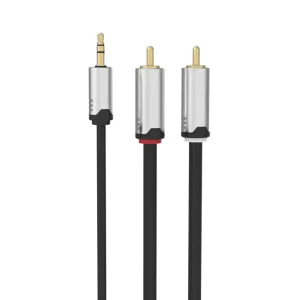
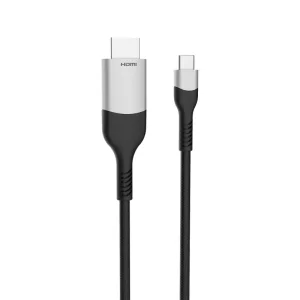
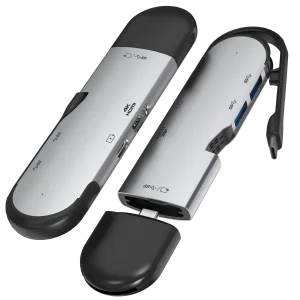
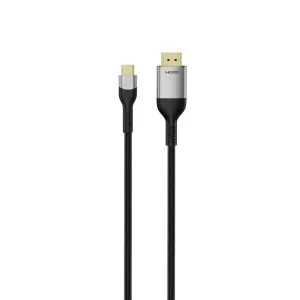
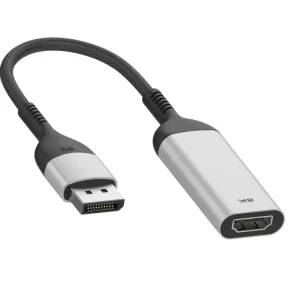
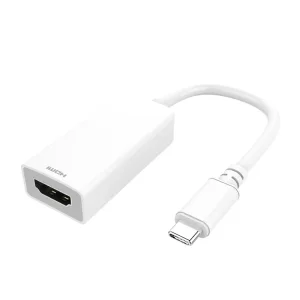
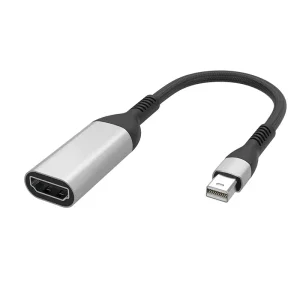
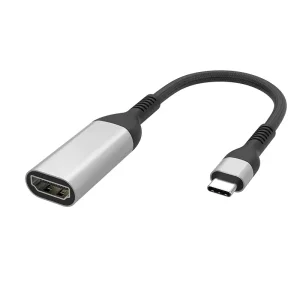
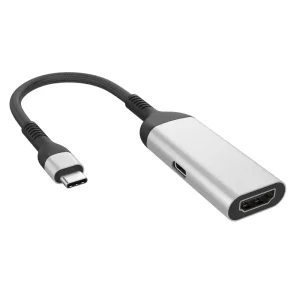
In high-density corporate environments, medical diagnostic workspaces, and advanced educational institutions, the transition between diverse legacy and modern display architectures remains a significant operational challenge. Mini DisplayPort (MiniDP) technologies, originally popularized by premium computing lines such as the Apple MacBook Pro, Microsoft Surface, and high-performance workstations, represent a deeply entrenched legacy footprint. Connecting these systems to modern HDMI-enabled displays requires professional-grade, high-fidelity translation hardware.
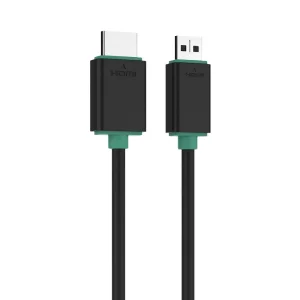
As enterprise procurement managers seek reliable CE Certified MiniDP to HDMI Adapters, understanding the underlying signal conversion dynamics, shielding methodologies, and regulatory requirements becomes paramount. Dongguan Taitron Electronics Limited provides engineered solutions designed to mitigate signal attenuation, withstand physical wear, and guarantee electrical safety across diverse B2B use cases.
Passive adapters rely on DisplayPort Dual-Mode (DP++) technology within the host device to output HDMI-compatible TMDS signals. For multi-monitor workstations, virtual reality rigs, and complex commercial splitters, Active Conversion is required to ensure reliable clock synchronization and high resolution across all displays.
Industrial settings are subject to high levels of electromagnetic interference (EMI). Professional adapters incorporate high-density multi-shielding—specifically, tinned copper braids combined with aluminum-Mylar foil—to isolate signal integrity and prevent packet loss or screen flickering.
For European distribution, CE certification is mandatory. It verifies compliance with EMC Directive 2014/30/EU and Low Voltage Directive 2014/35/EU, ensuring that electrical products do not interfere with neighboring machinery and present zero risk to operator safety.
The DisplayPort standard continues to advance in step with developments in panel technology. While legacy systems relied heavily on DP 1.2 to translate 1080p and 4K at 30Hz, the contemporary enterprise landscape demands support for higher frame rates and dynamic range. Dongguan Taitron Electronics is at the forefront of this evolution, actively designing conversion hardware that bridges the gap between legacy DisplayPort architectures and new HDMI protocols.
As corporate display environments adopt HDR (High Dynamic Range), deep color depths, and variable refresh rates (VRR) for specialized design and analysis work, the specifications of adapters must evolve. The next phase of connectivity products leverages high-bandwidth active IC chipsets capable of scaling to DisplayPort 1.4 parameters, translating signals smoothly into HDMI 2.0 or HDMI 2.1 outputs.
The standard baseline configuration. Supports maximum bandwidths up to 10.2 Gbps, enabling clean 4K resolution at 30Hz or 1080p at 144Hz. Ideal for office productivity applications and standard commercial displays.
Our mid-range standard. Integrates advanced active chipsets supporting 18 Gbps bandwidth. This enables 4K at 60Hz with 4:4:4 chroma subsampling, HDCP 2.2 content protection, and HDR10 support for media playback.
Our research and development pipeline includes Ultra-High-Speed solutions designed for 8K at 60Hz and 4K at 120Hz. Utilizing DSC 1.2 (Display Stream Compression), these converters support high-refresh-rate gaming, virtual reality, and medical imaging displays.
In 1984, Dongguan Taitron Electronics Limited., formerly known as Tonetron, was founded in Keelung, Taiwan. Driven by a commitment to engineering excellence, the company expanded its manufacturing footprint in 1993 by relocating to a self-built independent production industrial park in Dalingshan Town, Dongguan City, China. At this time, it officially took the name Dongguan Taitron Electronics Limited.
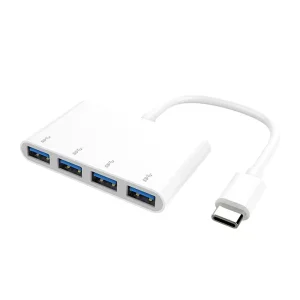
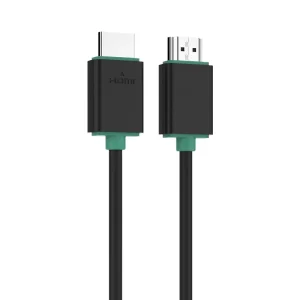
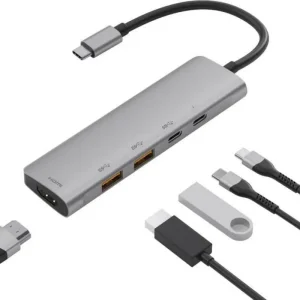
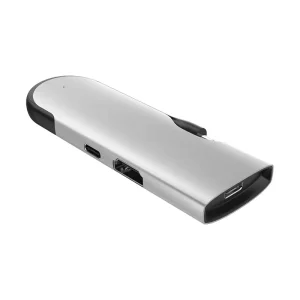
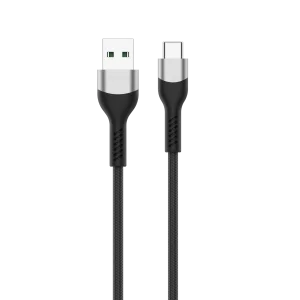
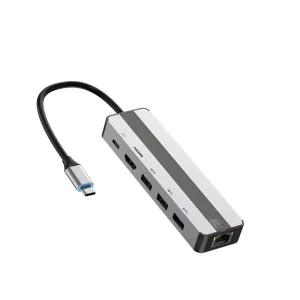
With over 38 years of professional experience in video and audio peripheral equipment connection lines, Taitron has systematically built on its foundations. We have evolved into a premier developer and manufacturer of high-end audio and video cables and data conversion accessories. Our portfolio includes HDMI 2.1 cables, DP 2.0 cables, USB4 data cables, USB-C 3.1 Gen 2 data cables, high-power USB charging cables, 8K HD conversion cables, and multi-functional Type-C expansion docks.
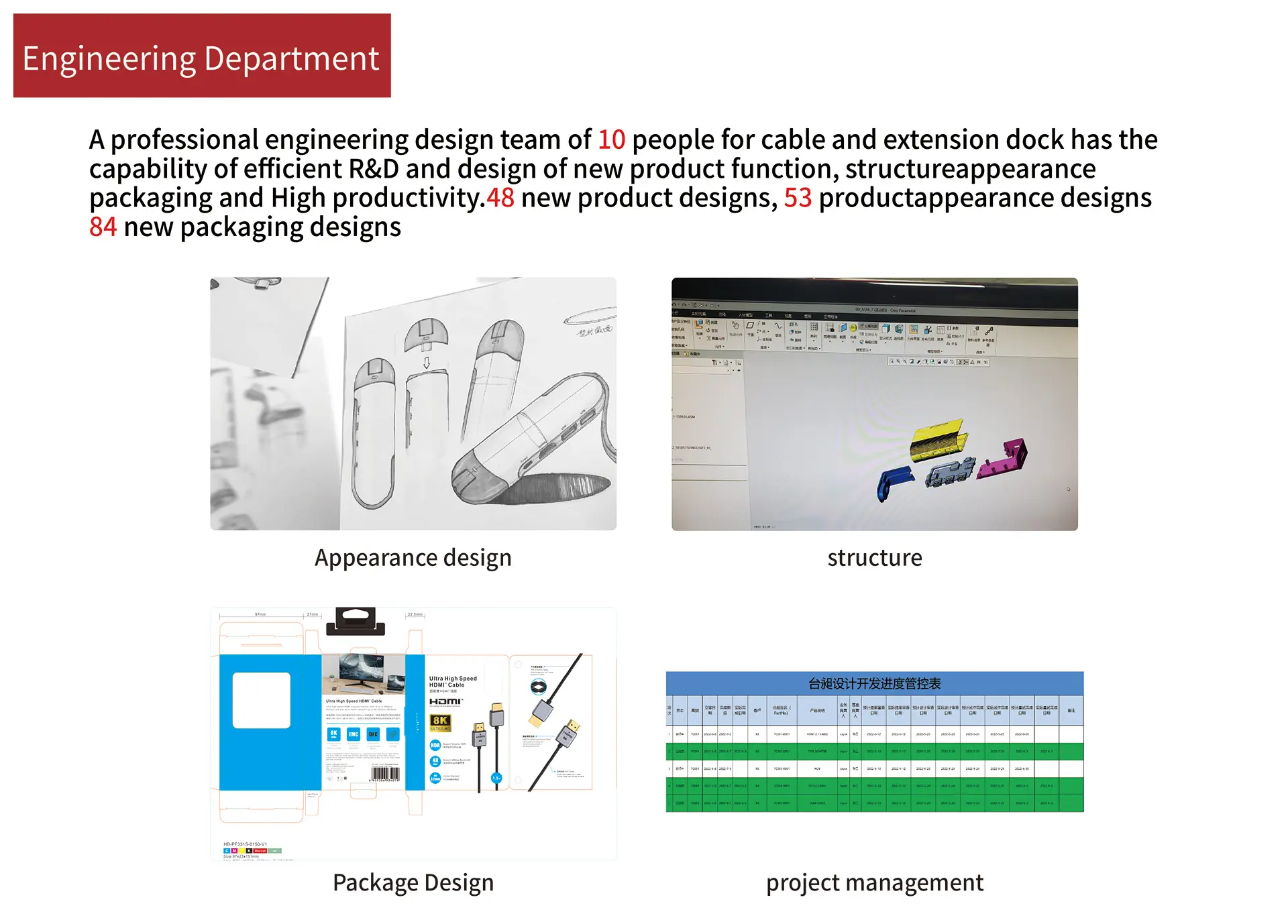
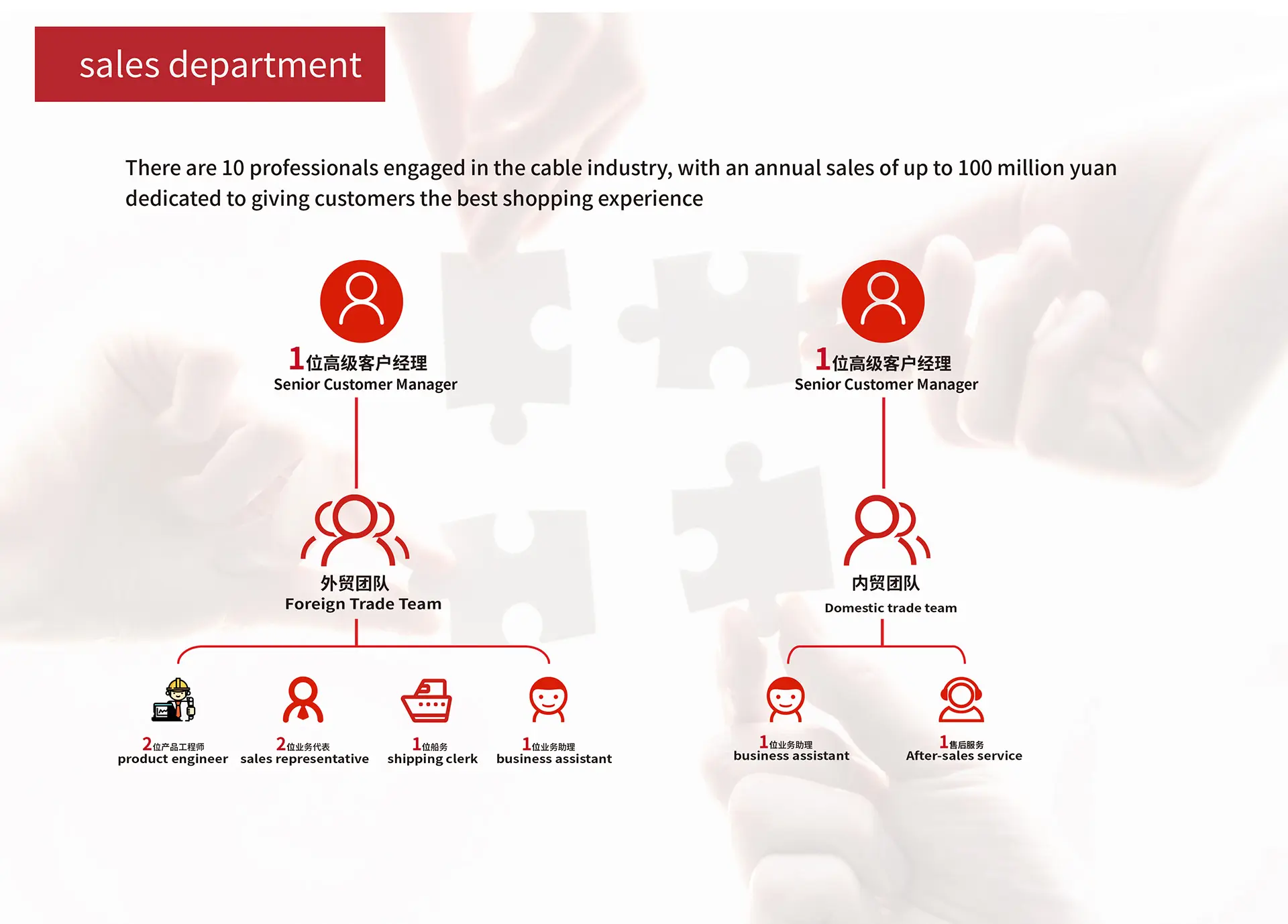
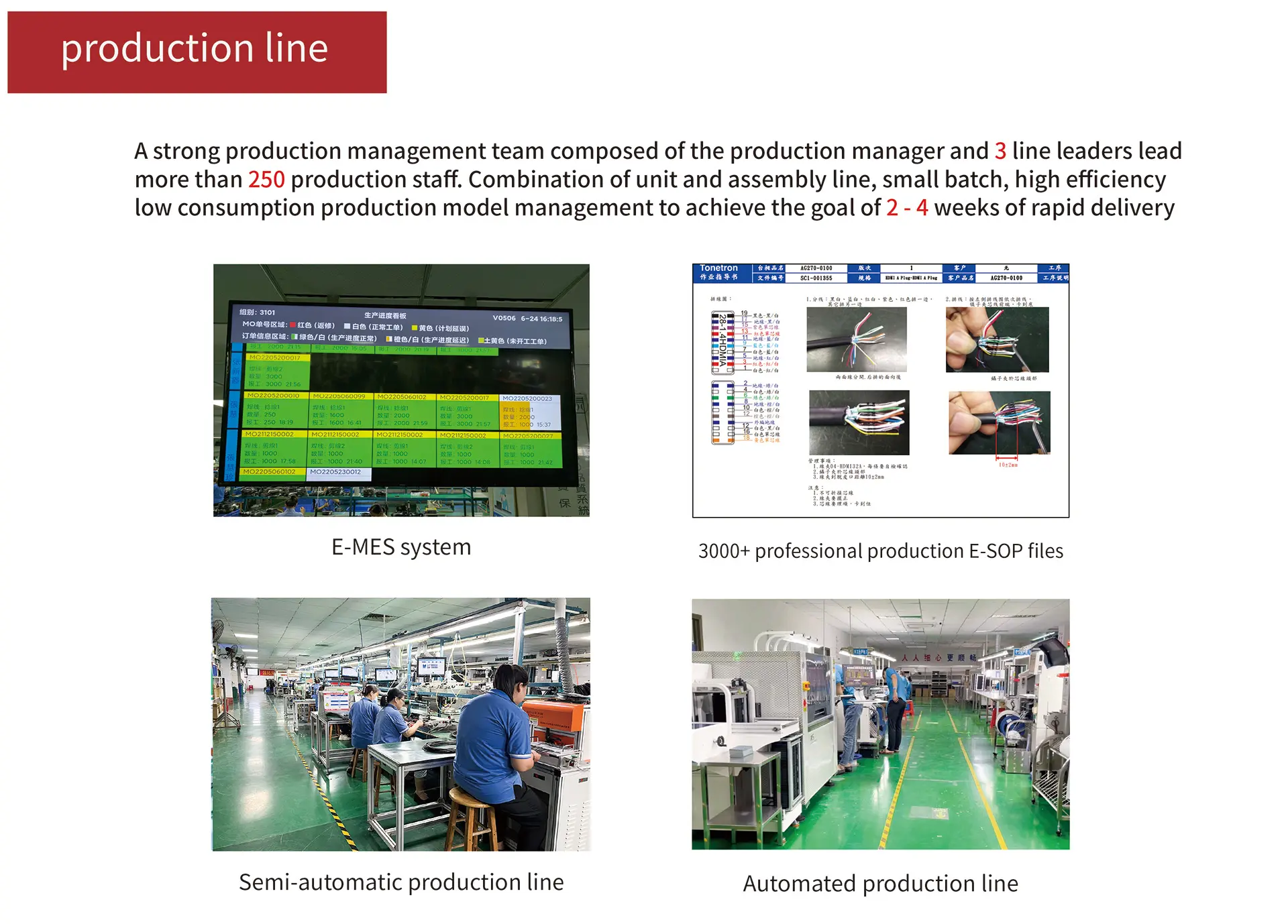
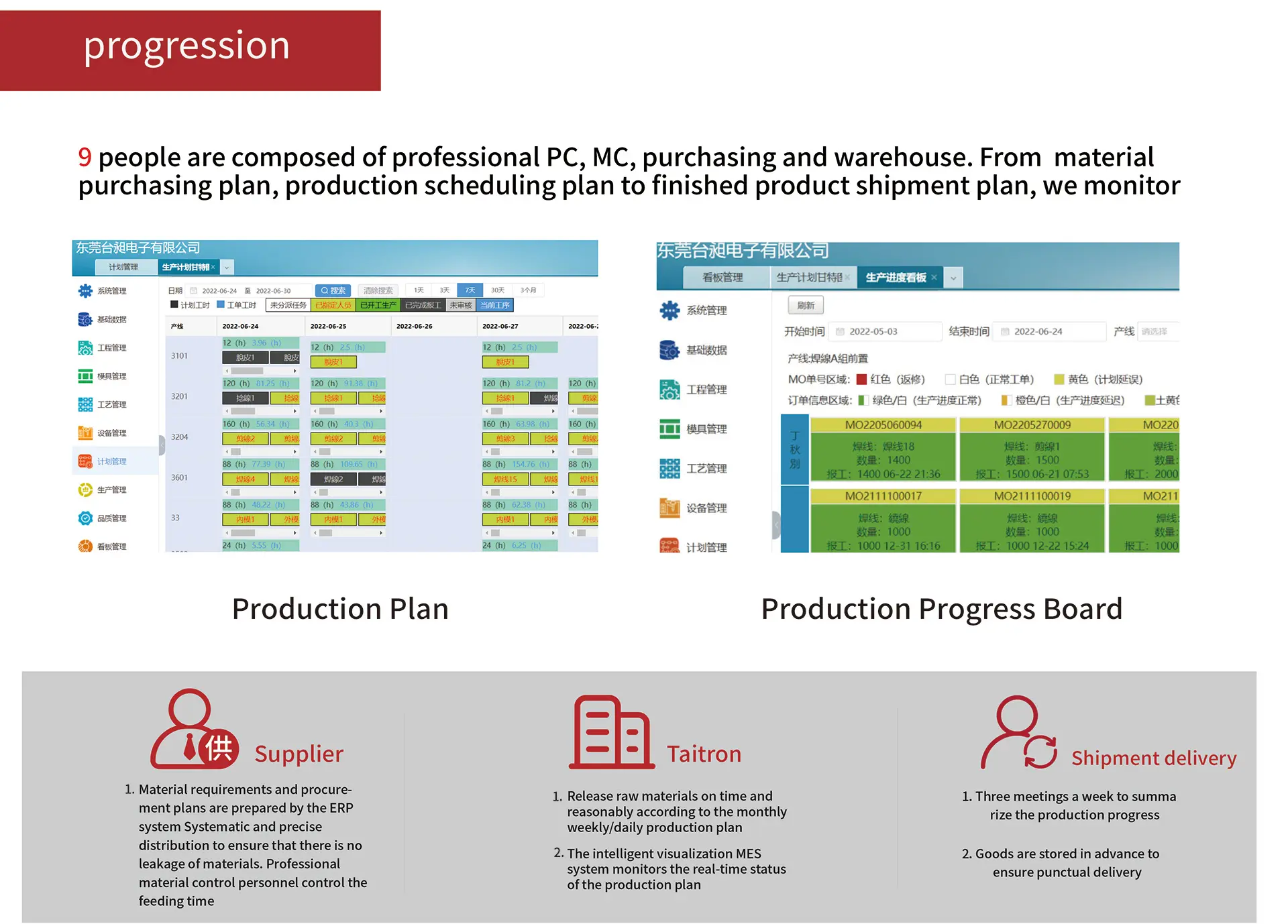
Our Dalingshan Town manufacturing facility spans a modern industrial park optimized for high-volume production, rigorous quality assurance, and engineering flexibility. By adopting Factory 4.0 principles, we have integrated computerized testing systems, automatic soldering equipment, and clean-room assembly processes to ensure consistent performance across all batches.
Our vertical integration—ranging from raw copper drawing and plastic extrusion to high-precision SMT placement and automated terminal soldering—minimizes production variables. This end-to-end control allows us to meet strict lead times and quality standards for our global clientele.
Years of AV Manufacturing
Automated Electrical Testing
Fully Certified Compliance
Defect Rate Tolerance
Our engineering department employs state-of-the-art simulation software and high-frequency network analyzers to evaluate impedance, signal attenuation, and return loss at the design phase, preventing signal degradation in final production.
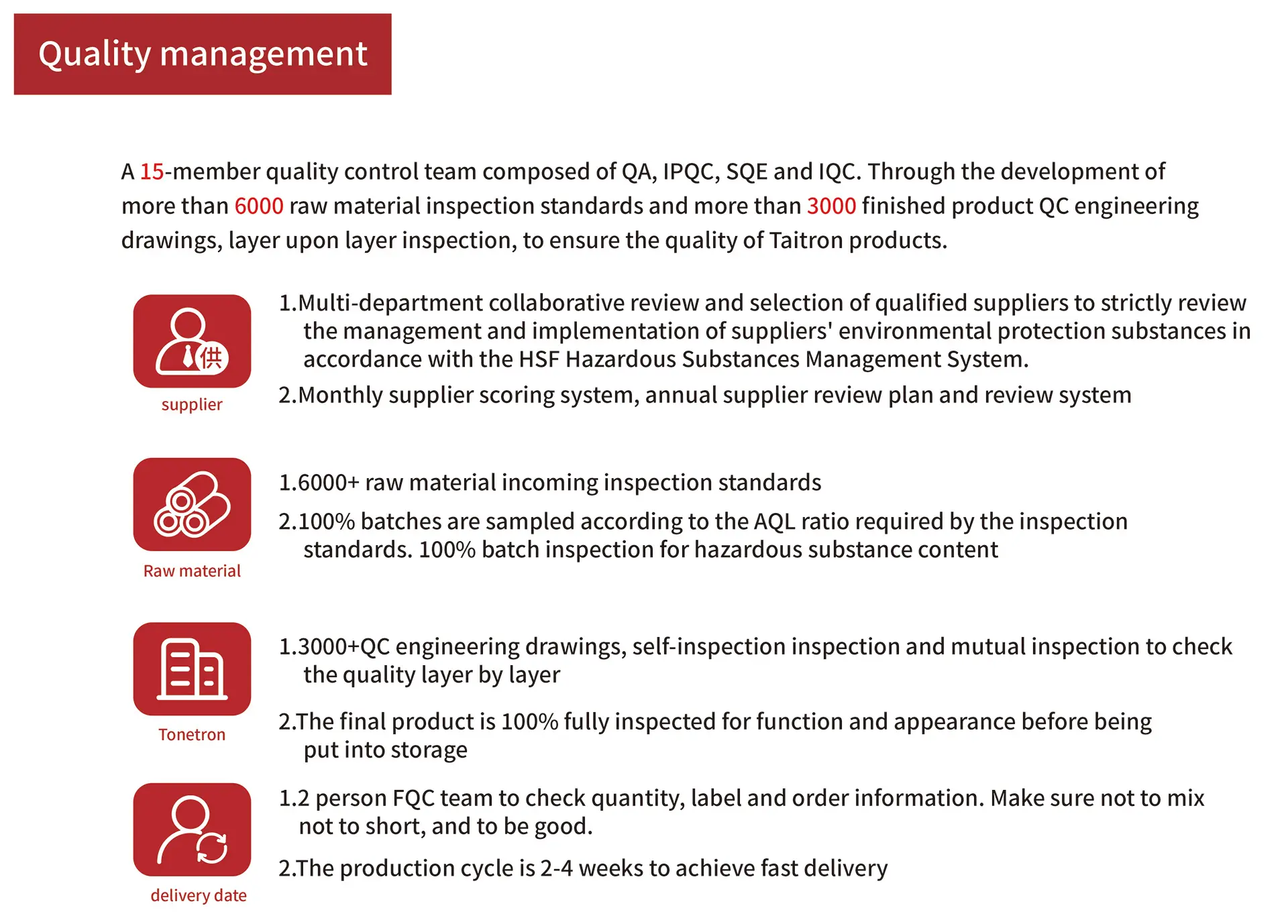
Certified under ISO 9001, our QA protocols monitor every stage of production. From raw material inspection (IQC) to in-process checks (IPQC) and final pre-shipment tests (OQC), we ensure all products comply with our strict performance standards.
Whether you require custom cable lengths, specific shell materials (such as aluminum alloy or ABS), or customized packaging, our production lines are built to handle rapid transitions between high-mix and high-volume orders.
Connectivity components like Mini DisplayPort to HDMI adapters are essential parts of larger commercial infrastructures. Standardizing on high-quality, certified converters helps organizations prevent unexpected downtime, lower IT support overhead, and ensure consistent compatibility across multiple hardware generations.
Standardizing employee workstations with CE-certified adapters reduces compatibility issues between mixed notebook fleets and conference room projectors or external monitors, helping IT teams streamline support operations.
In medical imaging environments, accurate representation of color and detail is essential. Our active adapters ensure stable, artifact-free video transmission between diagnostic workstations and high-resolution monitors.
Industrial command centers require 24/7 reliability. Taitron adapters feature premium shielding to prevent electromagnetic interference from surrounding high-voltage equipment, maintaining clean, continuous signals.
Selling electronic equipment globally requires navigating complex local regulatory landscapes. Dongguan Taitron Electronics supports partners by providing comprehensive compliance documentation, certified test reports, and regional support resources to streamline importation and distribution.
Beyond our CE markings, our products are designed and tested to comply with RoHS (Restriction of Hazardous Substances), REACH, and WEEE requirements. This ensures your supply chain is compliant, reducing risk and protecting your brand reputation in highly regulated international markets.
Ensures compliance with European safety standards, enabling smooth import customs clearance and retail distribution across the EU.
Verifies that all components—cables, solders, and plastics—are free from hazardous chemicals, supporting corporate sustainability goals.
Tested to meet Class B digital device limits, guaranteeing low electromagnetic emissions for the North American market.
We provide detailed Harmonized System (HS) classifications, Certificates of Origin, and compliance certificates to prevent logistical delays.
Procuring large quantities of electronic components requires careful attention to detail. When evaluating partners for OEM or ODM connectivity projects, purchasing managers should look beyond unit cost to examine total cost of ownership (TCO), supplier reliability, and manufacturing transparency.
To help guide procurement teams, we recommend focusing on three key areas when requesting quotations (RFQs) for custom adapter programs:
Specify the exact resolution requirements (e.g., 4K/60Hz vs 1080p), passive or active conversion types, connector plating materials, and the required cable length to ensure quotes match your project needs.
Verify that your supplier can provide authentic test reports from recognized laboratories (e.g., SGS, TUV) detailing CE, RoHS, and FCC compliance, rather than self-declaration forms.
Confirm the supplier's production capacity, MOQ (Minimum Order Quantity), tooling capabilities, and logistical support options to align with your distribution schedule.
Passive adapters rely on the host device supporting DisplayPort Dual-Mode (DP++), which allows it to output native HDMI signals. Active adapters feature a built-in chipset (such as Parade or Parade-based controllers) that actively translates the DisplayPort signal protocol into an HDMI signal. Active adapters are required for devices that do not support DP++, and for multi-display configurations like AMD Eyefinity.
Yes. Our adapters support multi-channel digital audio transmission, including LPCM, DTS Digital, and Dolby Digital, provided the source MiniDP port supports audio output (which is standard on almost all modern computers and laptops).
CE certification is a legal requirement for selling electronic products in the European Economic Area (EEA). It confirms the adapter meets European safety, health, and environmental protection requirements, including electromagnetic compatibility standards that prevent interference with other electronics.
We use premium 32AWG tinned copper conductors, triple shielding (aluminum foil, Mylar, and a high-density tinned copper braid), and gold-plated connectors to protect against signal degradation and electromagnetic interference.
Standard lead times are typically 25 to 30 days after sample approval and order confirmation. For custom molding or complex ODM designs, timeline adjustments are handled on a case-by-case basis.
Yes. We offer complete customization support, including aluminum alloy, ABS, or PVC shell options, laser-etched branding, custom colors, and retail or bulk packaging designs.
 Taichang Electronic