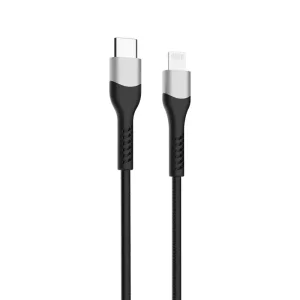
Explore our top-performing selection of high-fidelity transmission interfaces, audio/video adapters, and network modules built for global distribution channels.
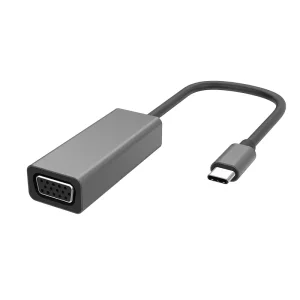
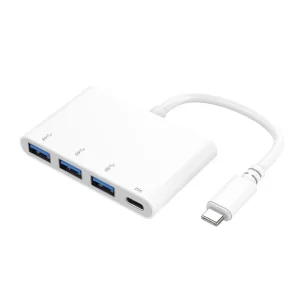
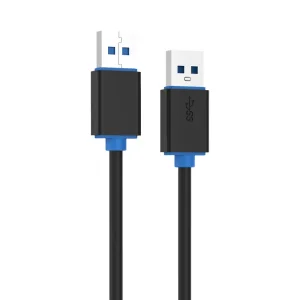
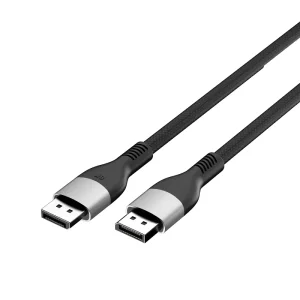
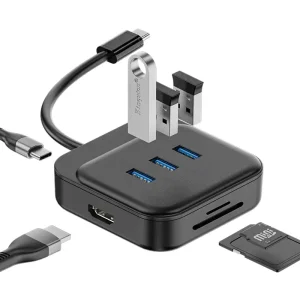
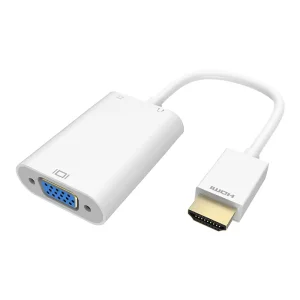
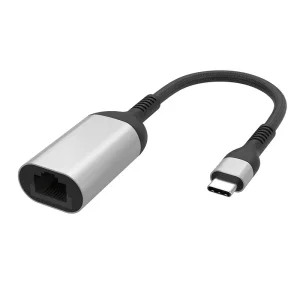
In modern enterprise and industrial connectivity, the demand for stable, compliant, and cost-effective wired network integration remains critical. While newer technologies like USB4 and 10Gbps interfaces dominate headlines, the USB 2.0 to RJ45 Network Adapter stands as a pillar of reliability. It is widely used in retail point-of-sale (POS) systems, embedded diagnostics, network failover systems, medical hardware, and thin-client enterprise environments.
For international procurers, sourcing products with authentic CE Certification is crucial for market entry, system reliability, and regulatory compliance within the European Economic Area (EEA). This whitepaper details the architectural design, compliance frameworks, factory standards, and global supply chain dynamics that distinguish elite manufacturers in this sector.
Founded in 1984 as Tonetron in Keelung, Taiwan, our company has built a reputation for high-precision connection and network interface technology. In 1993, we expanded our operations by moving to a self-built, independent production industrial park in Dalingshan Town, Dongguan City, China, renaming the enterprise to Dongguan Taitron Electronics Limited.
Over 38 years, we have transitioned from a specialized video and audio connection line manufacturer to a global leader in high-end data cable technologies (HDMI 2.1, DP 2.0, USB4, USB-C 3.1 Gen 2), fast-charging technology, and high-performance network adapters. Our commitment to quality, advanced engineering, and robust supply chains makes us a trusted manufacturing partner for global enterprise buyers.

The CE mark indicates that a product meets EU safety, health, and environmental protection requirements. For an active electronic device like a USB 2.0 network adapter, compliance involves several key directives:
Our factory uses state-of-the-art EMI anechoic chambers and RoHS screening spectrometers to ensure every batch of USB 2.0 network adapters meets these standards before shipping to the European market.
The evolution of the USB-to-Ethernet bridge is driven by chip design changes, physical port modifications, and host operating system requirements. While USB 2.0 is limited to a bus speed of 480 Mbps, it remains popular because it uses less power than USB 3.0 / USB4 chips.
Future designs focus on converting physical inputs from USB-A to USB-C while keeping the USB 2.0 protocol intact. This provides a balance of low power usage, compatibility with new laptops, and reduced component costs.
| Specification Feature | USB 2.0 Fast Ethernet (RTL8152B/AX88772C) | USB 3.0 Gigabit Ethernet (RTL8153) |
|---|---|---|
| Max Data Transfer Rate | Up to 100 Mbps (Fast Ethernet) | Up to 1000 Mbps (Gigabit Ethernet) |
| Bus Power Consumption | ~120 - 150 mA (Low thermal emission) | ~300 - 450 mA (High thermal dissipation) |
| Operating Voltage | 5V (Directly powered via USB bus) | 5V (Requires efficient heat management) |
| Legacy System Support | Excellent (Windows XP, Linux Kernel 2.6+, Android 4.0+) | Moderate (Often requires modern operating system kernels) |
| Industrial Unit Cost | Highly Cost-Effective (Ideal for mass deployments) | Higher unit cost (Best for high-bandwidth workstations) |
Industrial clients require physical network adapters that can withstand harsh environments and continuously transmit data. Here is how our certified USB 2.0 adapters are used in major industries:
Modern Point-of-Sale (POS) systems require constant network connections. When integrated wireless options experience interference, our USB 2.0 network adapter provides a stable, wired fallback. Because POS systems run continuously, the low power output of USB 2.0 prevents overheating and reduces component failure.
In hospital environments, EMI emissions must be kept to a minimum. Our CE-certified adapters comply with medical EMI limits (EN 55032 Class B). This allows medical personnel to connect diagnostics carts directly to hospital local networks without interfering with sensitive monitoring devices.
For smart lighting, building controls, and industrial gateways, installing a PCI-Express card is often not feasible. USB 2.0 adapters provide an easy way to add a second LAN port for network segmentation, isolating IoT sensors from the main database network.
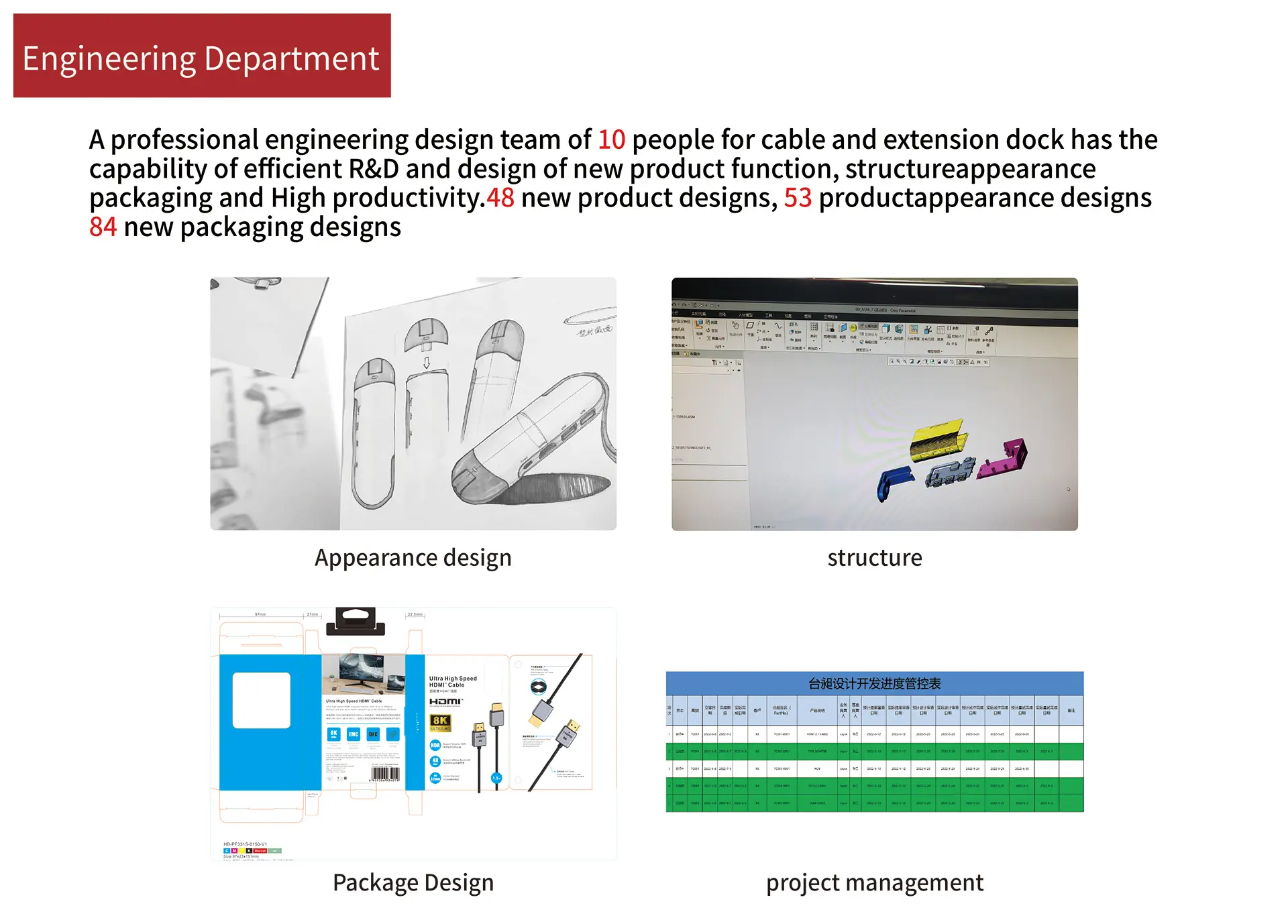
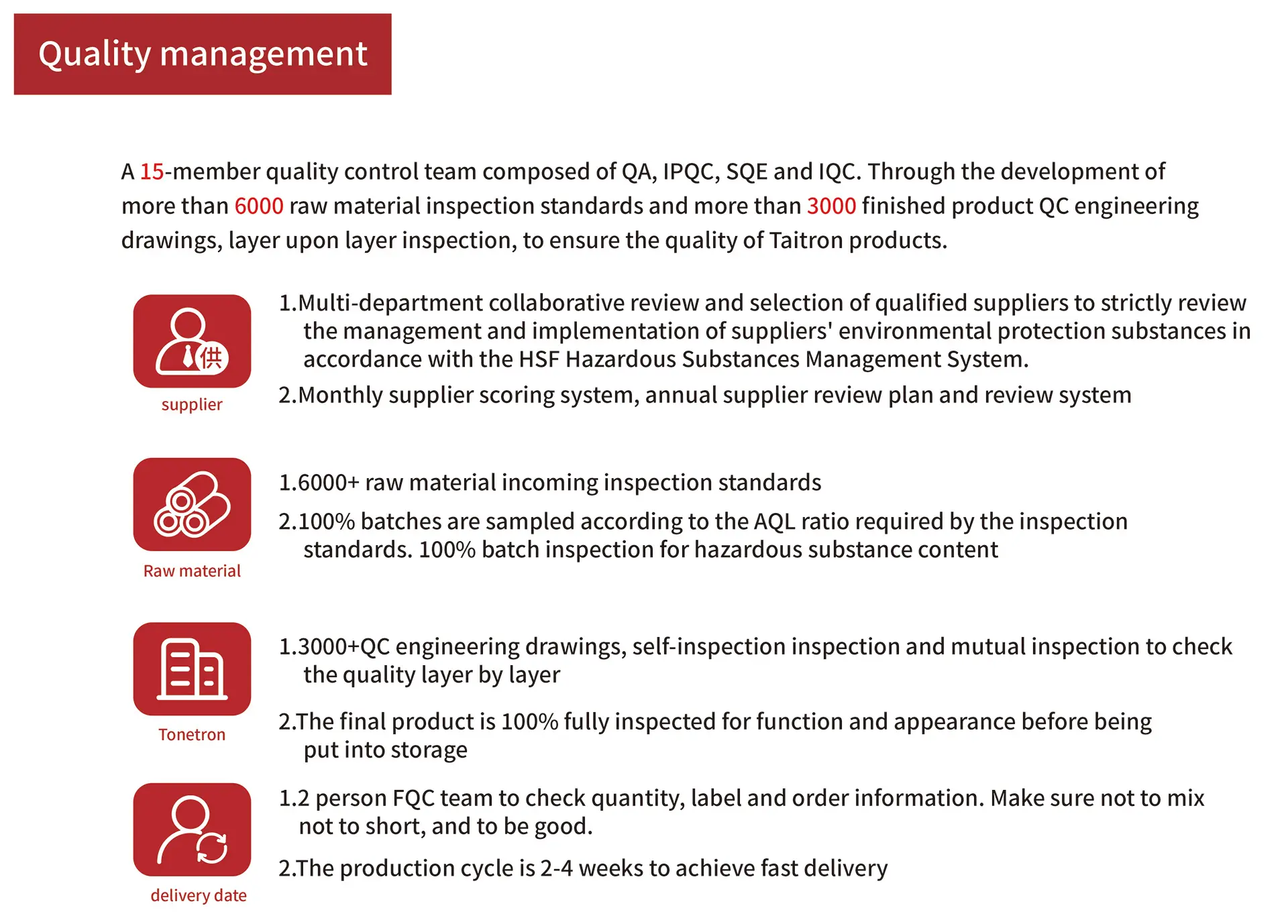
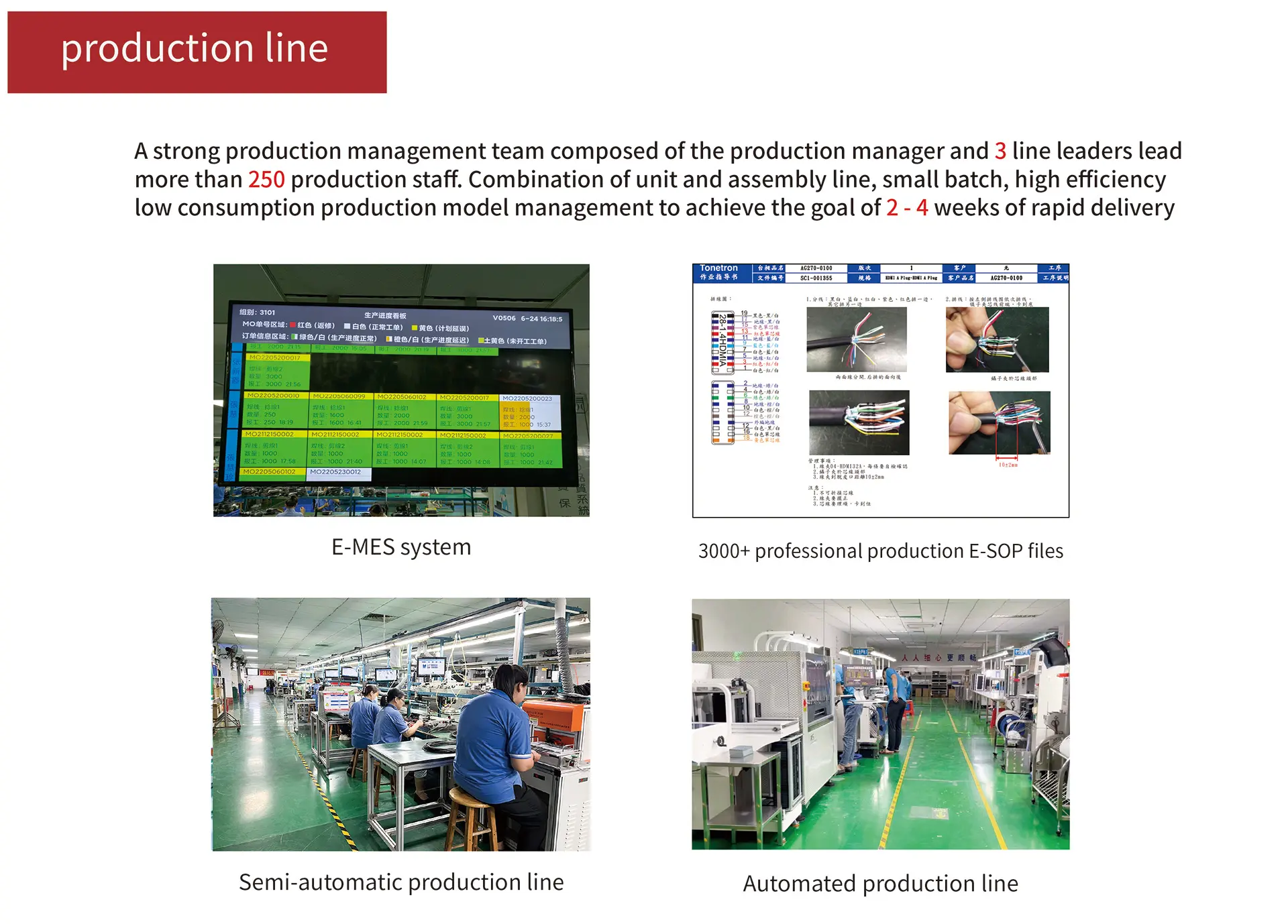
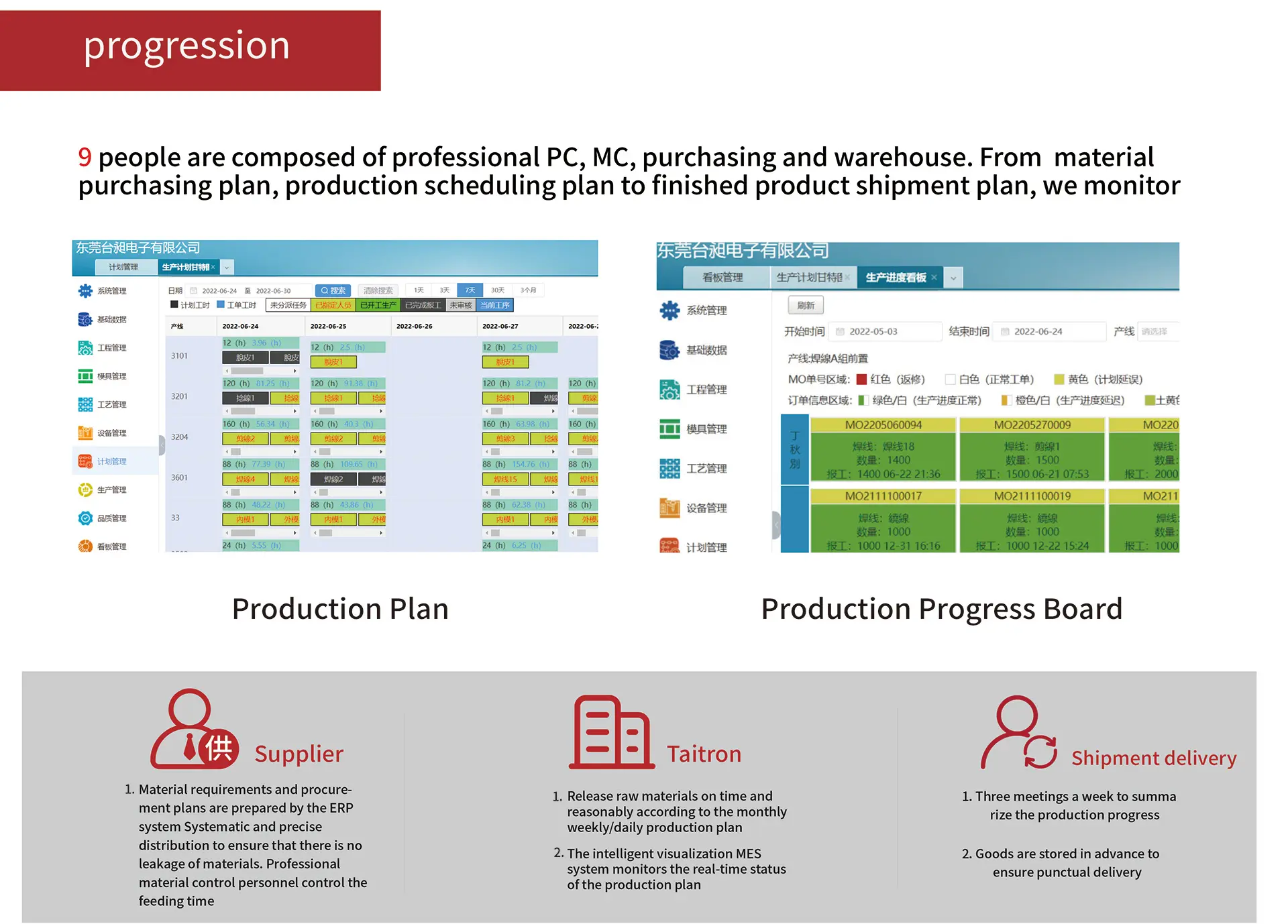
Dongguan Taitron Electronics' Dalingshan factory uses advanced manufacturing systems to ensure reliable high-volume production. By combining modern automation with strict testing protocols, we help international clients secure their supply chains and reduce lead times.
Moving our manufacturing operations to Dongguan in 1993 allowed us to integrate into the Pearl River Delta electronics ecosystem. This gives us quick access to raw copper, high-grade plastics, and certified chipsets, enabling us to deliver orders quickly and cost-effectively.
Importing network hardware into regulated regions requires comprehensive compliance documentation. We support procurement teams by providing verified certificates and documentation to streamline the customs clearance process:
Our documentation package includes EU Declarations of Conformity (DoC), verified testing reports from accredited labs (such as SGS and TÜV Rheinland), and trace records for raw materials. This ensures your imports remain compliant with updating environmental and electrical regulations.
From custom USB assemblies to high-bandwidth display interfaces, browse our full OEM catalog.
To assist global sourcing managers, our engineering and compliance teams have answered the most common questions regarding certification, integration, and performance:
 Taichang Electronic