Explore our CE-certified connectivity catalog engineered for enterprise, medical, and industrial environments.
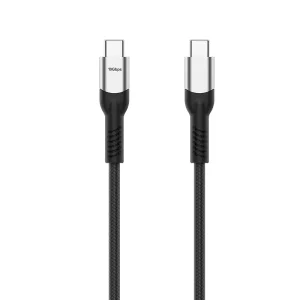
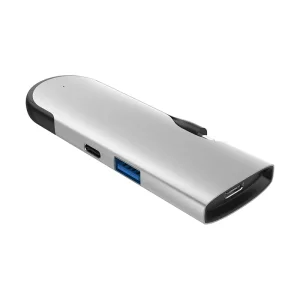
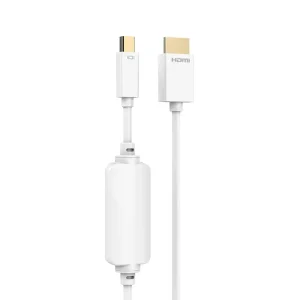
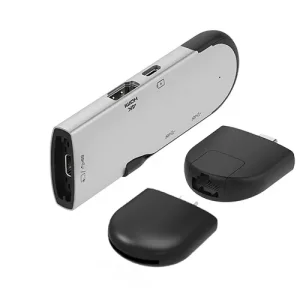
An analysis of semantic trends, system reliability, and long-term procurement viability.
While consumer markets rush towards USB4, Thunderbolt 4, and high-frequency data standards, global industrial infrastructure relies heavily on the rock-solid architecture of USB 2.0. The reason lies in physics, transmission stability, and economic viability. High-speed protocols require complex transceiver electronics, which generate substantial heat, consume significant power, and exhibit extreme sensitivity to electromagnetic interference (EMI). USB 2.0, working on a differential signal design at 480 Mbps, offers the optimal balance of throughput and resilience.
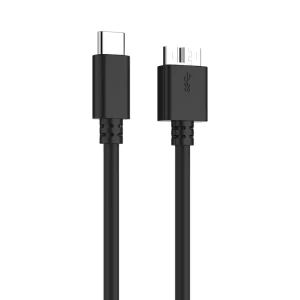
In modern configurations, designers frequently leverage a hybrid layout: using the physical USB Type-C connector style alongside the core protocol logic of USB 2.0. This strategy provides the mechanical universality and durability of USB-C while retaining the simplified, noise-tolerant micro-controller architecture of USB 2.0. Industries such as medical diagnostics, aerospace, automotive telematics, and retail POS terminals have standard lifecycles exceeding 10 years, making long-term access to reliable, certified USB 2.0 components a vital operational necessity.
Operates at a fundamental frequency profile that avoids critical industrial noise bands, minimizing signal degradation across long routing pathways.
Simplifies PCB layouts, drops licensing/royalty costs, and eliminates the need for expensive redriver chips over short-to-medium runs.
Maintains absolute operational continuity with billions of active legacy ports in medical hardware, control units, and laboratory tools.
Decades of Manufacturing Experience, Engineering Leadership, and Quality Management.
Founded in 1984 as Tonetron in Keelung, Taiwan, our enterprise pioneered custom connection systems for audio and video peripherals. In 1993, to meet global demand, we transitioned production to a self-built industrial manufacturing park in Dalingshan Town, Dongguan, China, operating today as Dongguan Taitron Electronics Limited.
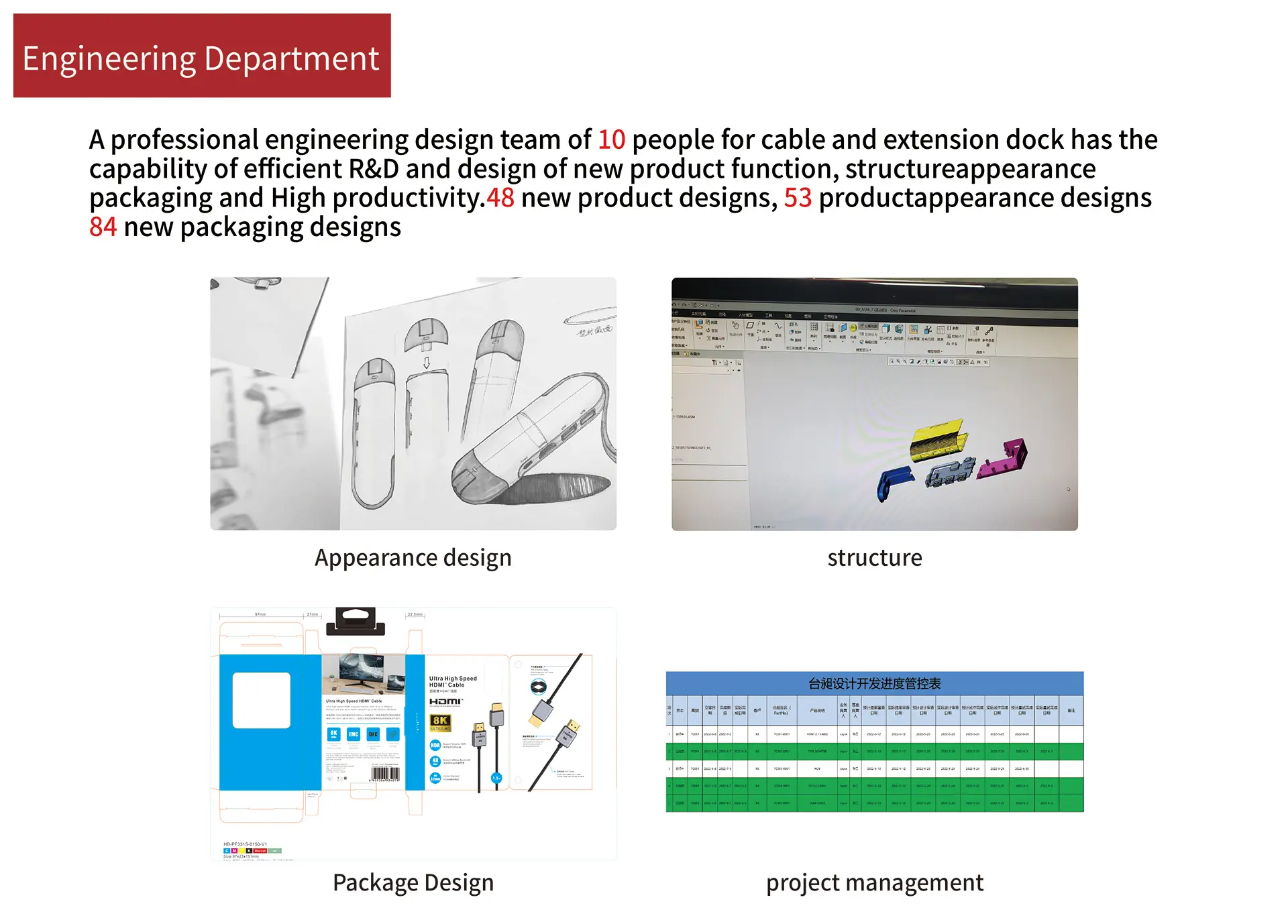
Over the last 38 years, our development focus has expanded. We design, prototype, and mass-produce elite transmission elements including HDMI 2.1 systems, DP 2.0 assemblies, USB4 systems, high-power PD cables, and multi-functional USB-C expansion hubs. Our facility blends strict quality control systems with flexible OEM/ODM engineering services to supply high-reliability assemblies worldwide.
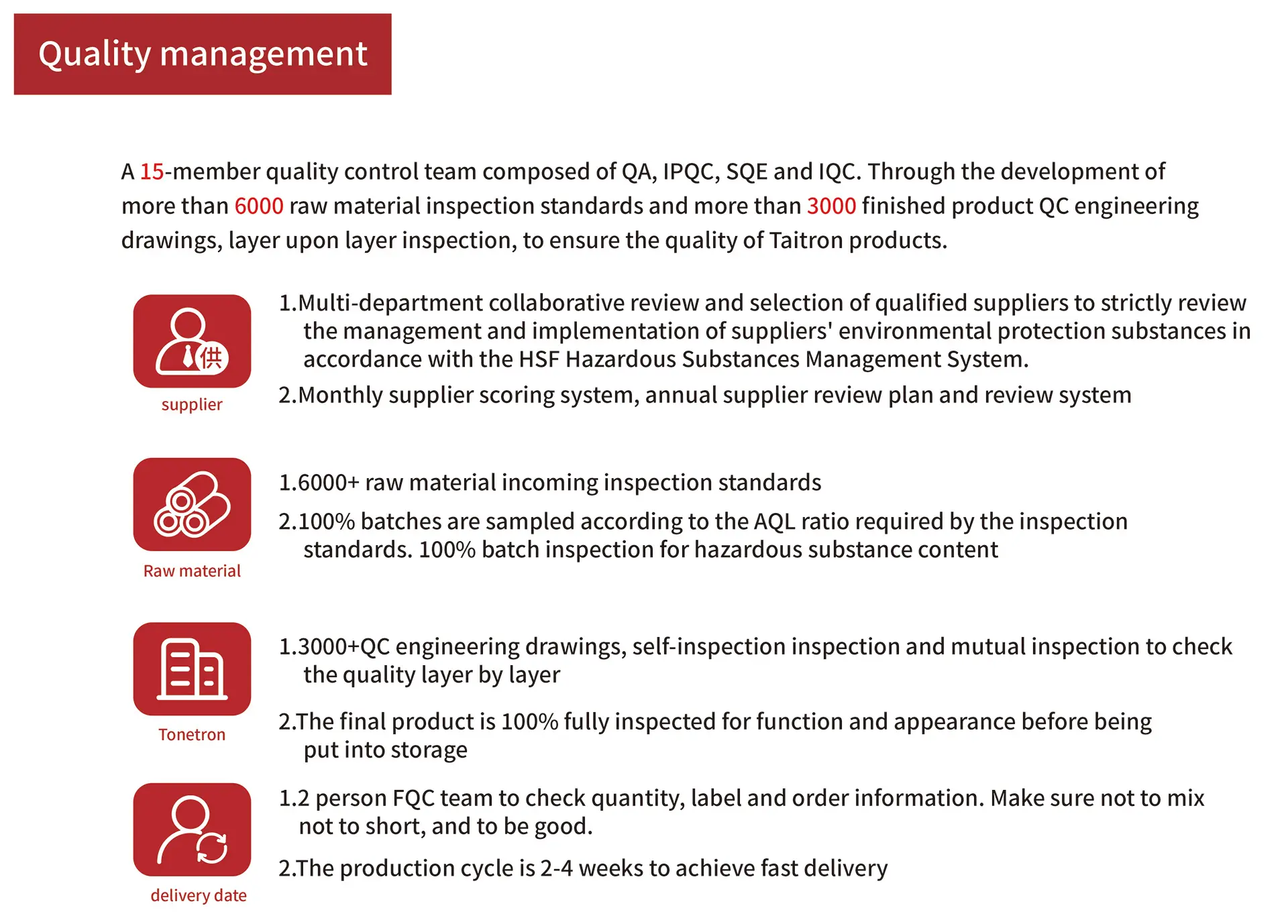
Our raw material procurement, soldering setups, insulation layering, and functional testing comply with international safety directives. As an experienced manufacturer, our workflows are built around quality, precision, and compliance to meet the demands of global distributors and engineering teams.
Years of Cable Manufacturing Expertise
CE, RoHS & REACH Compliant Products
Annual Cable Production Capacity
Countries Supplied Globally
How we address compliance, environmental limits, and electrical performance requirements.
Purchasing managers must balance quality control with regulatory compliance. In areas like the European Economic Area, the CE Certification is a mandatory requirement. A CE mark indicates that the product complies with EMC Directive 2014/30/EU and Low Voltage Directive 2014/35/EU. When purchasing USB 2.0 hardware, look for these quality features:
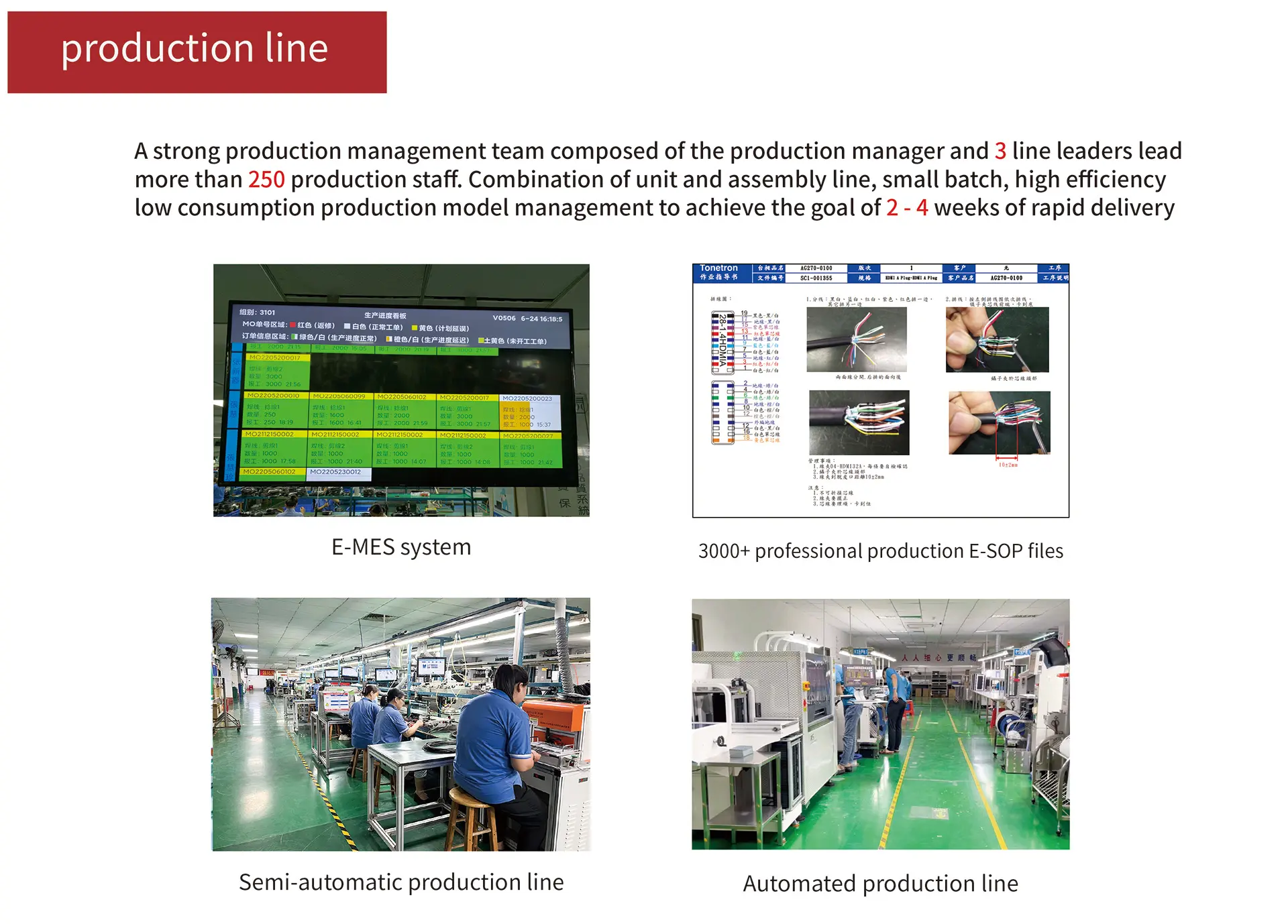
As a vertically integrated manufacturer, Taitron manages the entire production cycle. We source raw plastics and metals, perform precision wire drawing, automate soldering, and conduct comprehensive electrical testing to ensure reliable, high-performance connectivity solutions.
Inside our engineering standards, material sourcing, and validation tests.
We test incoming metals and polymers using X-Ray Fluorescence (XRF) to confirm compliance with RoHS and REACH regulations.
Every batch undergoes automated testing for open circuits, short circuits, miswiring, and insulation resistance at the factory.
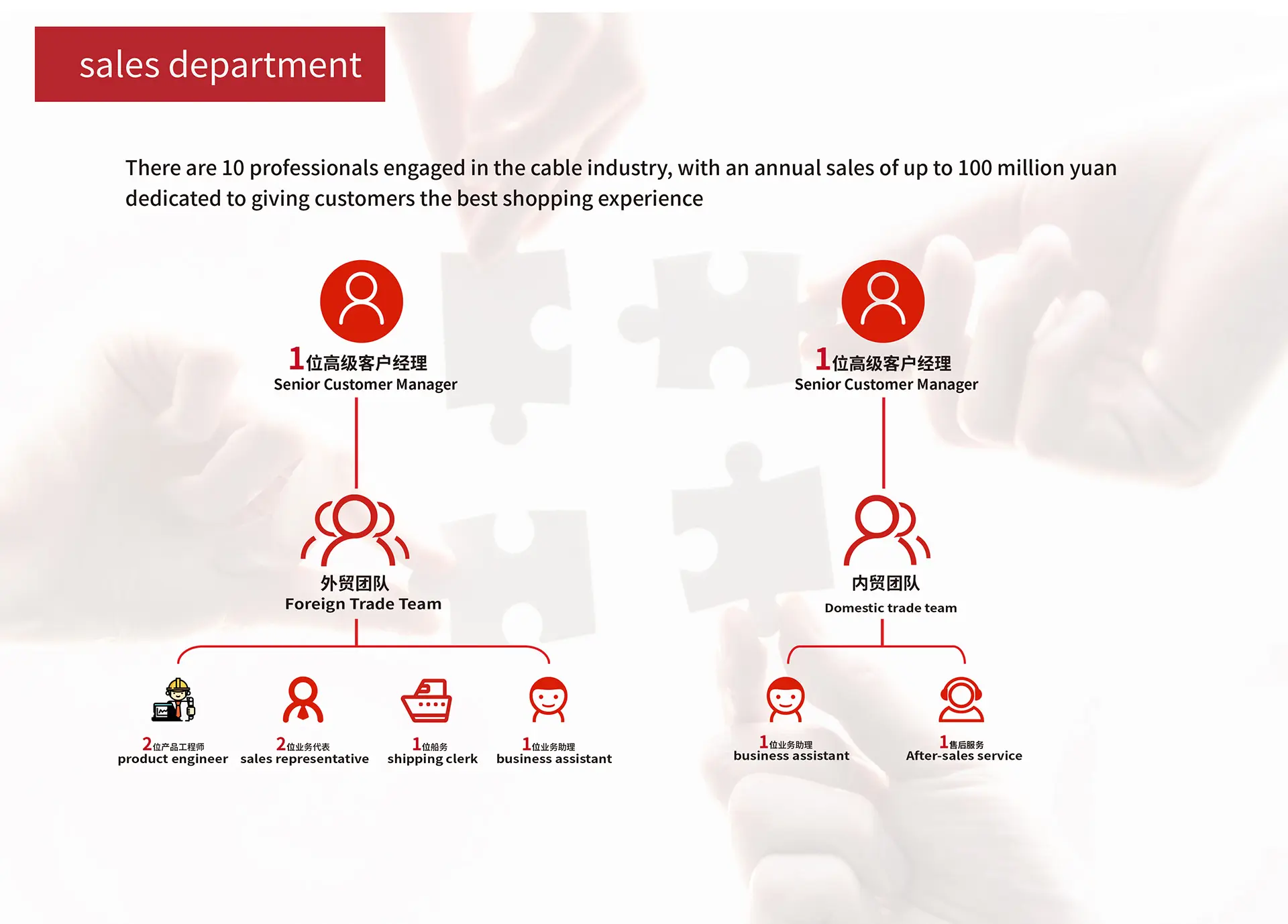
We provide full-service OEM/ODM support, from initial CAD modeling and prototype molding to regulatory certification and final packaging.
Expert technical insights to help guide your purchasing decisions.
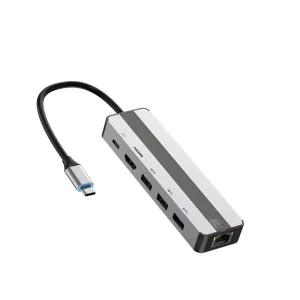
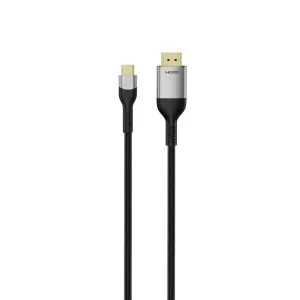
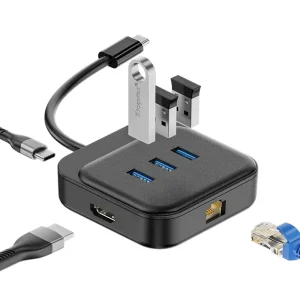
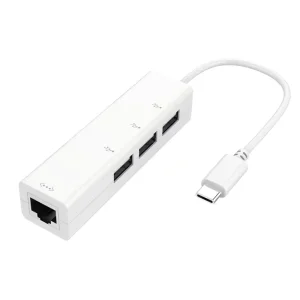
High-durability adapters, converters, and multi-port hubs for commercial deployments.
 Taichang Electronic