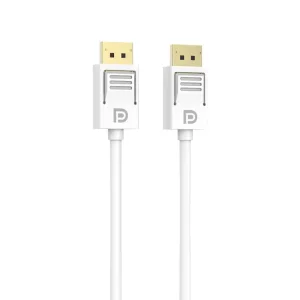
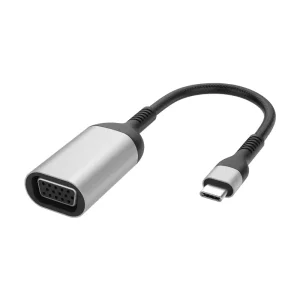
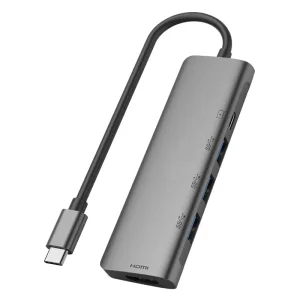
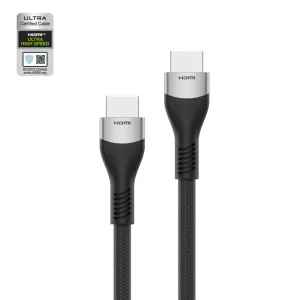
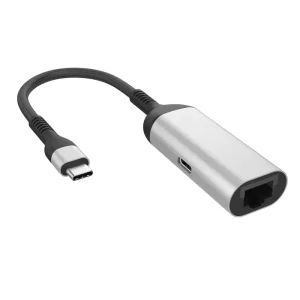
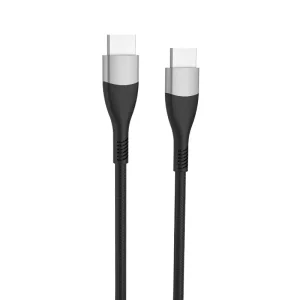
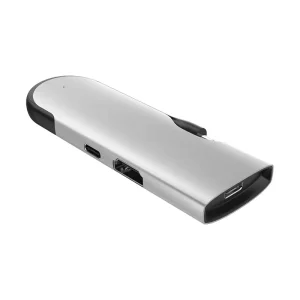
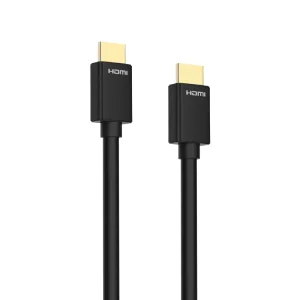
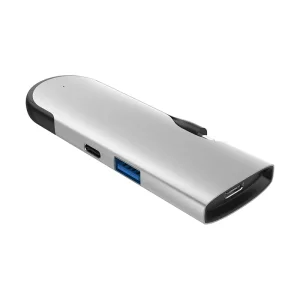
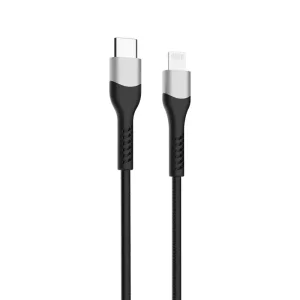
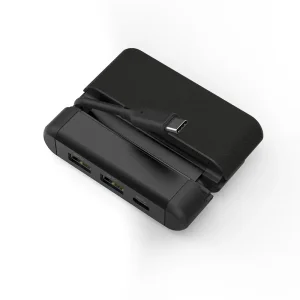
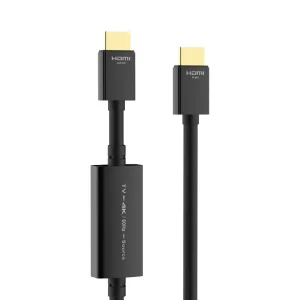
Premium data interfaces engineered for mission-critical network infrastructure and low-latency signal distribution.
In modern enterprise and industrial computing ecosystems, physical Ethernet ports are increasingly phased out of laptops, ultra-thin clients, and smart industrial terminals. However, wireless local area networks (WLAN) often fail to provide the deterministic transmission speeds, electromagnetic noise resilience, and secure barriers required for industrial automated systems. This creates a reliance on external USB-to-RJ45 adapters (USB Ethernet Dongles) to bridge the hardware gap.
For international procurement departments, sourcing components without verified compliance documentation represents a serious liability. The CE Mark (Conformité Européenne) is not merely a custom clearance stamp; it is a declaration that the product complies with the European Union's strict directives regarding safety, electromagnetic compatibility, and environmental hazards. In the context of a USB to RJ45 network interface card, CE compliance ensures the device will not emit disruptive radio frequency noise that degrades adjacent machinery, nor will it suffer from catastrophic structural breakdown when exposed to power spikes.
To legally supply and distribute USB-to-RJ45 adapters within the European Economic Area (EEA), exporters must satisfy a matrix of standards. These are verified using specialized laboratories to ensure absolute signal integrity and compliance:
| Regulatory Code | Technical Objective | Test Parameters | Taitron Engineering Execution |
|---|---|---|---|
| EN 55032 (Class B) | Conducted & Radiated Emissions | 30 MHz to 1 GHz Radiated Scan | Multi-layer PCB layout with dedicated ground planes to contain EMI. |
| EN 55035 / IEC 61000-4-2 | Electrostatic Discharge (ESD) Protection | ±8kV Air, ±4kV Contact ESD | Integrated TVS diodes on all differential pins of the USB-C interface. |
| IEC 60950-1 / EN 62368-1 | Equipment Safety & Insulation | Voltage Surge & Dielectric Breakdown | Built-in magnetic isolation transformers providing 1500V protection. |
| RoHS Directive | Hazardous Substances Restriction | Spectroscopy Material Scanning | 100% Lead-Free SMT process; Halogen-Free TPE and high-temp Nylon shell. |
A premium USB RJ45 converter is a complex processing unit. Beneath its housing lies a specialized Ethernet Controller (typically the Realtek RTL8153B or ASIX AX88179A). This controller functions as a Bridge Chip, converting parallel data packets from the host's USB protocol stack (XHCI driver) to serial line-encoded frames suited for IEEE 802.3 Ethernet transport.
Unlike cheap clones that use direct copper pathways, professional adapters integrate discrete magnetic modules to isolate electrical noise and protect the host motherboard.
Aluminum alloy shells wrap the internal circuit board, while nickel-plated connector bodies act as a Faraday cage to prevent external RF leakage.
Energy Efficient Ethernet (EEE) capabilities reduce power consumption when network traffic is low, preventing thermal throttling in high-ambient environments.
These adapters are deployed across various industries worldwide, each with specific requirements:
As business networks upgrade from standard gigabit topologies, the hardware must keep pace. The next-generation roadmap for USB-to-Ethernet converters focuses on the integration of the USB4 standard alongside 2.5G/5G Multi-Gigabit Ethernet (IEEE 802.3bz).
Furthermore, the incorporation of Power over Ethernet (PoE) passthrough into USB-C docks is underway. This technology enables a single USB-C cable connected to a laptop to not only transmit data but also draw up to 90W of power directly from standard network infrastructure. This eliminates the need for external power supplies in terminal interfaces.
Established in Keelung, Taiwan in 1984 (formerly known as Tonetron), our company expanded operations in 1993, establishing a dedicated manufacturing industrial park in Dalingshan Town, Dongguan City, Guangdong Province, China. Since then, we have operated as Dongguan Taitron Electronics Limited.
Over our 38-year history, we have transitioned from manufacturing basic analog video and audio interface lines to developing high-frequency data transmission cables, multi-functional Type-C docking stations, DisplayPort 2.0 assemblies, certified HDMI 2.1 lines, and specialized USB-C high-power charging systems.
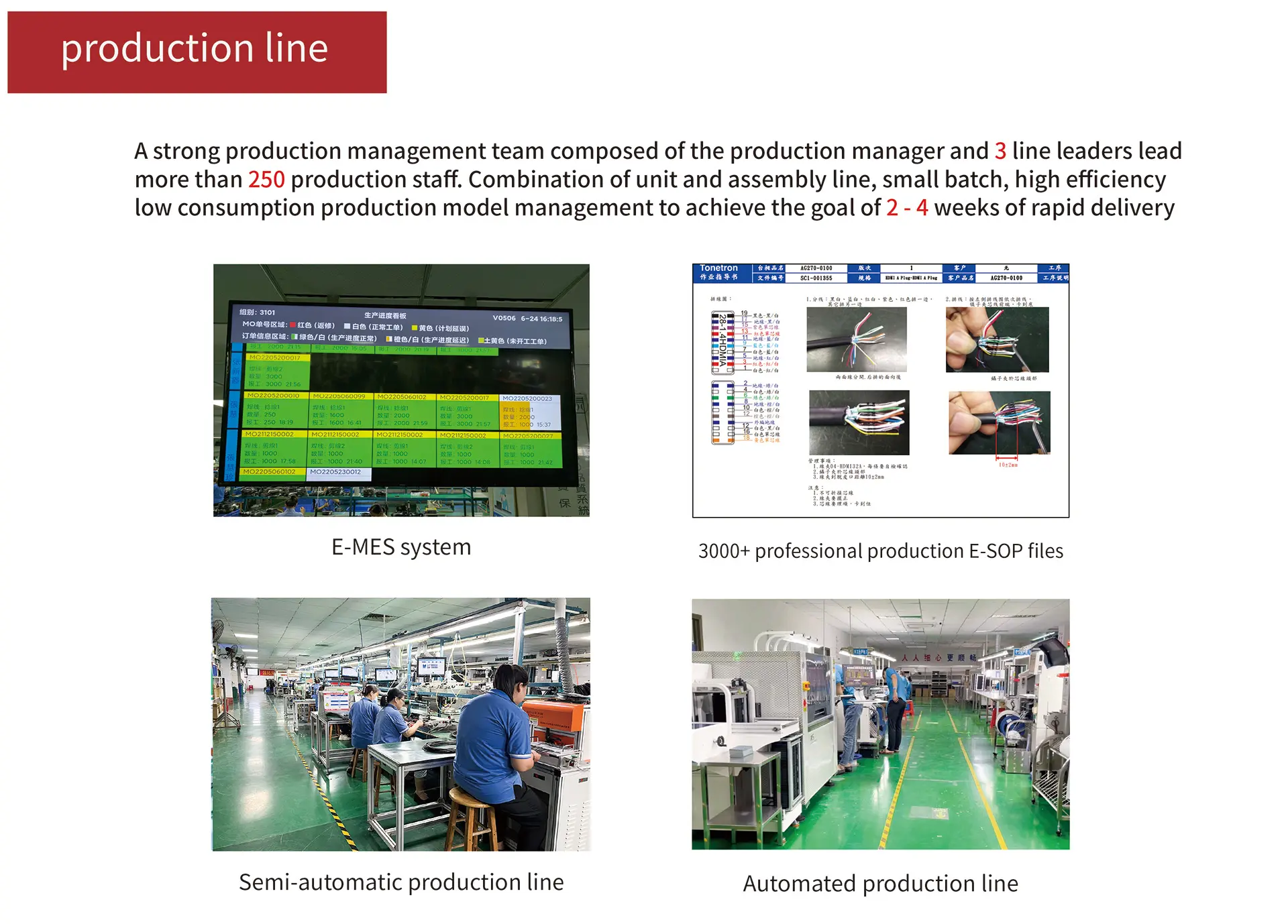
Operating from our self-built facility in Dalingshan, Taitron maintains complete vertical control over our supply chain. This includes raw wire extrusion, automated SMT board mounting, precision assembly, and rigorous testing. This integration ensures consistent quality control and production resilience for global distributions.

Answers to common engineering and sourcing questions regarding USB to RJ45 network adapters.
Explore our full line of OEM/ODM products, including converters, high-speed connection links, and specialized data cabling.
 Taichang Electronic