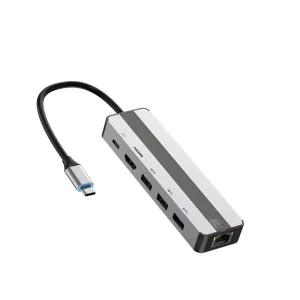
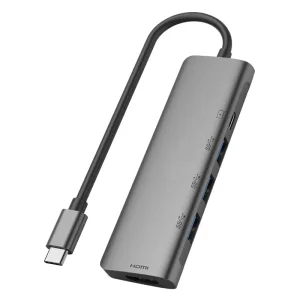
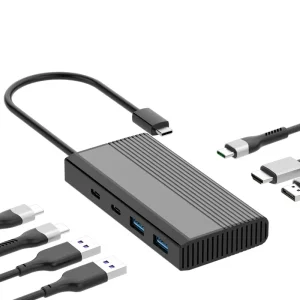
In the rapidly changing landscape of enterprise operations, standard connectivity interfaces are no longer sufficient. Enterprise procurement is shifting toward flexible hardware deployments. The USB C 7 in 1 Modular Adapter represents a major advance in dynamic hardware design. Unlike traditional monolithic hubs, which suffer from port redundancy and elevated failure rates across multiple pipelines, modular architectures allow IT administrators, industrial operators, and system integrators to configure interfaces according to precise operational requirements.
This whitepaper analyzes the mechanical, electrical, and commercial parameters of certified 7-in-1 hubs. It covers thermal performance, regulatory compliance under the CE Certification framework, and production processes. As a primary manufacturer with more than 38 years of experience, we provide detailed technical analyses to support procurement managers in making informed purchasing decisions.
The next generation of our modular adapter platforms transitions from USB 3.2 Gen 2 (10Gbps) architectures to USB4 and Thunderbolt 5 standards. This change increases potential bus bandwidth to 80Gbps and 120Gbps, enabling dual 8K @ 120Hz display outputs and faster data transfers.
We use localized copper heatsinks and phase-change thermal interface materials (TIM). This keeps internal controller IC temperatures below 55°C under continuous heavy loads, preventing thermal throttling of connected laptops.
Our upcoming product roadmaps place Gallium Nitride (GaN) micro-charging components directly inside the modular docking chassis. This layout provides 100W Power Delivery without requiring a bulky external brick.
| Feature Set | Legacy USB-C Hubs | Taitron 7-in-1 Modular Standard | Next-Generation USB4 Roadmap |
|---|---|---|---|
| Upstream Bandwidth | 5 Gbps - 10 Gbps (USB 3.2 Gen 1/2) | 10 Gbps (Gen 2) with Dual Lane Routing | Up to 40/80 Gbps (USB4 & TB5 compatible) |
| Power Routing Efficiency | PD 2.0 (Up to 60W, 15% thermal loss) | PD 3.0 (Up to 100W, <8% thermal loss) | EPR PD 3.1 (Up to 140W/240W smart dynamic) |
| Chassis Temperature | 65°C - 75°C (Throttling active) | 45°C - 50°C (Active dissipating alloy) | <40°C (GaN integrated passive dissipation) |
| Display Protocols | HDMI 1.4 / DP 1.2 (4K @ 30Hz limit) | HDMI 2.0 / DP 1.4 (4K @ 60Hz HDR) | HDMI 2.1 / DP 2.1 (8K @ 120Hz / DSC 1.2a) |
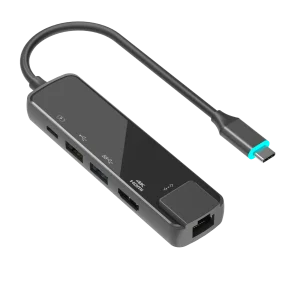
Enterprise IT departments face challenges managing diverse laptop models (Apple macOS, Windows, Linux) with differing port configurations. The CE certified 7-in-1 modular adapter acts as a standard connector interface. By using high-quality internal chipsets from Realtek (for Gigabit Ethernet) and Parade Technologies (for video conversion), our adapters ensure consistent performance. This reduces IT support tickets and simplifies hot-desking setups.
Smart classrooms require quick connections between mobile tablets, legacy projectors, and network jacks. Our modular hub provides a 4K HDMI interface and a wired RJ45 connection, ensuring stable internet access during online lectures and presentations.
The strain-relieved USB-C cable and impact-resistant aluminum outer shell help protect the hub from physical wear in busy student environments.
Importing consumer electronics into regulated markets like the European Economic Area (EEA), North America, and Japan requires strict compliance with international standards. Our USB C 7 in 1 adapters are built to meet these regulatory guidelines.
Every production batch undergoes testing inside an Anechoic Chamber to monitor Electromagnetic Compatibility (EMC) emission levels. This process confirms that the high-frequency internal oscillators within the hub do not interfere with neighboring wireless routers, 5G modems, or vital medical equipment.
We provide local customer support agencies, custom-translated safety manuals in 14 languages, and standard RMA processes. These services ensure that global enterprise procurement networks run smoothly without experiencing customs clearance delays.
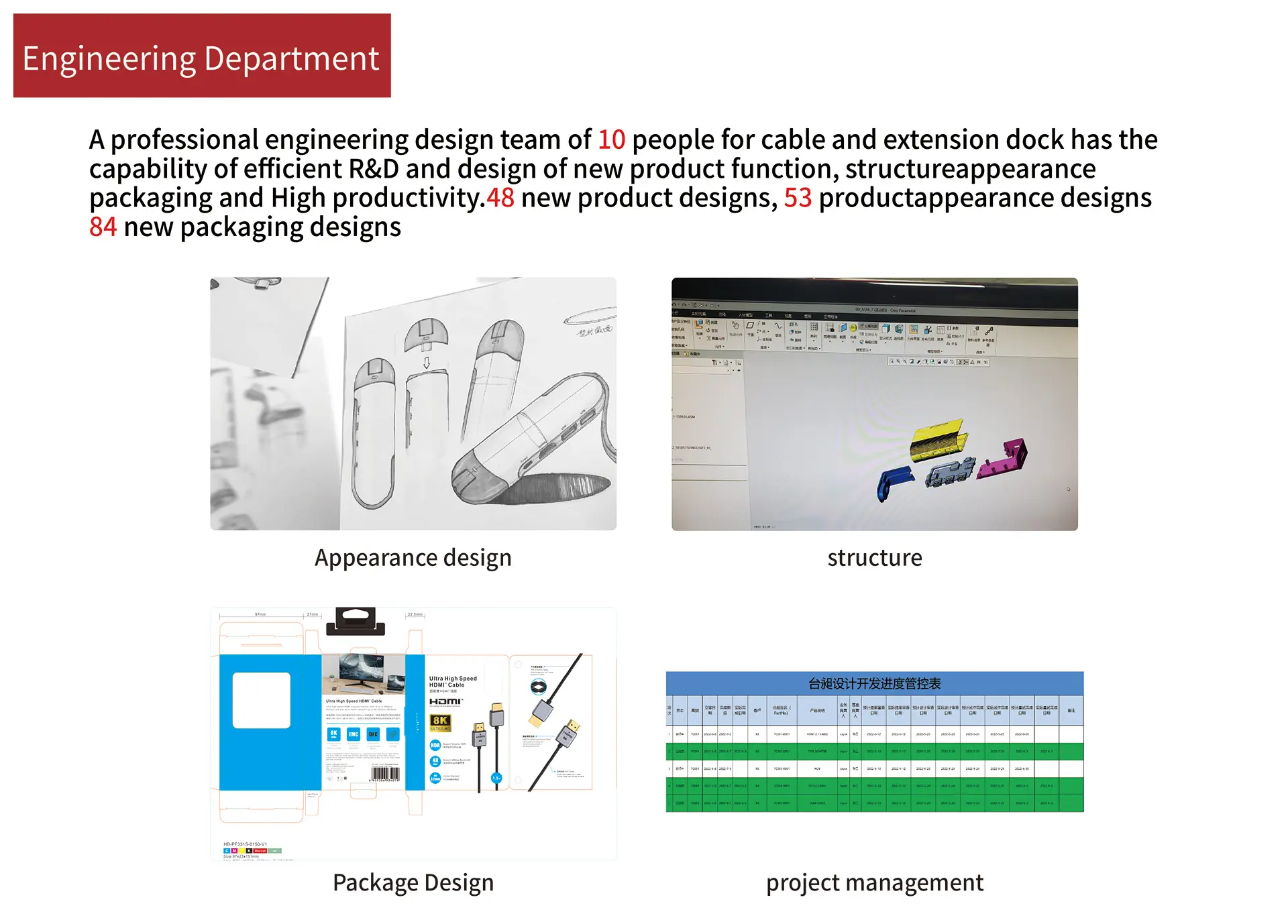
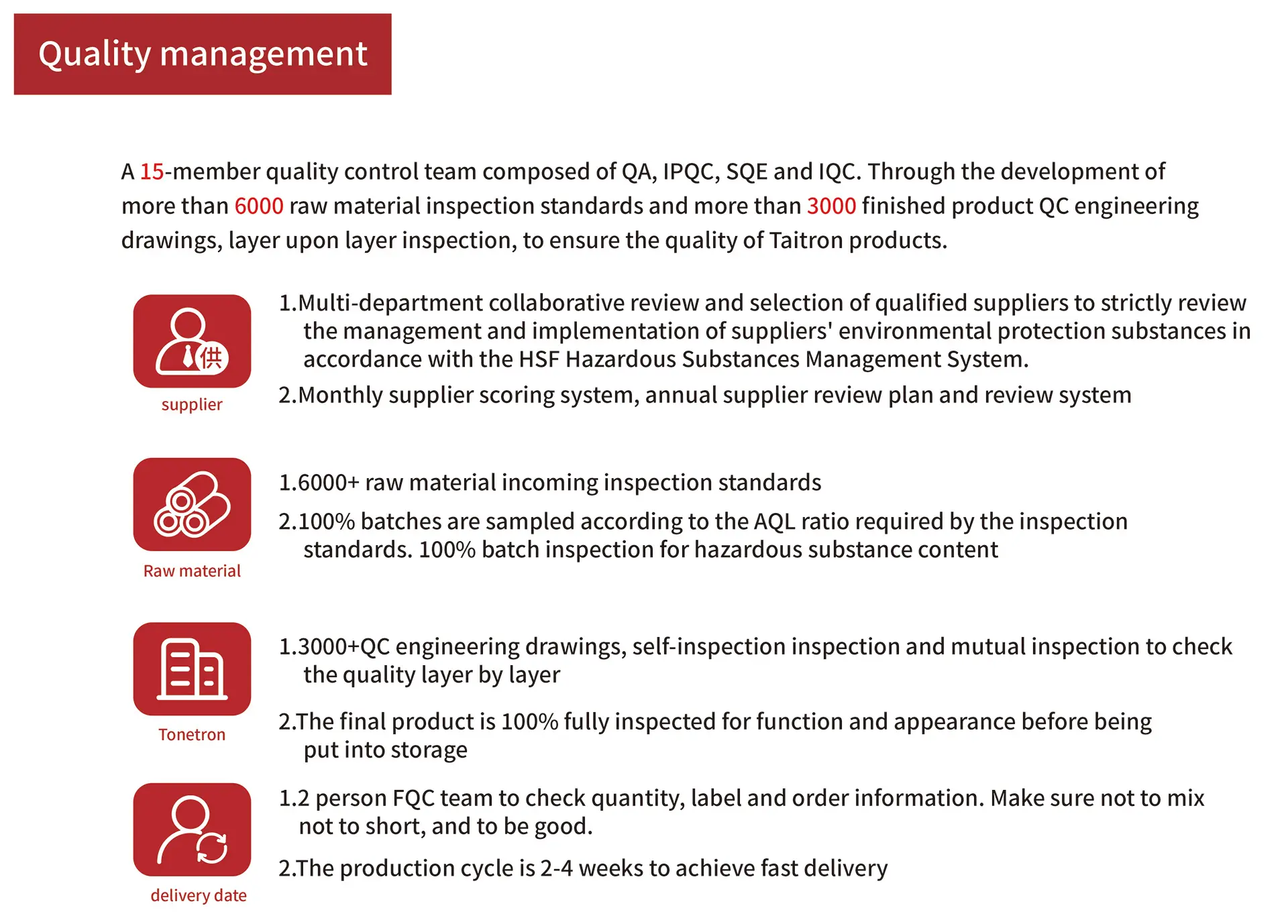

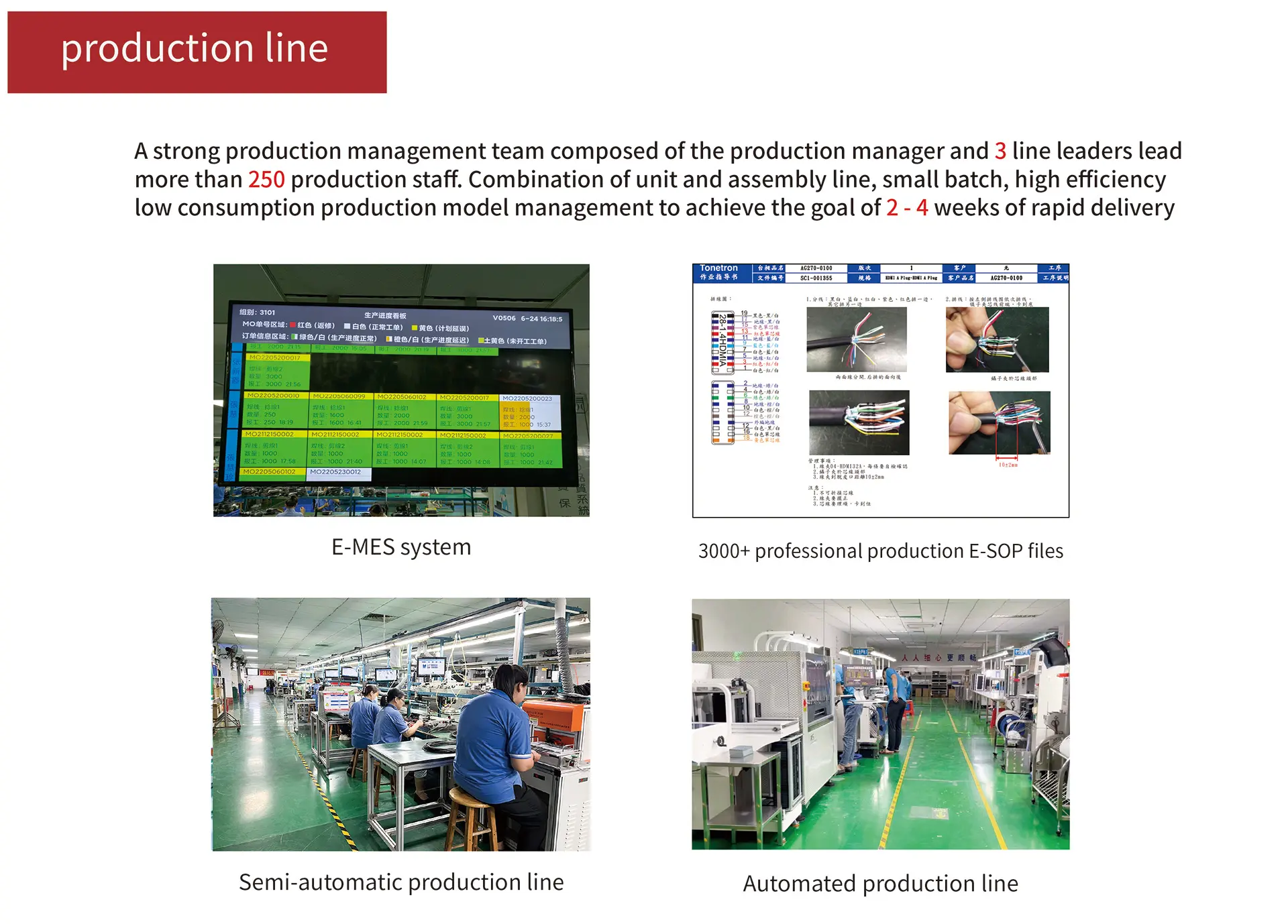
Our quality control system operates through every stage of production. Raw plastics and aluminum billets undergo initial testing, while fully populated PCB assemblies are checked using automated optical inspection (AOI) to find cold solder joints and bridges before final casing assembly.
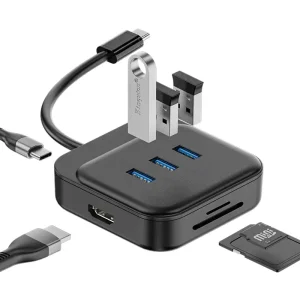
For our USB C 7-in-1 hubs, we run automated, high-frequency loop tests on all interfaces. Each port—including HDMI, USB-A data lanes, Gigabit Ethernet, and the SD/TF card slot—is tested under full bandwidth conditions. This ensures that every shipped adapter meets the required technical standards.
Our Dalingshan industrial park in Dongguan is positioned within China’s major electronics supply chain corridor. We perform tool design, injection molding, surface-mount technology (SMT), casing metal stamping, and packaging in-house.
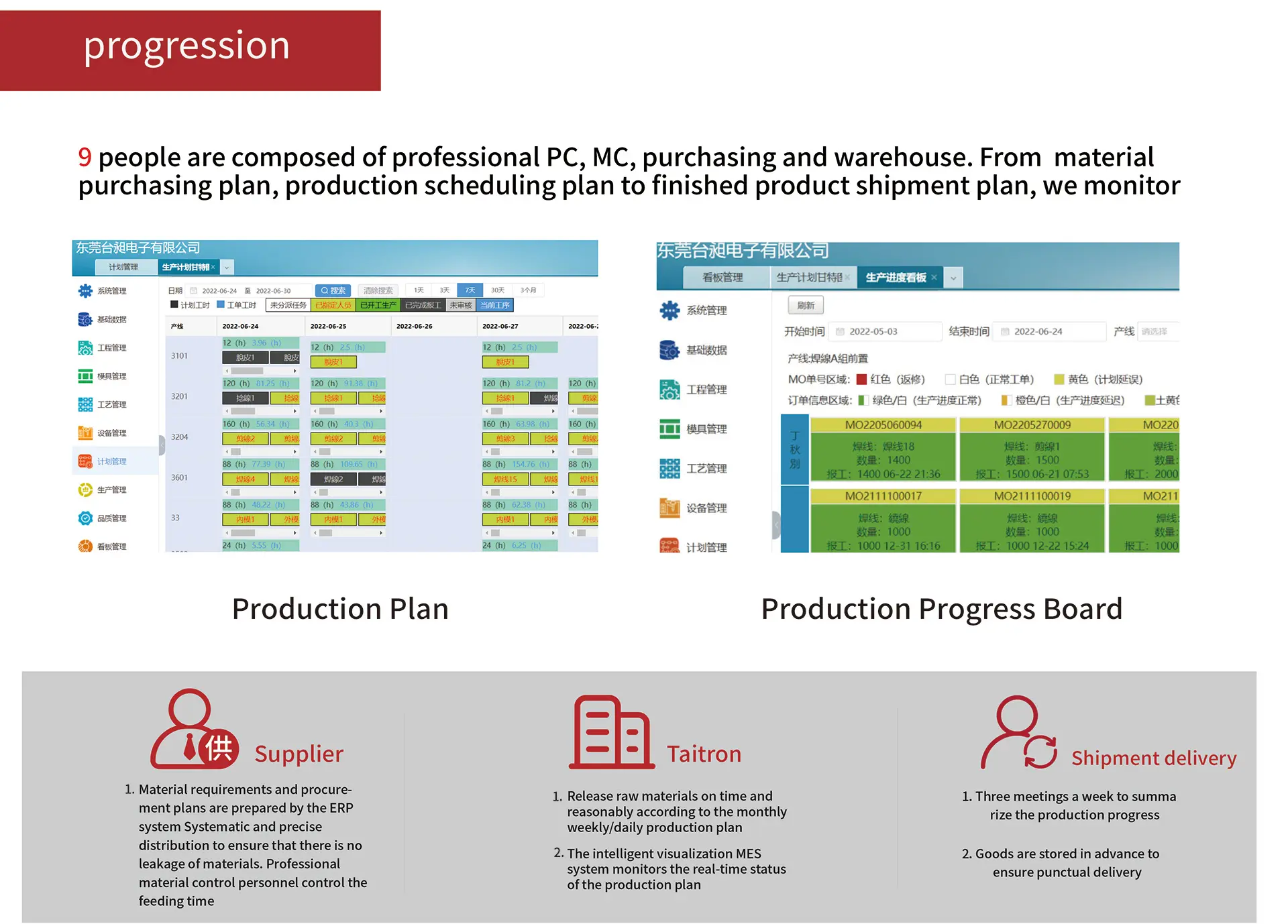
This high level of integration helps protect us against supply chain disruptions, allowing us to offer predictable lead times and maintain consistent pricing during market changes.
Procurement teams require clear cost-to-benefit projections and transparent sourcing timelines. We design our B2B procurement workflow to be straightforward and compliant with international standards, offering custom OEM/ODM packaging options, laser logo engraving, and tailored firmware settings.
We work with standard Incoterms (FOB Shenzhen, CIF Hamburg, DDP Los Angeles) and integrate with established logistics partners to coordinate sea, air, and rail shipping.
| Phase | Process Description | Timeline |
|---|---|---|
| Step 1 | RFP & Custom Electrical Specification Alignment | 2-3 Days |
| Step 2 | Prototype Validation Testing (EVT/DVT) | 1-2 Weeks |
| Step 3 | Tooling Setup & SMT Assembly Preparation | 15 Days |
| Step 4 | Mass Production, Testing, and Compliance Verification | 20-30 Days |
 Taichang Electronic