In an era dominated by cloud computing, ultra-thin hardware form factors, and hyper-scalable enterprise environments, the demand for highly reliable, cost-efficient, and secure wired networking bridges has escalated exponentially. Thin clients, ultrabooks, and mobile workstations have systematically engineered out native RJ45 ports to prioritize slim industrial designs. The resulting integration gap makes Ethernet-to-USB adapters critical infrastructure components rather than trivial accessories.
For IT procurement officers, hardware distributors, and systems integrators, finding a balanced "cheap" Ethernet-to-USB supplier does not mean compromising on reliability, signal integrity, or lifespan. Instead, it refers to finding manufacturing partners that leverage deep vertical integration, automated SMT processes, and optimization of the Bill of Materials (BOM) to deliver cost-effective products at scale.
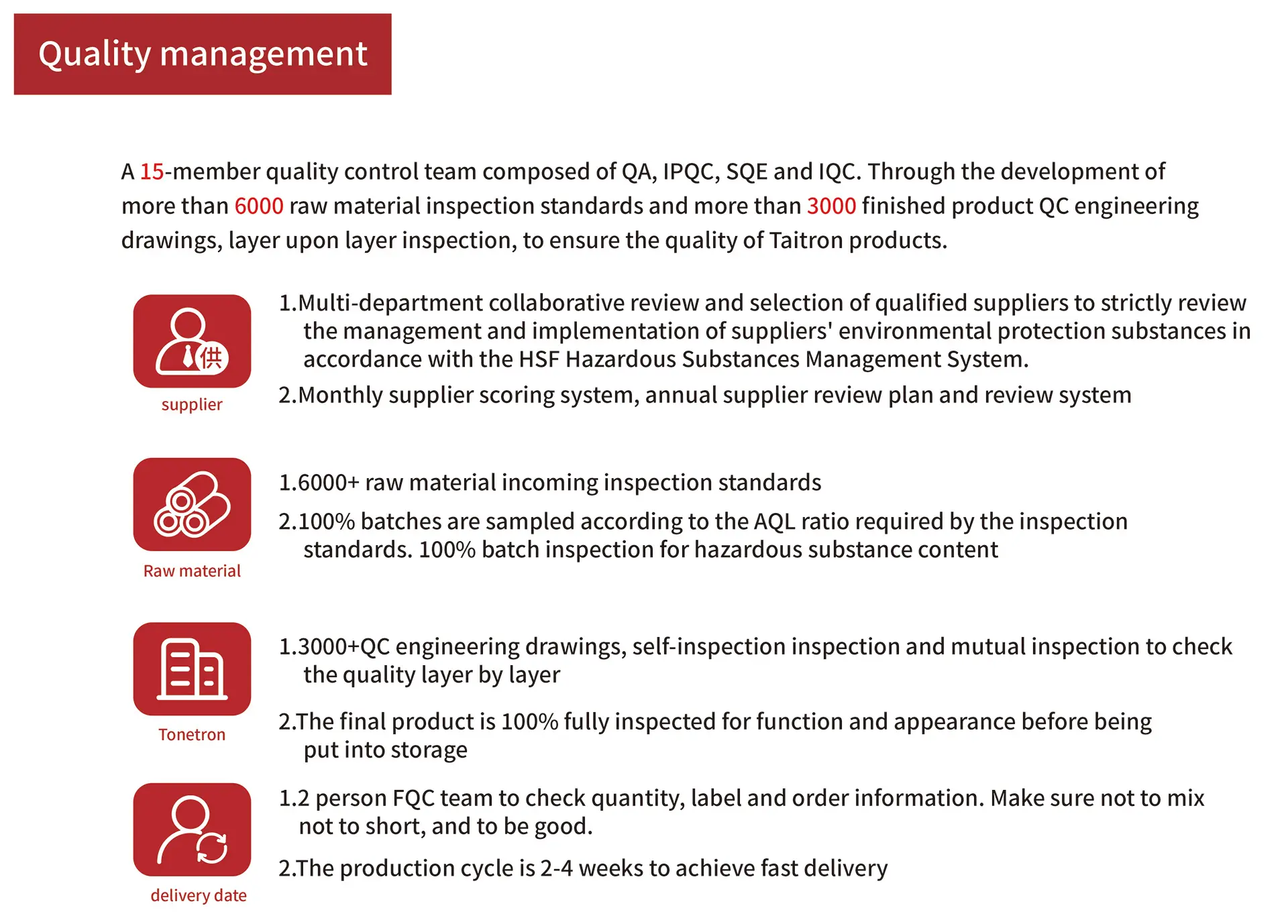
To establish genuine E-E-A-T (Experience, Expertise, Authoritativeness, Trustworthiness), hardware documentation must move past generic descriptions. True authority is defined by clear explanations of integrated circuit (IC) selection, physical layer (PHY) transceiver efficiency, crosstalk shielding architectures, and how factory-level quality systems minimize field-failure rates to below 0.05%.
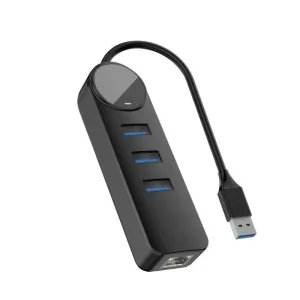
The architecture of a professional USB to Ethernet interface (such as a USB-C to 100Mbps/1000Mbps RJ45 adapter) requires meticulous engineering to maintain constant throughput and low latency. The interface conversion process relies on two main components:
Selecting the correct silicon is crucial. We use leading controllers (such as the Realtek RTL8153 and ASIX AX88179/A or Realtek RTL8152B for 100M designs) to ensure native driver compatibility across Windows, macOS, Linux, and ChromeOS without installation delays.
Continuous data transmission generates heat in the physical layer (PHY). Utilizing aluminum alloy shells with specialized thermal pads ensures that heat is rapidly conducted away from the main chip, preventing packet drops and performance throttling.
Electrostatic Discharge (ESD) and Electromagnetic Interference (EMI) protection are integrated into our multi-layered PCB layouts. This safeguards connected devices against power spikes and minimizes packet loss from ambient noise.
When sourcing "cheap" adapters, many off-brand suppliers skip secondary filtering capacitors and save costs by using inferior 2-layer PCBs instead of 4-layer boards. This compromises impedance controls, leading to erratic signal reflection and dropouts at high speeds. True high-performance wholesale adapters maintain strict adherence to IPC-A-610 standards to ensure reliable connection stability.
As a leading B2B supplier based in Dalingshan Town, Dongguan, China, we offer direct access to the world’s most advanced electronics supply chain. By managing the manufacturing process from raw copper drawing and plastic extrusion to high-speed SMT assembly, we eliminate the markups associated with middleman sourcing.
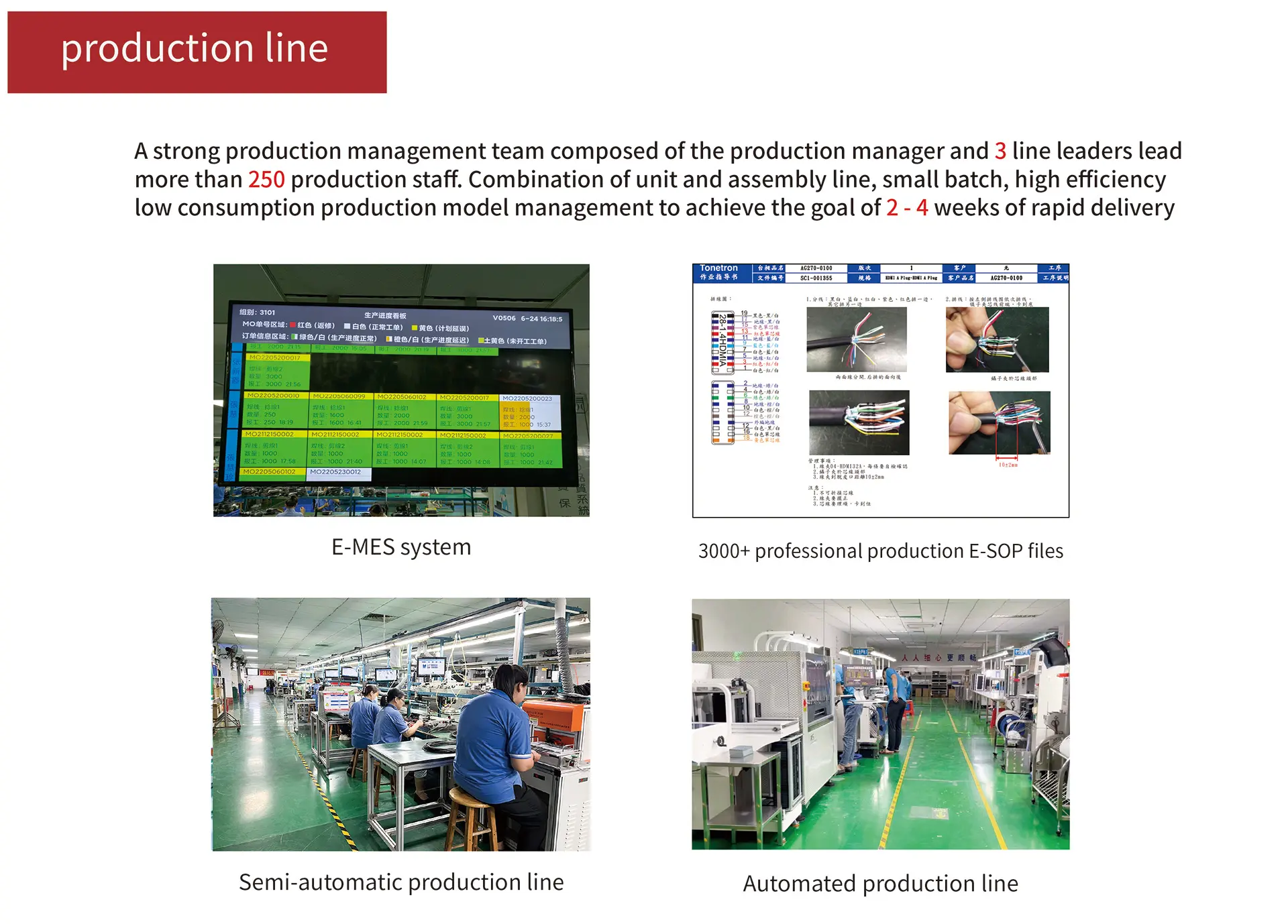
Our manufacturing facilities integrate automatic component placement with multi-zone reflow soldering ovens, reducing manual assembly costs while maintaining consistent solder joint quality. These raw material advantages, combined with optimized logistics via nearby Shenzhen and Guangzhou ports, allow us to offer competitive pricing without sacrificing the build quality required by global enterprises.
B2B clients face varied operating environments that require specific product customizations. Understanding these localized use cases ensures that your volume orders align perfectly with end-user expectations:
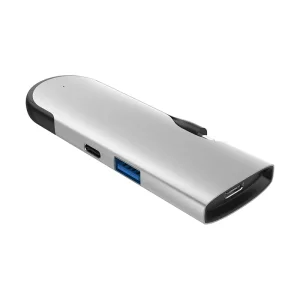
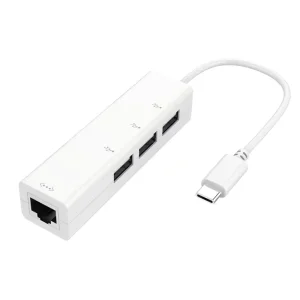
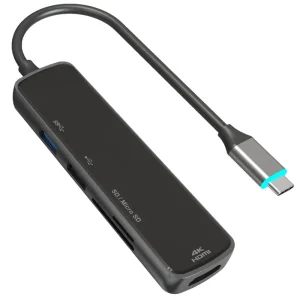
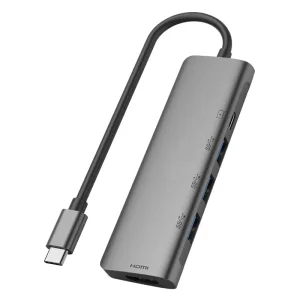
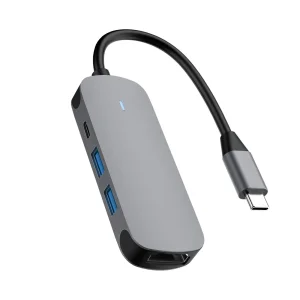
Hot-desking configurations require reliable, plug-and-play Ethernet connections for thin client laptops. Multi-port adapters like the China USB C 4 in 1 Adapter (RJ45 100Mbps) - MP420 provide native RJ45 ports alongside extra USB interfaces to streamline connection management.
Factory automation and legacy equipment often rely on wired connections for real-time monitoring. These deployments require durable PVC or metal casings and secure connector latches to prevent accidental disconnections in active environments.
Standardized online exams require stable connections to prevent session drops. Volume deployment of USB to Ethernet adapters ensures steady network access across large laptop labs, avoiding the bandwidth limits and congestion common to Wi-Fi.
Importing electronic hardware involves navigating complex compliance frameworks. To protect our partners from regulatory liabilities and custom holdups, we maintain full transparency and testing documentation. Every batch of Ethernet-to-USB components undergoes strict certification procedures:
Additionally, we support global distribution by offering localized logistics options. Whether you require customized retail packaging, DDP shipping options, or bulk industrial trays, we work closely with your logistics team to ensure smooth customs clearance.
The hardware landscape is transitioning from Gigabit (1Gbps) speeds to 2.5Gbps and 5Gbps connectivity options to match the bandwidth of modern Wi-Fi 6E/7 access points and network switches. Enterprise clients are increasingly adopting multigigabit adapters to improve local server access speeds.
Simultaneously, green procurement requirements are driving the use of eco-friendly materials. We are phasing out traditional PVC plastics in favor of TPE (Thermoplastic Elastomer) coatings and PCR (Post-Consumer Recycled) plastics for housing structures. Partnering with a manufacturer that prioritizes these technological and environmental updates helps keep your product line ready for shifting market demands.
In 1984, Dongguan Taitron Electronics Limited., formerly known as Tonetron, was founded in Keelung, Taiwan. In 1993, it moved to the self-built independent production industrial park in Dalingshan Town, Dongguan City, China, and changed its name to Dongguan Taitron Electronics Limited.
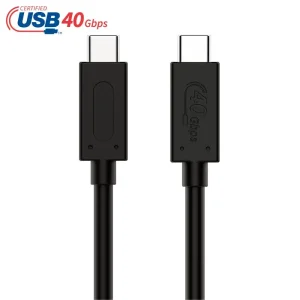
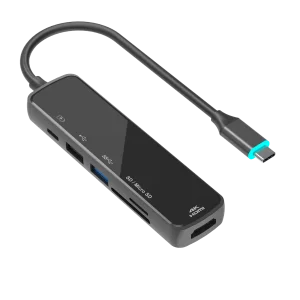
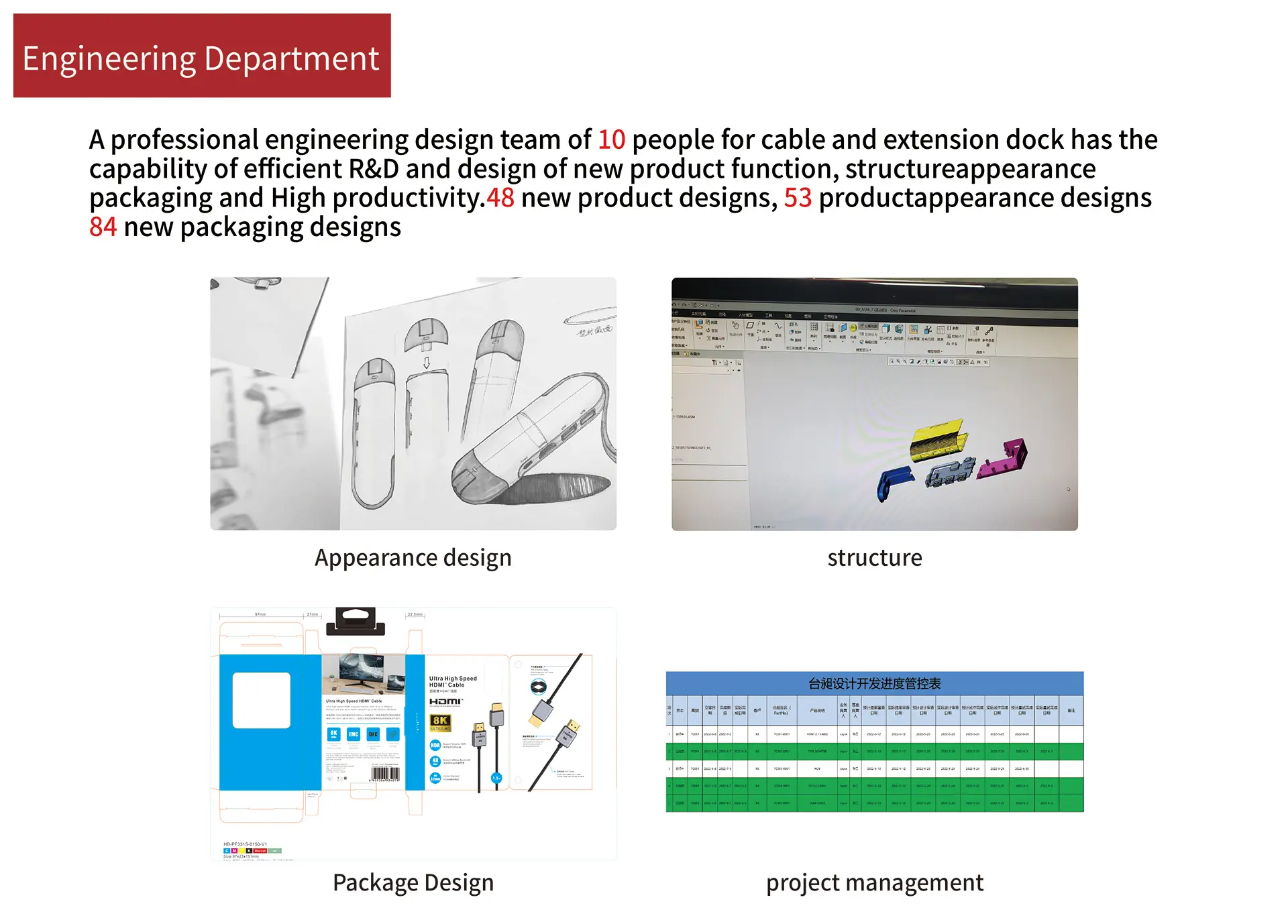
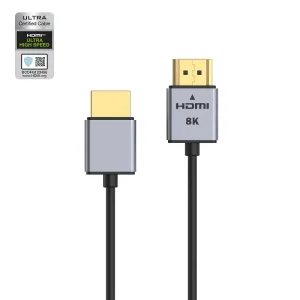
Over 38 years, our foundation has built on manufacturing professional video and audio peripheral connection lines. We have gradually expanded our R&D and manufacturing capabilities to include high-end audio and video cables, data cables (such as HDMI 2.1 cables, DP 2.0 cables, and USB4 data cables), USB-C 3.1 Gen2 data cables, high-power USB charging cables, 8K HD conversion cables, and multi-functional Type-C expansion docks.

 Taichang Electronic