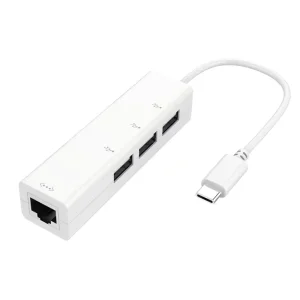
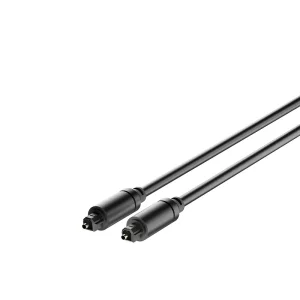
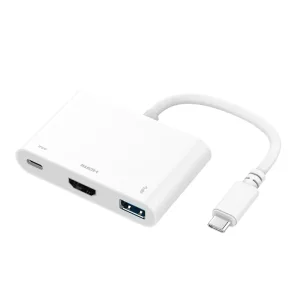
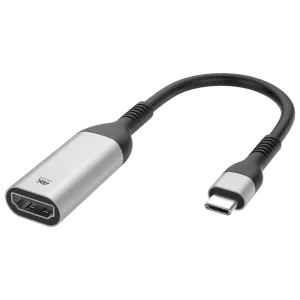
The global shift toward highly compact, ultra-thin notebooks and enterprise workstations has systematically eliminated native RJ45 ports. Consequently, the reliance on high-speed external connectivity solutions has surged exponentially. The Cheap USB 3.0 LAN Adapter market has transitioned from a simple retail accessory niche into a critical component of institutional IT infrastructures, cloud deployments, and industrial computing frameworks worldwide.
Today’s enterprise buyers seek to balance economic viability with absolute stability. In hardware procurement, the term "cheap" does not imply compromised quality; rather, it indicates advanced supply chain efficiencies, raw material accessibility, and optimized high-volume production structures. By partnering directly with an established Chinese factory, organizations can leverage economies of scale that reduce unit costs while maintaining rigorous signal integrity and electrical standards.
"The core challenge of network hardware procurement is maintaining structural durability and packet transmission accuracy at a competitive unit cost. True cost efficiency is achieved by eliminating intermediary distribution layers and optimizing factory automation systems."
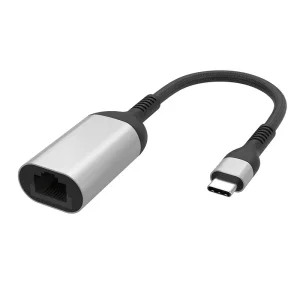
Technically, a USB 3.0 to Gigabit LAN Adapter serves as a bridge between the Universal Serial Bus protocols and the IEEE 802.3 Ethernet physical layer. The device features integrated Physical Layer (PHY) transceivers and Media Access Controllers (MAC) designed to manage heavy traffic profiles without heating or data latency spikes. These chips must perform hardware-level checksum offloads (IPv4/IPv6/TCP/UDP) and support Wake-on-LAN (WOL) protocols, making them essential for enterprise remote fleet management.
Dongguan, China is recognized as a global hub for hardware electronics, housing complete ecosystems for raw materials, copper wire extrusion, plastic injection molding, and surface-mount technology (SMT). Operating a factory within this cluster allows us to compress production lead times, optimize design iterations, and secure components at scale, passing these direct cost advantages on to our international buyers.
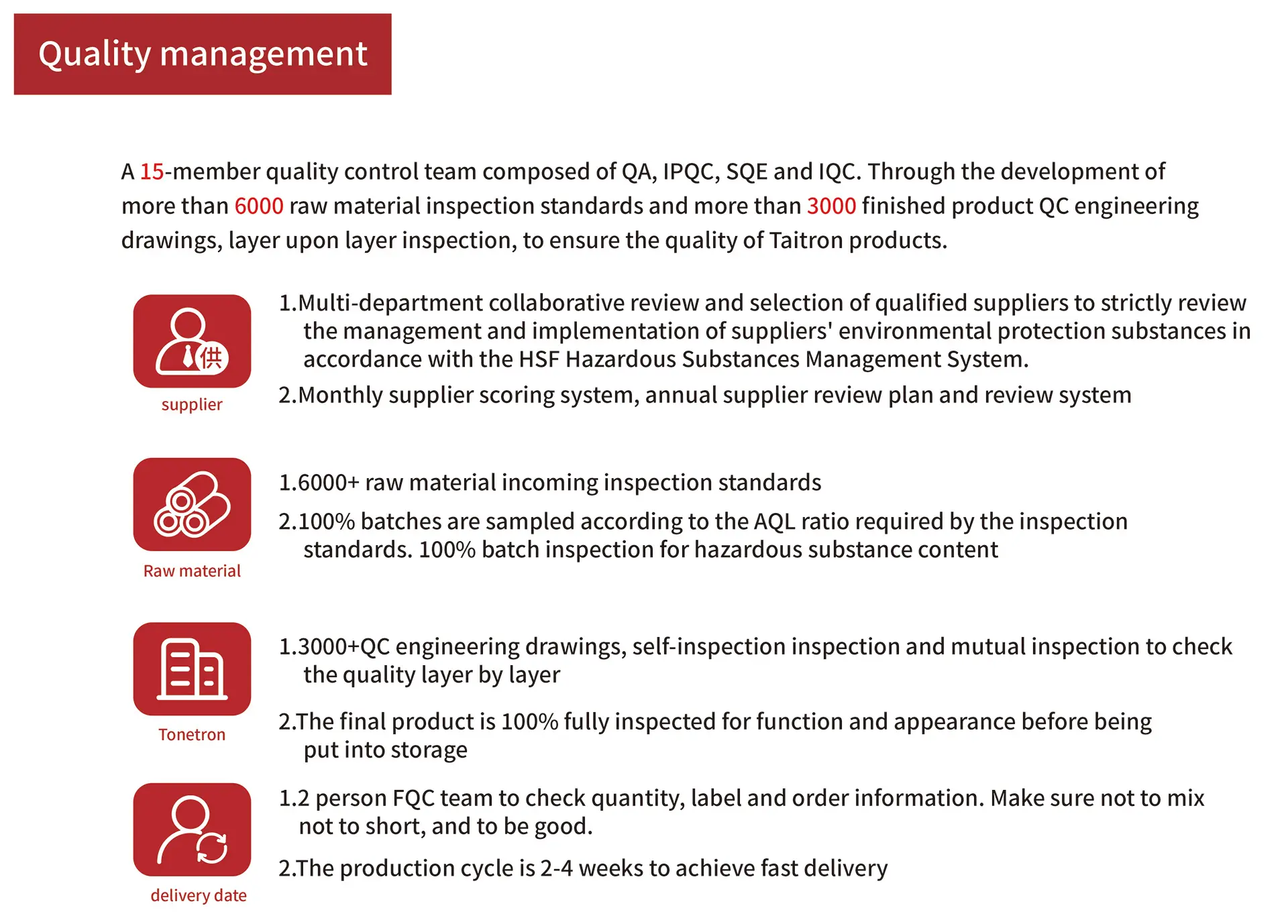
Our facility ensures reliability by sourcing premier chipsets (such as Realtek and ASIX controller platforms) and employing rigorous quality assurance mechanisms. Rather than standard batch testing, our automated test equipment (ATE) runs functional ping tests, power consumption checks, and physical port stress tests on every single finished unit. This strict process ensures our cost-effective USB 3.0 LAN adapters deliver reliable performance across enterprise, industrial, and consumer applications.
Aluminum-Mylar foil shielding combined with high-density tinned copper braiding provides robust protection against electromagnetic interference (EMI), ensuring stable, drop-free data rates.
Engineered with thermal-conductive ABS or premium aluminum casings to dissipate heat efficiently, preventing performance throttling during periods of sustained, high-bandwidth data transfer.
Plug-and-play operation across Windows, macOS, Linux, Chrome OS, and game consoles, with built-in driver support in modern operating systems for seamless deployment.
In modern corporate settings, USB 3.0 Ethernet adapters are used across several key applications: secure government offices that disable Wi-Fi to prevent wireless intrusion, hotel and hospital terminals requiring reliable physical connections, and warehouse logistics stations that need stable, wired ports for high-volume scanning. In each case, these adapters offer a practical, cost-effective alternative to replacing older, port-limited hardware.
| Deployment Environment | Primary Technical Requirement | Network Protocol Focus | Impact of Quality Failure |
|---|---|---|---|
| Enterprise Office / Thin Clients | Stable sustained gigabit speed | TCP/IP, VoIP, SSL/TLS | Interrupted conference calls, sluggish cloud database access |
| Industrial Automation (SCADA) | Low packet latency, high shielding | Modbus TCP, PROFINET | Loss of real-time monitoring, machinery feedback delays |
| Healthcare Facilities | No EMI interference, secure access | HIPAA-compliant secure sockets | Intermittent patient records loading, local security risks |
| Wired Smart Logistics | Rugged connector, strain relief | UDP inventory sync | Halted processing lines, package scanning sync failures |
Established in 1984 as Tonetron in Keelung, Taiwan, our company has built a decades-long legacy in manufacturing and structural design. In 1993, to scale up operations and optimize our logistics pipelines, we relocated to a custom-built industrial production park in Dalingshan Town, Dongguan City, China, renaming our enterprise to Dongguan Taitron Electronics Limited.
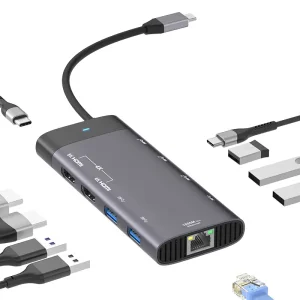
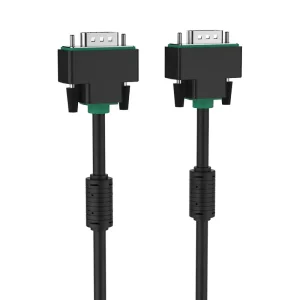
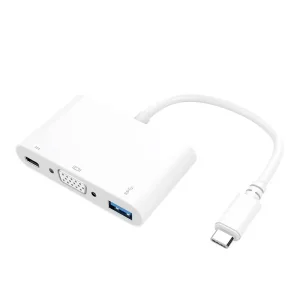
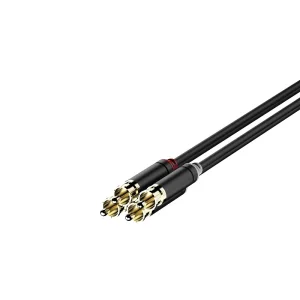
For 38 years, our foundation rested on high-precision video, audio, and peripheral network connection interfaces. As digital standard protocols advanced, we invested in R&D and production upgrades. Today, our state-of-the-art facilities produce high-end cable assemblies and converter devices, including HDMI 2.1, DP 2.0, USB4, USB-C 3.1 Gen 2, high-power USB charging cables, and feature-rich Type-C expansion docks.
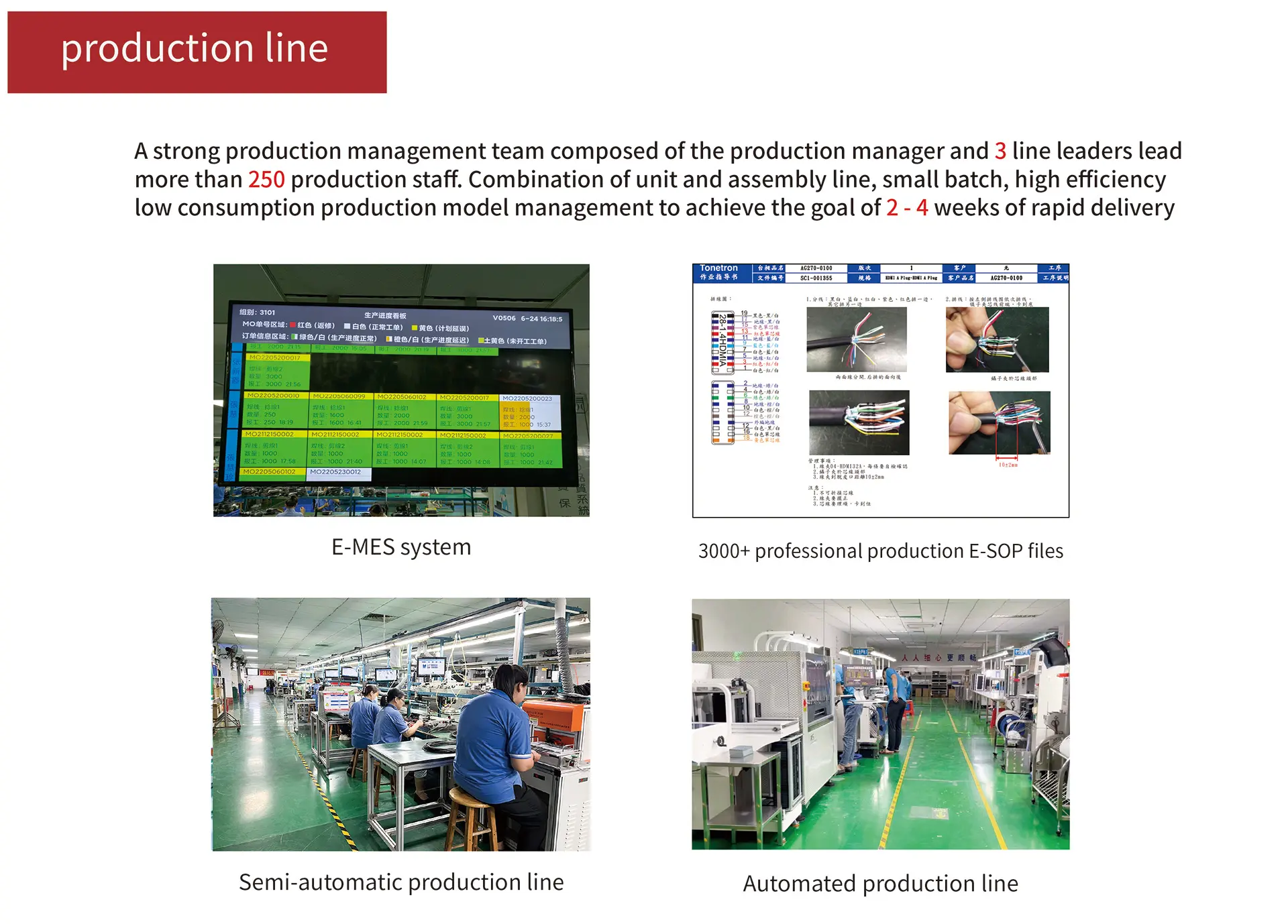
Our facilities feature modern SMT assembly setups, automatic wire soldering machines, high-frequency signal analyzers, and climatic testing chambers. This end-to-end control ensures our products meet international performance and reliability standards.

 Taichang Electronic