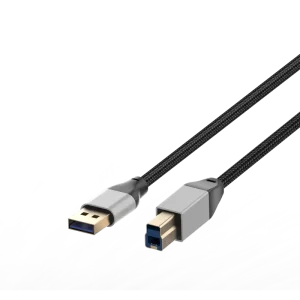
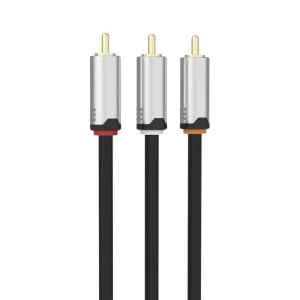
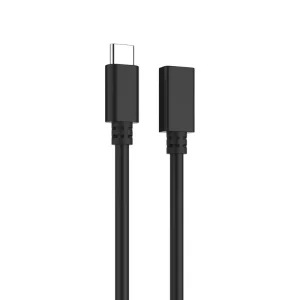
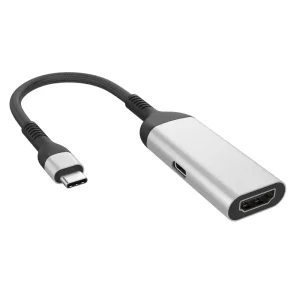
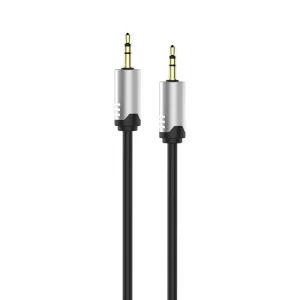
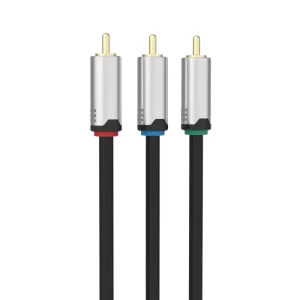
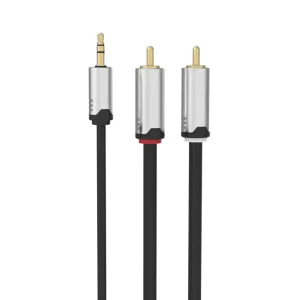
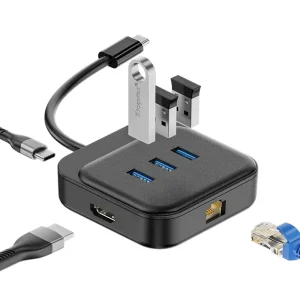
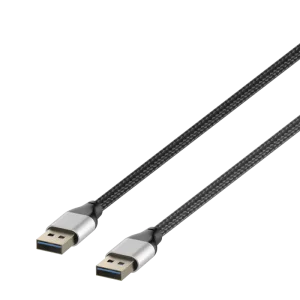
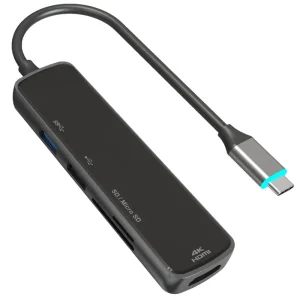
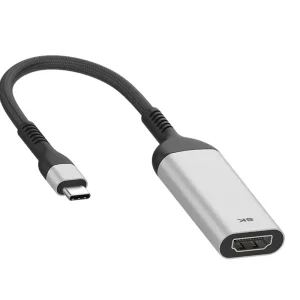
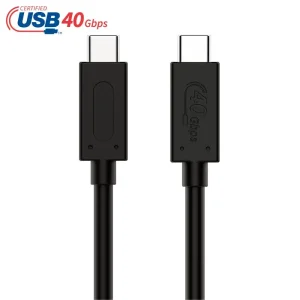
Explore our foundational range of certified interface adapters, engineered for zero-loss connectivity and enterprise scalability.
The Global Architecture of Enterprise IT Deployments, Industrial Automation, and Consumer Electronics Connectivity.
In the era of hyper-dense computing, cloud-native enterprise structures, and thin-profile hardware configurations, physical RJ45 Ethernet ports have systematically vanished from modern laptops, ultrabooks, and industrial tablets. While wireless solutions (Wi-Fi 6E/7) provide convenience, they remain fundamentally vulnerable to radio-frequency interference (RFI), physical obstructions, latency spikes, and security vulnerabilities. Consequently, the commercial demand for robust, high-integrity USB LAN Ethernet Adapters has surged globally.
This document serves as an industry whitepaper addressing the procurement requirements, technology architectures, and localized integration vectors of USB-to-Ethernet adapters. It establishes how enterprise buyers can acquire highly cost-effective (cheap) adapter units without compromising on quality control, hardware-level packet handling, or regulatory compliance. By linking up directly with an experienced manufacturing partner like Dongguan Taitron Electronics Limited, global buyers bypass intermediary markups to secure factory-direct pricing scales, scalable OEM/ODM customization, and robust supply chain resilience.
A Legacy of Precision Signal Transmission Engineering Since 1984.
Dongguan Taitron Electronics Limited (originally founded in Keelung, Taiwan in 1984 as Tonetron) has stood for nearly four decades at the forefront of precision cabling and signal conversion engineering. In 1993, to accommodate expanding manufacturing demand and harness localized industrial synergies, the company relocated to its purpose-built, independent production park in Dalingshan Town, Dongguan City, Guangdong Province, China.
Our infrastructure handles end-to-end production: from internal PCB layout design and automated SMT component placement to advanced plastic/metal injection molding and multi-phase electrical verification. Our engineering division continuously monitors and implements modern signal integrity methodologies, ensuring that every product—ranging from entry-level 100Mbps Ethernet dongles to multi-port 8K display docking stations—performs optimally under sustained commercial loads.
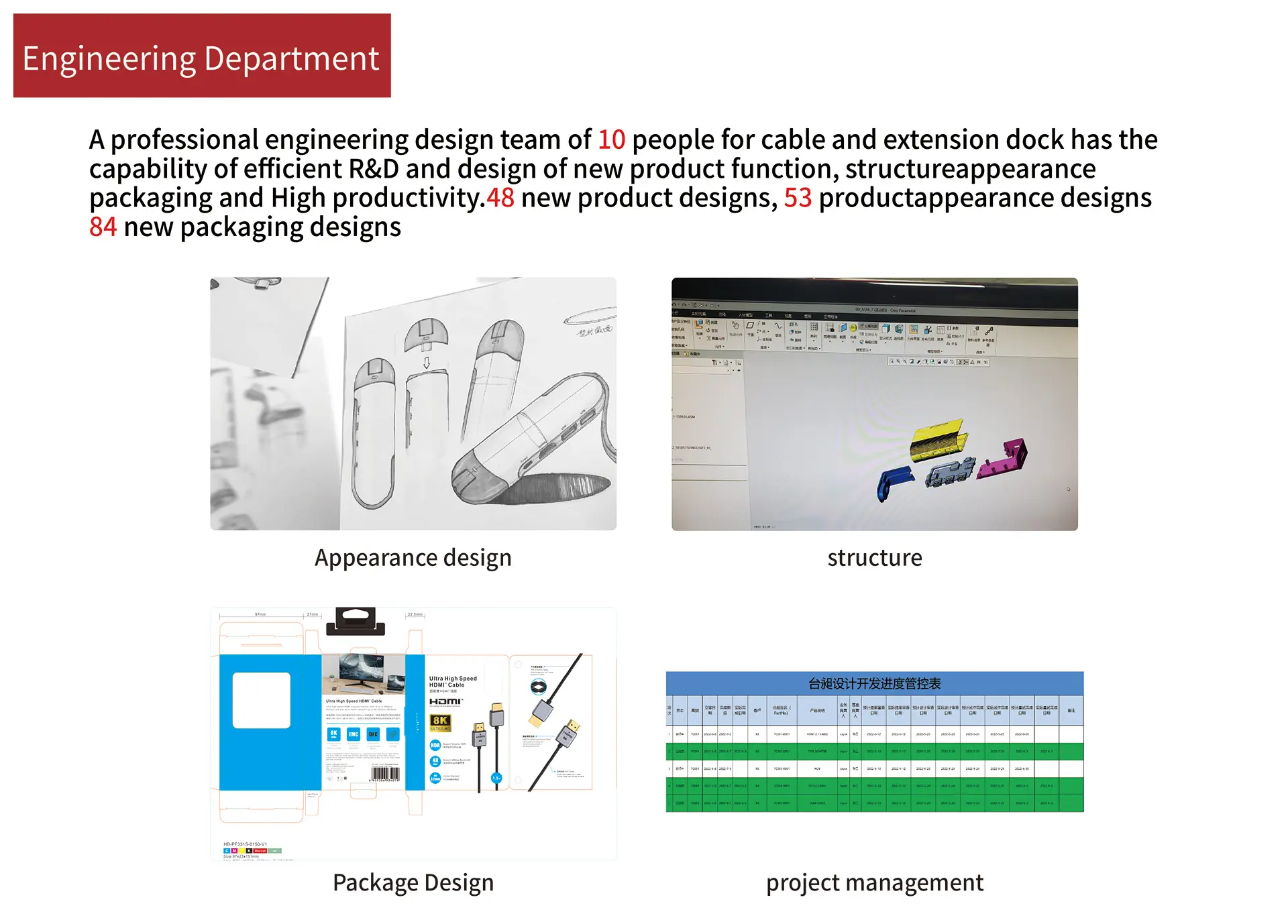
Engineering Department
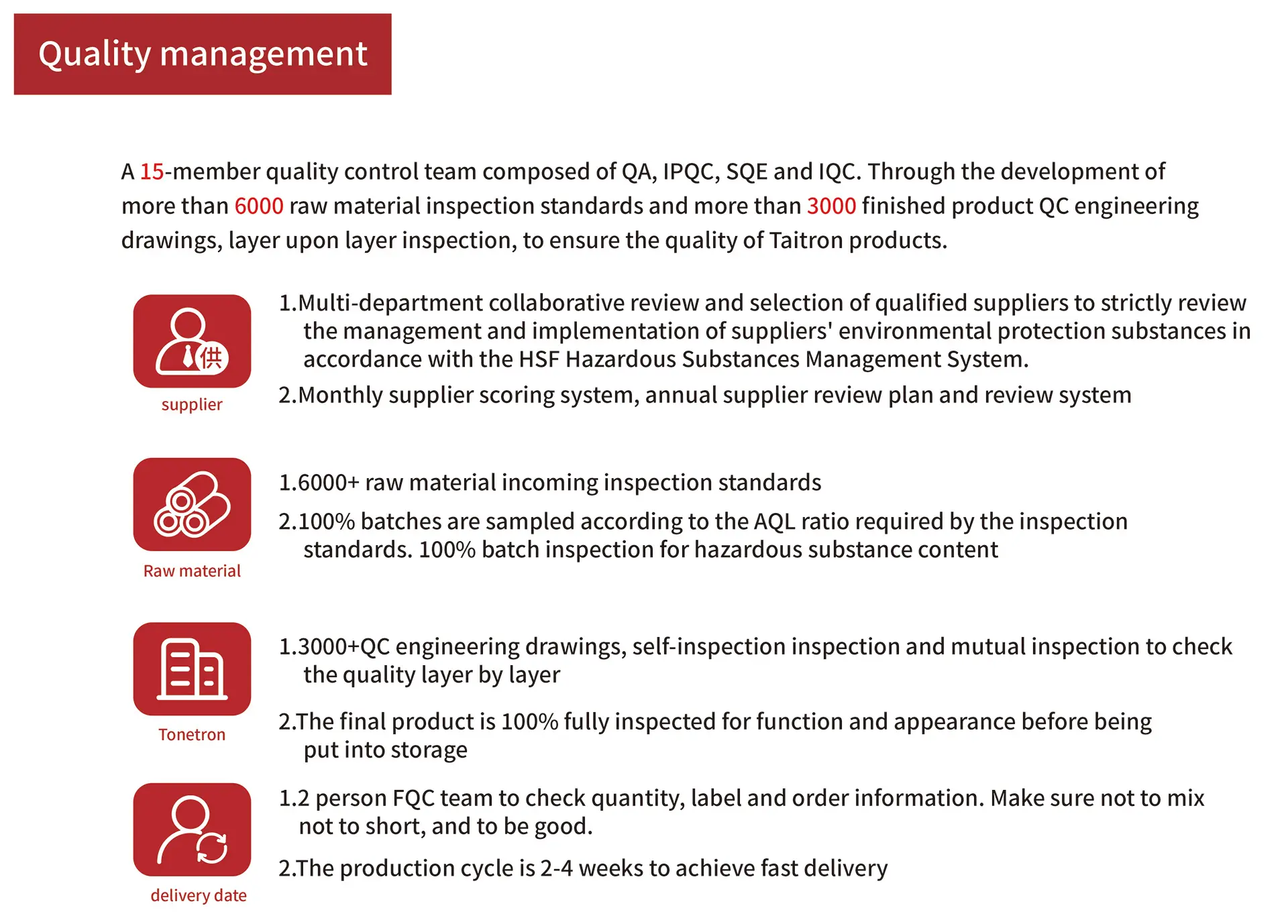
Quality Management

Production Unit A
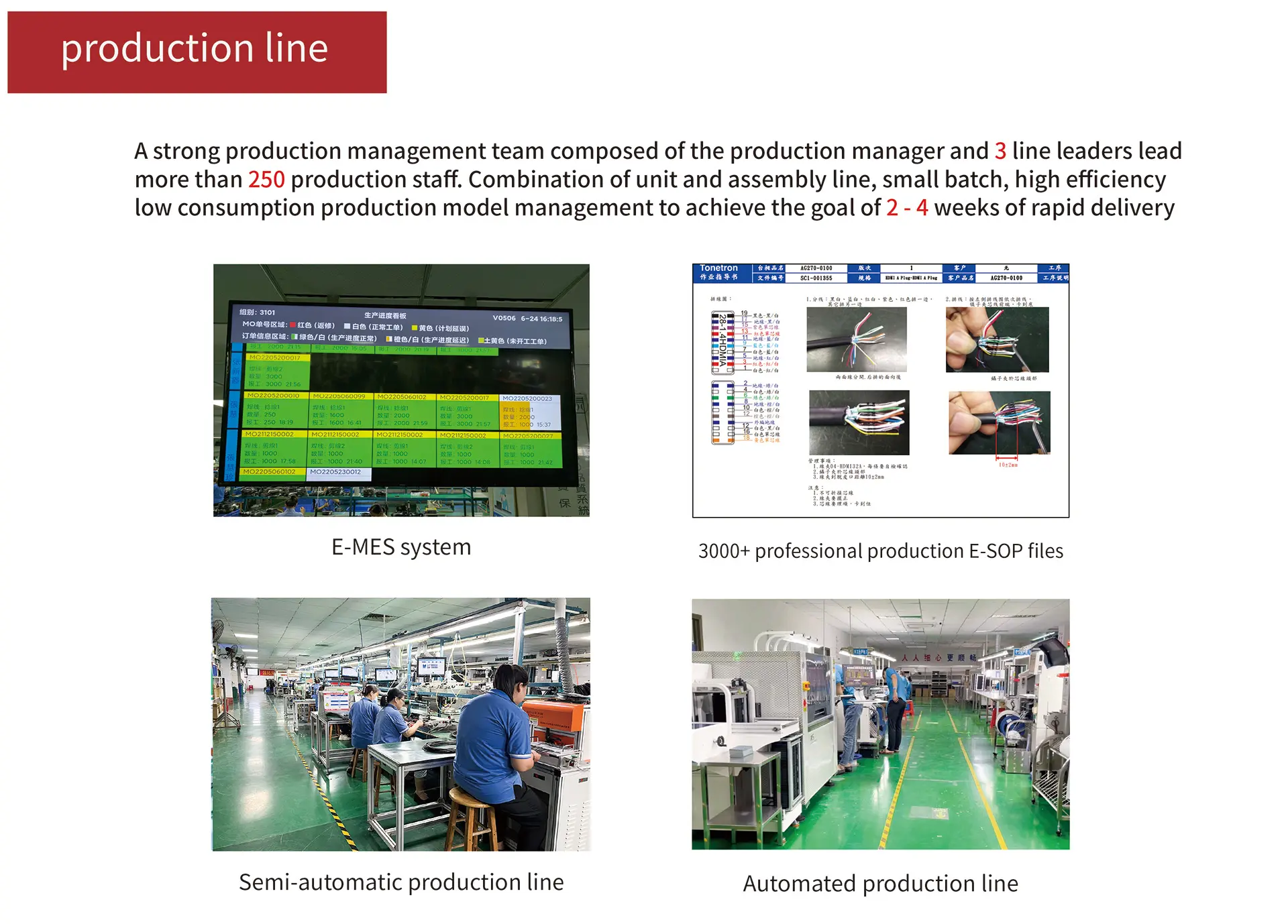
Production Unit B
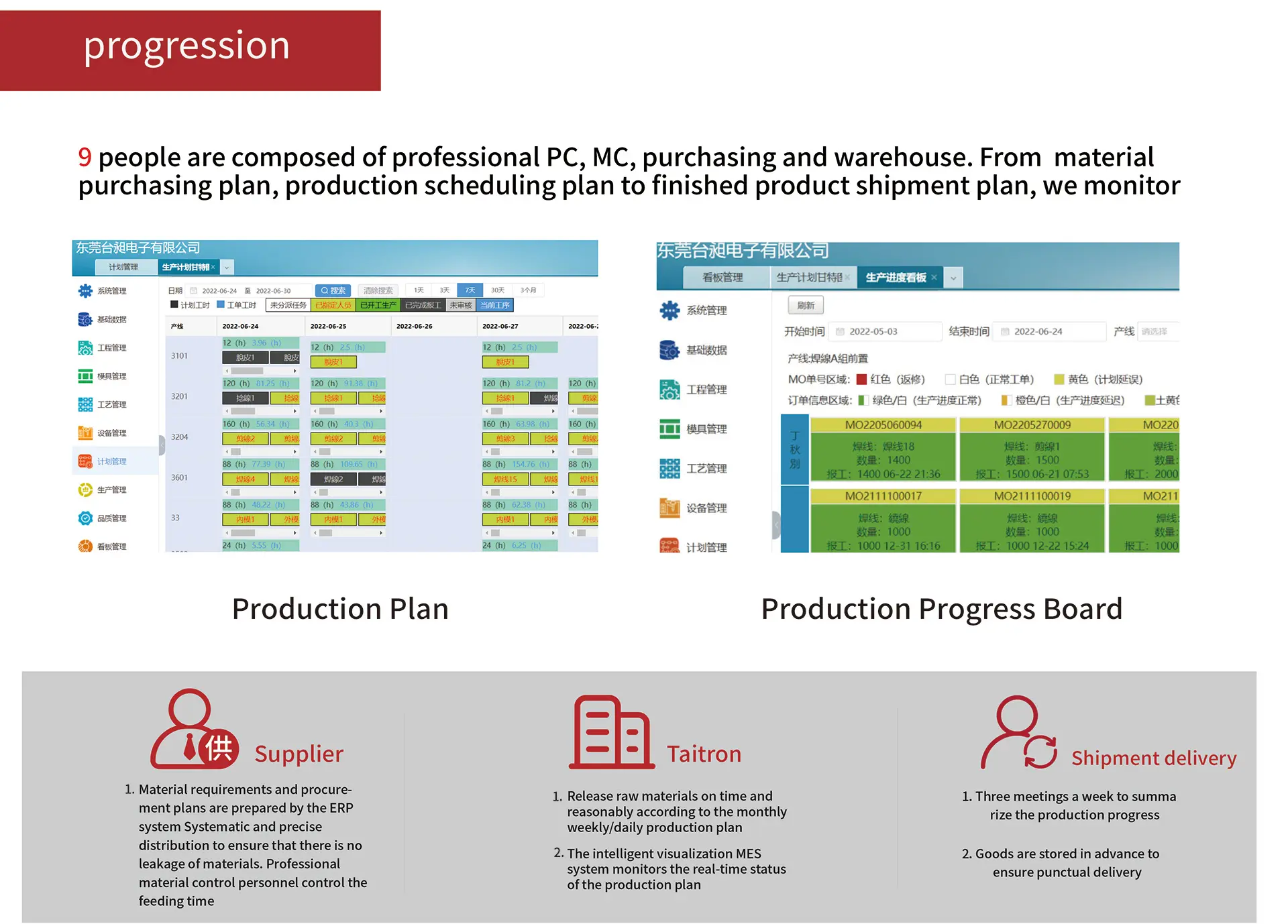
Production Unit C
Bridging the Gap Between Legacy Local Area Networks and Next-Generation Endpoint Terminals.
A reliable physical network link remains critical across multiple industrial, corporate, and public sectors. Here is how USB LAN Ethernet adapters are deployed across major use cases:
Modern commercial workspaces rely heavily on thin-and-light laptops (such as MacBooks, Dell XPS units, and Lenovo ThinkPads) that have phased out the standard RJ45 port. A USB-C to Ethernet adapter provides staff with access to secure corporate intranets, gigabit data transfers for large design files, and stable connection quality for video conferences, avoiding the congestion common to corporate Wi-Fi systems.
On factory floors, electromagnetic interference (EMI) from high-voltage motors can compromise wireless transmissions. USB LAN adapters enable maintenance engineers to connect their diagnostic laptops directly to Programmable Logic Controllers (PLCs), Human-Machine Interfaces (HMIs), and edge gateways. Our hardware's built-in shielding helps protect communications from external EMI noise.
Payment systems and customer service kiosks require reliable network lines to authorize transactions and secure customer data. A USB-to-Ethernet adapter allows retail businesses to run network lines directly to compact mainboards, ensuring payment processing stays online without wireless drops.
To prevent cheating and maintain control over school networks during standardized testing, schools often disable Wi-Fi and require wired Ethernet connections. Affordable USB RJ45 adapters allow educational centers to quickly set up standardized test sites using their existing student laptops.
A Deep Technical Examination of Bus Interfaces, Controller ICs, and Data Transmission Protocols.
Designing a reliable USB LAN adapter requires balancing controller chipsets, firmware optimizations, and circuit layout protection. The table below compares the primary ICs used in Taitron's adapter configurations:
| Chipset Identifier | Max Interface Speed | Bus Requirement | Power Consumption | Key Features |
|---|---|---|---|---|
| Realtek RTL8153 | 10/100/1000 Mbps | USB 3.0 / USB-C | Low (~120mA) | Driverless on Win10/11 & macOS, PXE Boot, WoL (Wake-on-LAN) |
| ASIX AX88179A | 10/100/1000 Mbps | USB 3.0 / USB-C | Ultra-Low (~85mA) | IPv4/IPv6 checksum offload, crossover detection, Switch compatible |
| Realtek RTL8152B | 10/100 Mbps | USB 2.0 / USB-A | Minimal (~50mA) | Highly cost-effective, ideal for basic POS systems & simple IoT portals |
| Realtek RTL8156B | 10/100/1000/2500 Mbps | USB 3.1 Gen 1 / 2 | Moderate (~220mA) | High-performance NAS setups, workstations, 2.5G network switches |
How Taitron Connects Regional Industrial Hubs to Deliver Highly Competitive Wholesale Pricing.
Procuring raw adapters requires working with a supplier who understands both manufacturing efficiency and material costs. Taitron operates out of Dalingshan Town in Dongguan, putting us in the center of the Pearl River Delta electronics manufacturing cluster. This provides several benefits for bulk production:
1. Direct Component Sourcing: Being located near raw material providers allows us to source copper, plastic compounds, premium alloys, and chipsets at lower costs and with shorter transit times.
2. In-House Manufacturing Operations: We control key stages of production internally—such as wire extrusion, tooling development, and custom design testing. Keeping these operations in-house reduces the markups added by sub-contractors.
3. Advanced Automation: Using automated soldering, wire stripping, and laser engraving helps maintain consistency, speeds up assembly times, and reduces production errors.
4. Customized OEM/ODM Options: From customized retail boxes to custom-molded enclosures with your logo, our engineering team can adapt designs to fit specific pricing targets and target markets.
Export-Ready Engineering Compliant with Stringent Quality Audits.
Taitron operates in compliance with major international standards to ensure smooth importing and reliable performance in your local markets:
Confirms compliance with European safety, health, and environmental protection standards, ensuring hassle-free import into EU territories.
Ensures the adapter's electromagnetic interference remains within limits defined by the Federal Communications Commission for deployment in North America.
Verifies that our adapters are free of hazardous materials, supporting environmental safety and helping you meet local regulatory requirements.
Addressing Common Technical and Procurement Inquiries from Enterprise Buyers.
Browse our selection of AV interconnects, digital adapters, and custom docking solutions built for commercial installation projects.
 Taichang Electronic