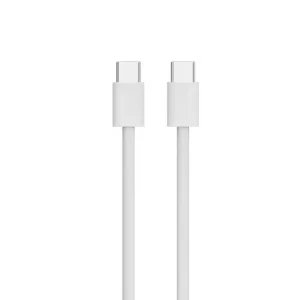
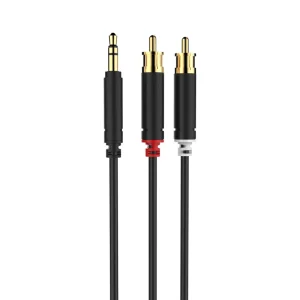
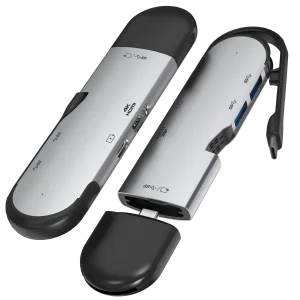
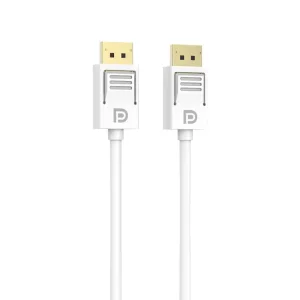
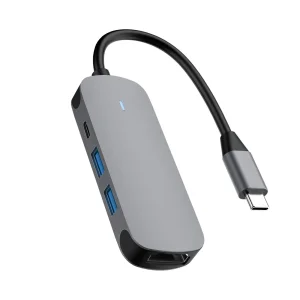
Explore high-performance DisplayPort, HDMI, USB-C, and audio cables engineered to exceed VESA and CE specifications.
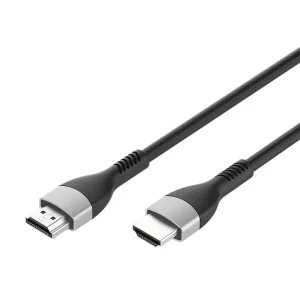
In the rapidly changing digital landscape, the transmission of high-density media data relies heavily on robust hardware interfaces. As ultra-high-definition displays transition from consumer novelties to standard operational assets in enterprise, industrial, and medical environments, the choice of digital signaling pipelines is critical. Among these, the DisplayPort (DP) 1.4 standard remains a foundational technology. For B2B procurement managers, sourcing agents, and OEM/ODM clients, navigating the supply network of China DisplayPort 1.4 manufacturers requires a balance of metallurgical science, production logistics, regulatory compliance, and raw cost analysis.
Sourcing premium DisplayPort 1.4 cables from China requires look past simple pricing tables and investigating structural specifications. A minor variance in copper purity, insulation shielding, or contact plating can cause signal degradation, EMI non-compliance, or systemic failures. This whitepaper analyzes the mechanical, financial, and strategic elements of China's DisplayPort 1.4 cable production, providing global buyers with the information gain needed to optimize their supply chain and ensure high performance.
The DisplayPort 1.4 specification, established by the Video Electronics Standards Association (VESA), introduces several features designed to optimize bandwidth and maintain signal integrity. It supports High Bit Rate 3 (HBR3) physical transmission, offering a total bandwidth of 32.4 Gbps across four distinct data lanes. This allows for native resolutions of 4K at 120Hz/144Hz and 8K at 30Hz without compression. When integrated with Display Stream Compression (DSC 1.2), DP 1.4 supports 8K displays at 60Hz with HDR10 color rendering.
HBR3 increases the per-lane bandwidth to 8.1 Gbps. To achieve this frequency over copper, cables must be engineered with precise impedance matching (100 ohms ± 5%) to prevent signal reflection. Any manufacturing variance can cause jitter, pixel dropouts, or connection drops.
DP 1.4 uses Forward Error Correction (FEC) alongside DSC 1.2 to verify data transmission integrity. FEC detects and repairs packet transmission errors, protecting against image corruption caused by external EMI in demanding commercial environments.
To ensure these technologies function correctly over passive cables longer than 2 meters, manufacturers must use advanced shielding and high-purity conductors. Without high-quality construction, high-frequency signals suffer from skin-effect attenuation, converting digital data into heat and leading to high bit error rates.
In B2B negotiations, pricing variations among manufacturers can be significant. Understanding the core components of DisplayPort 1.4 pricing allows procurement officers to compare quotes effectively and avoid substandard products. The final unit cost is primarily determined by four key structural factors:
| Material Component | Standard Specification (High-End) | Common Cost-Cutting (Low-End) | Impact on Performance & Reliability |
|---|---|---|---|
| Conductor Core | 99.99% Oxygen-Free Copper (OFC) / 28-30 AWG | Copper Clad Steel (CCS) / Aluminum (CCA) | OFC maintains signal strength over long runs; CCA/CCS increases resistance and compromises signal. |
| Shielding Layer | Triple Shielding (AL-Foil + Individual Pair + 85% Braid) | Single AL-Foil + Low Coverage Braid (<40%) | High shielding blocks electromagnetic interference in dense equipment racks; poor shielding causes flicker. |
| Connector Construction | Gold-Plated Pins (50μ"), Zinc Alloy / Metal Shells | Nickel Plating, Thin ABS Plastic Shells | Thick gold plating resists oxidation through mating cycles; cheap shells break under mechanical stress. |
| Quality Control Testing | 100% Eye Diagram, TDR Impedance, & Flex Testing | Basic Continuity Test Only | Advanced testing ensures stable HBR3 performance; basic testing misses high-frequency signal dropouts. |
For enterprise deployments, selecting the cheapest option often leads to high failure rates during field installations. Integrating premium components with automated soldering machines increases the initial cost but lowers the total cost of ownership (TCO) by reducing replacement expenses and downtime.
B2B sourcing is governed by regulatory compliance and certification protocols. Importing high-speed cabling into regions like North America, the European Union, and East Asia requires adherence to strict safety and environmental standards.
Authentic VESA certification guarantees a cable meets physical and electrical parameters, including the critical removal of Pin 20 power connection, which can damage graphics cards.
Compliance with RoHS and REACH is essential for European distribution, verifying that lead, cadmium, and polybrominated biphenyls are within legal limits.
For in-wall installations, cables require VW-1, CL2, or LSZH (Low Smoke Zero Halogen) jackets to comply with municipal building codes and fire safety regulations.
High-performance DisplayPort 1.4 cables are critical components in several professional and industrial applications:
In radiology and diagnostics, high resolution and color accuracy are essential. DisplayPort 1.4 supports 10-bit color and 8K rendering, allowing medical professionals to view detailed diagnostic imagery without compression artifacts.
Control rooms in utility sectors, traffic management, and security operations run continuous video walls. DP 1.4's multi-stream transport (MST) allows daisy-chaining multiple high-resolution displays from a single output, simplifying system architecture.
Real-time video editing requires zero-latency, uncompressed signal pathways. DisplayPort 1.4 cables link high-end workstations with reference monitors, preserving high dynamic range (HDR) metadata and color accuracy.
Factory floors generate electrical noise. Premium shielded DP 1.4 cables prevent signal loss near heavy machinery, maintaining reliable data feeds for human-machine interfaces (HMIs).
In 1984, Dongguan Taitron Electronics Limited., formerly known as Tonetron, was founded in Keelung, Taiwan. In 1993, it moved to the self-built independent production industrial park in Dalingshan Town, Dongguan City, China, and changed its name to Dongguan Taitron Electronics Limited.
With 38 years of experience in manufacturing professional video and audio peripheral equipment connection lines, the company has expanded its product offerings. Taitron specializes in the research, development, and manufacturing of high-end audio and video data cables, including HDMI 2.1, DP 2.0, USB4, USB-C 3.1 Gen 2, high-power USB charging cables, 8K HD conversion cables, and multi-functional Type-C expansion docks.
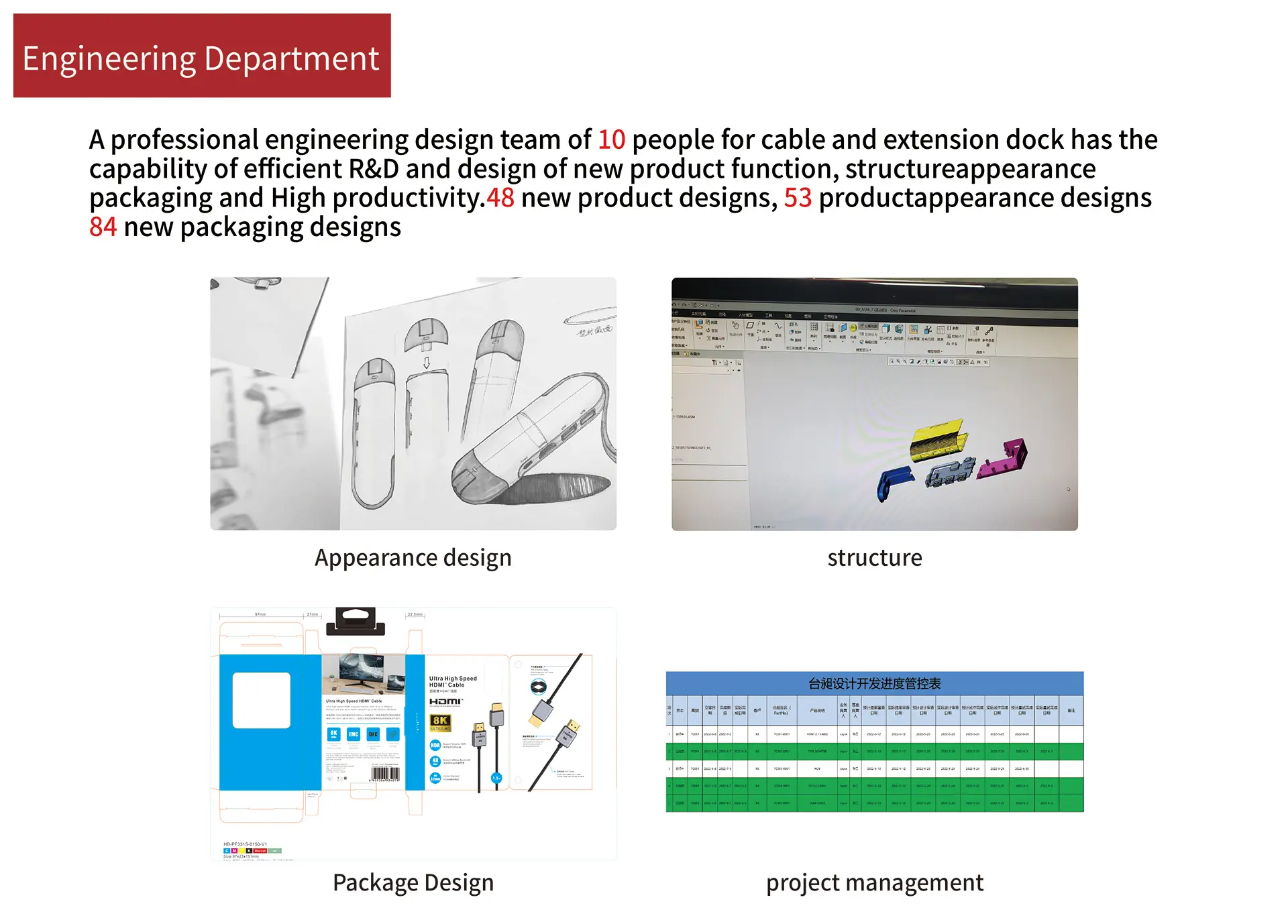
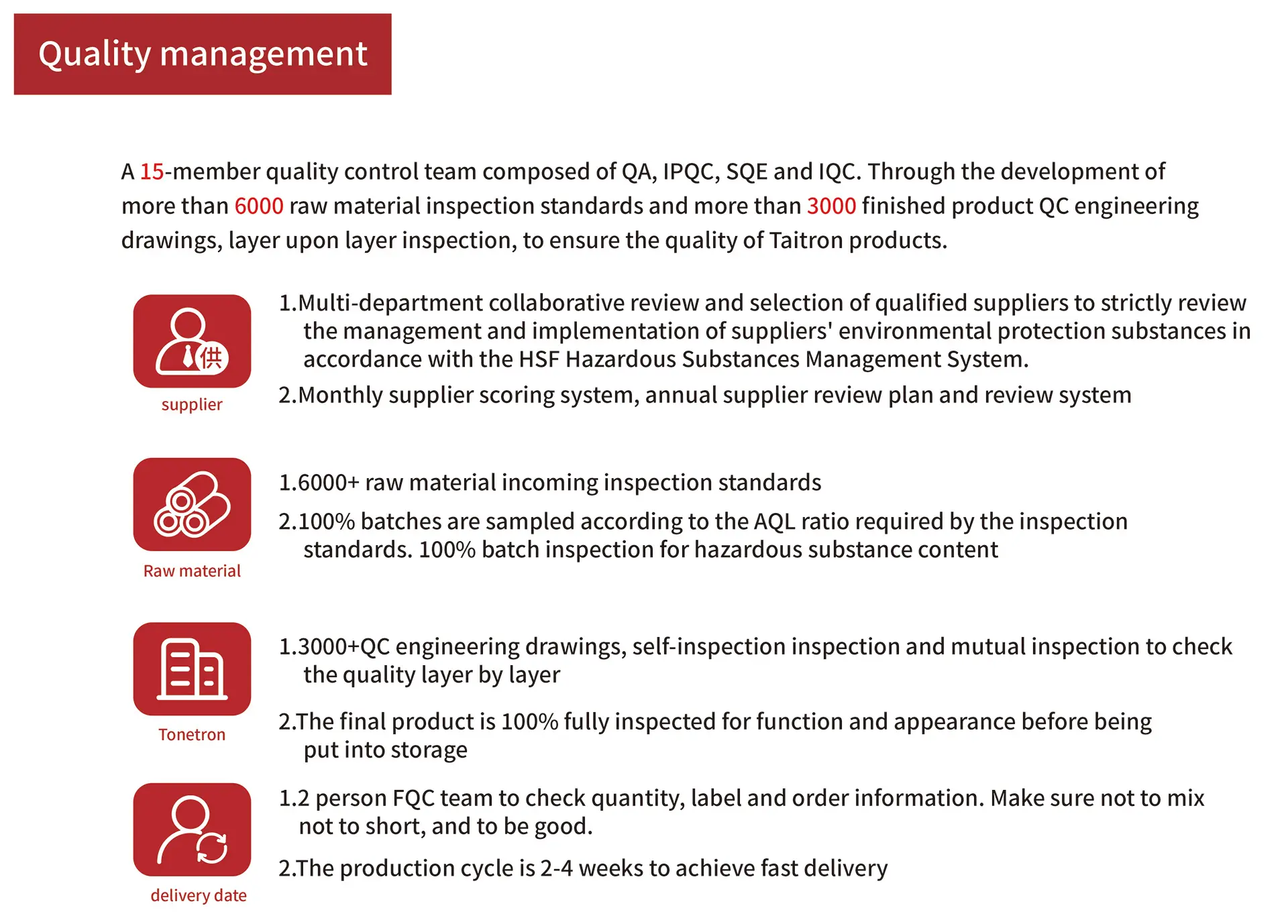

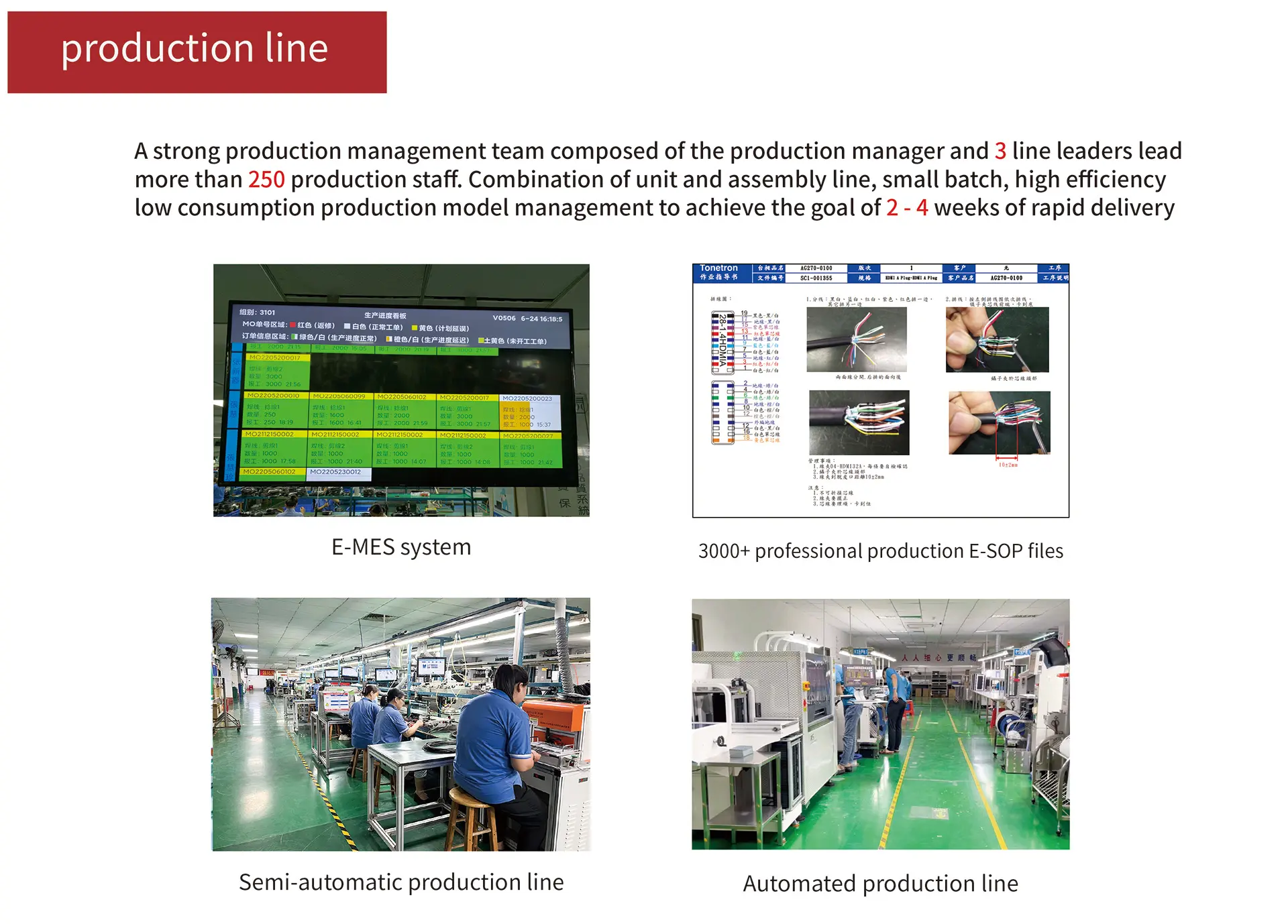
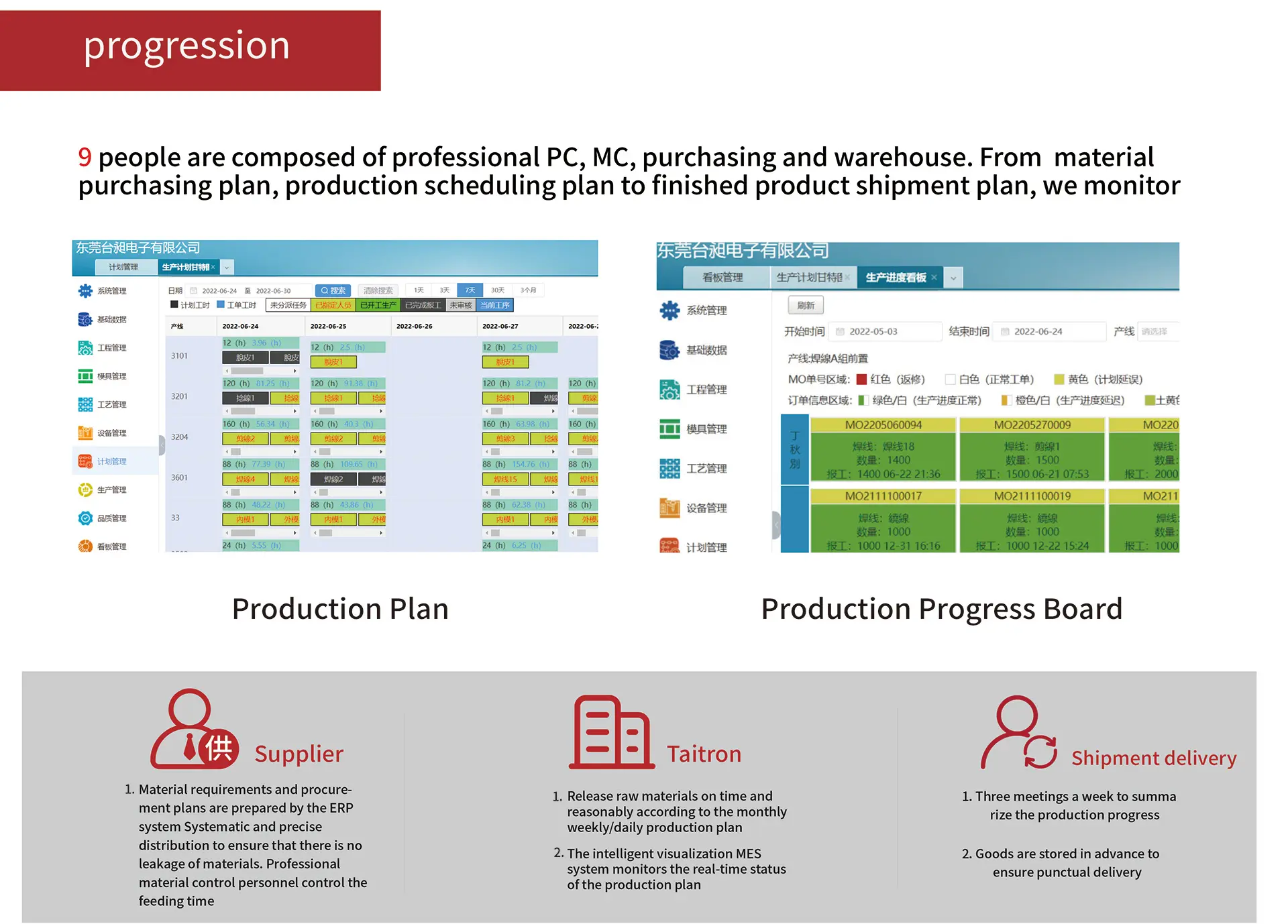
Operating from a dedicated manufacturing complex in Dalingshan Town, Taitron integrates research and development, raw cable extrusion, assembly, and testing. This vertical integration allows for strict quality control at every stage of production. By manufacturing their own raw copper wire arrays, they ensure precise control over cable impedance and physical flexibility, ensuring reliability for high-performance DisplayPort, HDMI, and USB4 cabling systems.
As display technology continues to advance, the industry is transitioning from DisplayPort 1.4 to the newer DisplayPort 2.0/2.1 standards. While DP 1.4 provides sufficient bandwidth for standard business and high-resolution imaging applications, DP 2.0/2.1 offers significant increases in throughput.
DisplayPort 2.1 increases bandwidth to 80 Gbps through UHBR20 (Ultra High Bandwidth Rate) transmission. This allows for uncompressed 16K displays at 60Hz or dual 8K systems at 120Hz. This standard uses 128b/132b channel encoding, which improves transmission efficiency compared to the older 8b/10b scheme.
For procurement planning, DisplayPort 1.4 remains a highly cost-effective option for 4K and 8K configurations. However, for systems requiring future-proof performance, incorporating DP 2.0/2.1 technology ensures compatibility with upcoming high-bandwidth graphics platforms and display systems.
Sourcing cables globally involves managing supply chain logistics, customs duties, and compliance requirements. To maintain efficient operations, procurement teams should consider key factors when importing from China:
Different tariff rates apply depending on product classification. Using correct HS codes and originating manufacturing points helps prevent unexpected import duties at destination ports.
Selecting appropriate shipping terms (e.g., FOB Shenzhen or EXW Dongguan) helps define logistics responsibilities, transport costs, and cargo liability transfer points.
Explore high-speed connectivity solutions, certified high-speed adapters, and multiport hubs for commercial systems.
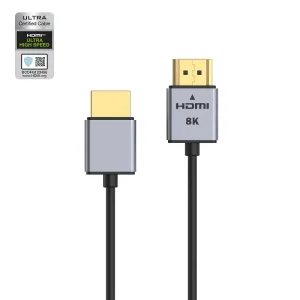
 Taichang Electronic