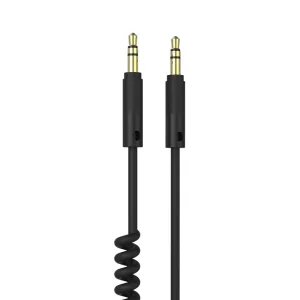
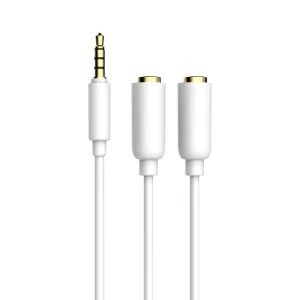
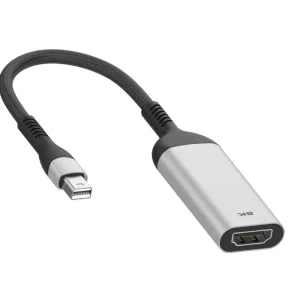
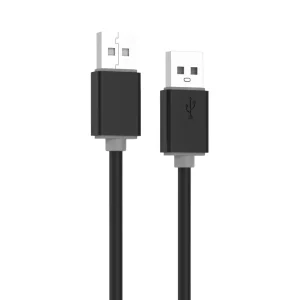
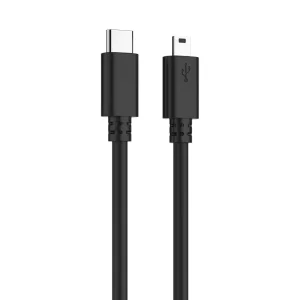
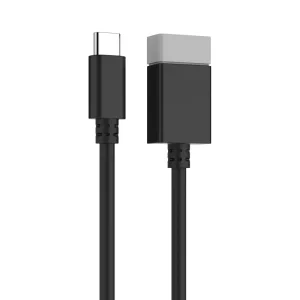
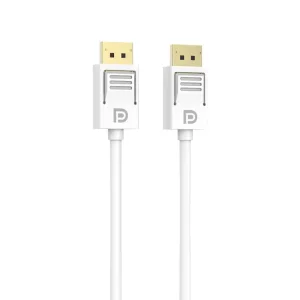
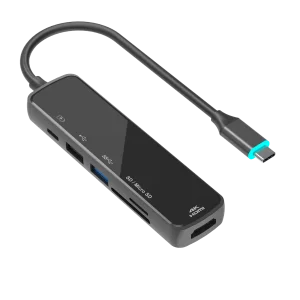
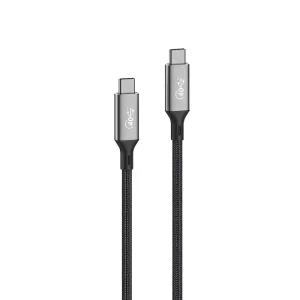
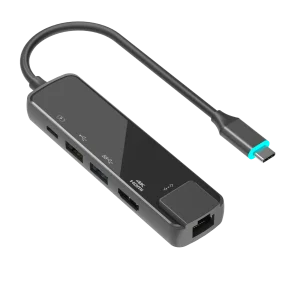
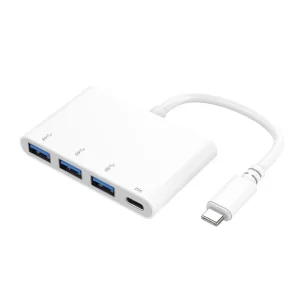
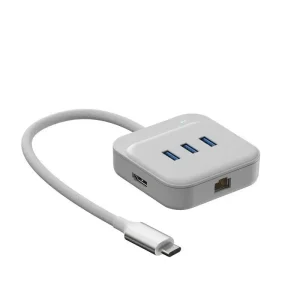
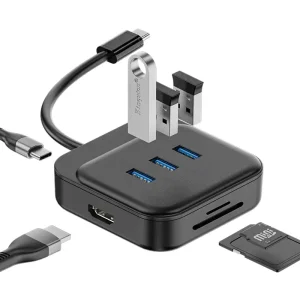
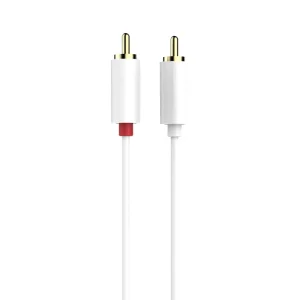
Premium performance signal transmission devices and DisplayPort-compatible converters designed to support maximum throughput and low attenuation.
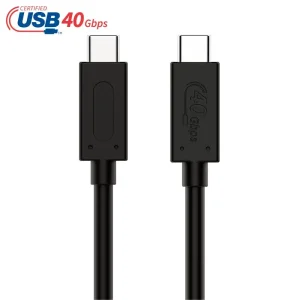
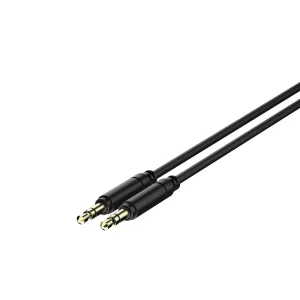
A technological deep dive into high-performance visual pipelines, VESA standards, and supply chain strategies in the era of 8K ultra-bandwidth displays.
The progression to DisplayPort 2.1 (UHBR10, UHBR13.5, and UHBR20 standards) has revolutionized digital displays. Operating at bandwidths up to 80 Gbps, this protocol utilizes highly optimized channel coding to drive resolutions of 8K and beyond, facilitating uncompressed HDR performance and minimal signal attenuation across complex visual pipelines.
Modern commercial workspaces and gaming matrices rely on Display Stream Compression (DSC 1.2a) and Multi-Stream Transport (MST). These systems optimize color science through visually lossless compression and support daisy-chain capabilities, lowering power requirements and physical cable counts across workstation hubs.
The convergence of DisplayPort Alt Mode with Type-C and USB4 standards represents a major paradigm shift. Hardware manufacturers now design interfaces capable of routing simultaneous 100W Power Delivery (PD), high-speed PCIe data lanes, and ultra-high-definition audio/video streams over a single connection point.
As display technology migrates from consumer hardware into mission-critical infrastructure, the necessity for robust DisplayPort transmission lines has grown exponentially. Legacy interfaces cannot cope with the sheer volume of pixels demanded by surgical monitors, high-frequency automated manufacturing lines, and virtualization setups in finance. High-speed signal transmission requires rigorous cross-talk prevention, optimized shield structures, and precise impedance matching (typically target values of 100 ohms ± 5% differential impedance).
When evaluating China DisplayPort factories, procurement departments must differentiate between baseline commercial assembly shops and advanced R&D partners. True engineering leaders incorporate strict physical-layer and link-layer testing procedures. For DisplayPort 1.4 and 2.1 specifications, factories must implement precision time-domain reflectometer (TDR) systems to identify minor impedance anomalies that could result in packet dropouts and display jitter.
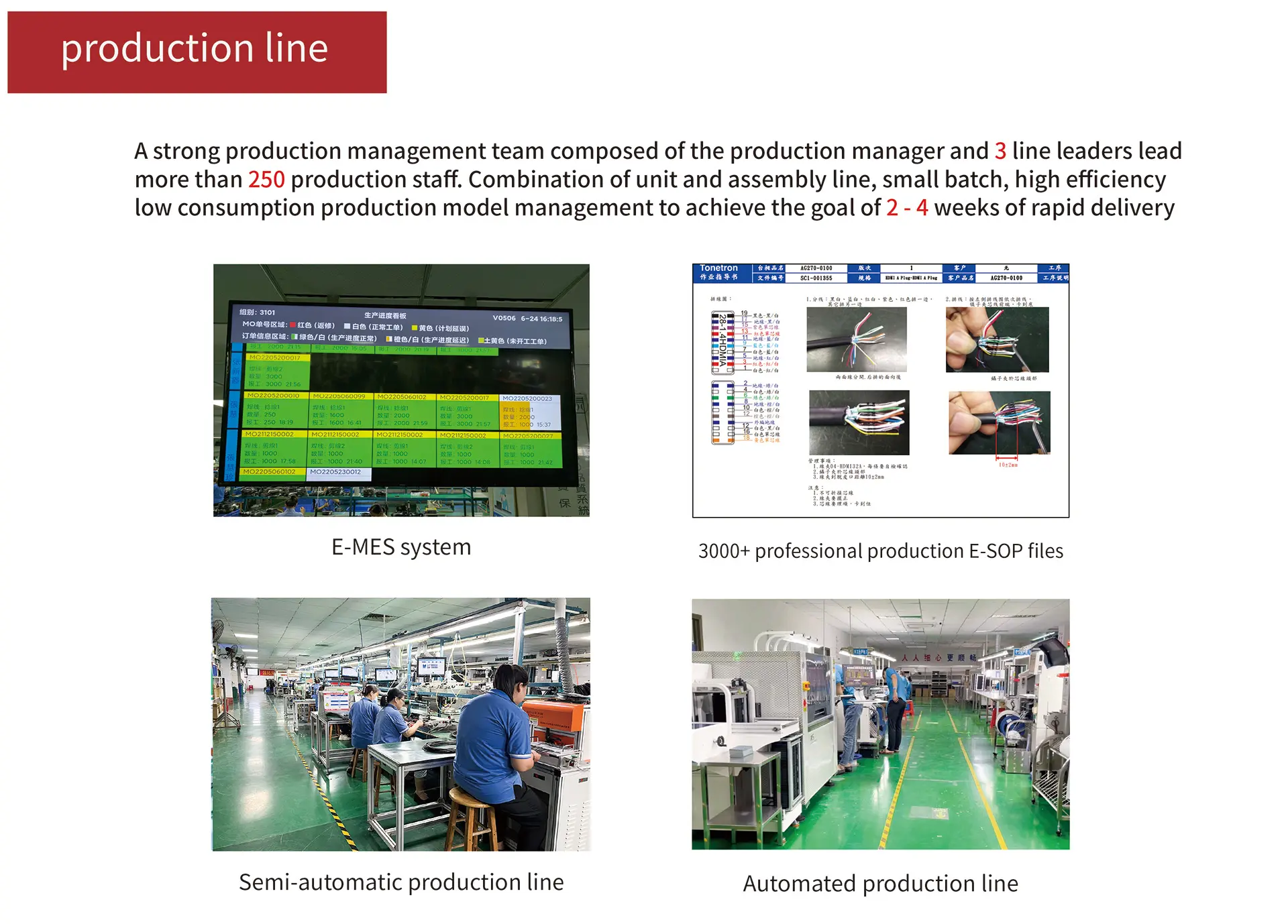
Located in the heart of Dongguan's manufacturing corridor, our industrial footprint represents the convergence of high-volume efficiency and precision engineering. Operating with advanced automated assembly, laser soldering systems, and inline inspection arrays, our facilities guarantee structural uniformity across large-scale manufacturing runs.
Global logistics demand more than just capacity; they require reliable raw material sourcing. By utilizing vertically integrated operations, we control every step from copper drawing to injection molding. This limits our exposure to supply chain disruptions and ensures high mechanical and electrical uniformity.
Tracing our heritage from 1984 to modern high-end R&D and production facilities in Dongguan, China.
In 1984, Dongguan Taitron Electronics Limited., formerly known as Tonetron, was founded in Keelung, Taiwan. In 1993, the company transitioned its physical infrastructure to a self-built independent production industrial park located in Dalingshan Town, Dongguan City, China, changing its name to Dongguan Taitron Electronics Limited.
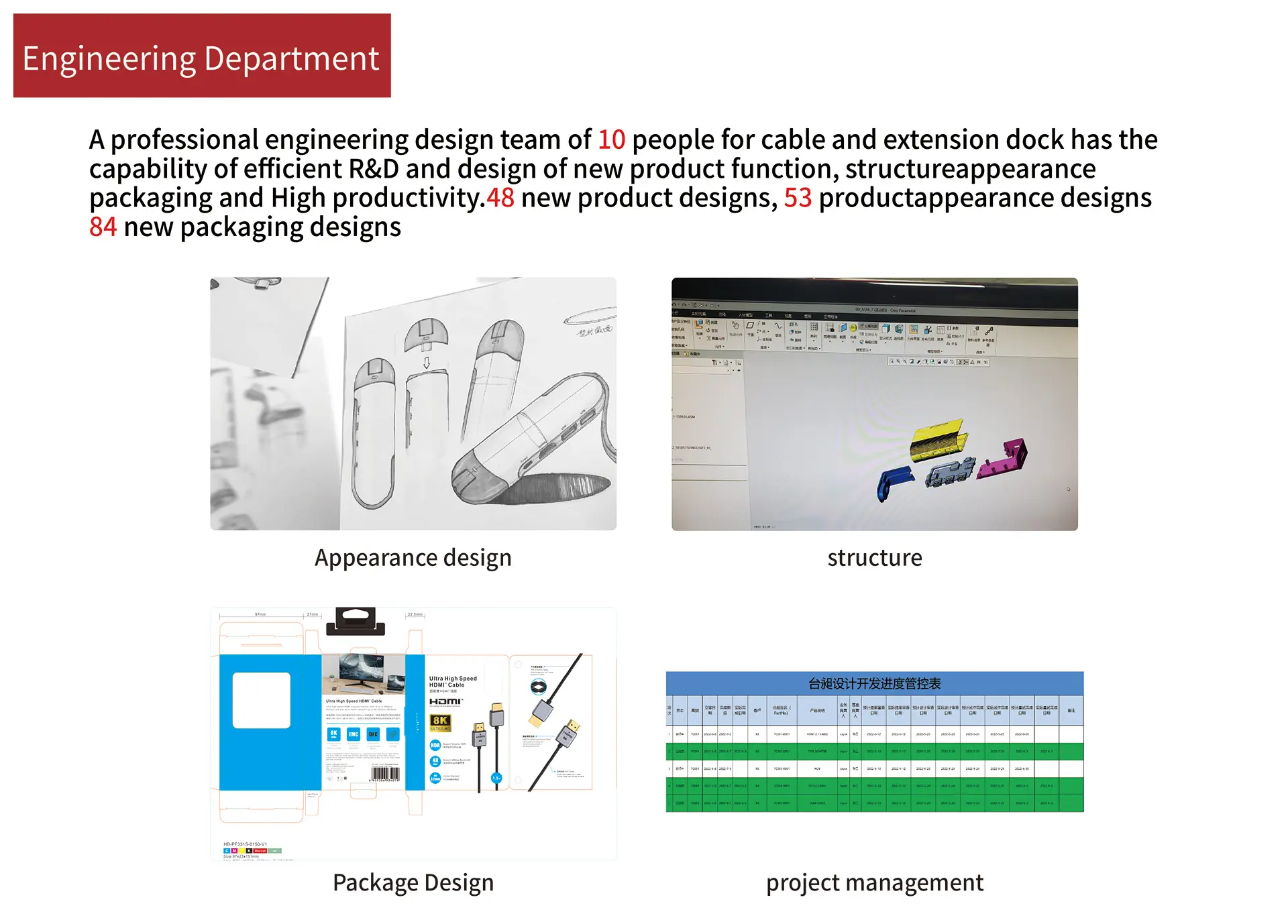
With 38 years of experience in the design and manufacturing of professional audio and video peripheral equipment connection lines, we have systematically expanded our capabilities. Our current R&D efforts support complex high-end audio and video data cables, including HDMI 2.1 cables, DP 2.0/2.1 cables, USB4 data cables, USB-C 3.1 Gen2 cables, high-power USB charging lines, 8K HD conversion adapters, and multi-functional Type-C docking stations.

High-speed display solutions engineered for high electromagnetic stress, extreme durability, and maximum data security.
In diagnostics, imaging displays require clean, noise-free diagnostic signals. Medical display assemblies rely on our shielding and high-density connectors to maintain lossless 10-bit grayscale rendering, without interference from high-frequency surgical devices.
Central control facilities run continuously. Our copper connectors, featuring 15u" gold plating, resist contact oxidation to maintain uninterrupted signal transmission. They support Multi-Stream Transport (MST) to drive multi-monitor setups from a single master hub.
Flight simulation and precision gaming monitors demand high bandwidth. Our DisplayPort cables support high frame rate configurations (such as 4K at 144Hz/240Hz and 8K at 60Hz), maintaining signal integrity and eliminating screen tearing.
Answers to common technical and logistical questions for procurement managers and display engineers.
DisplayPort 1.4 provides a maximum transmission speed of 32.4 Gbps (with a max payload of 25.92 Gbps), which supports 8K video at 30Hz or 4K at 120Hz using DSC. DisplayPort 2.1 delivers transmission bandwidths up to 80 Gbps using UHBR20 coding schemes. This added capacity allows for native, uncompressed 8K displays at 60Hz/120Hz and multi-screen arrays from a single output port.
Our cables utilize a multi-layered shielding design: individually shielded signal pairs wrapped in aluminum foil, followed by an overall aluminized Mylar wrap, and covered by a high-density tinned copper braid (achieving over 85% coverage). Additionally, our zinc-alloy connector shells provide 360-degree shielding to block high-frequency interference.
Yes, we provide custom outer jacket compounds depending on your project needs. We offer standard RoHS-compliant PVC, Low Smoke Zero Halogen (LSZH) materials for public infrastructure and marine use, and high-durability TPE/Nylon braided options for heavy-duty industrial hardware.
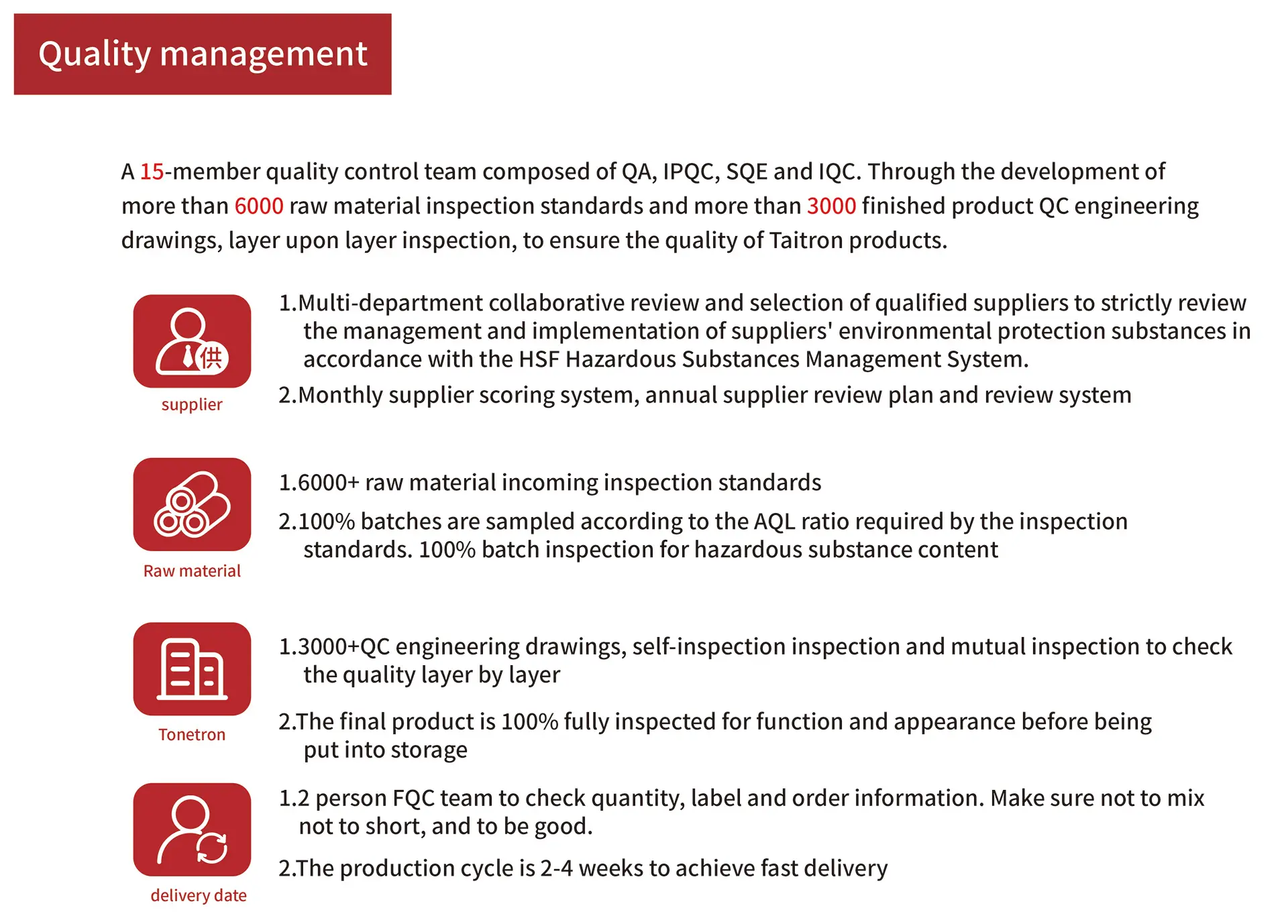
Every production run undergoes physical and electrical testing. We perform Time-Domain Reflectometry (TDR) to verify impedance stability, eye-diagram tests to measure jitter and margin limits, and insertion/withdrawal life testing to ensure long-term mechanical reliability.
No, DisplayPort Alt Mode requires hardware integration on the host system. The USB-C port must be wired to output DisplayPort lanes. Our engineering team can help you source adapters and converters that actively translate signals for ports without native Alt Mode support.
Premium multi-functional interface converters and docking hubs designed for modern workstations and industrial applications.
 Taichang Electronic