Unlocking Next-Generation Dynamic Bandwidth and High-Performance Signalling in Demanding Corporate, Media, and Industrial Environments.
DisplayPort 1.4 leverages the HBR3 (High Bit Rate 3) physical standard, facilitating a total raw bandwidth of 32.4 Gbps. This supports complex multi-stream layouts and unmatched video resolutions under demanding processing frequencies.
By incorporating VESA’s standard Display Stream Compression (DSC 1.2), DP 1.4 enables visually lossless rendering at up to 8K resolutions at 60Hz and 4K at 120Hz/144Hz with HDR10 capabilities, transforming industrial visual workflows.
Equipped with Forward Error Correction (FEC), DP 1.4 detects and rectifies transport packet errors, stabilizing video transmissions over high-frequency copper and optical links in challenging EMI environments.
Why structural design and material selection govern display reliability, latency mitigation, and overall system longevity.
Commercial-grade DisplayPort 1.4 cabling is designed to overcome attenuation challenges inherent to high-frequency differential signal paths. Standard cheap consumer cables often suffer from high packet loss, signal jitter, and Electromagnetic Interference (EMI), leading to screen flickers and visual dropping.
To eliminate these pain points, leading Chinese manufacturers, such as Dongguan Taitron Electronics, build cables with a structured triple-shielding architecture. This includes individual aluminum-mylar foils surrounding twisted copper pairs, wrapped in an outer high-density tinned copper braid with at least 85% coverage.
Additionally, physical connection points are integrated with gold-plated copper contacts (typically 15μ" to 50μ" gold thickness), preventing oxidation over time and stabilizing insertion impedance to meet the strict 100Ω (±5%) differential design requirements.
| Feature Parameter | Standard Specifications | Taitron Industrial Standard |
|---|---|---|
| Conductor Material | Standard OFC / Copper-Clad Steel | 99.99% Oxygen-Free High-Conductivity Copper |
| Gauge Size (AWG) | 30 AWG - 32 AWG | 28 AWG / 26 AWG (optimizes attenuation margins) |
| Connector Shell | Press-fit Nickel / Plastic Shield | Integrated Zinc Alloy Shield with Inner Metal Can |
| EMI Shielding | Single Foil Layer | Triple Foil + 85% Al-Mg Braiding + Drain Wire |
| Jacket Durability | PVC Standard Jacket | High-flex, Flame-retardant (VW-1) PVC / Nylon Braid |
38 Years of High-End Audio, Video, and Digital Data Infrastructure Manufacturing Excellence.
In 1984, Dongguan Taitron Electronics Limited., formerly known as Tonetron, was founded in Keelung, Taiwan. Driven by the expansion of the global computing and semiconductor industries, the company moved its core manufacturing infrastructure to a self-built independent production industrial park in Dalingshan Town, Dongguan City, Guangdong Province, China, in 1993, changing its official name to Dongguan Taitron Electronics Limited.
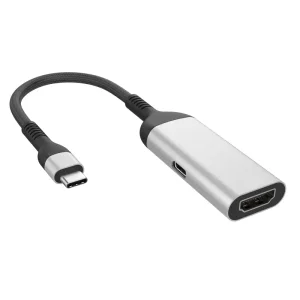
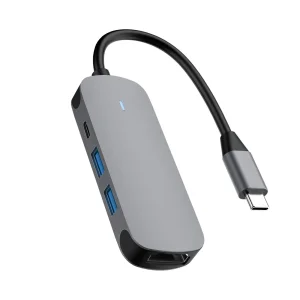
Over the last 38 years, our foundation has remained steadfast in high-end professional video and audio peripheral equipment connection line manufacturing. We have systematically scaled up our research, engineering, and manufacturing capabilities to include high-speed transmission standards such as HDMI 2.1, DP 2.0/1.4, USB4 data cables, high-power USB charging cables, 8K Ultra-HD conversion adapters, and multi-functional Type-C expansion docks.
With robust quality control systems, automated production lines, and an engineering team dedicated to signal integrity, Taitron remains a key OEM/ODM manufacturing partner for global IT brands, distributors, and system integrators.
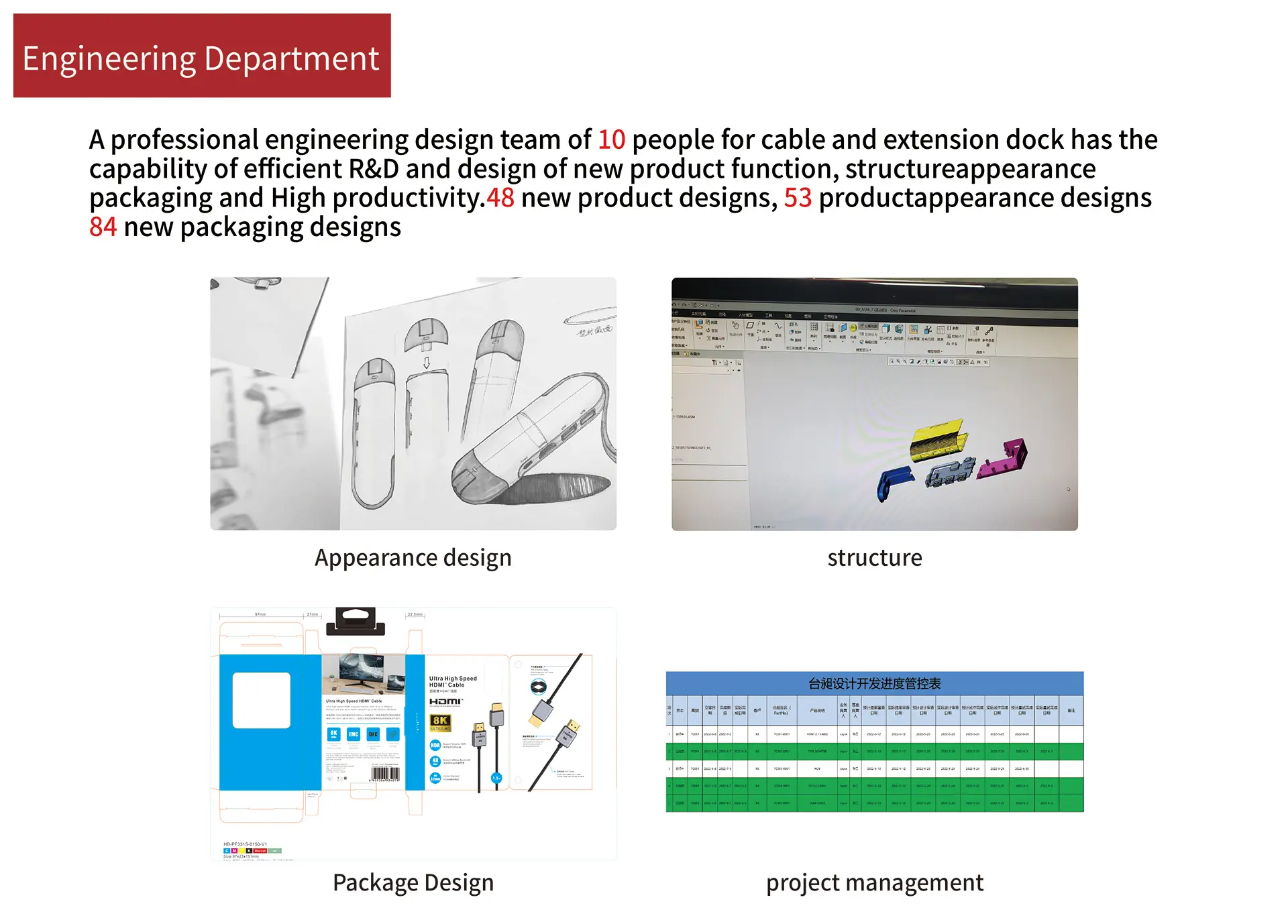
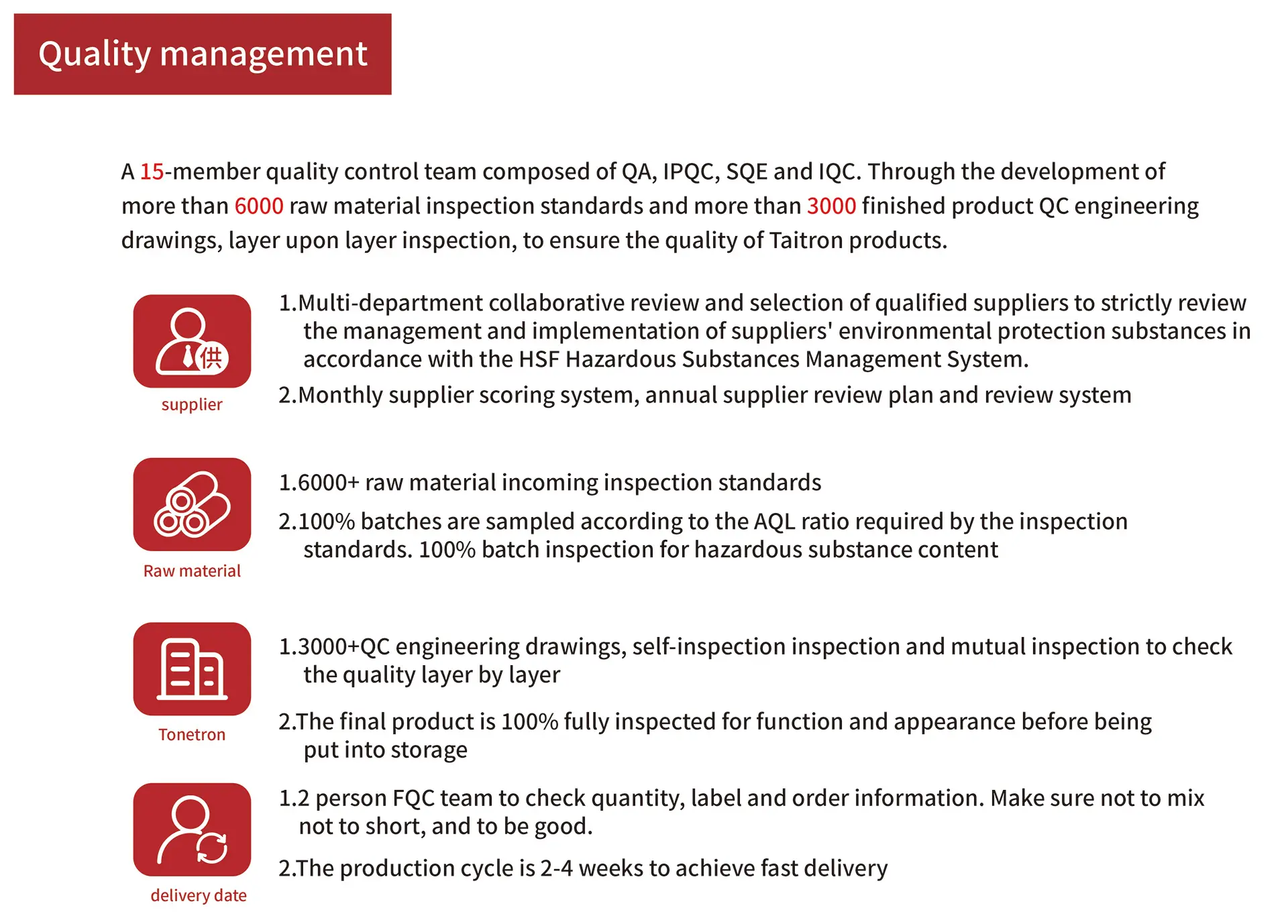

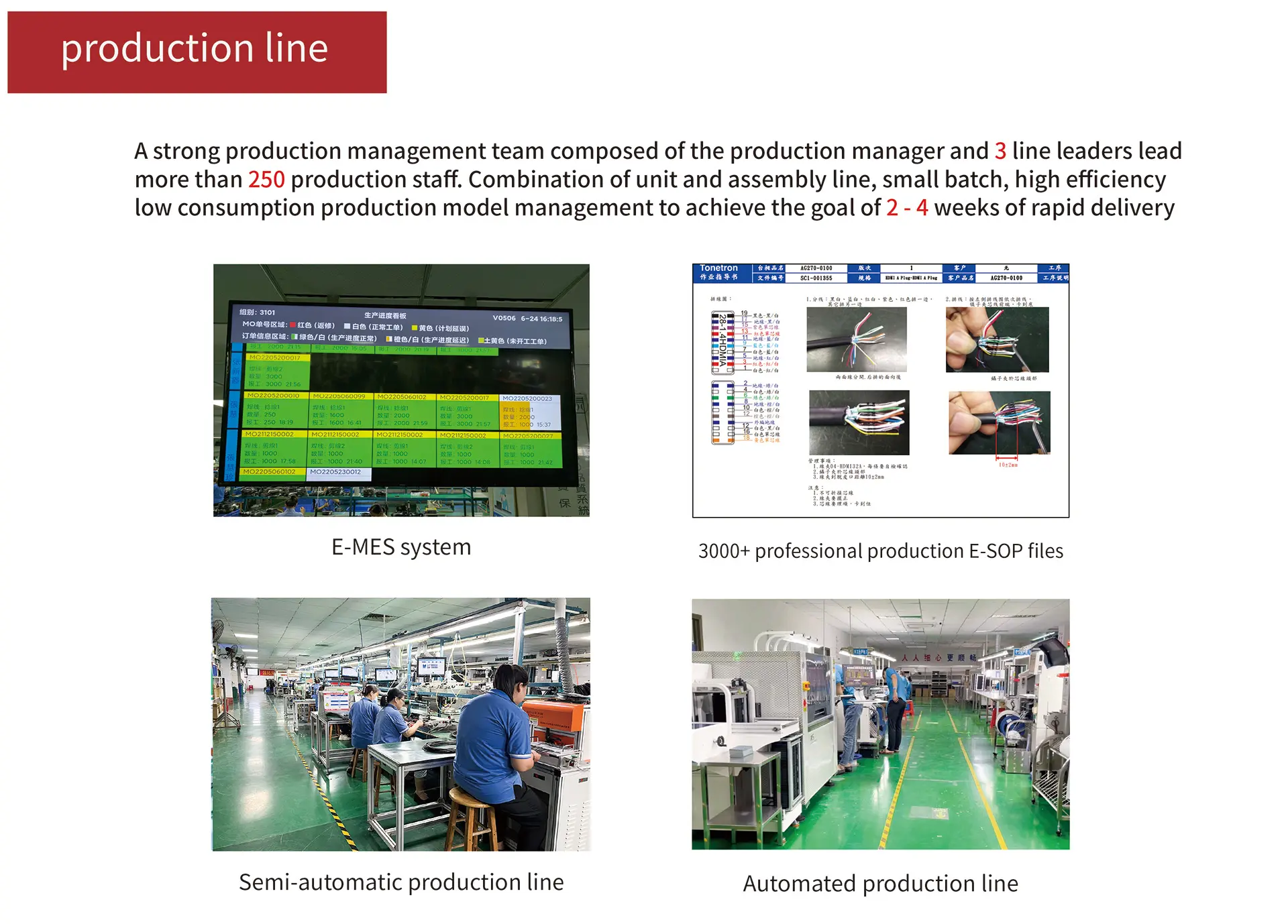
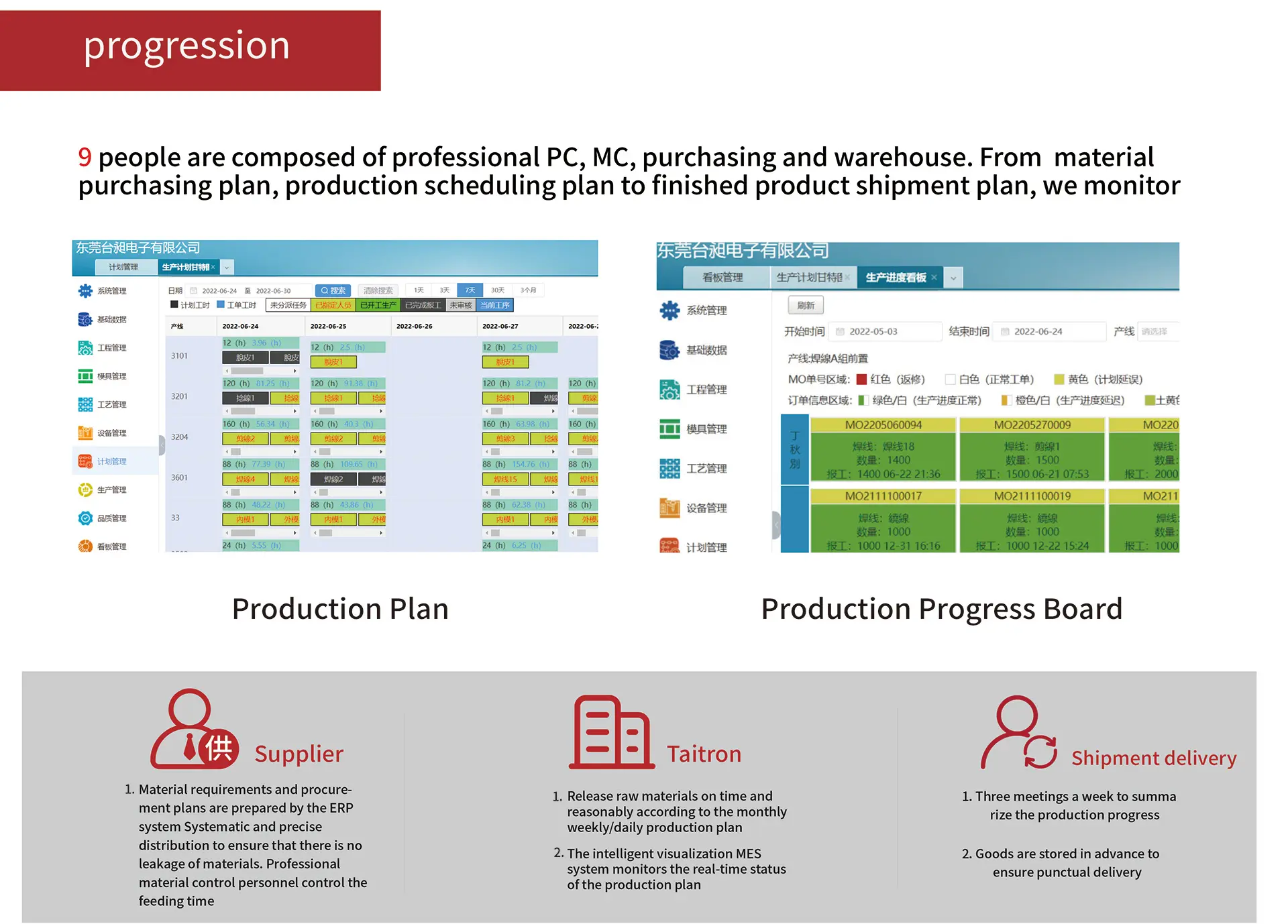
Why leading technology enterprises anchor their DisplayPort 1.4 supply lines in China’s premier electronic manufacturing hub.
Dongguan is the epicenter of the electronics component supply chain. From high-grade raw copper extraction to polymer insulation compounds (PVC, TPE) and precise metallic shields, materials are sourced within a 50km radius, slashing lead times by 40%.
Taitron integrates state-of-the-art automated core soldering equipment, advanced plastic injection molding machines, and computerized testing fixtures (TDR testers, network analyzers) to minimize manual errors and boost processing velocity.
Operating under strict ISO9001:2015 frameworks, our factories maintain absolute regulatory compliance. Products undergo multi-stage eye-diagram verifications, cross-talk evaluations, and physical stress tests to ensure reliable industrial operations.
Where high-bandwidth stability, low latency, and rugged construction are required.
In high-resolution diagnostic imaging rooms (X-Ray, MRI, CT scans), 10-bit deep color space accuracy and visual lossless compression are required. DP 1.4 enables surgeons to view clinical data without chromatic artifacts.
From security command hubs to air traffic control towers, multi-screen matrix setups rely on Multi-Stream Transport (MST) over daisy-chained DP 1.4 layouts to reduce complex bulk cabling systems.
In assembly operations utilizing high-speed robotic vision systems, DP 1.4 delivers instant raw video streams from cameras to processing CPUs with absolute noise immunity and minimum delay.
Engineers, game developers, and cinematic post-production experts use DP 1.4 to drive multi-monitor setups at high frame rates (4K@144Hz) with uncompromised sound and video synchronization.
Navigating technology shifts and optimizing your cabling procurement strategy.
While DisplayPort 2.1 (supporting up to 80 Gbps) is emerging for ultra-niche systems, DP 1.4 remains the commercial sweet spot due to its cost-to-performance ratio, extensive hardware compatibility, and massive install base.
Many systems now transport DisplayPort signals via USB Type-C physical connectors. Modern factories must design hybrid adapters and cables that combine USB Power Delivery (PD) and high-speed DP video routing.
For transmission lengths exceeding 5 meters, copper conductors encounter severe high-frequency attenuation. The industry is moving toward hybrid copper-optical fibers, providing noise-free DP 1.4 performance over lengths up to 100 meters.
Critical engineering and commercial answers to streamline your DisplayPort procurement process.
 Taichang Electronic