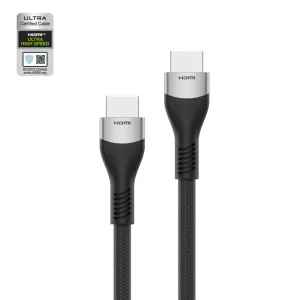
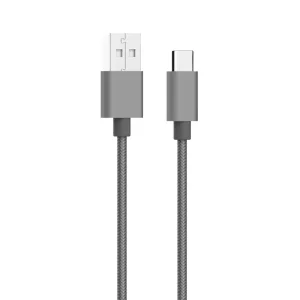
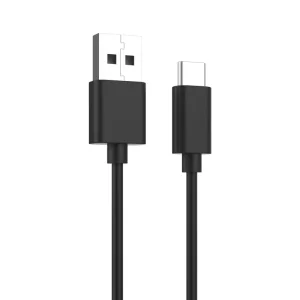
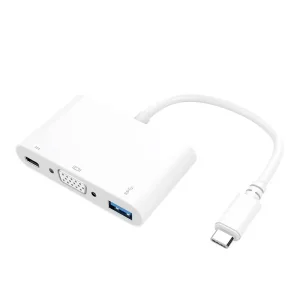
Advanced OEM components designed for global commercial and industrial interfaces
In the modern corporate, industrial, and high-performance computing ecosystems, the transition of video streams between disparate connector standards represents a critical architectural bottleneck. While modern source equipment—including ultra-slim laptops, servers, and media consoles—frequently standardized on HDMI (High-Definition Multimedia Interface) outputs, industrial display panels, high-refresh-rate gaming monitors, and unified medical graphics systems natively rely on VESA's DisplayPort (D Port) standards. This architectural divergence necessitates active protocol conversion hardware capable of processing high-bandwidth signals without data degradation or packet loss.
The global enterprise demand for HDMI to DisplayPort cables is surging, driven by several key factors: the expansion of complex multi-monitor workstations in trading rooms, engineering studios requiring high-end data visualization, and advanced diagnostic healthcare environments where sub-millisecond video lag is unacceptable. Enterprise procurement divisions prioritize reliability, signal continuity, and physical durability above all. Simple consumers adapters fail under the stress of 24/7 continuous operation; consequently, procurement engineers demand active, industrial-grade conversion cables featuring high-speed chipsets capable of handling raw data rates up to 18 Gbps and beyond.
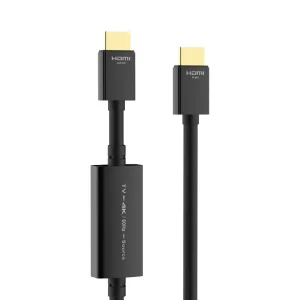
Because HDMI utilizes TMDS (Transition Minimized Differential Signaling) signaling while DisplayPort is built upon a packet-based architecture resembling PCI Express, a passive wire path is structurally impossible for HDMI-source to DP-display setups. Our specialized cables feature active microcontrollers inside the connector shell, dynamically translating protocol layers, adjusting clock frequencies, and managing EDID handshakes in real-time. This structural complexity requires top-tier materials and rigorous quality control to ensure zero-dropout performance.
A technical breakdown of transmission physical layers and structural shielding
Equipped with industry-leading Parade or MegaChips conversion chipsets. These ICs convert high-speed TMDS signals up to 6.0Gbps per channel into DisplayPort Main Link Lanes, supporting Deep Color, High Dynamic Range (HDR), and up to 32 uncompressed audio channels with zero latency.
Industrial electromagnetic environments are filled with noise. Our cables feature triple shielding: individual foil shields for all differential pairs, an overall Al-Mylar foil wrap, and a high-density tinned copper braiding (covering >85%), protecting internal data lanes from adjacent power grids.
Every cable run is calibrated to strict VESA and HDMI compliance parameters. We lock differential impedance strictly at 100 ohms (± 5%), preventing signal reflections and jitter that compromise packet delivery and lead to inter-symbol interference (ISI).
Rooted in Precision Engineering Since 1984
In 1984, Dongguan Taitron Electronics Limited., formerly known as Tonetron, was founded in Keelung, Taiwan. Driven by a vision of pioneering high-fidelity signal transmission systems, the enterprise established a strong foundation in professional video and audio peripheral equipment. To accommodate expanding production demands and optimize supply chain efficiencies, the company moved to a self-built, independent production industrial park in Dalingshan Town, Dongguan City, China in 1993, changing its name to Dongguan Taitron Electronics Limited.
Over the past 38 years, our development trajectory has evolved in tandem with global display technologies. Starting with foundational video and audio peripheral connections, we have steadily transitioned into high-end research, development, and high-volume manufacturing of high-bandwidth data systems. Today, our advanced production lines manufacture next-generation systems including HDMI 2.1 cables, DP 2.0/2.1 cables, USB4 data channels, USB-C 3.1 Gen2 connections, high-power USB charging modules, 8K HD conversion hardware, and multi-functional Type-C expansion docks.

Global procurement teams face constant pressure to secure high-performance connectivity components while maintaining strict cost-control and regulatory standards. Sourcing directly from our Dongguan facility delivers unparalleled efficiency advantages. Dongguan is the global epicenter for electronic hardware manufacturing, providing us with an integrated ecosystem of raw copper suppliers, advanced chipset developers, and rapid-prototyping tool makers right at our doorstep.
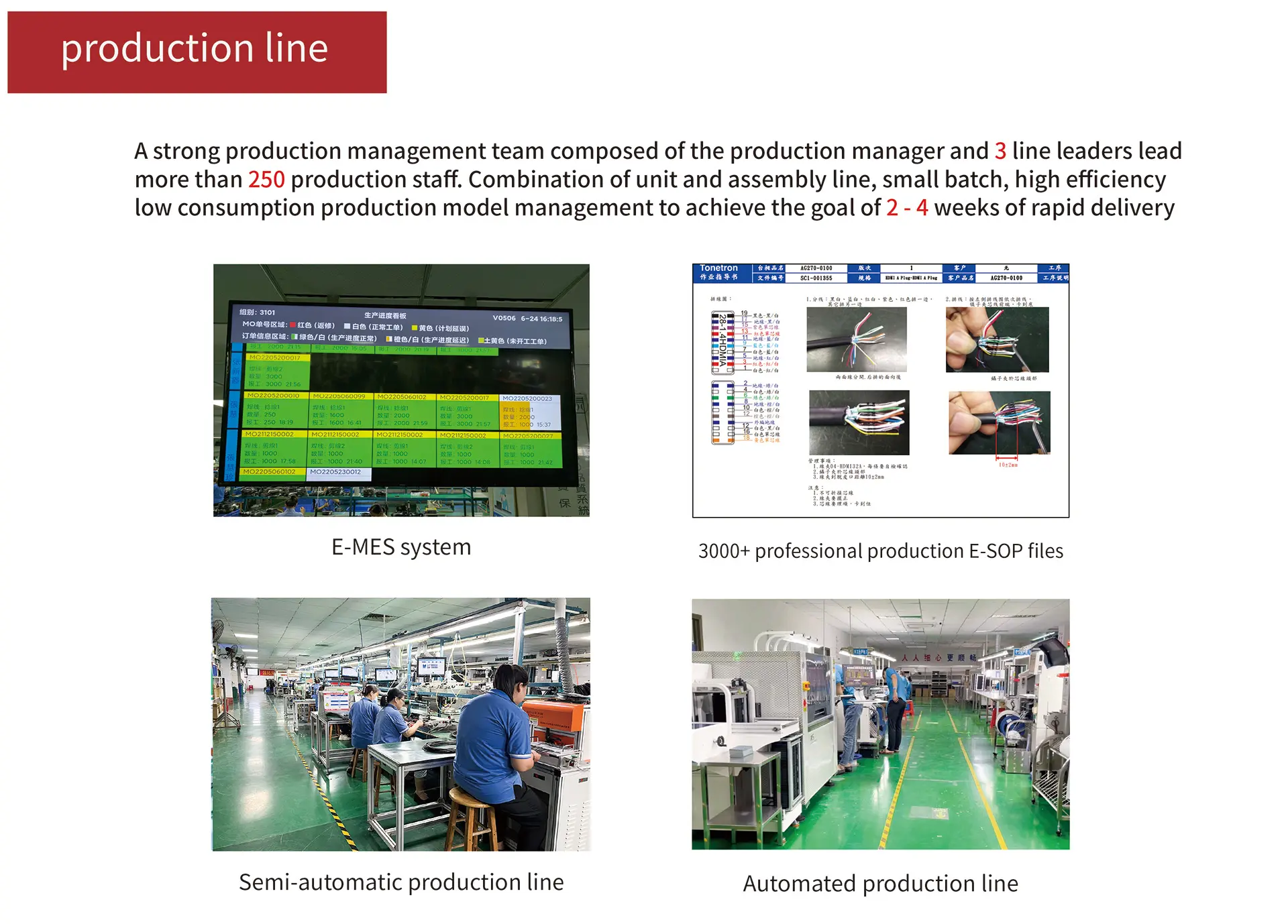
This localized cluster allows us to maintain a lean manufacturing pipeline with highly competitive lead times. Our facility houses high-speed automated extrusion lines, computer-controlled precision soldering systems, and automated test bays. By reducing manual handling, we achieve microscopic error rates and unparalleled unit-to-unit consistency. For international buyers, this means lower overall shipping costs, minimal defects, and rapid customs clearance through certified logistics partners.
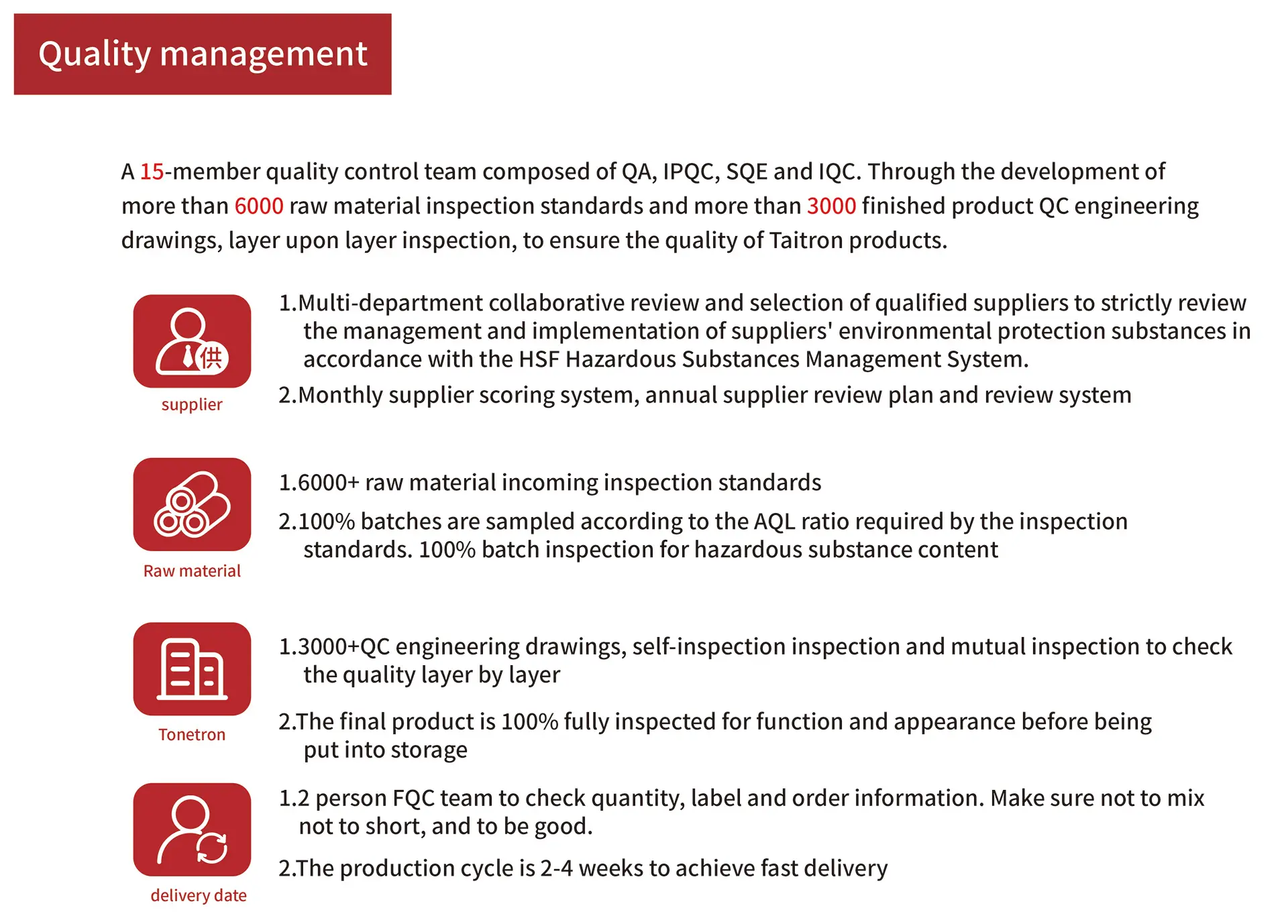
Our facility runs under ISO 9001 and ISO 14001 frameworks. Every batch of HDMI to DisplayPort cables is certified under CE, FCC, RoHS, and REACH guidelines, ensuring smooth transit and retail placement across European, North American, and Asian markets.
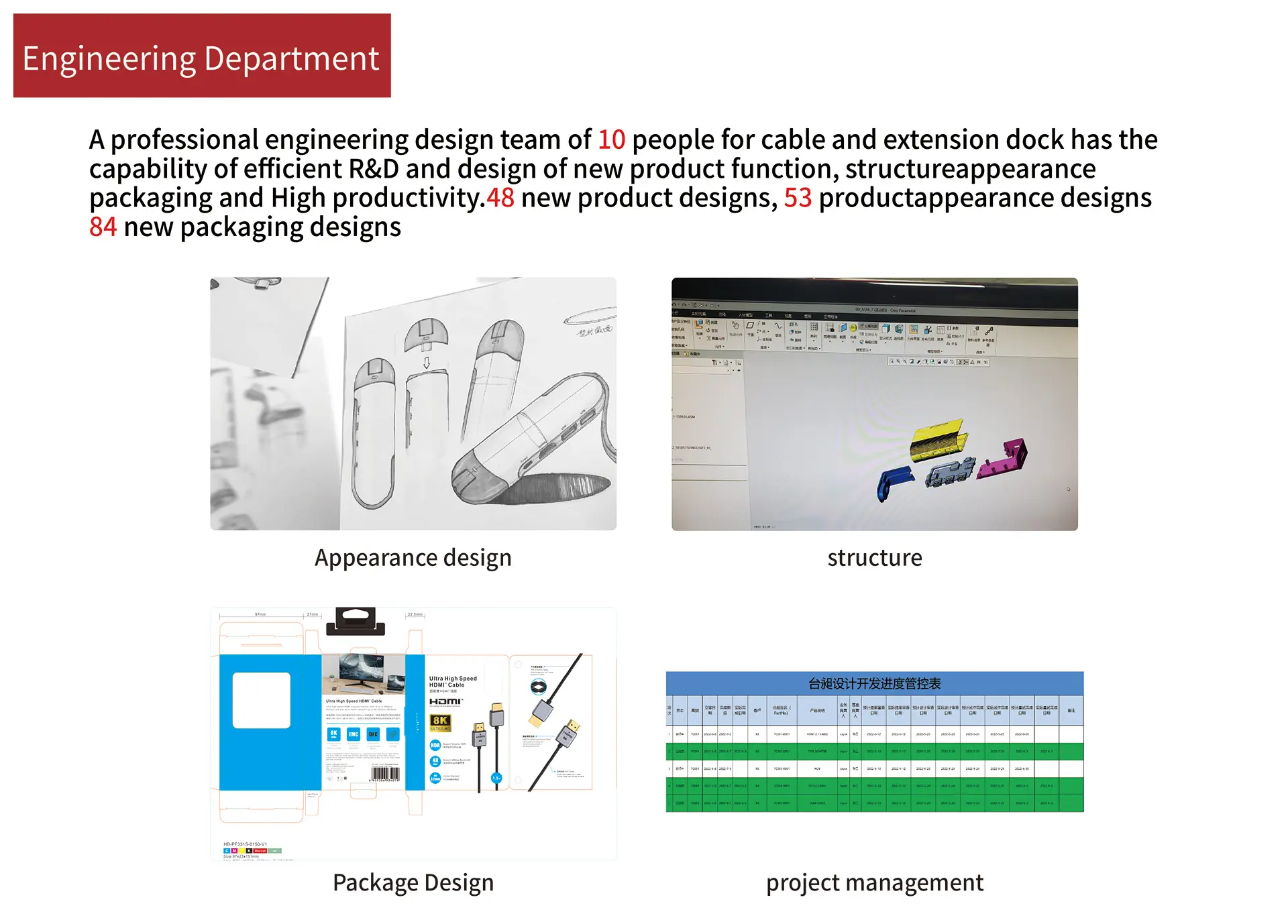
We provide full-spectrum custom engineering. From specialized overmolds, metal shell customizations (aluminum alloy, zinc alloy), specific jacket textures (braided cotton, heavy-duty PVC), to custom cable lengths designed for tight industrial enclosures, our engineering department translates your CAD files into physical product samples within days.
Reliable performance across demanding commercial environments
Command stations, traffic control hubs, and large-scale public displays often deploy HDMI source players routed to high-resolution DisplayPort video walls. Our cables ensure continuous video feeds without dropouts, flickering, or EDID signal degradation over extended periods.
With corporate departments transitioning to multi-monitor workstations, connecting modern laptops (HDMI output) to professional VESA-standard monitors (DisplayPort input) is a common hurdle. Our active converters resolve compatibility issues without requiring expensive docking stations.
Diagnostic imaging monitors demand pristine, uncompressed video streams. The ultra-low jitter design of our HDMI to D Port cables guarantees pixel-perfect rendering of medical data, supporting high-contrast gray scales and complex graphic layers.
As the visual display landscape moves rapidly toward 8K resolution, dynamic HDR color grading, and ultra-high refresh rates (144Hz and 240Hz for immersive environments), standard cables are reaching their physical bandwidth limits. The next evolution of HDMI to DisplayPort converters will integrate advanced DSC (Display Stream Compression) protocols to push beyond traditional limits, enabling 8K @ 60Hz video data rates over a single copper line.
Simultaneously, environmental regulations are driving a shift toward halogen-free, eco-friendly materials like TPE and bio-based plastics for cable jackets. At Dongguan Taitron Electronics, we are investing heavily in these green material formulations alongside next-gen optical fiber hybrid lines (Active Optical Cables) to ensure our global clients remain ahead of both technological demands and environmental mandates.
Technical answers to common procurement and installation inquiries
No, this cable is unidirectional. It is designed to connect an HDMI source device (such as a laptop, PC, or media player) to a DisplayPort monitor or display. It will not work in the reverse direction (DisplayPort source to HDMI monitor). For DisplayPort-to-HDMI connections, a different adapter design is required.
HDMI and DisplayPort utilize fundamentally different transmission standards: TMDS (voltage-differenced signal lanes) and Packetized Data (similar to PCI Express lanes) respectively. An active converter chip is required to translate the raw TMDS signal and format it into DisplayPort packets, manage handshakes, and route audio signals appropriately.
HDMI ports are designed to provide a standard 5V power line, but many source devices (laptops, integrated graphics ports) do not supply sufficient amperage. The auxiliary USB connector on the source end provides additional power to the converter chip, preventing screen flickering, signal dropouts, or total failure to boot the display.
Our standard commercial line supports resolutions up to 4K @ 60Hz and 1080p @ 144Hz. For specialized applications, our custom engineering department can manufacture advanced models supporting 4K @ 120Hz and 8K resolutions utilizing high-bandwidth active IC chips.
Absolutely. We offer OEM/ODM customization services. Buyers can select heavy-duty PVC jackets, flexible cotton or nylon braiding, and premium aluminum or zinc alloy connector shells with custom laser-etched branding to align with corporate product designs.
We conduct 100% testing on all production batches. This includes physical pull-tests for the connectors, continuous flex testing, advanced network analyzers for eye-diagram analysis, and automated digital testing jigs to verify pixel integrity and HDCP compliance before packaging.
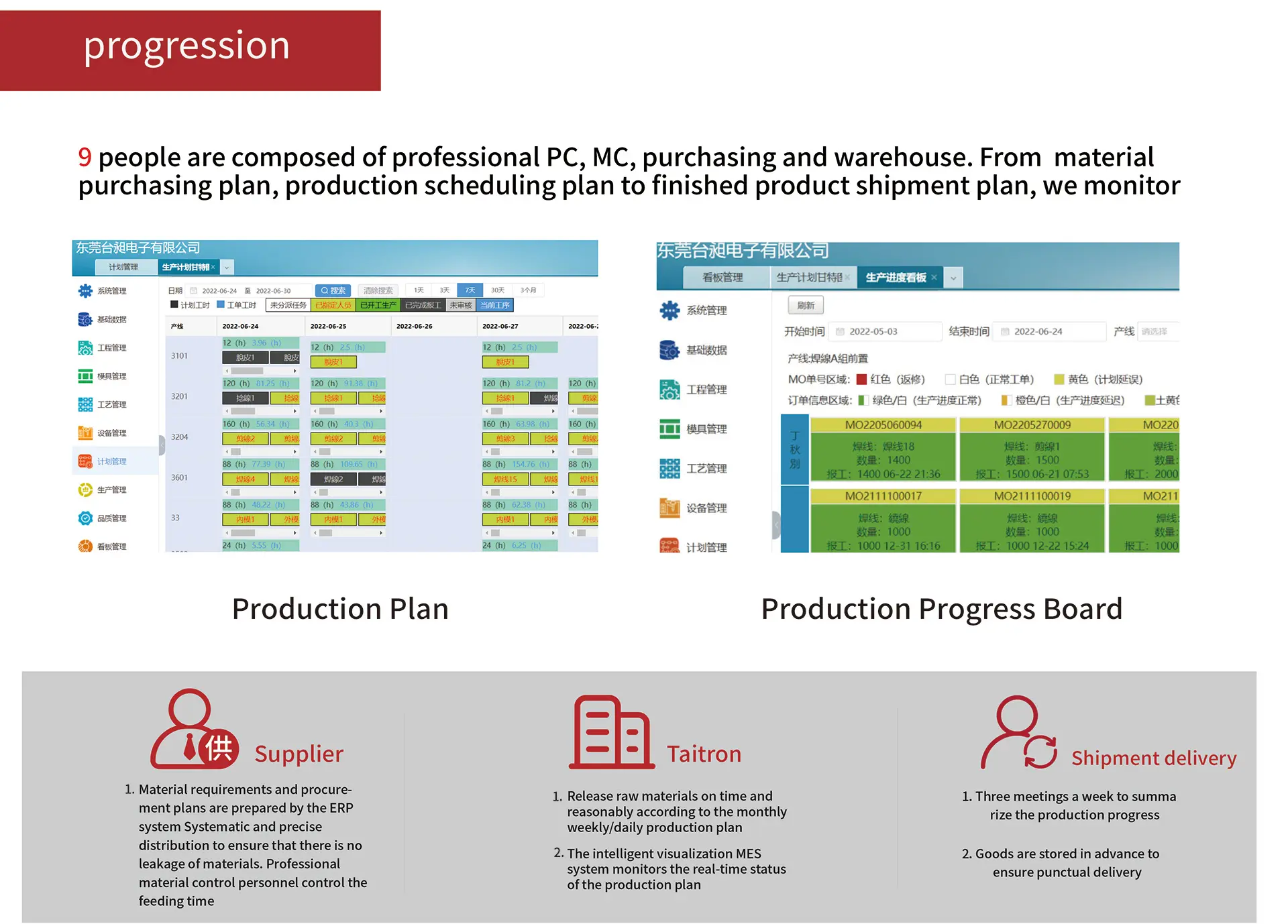
For standard bulk orders, our lead time ranges from 25 to 35 days, depending on material specifications and order volume. Custom tooling or bespoke packaging may extend this timeline by 10 to 15 days. We work closely with major logistics providers to coordinate reliable ocean, air, and express shipping.
Premium solutions certified for modern IT and enterprise applications
 Taichang Electronic