In the rapidly evolving landscape of ultra-high-definition displays, signal degradation and latency are critical barriers for precision industries. DisplayPort (DP) interface systems stand at the forefront of tackling these challenges. As bandwidth requirements escalate from simple high-definition visual arrays to real-time, non-compressed 8K and 16K visual systems, the choice of your cable manufacturing partner directly affects the system's MTBF (Mean Time Between Failures) and data integrity.
As a leading DisplayPort cable manufacturer located in Dongguan, China, we specialize in mitigative physical-layer solutions. By addressing problems like electromagnetic interference (EMI), high-frequency signal attenuation, and impedance mismatches, we provide enterprise-grade solutions. This technical white paper analyzes the structural parameters, advanced material configurations, and engineering architectures that enable our DisplayPort systems to excel in global industrial and commercial markets.
Understanding the shift in high-frequency data transmission protocols:
| DisplayPort Standard | Max Bandwidth | Max Data Rate | Supported Resolution (Uncompressed) | Supported Resolution (DSC) | Core Application |
|---|---|---|---|---|---|
| DisplayPort 1.2 | 21.6 Gbps | 17.28 Gbps | 4K @ 60 Hz | N/A | Legacy Workstations & Commercial Projectors |
| DisplayPort 1.4 / 1.4a | 32.4 Gbps | 25.92 Gbps | 4K @ 120 Hz / 5K @ 60 Hz | 8K @ 60 Hz / 4K @ 240 Hz | Pro Gaming Displays & Medical Modalities |
| DisplayPort 2.1 (UHBR 10) | 40.0 Gbps | 38.71 Gbps | 8K @ 30 Hz | 8K @ 85 Hz / 10K @ 60 Hz | Advanced Simulation & Broadcasting Rigs |
| DisplayPort 2.1 (UHBR 20) | 80.0 Gbps | 77.37 Gbps | 8K @ 85 Hz / 10K @ 60 Hz | 16K @ 60 Hz (Dual Display) | AI Compute Clusters & Multi-Display Visualizers |
Maintaining a targeted 100-ohm differential impedance across long runs requires precision manufacturing. Here is how our engineering department structures each high-performance DisplayPort cable.
By using high-purity, oxygen-free copper (OFC) plated with premium silver, we minimize skin effect losses at high frequencies. This material combination maintains signal integrity for DP 2.1 protocols, preventing data drops over extended runs.
Each differential pair is individually wrapped in aluminum foil/Mylar tape, followed by an overall high-density tinned copper braid shielding (>85% coverage). This combination dampens external electromagnetic interference (EMI) and mitigates intra-cable crosstalk.
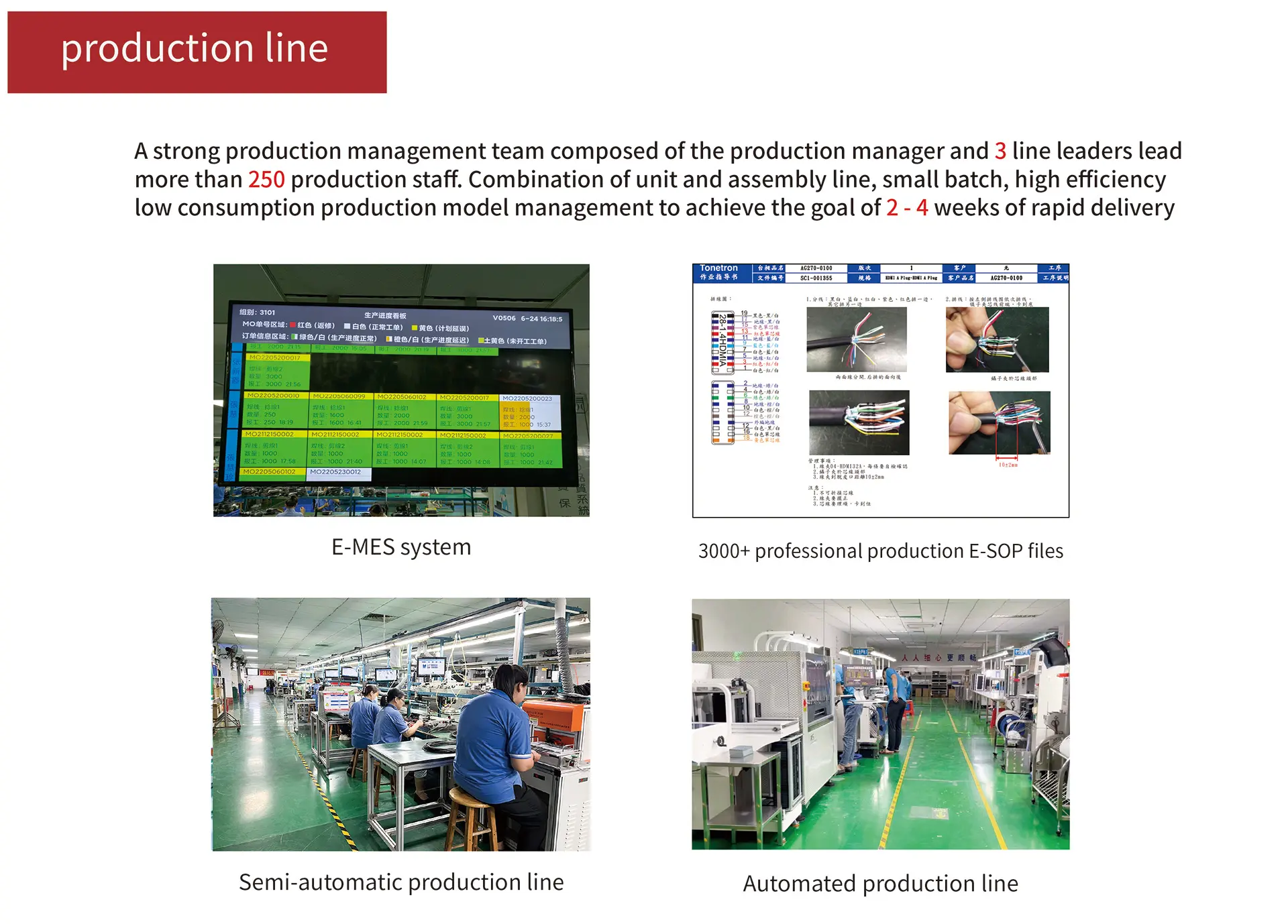
Using robotic soldering systems, we maintain precise control over solder volume and heat exposure. This helps prevent impedance mismatches at the connector termination point, resulting in cleaner eye-diagram measurements.
In 1984, Dongguan Taitron Electronics Limited, formerly known as Tonetron, was founded in Keelung, Taiwan. Driven by a commitment to engineering high-quality audio and video connection technologies, the enterprise relocated in 1993 to a self-built independent production industrial park in Dalingshan Town, Dongguan City, Guangdong Province, China, officializing its name to Dongguan Taitron Electronics Limited.
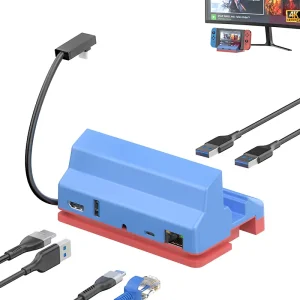
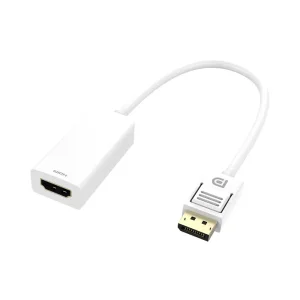
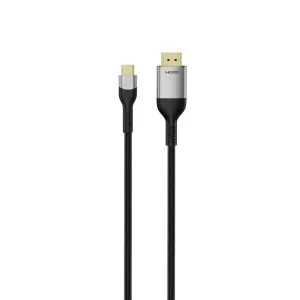
With over 38 years of experience in the design, development, and manufacturing of professional video and audio peripheral connection lines, our capabilities have steadily expanded. Today, our product catalog includes high-end audio & video cables and data cables, such as HDMI 2.1 cables, DP 2.0/2.1 cables, USB4 data cables, USB-C 3.1 Gen 2 data cables, high-power USB charging cables, 8K HD conversion cables, and multi-functional Type-C expansion docking stations.
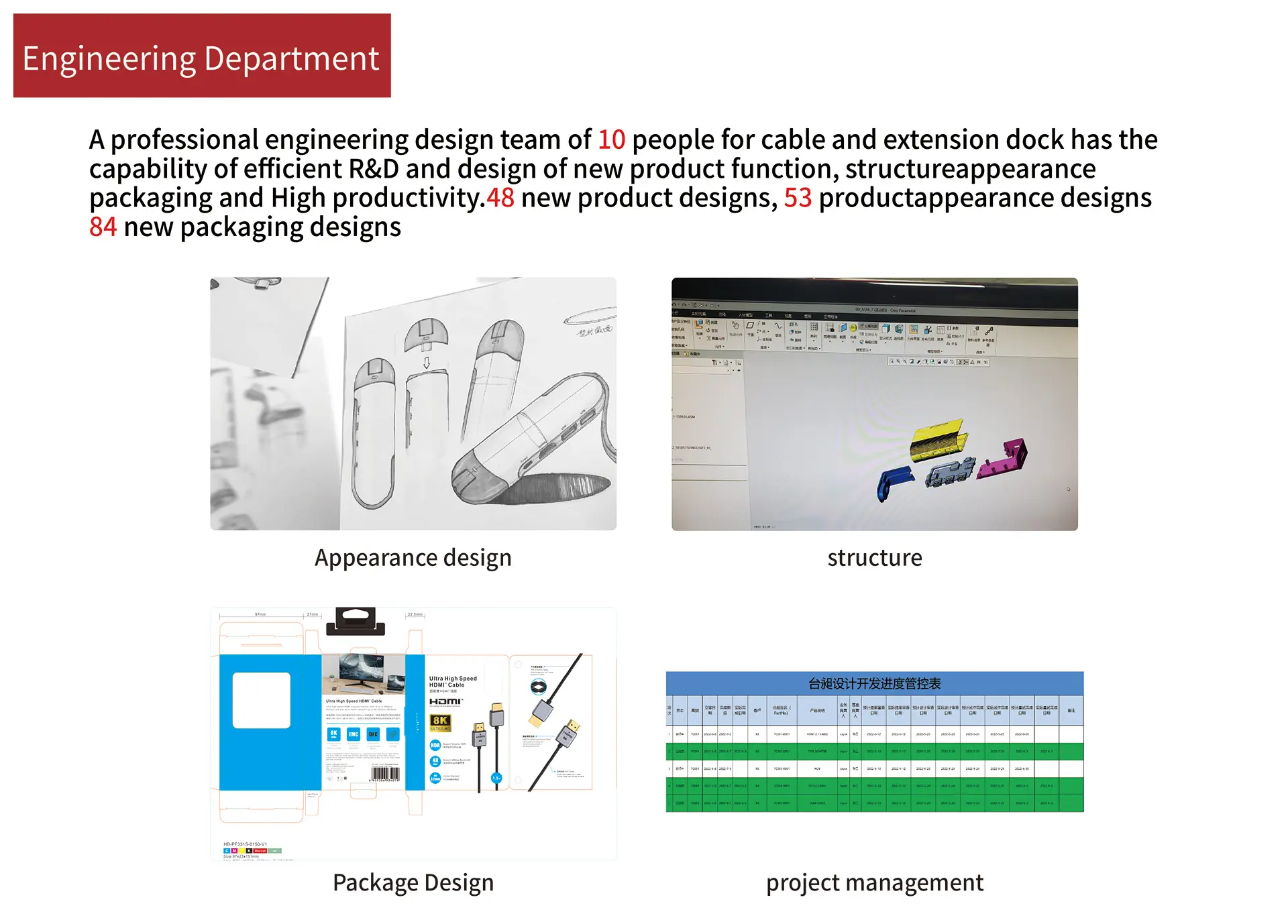
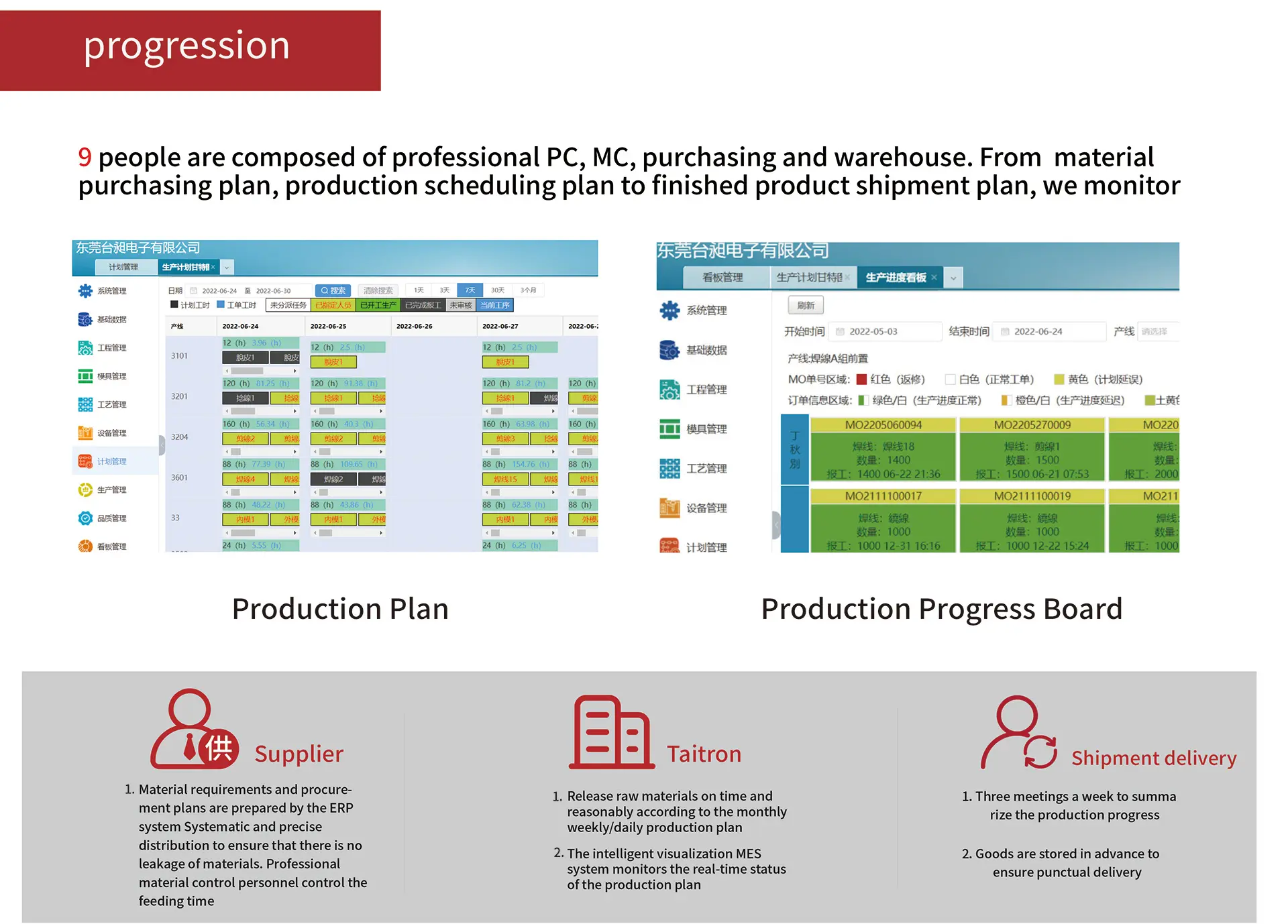
Our facility houses specialized engineering teams, strict quality management divisions, and testing laboratories. These resources enable us to support global OEM and ODM projects from initial raw material selection through final system validation.

Automated optical inspection (AOI) lines require uncompressed, high-framerate image streams to identify assembly defects. Our DisplayPort cables are designed with robust locking mechanisms and shielding to withstand vibration and electromagnetic interference.
In surgical suites and radiologist workstations, display clarity is vital. Our VESA-compliant cables support high-bitrate outputs, helping to ensure medical images are rendered with precise grayscale values and color accuracy.
Emergency response systems and traffic control rooms require continuous operation. Our cables are manufactured using aging-resistant PVC jackets and high-temp tolerance alloys to support reliable 24/7 video display connections.
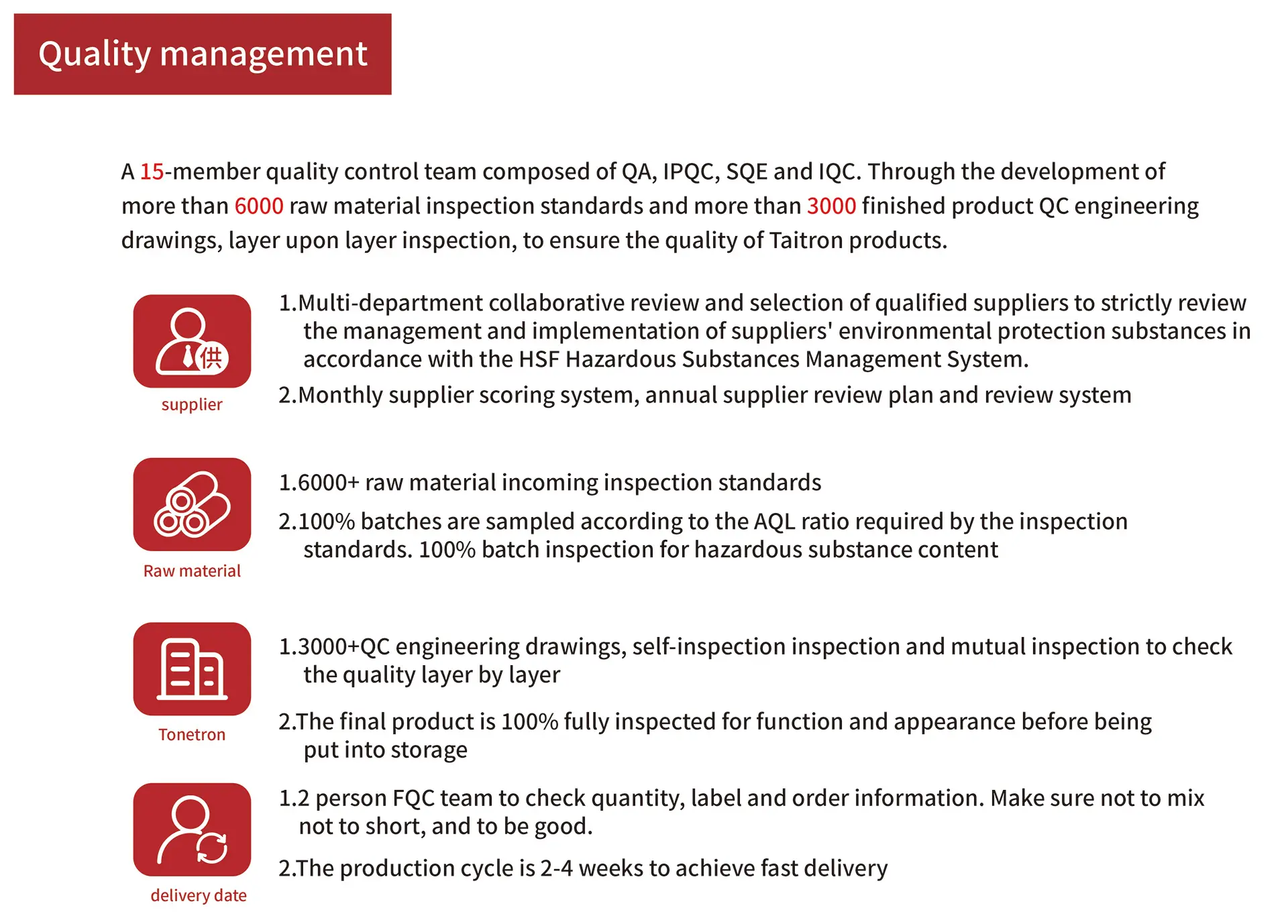
Ensuring high reliability in professional display systems requires strict adherence to international regulatory frameworks. At Taitron, our manufacturing operations are managed under a strict quality management system that ensures traceability from raw material input to the final shipment.
"Our engineering team uses high-frequency network analyzers to test signal parameters up to 20 GHz. This process helps ensure our DisplayPort 2.1 cable options provide stable connection performance."
- Quality Assurance Lead, Dongguan Taitron
As computing systems scale, display connection demands will evolve. Here is how our production facility is preparing for the next decade of connectivity.
To transmit high bandwidths over distances greater than 5 meters, copper wires face challenges from attenuation. Our active optical fiber DisplayPort cables convert electrical signals to light, enabling low-latency, uncompressed 8K video transmission up to 100 meters without EMI risk.
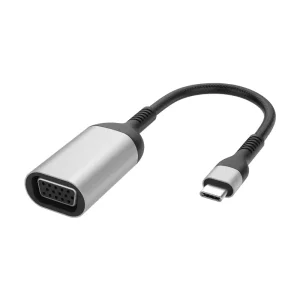
As USB4 and Thunderbolt interfaces become more common, DisplayPort Alt Mode integration is vital. We are expanding our production lines for hybrid USB-C to DP 2.1 assemblies to support multi-protocol configurations.
To support environmental sustainability, we are transitioning to halogen-free materials and TPE insulation, reducing our environmental footprint while maintaining thermal stability and wear resistance.
For passive DP 2.1 copper cables supporting UHBR 10 (40 Gbps) or UHBR 20 (80 Gbps) bandwidths, the maximum transmission length without signal degradation is typically limited to 1.2 to 2 meters. For lengths beyond this range, active copper signal boosters or active optical fiber (AOC) construction are required to ensure VESA compliance.
To prevent potential system damage, our standard DisplayPort source-to-display cables leave Pin 20 (DP_PWR) disconnected, in accordance with VESA guidelines. Pin 20 is only wired on specific active adapters that require external power, or on designated power-delivery cables designed for specialty hardware configurations.
Yes, our DisplayPort assemblies support HDCP 2.2 and HDCP 2.3. This ensures compatibility with protected 4K and 8K commercial media, streaming platforms, and enterprise digital signage networks.
Each batch undergoes comprehensive network analysis to measure eye diagrams, attenuation, insertion loss, return loss, and near-end crosstalk (NEXT). This empirical validation ensures that the cables maintain target performance metrics upon delivery.
 Taichang Electronic