In an era dominated by rapid connectivity transitions like USB4, Thunderbolt 4, and high-frequency PCIe expansions, the global industrial sector continues to exhibit substantial reliance on the legacy USB 2.00 standard. Far from being obsolete, USB 2.00 represents a cornerstone architecture for microcontrollers, automated control loops, embedded medical diagnostic systems, and specialized consumer peripherals. Its low physical layer complexity, combined with deterministic latency tolerance and high cost-efficiency, makes it the optimal choice for high-volume deployments. As a leading manufacturer and exporter, we integrate cutting-edge materials and manufacturing processes into these essential cables and adapters to maintain peak physical and electrical performance under demanding operational conditions.
High-performance custom assemblies engineered for critical commercial and consumer data interfaces.
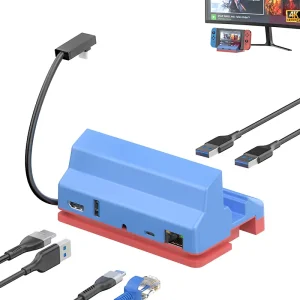
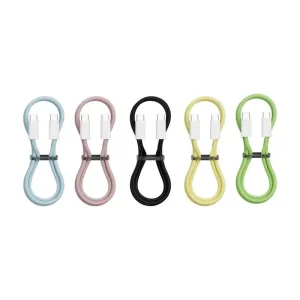
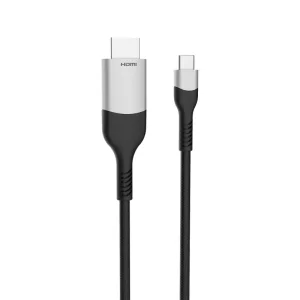
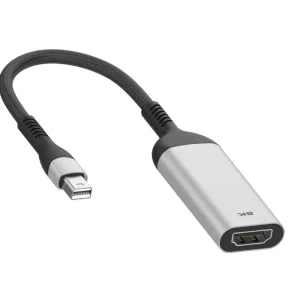
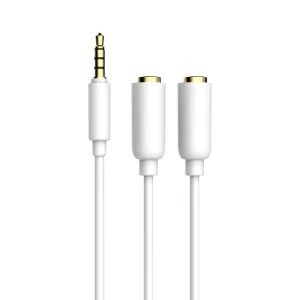
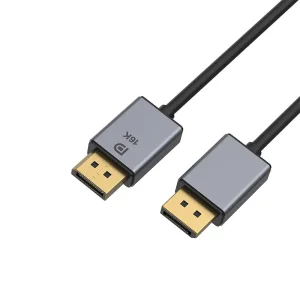
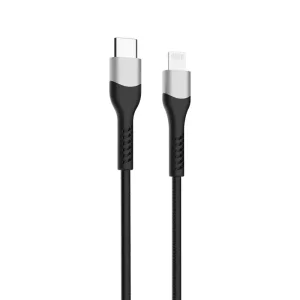
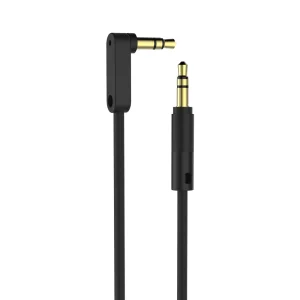
In the context of modern industrial digitalization, the role of legacy communication systems has evolved. While consumer electronics chase maximal throughput, the commercial, industrial, and medical sectors emphasize operational longevity, signal stability, and immunity to electromagnetic interference (EMI). This divergence has stabilized the demand curve for USB 2.00 products globally. Standardizing on USB 2.00 allows system architects to bypass the stringent length limitations and complex transceiver requirements inherent in USB 3.x and USB4 platforms.
USB 2.00 allows cable runs up to 5 meters without active signal repeaters. This characteristic makes it highly suitable for expansive machine control panels, automotive wiring harnesses, and spatial building automation installations.
Most embedded microcontrollers, PLCs, and sensor chips feature native USB 2.0 physical layers. Integrating these elements reduces overall system bills of materials (BOM) and limits design validation cycles.
Working at a baseline rate of 480 Mbps simplifies EMI mitigation. Our custom USB 2.00 lines feature optimized twisting geometries and dense shielding matrices to achieve low electromagnetic radiation profiles.
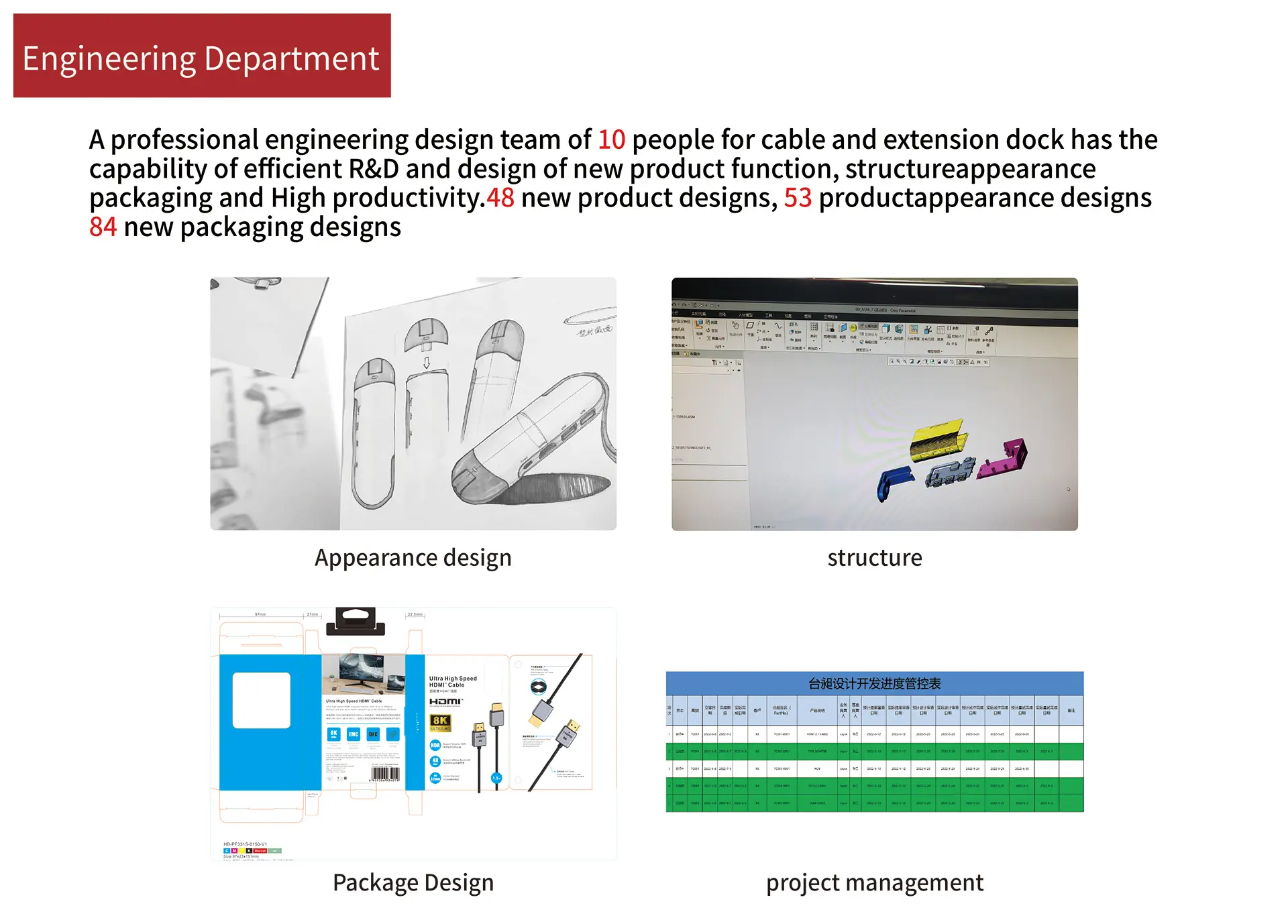
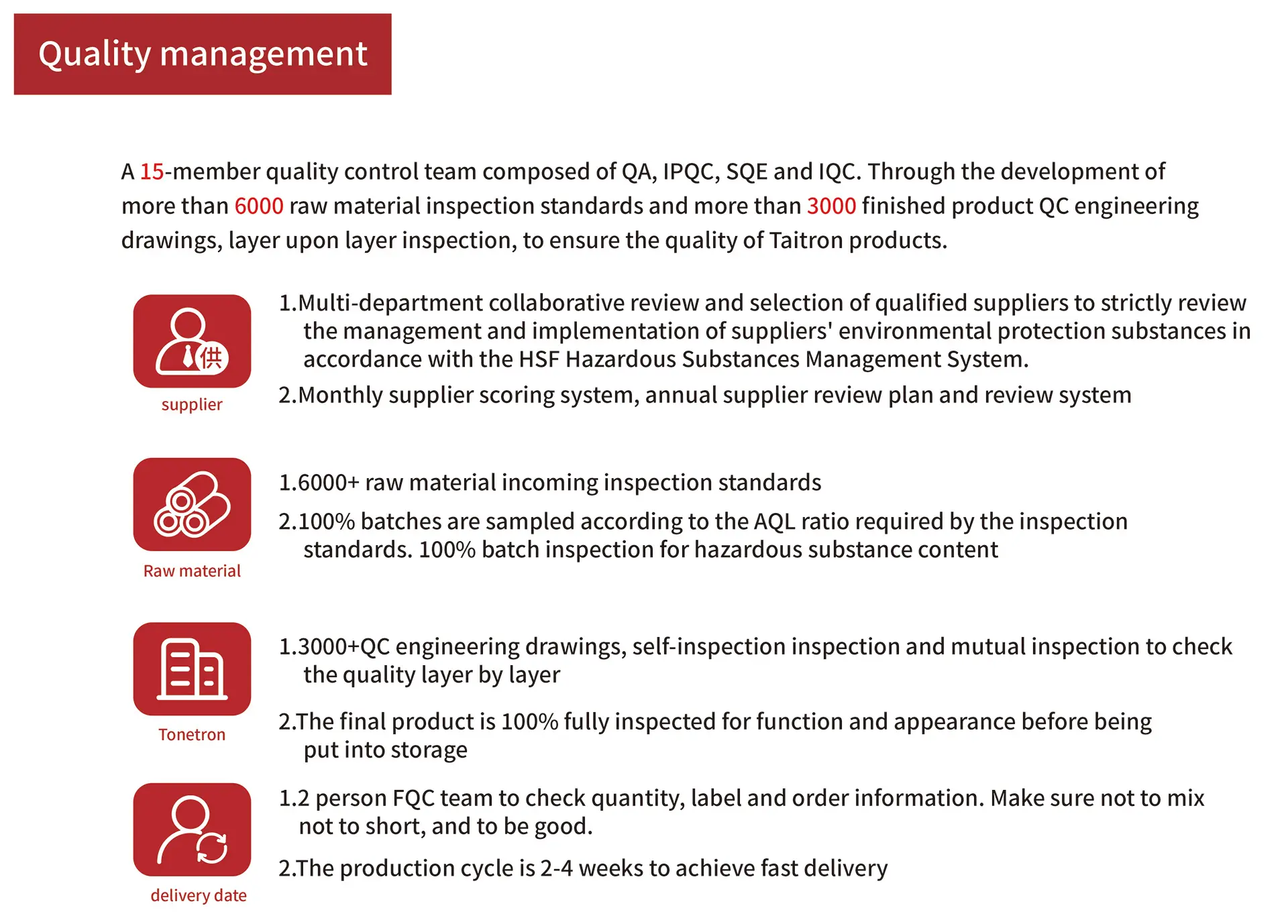

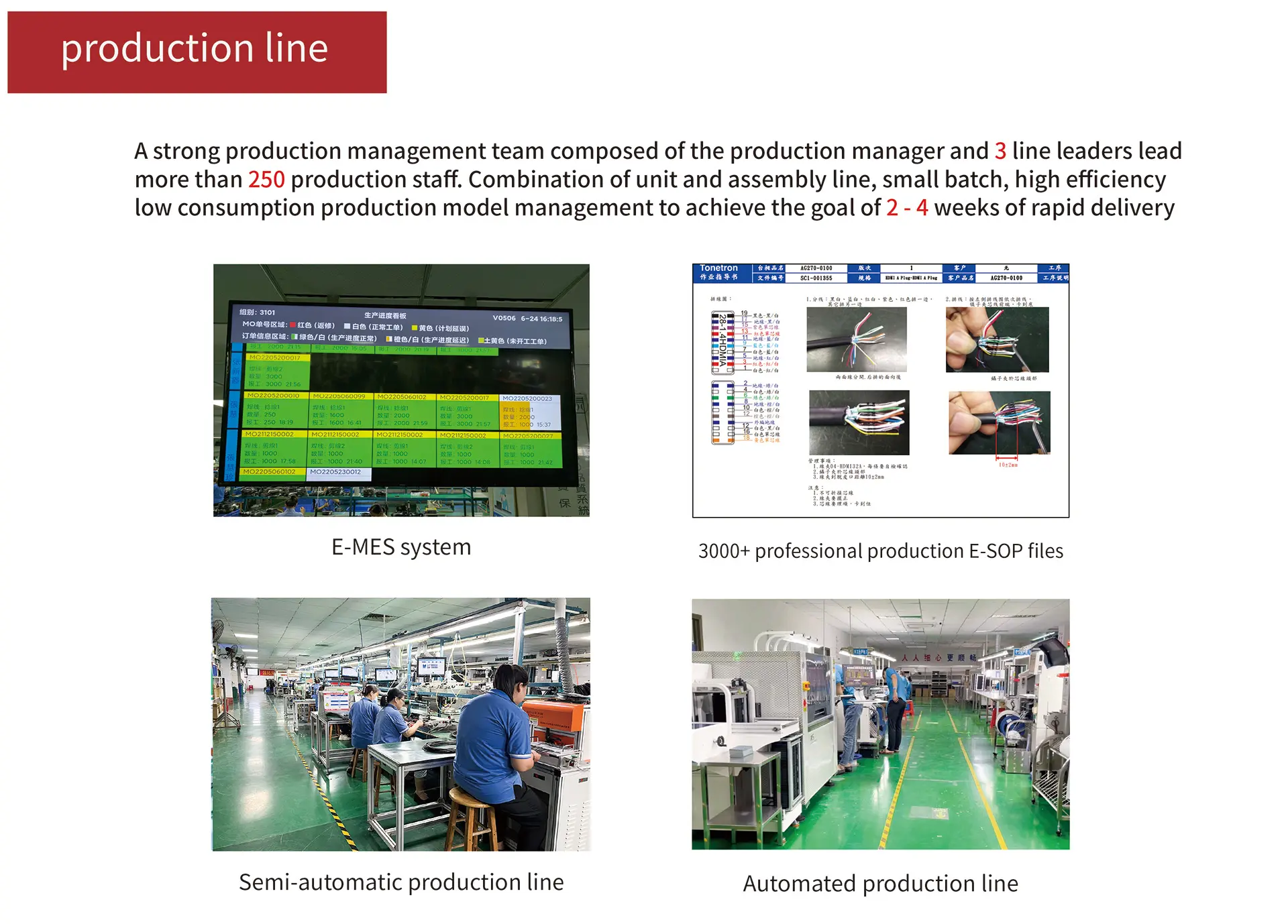
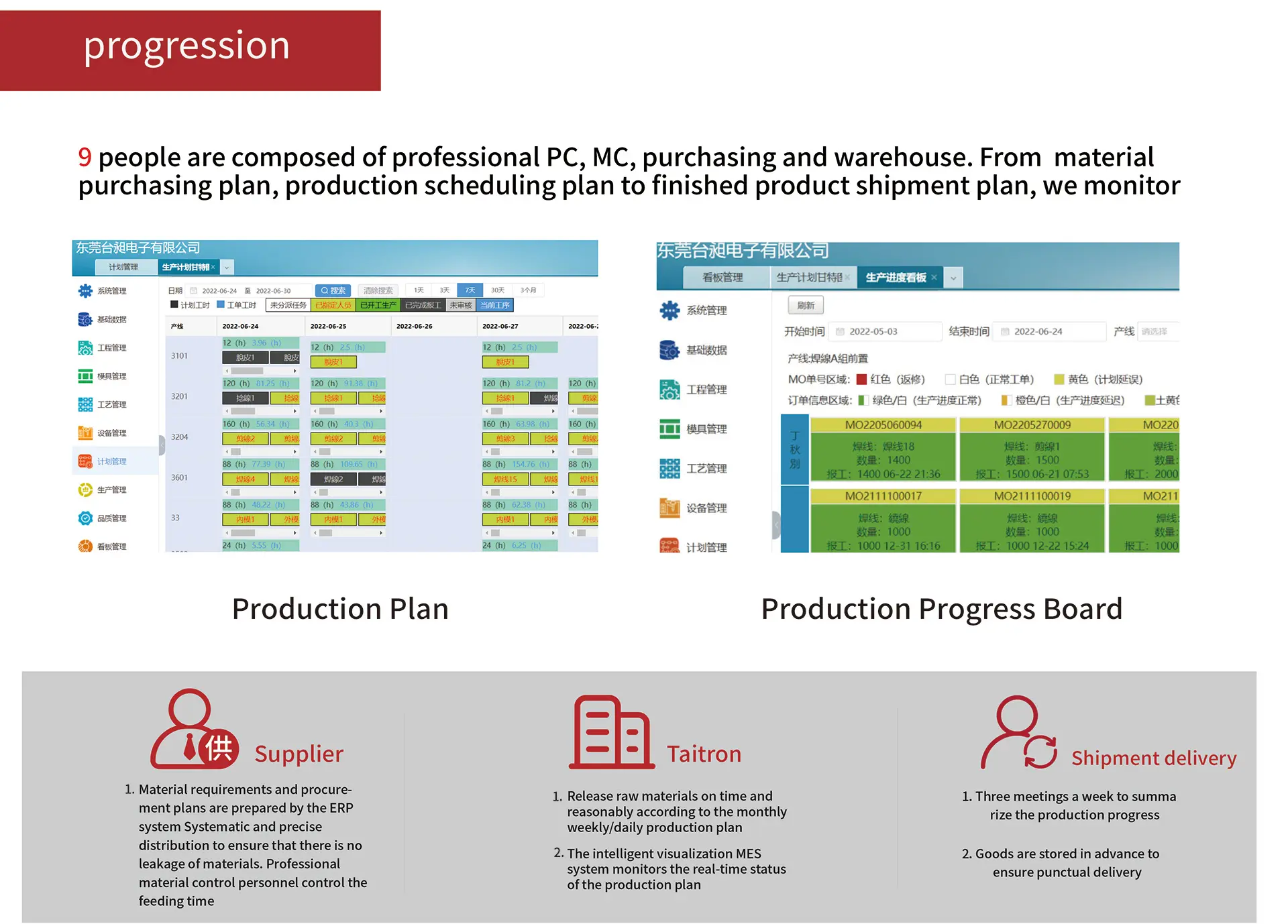
Corporate procurement directors face a complex global landscape characterized by fluctuating material costs, shifting regulatory standards, and logistics bottlenecks. Mitigating risk requires partnering with exporters that possess deep regulatory knowledge and a vertically integrated supply chain. Our manufacturing facility in Dongguan operates under strict compliance regimes, providing:
Every batch of cables is certified to meet environmental regulations, including RoHS, REACH, and California Proposition 65, simplifying clearance into the European Union and North American markets.
We enforce traceability metrics for all copper feedstocks, shielding foils, and jacketing materials, ensuring consistent mechanical characteristics across large production volumes.
Our quality labs perform automated continuity, resistance, pull-force, and flexing tests, qualifying our products for deployment in heavy machinery, healthcare systems, and consumer setups.
Modern commercial operations use custom-assembled cabling configurations to maintain reliability in challenging environments. The table below outlines how our technical product architectures serve specific localized applications:
| Application Sector | Interface Requirement | Selected Solution | Key Performance Benefit |
|---|---|---|---|
| Industrial Control Panels | PLC Programming, Sensor Arrays | Heavy Duty USB 2.0 A to B | Dual shielding (Braid + Alum) resists electromagnetic interference. |
| Automotive Infotainment | Console Connectivity, Smart Link | USB-C to USB-A Custom Harnesses | Heat-resistant PVC or TPE formulation ensures long service life. |
| Medical Diagnostic Devices | Patient Monitoring Systems | Isolated USB-C Data Cable | Strict signal isolation reduces patient leakage current risk. |
| Advanced Retail Terminals | High-speed Display + Docking Hub | Multifunctional Type-C Docking | Supports peripheral routing and device charging through one link. |
Explore our legacy interconnect configurations and modern HDMI, DisplayPort, and high-power type-C interfaces.
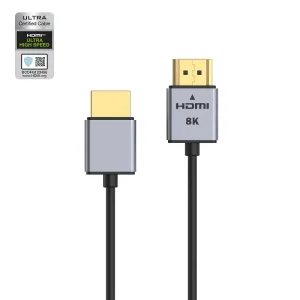
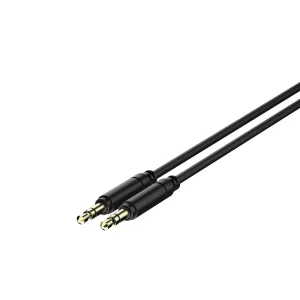
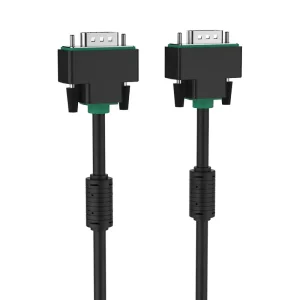
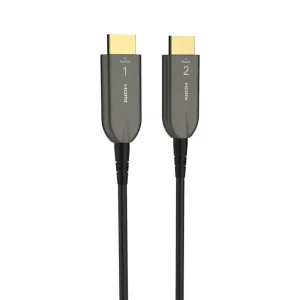
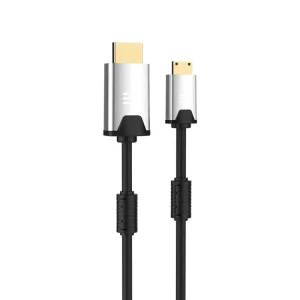
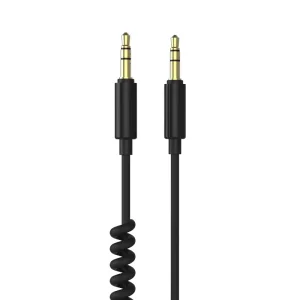
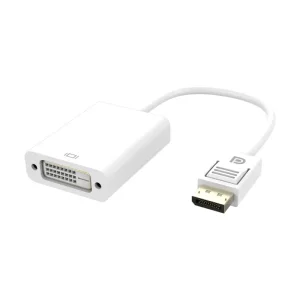
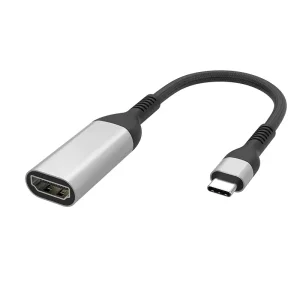
USB 2.00 utilizes half-duplex differential signaling over a twisted pair (D+ and D-). Sustaining high-speed performance at 480 Mbps requires maintaining a characteristic differential impedance of 90 ohms ± 15%. Deviations can create signal reflections, resulting in packet loss and jitter. Our automated assembly tooling controls extrusion and shielding densities to preserve the integrity of the transmission path.
We manufacture conductors using high-purity Oxygen-Free Copper (OFC) or tinned copper cores. While power lines range from 20AWG to 24AWG to minimize IR voltage drops, high-speed data pairs utilize 28AWG to 30AWG to optimize capacitance profiles. This combination balances structural flexibility with robust power delivery, satisfying both static and dynamic application requirements.
Industrial cabling requires robust protection against high-frequency electromagnetic fields. Our cables incorporate a dual-shield design: an inner aluminum-Mylar foil wrapping provides 100% coverage, while an outer high-coverage tinned copper braid provides grounding security and mechanical reinforcement. This protection prevents crosstalk and ensures stable data rates in close proximity to high-voltage equipment.
Direct engineering answers addressing compliance, performance limits, and manufacturing options.
Industrial hardware prioritizes communication reliability and simplicity. USB 2.00 operates reliably over longer cable lengths (up to 5 meters without signal amplification) compared to the strict limitations of USB 3.x and USB4. Additionally, its hardware implementation is robust, requiring lower processing overhead and keeping system chips cost-effective and energy-efficient.
With 38 years of experience, our quality management system covers every stage of production. We use automated optical inspection (AOI), integrated electrical loop tests, and high-frequency network analysis to verify parameters such as attenuation, impedance matching, and crosstalk. Our facilities operate under strict ISO 9001 quality guidelines.
Yes. We routinely produce custom hybrid configurations. By pairing standard 28AWG data cores with thicker 20AWG power conductors, we can support charging currents up to 3A while maintaining standard USB 2.00 data transmission. This approach is ideal for handheld scanners, retail terminals, and industrial instrumentation.
Our testing protocols include flex cycle endurance tests (simulating repetitive bending), tensile pull-force evaluations, salt spray testing for corrosion-resistant connectors, and environmental chamber testing to verify insulation performance across wide temperature ranges (e.g., -20°C to +80°C).
We provide full documentation to support international customs clearance. Our products carry CE marks, FCC declarations of conformity, and are fully compliant with RoHS and REACH standards. Additionally, we provide UL-certified insulation and MFi-compliant components for specialized mobile docking configurations.
 Taichang Electronic