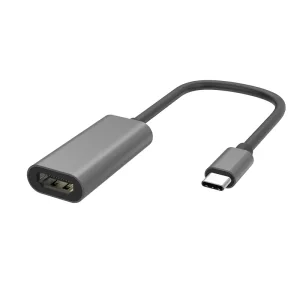
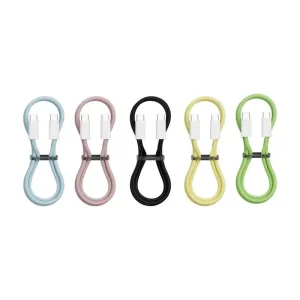
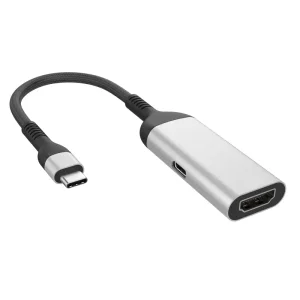
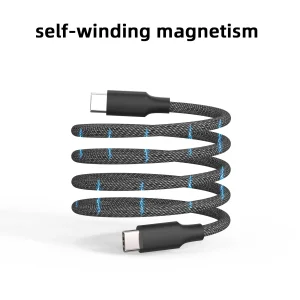
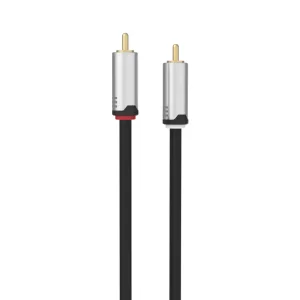
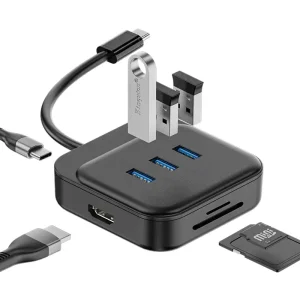
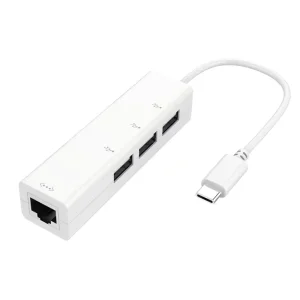
As corporate IT ecosystems rapidly shift towards slimline laptops, ultrabooks, and high-performance smart devices, the integration of dedicated, onboard RJ45 Ethernet ports has decreased. However, the requirement for ultra-stable, high-bandwidth, and low-latency networking remains. Wi-Fi solutions, while mobile, struggle with high packet loss, interference, and security vulnerabilities. This has positioned the USB C to Ethernet cable as an essential hardware component for enterprise networking globally.
From financial desks processing real-time transactions to industrial automated lines monitoring mission-critical machinery, a stable wired LAN connection is indispensable. Global procurement officers must look beyond simple retail converters and source directly from an established China USB C to Ethernet cable factory. Working with a dedicated manufacturing partner ensures physical durability, chipset compatibility, and long-term signal integrity.
For large-scale deployments, procurement managers prioritize suppliers that integrate premium controllers (such as Realtek RTL8153 or ASIX AX88179A) to guarantee plug-and-play operation across Windows, macOS, Linux, and ChromeOS without the need for manual driver installation.
A reliable USB-C to Ethernet connection depends on internal component layout and signal path engineering. When evaluating cables from a China USB C to Ethernet cable exporter, procurement managers must evaluate several technical layers:
We utilize the Realtek RTL8153 series. This controller supports IPv4/IPv6 packet Checksum Offload Engine (COE) to reduce CPU loading, alongside features like Wake-on-LAN (WOL) and Green Ethernet standards (IEEE 802.3az).
To prevent crosstalk between the high-speed USB 3.1 Gen 1 signals and the Ethernet transceiver, our cables feature a multi-layer shielding architecture, including a high-density tinned copper braid and aluminum foil wrap.
Continuous gigabit data transfer generates thermal load within the transceiver chip. We house our controllers inside high-conductive aluminum alloy casings, facilitating heat dissipation and preventing throughput throttling.
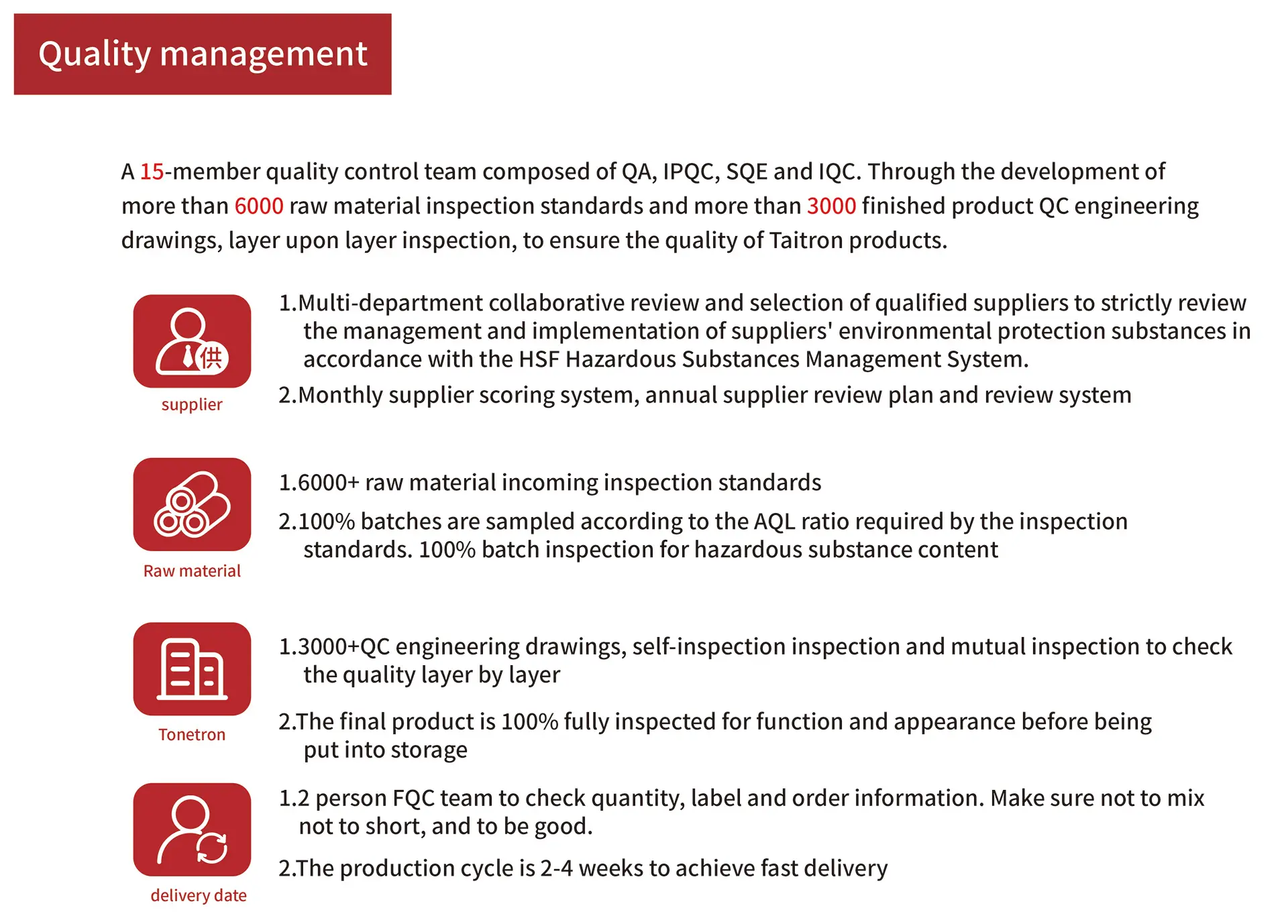
Our manufacturing process utilizes physical layer testing, checking each cable assembly for return loss, attenuation, and near-end crosstalk (NEXT). This ensures that every production run shipped from our facility complies with the IEEE 802.3ab 1000BASE-T networking standard.
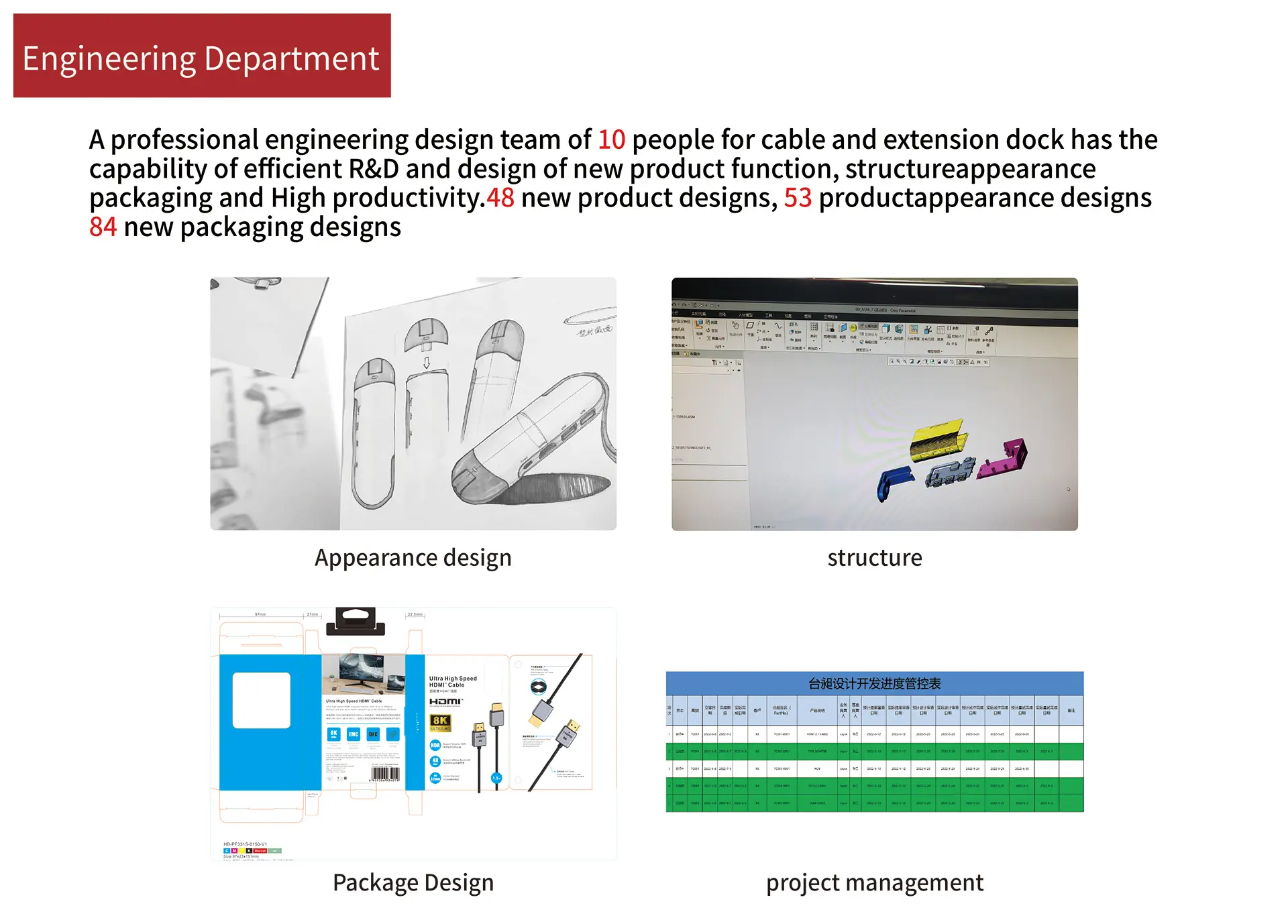
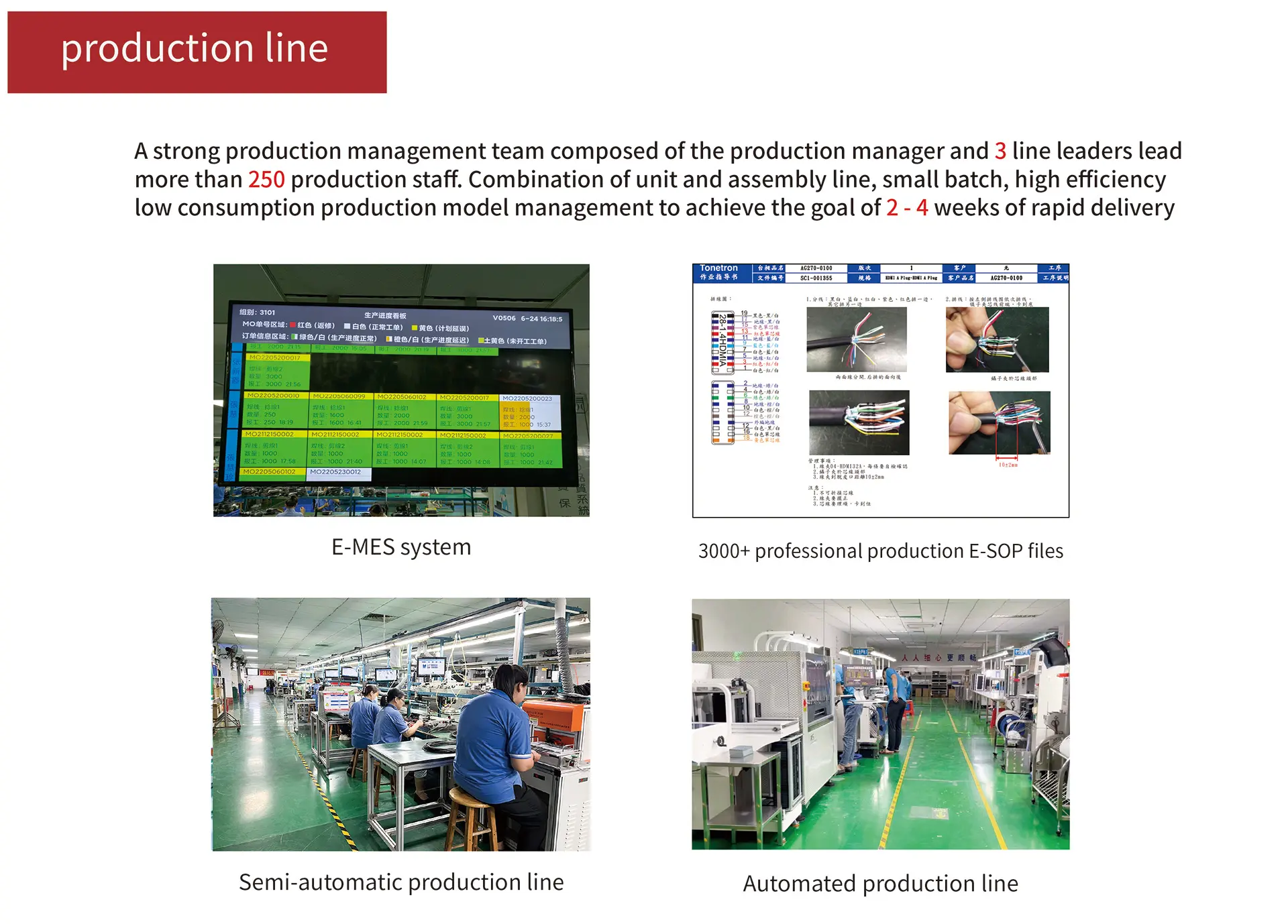
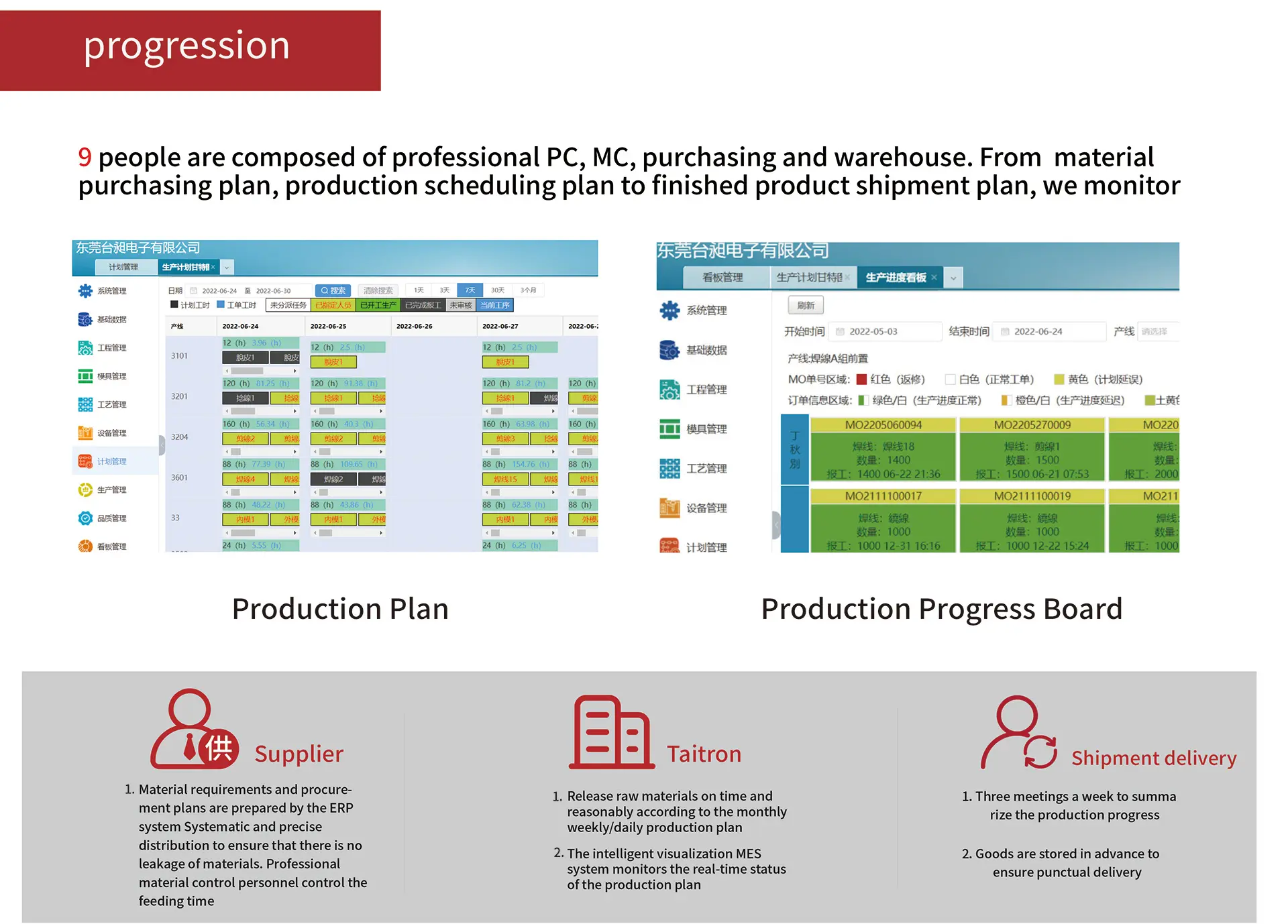
Modern cable manufacturing goes beyond manual assembly. Global clients require repeatable quality and prompt delivery. As an established manufacturer, Dongguan Taitron Electronics Limited operates structured manufacturing processes in our self-built industrial park in Dalingshan Town, Dongguan City, China.
Integrating automation within our production workflow provides distinct advantages:
Our transition from a cable assembly facility in 1984 in Keelung, Taiwan, to a comprehensive China USB C to Ethernet cable factory in Dongguan reflects our long-term commitment to quality. This experience enables us to deliver components that meet international compliance standards.
In 1984, Dongguan Taitron Electronics Limited., formerly known as Tonetron, was founded in Keelung, Taiwan. In 1993, it moved to the self-built independent production industrial park in Dalingshan Town, Dongguan City, China, and changed its name to Dongguan Taitron Electronics Limited.
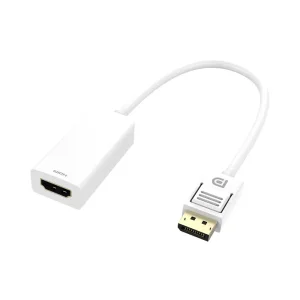
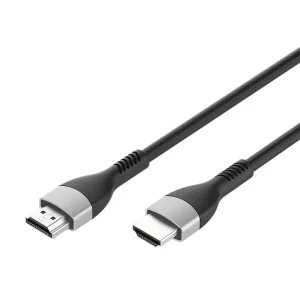
With 38 years of experience in manufacturing professional video and audio peripheral equipment connection lines, we have expanded our capabilities to high-end audio and video cables and data cables, including HDMI2.1 cables, DP2.0 cables, USB4 data cables, USB-C 3.1Gen2 data cables, high-power USB charging cables, 8K HD conversion cables, multi-functional Type-C expansion docks, and other related products.

Wired network connectivity is utilized across many distinct professional and industrial environments:
With corporate security policies moving towards Zero-Trust network configurations, workstations must be identified by physical MAC addresses. Our USB-C Ethernet cables support MAC address pass-through, simplifying endpoint deployment.
On-site engineers use USB-C interfaces to link service laptops with programmable logic controllers (PLCs) and CNC machines. Cable shielding prevents EMI interference from nearby high-voltage drives.
Broadcasters demand stable, consistent upload speeds for 4K video feeds. Wi-Fi connections can be unreliable in crowded venues. Direct USB-C to LAN cables provide dedicated bandwidth for packet delivery.
Technical and logistics guidance for global procurement managers and sourcing specialists.
 Taichang Electronic