High-speed data transfer, robust shielding configurations, and OEM power compliance standards engineered for modern computing setups.
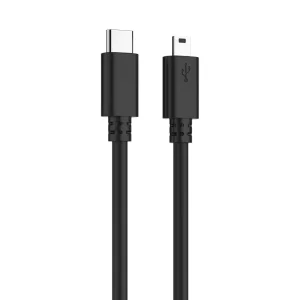
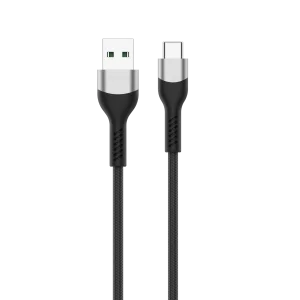
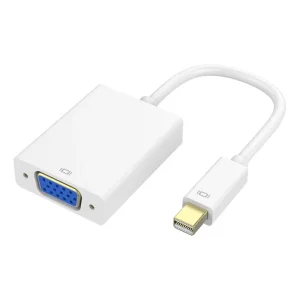
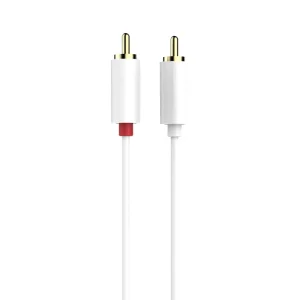
Under the Hood of Next-Generation Power Transmission Protocols, Material Science, and Global Supplier Networks.
In contemporary enterprise electronics procurement, the terminology *Ladegerät USB* (USB Charger) is no longer confined to simple desktop adapter configurations. Modern charging architectures have coalesced around the USB-C (Type-C) ecosystem, underpinned by the USB Power Delivery (USB-PD 3.0 & PD 3.1) and EPR (Extended Power Range) specifications. These mechanisms permit continuous power delivery up to 240W, facilitating the consolidation of laptop, tablet, smartphone, and custom industrial hardware power rails into a single universal interface.
This massive power expansion is complemented by technologies like Gallium Nitride (GaN). Traditional silicon-based power delivery elements suffer high conversion losses resulting in substantial thermal generation. By deploying high-frequency, wide-bandgap GaN chips, modern manufacturing enables converters to execute switching cycles five to ten times faster than legacy silicon, scaling physical chassis size downward by over 40% while sustaining structural thermal thresholds below 50°C. Sourcing managers now prioritize modules featuring intelligent step-down controllers and dynamically allocated smart IC matrices to avoid over-current failures across mixed device fleets.
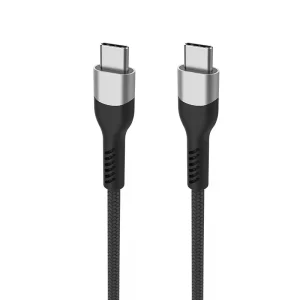
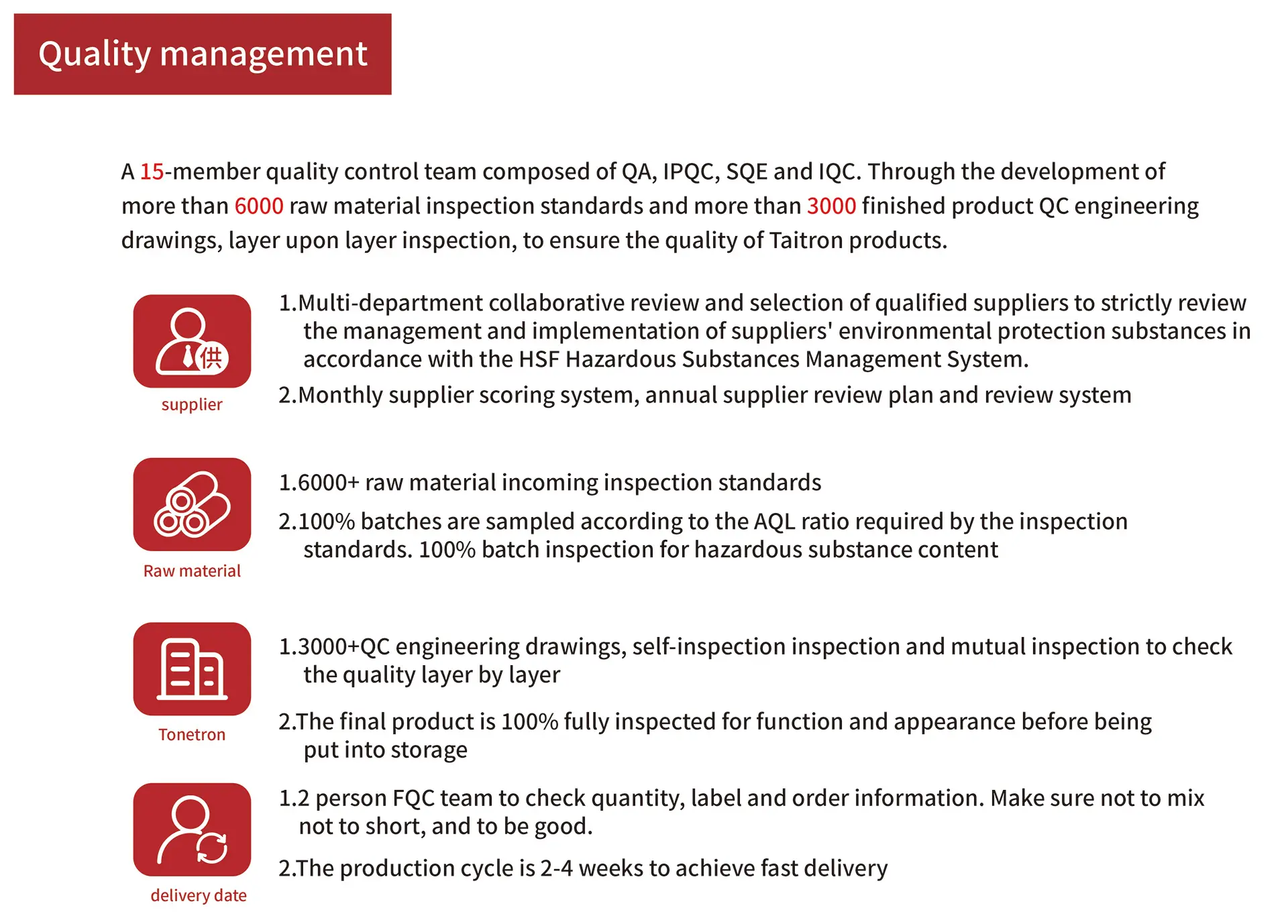
For high-power charging exceeding 60W (3A at 20V), USB-IF standards dictate the installation of an E-Marker (Electronic Marker) chip inside the assembly connector. Without this cryptographic signaling layer, devices revert to safe baseline speeds (typically 5V/0.9A or 20V/3A max). Suppliers must demonstrate advanced logic-control validation during multi-stage automatic wire welding to guarantee 5A/20V and 5A/48V protocol compatibility.
Procuring raw interconnect materials and high-current adapters involves navigating complex international standardization and strict environmental criteria. As countries transition to carbon-neutral manufacturing profiles, B2B stakeholders in Europe and North America enforce rigorous frameworks on passive charging components:
Enterprise clients must partner with factories executing 100% Automated Optical Inspections (AOI) and continuous automated testing systems to monitor parameters like raw impedance profiles, insertion loss metrics, and continuous mechanical flexibility limits.
China's preeminence in the supply of high-end *Ladegerät USB* assemblies and premium audio/video cables lies in its deep vertical integration. The Dongguan and Greater Bay Area manufacturing clusters allow factories to source copper drawing dies, specialized PVC/TPE polymers, aluminum shells, and high-frequency IC components locally. This density minimizes regional transport times, allowing for rapid customization cycles and flexible batch scalability.
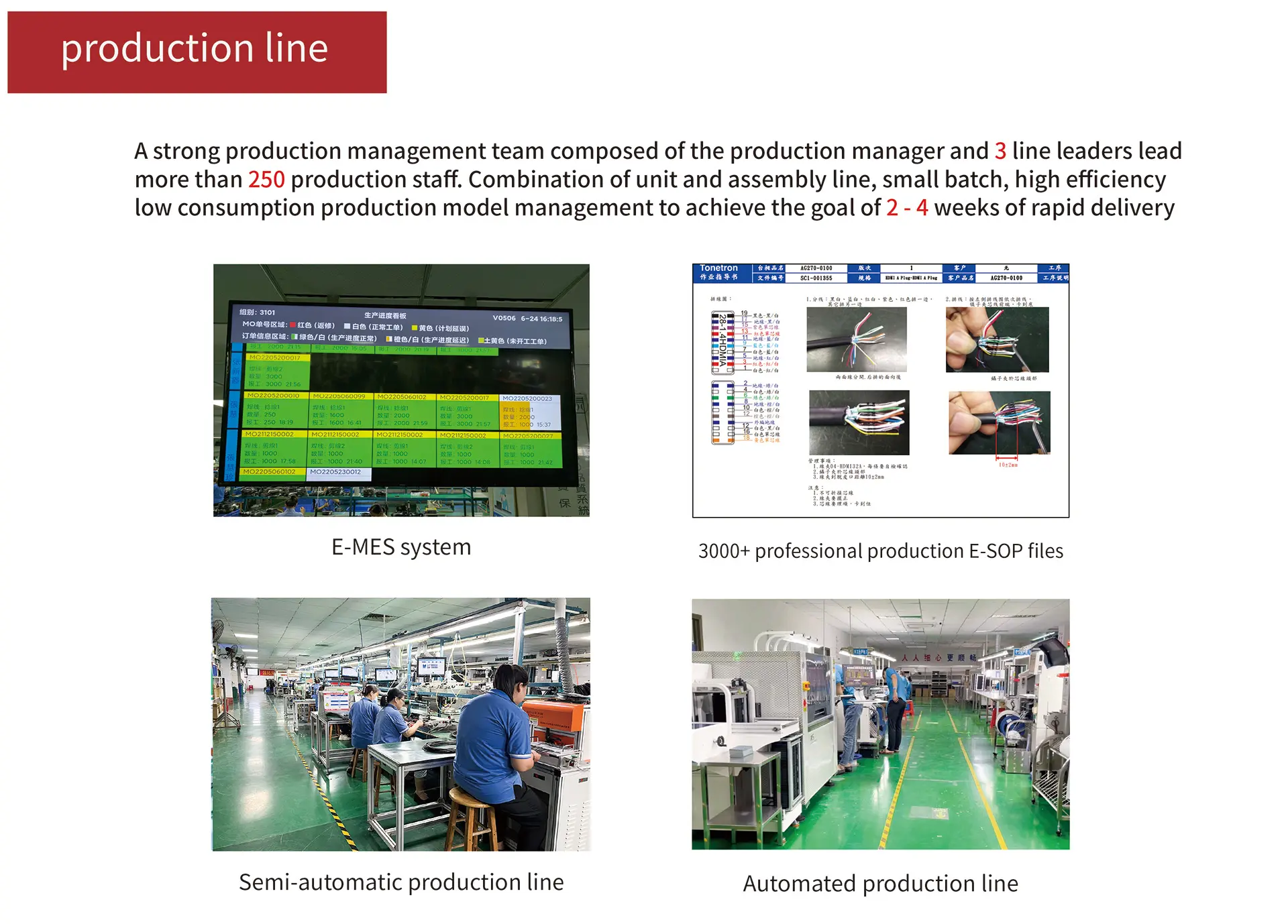
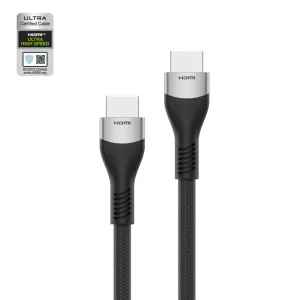
By transitioning from human-centered processes to automated coiling, high-accuracy laser stripping, and precision automated soldering stations, quality consistency is maintained at scale. For example, high-speed lines like HDMI 2.1 (48Gbps) and USB4 (40Gbps) require precise physical geometric tolerances; micro-twists in internal pairs must be uniform to prevent signal loss and crosstalk. This automated precision ensures high yields, making products cost-effective and structurally dependable over millions of cycles.
For B2B brands, standard products often fall short of specific requirements. Our OEM infrastructure supports design adaptations across mechanical properties (high-flexibility nylon sleeving), electronic shielding (foil, braid, and customized drain wire options), and identity features (laser-etched logo integration, customized mold designs) to fit strict integration needs.
Modern connectivity components must function reliably in diverse, demanding applications beyond office desks:
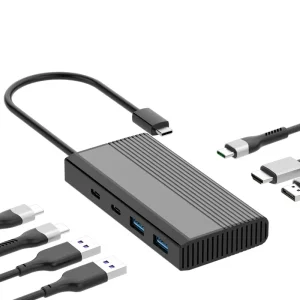
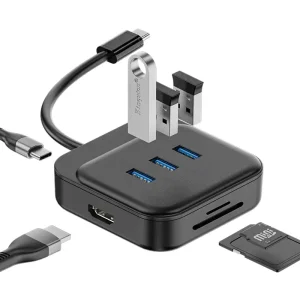
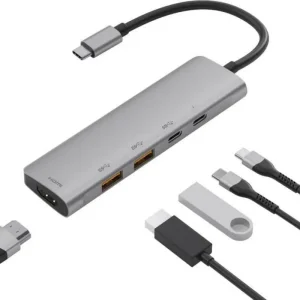
Integrating high-power charging, 4K video routing, and high-speed data transmission over a single USB-C connection requires reliable Multi-Port Hubs (like 7-in-1 and 5-in-1 units) to ensure plug-and-play operation for enterprise workstations.
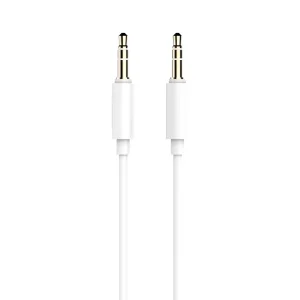
Vehicle infotainment systems demand cables that withstand extreme temperatures, vibrations, and constant insertion cycles. Premium braided USB and audio lines ensure clean data and power transfer on the road.
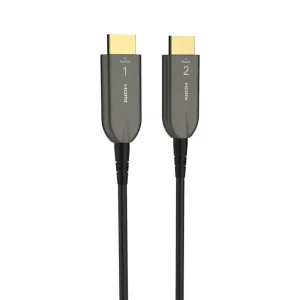
Machine vision and factory controllers rely on dependable high-bandwidth interfaces. Our active optical and shielded copper cables prevent EMI interruptions, maintaining continuous data flow on the shop floor.
Dongguan Taitron Electronics Limited: Nearly Four Decades of Precision Engineering and Quality Excellence.
In 1984, Dongguan Taitron Electronics Limited., formerly known as Tonetron, was founded in Keelung, Taiwan. In 1993, it moved to the self-built independent production industrial park in Dalingshan Town, Dongguan City, China, and changed its name to Dongguan Taitron Electronics Limited.
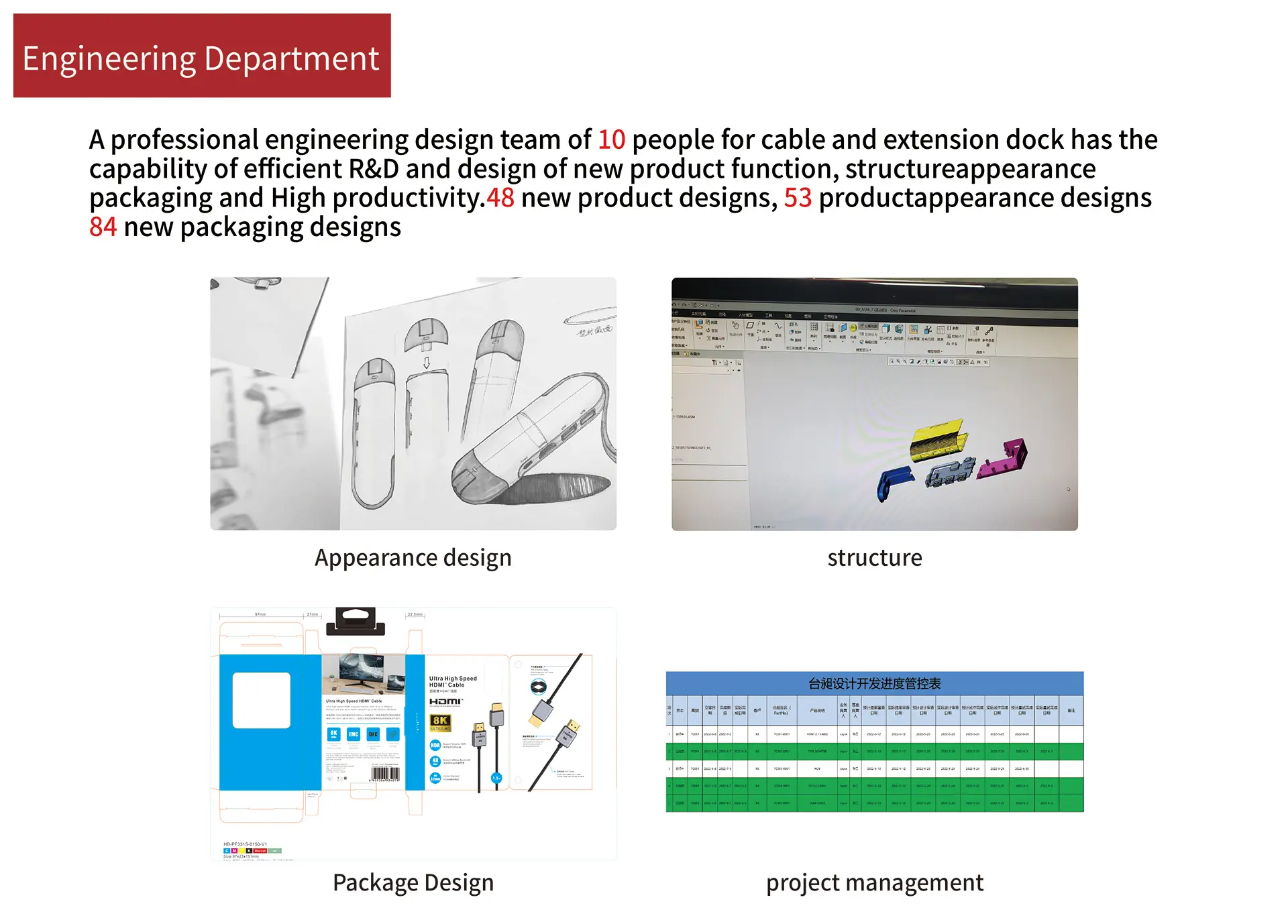
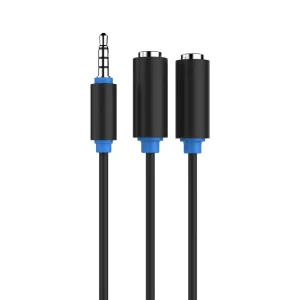
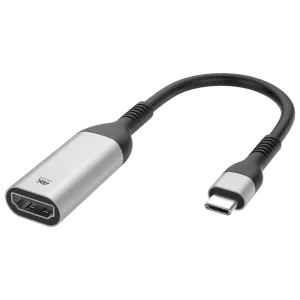
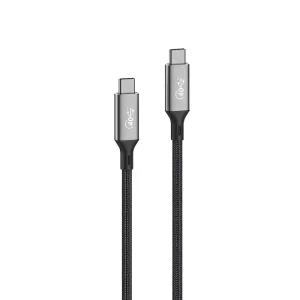
38 years to pass professional video and audio peripheral equipment connection line manufacturing as the foundation, Gradually develop to the high-end audio and video cable data cable such as HDMI2.1 cable, DP2.0 cable, USB4 data cable, USB-C 3.1Gen2 data cable, high-power USB charging cable, 8K HD conversion cable, multi-functional Type-C expansion dock and other products research and development and manufacturing.
Answers to critical questions on technical standards, testing protocols, and volume sourcing constraints.
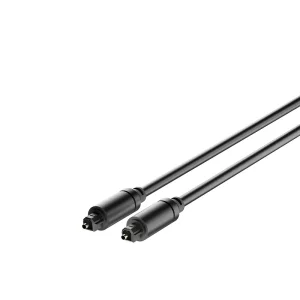
Explore our legacy line of premium audio, video, optical, and high-frequency data transmission cables.
 Taichang Electronic