High-bandwidth cables, adapters, and custom active optical lines engineered for enterprise infrastructures.
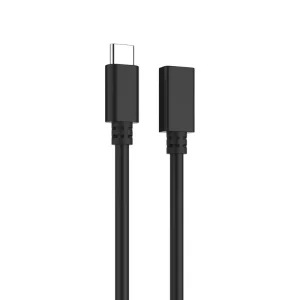
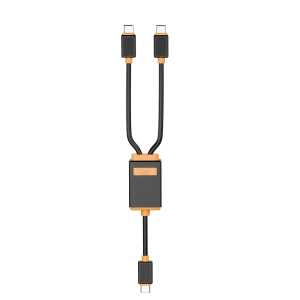
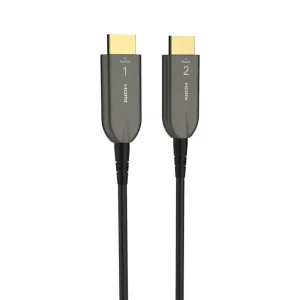
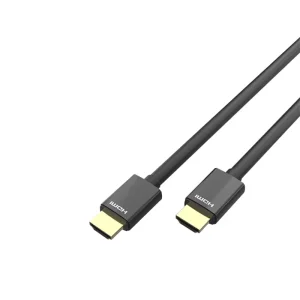
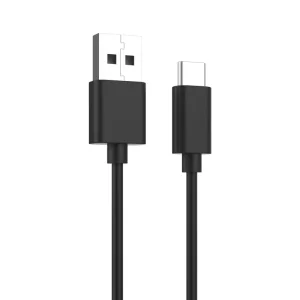
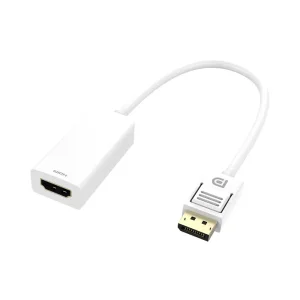
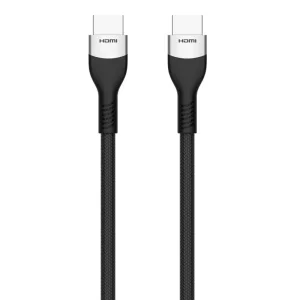
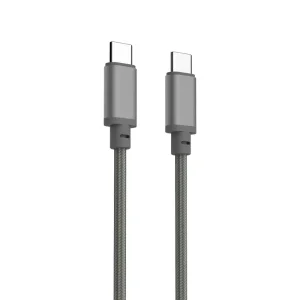
As ultra-high-definition displays, virtual reality (VR) headsets, and real-time medical visualization systems continue to push visual boundaries, standard interface cabling faces unprecedented physical limits. Standard copper lines, once sufficient for 1080p, are completely obsolete under the strict parameters of modern digital signal transmissions. DisplayPort 1.4 (DP 1.4), standardizing high-bandwidth video and audio routing, remains a cornerstone technology for commercial systems worldwide.
With its total bandwidth capability of 32.4 Gbps (across 4 lanes, yielding a net payload of 25.92 Gbps), DisplayPort 1.4 introduces features that revolutionize professional digital workspaces:
"For global system builders, sourcing reliable DisplayPort 1.4 cabling is no longer merely a procurement task. It is a critical engineering requirement where shielding, impedance matching, and physical durability determine the uptime of entire mission-critical networks."
However, implementing DP 1.4 in automated manufacturing lines, corporate workstations, and specialized surgical environments requires substantial customization. Cable length limitations, electromagnetic interference (EMI) mitigation, connection locking mechanisms, and hybrid optical-copper conversions (AOC) are parameters that standard consumer cables cannot address. This is where specialized, vertically integrated manufacturers step in to engineer custom-tailored DisplayPort products.
Over 38 Years of High-End Audio, Video, and High-Speed Data Cable Engineering Excellence
Founded in 1984 as Tonetron in Keelung, Taiwan, Dongguan Taitron Electronics Limited has spent nearly four decades at the forefront of the high-speed connection industry. To accommodate massive global demands, we relocated and constructed our dedicated industrial park in Dalingshan Town, Dongguan City, Guangdong Province, China in 1993.
Over the past 38 years, Taitron has grown from a foundational manufacturer of audio/video peripherals into a pioneering enterprise in high-frequency signal solutions. Our engineering department specializes in R&D and automated assembly of high-speed standards, including HDMI 2.1, DisplayPort 2.0/1.4, USB4, USB-C 3.1 Gen2, multi-functional Type-C docking stations, and ultra-high-power PD charging lines.
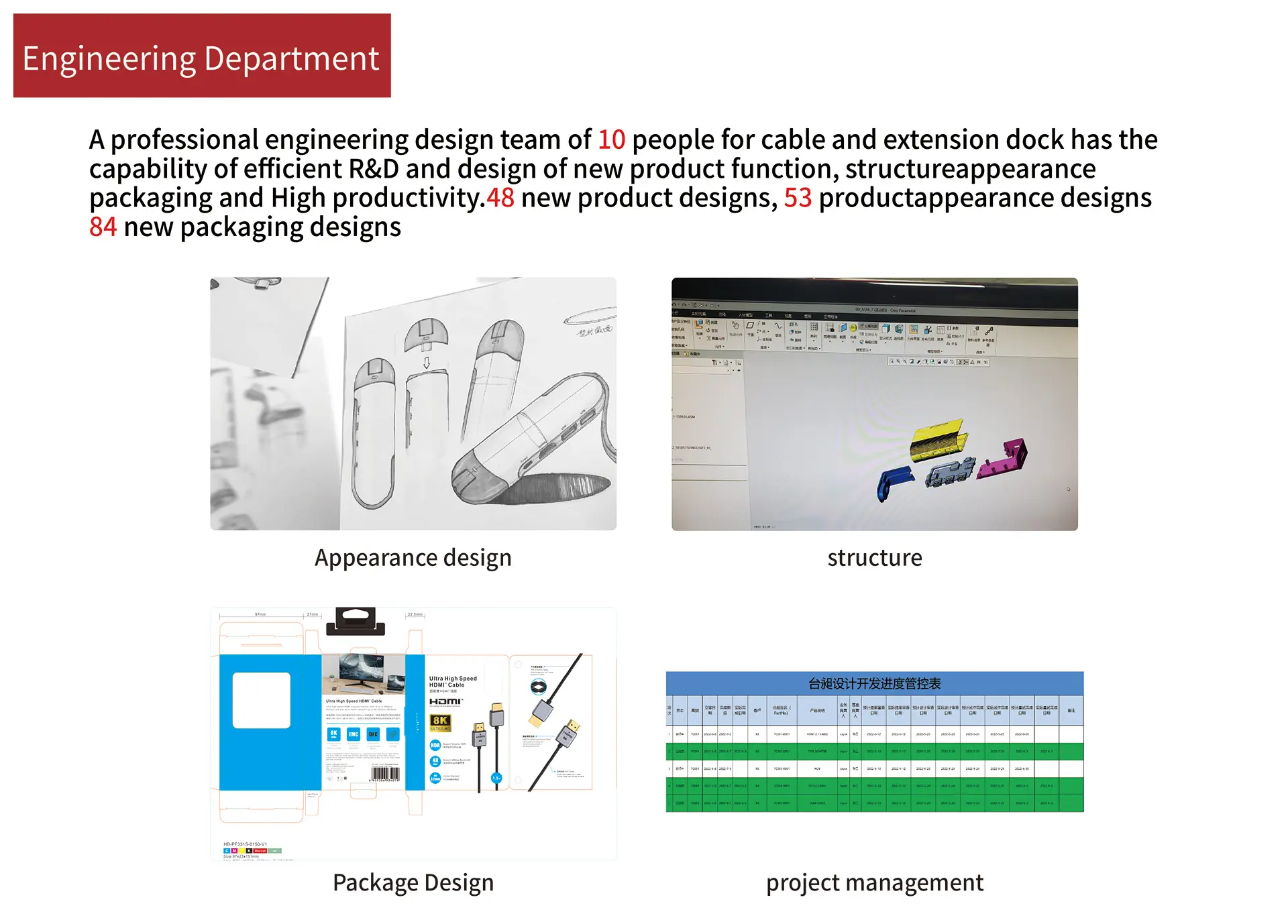
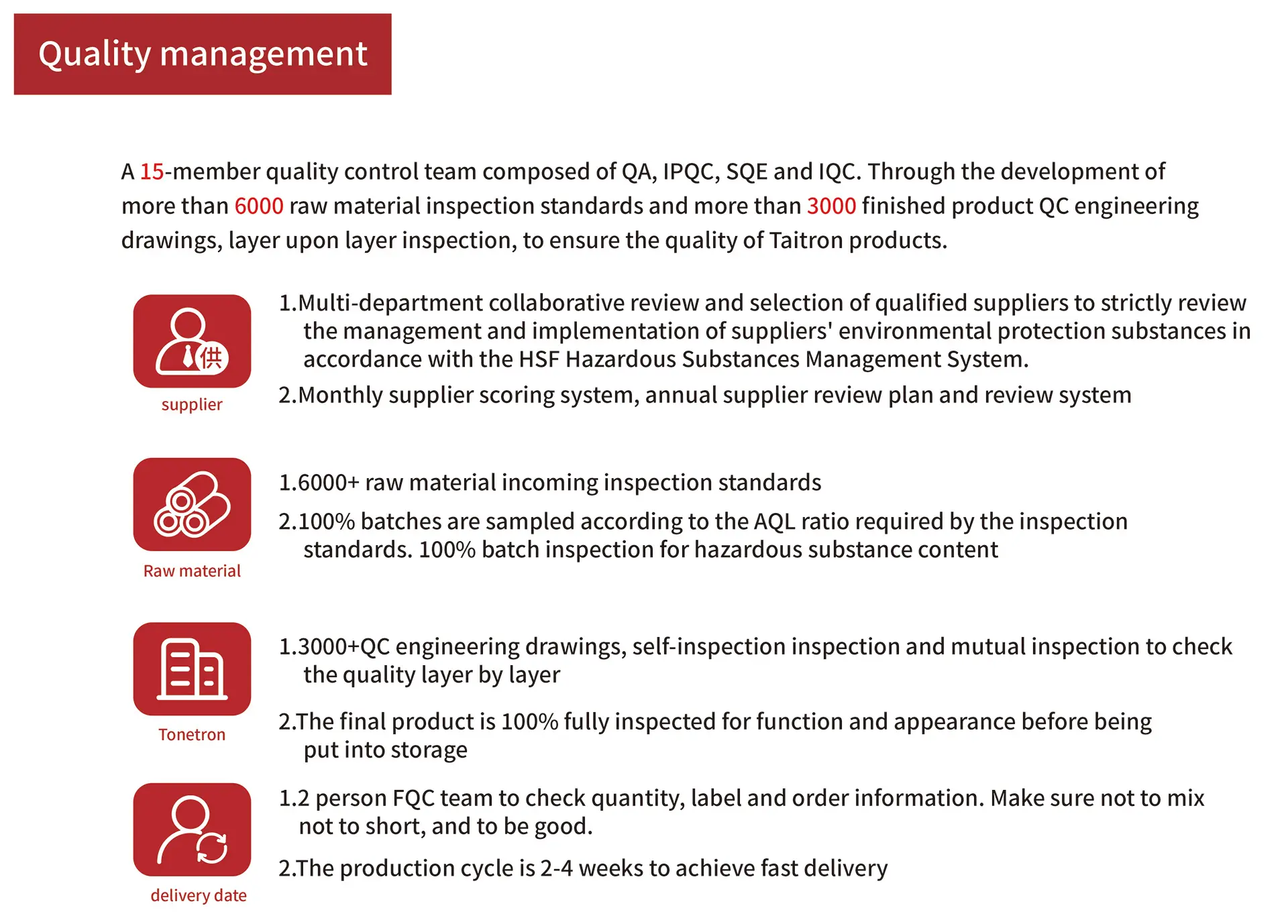

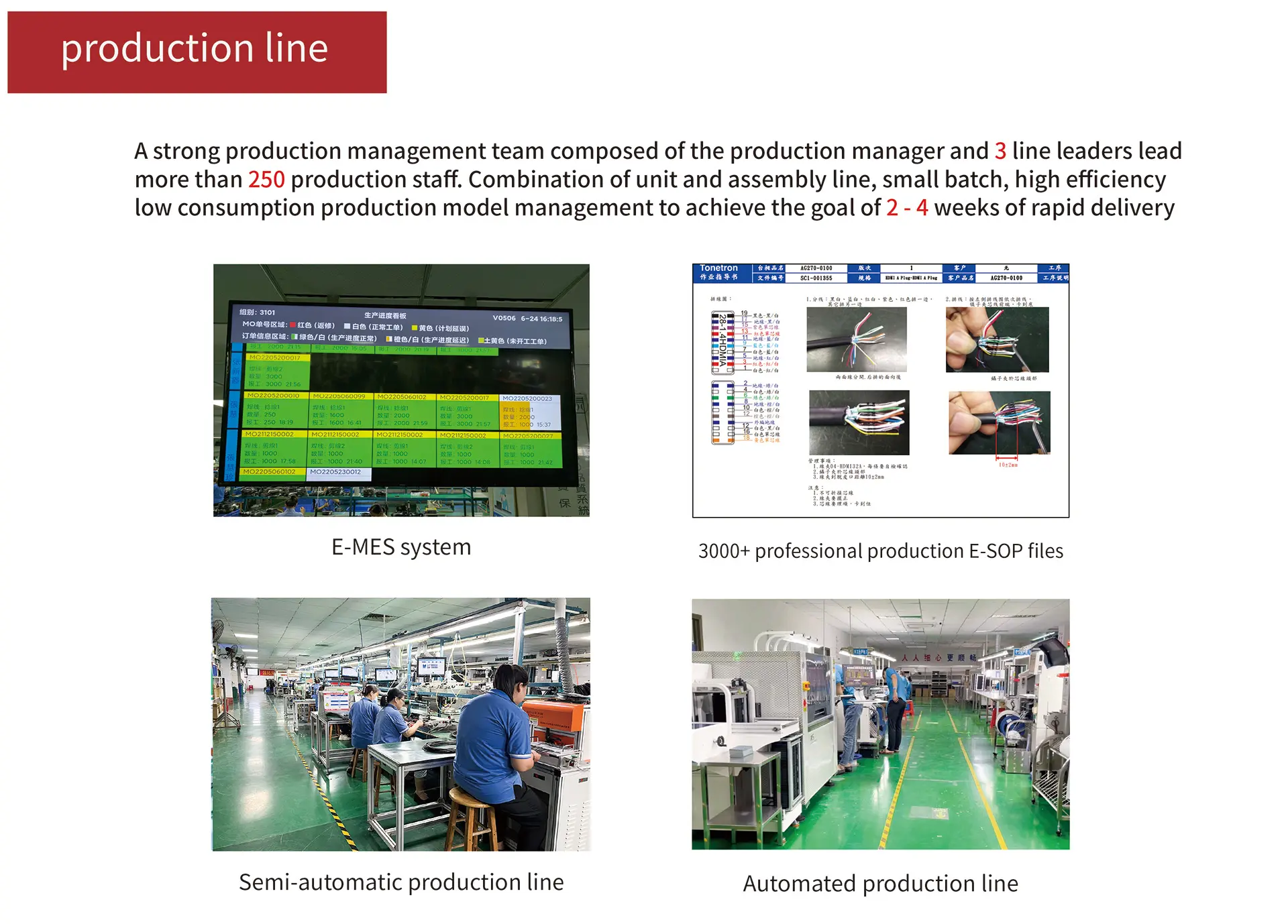
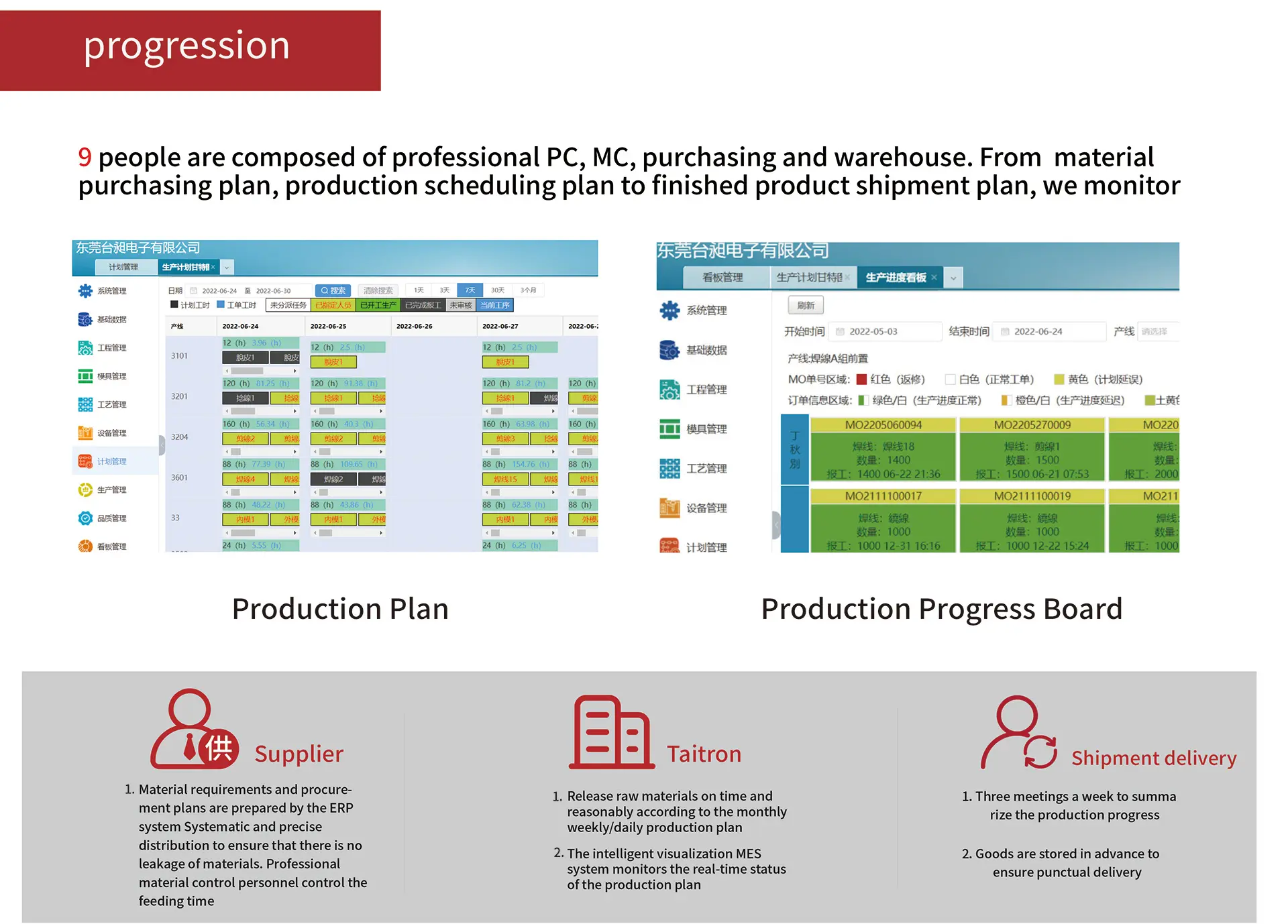
The synergy of integrated raw material logistics, advanced automation, and strict quality control protocols.
Dongguan’s electronics hub provides direct proximity to high-purity Oxygen-Free Copper (OFC) refineries, custom PVC/TPE formulation houses, and premium connector shielding fabricators. This proximity significantly reduces lead times and structural costs.
Handling 32.4 Gbps high-frequency signals requires precise termination. Taitron’s manufacturing utilize automatic soldering machines, high-precision injection molders, and laser-guided continuity testers to ensure zero solder-joint drift across thousands of production runs.
Every batch of custom DisplayPort cables undergoes rigorous validation, including Time-Domain Reflectometry (TDR) testing for characteristic impedance, network analysis for insertion loss, and mechanical flexing assessments. This guarantees compliance with the strict DP 1.4 physical layers.
When deploying DisplayPort 1.4 connections in complex, real-world topologies, standard design practices often fall short. Below, we examine the primary challenges faced by electronics engineers and how Taitron solves them at the factory level.
Passive copper DisplayPort 1.4 cables hit a natural physical limit at approximately 3 meters (9.8 feet) under HBR3 (High Bit Rate 3) speeds. Beyond this point, high-frequency signal degradation leads to frame drops, screen flickering, or total transmission failure.
Taitron’s Engineering Solution: We offer two distinct customization paths:
In manufacturing plants, medical MRI rooms, or broadcast stations, high-power machinery and wireless transmissions generate significant electromagnetic noise. Standard plastic-jacketed DP cables behave like antennas, absorbing this noise and corrupting the video feed.
Taitron’s Engineering Solution: We implement custom multi-tier shielding strategies:
Automated pick-and-place robots, articulating medical arms, and simulator platforms subject display cables to constant bending, twisting, and pulling forces. A standard cable will quickly develop internal micro-fractures in the conductors.
Taitron’s Engineering Solution: We formulate high-flexibility outer jackets using customized thermoplastic elastomer (TPE) or polyurethane (PU), combined with inner aramid fiber strain relief strands. Our custom heavy-duty DP 1.4 cables are tested in-house to withstand over 10,000 continuous bend cycles without losing signal continuity.
How global system integrators deploy our tailored high-bandwidth connectivity products.
Surgical monitors require latency-free 4K/8K feeds with zero distortion. Taitron custom-shields non-magnetic DP 1.4 cables that function flawlessly near high-field MRI scanners and diagnostic machinery.
Power grid command centers and traffic monitoring booths run multi-screen video walls 24/7. Our locking connector mechanisms prevent accidental disconnections caused by vibration or maintenance.
Flight simulators and competitive eSports stations require refresh rates up to 240Hz at 1440p. We design ultra-thin, hyper-flexible DisplayPort 1.4 cables that do not restrict head-mounted display mobility.
For international OEM procurement managers, choosing a manufacturing partner goes beyond basic product pricing. Maintaining production uptime, ensuring regulatory compliance, and managing global shipping logistics are critical components of a secure supply chain.
As an exporter based in Dongguan with Taiwan roots, Taitron bridge the gap between competitive Chinese manufacturing efficiency and international compliance expectations. Our industrial facility is certified to ISO 9001 for quality management systems and ISO 14001 for environmental standards.
Every shipment of our custom display and data products is backed by comprehensive certifications:
By implementing rigorous incoming material inspections, statistical process controls (SPC) during assembly, and 100% final testing protocols, we help global distributors, system builders, and retail brands mitigate quality risks and eliminate costly product recalls.
Deep-dive insights from our engineering and quality assurance departments.
Seamlessly integrate DisplayPort, HDMI, USB-C, and Ethernet network structures across your network.
 Taichang Electronic