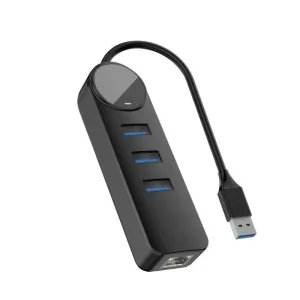
Precision-engineered connectivity solutions designed for mission-critical industrial, commercial, and enterprise computing environments.
The global enterprise infrastructure landscape is undergoing a radical paradigm shift. As data generation at the edge accelerates, traditional standard off-the-shelf connectivity modules are no longer sufficient to meet the strict technical standards of modern industries. Today, custom Ethernet and USB hub solutions stand at the core of industrial automation, smart medical apparatus, advanced telecommunications, and vehicle onboard diagnostics. The integration of high-bandwidth USB transmission channels with localized gigabit network bridges guarantees synchronous processing capabilities, minimizing physical deployment footprint and ensuring optimal circuit isolation.
From an engineering perspective, modern custom hubs must integrate complex Power Delivery (PD 3.0/3.1) profiles alongside ultra-high-frequency data signaling (USB 3.2 Gen 2, USB4, and Thunderbolt 4). Signal attenuation, electromagnetic interference (EMI), and crosstalk between differential channels are significant obstacles. Specialized manufacturers must design multi-layer PCB stackups featuring dedicated reference ground planes, controlled impedance matching (90-ohm for differential USB signaling, 100-ohm for twisted-pair Ethernet networks), and robust electrostatic discharge (ESD) protection networks.
By designing custom hardware solutions, network engineers can integrate premium PHY controllers (such as the Realtek RTL8153 or ASIX AX88179A chipset families) directly into custom PCB architectures. This guarantees native driver compatibility across systems, including Windows, macOS, Linux, and real-time operating systems (RTOS) like VxWorks. It also provides advanced features such as Wake-on-LAN (WoL), PXE Network Boot, MAC Address Pass-Through, and energy-efficient Ethernet (IEEE 802.3az) to meet strict IT administration protocols.
Advanced intelligent chip management dynamically balances up to 40Gbps of upstream data throughput between connected displays, high-speed drives, and network lines.
Integrated internal Faraday cages, decoupling capacitors on fast lines, and isolated magnetic transformers prevent peripheral interface noise.
Constructed using structurally optimized thermal dissipation materials, ensuring the unit maintains a low skin temperature under continuous load.
Procurement teams faces significant difficulties when coordinating global supply chains for mission-critical components. Relying on standard consumer-grade USB hubs in industrial or medical environments often leads to premature failures, high maintenance costs, and system downtime. B2B buyers must evaluate manufacturers based on strict quantitative indicators, including Mean Time Between Failures (MTBF), environmental tolerance ranges (-40°C to +85°C for industrial setups), and long-term hardware availability.
Regulatory compliance is another critical factor. Global enterprise organizations require certification verification tailored to their target sales markets. A professional custom Ethernet and USB hub design must carry CE, FCC, RoHS, REACH, and USB-IF certifications. For healthcare-focused hardware deployments, compliance with IEC 60601-1 medical safety electrical standard guidelines is essential, requiring galvanic isolation components on Ethernet interfaces to protect patients and delicate internal diagnostic electronics.
Over 38 Years of Precision Audio, Video, and High-Speed Data Connectivity Manufacturing
Established in 1984 in Keelung, Taiwan as Tonetron, the company laid its foundation on designing and manufacturing premium audio and video connectivity components. In 1993, to meet growing global demand, the company established its independent production industrial park in Dalingshan Town, Dongguan City, China, changing its name to Dongguan Taitron Electronics Limited.
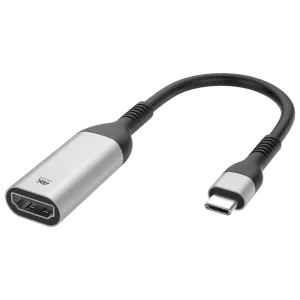
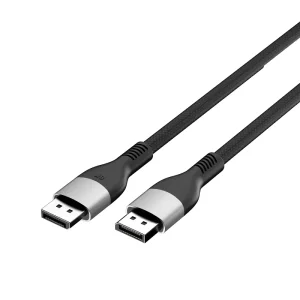
With 38 years of experience in advanced signal interface design, Taitron has grown from producing standard analog audio/video connections to manufacturing high-speed digital cables and docks. Our product line includes HDMI 2.1 cables, DP 2.0 cables, USB4 high-speed data transmission lines, USB-C 3.1 Gen 2 systems, high-power USB Power Delivery lines, 8K Ultra-HD adapters, and multi-port USB-C docking hubs.
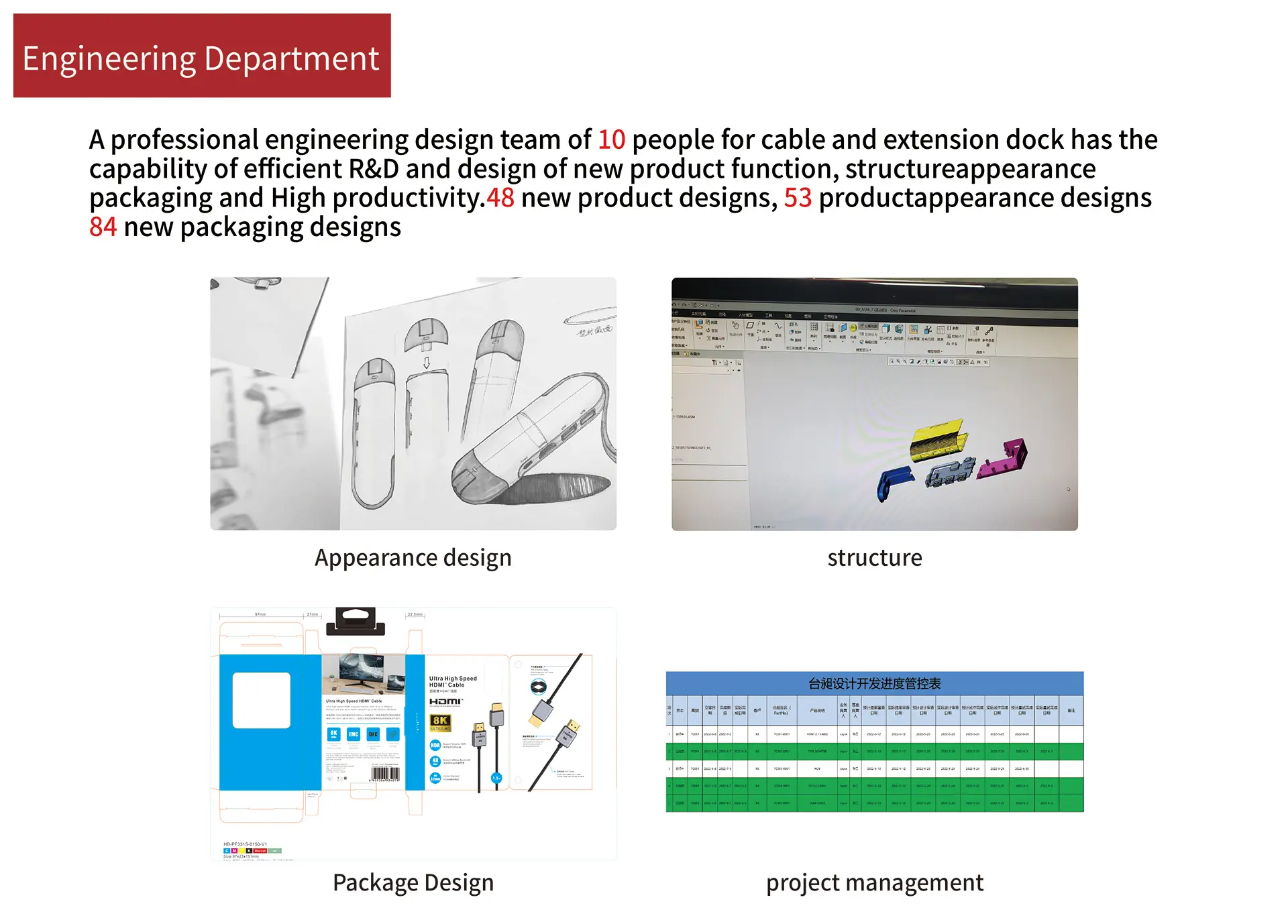
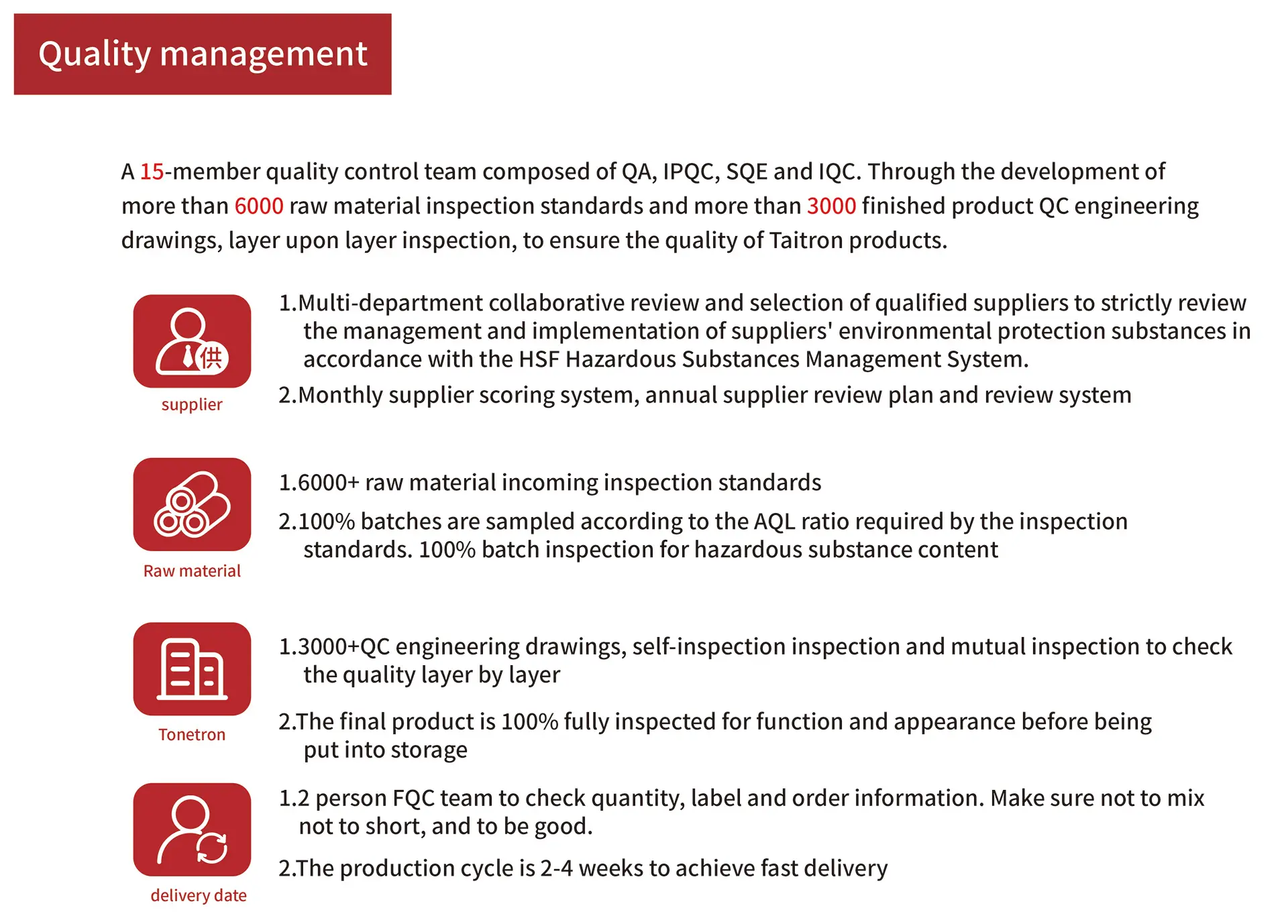
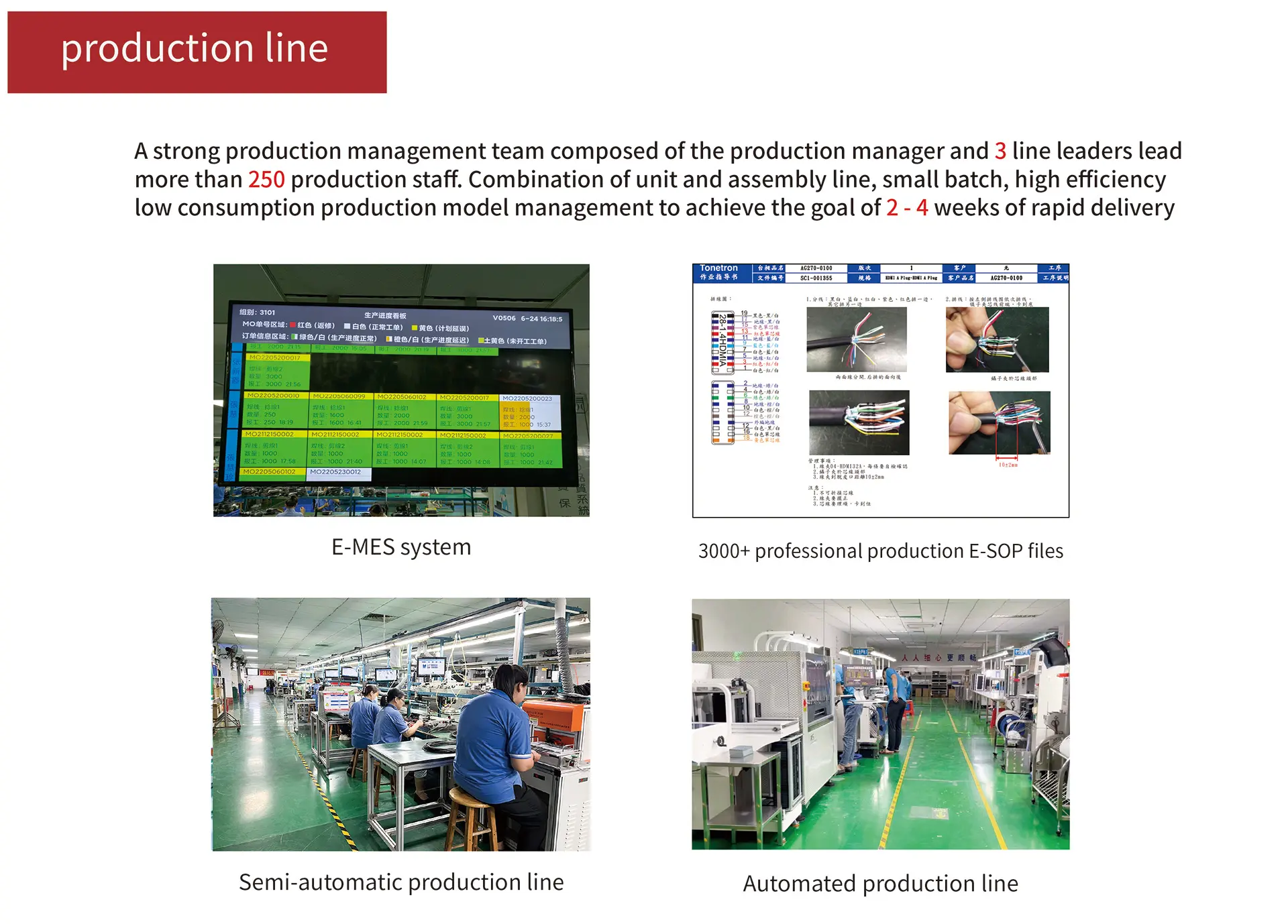
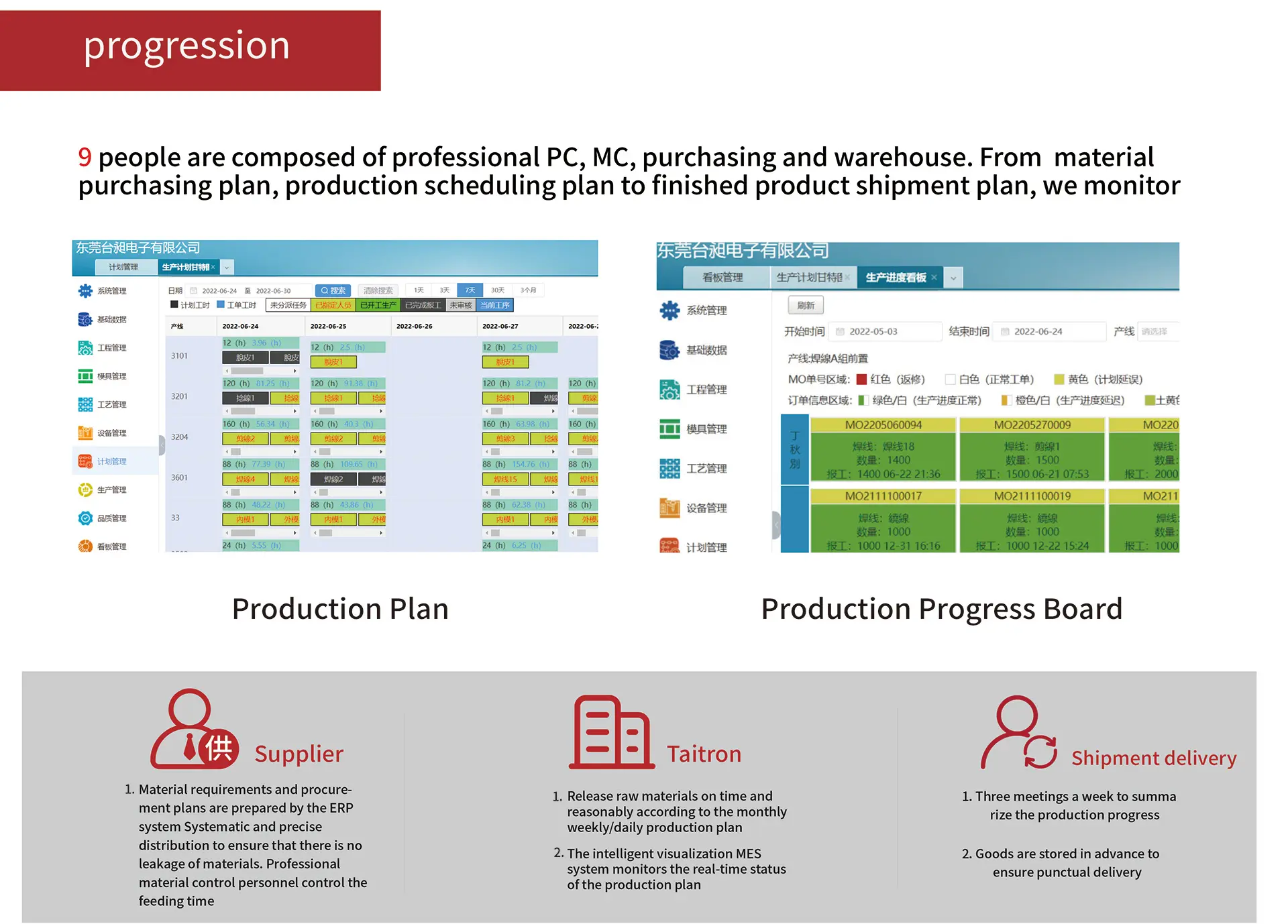
Taitron's facility operates under ISO 9001 and ISO 14001 certification guidelines, ensuring high standards of quality management and manufacturing consistency. Every step of our manufacturing workflow—from copper draw processes, wire braiding, and inner shield encapsulation to surface-mount SMT placement of controller chipsets and final performance validation—is conducted inside our controlled industrial site.

How our custom Ethernet and USB hubs solve data bottleneck challenges in critical industry applications.
Factory environments present challenges such as high voltage noise, mechanical vibration, and extreme temperatures. Our industrial-grade hubs feature DIN-rail mounts, heavy-duty aluminum alloy housings, galvanic port isolation, and wide-temperature components. These features ensure reliable data flow from machine vision cameras, PLCs, and thermal sensors directly to central control systems.
In clinical settings, connected diagnostic devices must prevent electrical leakage that could reach the patient. Taitron designs custom medical-grade USB/Ethernet hubs with strict safety margins. These hubs feature 4kV air isolation protection and pass-through parameters compliant with IEC 60601 standards, ensuring safety during diagnostic imaging and monitoring procedures.
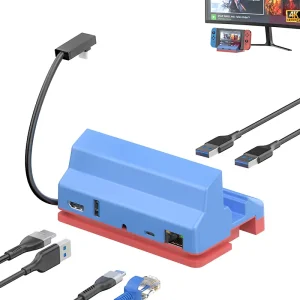
With thin laptops standard in modern business environments, workspaces require single-cable docking solutions. Our custom-configured USB-C docking hubs provide high-power charging (USB PD 3.0 up to 100W), multiple display outputs (4K HDMI & DisplayPort), and gigabit wired network routing via a single USB-C interface, optimizing desk cable management.
| Interface Standard | Maximum Data Rate | Power Delivery Capacity | Ideal Cable Reach | Common Industry Uses |
|---|---|---|---|---|
| USB 3.2 Gen 1 (Type-A/C) | 5 Gbps (SuperSpeed) | 5V, up to 1.5A (7.5W) | Up to 3.0 Meters | Standard keyboards, barcode scanners, storage systems |
| USB 3.2 Gen 2 (Type-C) | 10 Gbps (SuperSpeed+) | Up to 20V, 5A (100W PD) | Up to 1.0 Meter | High-speed industrial cameras, fast SSD arrays |
| USB4 Gen 3x2 (Type-C) | 40 Gbps (Tunneling) | Up to 48V, 5A (240W EPR) | Up to 0.8 Meter | High-end graphic design interfaces, multi-channel 8K video output |
| Gigabit Ethernet (RJ-45) | 1000 Mbps (Full Duplex) | PoE Compatible (IEEE 802.3af) | Up to 100 Meters | IP security cameras, enterprise LAN routers, machinery networks |
| 2.5G Multi-Gigabit Ethernet | 2500 Mbps | PoE+ Compatible (IEEE 802.3at) | Up to 100 Meters | Wi-Fi 6 access points, NAS arrays, industrial edge computing platforms |
As communication standards evolve, we are updating our engineering designs to support upcoming interfaces. Our R&D department is currently prototyping next-generation platforms that feature USB4 Version 2.0 specifications (delivering up to 80Gbps bidirectional bandwidth over modified copper cables) and integration of 10 Gigabit Ethernet (10GBASE-T) PHY transceivers into compact, passively cooled metal enclosures.
Integrating these advanced chipsets requires careful management of thermal parameters. To prevent thermal throttling during high-speed data transmission and high-wattage charging, we utilize structured thermal simulation models. By incorporating heat-dissipating materials and thermal pad paths directly onto the main micro-components, heat is dissipated through the aluminum alloy housing. This maintains low internal component temperatures and extends the overall service life of the device.
We are also expanding support for gallium nitride (GaN) power systems. By integrating GaN power controllers directly into our multi-port hub platforms, we can produce lighter, more efficient hubs with integrated power units. This eliminates the need for bulky external power bricks, simplifying field installation.
Explore our complete range of certified conversion adapters, high-speed cables, and audio-video peripherals.
 Taichang Electronic