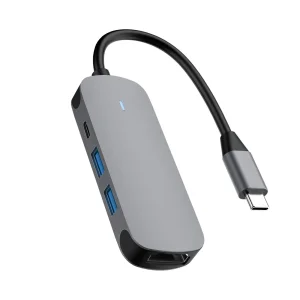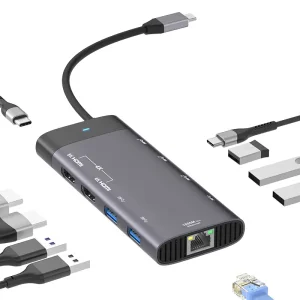
China 10 in 1 USB-C 8K HDMI MST hub. Manufacturer, Exporters
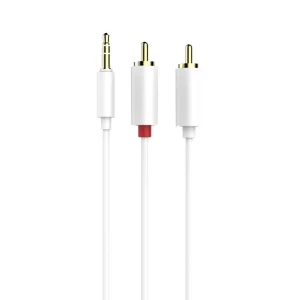
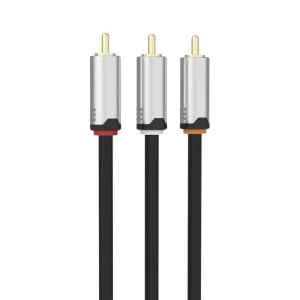
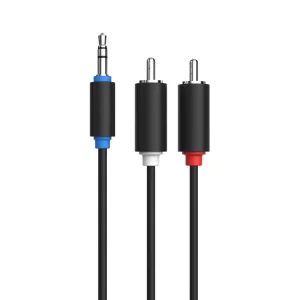
Best 3.5mm - 2 x RCA Audio cable - MP417 Companies, Factories
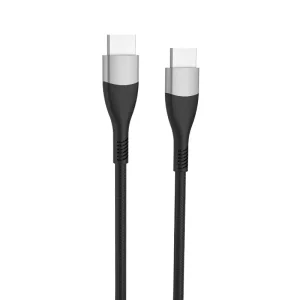
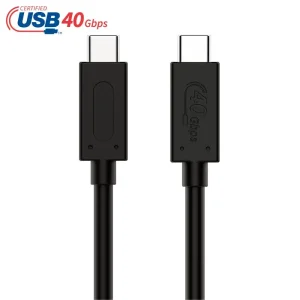
ODM USB Type C 4 40Gbps Certifited Cable 0.8m -PF587A Manufacturers, Exporter
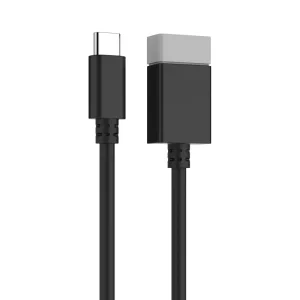
ODM USB Type C to A 3.0 OTG Cable - PB489 Manufacturers, Product
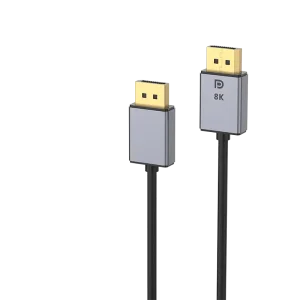
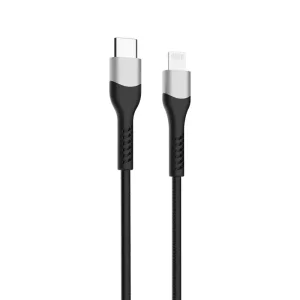
Best MFi USB C to Lightning Cable (C94) - PF444 Exporters, Quotes
A comprehensive analysis of high-speed packet processing, physical layer alignment, and customized design blueprints for enterprise network infrastructure.
Modern networking relies on seamless transition from high-density packet protocols to serial bus topologies. An Ethernet-to-USB-C adapter does not merely bridge contacts; it hosts an embedded system consisting of a Physical Layer (PHY) transceiver, a Media Access Control (MAC) unit, and a dedicated USB controller. These components work in unison to negotiate duplex rates, manage buffer queues, and package raw frames into USB transaction structures.
When selecting chipsets, tier-one manufacturers deploy leading solutions such as the Realtek RTL8153B or the ASIX AX88179A. These ICs natively translate IEEE 802.3 Ethernet protocols (10BASE-T, 100BASE-TX, 1000BASE-T) into USB 3.0/3.2 endpoints, maintaining sub-millisecond latencies. Advanced models support Gigabit speeds and also support 2.5G/5G Ethernet standards, utilizing multi-gigabit PHY designs to optimize bandwidth allocation over existing Cat5e and Cat6 cabling plants.
For custom ODM designs, PCB layout routing is critical. Differential pairs for USB SuperSpeed signals must be routed with 90-ohm differential impedance, while the Ethernet differential pairs require exactly 100-ohm matching. Any deviation leads to signal reflection, packet dropouts, and failed EMI testing.
Global corporations face challenges transitioning to thin-client architectures. Laptops discard legacy RJ45 ports in favor of USB-C. This design evolution introduces security risks, connection instability, and management overhead for IT departments. Premium custom adapters address these pain points directly.
IT managers require remote provisioning capabilities. Custom Ethernet-to-USB-C firmware must support PXE boot protocols and system-specific MAC Address Pass-Through to bypass typical network access control limitations.
Adapters for healthcare terminals require specialized housing materials and built-in galvanic isolation (up to 4kV) to block transient currents from affecting diagnostic monitors and patient safety.
For financial networks and sensitive enterprise terminals, custom-programmed chips enable 802.1Q Virtual Local Area Network tagging directly on the hardware level, separating guest and administrative data streams.
In 1984, Dongguan Taitron Electronics Limited, formerly known as Tonetron, was founded in Keelung, Taiwan. With a vision to deliver unmatched signal accuracy, the company set new benchmarks in peripheral wiring. In 1993, to meet rising global demand and integrate production, Taitron moved to a self-built independent production industrial park in Dalingshan Town, Dongguan City, China, renaming the enterprise to Dongguan Taitron Electronics Limited.
For 38 years, our foundation rested on high-fidelity audio and video connectivity. As computers evolved and physical interfaces unified under Type-C standards, we expanded our design and engineering. Today, Taitron stands as a vertically integrated manufacturer specializing in premium audio-visual cables, data links, and multi-functional hubs, including HDMI 2.1, DisplayPort 2.0, USB4, USB-C 3.1 Gen2, high-power charging cables, and customized Type-C docking stations.
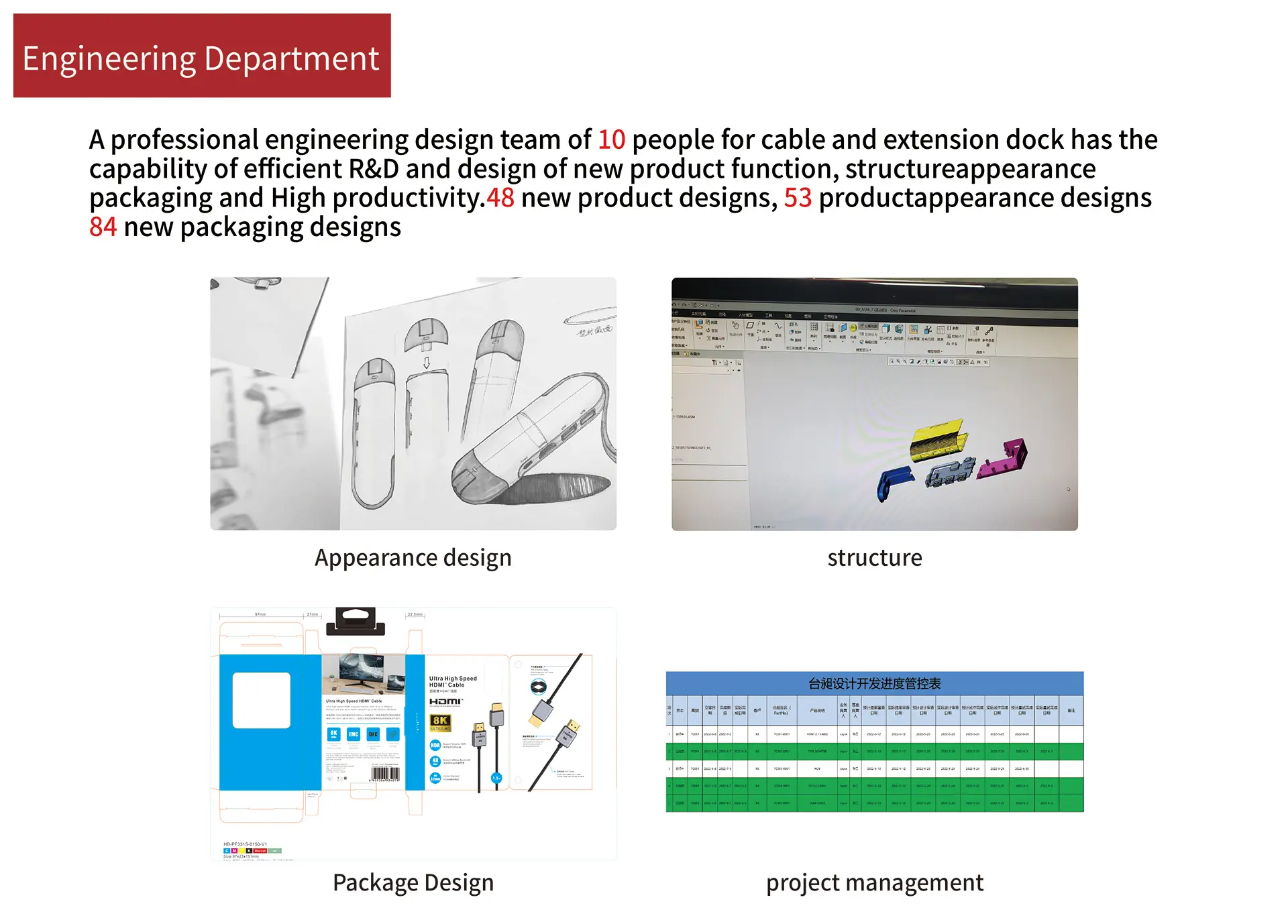
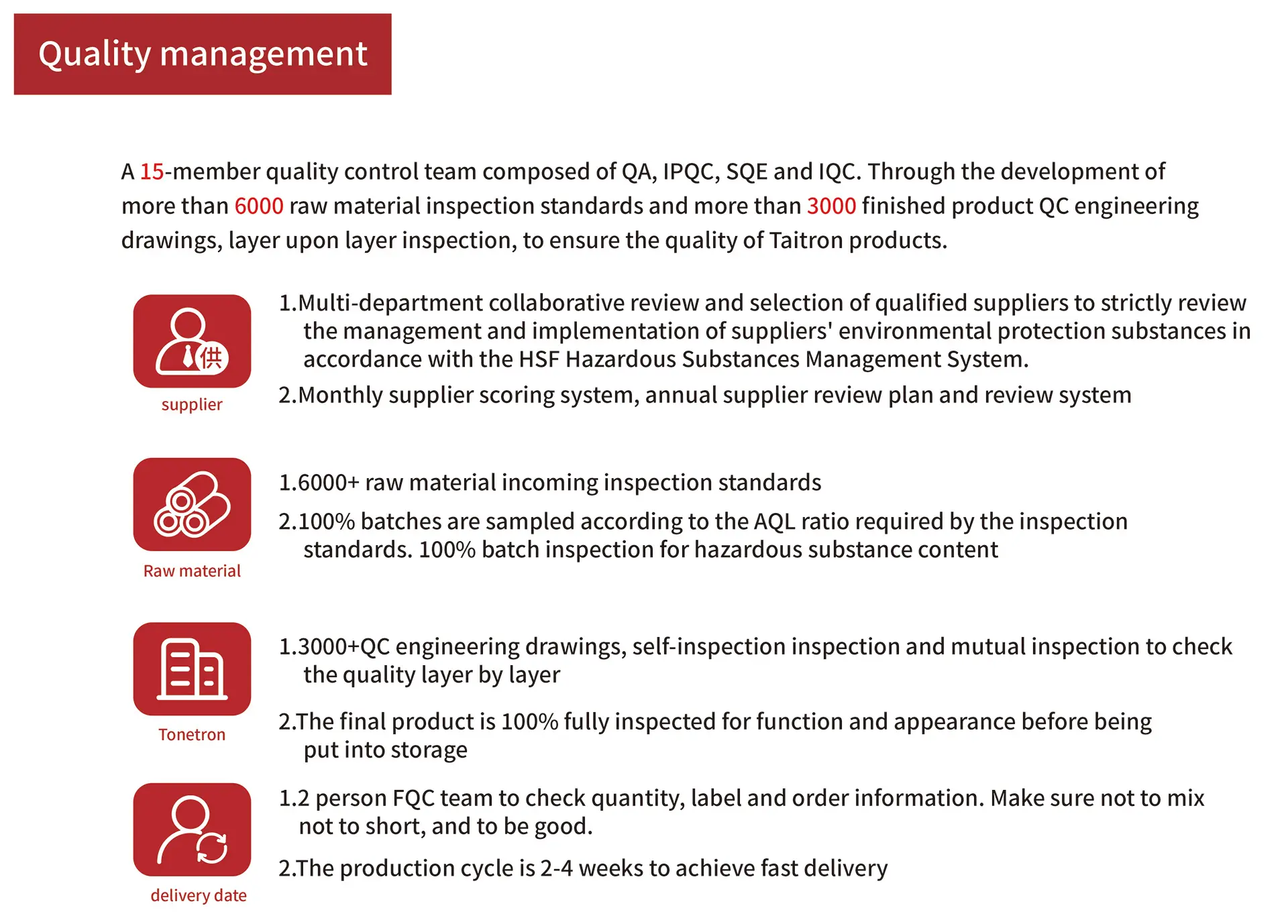

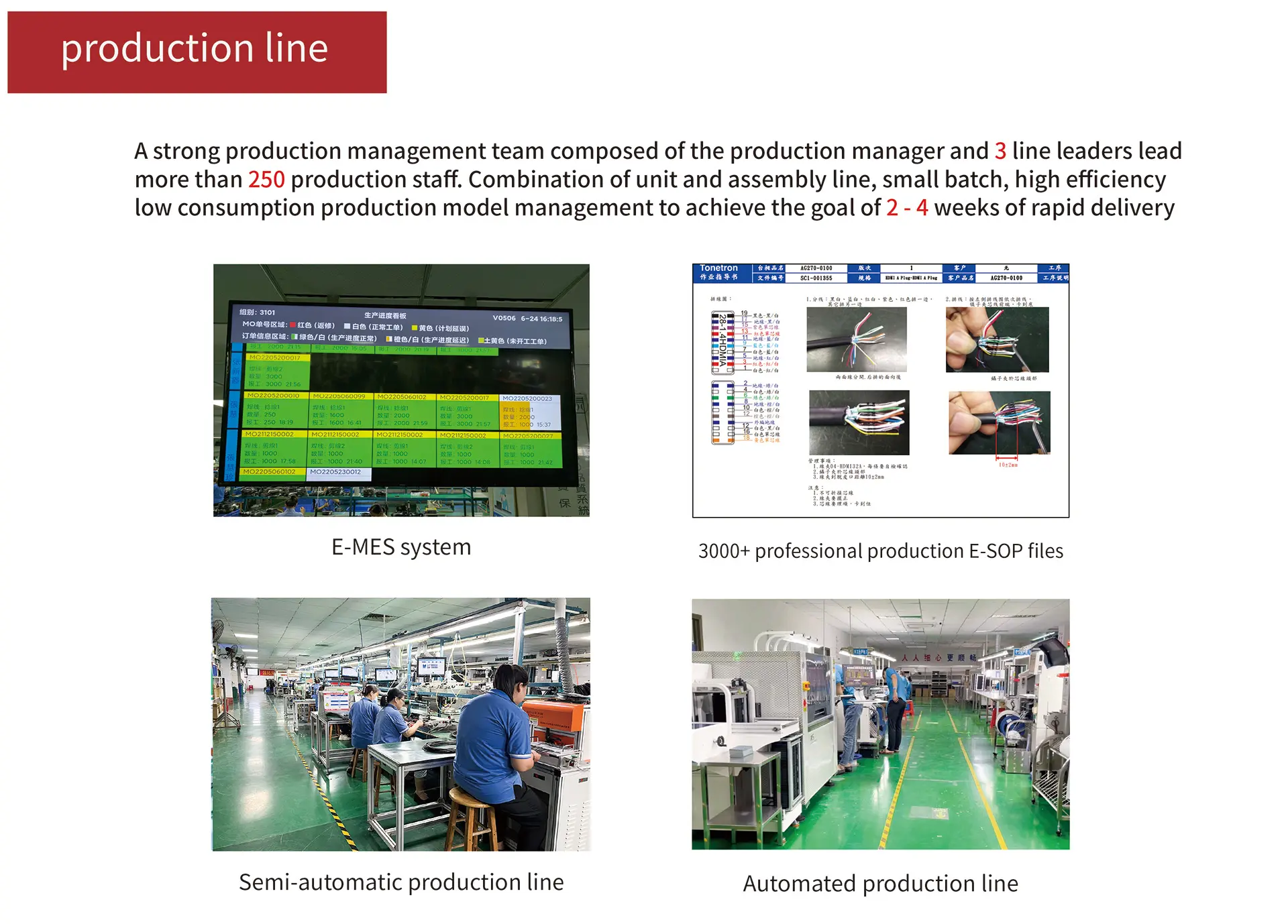
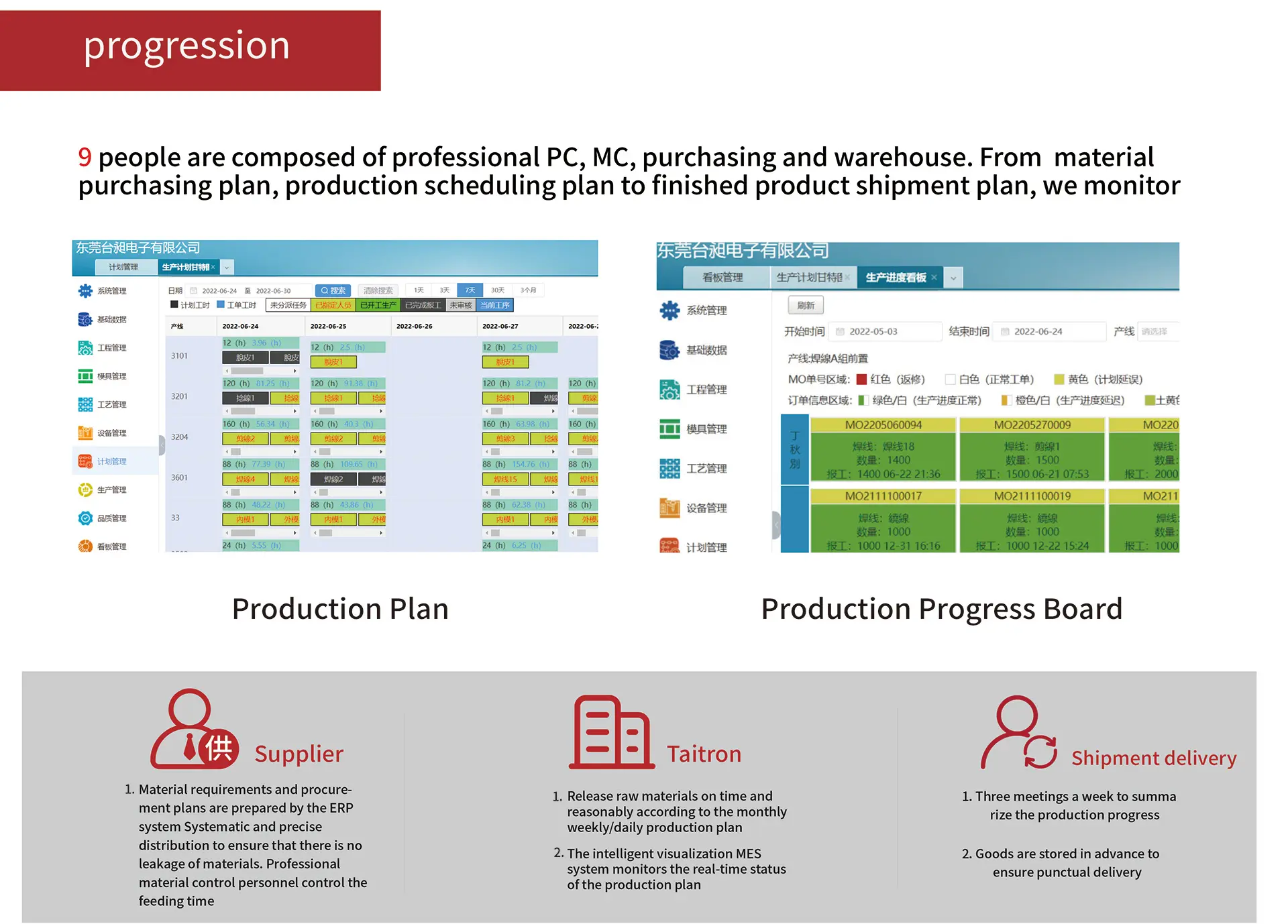
In our Dalingshan facility in Dongguan, Taitron operates on a smart manufacturing model. Our automated SMT (Surface Mount Technology) assembly ensures error-free component placement for network controllers down to microscopic decoupling capacitors. We use high-precision multi-layer reflow ovens to guarantee joint integrity and eliminate thermal stress defects.
To support corporate buyers seeking OEM/ODM adjustments, our engineering department provides prototyping services. We customize enclosure materials (e.g., aerospace-grade aluminum, recycled ABS plastics), shell dimensions, cable strain relief structures, and structural shielding. By managing every stage in-house—from design and high-frequency testing to injection molding and final packaging—we minimize lead times while ensuring stability.
Each batch of Ethernet-to-USB-C converters undergoes parametric testing using specialized network analyzers. We test insertion loss, return loss, and near-end crosstalk (NEXT) up to 500 MHz, ensuring every adapter exceeds industry standards before shipping.
The networking ecosystem is evolving quickly. Legacy Gigabit Ethernet interfaces are increasingly insufficient for multi-gigabit broadband, network-attached storage (NAS) devices, and edge computing architectures. The industry is rapidly shifting toward 2.5G and 5G Base-T standards. In step with these trends, Taitron's research division is building next-generation conversion paths.
Our upcoming product line integrates USB4 interfaces, supporting up to 40Gbps channels. This bandwidth allows adapters to host multi-channel 10Gbps Ethernet controllers alongside 8K displays and power delivery connections through a single connection point.
Future docking solutions will support Extended Power Range (EPR) USB-PD 3.1 protocols. This permits up to 240W of dynamic power allocation, ensuring that high-performance workstations remain charged while maintaining constant network traffic.
In line with green manufacturing goals, our roadmap prioritizes halogen-free TPE (Thermoplastic Elastomer) cable jacketing and bio-based plastics for adapter housings. This matches global environmental mandates without compromising mechanical durability.
Importing connectivity hardware at scale requires rigorous compliance. At Dongguan Taitron, our export processes align with regional safety and environmental rules. Every custom Ethernet-to-USB-C adapter is built to meet international regulatory standards.
Our compliance portfolio includes CE, FCC, RoHS, REACH, and WEEE certifications. We implement strict ESD protection standards (IEC 61000-4-2) to ensure hardware resilience in locations prone to static buildup. By choosing Taitron, procurement teams can import safely, knowing our products will pass customs and comply with domestic safety regulations.
We primarily use Realtek RTL8153/RTL8153B or ASIX AX88179A controllers for Gigabit devices. For multi-gigabit adapters (2.5G), we deploy Realtek RTL8156B chipsets to ensure stable driver compatibility across Windows, macOS, Linux, and ChromeOS.
Yes, we provide custom EEPROM flashing services. We can burn specific Vendor IDs (VID), Product IDs (PID), serial number series, and pre-allocated MAC address blocks requested by clients for secure enterprise deployment.
Our standard MOQ for OEM packaging and custom colorways starts at 1,000 units. For deeper structural changes or custom PCB layouts, the MOQ varies based on tooling complexity. Please contact our sales engineers for a tailored estimate.
Yes, all of our enterprise-targeted Ethernet-to-USB-C products support PXE (Preboot Execution Environment) and WOL, enabling system administrators to boot, install, and update systems remotely across local networks.
We conduct high-frequency network analysis using Keysight and Anritsu testing suites. Our design verification processes ensure that the high-speed differential signal lanes are properly shielded to pass FCC Part 15 Class B and CE EMC standards.
Our Dongguan production facility is ISO 9001 and ISO 14001 certified. We verify all incoming raw materials to guarantee compliance with RoHS and REACH standards. Halogen-free formulations are available upon request.
For existing designs with standard branding, lead times are approximately 25-30 days. For custom injection tooling and new PCB layout designs, the engineering phase takes 20-30 days, followed by a 30-day production run.
Yes, we manufacture multi-port and pass-through adapters featuring dedicated USB-C Power Delivery input ports. These configurations support from 60W up to 100W PD 3.0, allowing connected laptops to charge while transferring network data.
 Taichang Electronic