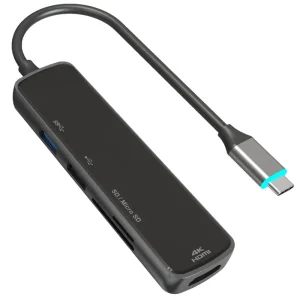
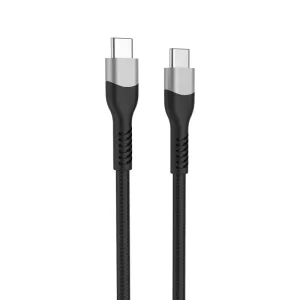
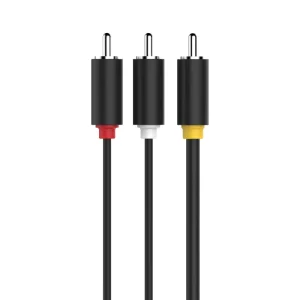
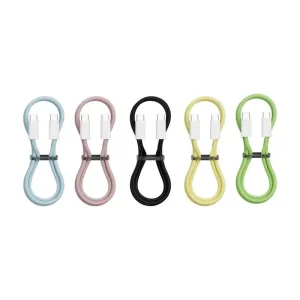
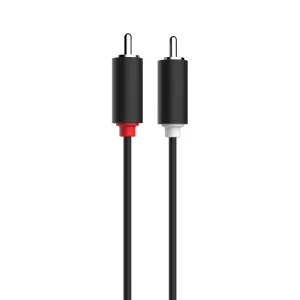
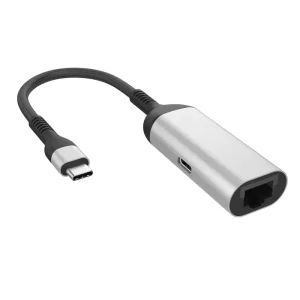
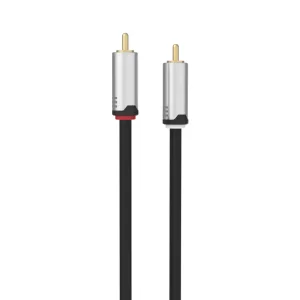
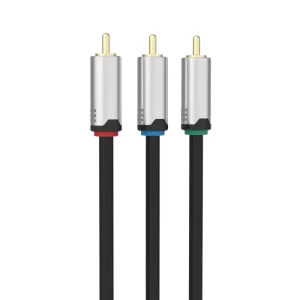
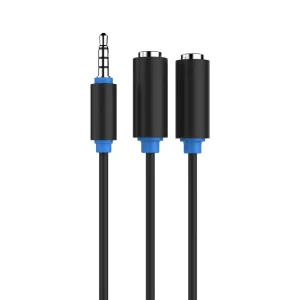
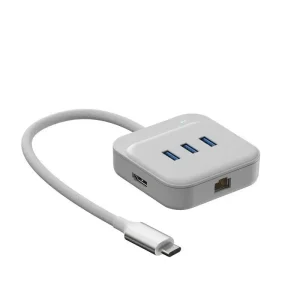
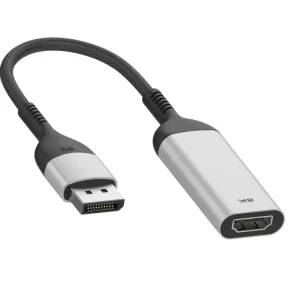
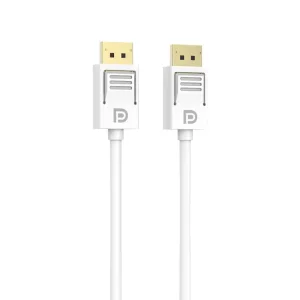
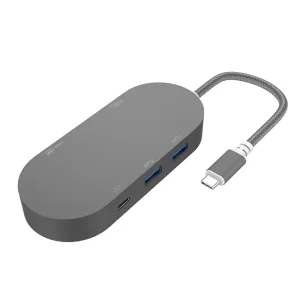
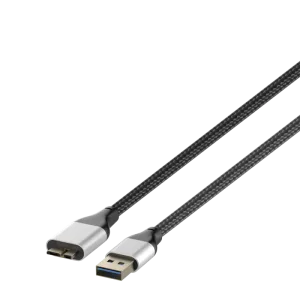
Explore our custom USB-C hubs, certified signal converters, and high-fidelity RCA systems designed to meet rigorous professional interconnect standards.
Analyzing the paradigm shift in global high-bandwidth transmission frameworks and corporate data structures.
Supports up to 48 Gbps speed to deliver uncompressed 8K@60Hz and 4K@120Hz video stream performance without chroma subsampling.
Ensures every moment of a video is displayed at its ideal values for depth, detail, brightness, and contrast on a scene-by-scene basis.
Simplifies connectivity and supports advanced audio formats, including Dolby Atmos and DTS:X, via a simplified system layout.
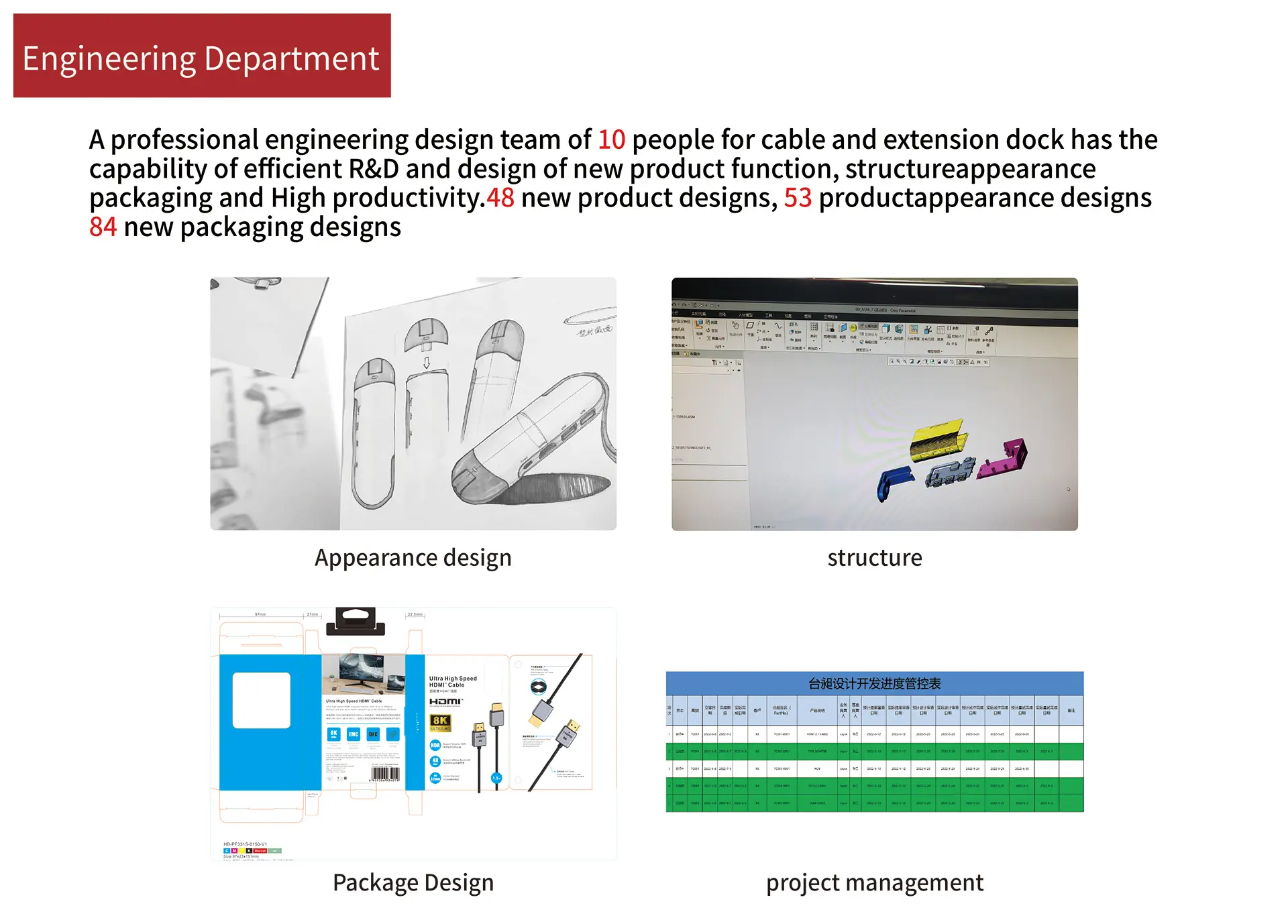
Tracing 38 years of precision manufacturing, engineering excellence, and specialized interconnect development.
In 1984, Dongguan Taitron Electronics Limited., formerly known as Tonetron, was founded in Keelung, Taiwan. In 1993, it moved to the self-built independent production industrial park in Dalingshan Town, Dongguan City, China, and changed its name to Dongguan Taitron Electronics Limited.
38 years to pass professional video and audio peripheral eguipment connection line manufacturing as the foungation, Gradually develop to the high-end audio and video cable data cable such as HDMI2.1 cable, DP2.0 cable, USB4 data cable, USB-C 3.1Gen2 data cable, high-power USB charging cable, 8K HD conversion cable, multi-functional Type-C expansion dock and other products research and development and manufacturing.

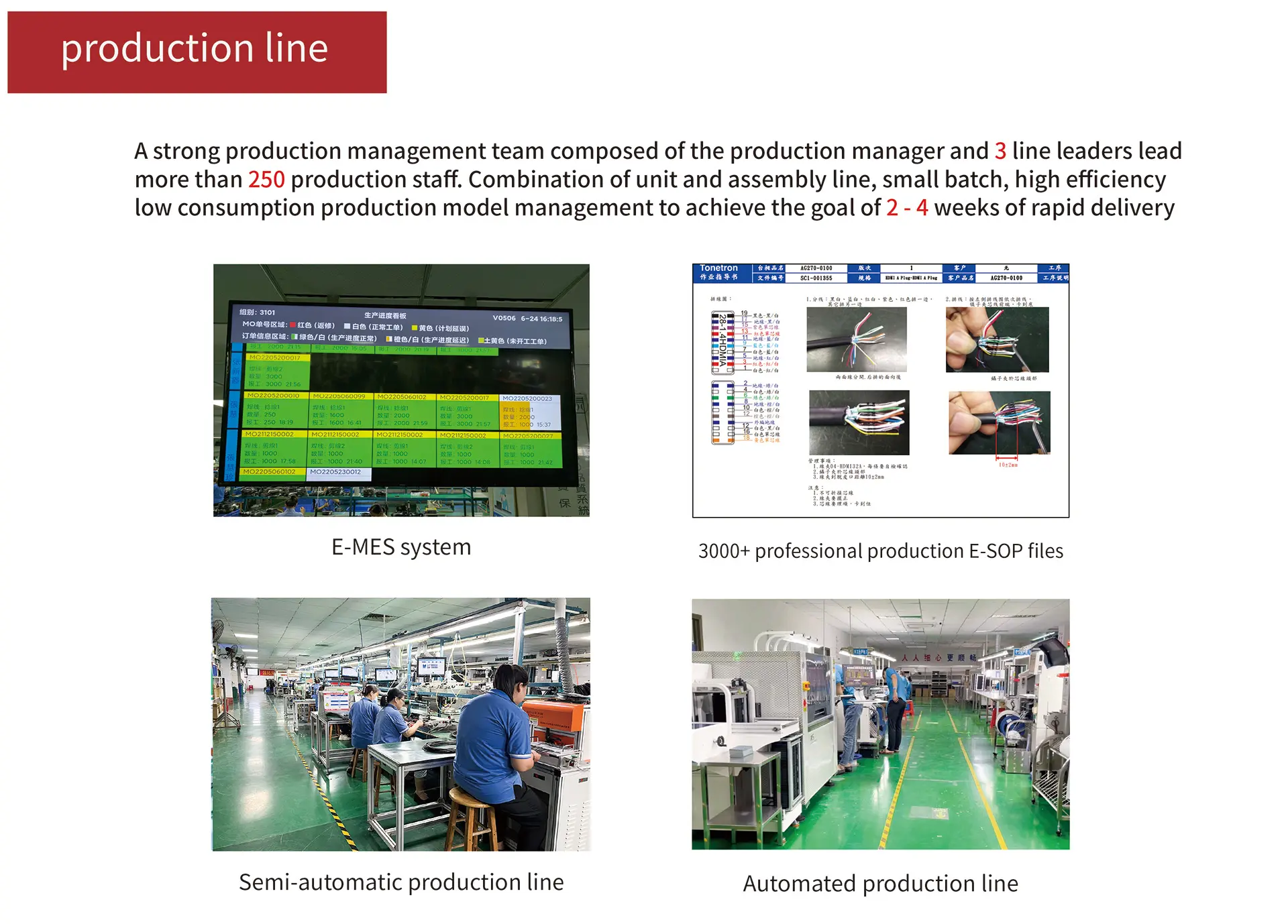
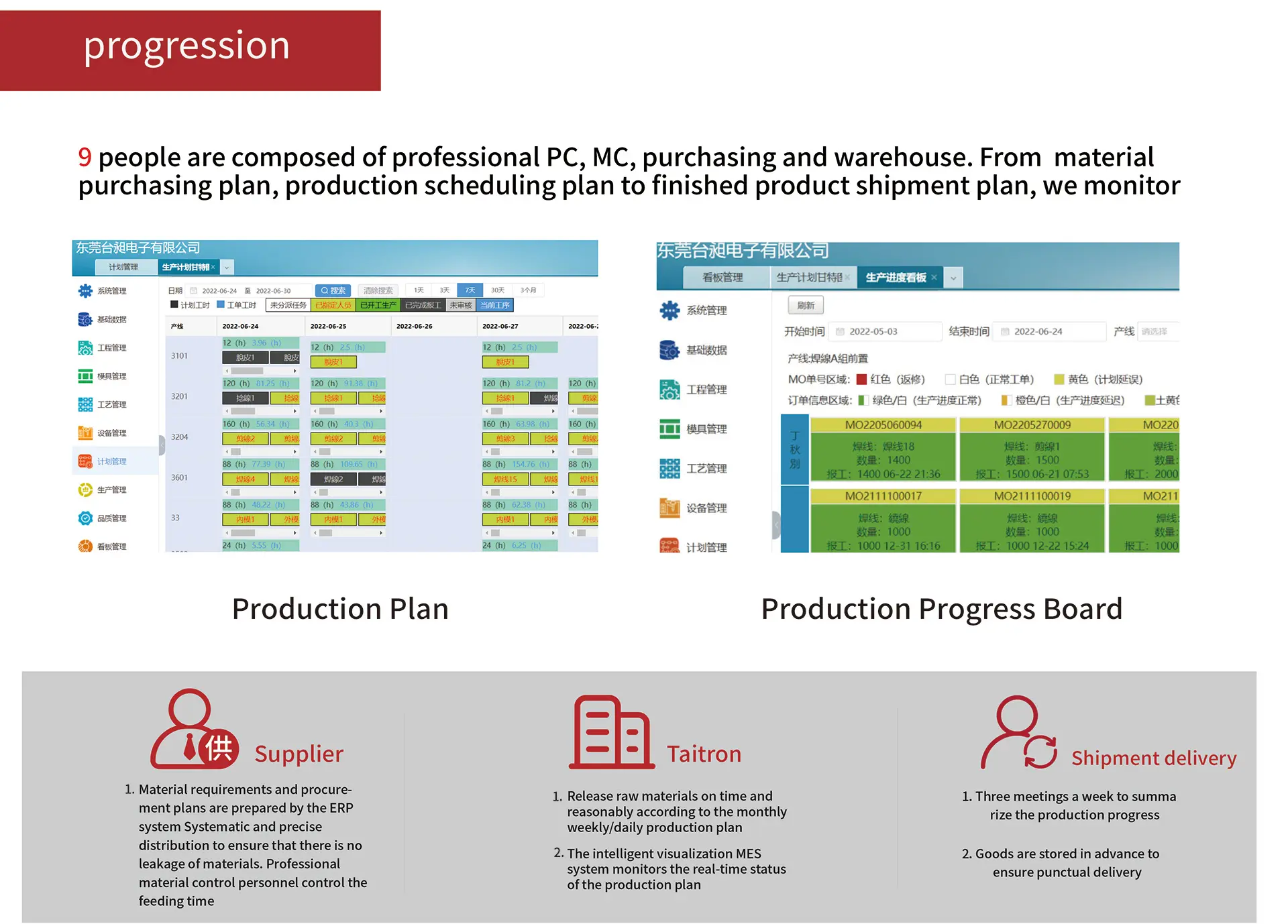
How global procurement units navigate customized requirements and specifications across diverse industrial verticals.
Ultra-low interference connectors and triple shielding prevent pixel dropouts on surgical monitors and diagnostics equipment.
Supports long cable runs and continuous 24/7 operations in command centers, utility hubs, and transit dispatch offices.
OEM/ODM packaging, customizable length profiles, and global certification compliance ensure smooth cross-border customs clearance.
Inside the electrical engineering and physical layer design of Taitron's custom HDMI 2.1 transmission lines.
Converts three-lane TMDS architecture to a highly efficient four-lane FRL layout, allowing for optimal signal routing without bandwidth bottlenecking.
Uses heavy-density tinned copper braiding and double-layer aluminum Mylar shielding to isolate high-frequency electromagnetic interference.
Enables mathematically lossless compression profiles, allowing display interfaces to output resolutions beyond 8K without color degradation.
Verifying physical reliability through international testing frameworks and rigorous quality control protocols.
Answers to common technical, manufacturing, and supply chain questions from global procurement managers.
For passive copper HDMI 2.1 cables, stable 48 Gbps transmission is generally limited to 3 to 5 meters. Beyond 5 meters, high-frequency signal attenuation can cause packet loss. For distances exceeding 5 meters, we recommend Active Optical Cables (AOC), which use integrated optoelectronic converters to transmit signals over fiber optic lines up to 100 meters without degradation.
We use a triple-layer shielding design: each differential pair is wrapped in aluminum Mylar foil, the inner core is wrapped in a secondary shield, and the assembly is covered with a high-density tinned copper braid. The zinc alloy connector shells are fully shielded to minimize electromagnetic interference (EMI) and crosstalk in high-density rack setups.
Yes. We support custom outer jacket configurations depending on installation requirements, including Low Smoke Zero Halogen (LSZH) for transit tunnels, CL2/CL3 rated PVC for in-wall residential installations, and Plenum-rated compounds for commercial building air ducts.
HDMI 2.0 uses Transition Minimized Differential Signaling (TMDS) with three data lanes and one clock lane, maxing out at 18 Gbps. HDMI 2.1 uses Fixed Rate Link (FRL) encoding, which embeds the clock signal into the data packets across four lanes. This layout increases the total bandwidth to 48 Gbps.
Yes. Our designs undergo testing at Authorized Testing Centers (ATC) to obtain Ultra High Speed HDMI Cable certification. These test reports are available to procurement partners upon request.
Standard production lead times range from 3 to 4 weeks after design validation and component sourcing, depending on order size and custom specifications. Prototype samples can be prepared in 7 to 10 working days for evaluation.
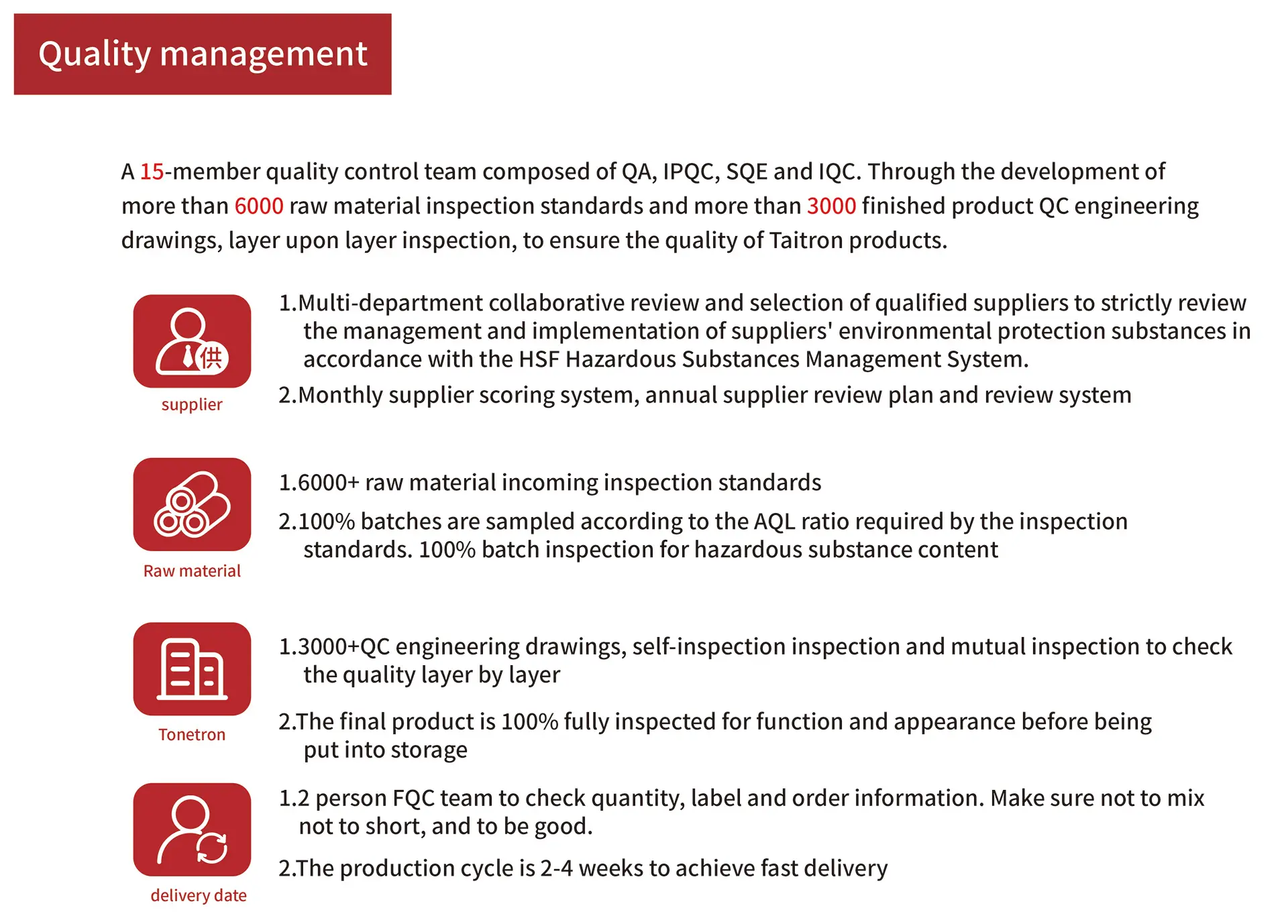
We use Time-Domain Reflectometers (TDR) and network analyzers on the factory floor to verify impedance matching, skew, and attenuation levels. We also conduct eye-diagram tests at the physical layer to verify that every cable meets 48 Gbps parameters before packaging.
Our products comply with European Union RoHS (Restriction of Hazardous Substances) and REACH (Registration, Evaluation, Authorization and Restriction of Chemicals) regulations. All raw plasticizer and metal sourcing documents are maintained for traceability.
Yes. We offer fully customizable connector options, including custom injection-molded PVC shells, zinc alloy housings, aluminum alloy sleeves, and custom logo printing to align with your brand guidelines.
Our typical MOQ for custom wire extrusion and molding is 1,000 pieces per specification. We can accommodate smaller runs for initial market testing and development phases on a case-by-case basis.
Discover our OEM/ODM adapters, custom gold-plated RCA interfaces, and high-resolution DisplayPort cables engineered for enterprise display environments.
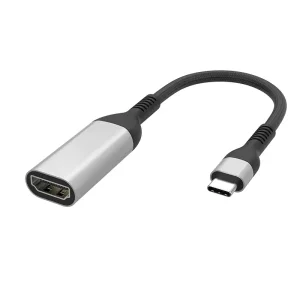
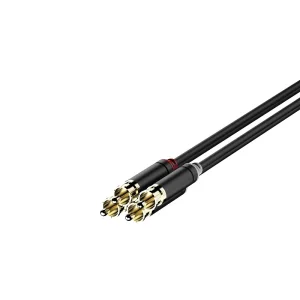
 Taichang Electronic