Analyzing the evolution of high-performance micro-interconnect structures and the shifting patterns of global procurement.
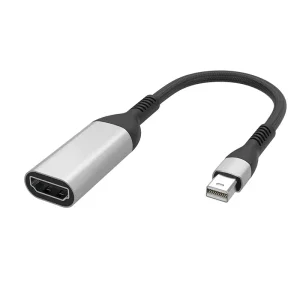
The global demand for high-density, low-latency display connectivity has triggered a significant shift in interconnect architecture. While commercial consumer hardware has embraced unified USB-C protocols, industrial computing, aviation interfaces, diagnostic medical displays, and advanced servers continue to rely heavily on the Mini DisplayPort (MiniDP) ecosystem. The primary driver for this sustained demand is the protocol’s dedicated display pipeline, which provides unmatched signal isolation compared to packetized multi-stream USB architectures.
Recent technological advancements have integrated the Mini DisplayPort standard with DisplayPort 1.4 and emerging DisplayPort 2.1 specs. This evolution allows modern custom Mini Display cables to support massive resolutions up to 8K at 60Hz and 4K at 144Hz without signal compression. By utilizing High Bit Rate 3 (HBR3) bandwidth allocations, these physical links facilitate flawless visual execution in mission-critical environments.
Additionally, material science advancements have introduced specialized outer jackets (such as Low Smoke Zero Halogen - LSZH and custom thermoplastic elastomers - TPE) alongside comprehensive electro-magnetic interference (EMI) aluminum-mylar shielding. These upgrades ensure performance reliability under demanding electromagnetic conditions.
"For engineering teams deploying high-precision visual systems, the choice of interconnect is not merely about physical compatibility; it dictates the upper limits of transmission safety, latency, and environmental resilience under prolonged high-temperature operational stress."
Bridging the gap between raw hardware design requirements and cost-efficient supply chain execution.
B2B buyers routinely require specific connector orientations (left-angle, right-angle, or ultra-thin profiles) to fit inside tight computer chassis, along with custom screw-locking mechanisms for high-vibration systems.
Standard retail cables often fail in industrial settings due to electrical noise. Custom sourcing provides targeted shielding options (95% coverage tinned copper braids, dual-layer foil) to match specific EMI profiles.
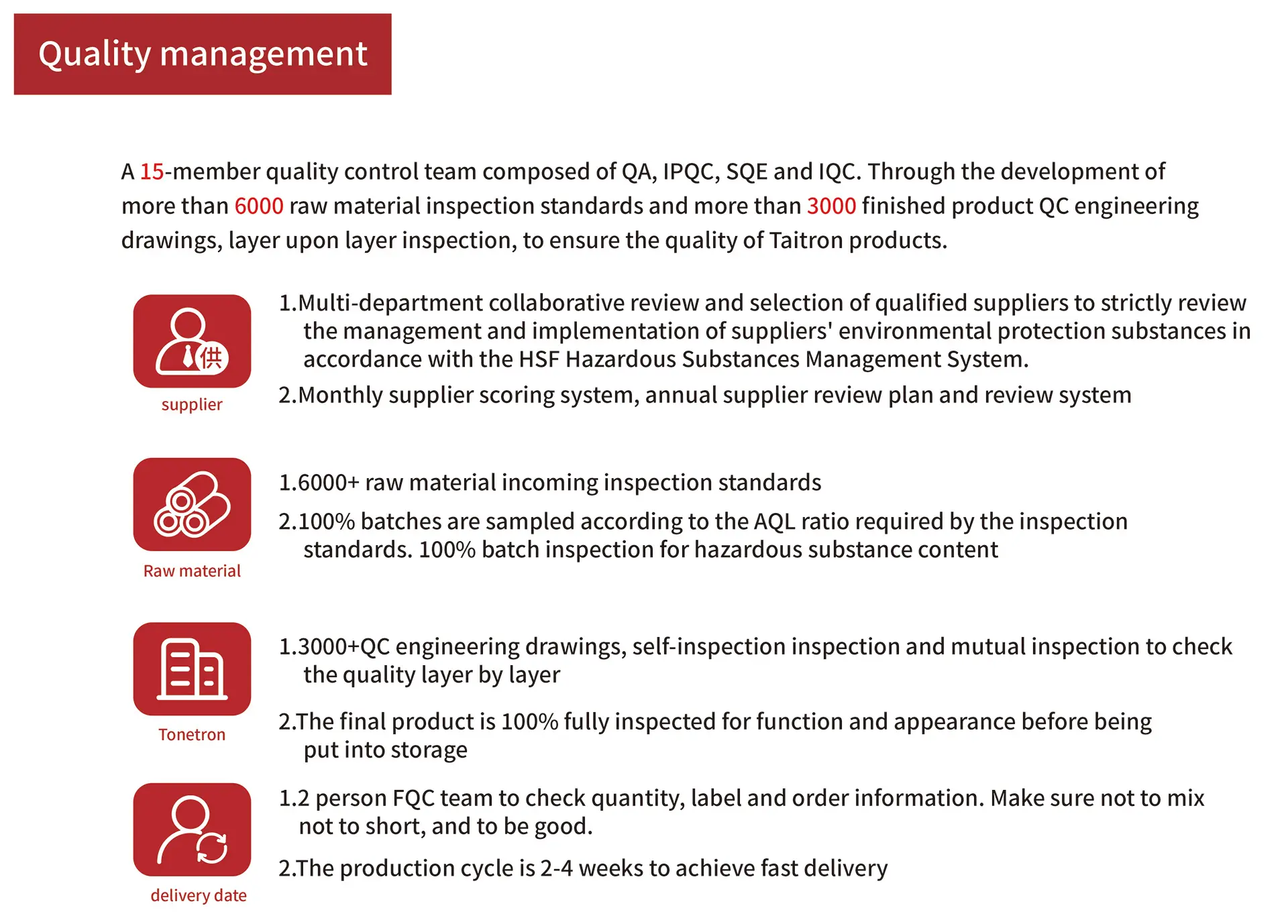
Every batch undergoes automated Time-Domain Reflectometry (TDR) eye-diagram analysis to verify high-frequency transmission capability, alongside temperature cycling, bend cycles, and tensile stress testing.
When engineering departments request quotes for custom Mini Display cables, pricing frameworks are calculated based on wire gauge configurations (AWG 32 through AWG 28 depending on distance), conductor material specifications (99.99% high-purity Oxygen-Free Copper or Silver-Plated Copper), and jacket ratings. The correct blend of materials keeps signal losses within standard budgets, while keeping the overall pricelist aligned with volume targets.
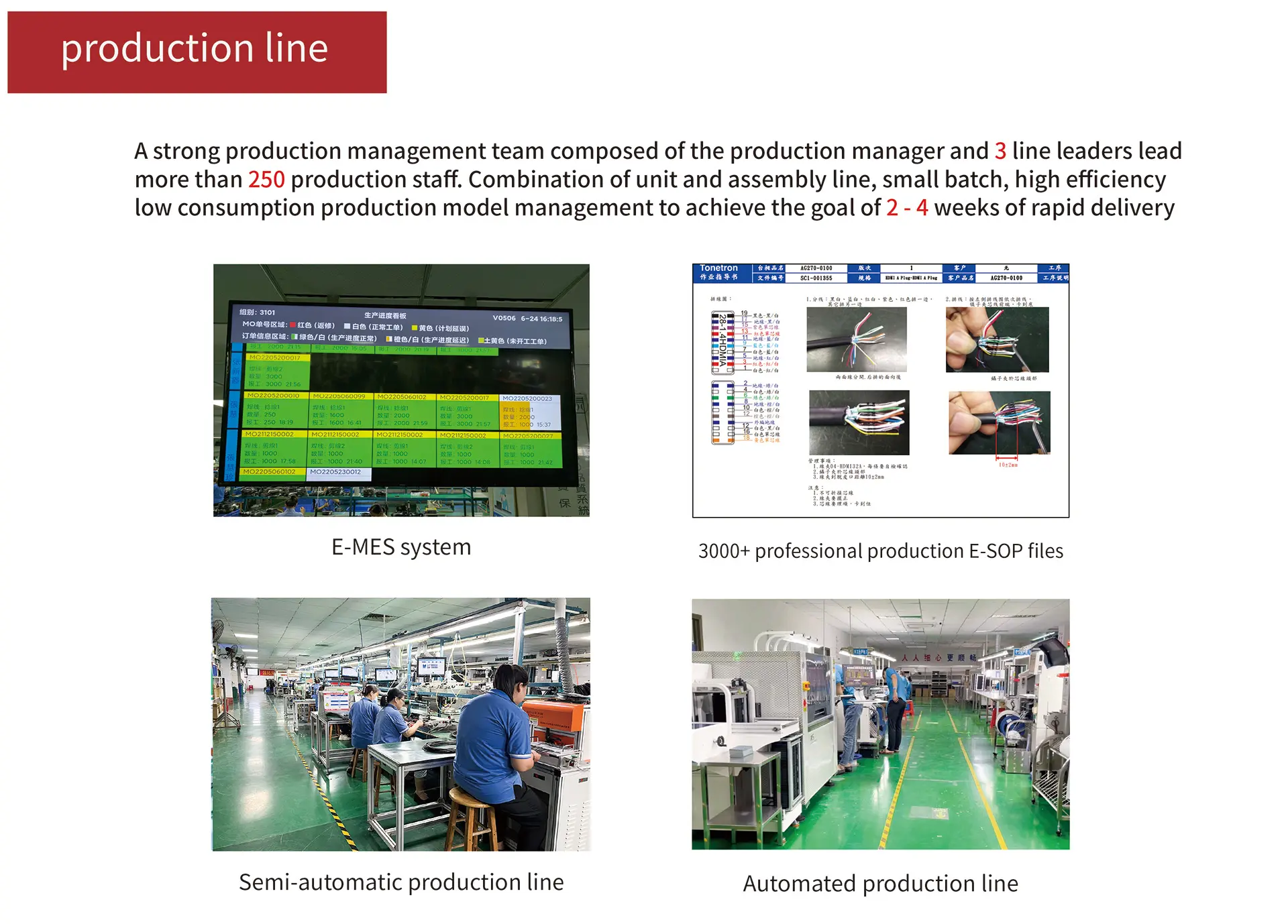
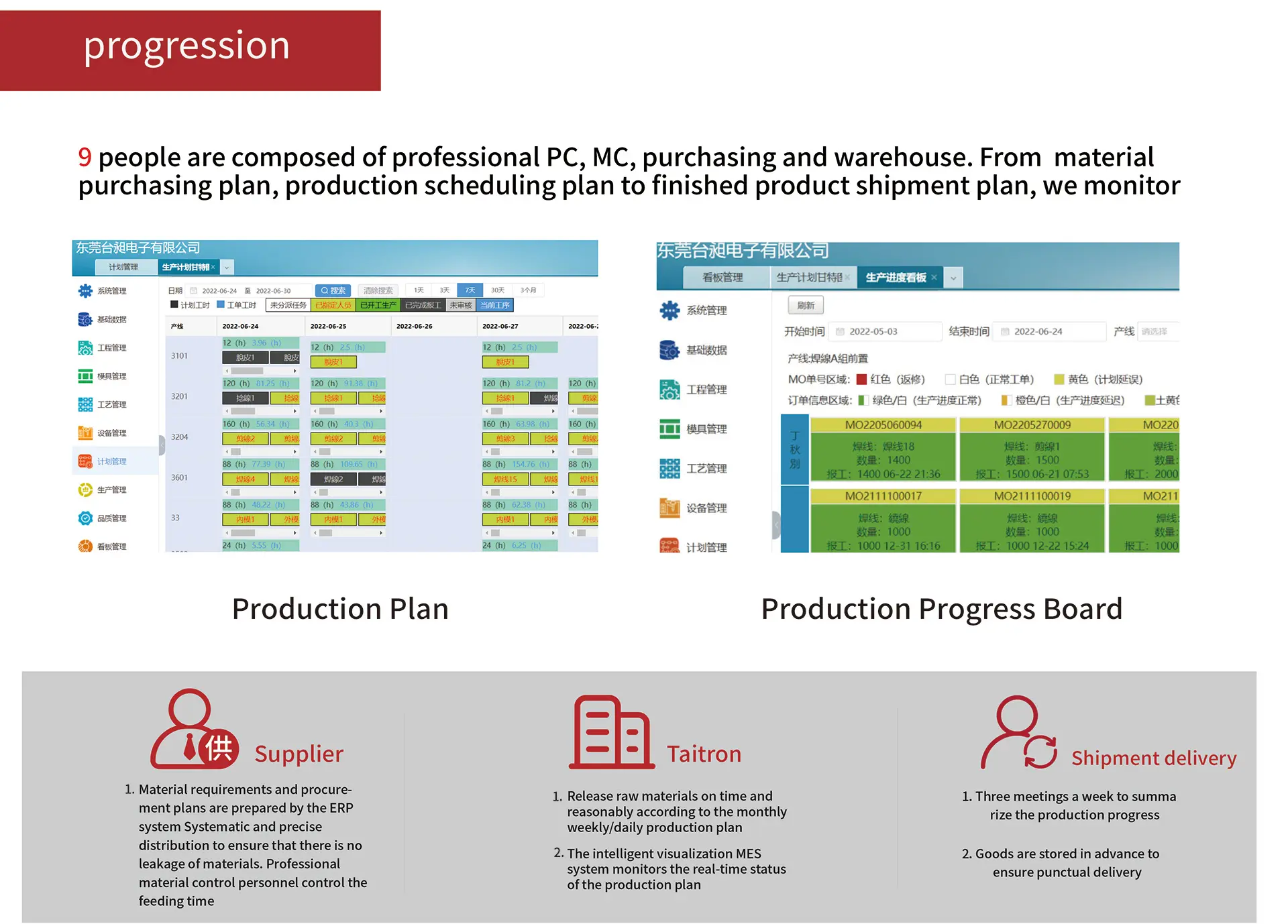
Navigating the complex global market requires more than simple manufacturing. It calls for vertically integrated production systems capable of adapting to changing requirements in real time. Modern electronics factories in China have transitioned to Smart Manufacturing (Factory 4.0), combining automated wire drawing, high-speed braiding, precise laser soldering, and computerized visual quality inspections.
For custom Mini Display cables, this automation means consistent electrical parameters across multi-thousand unit batches. Shielding foil orientation, connector pin soldering, and outer jacket molding are controlled by automated feedback loops. This reduces product variability, lowers material waste, and allows us to offer highly competitive quotes to global clients.
By sourcing raw copper, precision metals, and polymer jackets locally within China's main electronics hubs, our supply chains remain resilient against global disruptions. This direct integration guarantees reliable, long-term delivery schedules for international partners.
How custom Mini Display cables perform in challenging, real-world commercial environments.
In high-resolution operating rooms and imaging labs, Mini DP interfaces connect diagnostic displays to processing units. Custom shielding prevents interference from surgical tools, ensuring clean and accurate images.
CNC consoles and automated robotic assembly lines rely on Mini Display cables to link main controllers with operator screens. Locking connectors and flexible jackets prevent signal loss from constant movement.
Large transportation displays, retail signage networks, and control rooms use multi-stream MiniDP hubs to run multiple displays. Custom-length cables minimize cable clutter and prevent signal loss over longer runs.
Dongguan Taitron Electronics Limited — Over 38 Years of Audio/Video Manufacturing Excellence
In 1984, Dongguan Taitron Electronics Limited., formerly known as Tonetron, was founded in Keelung, Taiwan. In 1993, it moved to the self-built independent production industrial park in Dalingshan Town, Dongguan City, China, and changed its name to Dongguan Taitron Electronics Limited.
With decades of engineering history, we continue to push the boundaries of high-bandwidth cable systems and custom interface adapters for global B2B procurement partners.
For 38 years, professional video and audio peripheral equipment connection line manufacturing has been our foundation. We have gradually developed into the high-end audio and video cable and data cable fields, focusing on:
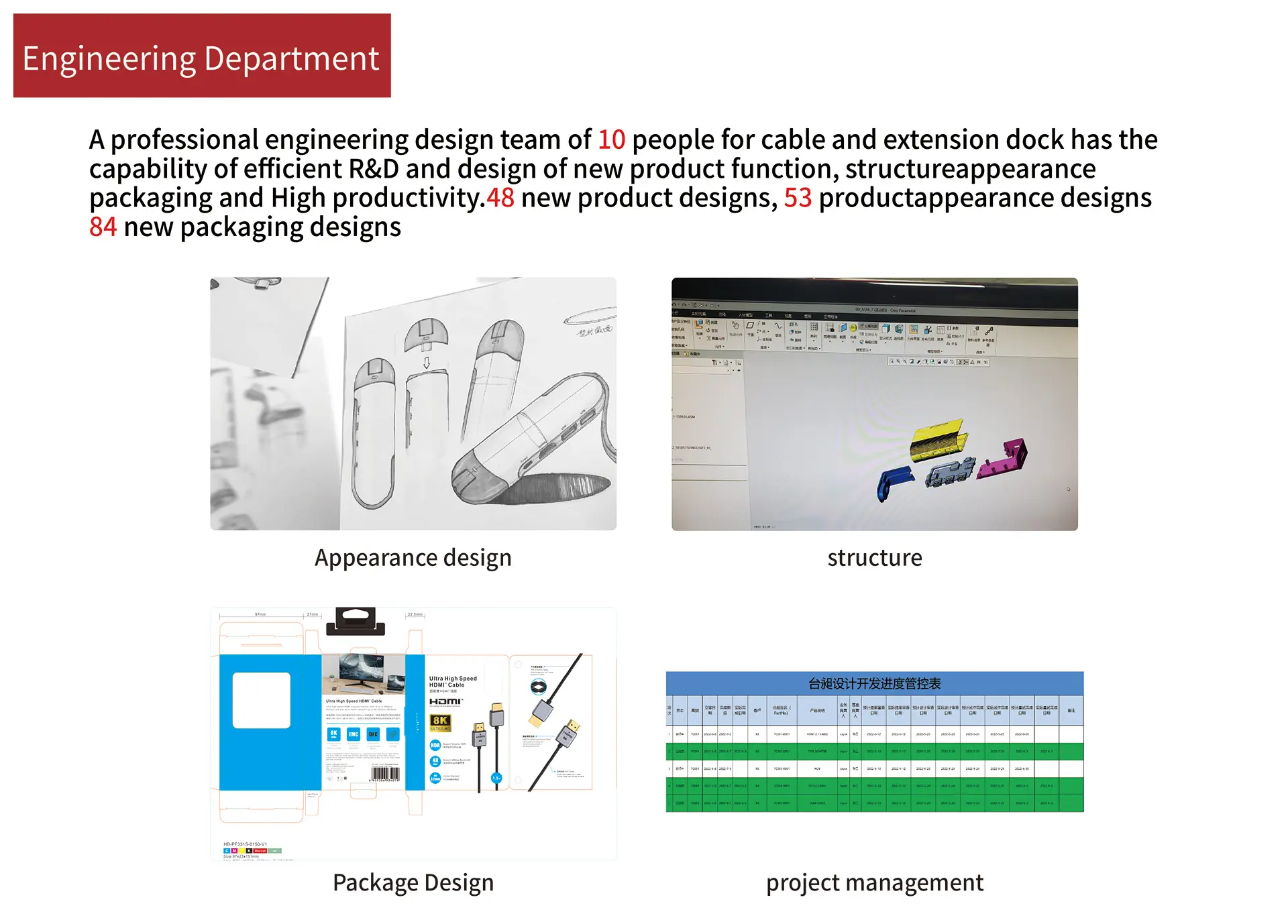
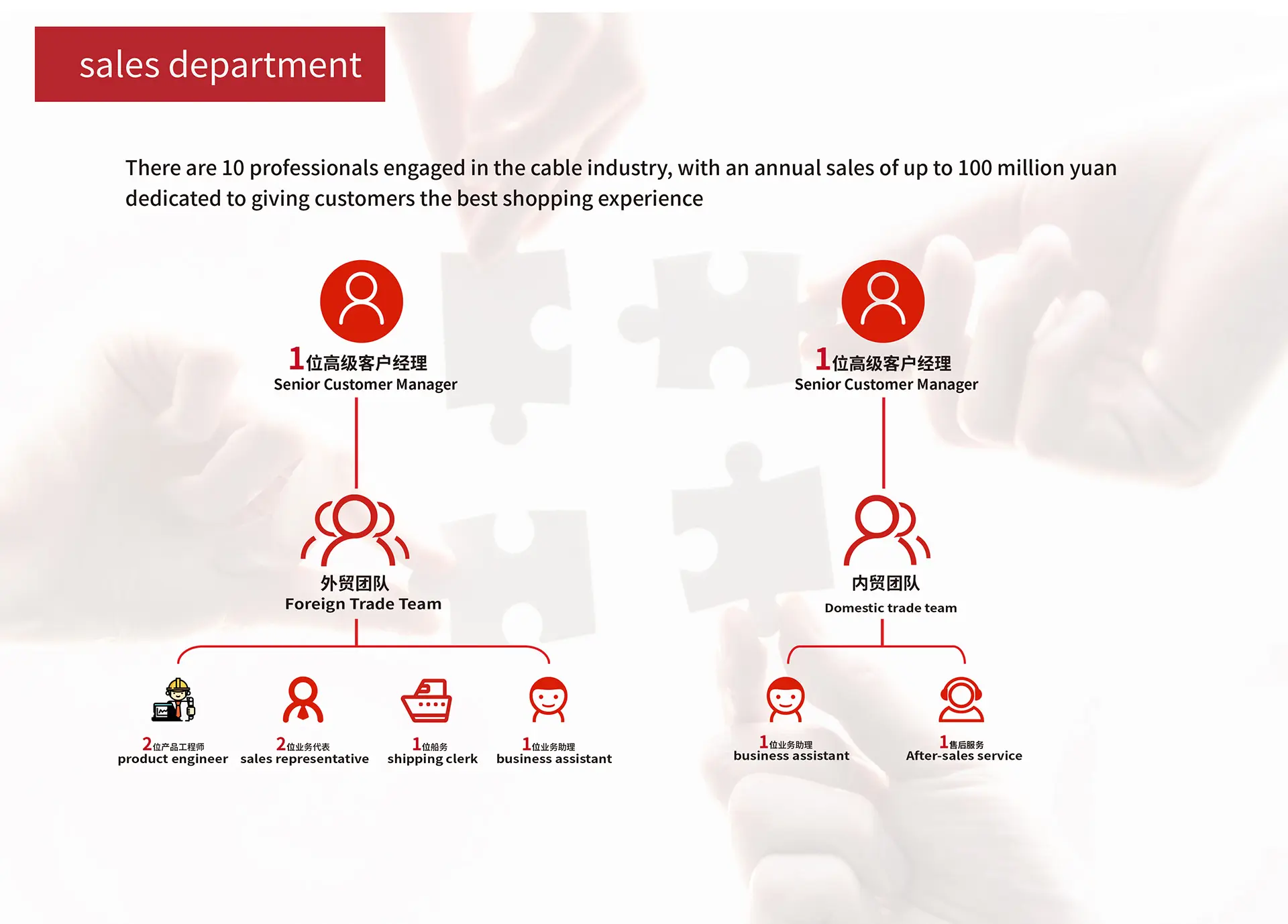
Our engineering team works closely with procurement professionals, providing detailed pricelists, custom layouts, and certified designs for specialized projects.
Common questions from B2B buyers, system design engineers, and global procurement departments.
Lead times range from 15 to 25 business days, depending on custom mold requirements, specific wire gauges, and overall order quantities. Initial prototyping rounds can often be delivered within 7 to 10 days for design review.
We use dual-shielding structures combining aluminum-mylar foils and tinned copper braids with up to 95% coverage. This minimizes electromagnetic interference and keeps insertion loss within VESA limits over longer distances.
Yes. All raw materials used in our Dongguan facility are fully compliant with RoHS and REACH standards. We offer specialized certifications including UL94V-0 flammability ratings and LSZH jackets for public transport and aerospace installations.
Our pricing model is based on material usage (copper weight, connector plating depth), custom molding costs, quality control steps, and volume discounts. Buying direct from our factory eliminates agent markups, providing a competitive final cost.
Reach out to our engineering and sales teams in Dongguan for customized quotes, design assistance, and volume pricelists tailored to your specific project needs.
Request Direct Quotation Taichang Electronic