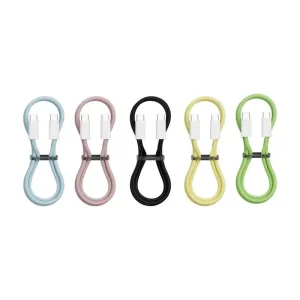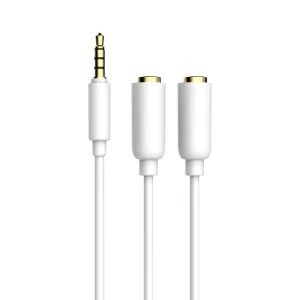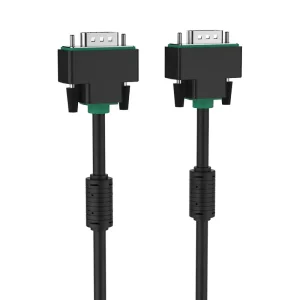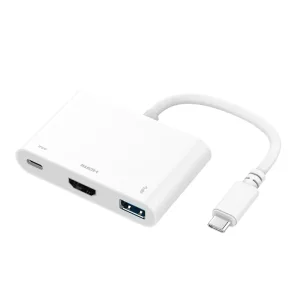
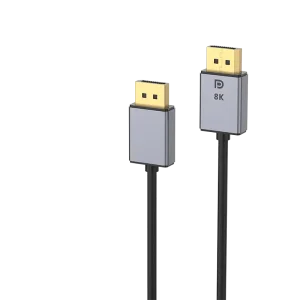
Analyzing high-bandwidth demand, regulatory standardization, and the growing requirement for multi-protocol integration across commercial sectors.
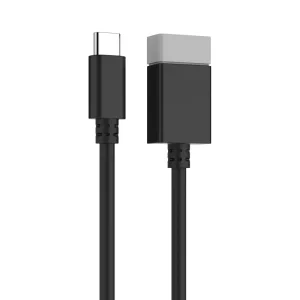
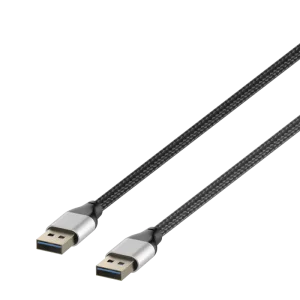
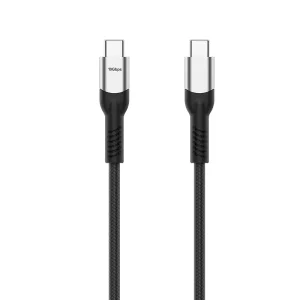
The global mobile cable and audio-video interconnect market is undergoing a seismic technological transformation. With consumer electronics, industrial interfaces, and automotive cockpits demanding simultaneous ultra-fast data pipelines and massive power envelopes, the standard mobile cable is no longer a simple copper strand. Today's commercial architectures revolve around the Universal Serial Bus (USB) Type-C standard, which consolidates charging, data routing, and high-definition video output into a single interface.
Driven by initiatives like the EU's common charger directive and global industrial desires to limit e-waste, manufacturers are migrating from legacy micro-USB interfaces to advanced USB 3.1 Gen 2, USB4, and Thunderbolt topologies. This technological progression requires highly complex internal copper arrangements, precise EMI shielding, and active electronic control mechanisms such as integrated E-marker chips to guarantee signal viability and user safety under extreme workloads.
1. Power Integration: Achieving up to 100W/240W Power Delivery safely through optimized AWG cross-sections.
2. High-Frequency Shielding: Combating cross-talk and electromagnetic interference in slim-profile cables.
3. Mechanical Resiliency: High bend-cycle lifespans achieved via custom braiding and premium TPE jackets.
Delving deep into signal integrity, shielding topologies, and electronic chip integration built for critical system operations.
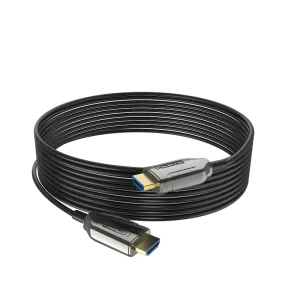
The foundational core of high-bandwidth performance lies in raw conductor engineering. While standard consumer products utilize recycled low-grade copper, commercial systems specify Oxygen-Free High-Conductivity (OFHC) Copper or silver-plated copper conductors. For extended distance runs where signal attenuation would otherwise corrupt high-frequency differential pairs, Active Optical Cables (AOC) merge silicon-based electro-optical converters with fiber optic lines, maintaining pristine video and data payloads up to 100 meters without signal degradation.
As modern workplaces and production floors fill with wireless emitters, signal isolation is paramount. High-end cables incorporate layered shielding strategies. This involves wrapping individual high-speed twisted or coaxial pairs in Al-Mylar foil to shield against differential-mode noise, covered by a high-density tinned copper braid to minimize common-mode electromagnetic interference (EMI). Ground drain wires prevent electrostatic build-up, maintaining connection stability for high-frequency video components.
Safety and communication configuration protocols represent another layer of complexity. USB-C cables handling currents higher than 3A require an embedded Electronically Marked Identifier (E-Marker) IC chip. This smart microcontroller communicates the cable's safe voltage limits, maximum data speeds, and vendor details to host and client devices. Without it, power supplies fallback to safer, lower current ranges (typically 60W or 3A max) to prevent thermal runaways or conductor overload.
How specialized high-speed interfaces power contemporary workloads across commercial environments and industries.
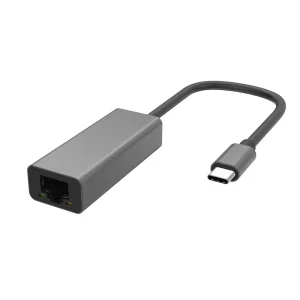
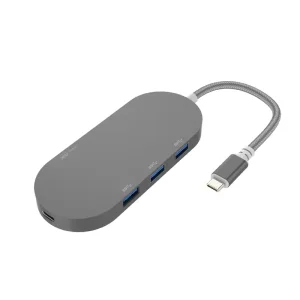
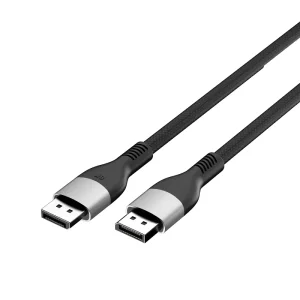
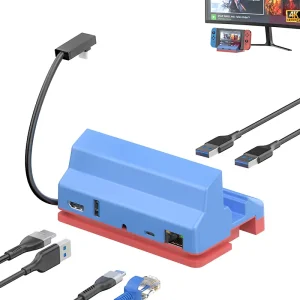
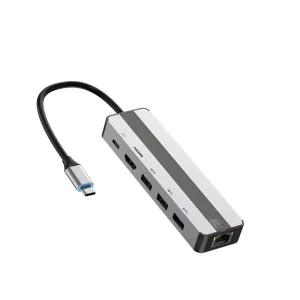
In the modern corporate ecosystem, clean cabling schemes combined with functional flexibility are central to operations. High-capacity USB-C hubs and docking stations allow hot-desking configurations where one cable links a worker’s laptop to high-definition dual screens (HDMI/DisplayPort), high-speed storage, local networks (RJ45 Ethernet), and robust Power Delivery. In smart retail and digital signage configurations, DisplayPort slim cables and HDMI Active Optical Cables (AOC) reliably project Ultra-HD visual advertising across large venues without requiring external video repeaters.
For factory floors and healthcare environments, structural integrity requirements escalate dramatically. Heavy machinery, robotic arms, and medical diagnostic machinery are subject to severe vibrations, constant flex stress, and substantial EM noise from electrical motors. Custom-molded cables featuring ruggedized outer jackets (such as LSZH or high-performance TPE) and secure locking connectors ensure continuous data exchange. This is critical for applications like medical monitors or high-speed automation sensors, where signal loss can compromise safety.
The rise of digital content generation, live broadcasting, and competitive gaming has pushed standard AV solutions to their limits. Modern production teams depend on ultra-low latency configurations. Cables certified for HDMI 2.1 or DisplayPort 1.4—with support for 8K video, high refresh rates (up to 240Hz), and compatibility with adaptive sync standards like G-Sync and FreeSync—ensure that frames are processed without tearing, rendering glitches, or audio sync delays. This performance level is essential for high-fidelity content workflows and multi-camera live setups.
From our foundations in Taiwan to our state-of-the-art mainland facilities, we deliver world-class connectivity solutions.
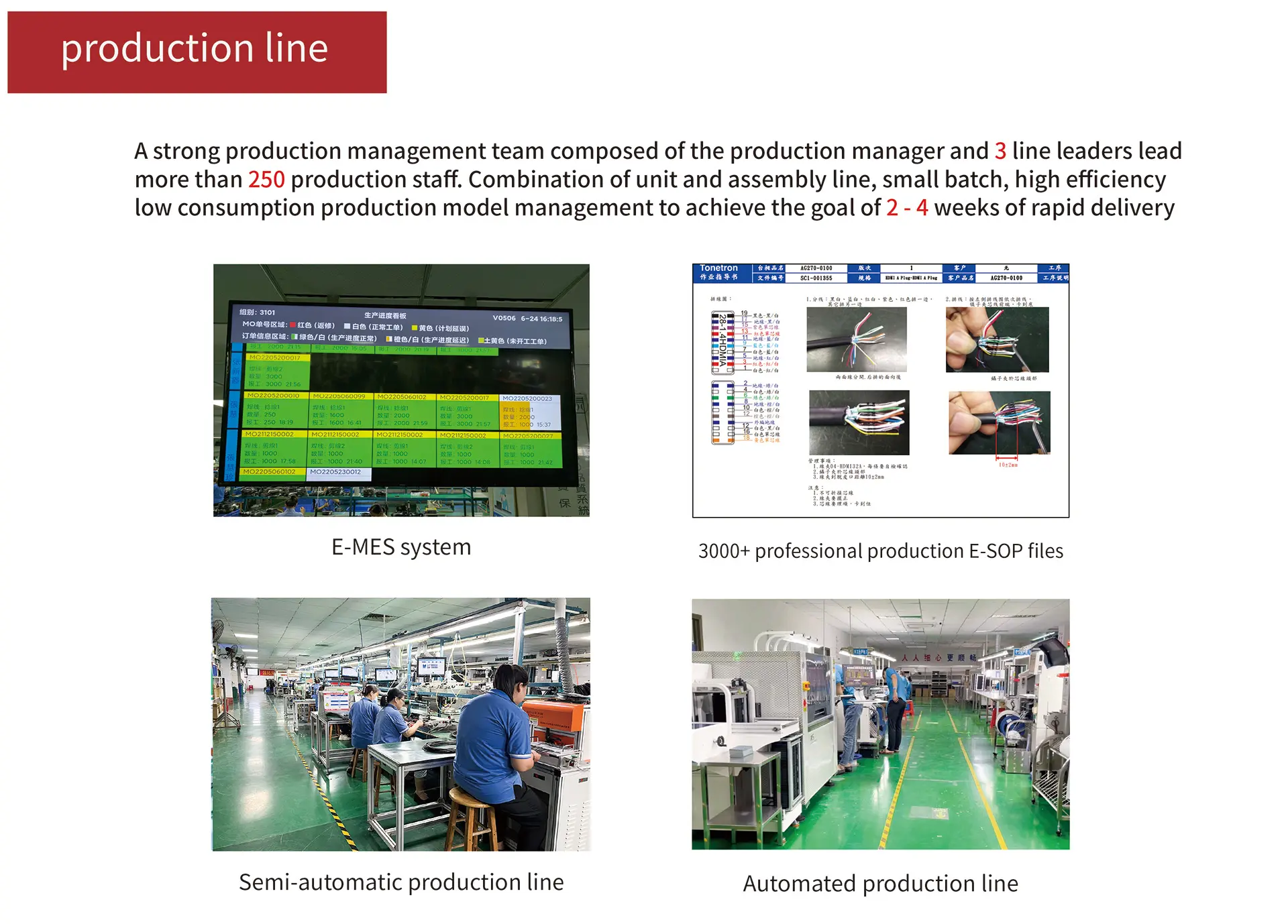
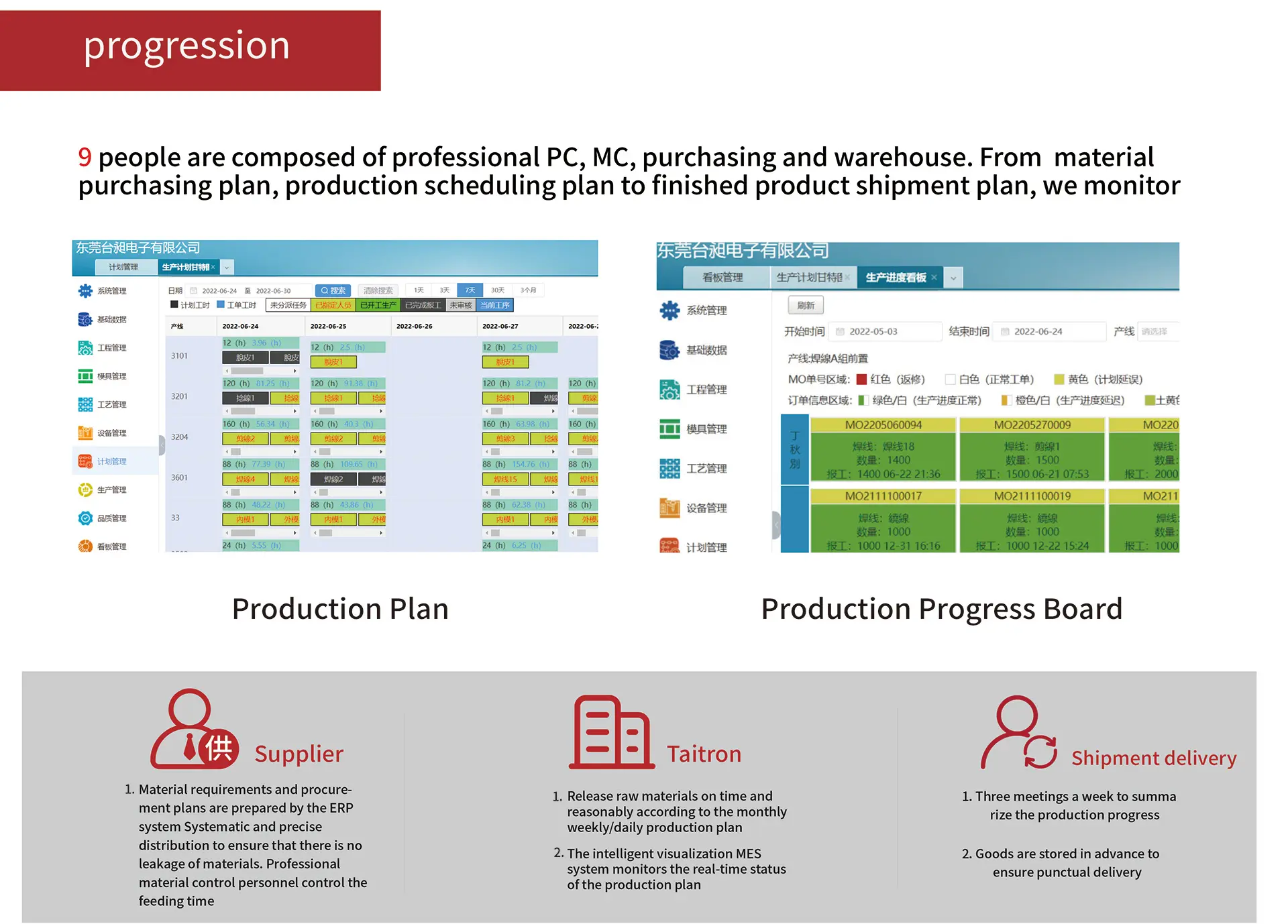
Established in 1984 in Keelung, Taiwan as Tonetron, our company began with a core focus on manufacturing reliable audio-video peripheral connectivity hardware. As consumer and industrial computing requirements advanced, we expanded our operational footprint to meet growing global demand. In 1993, we moved production to a self-built industrial manufacturing park in Dalingshan Town, Dongguan City, China, officially rebranding as Dongguan Taitron Electronics Limited.
Over the past 38 years, our development roadmap has evolved. We began by mastering basic analog audio-video connections and transitioned into engineering complex high-speed digital architectures. Today, our research and manufacturing capabilities cover the entire modern interface spectrum: HDMI 2.1, DisplayPort 2.0, USB4, high-power USB-C charging links, 8K adapters, and multi-functional USB-C hubs and docking stations. Our dedication to quality is supported by strict testing procedures, advanced raw materials sourcing, and complete control over our manufacturing processes.
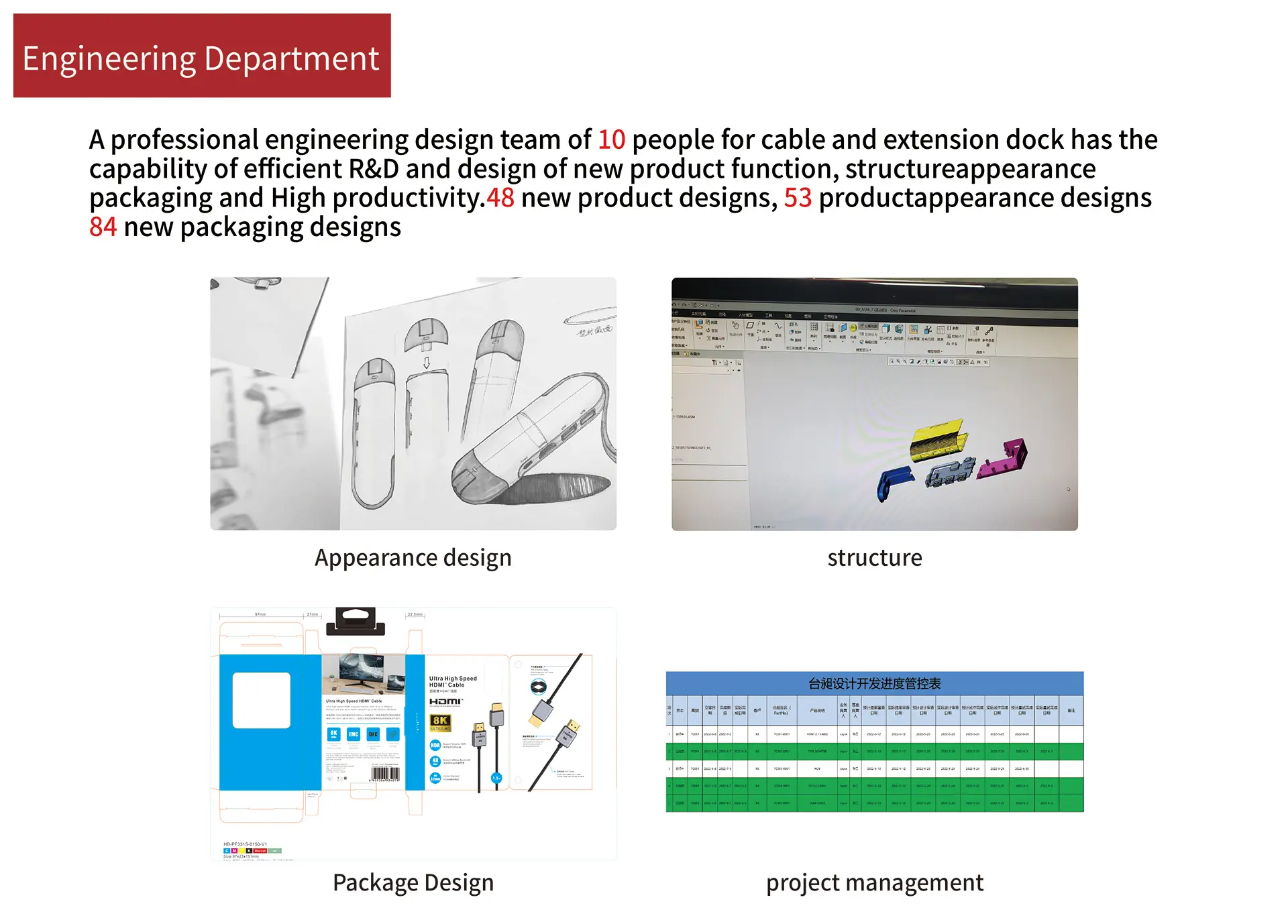
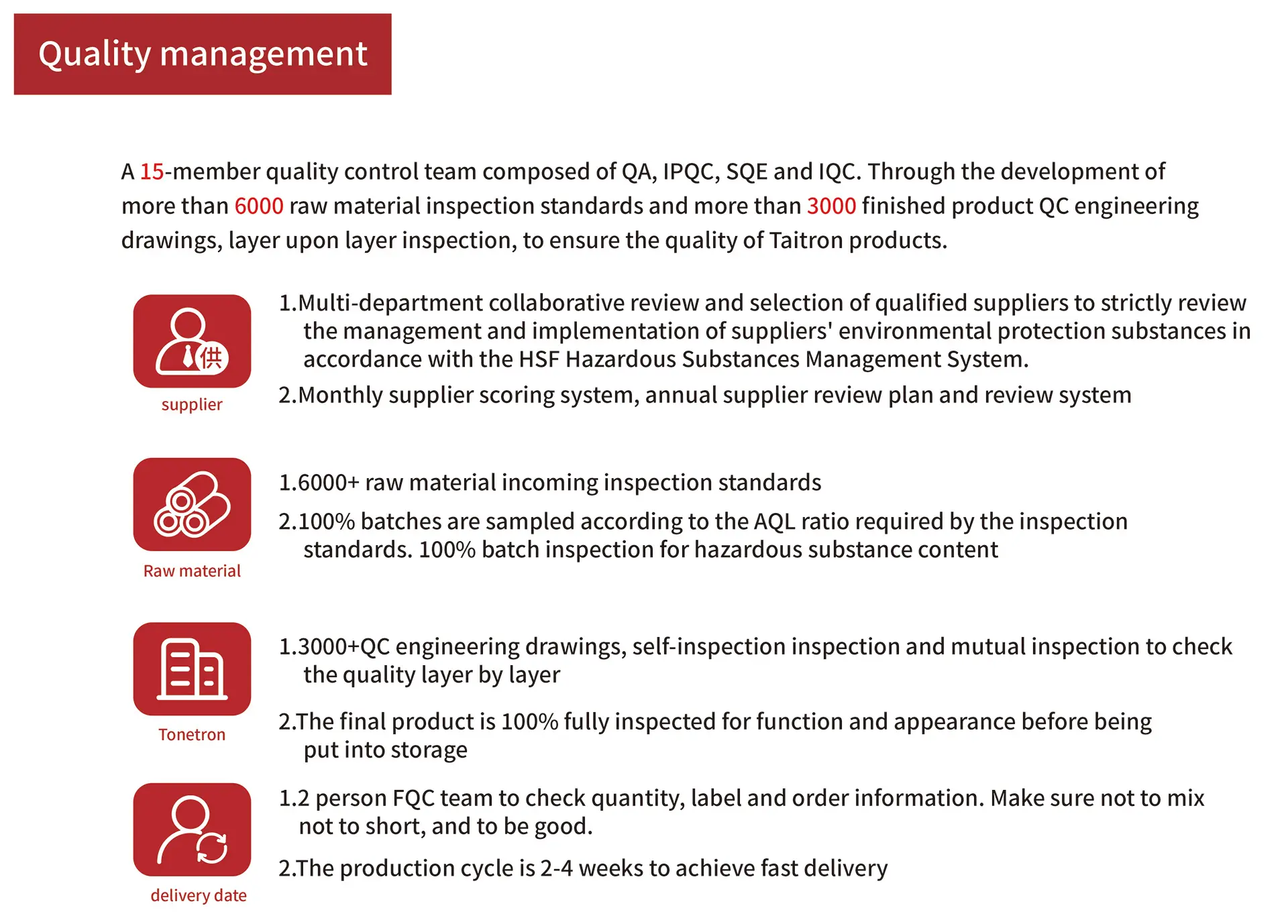
Our modern manufacturing facility features dedicated testing facilities, including specialized engineering departments, quality management laboratories, and advanced physical and electronic testing equipment. This infrastructure allows us to evaluate high-frequency signal integrity, verify compliance with USB-IF and HDMI standards, and perform rigorous mechanical testing (such as pull and bend tests) to ensure that every production run meets international commercial specifications.
An evaluation of upcoming technological standards, including USB4 Version 2.0, high-speed optical integrations, and improved eco-friendly manufacturing.
The standard transmission rate of 40Gbps is set to double. The release of USB4 Version 2.0 introduces support for up to 80Gbps and 120Gbps bandwidth limits using asymmetric configurations. Achieving these speeds requires transitioning from NRZ modulation to PAM3 (Pulse Amplitude Modulation 3-level) signaling. This change demands tighter component tolerances and advanced physical layout designs to prevent signal reflection at high frequencies.
Environmental compatibility has become a core requirement for multinational companies and OEMs. Future custom cable designs focus on replacing conventional chlorinated PVC jackets with recyclable, halogen-free, and bio-based alternatives. Materials such as Thermoplastic Elastomers (TPE) and ocean-recycled nylon offer high tensile durability and flex lifespan while reducing the environmental impact of raw polymer extraction.
The lines separating power adapters, interface cables, and docking stations continue to blur. Next-generation hubs are incorporating Gallium Nitride (GaN) micro-circuits directly into their enclosures or connector shells. This integration enables higher power conversion density and thermal efficiency, allowing smaller hubs to deliver high-wattage power to upstream laptops while simultaneously routing multiple high-frequency video signals.
Answers to common engineering and sourcing questions regarding custom cable manufacturing and protocol compatibility.
 Taichang Electronic