Custom Price For HDMI Cable Products & Company

A B2B Buyer's Engineering Blueprint & Global Procurement Framework for High-Frequency Digital Connectivity Systems

1. Executive Summary & Contextual Grounding

In the rapidly changing landscape of high-definition digital display interfaces, the search query "custom price for HDMI cable" signifies more than a routine commercial enquiry. For procurement directors, hardware system integrators, and product managers at global electronics firms, it represents the optimization barrier between raw materials costs, mechanical tolerances, and high-frequency signal integrity.

Determining the true unit cost of custom HDMI cables requires a comprehensive analysis of conductor metallurgy, shielding effectiveness, connector assembly methods, and manufacturing locations. Cheap connectivity is a liability: packet dropouts, visual artifacts, and electro-magnetic compatibility (EMC) failures can delay multi-million dollar rollouts. This whitepaper systematically deconstructs the pricing paradigms, structural design details, and long-term tech roadmaps for HDMI and peripheral interfaces, providing B2B buyers with the data needed to make informed purchasing choices.

38+
Years Manufacturing Experience
48Gbps
Max Bandwidth HDMI 2.1
8K/10K
Supported Resolutions
100%
Signal Integrity Tested

2. Development Trends in HDMI & High-Speed Data Interface Systems

Bandwidth Requirements Pushed to the Limit

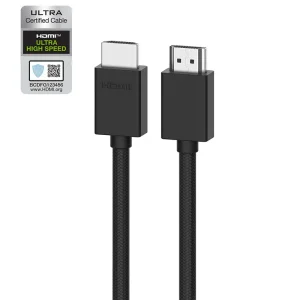
The progression from HDMI 1.4 (10.2 Gbps) to HDMI 2.0 (18 Gbps) and ultimately to HDMI 2.1a (48 Gbps) reflects the rapid growth of display data. A single HDMI 2.1 connection handles Uncompressed 8K@60Hz and 4K@120Hz, demanding high precision in wire twist patterns and dielectric uniformity.

The Transition to Optical Hybrids

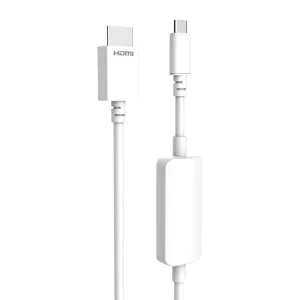
Traditional copper wires suffer from signal attenuation beyond 5 meters. Active Optical Cables (AOC) use photo-electric converters inside the connector shells to route data via glass fibers, enabling lengths up to 100 meters with zero latency and full EMI immunity.

Dynamic HDR & Advanced Protocols

Contemporary implementations require support for dynamic metadata schemes like HDR10+ and Dolby Vision. Alongside high frame rates, integrations must also support eARC (Enhanced Audio Return Channel) to transmit high-bitrate spatial audio formats.

3. Decoupling the Cost: Core Drivers of Custom HDMI Cable Pricing

B2B buyers frequently ask why custom quotations vary so widely. The unit cost of an HDMI assembly is directly tied to its physical architecture:

Conductor Quality

Oxygen-Free Copper (OFC) represents the standard for professional signal transmission. Copper Clad Steel (CCS) is a cheap alternative that fails to meet high-bandwidth requirements and should be avoided in professional installs.

Shielding Architecture

Quality cables use multi-layer shielding: individual pairs wrapped in aluminum foil, a secondary foil layer over the core, and a high-density metal braid (65% to 95% coverage) to prevent electromagnetic interference.

Connector & Housings

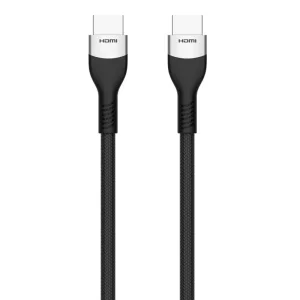
Gold-plated contacts (ranging from 1u to 15u) prevent corrosion over time. Aluminum or zinc alloy shells provide superior mechanical protection compared to standard molded PVC covers.

Active Chipsets

Active Optical Cables (AOC) require optoelectronic conversion chips inside the connector heads. The cost of these silicon chipsets is a primary component of active optical cable pricing.

4. Macro-Industry AV Solutions & Integration Ecosystems

HDMI cables do not operate in isolation. They form the foundational wiring for larger commercial and industrial systems:

  • Enterprise AV & Control Rooms: High-reliability pathways connecting mission-critical monitors, video walls, and processing systems without frame drops.
  • Healthcare Imaging: Delivering ultra-clear, high-resolution diagnostic signals to operating room displays where visual precision is vital.
  • Commercial Retail & Digital Signage: Driving long-distance display networks across retail spaces using active copper/optical extensions.
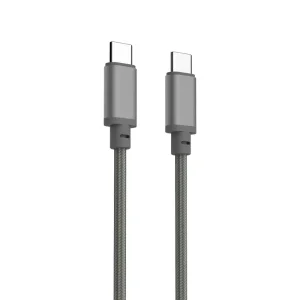
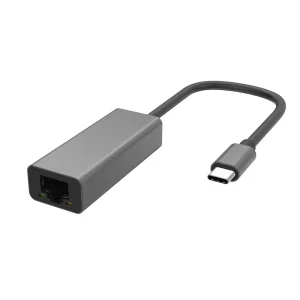
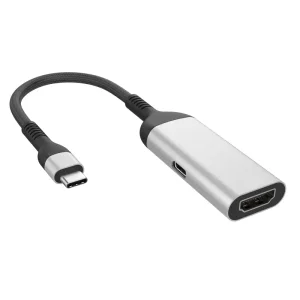
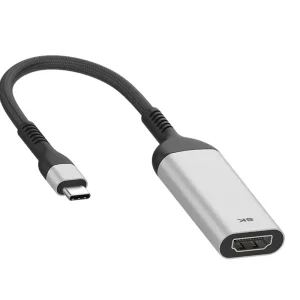
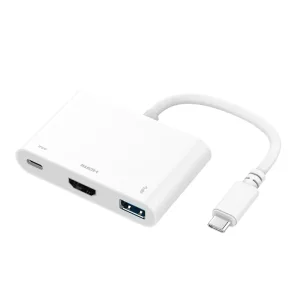
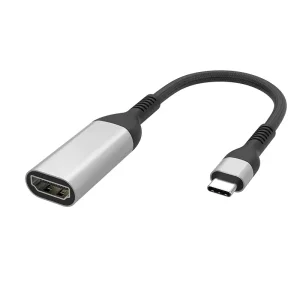
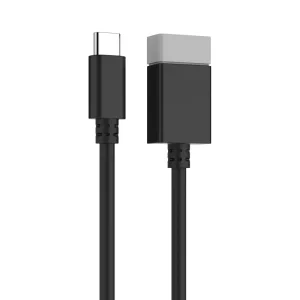
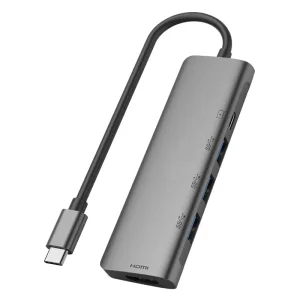
  • Advanced Workspaces: Combining HDMI, USB-C 3.1 Gen2, and DP 1.4 into integrated docking setups for modern office setups.

5. Deep Industrial Heritage: Dongguan Taitron Electronics Limited

Establishing a reliable supply chain requires working with partners who have a proven track record. Originally founded as Tonetron in 1984 in Keelung, Taiwan, the company relocated to a self-built industrial park in Dalingshan Town, Dongguan City, China, in 1993, officially changing its name to Dongguan Taitron Electronics Limited.

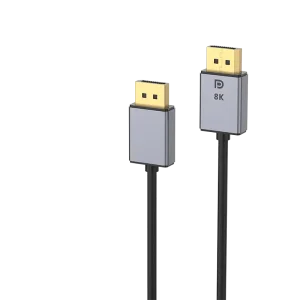
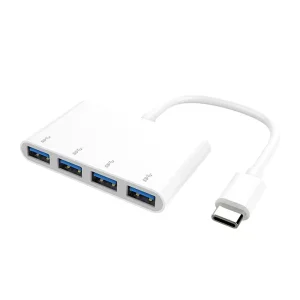
With over 38 years of experience in audio and video peripheral connectivity, Taitron has grown from producing legacy wiring to manufacturing advanced high-bandwidth solutions. Their current catalog includes HDMI 2.1, DP 2.0, USB4, high-power USB-C PD100W cables, and multi-functional Type-C expansion docks.
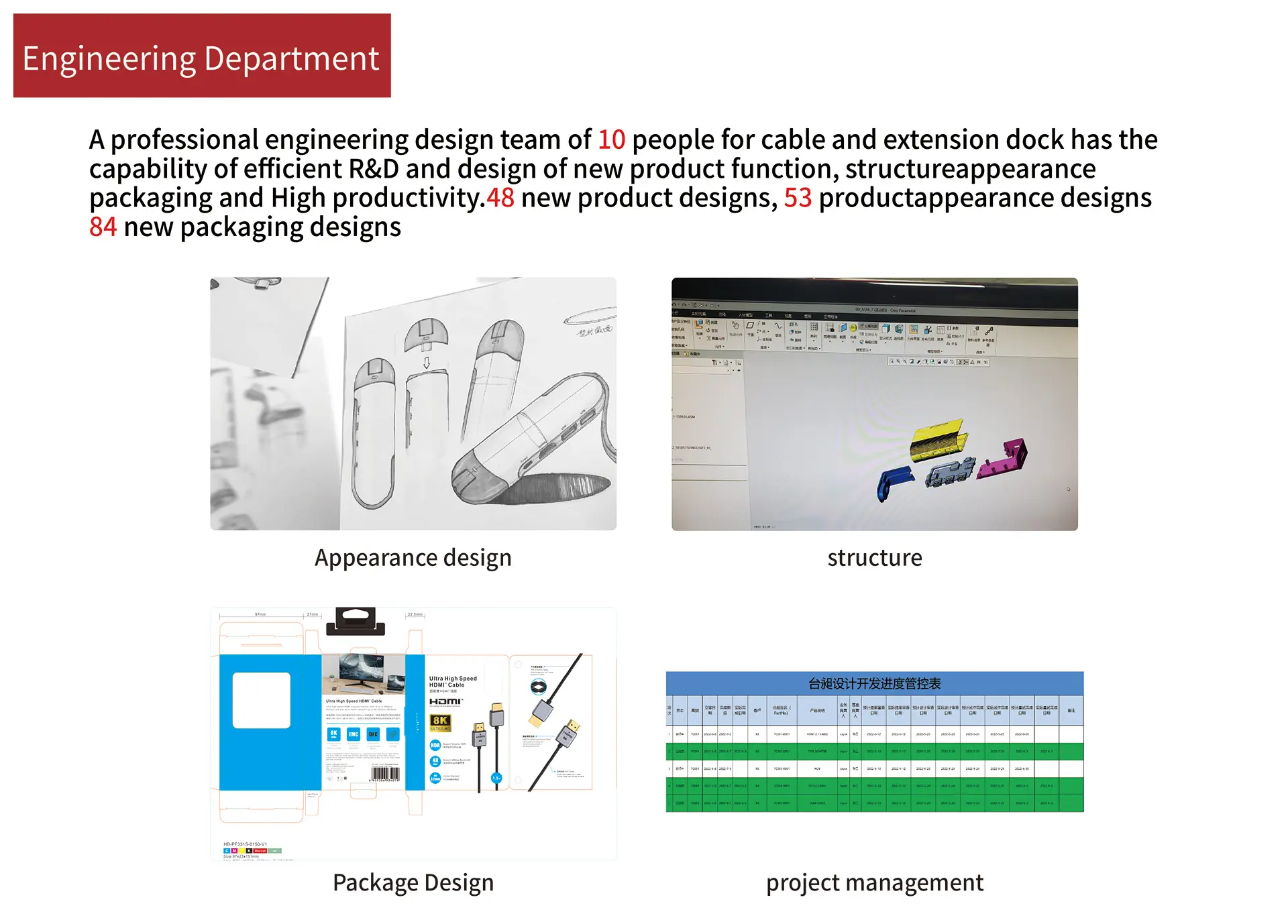
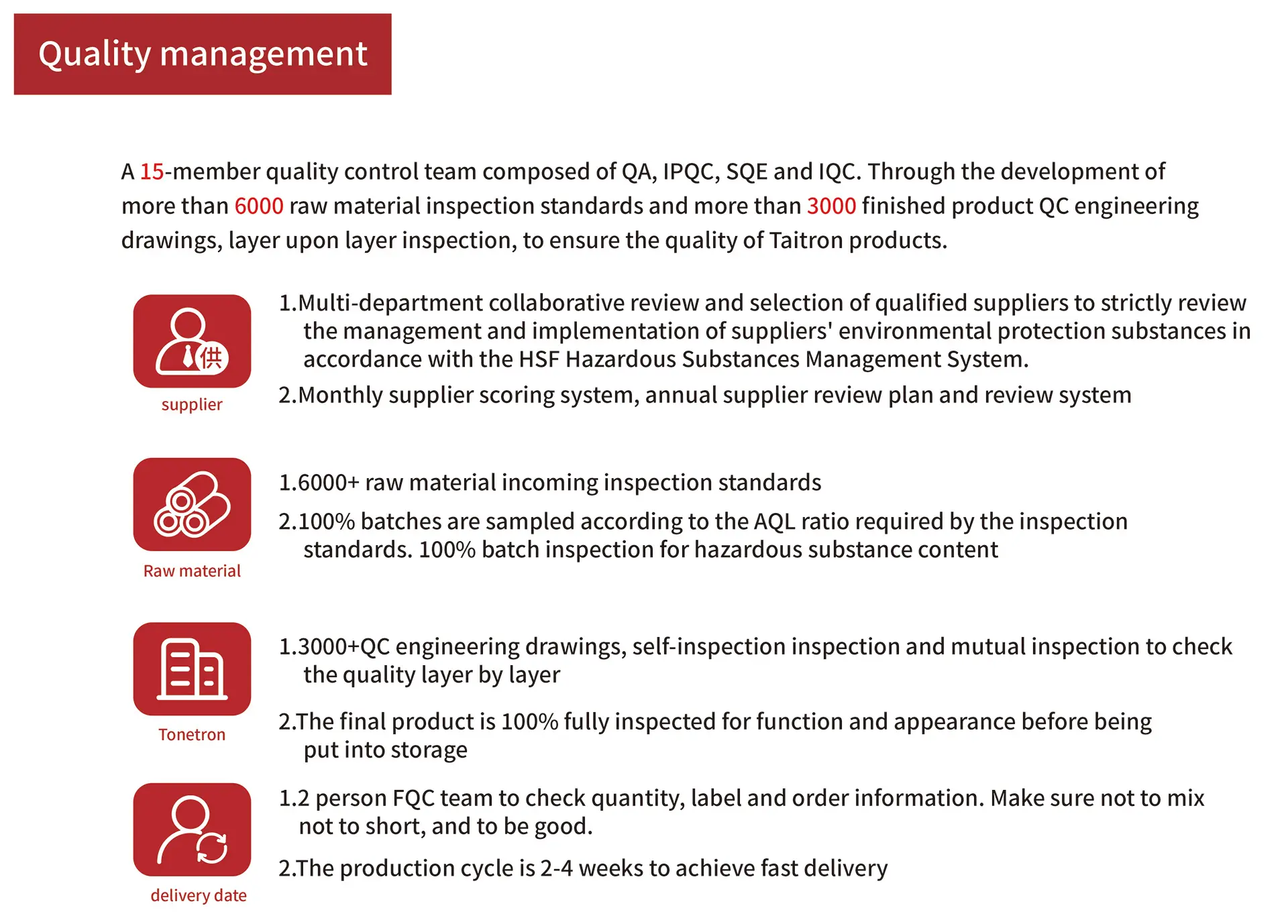
6. Technology Roadmap: The Next Generation of AV Transmission

As we look toward the end of the decade, display interfaces continue to push beyond 48Gbps. The introduction of HDMI 2.1b and next-generation DisplayPort 2.1 platforms will support higher frame rates (up to 240Hz/144Hz) for immersive VR and simulator displays.

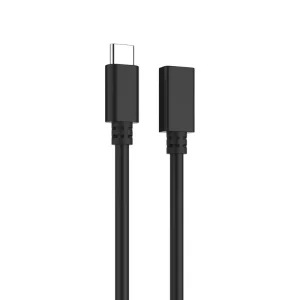
At the same time, the industry is moving toward standardizing on USB-C interfaces. This shift consolidates power delivery (up to 240W EPR), high-speed data (USB4 at 40Gbps/80Gbps), and DisplayPort Alt Mode video signals into a single port. Sourcing partners must maintain testing labs equipped with high-frequency network analyzers and TDR systems to guarantee compliance with these evolving specifications.
7. Custom HDMI Sourcing & Technical FAQ

Q1: How is the custom price for HDMI cable calculated?
Custom pricing is determined by conductor gauge (AWG), shielding layers, raw copper weight, connector materials, customized braiding patterns, packaging designs, and total order volume. Large production runs help distribute setup costs.
Q2: What is the main structural difference between HDMI 2.0 and HDMI 2.1?
HDMI 2.0 supports 18Gbps bandwidth, while HDMI 2.1 supports up to 48Gbps. To support 48Gbps, HDMI 2.1 cables require tighter twisting tolerances for the internal data lines, higher shielding density to prevent crosstalk, and passing certification tests at an HDMI Forum Authorized Testing Center (ATC).
Q3: Why are Active Optical Cables (AOC) priced higher than standard copper cables?
AOC designs incorporate optoelectronic conversion chipsets directly in the connector heads, transforming electrical signals into light pulses for transmission over optical fibers. This active component architecture adds to the material costs.
Q4: What are the typical MOQ requirements for custom HDMI production runs?
Minimum Order Quantities (MOQs) typically range from 1,000 to 3,000 pieces per specification. The MOQ depends on customization requirements, including custom PVC jacket colors, custom-branded metal shells, or unique retail packaging designs.
Q5: How does shielding affect signal integrity and EMI testing?
High-coverage shielding prevents external wireless and electromagnetic noise from distorting the digital signals inside the cable. This ensures the cable can pass rigorous FCC, CE, and RoHS compliance testing for electromagnetic compatibility.
Q6: Can we request custom-molded connector housings or specific wire jackets?
Yes. We offer fully custom housing molds, including zinc or aluminum alloy casings with custom logos. Wire jacket options include standard PVC, flexible TPE, or double-woven nylon braiding.
Q7: What quality compliance certifications are required for global markets?
B2B buyers should look for ISO9001 quality management standards, RoHS and REACH environmental compliance, CE/FCC markings, UL ratings for in-wall use, and HDMI Adopter status for legal market entry.
Q8: How does Taitron guarantee signal integrity for production orders?
We perform 100% electrical testing on every cable. We use advanced Time-Domain Reflectometry (TDR) and network analyzers to measure differential impedance, attenuation, skew, and cross-talk throughout the manufacturing process.
Q9: What is the typical lead time for custom OEM production?
Standard OEM production lead times range from 30 to 45 days. This includes drawing approval, prototype validation, component sourcing, production assembly, testing, and final quality inspections.
Q10: How does packaging design affect ocean freight costs for bulk orders?
Individually packaged retail boxes take up more volume, reducing the number of units that fit on a shipping pallet. For bulk commercial installations, we recommend space-efficient PE bag packaging to maximize shipping density and lower freight costs.