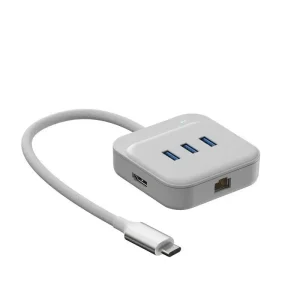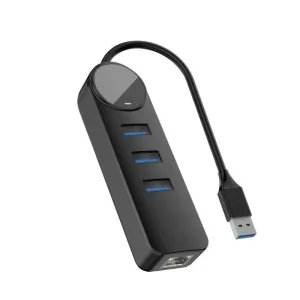
In modern computer network engineering, connectivity bottlenecks frequently arise when modern systems interface with legacy architectures or when compact industrial computer systems lack integrated PCI Express slots or RJ45 network terminals. A USB 2 to LAN (Local Area Network) adapter serves as a crucial hardware bridge. By converting a standard USB 2.0 interface into a Fast Ethernet connection (100 Mbps, base-TX), these devices enable continuous, reliable, and secure network data transmissions.
While the market has evolved towards USB 3.0 and Gigabit (1000 Mbps) Ethernet protocols, USB 2.0 (480 Mbps) to LAN adapters remain a staple in B2B and industrial supply chains. Why? Because Fast Ethernet (100 Mbps) architecture matches the physical payload transmission of the vast majority of industrial, POS (Point of Sale), IoT, and embedded controllers. Designing boards with USB 2.0 physical layer controllers is considerably more cost-efficient, consumes significantly less power, and generates minimal thermal dissipation—critical factors for continuous round-the-clock factory floor applications.
Wired LAN connections remain dominant in commercial settings due to the vulnerability of wireless networks (Wi-Fi, Bluetooth) to signal interference, multi-path fading, and security breaches. Enterprise IT infrastructures require reliable physical connections to prevent packet loss. B2B enterprises leverage USB to LAN adapters to support legacy devices without built-in network interface cards (NICs).
Additionally, modern ultra-slim laptops, tablets, and mini-PCs (NUCs) have eliminated native RJ45 ports to reduce profile dimensions. In corporate environments, security protocols frequently block Wi-Fi access for secure administrative servers, making external USB to LAN adapters the standard interface for system setup, firmware upgrades, and persistent terminal diagnostic monitoring.
Industries such as healthcare, logistics, smart warehousing, and maritime cargo rely heavily on custom physical connectivity solutions to route traffic to centralized PLCs (Programmable Logic Controllers) and supervisory control networks.
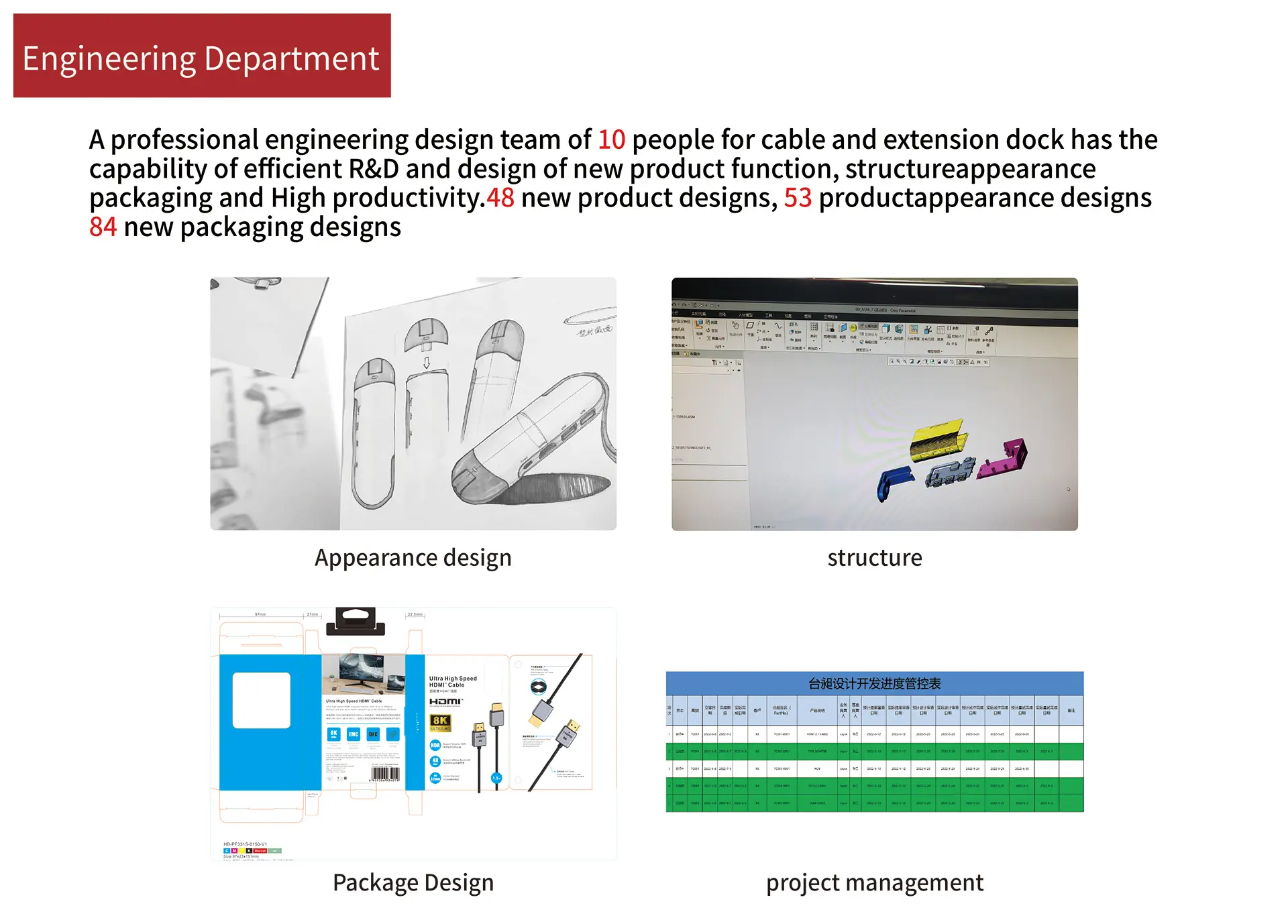
Founded in Keelung, Taiwan in 1984 as Tonetron, our manufacturing organization has accumulated nearly four decades of expertise. Relocating to our dedicated, self-built production park in Dalingshan Town, Dongguan City, China in 1993, we restructured as Dongguan Taitron Electronics Limited. We have transitioned from standard analog and RF connectivity wires to high-density digital communication pipelines, including HDMI 2.1, DP 2.0, USB4, USB-C 3.1 Gen 2 hubs, and custom USB 2 LAN chip integrations.
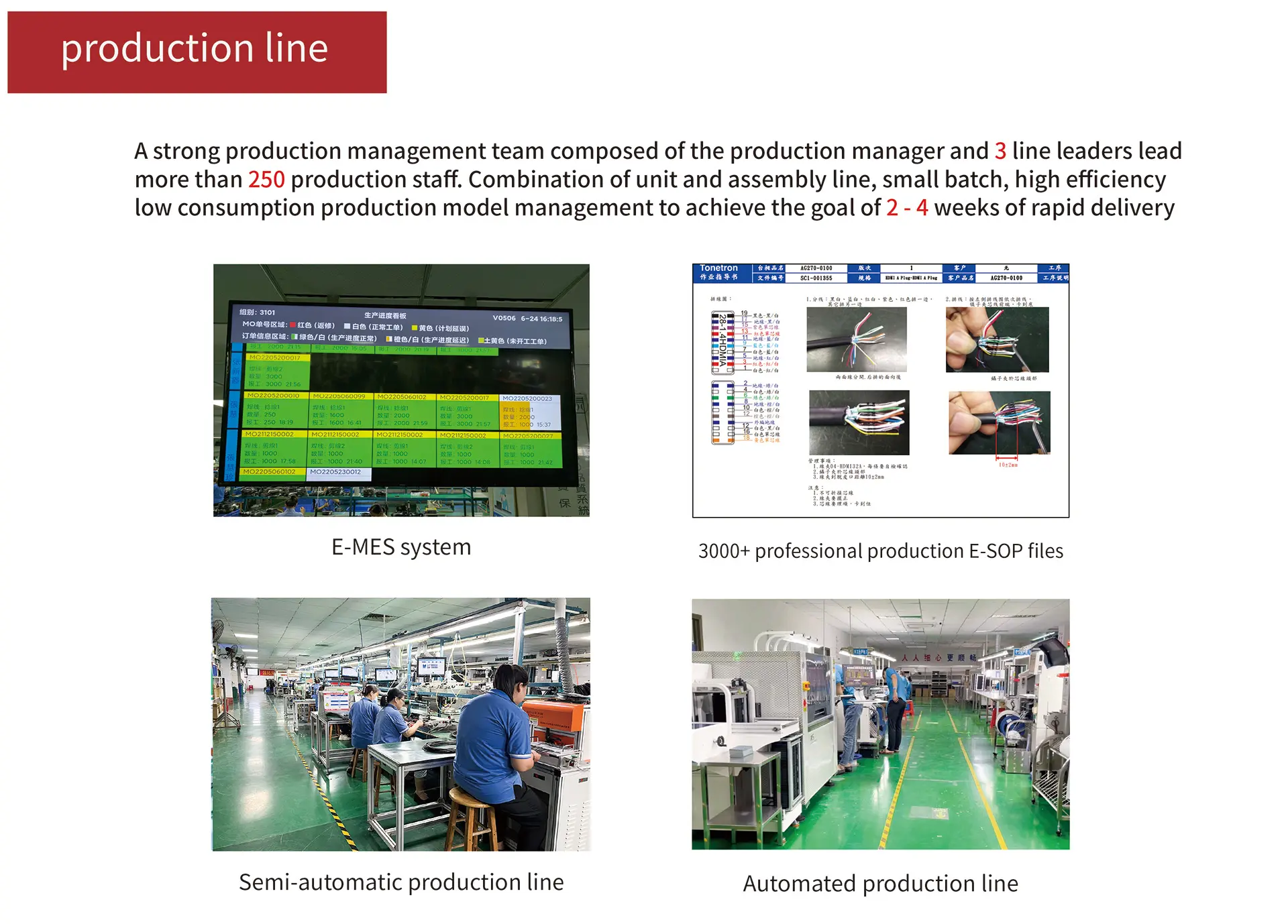
From raw copper drawing, wire twisting, double-shielding wrapping to SMT (Surface Mount Technology) component layout and automated shell molding, our entire system is vertically consolidated in Dongguan.
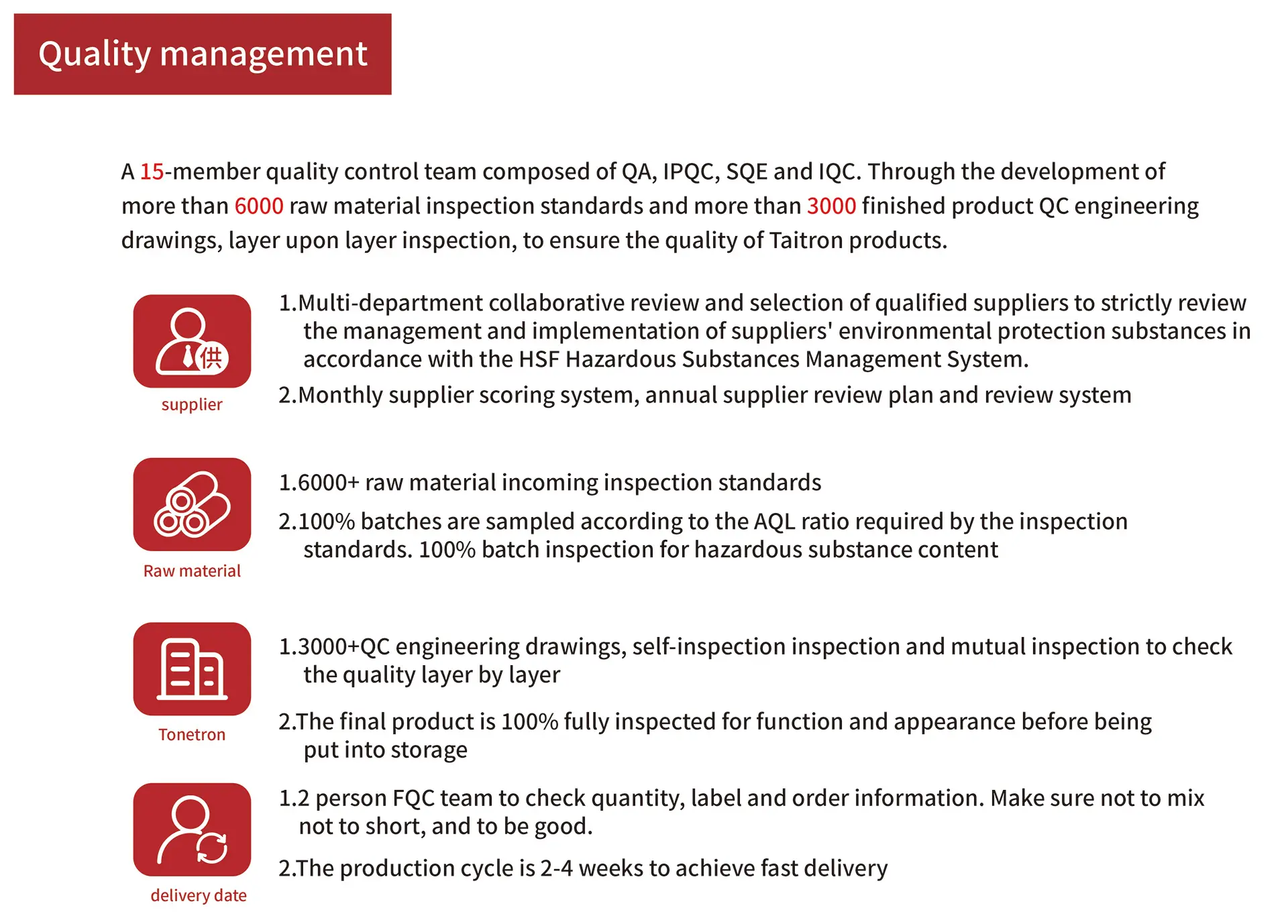
Every production run undergoes strict electrical impedance checking, high-voltage insulation tests, signal integrity analysis, and actual device handshake loopback checks to guarantee zero field failure rates.
Equipped with internal industrial engineers, electrical design laboratories, and custom tooling machinery, we rapidly design, mockup, and certify tailored adapter structures for diverse markets.
Enterprise procurement needs vary drastically by environment. Standard consumer-grade plastic USB adapters fail under severe operating stresses. Thus, customized solutions are designed to handle specific field environments:
Many legacy machinery units and PLCs feature only standard USB interfaces, yet need to route diagnostic log streams to automated manufacturing execution systems (MES). Ruggedized USB to LAN adapters with ESD (Electrostatic Discharge) shielding protect against high-voltage static transients common on factory floors.
Hospital equipment like diagnostic ultrasound carts or legacy ECG units require dedicated wired connections to send patients' records to HIPAA-compliant central data servers. We develop customized shielding configurations to prevent interference with sensitive biomedical imaging scanners.
Modern POS systems use tablets or thin client stations. Wi-Fi drops at peak cash register checkout hours lead to lost sales. Custom USB 2.0 to LAN adapters offer consistent, reliable hardwired internet for card scanners, ticket printers, and customer monitors in one compact space.
| Parameters | Standard Retail Adapters | Taitron Industrial Custom Solutions |
|---|---|---|
| PHY/MAC Chipset | Generic Non-Branded Controllers | Realtek RTL8152B / ASIX AX88772C (Genuine Industrial Grade) |
| ESD Protection | Standard air gap limits (<4kV) | IEC 61000-4-2 Level 4 (Contact: ±8kV, Air: ±15kV) |
| Operating Temp Range | 0°C to 45°C | -40°C to +85°C (Industrial-grade components) |
| Jacket Material | Thin PVC (Prone to structural degradation) | Flame-retardant LSZH / High-flexibility TPE / Braided Nylon |
| Shell Housing | ABS Plastic (Easily cracked) | Anodized Aluminum Alloy / Robust Zinc Alloy Shells |
| Firmware Customization | None (Generic Vendor ID / Product ID) | Custom PID/VID, specific MAC address range configurations |
As technology advances, B2B procurement managers must consider changing technical standards. The industry is moving toward USB-C physical interfaces while keeping internal systems running on USB 2.0 or USB 3.0 protocols. This configuration allows newer laptops and tablets to connect to legacy network systems without using extra dongles. Additionally, custom drivers are now pre-installed (driverless plug-and-play) on Android, iPadOS, ChromeOS, Windows, and Linux kernels.
Another emerging trend is **Power over Ethernet (PoE)** bypass capabilities and isolated magnetics. High-end custom USB to LAN adapters now incorporate magnetic isolation modules (up to 1.5kV) to shield critical motherboard processors from electrical surges across long-distance Ethernet runs.
 Taichang Electronic