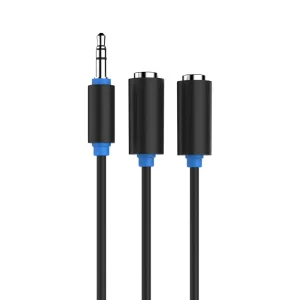
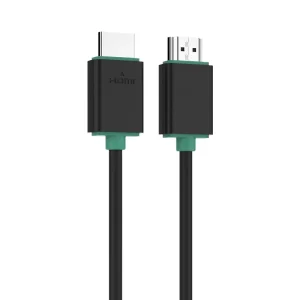
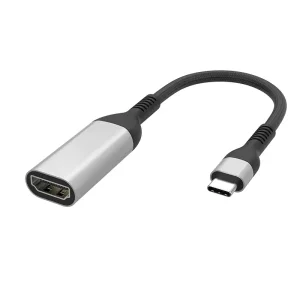
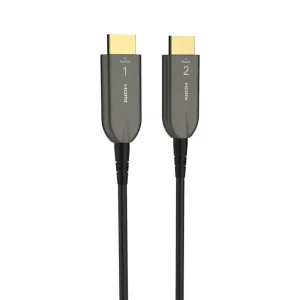
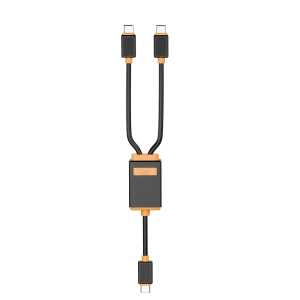
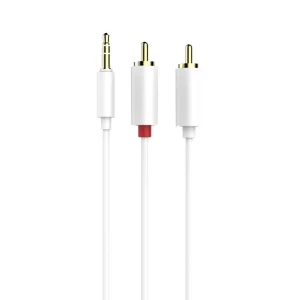
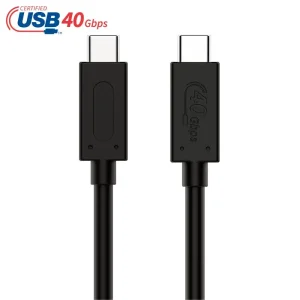
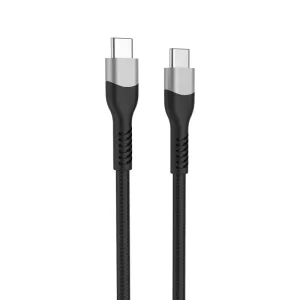
Expertly engineered high-performance audio, video, and data transmission components.
The Legacy of Dongguan Taitron Electronics Limited (Formerly Tonetron)
In the highly competitive world of connectivity hardware, reliability and experience dictate the standard. In 1984, Dongguan Taitron Electronics Limited., formerly known as Tonetron, was founded in Keelung, Taiwan. Driven by the vision of optimizing transmission technologies, the company built a strong foundation in manufacturing professional video and audio peripheral equipment connection lines. Recognizing the need to scale production capacities and leverage advanced manufacturing ecosystems, the company relocated to a self-built, independent production industrial park in Dalingshan Town, Dongguan City, China in 1993, transitioning to the unified name of Dongguan Taitron Electronics Limited.
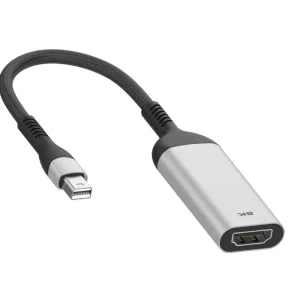
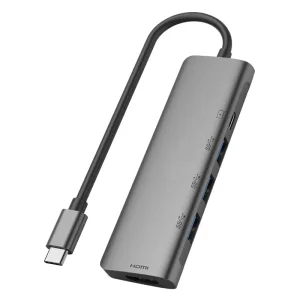
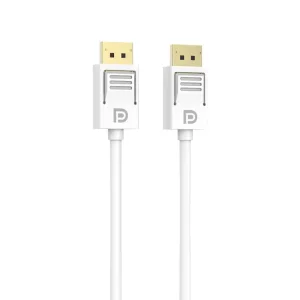
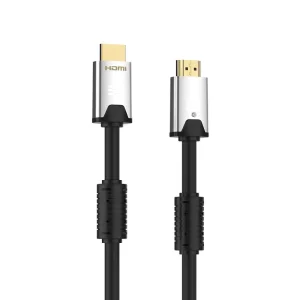
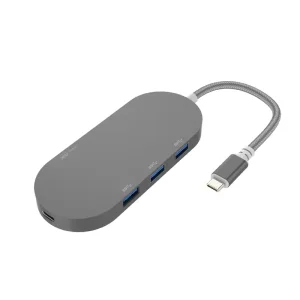
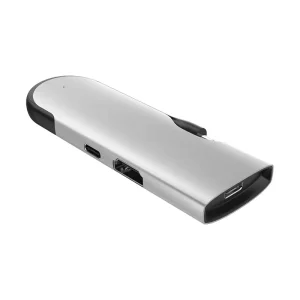
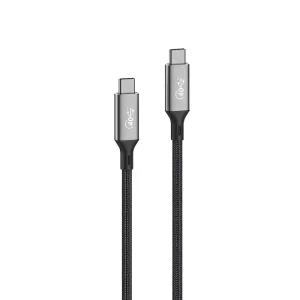
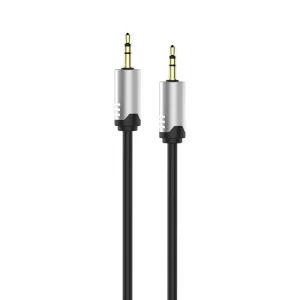
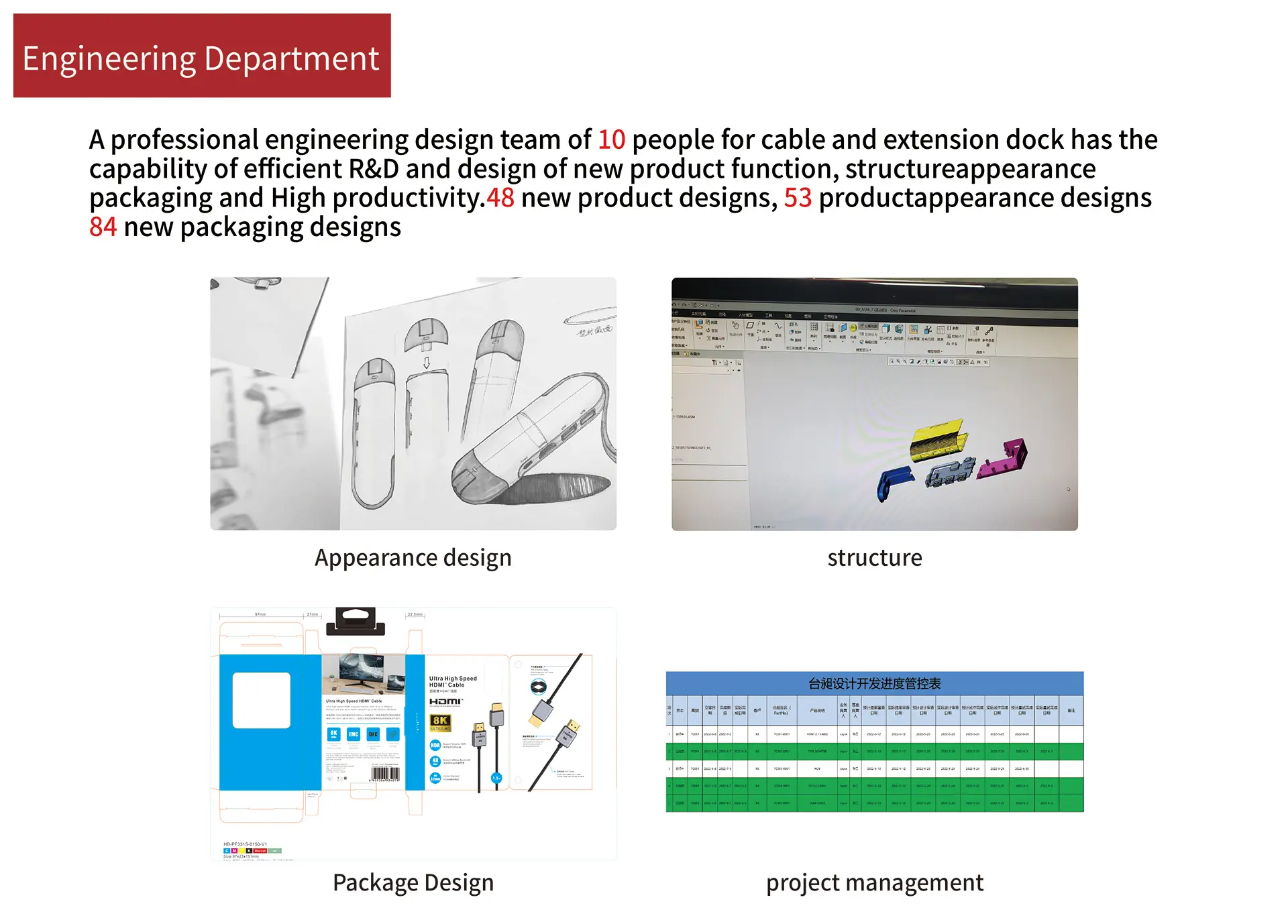
Through systematic iterations, Taitron has transformed its engineering capabilities from standard analog peripheral cables into next-generation digital interface solutions. Today, our research and development specializes in high-speed, high-bandwidth connection systems including HDMI 2.1 cables, DisplayPort (DP) 2.0 cables, USB4 high-frequency data lines, USB-C 3.1 Gen 2 systems, high-power USB Power Delivery (PD) charging cables, 8K ultra-high-definition conversion systems, and multi-functional Type-C expansion docks. Our infrastructure covers full-cycle design, tooling development, precision injection molding, automated soldering, and dual-shielding assembly lines.
How Vertical Integration & Cluster Manufacturing Optimize Custom USB Sourcing
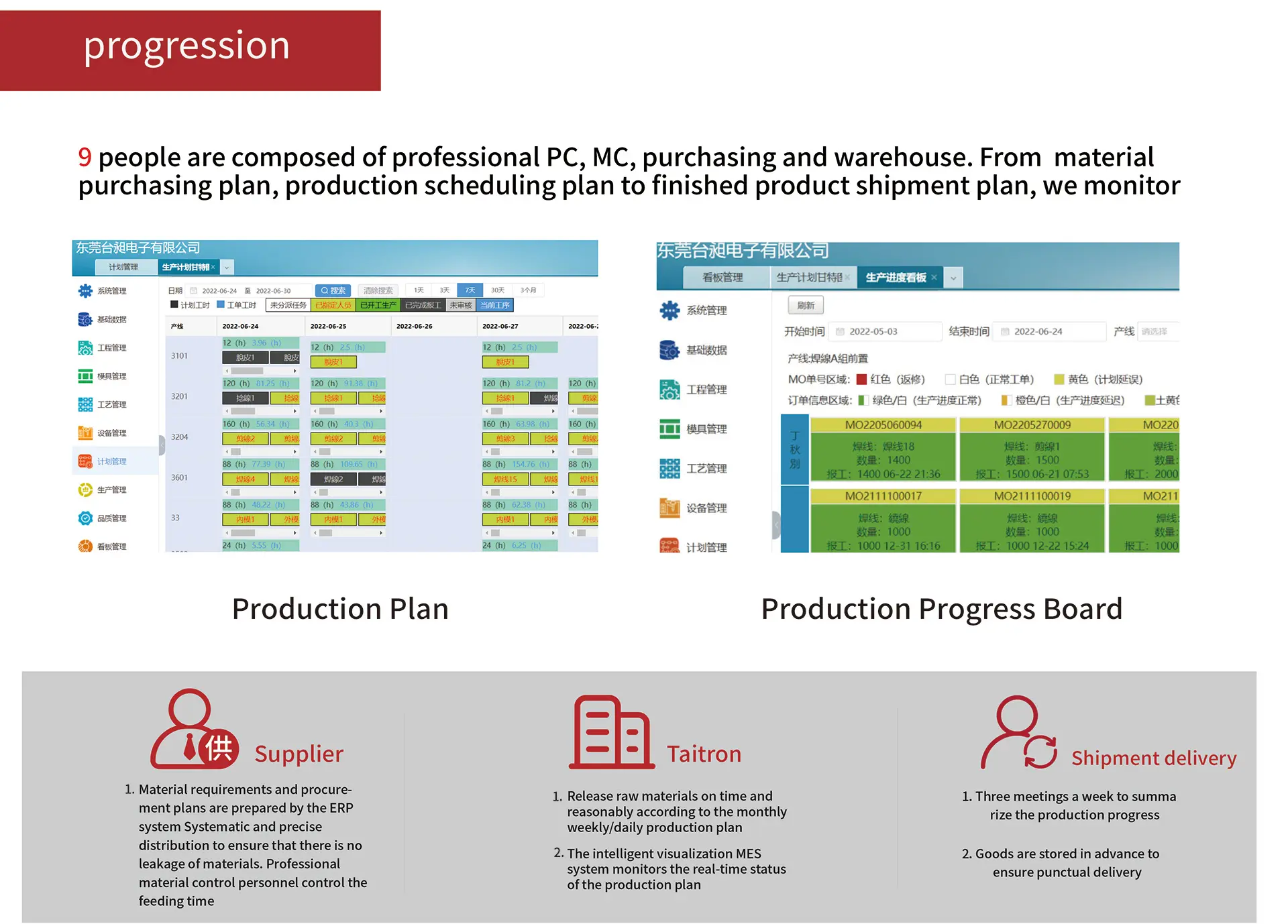
Enterprise procurement managers understand that cost-effective manufacturing is not just about labor arbitrage; it is about ecosystem density. Situated in Dalingshan Town, Dongguan, Taitron operates at the epicentre of the world's most concentrated electronics supply chain. This localized integration enables unprecedented operational efficiency:
Direct partnerships with regional copper refineries, polymer compounding factories, and packaging manufacturers drastically reduce standard lead times for custom materials.
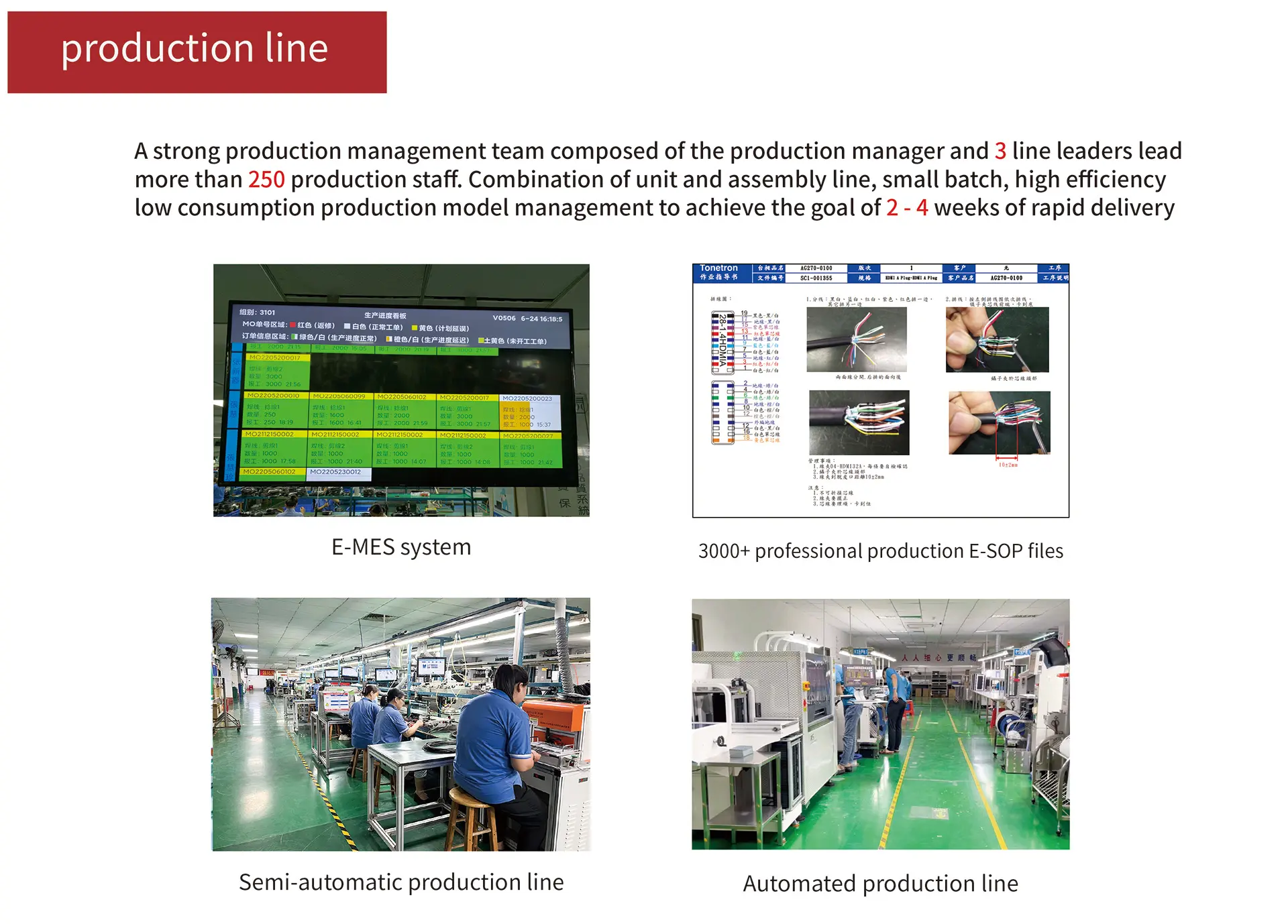
We deploy high-precision automatic laser stripping systems and automated coaxial soldering platforms to maintain trace consistency and limit manual manufacturing errors.
Our in-house tool shop provides custom overmolding designs, logo debossing, and internal shield molding options to match specific corporate industrial designs.
| Manufacturing Stage | Legacy Sourcing Approach | Taitron Integrated Supply Optimization | Enterprise Procurement Value |
|---|---|---|---|
| Coaxial Cable Extrusion | Outsourced to third-party wire mills | In-house high-speed Physical Foaming lines | Zero fluctuation in impedance (90Ω ± 5Ω standard) |
| Connector Terminal Assembly | Manual hand-soldering of microscopic pins | Precision automatic pulse laser welding systems | Elimination of cold joint failure; extended insertion life |
| Double Shielding (EMI/RFI) | Single layer foil or sparse copper braiding | 128-wire high-density braid plus dual-layer Al-Mylar | Passes rigorous FCC and CE electromagnetic tests |
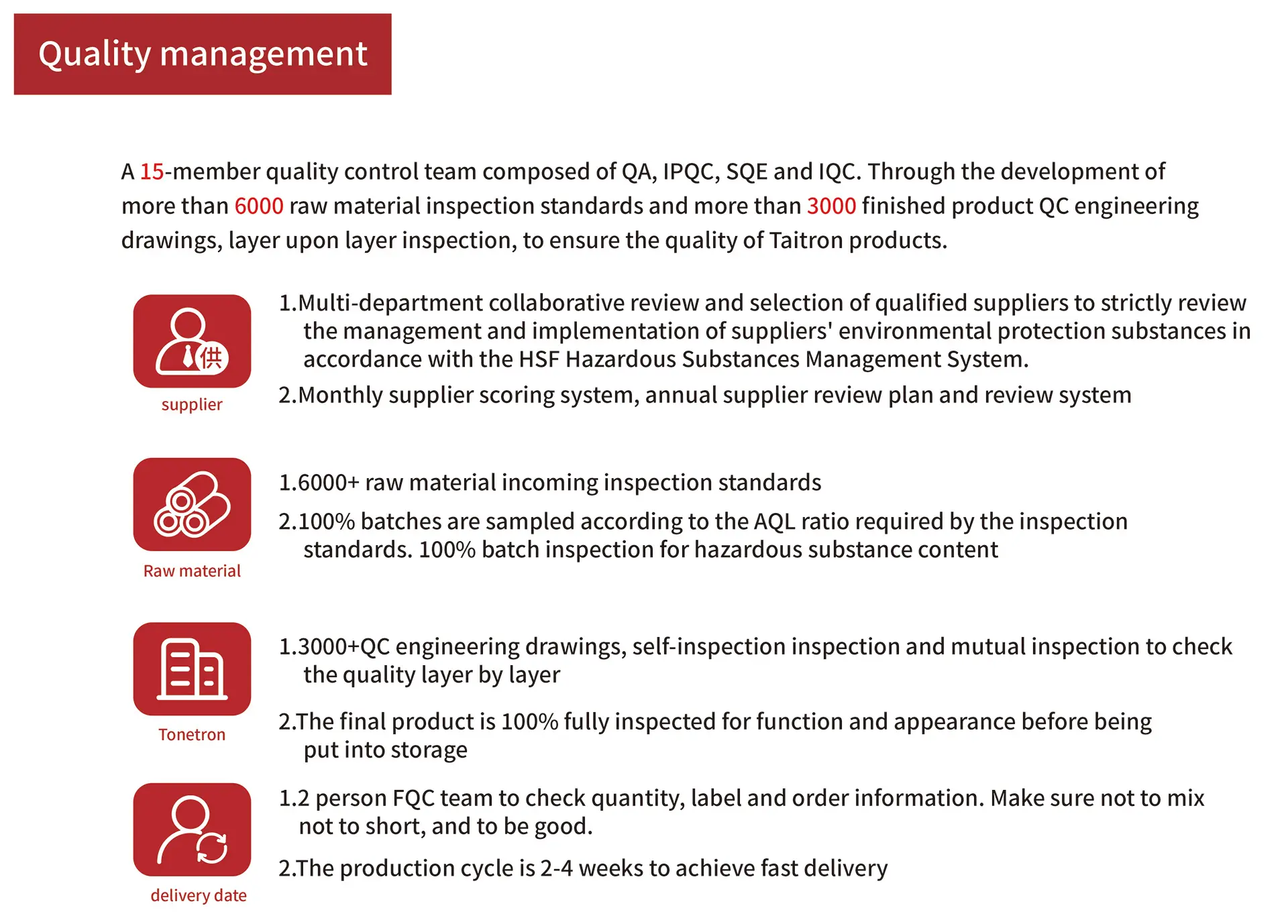
| Quality Validation | Sample checks using basic continuity testers | 100% automated Eye Diagram & TDR tests via network analyzers | Defect rate reduced below 0.05% for volume orders |
Demystifying Power Delivery (PD) 3.1, Extended Power Range (EPR), and Signal Attenuation
Selecting custom USB cables and adapters involves evaluating complex electromagnetic and mechanical properties. Sourcing professionals must navigate various metrics beyond physical cable length:
Modern high-performance USB-C lines carry up to 240W of Power Delivery (PD 3.1 EPR, 48V/5A). Standard cables with insufficient wire gauge (AWG) generate significant resistance, resulting in thermal throttling or device damage. Taitron utilizes pure copper conductors (typically 20AWG to 24AWG for power cores) paired with integrated E-Marker chips to negotiate high-power profiles safely.
At transmission rates like 40Gbps (USB4) or 80Gbps (USB4 v2.0), cables act as high-frequency waveguides. Minimal physical deviations can cause phase skew or signal reflection. Our manufacturing process controls physical foaming and insulation extrusion to precise tolerances, keeping return loss within strict dB boundaries.
Custom USB systems for aerospace, automotive, or medical interfaces require heavy-duty jacket compounds. Standard PVC degrades under UV exposure or flexing. We offer customizable jacket formulations:
• Thermoplastic Elastomer (TPE): Ultra-flexible, hypoallergenic, ideal for cleanrooms and medical equipment.
• Braid Reinforced Nylon: High tensile strength, wear-resistant, perfect for industrial environments.
• Low Smoke Zero Halogen (LSZH): Flame retardant, safe for marine and public transport systems.
Navigating Regulatory Standards and Technical Accountability Across Markets
Importing connectivity hardware involves navigating strict regulatory environments. Taitron simplifies this process by providing comprehensive documentation and localization support:
All production lines follow electromagnetic compatibility (EMC) testing protocols, ensuring compliance with EN 55032 and Part 15 Subpart B limits.
Taitron enforces rigorous chemical screening. We keep lead, cadmium, mercury, and phthalates within limits, facilitating trouble-free imports into EU zones.
We design custom pin assignments to comply with USB-IF specs. This preserves link stability, protects devices, and avoids trademark issues at customs.
Where High-Performance Connectivity Solutions Meet Industrial Demands
Custom USB assemblies are not limited to consumer electronics. Industrial and specialized deployments demand custom form factors and electrical attributes:
In-vehicle entertainment and navigation modules require robust cables. Taitron designs custom USB lines that resist engine vibration, withstand temperature extremes (-40°C to +105°C), and utilize specialized locking mechanisms to prevent accidental disconnects.
High-resolution medical imaging devices depend on continuous, error-free data feeds. Our USB-C to HDMI adapters and display cables are built with extra shielding layers to minimize interference with sensitive medical sensors.
Modern meeting spaces rely on centralized docks to route power, data, and video. Taitron's multi-functional Type-C adapters enable clean desktop designs by integrating high-speed data pipelines with 4K display connectivity and Power Delivery pass-through.
USB4 v2.0, DisplayPort 2.1, and the Era of High-Bandwidth Ecosystems
Interface technology continues to evolve rapidly. The emergence of USB4 v2.0 (80Gbps / 120Gbps asymmetric transmission) and DisplayPort 2.1 requires significant updates to cable architecture. Standard twisted-pair cabling is reaching its physical limits, driving the industry toward coaxially wound shielding configurations.
Taitron is actively adapting to these shifts by investing in high-frequency validation equipment. Our research and development focuses on managing copper core skin effects at high frequencies, optimizing shielding, and ensuring backward compatibility with legacy protocols. This research ensures our custom products remain relevant as enterprise IT departments upgrade to newer platforms.
Answers to Core Procurement, Engineering, and Manufacturing Questions
Explore our industrial-grade USB, DisplayPort, HDMI, and audio conversion systems.
 Taichang Electronic