Premium performance components, built to demanding hardware specs with industrial-grade reliability.

Strategic analysis of why the DP 1.2 specification remains a critical standard in legacy and cost-optimized system integrations.
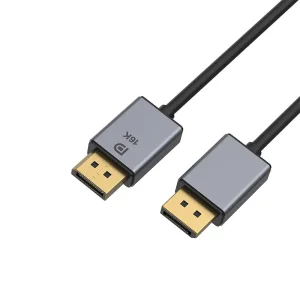
In the rapidly advancing landscape of high-definition video distribution, digital signaling standards like DisplayPort 2.1 and HDMI 2.1 dominate technology headlines. However, for volume-based enterprise procurement, system integration, and commercial hardware deployment, the DisplayPort 1.2 (DP 1.2) specification continues to be one of the most reliable and cost-effective interface protocols. With a raw bandwidth threshold of 21.6 Gbps and support for Multi-Stream Transport (MST), DP 1.2 provides the exact specifications needed for 4K video displays at 60Hz without incurring the premium licensing and manufacturing costs of newer protocols.
Procuring from verified discount DP 1.2 spec manufacturers allows global enterprises, commercial installers, and hardware distributors to maximize their margins while guaranteeing signal integrity, compatibility, and longevity. This whitepaper analyzes the physical layer architecture of DisplayPort 1.2, demonstrates the strategic advantages of relying on China-based manufacturing hubs, and highlights structural solutions that align with the rigorous requirements of international buyers.
Understanding the physical and data link layers of DP 1.2 is crucial for quality assurance engineers. By operating on four physical data lanes using High Bit Rate 2 (HBR2) transmission speeds, DP 1.2 supports highly detailed color configurations and fast refresh rates. Below is a comparative specification matrix designed to assist system integrators in deciding where DP 1.2 represents the optimal performance-to-cost ratio.
| Specification Parameter | DisplayPort 1.2 (HBR2) | DisplayPort 1.4 (HBR3) | DisplayPort 2.0 / 2.1 (UHBR) |
|---|---|---|---|
| Launch Year | 2010 | 2016 | 2019 / 2022 |
| Maximum Raw Bandwidth | 21.6 Gbps | 32.4 Gbps | 80.0 Gbps |
| Maximum Active Data Rate | 17.28 Gbps | 25.92 Gbps | 77.37 Gbps |
| Max Single Display Output | 4K @ 60Hz (8-bit color) | 8K @ 30Hz (no DSC) / 4K @ 120Hz | 16K @ 60Hz (with DSC) |
| Multi-Stream Transport (MST) | Supported (up to 4 screens) | Supported (improved bandwidth) | Supported (daisy-chain & MST) |
| Display Stream Compression (DSC) | Not Supported | DSC 1.2 Supported | DSC 1.2a Supported |
| Typical B2B Production Cost Index | Low (Baseline) | Medium (+30-45% over DP 1.2) | High (+150-300% over DP 1.2) |
An inside look at cost optimization, supply chain integration, and precision quality engineering in Southern China.
The manufacturing ecosystem of southern China, particularly centered around Dongguan and Shenzhen, offers structural advantages that cannot be replicated elsewhere. DP 1.2 cables and adapter configurations require strict compliance with signal attenuation limits, multi-layered shielding configurations, and physical durability standards.
As display panels transition toward higher refresh rates, the demand for DisplayPort 1.2 remains surprisingly stable in commercial environments. Hardware engineers recognize that while high-end PC gaming requires DP 1.4 or 2.1, standard enterprise workstations, POS terminals, medical diagnostic equipment, and administrative offices rarely exceed 4K resolutions or require more than 60Hz.
For mass deployments (e.g., hundreds of desk positions in call centers, bank branches, or government departments), selecting high-performance DP 1.2 cables over newer, more expensive protocols allows procurement directors to allocate budget to other critical components without sacrificing user display quality. Additionally, DP 1.2 offers backward compatibility with older legacy equipment, reducing the need for costly display hardware upgrades.
Analyzing localized applications, macro industry infrastructures, and quality assurance criteria.
Depending on the target market, DP 1.2 configurations adapt to distinct installation demands:
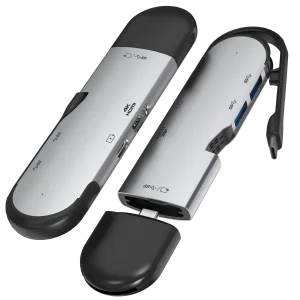
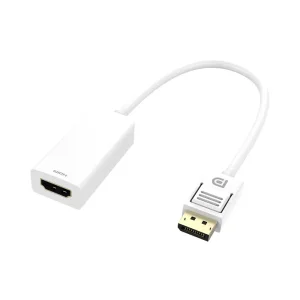
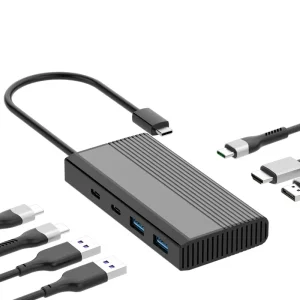
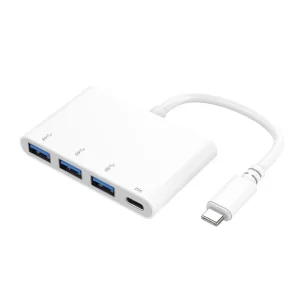
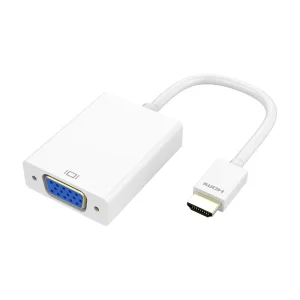
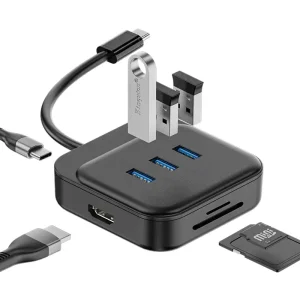
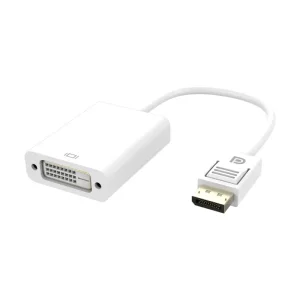
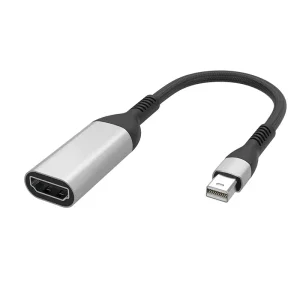
For modern enterprise architectures, hardware managers often implement hybrid connectivity setups. When connecting legacy equipment with modern display devices, high-quality converter cables like DP to HDMI 1080P/4K adapters or DP to DVI converters bridge the technology gap. Additionally, modern USB-C docking hubs utilize DisplayPort Alt Mode to distribute video streams through USB Type-C physical ports. By sourcing from a manufacturer with diverse product capabilities, purchasers can design efficient, unified connectivity networks that avoid the need for complete hardware replacements.
Over 38 Years of Precision Audio & Video Interconnect Engineering
In 1984, Dongguan Taitron Electronics Limited., formerly known as Tonetron, was founded in Keelung, Taiwan. In 1993, it moved to the self-built independent production industrial park in Dalingshan Town, Dongguan City, China, and changed its name to Dongguan Taitron Electronics Limited.
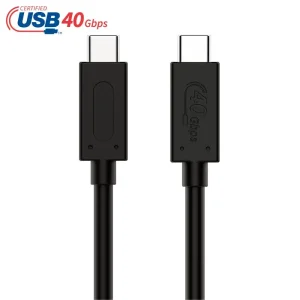
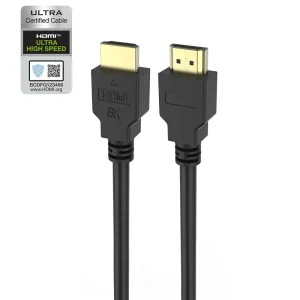
With 38 years of professional video and audio peripheral equipment connection line manufacturing experience, the company has built its foundation on reliable production. Over the decades, we have expanded our development and manufacturing capabilities to high-end audio and video cables, data cables, and connectivity accessories, including HDMI 2.1 cables, DP 2.0 cables, USB4 data cables, USB-C 3.1 Gen2 data cables, high-power USB charging cables, 8K HD conversion cables, and multi-functional Type-C expansion docks.
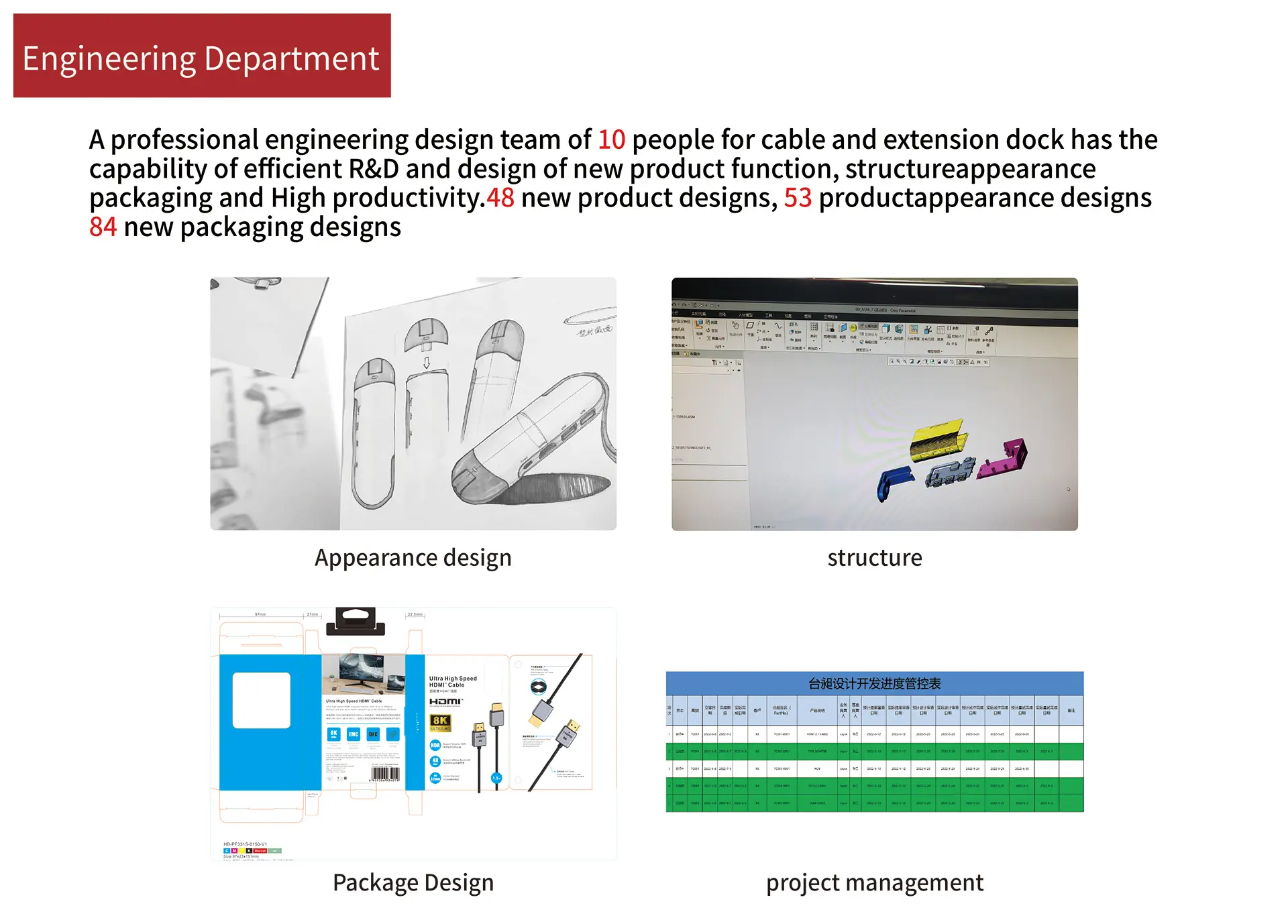
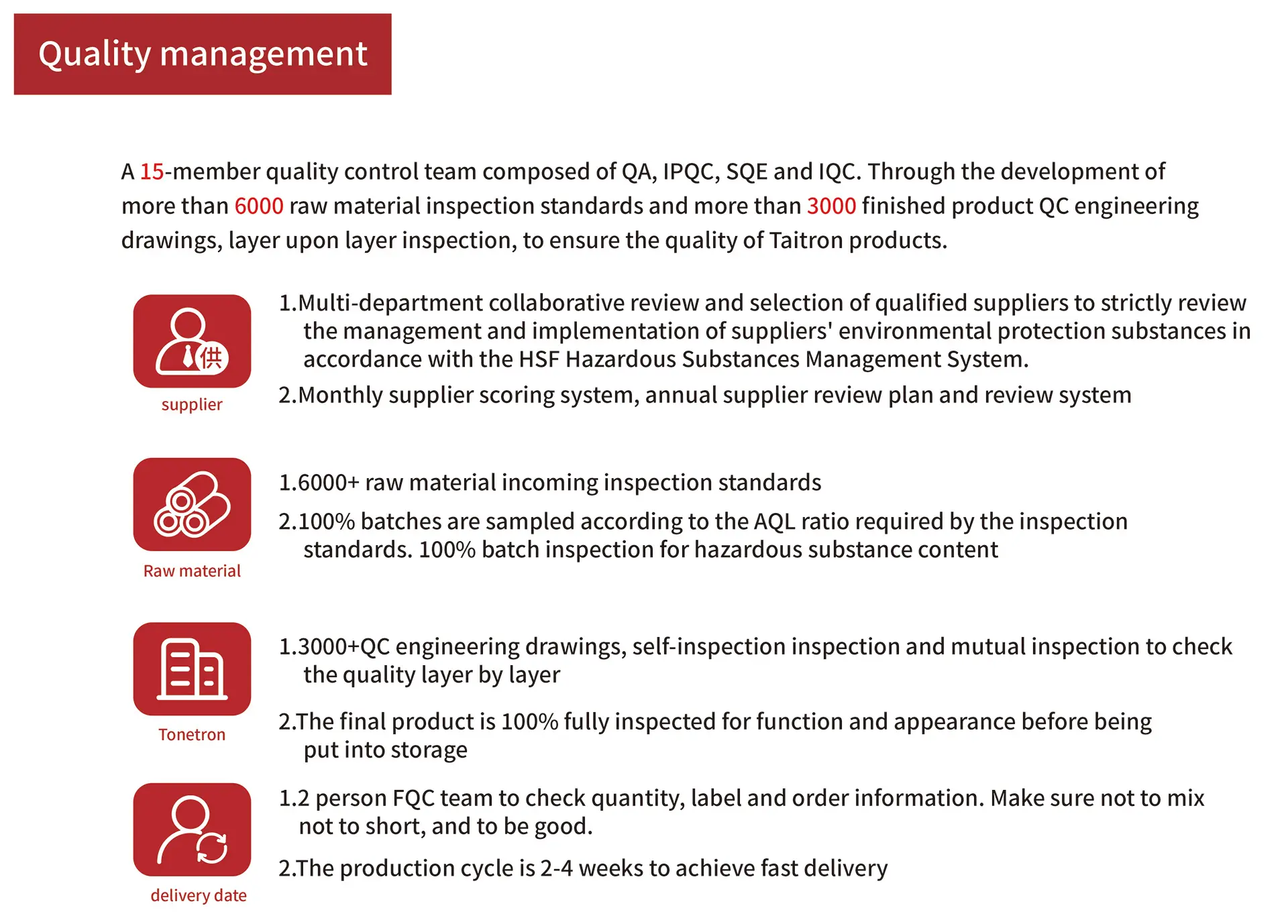
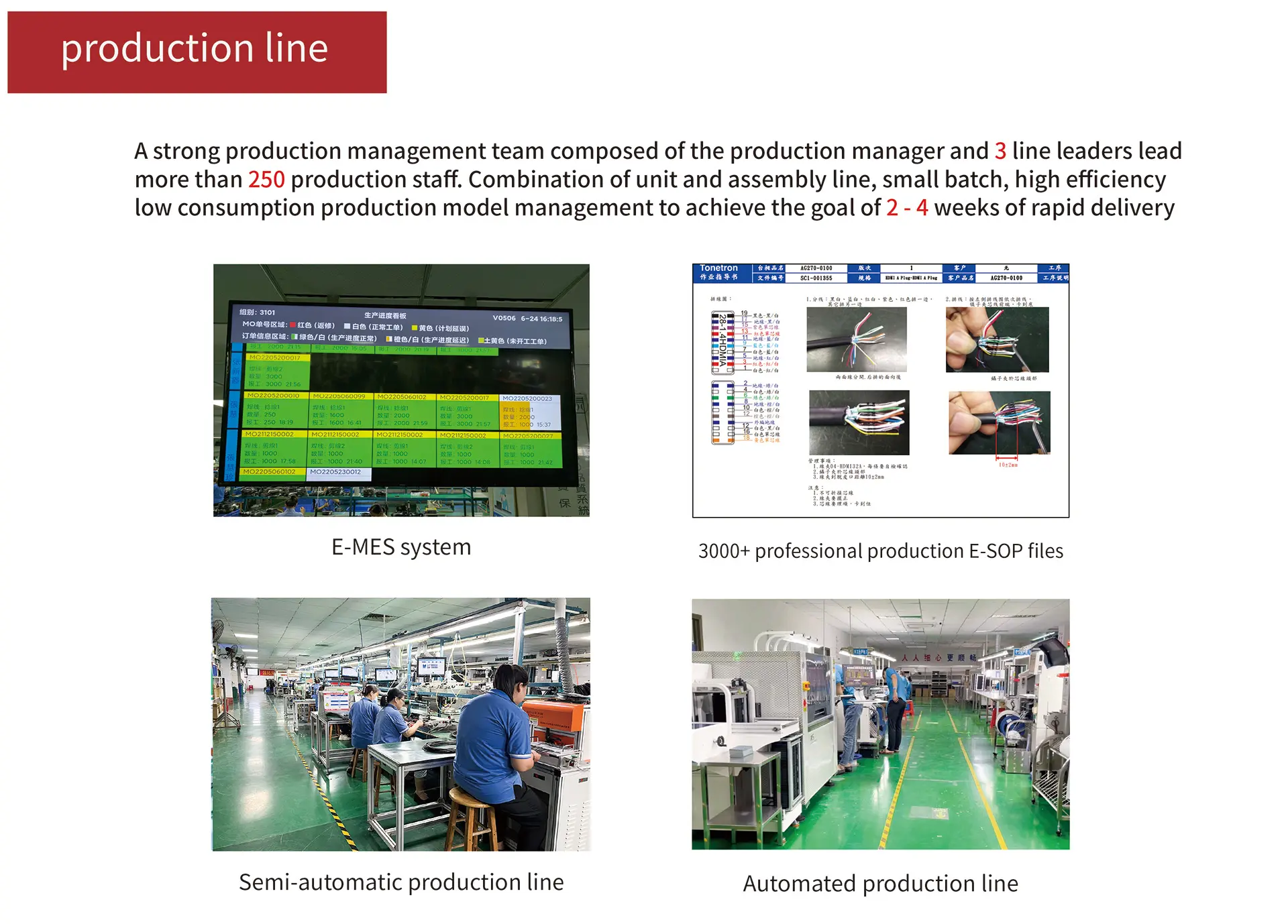
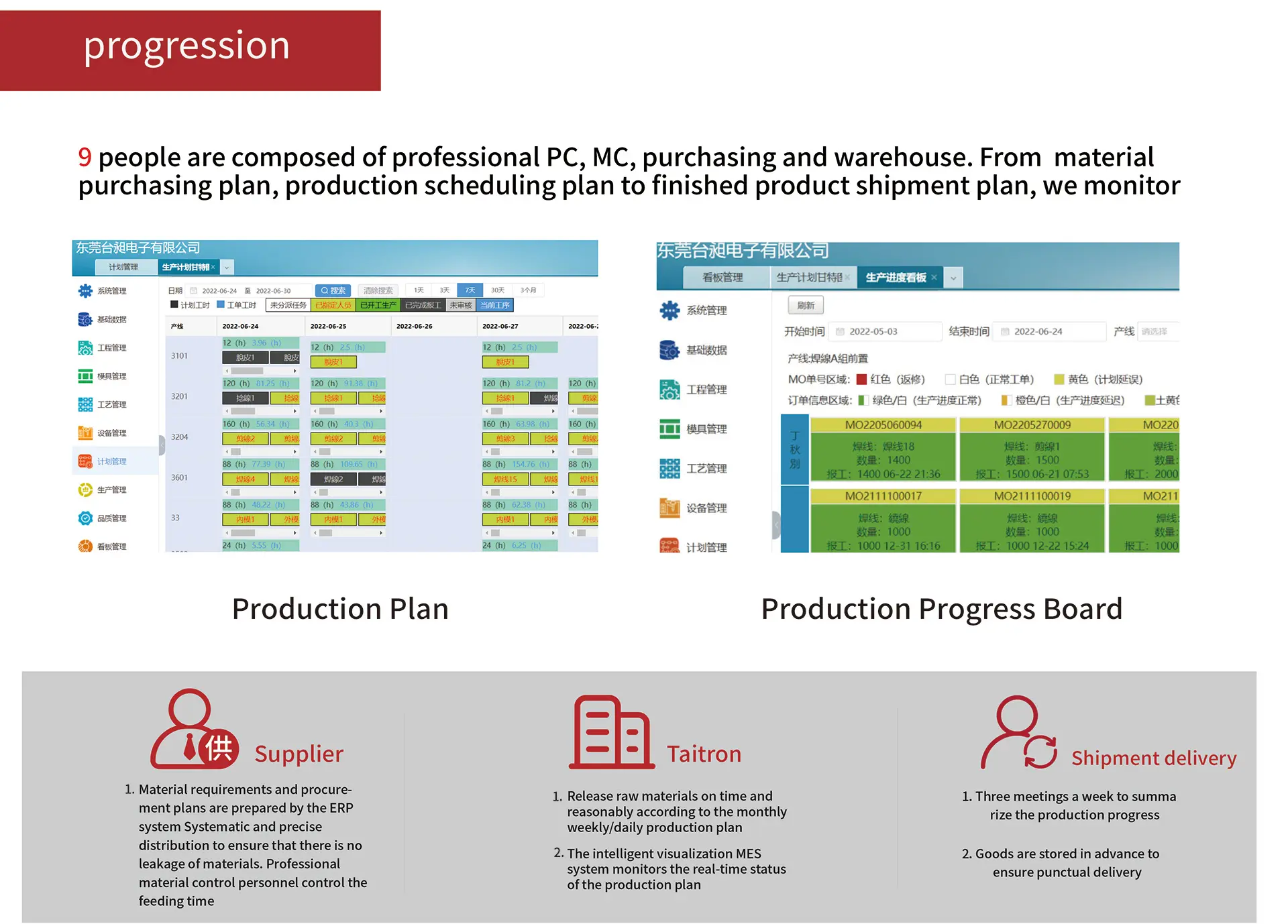
Our facility features advanced engineering departments, rigorous quality management setups, automated manufacturing machinery, and custom testing labs. This vertical integration allows us to offer competitively priced DisplayPort 1.2 components and modern high-speed adapters while maintaining strict quality control standardizations.

Expert answers to technical, production, and logistical questions frequently asked by wholesale buyers and engineers.
Explore our wider catalog of professional interconnect adapters, multi-port docking stations, and specialized wiring.
 Taichang Electronic