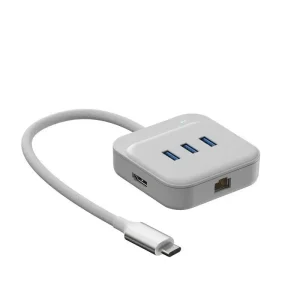
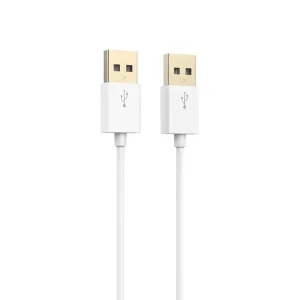
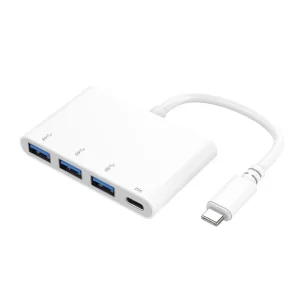
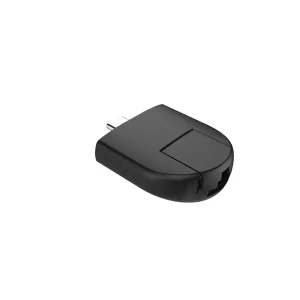
In today's hyper-connected enterprise environments, the reliance on high-speed, secure, and low-latency network connections has never been more critical. The ongoing transition to thinner devices—including modern ultrabooks, tablets, and lightweight IoT hardware—has resulted in the elimination of the traditional built-in RJ45 Ethernet port. This design shift has created a significant global demand for high-reliability, cost-efficient converters, specifically the USB-C to RJ45 Ethernet adapter. Enterprise clients, system integrators, and electronics distributors globally are recognizing that wireless connectivity (Wi-Fi), while convenient, cannot compete with the stability, throughput consistency, and packet security offered by a dedicated physical copper line.
Global B2B procurement data indicates that the industrial, telecommunications, and corporate office sectors require massive quantities of physical dongles and USB-C adapters to keep their workforces productive. From stock exchanges where milliseconds dictate financial losses to industrial automated factories where RF interference disrupts remote controls, the hardwired connection remains an absolute operational baseline. For sourcing directors, procuring a dependable, high-quality, and discount Ethernet adapter for USB-C from a certified manufacturer is no longer just a purchasing routine; it is a critical strategy to enhance IT infrastructure performance and control deployment costs.
A premium USB-C to Ethernet adapter is not merely a physical bridge between a Type-C plug and a female RJ45 jack. Inside, it houses a complex circuit board designed to execute high-speed data packet encapsulation and transmission. The core of this system relies on the Ethernet controller chipset—most frequently engineered by industry leaders such as Realtek (e.g., RTL8153, RTL8156) or ASIX (e.g., AX88179). These microchips process USB protocol data packets (USB 3.0 / USB 3.1 Gen 1) and translate them directly into standard IEEE 802.3 Ethernet frames.
Key engineering considerations during our manufacturing process include:
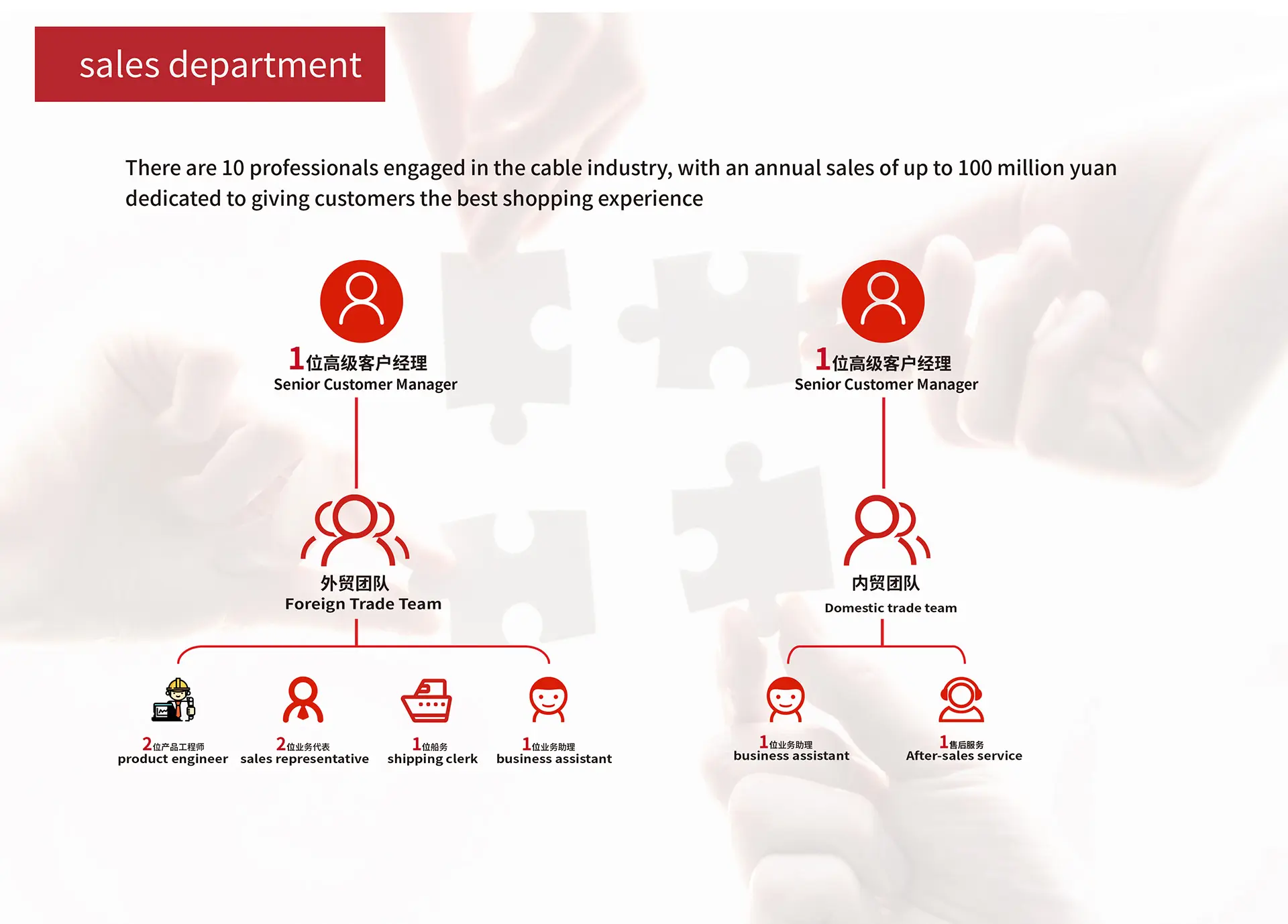
As a premier manufacturing hub, Dongguan, China offers an unparalleled geographical ecosystem for electronics production. The region boasts a highly integrated supply chain that spans raw copper processing, precision plastic tooling, state-of-the-art Surface Mount Technology (SMT) line sourcing, and specialized packaging development. When sourcing discount Ethernet adapters for USB-C, partnering directly with a localized factory like Dongguan Taitron Electronics allows global distributors to eliminate intermediaries and access direct-to-factory pricing.
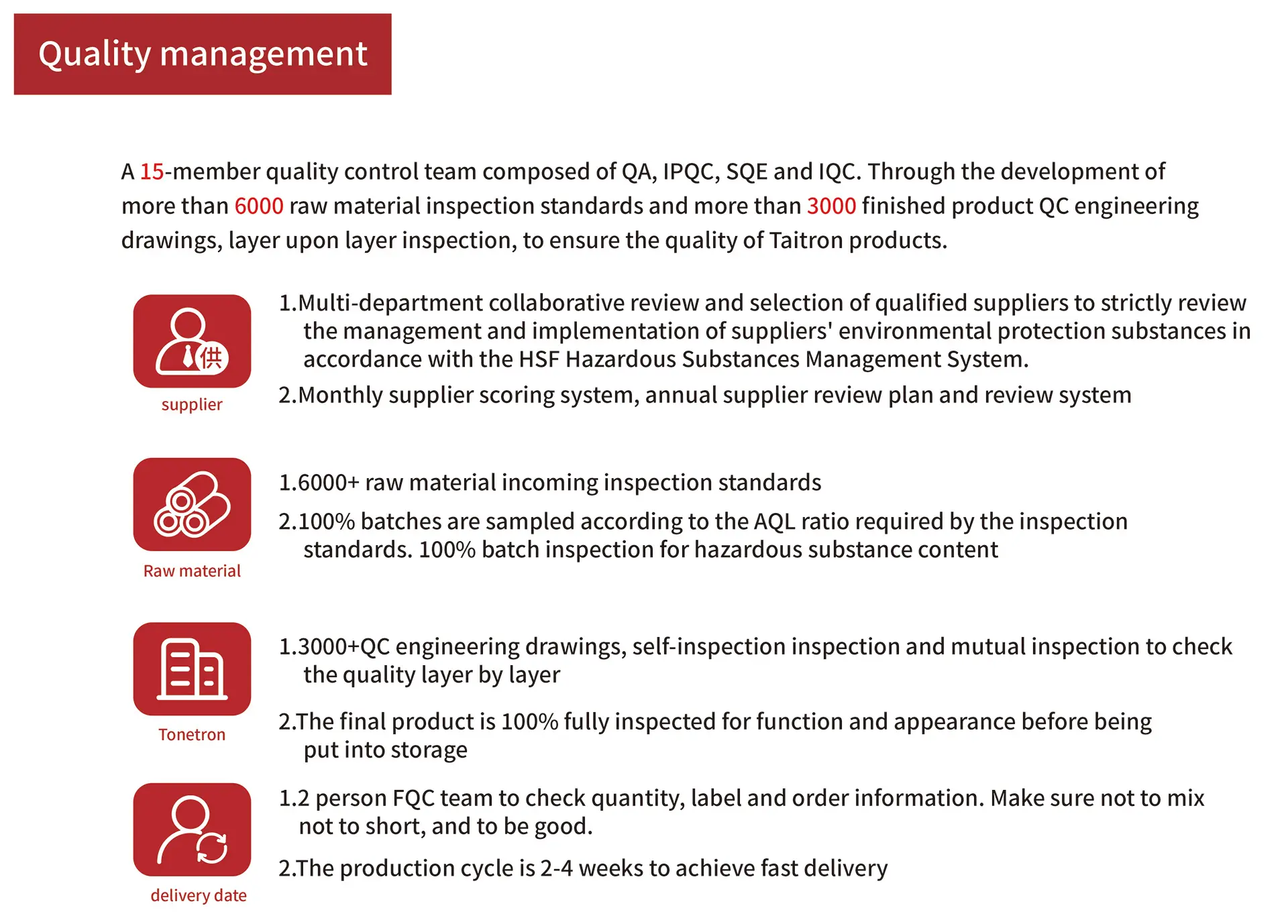
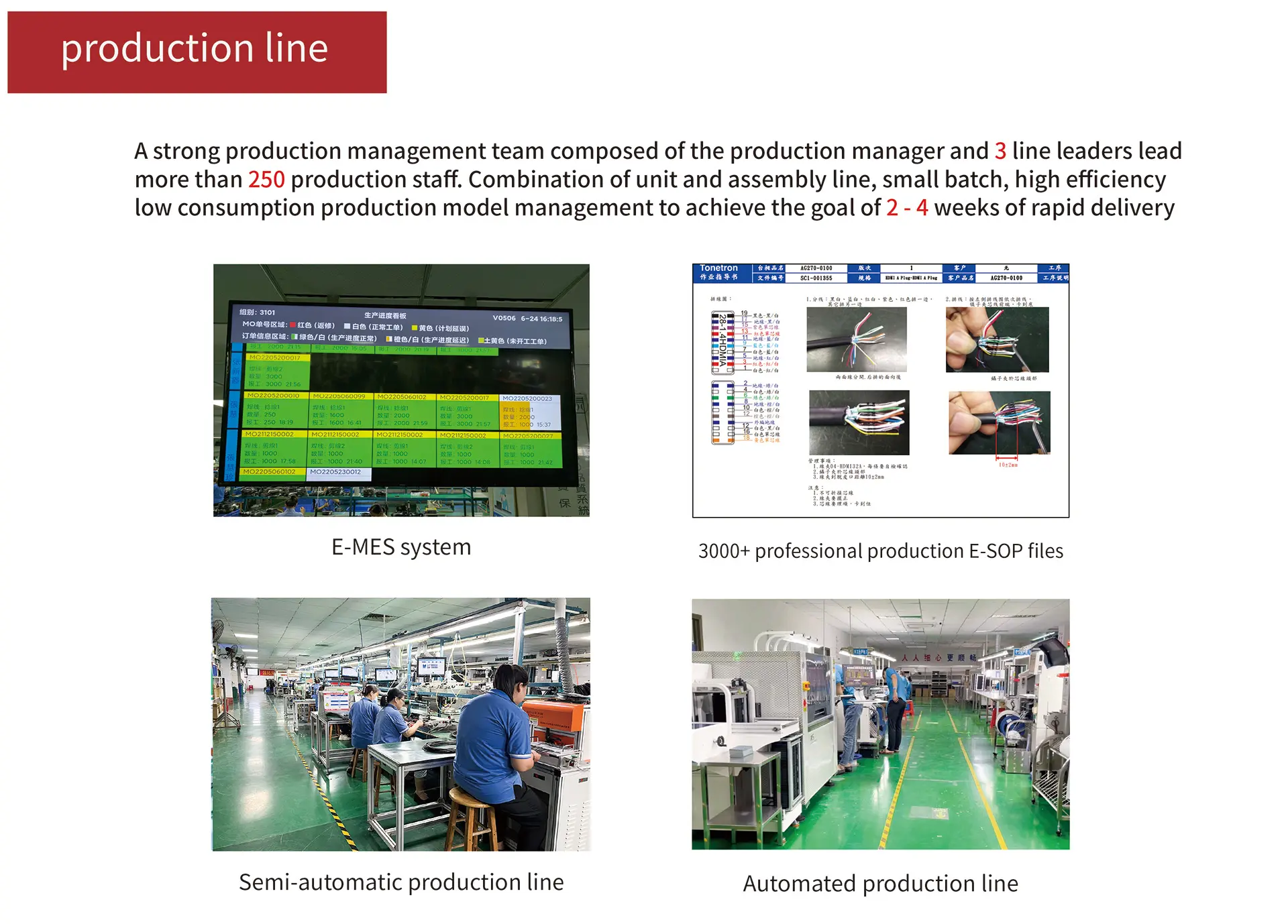
Our facility leverages extensive automation across its production lines, reducing labor overheads while maintaining strict consistency in quality. Automated soldering machines, automated optical inspection (AOI) equipment, and specialized cable testing machines ensure that every adapter leaving our warehouse conforms to design parameters. This optimization enables us to maintain a highly competitive price-to-performance ratio without sacrificing product lifetime or structural reliability.
Furthermore, our legacy of over 38 years in the high-fidelity cable and adapter manufacturing industry allows us to navigate raw material markets effectively. By holding long-term contracts with local metal refineries and semiconductor distributors, we safeguard our clients against unexpected pricing shocks and product delivery delays.
The application profile of USB-C Ethernet adapters spans numerous industrial, consumer, and corporate settings:
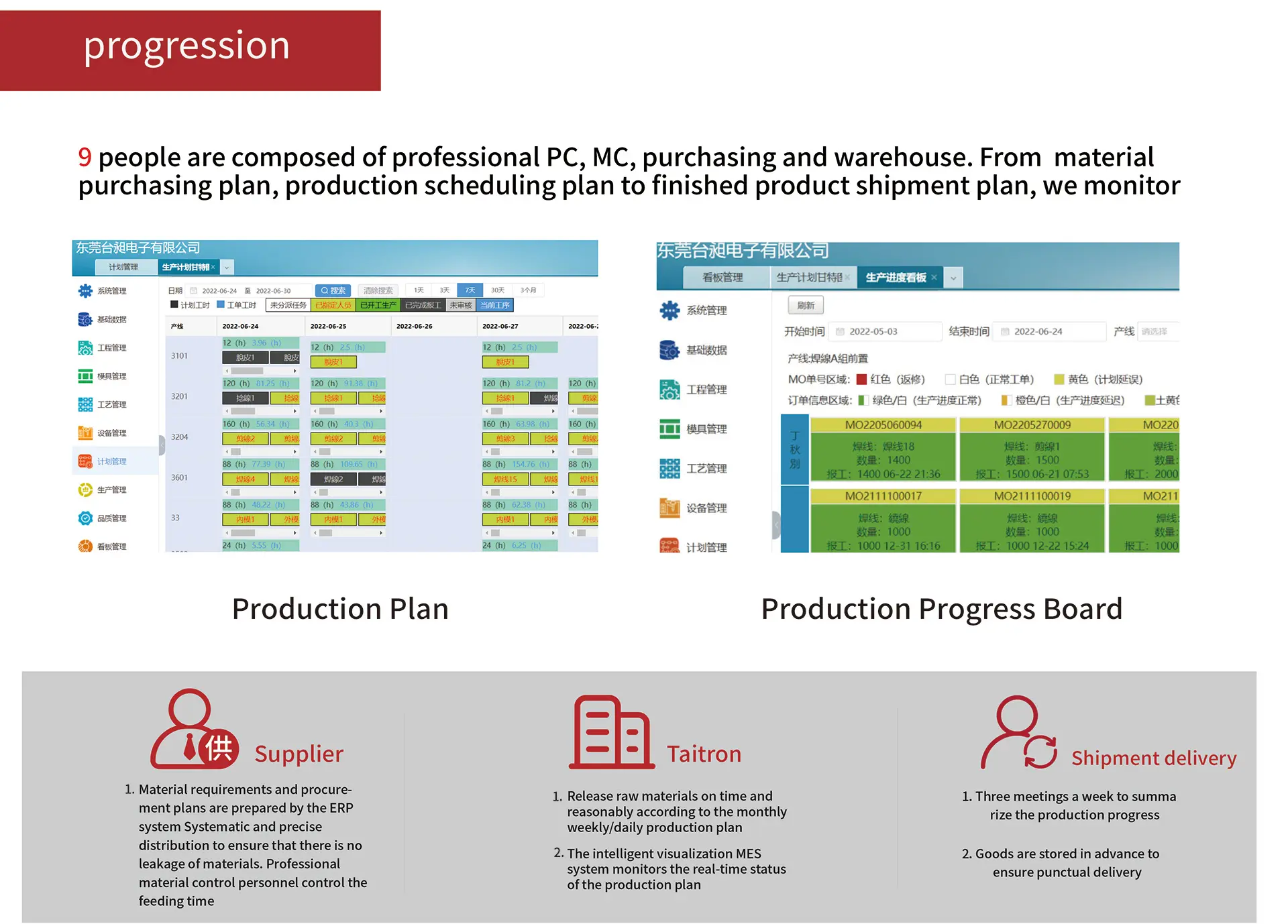
In 1984, Dongguan Taitron Electronics Limited., formerly known as Tonetron, was founded in Keelung, Taiwan. In 1993, it moved to the self-built independent production industrial park in Dalingshan Town, Dongguan City, China, and changed its name to Dongguan Taitron Electronics Limited.
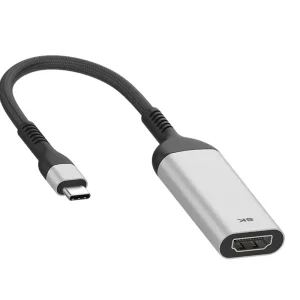
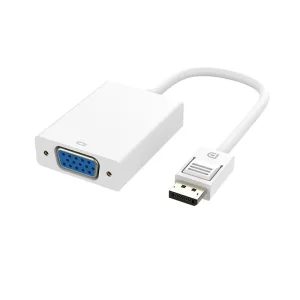
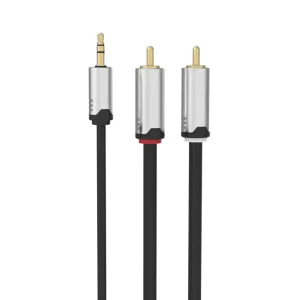
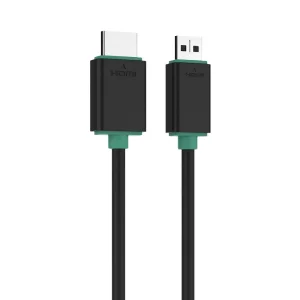
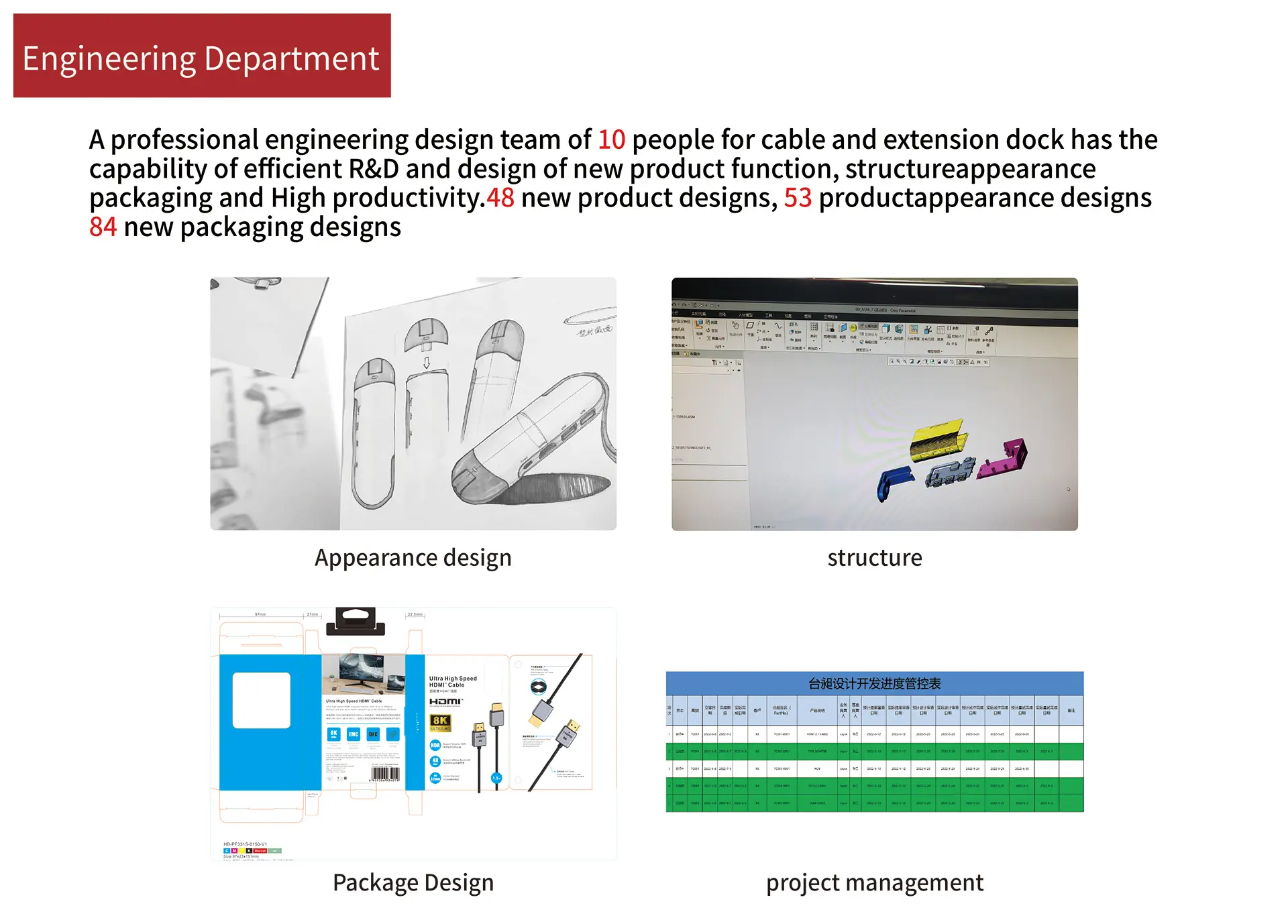
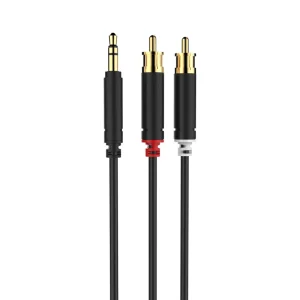
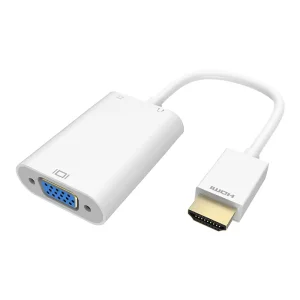
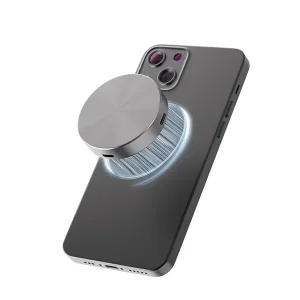
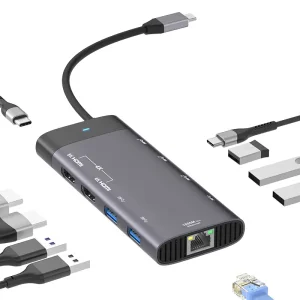
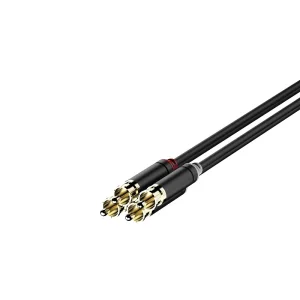
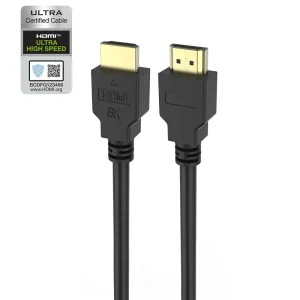
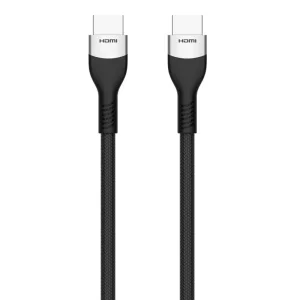
With over 38 years of experience, we have established our foundation on the professional manufacturing of video and audio peripheral equipment connection lines. We have gradually developed into high-end audio and video cable data cable production, such as HDMI 2.1 cables, DP 2.0 cables, USB4 data cables, USB-C 3.1 Gen2 data cables, high-power USB charging cables, 8K HD conversion cables, multi-functional Type-C expansion docks, and various networking converters. Our focus remains on high-quality research, development, and manufacturing.
Sourcing ethernet adapters involves evaluating key technical specifications to ensure compatibility and stability in enterprise network environments:
 Taichang Electronic